Do Clothes Shrink in the Washer or Dryer? What Actually Causes Shrinkage
Clothes shrink primarily in the dryer, not the washer, because heat, moisture, and agitation combine most intensely there to cause shrinkage. While washers subject clothes to water and movement, the dryer’s high heat plays the biggest role in shrinking fabrics. Understanding this helps you protect your clothes from unwanted size changes.
This information is for anyone who wants to maintain their wardrobe size and shape through laundry. You’ll learn what actually causes shrinkage, which fabrics are most affected, and practical steps to stop your clothes from shrinking during washes and dries.
Key Takeaways
- Clothes shrink more in the dryer due to heat combined with moisture and tumbling agitation.
- Fill the washing machine drum no more than 75 percent full to ensure proper rinsing and reduce shrink risk.
- Natural fibers like cotton and wool shrink more than synthetic fabrics like polyester or nylon.
- Always check and follow care labels to choose appropriate wash and dry settings for your garments.
- Use the lowest heat setting on your dryer to minimize shrinkage, especially for delicate or cotton items.
- Remove delicate clothes before drying to prevent excess tumbling damage and shrinkage.
Do Clothes Shrink More in the Washer or Dryer?
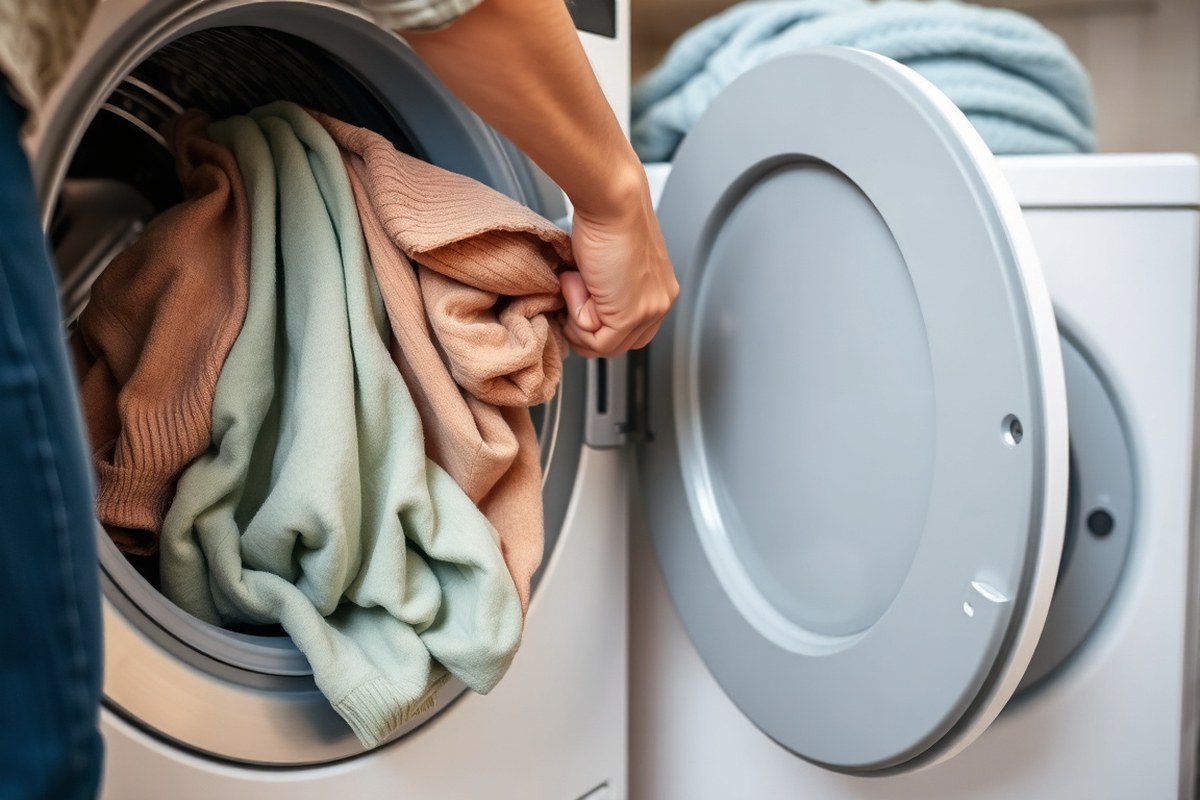
Clothes tend to shrink more in the dryer than in the washer. The key reason lies in the intense combination of heat, moisture, and mechanical stress that happens during drying. While washing does involve agitation and water, the temperatures are generally lower and short-lived, so shrinkage from washing alone is usually minimal.
In a washing machine, clothes are soaked and agitated in water that is often warm but rarely very hot. This process can cause fibers to relax and swell slightly, but it doesn’t lead to significant permanent shrinkage. The heat exposure during washing lasts only as long as the wash and rinse cycles, which is typically less than an hour. Water prevents fibers from contracting tightly, so the fabric often returns close to its original size once it dries.
The dryer subjects clothes to much higher temperatures, often ranging between 120°F and 160°F depending on the heat setting. This heat causes the fibers, especially natural ones like cotton, wool, and linen, to contract permanently. Also, the tumbling action in the dryer adds mechanical stress, effectively working the fibers tighter together while they are hot and damp. This combination results in shrinkage that does not reverse when the clothes cool down.
The initial phase of the drying cycle, when clothes are still wet and heated, is when most shrinkage occurs. Overloading the dryer can worsen this effect, as clothes rub and press against each other more, increasing mechanical stress. Choosing lower heat settings and removing delicate fabrics before the full drying cycle finishes can reduce shrinkage. Clothes left to air dry avoid this heat exposure entirely, preserving their original size.
Understanding that the dryer is the main culprit helps you decide how to manage drying. For example, if you need to shrink a cotton shirt slightly, using a high heat setting in the dryer can achieve that. On the other hand, to maintain the fit of most garments, avoiding or minimizing dryer use is best. Knowing exactly how much heat your dryer puts out and tailoring settings to your clothes’ fabric lets you control shrinkage better.
Overall, the dryer plays the predominant role in shrinking clothes because it combines heat, residual moisture, and agitation in a way that washing alone does not. Avoiding high heat, reducing load sizes, and considering air drying are practical steps to limit shrinkage and keep your clothes fitting right over time.
How Heat, Moisture, and Agitation Cause Shrinkage

Clothes shrink mainly because heat, moisture, and mechanical agitation affect the fabric fibers’ structure. Heat plays the biggest role by causing fibers, especially natural ones like cotton and wool, to contract. When heat is applied, the fibers want to return to their original, unstretched state from before the fabric was made. This happens because during manufacturing, fibers are stretched and tensioned; heat relaxes this tension, allowing the fabric to pull inward and shrink.
Moisture also contributes to shrinkage by swelling the fibers. Water molecules enter the fibers and cause them to expand temporarily. When wet fibers swell, mechanical agitation, like the tumbling and spinning in a washing machine, forces the swollen fibers to move closer together. This combination of water and movement rearranges the fibers and can cause permanent deformation, resulting in shrinkage that remains after the fabric dries. The more vigorous the agitation, the greater the risk of fiber damage leading to shrinkage, which is why gentle washing cycles can help reduce this effect.
In the dryer, heat again causes the fibers to contract, but mechanical action plays a larger role here. The tumbling motion repeatedly flexes the fabric, encouraging the stitches and fibers to tighten. This combination of heat and mechanical movement pulls the fabric in different directions and locks the fibers into a smaller size permanently. Since the fabric cools in its shrunken shape, the change becomes durable and difficult to reverse. Avoiding high dryer heat, or air drying where agitation and heat are absent, limits shrinkage.
Clothing manufacturers often pre-shrink fabric using controlled heat and moisture to achieve a stable, relaxed state before cutting and sewing. This pretreatment reduces shrinkage risk for finished garments. Without this step, new clothes retain production tension and shrink more noticeably during early washes and dries. Exposure to high heat and moisture during home laundering releases this tension suddenly, leading to a dramatic decrease in size for some garments.
To reduce shrinkage, wash clothes in cold water on a gentle cycle to limit fiber swelling and agitation, then air dry or use a low-heat dryer setting.
Which Fabrics Shrink the Most and Why
Fabrics made from natural fibers like cotton, wool, and linen tend to shrink more than synthetic materials when exposed to heat and moisture in washers and dryers. These natural fibers absorb water and swell during washing, then contract unevenly as they dry, especially at high temperatures. Synthetic fibers such as polyester and nylon resist water absorption and heat-induced shrinking better because they are made from polymers that maintain their structure under these conditions. Even blended fabrics may shrink but usually at reduced rates compared to pure natural fibers. Pre-shrunk fabrics go through a controlled process during manufacturing that removes much of the potential for post-purchase shrinking, but they can still shrink slightly if exposed to excessive heat in drying.
| Fabric Type | Estimated Shrinkage in Washer (%) | Estimated Shrinkage in Dryer (%) | Typical Notes |
|---|---|---|---|
| Regular Cotton | 2, 5% | 3, 7% | Shrinks due to fiber contraction in heat and moisture |
| Pre-shrunk Cotton | 0.5, 2% | 1, 3% | Less shrinkage due to pre-treatment |
| Wool | 3, 6% | 4, 8% | Prone to felting and shrinkage in heat and agitation |
| Linen | 2, 4% | 3, 6% | Natural fiber that shrinks when dried with heat |
| Polyester | 0, 1% | 0, 2% | Synthetic fiber resistant to shrinkage |
| Cotton-Polyester Blend | 1, 3% | 1, 4% | Moderate shrinkage; less than pure cotton |
The shrinkage percentages reflect typical conditions using warm wash cycles and medium heat drying. To test fabric shrinkage for your clothes, set aside identical samples, wet them evenly, and dry one group using your dryer and air-dry the others flat to compare results. This helps reveal how aggressive your washer and dryer settings are on each material. Shrinkage mostly happens in the dryer due to heat, though the wash cycle’s water and agitation can weaken fibers and start the process. Fabrics labeled pre-shrunk still benefit from cold water and low-heat drying to keep their shape longer.
How to Measure and Track Shrinkage Accurately
To measure shrinkage accurately, take precise measurements of your clothes both before and after washing or drying. Compare these numbers to see how much the fabric has shrunk. Since shrinkage usually happens after the first few laundry cycles, it’s best to track measurements right before laundry and immediately after drying.
Tools Needed for Measurement
Accurate shrinkage measurements require a few simple tools you likely have at home. Using the right tools ensures consistent results.
You’ll need a flexible measuring tape or a ruler that can measure in inches. Consider a fabric-safe marker or pins to mark measuring points if you measure repeatedly. A flat surface like a table helps lay clothes evenly for accurate measuring.
How to Take Initial Dimensions
Start by measuring your clothes while they are dry and before any washing or drying. This sets your baseline for comparison.
- Lay the garment flat on a table or other even surface.
- Smooth out wrinkles without stretching the fabric.
- Use the ruler or measuring tape to measure key points: length from the highest shoulder seam to the hem, and width across the chest or widest part.
- Record the measurements in inches to the nearest 1/8 inch for precision.
Taking accurate initial measurements is important because stretch or folds will affect later readings. You might measure multiple key points depending on the garment’s shape.
Measuring After Laundry
After washing and drying, measure the garment again following a similar process. For best results, remove clothes from the dryer or washing machine while still slightly damp.
- Lay the garment flat on the same surface as before.
- Gently pull it into its natural shape without stretching.
- Measure the length and width at the same spots used initially.
- Record these new measurements for comparison.
Shrinkage often occurs quickly, within the first laundry cycle, so it’s important to measure soon after drying. For air-dried clothes, measure when completely dry; for dryer-dried clothes, measure immediately after removing from the machine.
Calculating Shrinkage Percentage
Quantify shrinkage using a simple formula comparing pre- and post-laundry measurements.
- Subtract the post-laundry measurement from the pre-laundry measurement.
- Divide this difference by the pre-laundry measurement.
- Multiply the result by 100 to get the percentage shrinkage.
Example: If a shirt’s length was 28 inches before and 26.5 inches after washing, the shrinkage is ((28 – 26.5) / 28) × 100 = 5.36%. This precise calculation helps you assess fabric behavior and laundry impact over time.
Laundry Settings That Minimize Shrinkage Risks
To reduce the risk of shrinking clothes in the washer, choose the right water temperature and cycle. Washers with adjustable settings let you select cold or warm water, which minimizes fabric stress and prevents fibers from contracting. Avoid hot water unless the garment’s care label specifically allows it, as excessive heat often leads to shrinkage. Use gentle or delicate cycles to reduce agitation, which can stretch or compress fibers and cause shrinkage.
Dryer settings strongly influence shrinkage as well. Select the lowest heat option and use the shortest drying time possible. High heat and long drying cycles expose clothes to intense temperature and moisture changes, which tightens fibers and leads to size reduction. If your dryer offers a “delicate” or “air dry” cycle, these are better choices for shrinkage-sensitive items. Overloading the dryer hampers air circulation and drying efficiency, so fill the drum only about 75 percent full to ensure even moisture removal.
- Set washer temperature to cold or warm based on fabric care labels
- Use gentle cycle to limit fabric agitation
- Select dryer’s lowest heat or delicate setting
- Choose shortest drying time needed to dry clothes fully
- Fill washer and dryer no more than 75% to allow proper water and air flow
- Consider air-drying delicate fabrics on a rack or line
Drying time also impacts shrinkage. Over-drying clothes causes fibers to contract more than necessary. Remove clothes promptly when the cycle ends to prevent residual heat damage. For slightly damp clothes, air-drying helps maintain size and shape. Keep in mind that some fabrics tolerate shorter drying times better, so always check garment labels for drying instructions.
Always follow garment care labels and avoid high temperatures in both washing and drying to protect your clothes from shrinking.
Common Laundry Mistakes That Cause Shrinkage and How to Fix Them
Common laundry mistakes that lead to shrinkage include ignoring care labels, overloading washers or dryers, and using high heat settings. Avoiding these errors helps keep your clothes fitting right and looking good. Understanding these issues lets you fix or prevent shrinkage effectively.
Ignoring Fabric Care Labels
Care labels provide precise instructions on how to wash and dry your clothes to avoid damage and shrinkage. Disregarding these labels risks using heat or agitation levels that fabrics can’t handle, causing fibers to constrict or warp. Checking the label before laundering costs no extra time and can extend your garment’s life significantly.
Always follow the care label’s drying advice, especially if it warns against using the dryer. Many tend to overlook these instructions, assuming all clothes tolerate the same treatment, which increases shrinkage risks.
Overloading Machines
Loading too many items into your washer or dryer causes excess friction and prevents clothes from moving freely. This increases agitation during washing and uneven drying, stressing fibers in some areas more than others, which encourages shrinkage and misshaping. Use this checklist to avoid overloading:
- Wash about three-quarters of the machine’s capacity, leaving space for circulation
- Wash heavy items separately from lighter ones to balance load weight
- Ensure garments have room to move in the dryer to dry evenly
- Avoid stuffing bulky bedding or towels with regular clothes
- Check drum size on your machine manual for max recommended load weight
Following these checks keeps agitation and heat exposure even, reducing shrinkage chances.
Using High Heat Settings
High dryer heat is a major cause of shrinkage, especially for cotton, wool, and blends. Heat causes fibers to contract and lose their original shape. Many people default to high heat to cut drying time, but this often leads to irreversible shrinking.
Stick with low heat or air-dry settings to minimize fiber damage. Low heat dries clothes more gently, and active drying motion is less likely to cause shrinkage than high heat does. Although drying takes longer at low heat, it helps preserve size and fabric quality.
Mixing Fabric Types
Washing or drying multiple fabric types together can increase shrinkage. Different materials have varying tolerance for heat and agitation. For example, shrinking-prone cottons may get damaged if dried with durable synthetics that require higher temperatures.
Sort laundry by fabric type and care needs. Wash similar fabrics together to apply the optimum water temperature, wash cycle, and drying method. This prevents overexposure to conditions some fabrics cannot handle, reducing shrinkage risks significantly.
Effective Ways to Prevent Shrinkage When Washing and Drying
Air drying clothes is generally better for preventing shrinkage compared to using a dryer. Lower or no heat combined with gentle handling is key to maintaining garment size and shape. Taking a few extra steps with new or delicate clothes can protect your wardrobe from unwanted shrinking.
Air Drying Techniques
Air drying avoids the heat and agitation of a dryer, which are major causes of shrinkage. Hanging clothes on a drying rack or clothesline allows water to evaporate naturally at room temperature. For best results, lay heavy items like sweaters flat on a towel to keep their shape while drying. Here are a few tips to air dry effectively:
- Shake out garments gently before hanging to reduce wrinkles and speed drying.
- Use padded hangers for delicate tops to avoid shoulder distortion.
- Turn clothes inside out to protect colors and fabric surface from sun fading if drying outdoors.
- Space garments apart for good air circulation and faster drying times.
- Rotate clothes during drying if air movement is limited.
- Hang heavier items on the bottom rack and lighter ones on top to maximize airflow.
These small steps reduce the stress on fabric fibers that can lead to shrinking and help your clothes dry evenly without heat damage.
Choosing Low Heat or No Heat
Using lower dryer heat settings can prevent fabric fibers from tightening and shrinking. When machine drying is necessary, select the “low heat,” “delicate,” or “air fluff” setting to minimize heat exposure. These settings typically keep temperatures below 130°F, which is safer for many fabrics.
For certain garments, especially delicate or wool ones, avoid the dryer altogether and stick to air drying. Fabrics like silk, wool, and lace are prone to shrinking under heat and agitation, so low or no heat is important.
Remember that drying times will increase at lower heat, so plan accordingly. Take clothes out while they are still slightly damp and finish air drying if possible.
Handling New and Sensitive Garments
New clothes, especially those made of natural fibers like cotton or wool, are more likely to shrink during their first wash. To protect their size and fit, follow care label instructions closely and handle them gently from the start. Delicate fabrics require special attention:
- Turn garments inside out before washing to protect fibers.
- Use cold water and delicate or gentle wash cycles.
- Avoid heavy agitation in machines by using mesh laundry bags.
- Consider professional dry cleaning for expensive or very delicate items to avoid water and heat damage.
These practices reduce the risk of unwanted shrinkage and maintain your clothes in like-new condition.
Pulling Garments to Shape Before Drying
Shaping clothes while they are damp can help preserve their original dimensions and prevent uneven shrinkage. Gently stretch sleeves, hems, and body of garments back into shape after washing. This works especially well with knit fabrics like wool or cotton that tend to tighten when drying. Follow these steps for shaping:
- Lay clothes flat on a clean towel and gently smooth out wrinkles.
- Use your hands to pull edges and seams back to the original size.
- Allow the garment to dry flat, reshaping periodically if it starts to curl or distort.
- For hang-drying, gently tug fabric into shape before hanging on padded or shaped hangers.
Proper reshaping uses minimal effort but can significantly extend the life and fit of your clothing.
When and How to Intentionally Shrink Clothes Safely
Intentionally shrinking clothes requires controlled heat and moisture, focusing mainly on natural fibers like cotton, wool, and linen, which respond well to these conditions. Synthetic fabrics such as polyester and nylon usually resist shrinking, so you should avoid them if shrinkage is your goal. Applying the right sequence in the washer and dryer can help you achieve the exact size reduction safely without damaging the fabric.
Use a washer cycle that combines warm water and a normal agitation setting to loosen the fibers. Then transfer the garments to a dryer on a high-heat setting, monitoring closely to prevent over-drying, which can weaken or deform the fabric. Shrinking occurs primarily because heat relaxes tight fibers, allowing them to contract as they dry. The process depends on your fabric’s composition and thickness, and shrinking 3 to 5 percent in size is common for cotton fabrics. Follow these steps to shrink your clothes safely:
- Sort fabrics: Select cotton, wool, or linen clothes only. Avoid blends and synthetics since they do not shrink well.
- Wash in warm water: Choose a warm or hot wash cycle to relax fabric fibers while maintaining a gentle agitation level to avoid agitation damage.
- Use a normal rinse: Rinse at warm or hot temperatures but avoid extremely hot water that can cause stress or color loss.
- Dry on high heat: Place the wet garments into the dryer on the highest heat setting safe for the fabric, usually labeled as “cotton” or “normal.”
- Check frequently: Stop the dryer after 15 to 20 minutes to test fit and avoid over-shrinkage or fabric stress.
- Repeat if necessary: For additional shrinkage, repeat the drying step, but limit cycles to avoid excessive wear.
- Remove when slightly damp: Take clothes out when nearly dry to prevent stiffness and allow final shrinking as they air dry.
Never exceed high heat settings or prolonged drying times on delicate fabrics, as this can cause permanent damage or excessive shrinkage beyond your target size.
Step-by-Step Action Plan to Prevent Clothes Shrinkage
Follow these clear steps to minimize shrinkage during laundry and keep your clothes fitting right.
- Before washing: Check the care label for fabric type and washing instructions to select the right settings.
- First wash: Use cold water and a gentle cycle; confirm no noticeable size change after drying.
- After washing: Air-dry delicate or natural fibers to avoid heat shrinkage; verify clothes retain their original shape.
- Weekly laundry routine: Sort clothes by fabric type and wash similar items together to maintain consistent care.
- When drying: Choose low heat or tumble dry settings and remove clothes promptly to prevent excess heat exposure.
- Monthly check: Measure critical garments for any shrinkage and adjust laundry methods if needed.
- Intentional shrinking (if desired): Use warm water wash and brief dryer time, watching closely to avoid over-shrinking.
Frequently Asked Questions
Why Do Clothes Shrink in the Wash?
Clothes shrink in the wash mainly due to heat, moisture, and agitation relaxing the fibers. These factors cause the fabric to contract, especially in natural fibers like cotton and wool.
How to Shrink 2XL to XL?
To shrink a 2XL to XL, wash the garment in hot water and dry it on a high heat setting. Be cautious, as too much heat can distort the shape beyond the desired size.
What Washer Setting Is Best for Shrinking Clothes?
The hottest water setting combined with a regular or heavy wash cycle promotes shrinking. The heat and agitation together cause fibers to contract.
Will Shrunken Clothes Unshrink?
Most shrunken clothes don’t fully return to their original size, but soaking them in warm water with a fabric conditioner can gently stretch fibers for some recovery.
Does Fabric Softener Prevent Shrinkage?
Fabric softener does not prevent shrinkage; it mainly softens fibers and reduces static but doesn’t affect the heat or agitation that causes shrinking.
Can Drying Clothes on Low Heat Still Cause Shrinkage?
Yes, drying on low heat can still cause some shrinkage, though much less than high heat. Prolonged exposure to any heat can gradually shrink fibers.
Key Points to Remember
Most clothes shrink more in the dryer because heat and agitation combine to tighten fibers. Washing in cold water with gentle cycles reduces risk by limiting heat and motion. Starting with the care label and choosing the right settings can keep your clothes fitting as expected. Try a cold, gentle wash and air dry your most shrink-prone items first to see the difference in your laundry results.