How to Get Deodorant Off Shirt: 8 Proven Ways for Fast, Clean Results
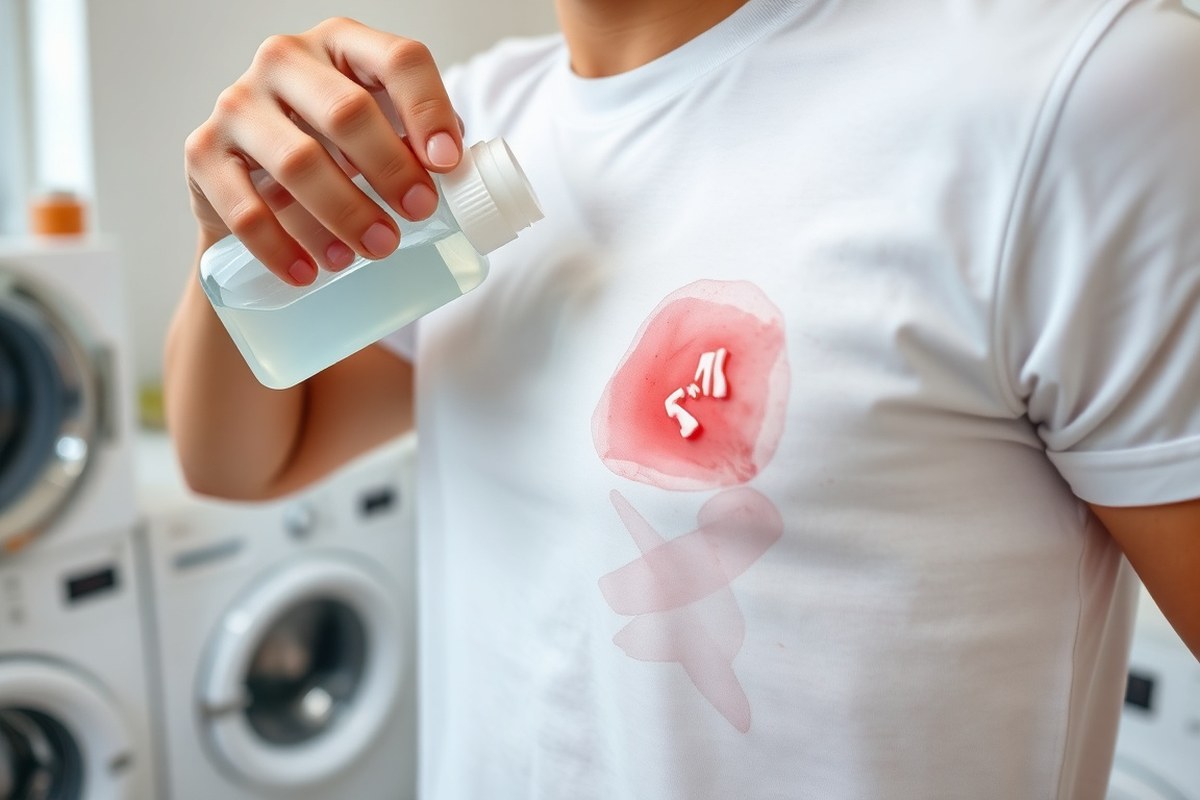
To get deodorant off a shirt fast, start by dampening the stained area, apply a stain remover or household solution, and let it sit for up to 30 minutes before washing. For quick results, soaking the shirt in warm water mixed with OxiClean for a few hours also works well. This advice helps you tackle those annoying white or yellow marks without damaging your fabric or wasting time.
This information is for anyone wanting to restore their shirts without professional cleaning or harsh chemicals. You’ll learn practical steps to remove deodorant stains effectively and keep your clothing looking fresh longer.
Key Takeaways
- Dampen the stained area to loosen deodorant residue before treatment.
- Apply stain remover or a paste made from household ingredients and let it sit 15-30 minutes.
- Soak shirts in warm water and OxiClean powder for 2-6 hours for deep stain removal.
- Wash treated shirts as usual after the stain has loosened for best results.
- Allow stubborn stains to soak longer, even overnight, if initial treatment is not enough.
- Using hot water on durable fabrics helps break down deodorant buildup effectively.
1. How to Get Deodorant Off Your Shirt Fast

Removing deodorant stains quickly is possible using simple home remedies. Fresh deodorant marks usually come off without much effort if you act fast. This prevents buildup from setting into the fabric, which saves time and preserves your shirt’s look. Common household items like baking soda, white vinegar, or dish soap effectively lift these stains.
For best results, apply the chosen stain remover and let it sit long enough to break down any residue. For mild stains, 15 to 30 minutes usually works. More stubborn stains benefit from letting the solution sit for one to two hours before washing. Using cold water during the wash cycle helps avoid setting the stain further, especially for armpit areas.
- Identify the stain: Check if the stain is fresh white marks or yellow pit stains. Fresh marks come off faster, while yellow stains might need a longer soak.
- Prepare your stain remover: Mix baking soda with a bit of water to form a thick paste. Alternatively, use white vinegar or a few drops of dish soap diluted in water.
- Apply the solution: Spread the paste or pour the liquid directly onto the affected area, covering it fully.
- Let the shirt sit: Leave the treatment on for 15 to 30 minutes for light stains. For more serious or caked-on deodorant, let it sit between 1 and 2 hours or up to overnight for tough cases.
- Soak if necessary: For deeper stains, soak the shirt in cold water mixed with your stain remover for 2-3 hours before washing.
- Wash with cold water: Put the shirt in the washing machine and run a cold water cycle with your regular detergent to remove the loosened deodorant residue.
- Check before drying: Inspect the shirt after washing to ensure the stain is gone. Repeat the process if any marks remain, avoiding heat from the dryer which can set stains.
Applying these steps quickly after noticing deodorant stains can get your shirt looking fresh again without a full wash or professional cleaning. Choosing mild, fabric-safe treatments protects your clothing while removing buildup effectively. Deodorant stains tend to be less stubborn when treated promptly and with cold water washes, so speed is key.
2. Why Do Deodorant Stains Form and Stick to Shirts?

Deodorant stains form mainly due to a chemical reaction between the aluminum compounds in many antiperspirants and sweat. This reaction creates residues that stick to your shirt fabric, especially when mixed with sweat and body oils. Over time, these residues build up and become tough, crusty stains that don’t easily wash out.
Chemical Causes of Deodorant Stains
Most deodorants, especially antiperspirants, contain aluminum-based compounds. When you sweat, these compounds react with the sweat’s natural salts and proteins, causing a chemical bond that produces visible residues on fabric. This residue appears as white marks or yellowish stains, depending on the fabric color and type.
This bond between sweat and deodorant ingredients, such as aluminum zirconium tetrachlorohydrex gly, is not water-soluble, which means regular washing with just water often won’t remove it. Warm or hot water may set these stains further, making them more difficult to take out later.
Why Stains Set and Become Caked-On
Deodorant stains become caked-on when the layer of residue mixes with sweat, skin oils, and dirt during repeated wear without proper cleaning. These materials form a crusty buildup that adheres strongly to fibers like cotton, polyester, spandex, and even delicate fabrics such as silk. Over time, this buildup hardens and resists removal with basic washing or surface scrubbing.
Repeated exposure to sweat leads to the protein and body soil embedding deeper into the fabric weave. Without timely treatment, these stains can penetrate the fibers and become “set-in,” which requires more intensive cleaning techniques to break down the combined deposit of deodorant residue and sweat.
Interaction of Sweat and Deodorant Residue on Fabric
Sweat itself contains salts and proteins that, on their own, can create yellowish stains but usually don’t stick as firmly. When combined with deodorant residue, the salts in sweat help bind aluminum compounds to the fabric. This union results in stains that are tougher to remove because they form a matrix that is resistant to water and many detergents.
After wearing a shirt, the sweat-deodorant mixture clings especially well under the arms, where the fabric experiences friction and heat. This interaction explains why stains often concentrate in these areas and why washing shirts promptly after wearing them reduces stain severity.
Fabric Factors Affecting Stain Resistance
Fabric composition and weave influence how deodorant stains form and adhere. Natural fibers like cotton absorb sweat and deodorant residues deeply, while synthetic fibers such as polyester and spandex may trap residues on the surface or within tight weaves. Silk, being delicate, can absorb body oils and deodorant residues without allowing for aggressive stain removal.
Fabrics treated with fabric softeners or anti-stain sprays may resist some residue buildup, but these treatments can also cause stains to spread or become harder to treat if applied after a deposit has formed. The key is early intervention before the stain sets.
Quickly washing shirts after use and removing excess deodorant residue with a dry cloth can prevent stains from setting and simplify later cleaning.
3. Top Methods to Remove Deodorant Stains by Fabric Type
Removing deodorant stains requires different care depending on the fabric type and color of your shirt. Cotton and polyester can handle stronger stain removers, dark clothes need gentle treatment to preserve color, and delicate fabrics like silk demand careful, mild cleaning methods.
Cotton and Polyester Shirts
Cotton and polyester shirts can usually tolerate more aggressive stain removal techniques. For fresh deodorant stains on these fabrics, applying a mixture of baking soda and water directly on the stained area can lift the residue quickly. For more stubborn or set-in stains, using Clorox™ Bleach for white cotton or polyester shirts is effective. Add about 1/3 cup of bleach during the wash cycle, but only if the fabric is all white and bleach-safe. For white items with some stretch, like those containing spandex, Clorox 2™ for Colors Laundry & Fabric Stain Remover works better since it’s gentler but still strong enough to remove deodorant without damaging the fabric or causing yellowing.
Removing Stains from Dark and Black Shirts
Dark and black shirts often show white chalky marks from deodorant instead of yellowish stains. The approach here is to remove the visible product without fading or damaging the fabric. Avoid strong bleach or harsh chemicals.
A simple and safe method you can try is rubbing a dryer sheet against the affected area. This pulls deodorant residue off without hurting the fibers. Commercial stain removers like OxiClean Max Force Laundry Stain Remover can also work well; apply them sparingly according to the label instructions to avoid color loss or discoloration.
Treating Delicate Fabrics Safely
Silk, wool, and rayon need a much gentler touch. Avoid bleach and abrasive scrubbing. Use cool water and a mild detergent made for delicate fabrics. Baking soda paste can be tested on a hidden seam, but often just soaking in a gentle detergent solution followed by air drying is safest.
If the stain persists, consider professional cleaning. Delicate fabrics stain more easily and damage can happen quickly, so handling them carefully protects your shirt’s look and feel. The table below summarizes stain removal tips based on fabric type and stain severity.
| Fabric Type | Recommended Stain Removal | Precautions | Result Expectation |
|---|---|---|---|
| Cotton/Polyester (White) | 1/3 cup Clorox™ Bleach in wash; baking soda paste for fresh stains | Test for bleach safety; avoid excess bleach duration | Bright and stain-free if used properly |
| Cotton/Polyester with Spandex (White) | Clorox 2™ for Colors Laundry & Fabric Stain Remover | Follow label instructions; gentle cycle wash | Clean with preserved stretch and no yellowing |
| Dark/Black Shirts | Dryer sheets; OxiClean Max Force stain remover | Use sparingly; avoid bleach and strong chemicals | Visible deodorant removed without fading |
| Delicate Fabrics (Silk, Wool, Rayon) | Mild detergent soak; cool water rinse; test baking soda paste | No bleach or scrubbing; consider professional cleaning | Preserved fabric integrity; stains may need professional care |
Understanding each fabric’s tolerance and adjusting your method prevents damage and improves results. Always test new products on an inconspicuous area before full application to avoid surprises.
4. Using Household Ingredients for Stubborn Deodorant Stains
Household ingredients like baking soda, white vinegar, lemon juice, and enzyme-based detergents offer effective ways to remove stubborn deodorant stains from shirts. Each option works differently, so choosing the right one depends on the fabric and stain severity. Using these remedies properly can restore your shirt without harsh chemicals or expensive cleaners.
Baking Soda Paste Preparation and Use
Baking soda is mildly abrasive, which helps loosen deodorant buildup while being gentle enough for most fabrics. It also neutralizes odors. Preparing a baking soda paste is simple and works well on white or colored shirts.
Create a paste for tough deodorant stains using 4 tablespoons of baking soda and ¼ cup of warm water. The warm water aids in dissolving the baking soda and improve its ability to remove stains. Follow these steps for best results:
- Mix 4 tablespoons of baking soda with ¼ cup of warm water in a small bowl, stirring until a smooth, spreadable paste forms.
- Apply the paste directly to the deodorant stain using a clean cloth or your fingers. Coat the area thoroughly.
- Let the paste sit on the stain for about 1 hour at room temperature to allow it to break down residue.
- Gently scrub the paste into the fabric with a soft brush or old toothbrush if the stain feels stubborn.
- Rinse the treated area with cool water to remove the paste.
- Launder the shirt as usual, following the care label instructions.
Using this method can remove most deodorant stains without fading colors. Avoid using hot water, as it may set the stain further. For white shirts, adding a small amount of hydrogen peroxide to the baking soda paste can increase whitening power but test first on a hidden area.
Applying White Vinegar or Lemon Juice Safely
White vinegar and lemon juice are acidic agents that dissolve mineral deposits and deodorant buildup on fabrics. They act as natural stain removers and brighteners but require careful application to avoid color fading or fabric damage.
To safely use white vinegar for deodorant stains, dilute it to reduce strength. Mix one part white vinegar with three parts water. Apply this solution to the stain and let it sit for about 30 minutes before blotting it with a damp cloth. Avoid soaking the area excessively.
For lemon juice, apply a small amount directly to the stain using a cotton swab or dropper. Let it sit for 5 to 10 minutes, then blot gently with a damp cloth. Lemon juice works well on white or colorfast fabrics but can bleach some textiles, so test on a hidden seam first. Here is a summary of the vinegar method:
- Mix 1 part white vinegar with 3 parts water in a spray bottle or bowl.
- Dab the solution onto the deodorant stain using a clean cloth or cotton ball.
- Let it sit at room temperature for 30 minutes without drying out.
- Blot the stain area gently with a damp cloth to lift loosened residue.
- Wash the shirt per the care label recommendations.
Using vinegar or lemon juice can improve cleaning when combined with other treatments like baking soda but don’t mix these acids directly with baking soda on the fabric; apply separately and rinse between steps for best results.
Choosing Enzyme-Based Stain Removers
Enzyme detergents contain proteins that break down organic compounds in deodorant stains, including sweat and oils. These removers are particularly effective for stubborn, old, or stubbornly set-in stains. You can find enzyme-based stain removers as liquid pre-treatments or additives in laundry detergents.
To use an enzyme stain remover, apply it directly to the deodorant-stained area before washing. Let it sit for at least 15 to 30 minutes, allowing the enzymes time to break down the stain. Wash the garment in warm water if the fabric care labels allow, as warmer temperatures boost enzyme activity.
Enzyme removers work best on protein-based stains and can remove residues baking soda or vinegar might miss. They tend to be more expensive than household ingredients but deliver faster and more thorough results on tough stains. Always follow the product instructions and test on concealed fabric patches.
5. Preventing Deodorant Stains on Shirts Before They Happen
Applying deodorant properly can greatly reduce stains on your shirts. Always make sure your skin is completely dry before application. Use a thin, even layer rather than thickly coating your underarms. Applying too much increases the chance of residue transferring onto fabric. Let the deodorant dry fully before putting on your shirt to prevent smudging, especially with brightly colored clothing.
Some deodorant formulas cause more staining than others. Antiperspirants with aluminum compounds often leave yellowish stains by reacting with sweat minerals like salt. These stains are tougher to remove and tend to accumulate over time. Choosing deodorants without aluminum or opting for gel or clear stick types can reduce visible residue on your shirts.
- Apply deodorant to dry skin in a thin layer
- Let deodorant dry fully, about 1 to 2 minutes, before dressing
- Rotate shirts frequently to avoid buildup
- Wear sweat-proof undershirts like Thompson Tee to protect outer shirts
- Choose deodorants without aluminum for less visible stains
- Consider fabrics less prone to staining, such as polyester blends over pure cotton
- Keep shirts loose around the underarms to minimize contact with deodorant
Wearing undershirts designed for sweat protection helps shield your outer shirts from deodorant stains. The Thompson Tee, available for men and women, uses a sweat-proof barrier to stop marks before they reach your clothing. Undershirts also absorb sweat and deodorant residue, which decreases staining and keeps shirts looking fresh longer.
Fabric choice impacts how much deodorant shows up. Synthetic materials like polyester resist visible white marks better than cotton, which can show the powdery residue clearly. Some fabrics stretch less around the underarm, meaning less smudging as you move. Shirts with a tighter weave may trap deodorant buildup, while looser-knit fabrics help stains wash out more easily.
Always wait at least two minutes after applying deodorant before dressing to avoid transfer and smearing on shirts.
6. Common Mistakes That Make Deodorant Stains Worse
Avoid treating deodorant stains with hot water before you apply any stain remover. Hot water can set the stain permanently, making it much harder to get out later. Instead, start with cold or warm water to gently loosen the deodorant without embedding it deeper into the fabric.
Scrubbing too hard can weaken or distort fabric fibers, especially on delicate materials like silk or thin cotton. Use a soft-bristled brush or a clean cloth to gently rub the stain remover into the fabric. Let the solution sit for 10 to 15 minutes before washing, giving it time to break down the deodorant residue. When the fabric is sturdy, like denim or heavy cotton, you can use a bit more pressure but steer clear of vigorous scrubbing that damages the fabric’s surface.
Harsh chemical stain removers or bleach products can cause color fading or damage the fabric’s texture. Choose gentle stain removers designed for clothing and follow the label instructions carefully. Homemade solutions like diluted liquid soap or oxygen-based cleaners (such as OxiClean) dissolved in warm water are effective and safer options. When using OxiClean, soak the stained shirt for 2 to 6 hours or overnight for heavy stains to get good results before laundering.
- Do not wash stained shirts in hot water before pretreatment; use cold or warm water instead.
- Avoid vigorous scrubbing; use a soft brush or cloth and gentle motions.
- Skip harsh bleach or strong chemical stain removers that risk fading or fabric damage.
- Let stain removers sit on the fabric for at least 10 to 15 minutes before washing.
- For set-in deodorant stains, soak the shirt in an oxygen-based cleaner for several hours before laundering.
- Don’t rub thick deodorant layers in; blot and treat gently to avoid spreading the stain.
Rubbing the stain harshly or using strong chemicals often leads to fabric thinning or visible wear. Patting the stain with cold water and a clean cloth helps lift deodorant without pushing it deeper. With delicate fabric, test stain treatments on a hidden spot before applying them broadly. Following these practices should keep your shirts in good condition while removing deodorant stains effectively.
7. How to Know When to Use a Professional Cleaner
You should consider professional cleaning if the deodorant stain is on a delicate or dry-clean-only fabric, such as silk, wool, leather, or structured garments. These materials can be damaged by at-home treatments or machine washing, leading to fabric weakening, color loss, or texture changes. A clear decision rule is to check the care label first: if it says “dry clean only” or advises against water washing, avoid home remedies and take the shirt directly to a professional cleaner.
Tough stains that have deeply set or caused fabric discoloration often need professional care. The combination of deodorant, body oils, and antiperspirant ingredients can leave yellow or gray marks that household cleaners struggle to remove. When gentle home cleaning fails to eliminate a stain, it usually means a specialist should handle it. Experts use specific solvents and techniques, including ammonia-based products, which are better at breaking down protein stains and deodorant residue than standard consumer cleaners.
To determine if you need a professional, apply this checklist: Is the fabric labeled dry clean only or delicate? Has home cleaning caused fiber damage or shrinking? Does the stain remain visible and discolored after repeated gentle cleaning attempts? Answering yes to any of these questions means it’s best to seek professional cleaning services. Also, if the garment is expensive or holds sentimental value, it’s safer to skip trial-and-error home treatments that might worsen the damage.
Professional cleaning services vary in cost but expect to pay around $10 to $25 for standard shirts, depending on the fabric and location. Though more expensive than home methods, professional cleaners offer expert stain removal that can preserve fabric quality and appearance. Good results typically include the stain disappearing fully without fabric damage or noticeable color changes. Problems occur when home treatment has already weakened the fabric, making restoration more difficult and expensive.
To get the best outcome from professional cleaning, bring the shirt as soon as you identify the problem. Inform the cleaner about any home treatments you tried to avoid conflicting chemical reactions. Avoid scrubbing or using harsh chemicals yourself, as these actions can embed stains deeper or harm delicate fibers. Letting the deodorant dry completely before wearing your shirt again also helps prevent fresh stains and improves the chance of successful professional cleaning.
8. How Long Deodorant Stain Removal Takes and What to Expect
Deodorant stain removal typically requires a little patience to see good results. Most stain treatments benefit from letting the product sit on the fabric for at least 10 to 15 minutes before washing. This wait time allows the ingredients to break down the deodorant buildup without damaging the fabric. For tougher, older stains, a longer soak of up to an hour or more may be needed, especially if you’re using a scrub or a gel-based treatment.
Watch for changes that signal the treatment is working. The white, chalky residue usually begins to soften or fade, indicating the stain is lifting. When the fabric looks better but the stain is still visible, gently scrubbing with a soft brush or rubbing the fabric together can help remove remaining residue.
Signs of stubborn stains include no visible fading after the first treatment or the stain looking darker or set in. In such cases, let the garment dry completely before trying a different method. You might try a spray remover if you initially used a paste or vice versa. Repeat treatments are often necessary, especially with antiperspirants that contain aluminum compounds, which are more challenging to break down.
- Let stain remover sprays or gels sit for 10 to 15 minutes before washing.
- For older or tougher stains, allow treatments to work for up to 60 minutes.
- Scrub gently with a soft brush after longer soak times if needed.
- Repeat the process once or twice if the stain persists, letting the fabric dry between attempts.
- Consider different product types if the first one shows no effect.
- Spray both the inside and outside of the shirt for more thorough stain coverage.
- Apply a final spray before washing for extra stain-fighting power.
Always test a small hidden area first to make sure the stain remover doesn’t discolor your fabric before applying it widely.
On-the-go stain removers can tackle fresh deodorant marks quickly, but these usually work best with immediate application. When home, giving the stain remover enough time to penetrate the fabric ensures deeper cleaning and better removal. When you see little or no improvement after several treatments, the stain might be permanent or need professional cleaning. Patience and the right timing are key to safely reducing or removing deodorant stains without harming your shirt.
Step-by-Step Action Plan for Removing Deodorant Stains
Follow these clear steps to tackle deodorant stains effectively and ensure your shirts look fresh again.
- Before you start: Identify the fabric type of your shirt to choose the best stain removal method.
- Within 1 hour: Gently scrape off excess deodorant residue with a dull knife or spoon without spreading the stain.
- Within 2 hours: Apply a household ingredient like white vinegar or baking soda paste directly on the stain and let it sit for 15 minutes.
- Within 3 hours: Rinse the treated area with cold water and gently blot to lift the stain. Check if it’s visibly lightened.
- Before washing: Pre-treat with a stain remover or liquid detergent, rubbing it gently into the fabric for 5 minutes.
- Wash cycle: Wash the shirt according to its care label in the warmest water safe for the fabric.
- After washing: Inspect the shirt before drying; if the stain remains, repeat the treatment because heat can set it permanently.
- Final check: Air dry the shirt once the stain is gone to prevent shrinkage or damage.
Frequently Asked Questions
How Do You Remove Deodorant Stains Without Damaging the Fabric?
Use mild detergent and cold water to gently dab the stain, avoiding harsh scrubbing. This preserves fabric quality and prevents spreading the stain.
Can Vinegar Help Remove Deodorant Stains?
Yes, soaking the stained area in a vinegar solution can break down deodorant buildup. Let it sit for 30 minutes before washing.
Is It Okay to Use Bleach on Deodorant Stains?
Bleach can damage fabrics, especially colored shirts. Use oxygen-based cleaners instead for safer stain removal.
How Can I Remove Deodorant Buildup from a Black Shirt?
Use a gentle brush with mild soap and cold water to lift deodorant from black shirts without leaving white marks.
Does Dryer Heat Set Deodorant Stains?
Yes, heat can set stains permanently. Air-dry shirts until stains are gone to avoid this.
Why Should I Wait for Deodorant to Dry Before Dressing?
Waiting prevents wet deodorant from transferring to fabric and causing stains. Let deodorant dry for a few minutes before putting on your shirt.
Final Thoughts
Deodorant stains can be removed safely when you act promptly and use the right methods for your shirt’s fabric. Start with simple household treatments and move to specialized products only if needed. Your next step is to check the fabric care tag and try the quick scraping and treatment method today to restore your shirt’s appearance.