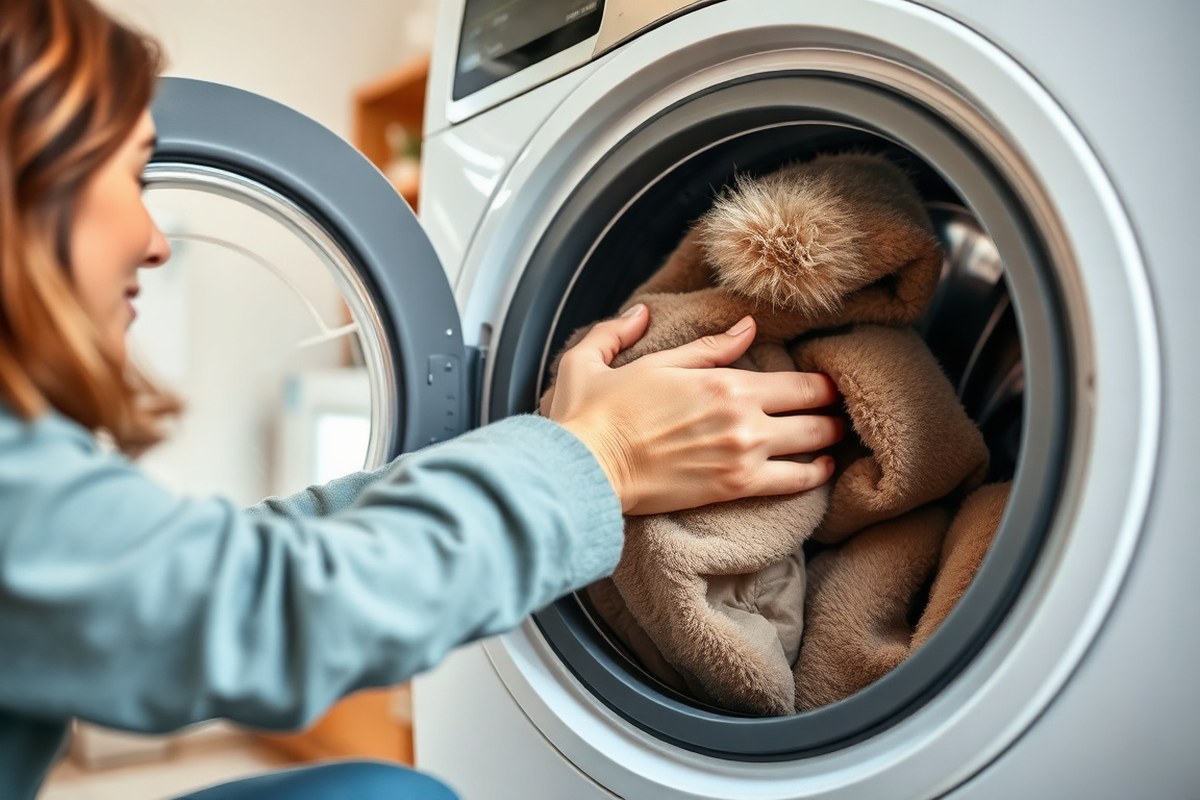
How to Wash Winter Coat: Complete Care Guide for Every Fabric Type
Washing a winter coat safely at home means identifying its fabric type, treating stains gently, and choosing the proper washing method. Use mild detergent, soak without harsh agitation, and dry carefully to avoid damage. This keeps your coat clean without harming insulation or shape.
This advice helps anyone looking to clean their winter coat effectively without professional help. You’ll learn how to manage stains, prepare your coat, and follow washing and drying steps suited for various fabrics.
Key Takeaways
- Treat stains by wetting fabric, applying liquid detergent, rubbing gently, and waiting 5, 10 minutes before washing.
- Use the delicate or handwash setting on your machine to protect coat fabrics.
- Submerge the coat fully and let it soak 10, 15 minutes for better dirt and oil removal.
- Avoid wringing; drain water gently and reshape the coat before drying.
- Dry coats flat on a clean towel or hang on padded hangers for 24, 48 hours to maintain shape.
- Use baking soda on grease stains for 15 minutes before applying mild dish soap as stain remover.
How to Wash a Winter Coat Safely at Home

Washing a winter coat at home requires careful attention to avoid damage to the fabric and insulation. Using cold water and a detergent suited to your coat’s material helps preserve its warmth and structure. Machines are okay for many coats if the label says so, but gentle hand washing works best for delicate fabrics like wool. Avoid harsh detergents and hot water, which can shrink or ruin your coat’s finish. Follow these exact steps to clean your winter coat safely and keep it looking and feeling its best.
- Check the care label. Read the label to confirm if machine washing is allowed and what detergent to use. Labels specify “down-safe,” “wool-safe,” or “tech wash” detergents for waterproof coats.
- Get the coat ready. Fasten all buttons and zip up the coat, then flip it inside out to shield the outer material. Detach any removable fur trim or accessories before cleaning.
- Select detergent and water temperature. Use cold water to avoid dye bleeding and fiber damage. Choose a detergent designed for your coat’s fabric: down-safe for down jackets, mild detergent for synthetics, and wool-safe for hand wash-only coats.
- Choose washing method. Use a washing machine’s gentle or delicate cycle if allowed. For delicate fabrics like wool or cashmere, hand wash in a sink with cold water and detergent, gently swishing without wringing or twisting.
- Run the wash cycle.For machine washing, choose the gentlest cycle available and use a slow spin speed to avoid compressing the insulation. Do not add fabric softener, which can harm water-resistant coatings.
- Remove promptly and shape. Take the coat out as soon as the cycle finishes to prevent wrinkles and mildew. Smooth and reshape it while damp to maintain its form and loft.
- Dry according to fabric type. Use low tumble heat with 2-3 dryer balls for down or synthetic puffers, ensuring the coat is completely dry to prevent mold. Lay wool coats flat on towels, reshape, and air dry slowly to preserve shape.
Following these steps minimizes risks like shrinking, color fading, or loss of insulation. Avoid washing unless necessary, as frequent cleaning can wear out the coat faster. When in doubt, washing by hand in cold water or opting for professional cleaning ensures the best care for your winter outerwear.
How to Identify and Treat Stains Before Washing
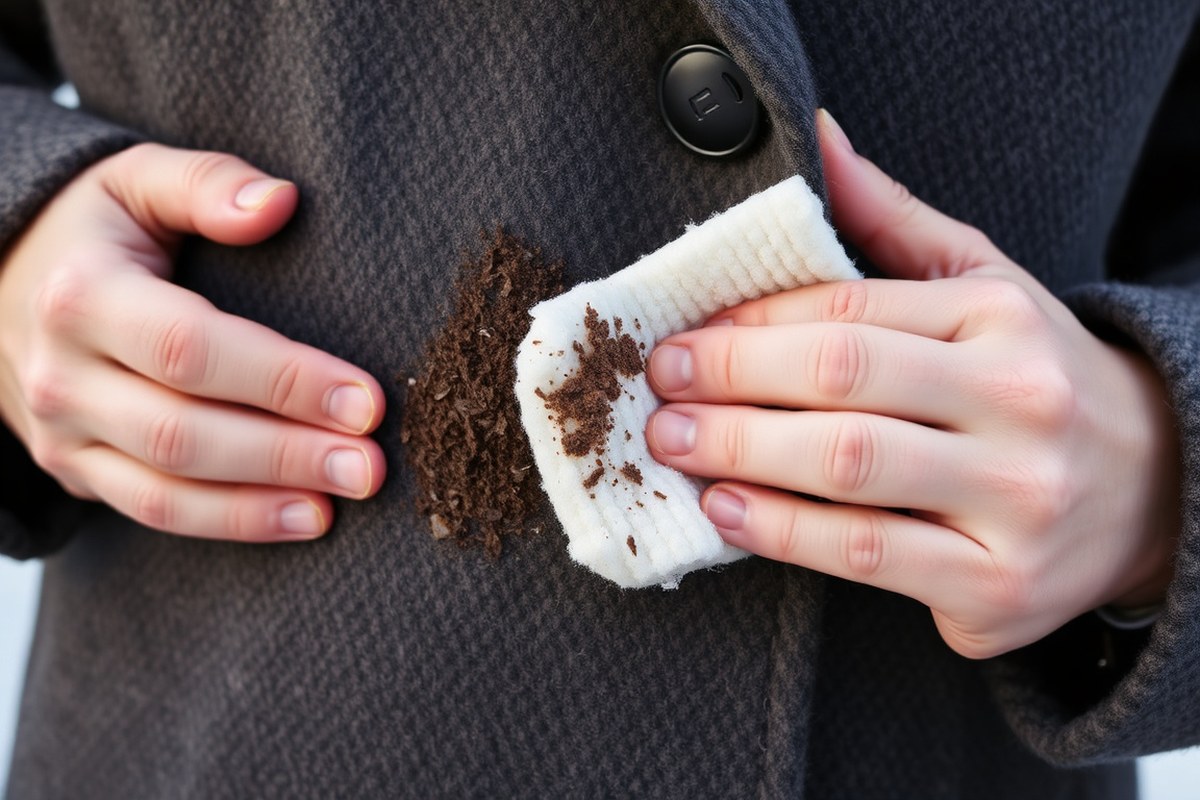
Recognizing and treating stains on your winter coat before washing prevents permanent marks and helps keep your coat looking fresh longer. Typical stains include salt, mud, oil, and food, each needing specific spot treatments. Applying the right remover and letting it work about 10 to 30 minutes before laundering improves stain removal results.
Common Stain Types on Winter Coats
Salt stains from road salt or melted snow are very common during winter. These usually appear as white or crusty deposits on the fabric. Mud stains come from outdoor activities and dirt. Oil stains arise from cooking, skin oils, or greasy substances, often leaving dark, greasy spots. Food stains like coffee, wine, or sauces can vary in color and texture but usually need prompt attention to avoid setting. Different fabrics on coats, like wool, fleece, or synthetic puffer materials, might hold stains differently, so knowing the stain source helps match the treatment to your garment.
Choosing the Right Stain Remover for Each Case
Liquid laundry detergent or dedicated laundry stain removers are effective on most common stains. For salt, gently brushing off salt crystals before spot treatment helps. Oil stains benefit from dish soap, as its grease-cutting agents target oils better than regular detergent Try these stain removers according to stain type:
- Salt stains: Brush off residue, then dab with cold water before detergent spot treatment.
- Oil stains: Apply a small amount of dish soap or concentrated detergent, gently rub in.
- Mud stains: Let dried mud harden, then brush off excess, apply laundry detergent.
- Food stains (coffee, wine, sauces): Use liquid detergent or a laundry stain remover; for wine, cold water rinses before spot treatment help.
- For wool coats: Use a cloth dampened with gentle detergent, dab gently rather than rubbing.
Always check your coat’s care label to avoid stain removers that might damage delicate fibers or finish treatments like waterproofing.
How Long to Let Stain Remover Sit Before Washing
Most laundry stain removers or liquid detergents should stay on the stain for about 10 minutes before washing. Some tougher stains, like stubborn mud or food spots, benefit from a longer dwell time of up to 30 minutes. Avoid leaving treatments on for more than 30 minutes, as it might discolor some fabrics or weaken fibers. For wool or delicate fabrics, keep spot treatments brief (10 to 15 minutes) and always blot gently to protect the fabric’s structure.
Step-by-Step Stain Treatment Checklist
Follow these steps carefully to treat stains before washing your winter coat:
- Identify the stain type (salt, oil, mud, food).
- Remove loose dirt or salt by brushing or shaking the coat.
- Apply the appropriate stain remover directly onto the stain, liquid detergent, dish soap, or a commercial stain remover.
- Gently rub with a soft brush or cloth, especially on durable fabrics.
- Let the remover sit for 10, 30 minutes, depending on stain toughness and fabric type.
- Rinse the treated area with cold water if the care label allows.
- Proceed with washing the winter coat following its care instructions.
Spot test stain removers on a hidden area before applying broadly to prevent colour loss or damage.
What Successful Stain Removal Looks Like and Common Mistakes
A well-treated stain should fade visibly or disappear completely after the coat’s normal wash cycle. Avoid scrubbing too hard or using hot water on oily or protein stains, as heat can set stains and damage fabrics. Over-treating or using harsh chemicals can weaken fibers or affect waterproof coatings. Salt stains need prompt attention to avoid permanent fabric discoloration and buildup.
Waiting too long to pre-treat stains or skipping spot treatment before washing increases the chance stains will set and become permanent. Some stains may not vanish entirely with home treatment and might require professional cleaning for complete removal.
Choosing the Right Washing Method for Different Fabrics
Choosing the right washing method depends largely on your winter coat’s fabric, wool, down, synthetics, or waterproof materials each need specific care to avoid damage. Checking the care label is your first step, which tells whether you can machine wash, hand wash, or if dry cleaning is necessary. Knowing the correct detergent, washing settings, and drying method helps keep your coat in good shape and extends its life.
Wool and Cashmere Coat Care
Wool and cashmere coats usually require delicate handling because these fibers can shrink or lose shape if washed improperly. Machine washing is generally not recommended for these fabrics. Hand washing with a gentle detergent designed for wool or cashmere is best, or using cold water to avoid shrinking. After washing, avoid wringing and dry the coat flat on a towel to preserve its shape. Light brushing during drying helps maintain the coat’s texture.
Many wool coats have a care label that says “Dry Clean Only.” Respecting this advice is important because dry cleaning avoids the risks of water damage and shrinkage. When you need a full clean and the label is missing or unclear, consulting a professional cleaner is safer than machine washing.
Down and Puffer Jackets
Down and puffer jackets often come with synthetic shells and natural or synthetic insulation. These jackets can usually be machine washed, but only on a gentle cycle using cold or warm water. Use a detergent formulated specifically for down or technical outerwear, which keeps the feathers fluffy and prevents clumping. Avoid standard detergents as they can damage the insulation’s loft.
Tumble drying with low heat is necessary to properly restore loft in down jackets. Adding clean tennis balls or dryer balls during drying helps break up clumps and fluff the down. Drying can take 48 to 72 hours, so patience is key. Some puffer jackets have durable water repellent (DWR) coatings that might need restoration after washing.
Waterproof and Synthetic Coats
Coats made from synthetic fibers or waterproof shells like nylon or polyester are more forgiving in the wash. Most can be machine washed on a gentle or synthetic cycle with cold water, using mild liquid detergents without fabric softeners to preserve water repellency. These synthetic coats dry relatively quickly, often within 12 to 24 hours, and can usually be tumble dried on low.
After washing, you may need to apply a spray-on or wash-in DWR treatment to maintain the waterproof finish. This treatment restores the coat’s ability to repel water and prevents the fabric from soaking through. Synthetic insulated coats also benefit from a low-heat tumble dry with dryer balls to keep insulation evenly distributed and fluffy.
When to Opt for Dry Cleaning
Dry cleaning is recommended for coats labeled “Dry Clean Only,” or those made with delicate or specialty materials, such as leather, suede, or heavily embellished wool coats, that washing machines and water-based cleaning could damage. Structured coats that could lose shape or have unsewn components are also better handled by professionals.
Dry cleaning costs typically range from $10 to $30 per coat and can provide thorough cleaning without shrinking or distorting your garment. Professional cleaners may also restore water repellency and handle stain removal more effectively. When you’re uncertain after reading the care label, dry cleaning is a safer choice than risking machine or home washing damage. Below is a comparison table summarizing key washing and drying information for different winter coat fabrics:
| Coat Type | Air Dry Time | Tumble Dry Option | Heat Setting | Restoration Step |
|---|---|---|---|---|
| Down/Puffer | 48-72 hours | Yes, with tennis balls | Low only | Fluff gently; restore DWR if needed |
| Wool | 24-48 hours | No | N/A | Brush gently; reshape while drying |
| Synthetic Insulation | 24-48 hours | Yes, with tennis balls | Low only | Fluff; restore DWR if applicable |
| Waterproof Shell | 12-24 hours | Yes | Low | Restore DWR coating |
This table highlights the main care differences you need to consider. Wool coats require no tumble drying and long reshaping time, whereas synthetic and down coats benefit from tumble drying to maintain loft. Waterproof shells dry faster and need DWR treatments to keep their function. Always use heat settings recommended to avoid damage, and follow the restoration steps to keep your coat performing well season after season.
Preparing Your Winter Coat for Washing
Before washing your winter coat, removing all accessories and checking the care label is essential. This helps prevent damage to both the coat and your washing machine. Loose items like removable faux fur trim, detachable hoods, or shells should come off if the label advises washing them separately or if they could get damaged or cause damage during washing.
Emptying pockets is critical. Small objects like tissues or coins can clog your washer or stain the coat. Closing all zippers, buttons, snaps, and Velcro fasteners protects the hardware and prevents them from snagging on other clothes or the coat’s lining. The label might also suggest turning the coat inside out, especially if it has a lining or multiple layers, to reduce abrasion and preserve the outer fabric’s appearance.
- Remove any detachable faux fur, hoods, or shells as recommended by the care label.
- Empty all pockets completely, checking for small items.
- Close all zippers, buttons, snaps, and Velcro before washing.
- Turn the coat inside out to protect the lining and outer fabric.
- Check the label for any special instructions or washing symbols.
- Separate any accessories or shells that must be washed separately.
Performing these steps takes just a few minutes but greatly improves washing results and prevents mishaps like hardware damage or color bleeding. If you skip removing accessories or don’t secure closures, zippers can catch on fabric and cause tears or the washer drum might scratch. Leaving items in pockets can block the washer or stain the coat. For coats with multiple layers, separating shells and fastening closures ensures each piece cleans evenly without unnecessary wear.
Checking the label also tells you what water temperature or machine setting to use. For example, if the label shows a washing tub icon with a number like 30 or 40, that number indicates the maximum water temperature in Celsius for machine washing. This guidance protects material and helps avoid shrinking or color loss from too hot water. Taking time to prepare your coat according to these steps supports a thorough but gentle clean that extends the life of your winter outerwear.
Machine Washing Tips and Settings for Winter Coats
Use the gentle or delicate cycle on your washing machine to protect your winter coat’s fibers and insulation. This cycle runs at a slower agitation speed, reducing wear and tear during the wash. Most care labels recommend this setting because harsh cycles can damage down feathers or synthetic fills, causing clumping or loss of warmth.
Set the water temperature to cold, around 60°F (16°C) or lower. Cold water prevents shrinking, fading, and damage to waterproof membranes common in winter coats. It also avoids breaking down waterproof coatings or fabric finishes. A cold water wash combined with the gentle cycle ensures a safe clean without stressing your coat’s materials.
Liquid detergent formulated for delicates works best. Use the amount recommended on the detergent label, usually about 1 to 2 tablespoons for a standard load. Avoid powdered detergents, which may not dissolve fully and leave residue. Also, don’t use bleach or detergents with fabric softeners, especially for waterproof or down coats. Fabric softeners can coat fibers and reduce breathability and water repellency.
Add fabric softener only if your coat’s label explicitly allows it, and only during the rinse cycle. It softens fabric but may impair water resistance, so skip it for waterproof styles. Instead, you can toss in 2 to 3 clean tennis balls or dryer balls after washing to help fluff insulation during drying if you dry your coat in a machine dryer (check label instructions first).
Before starting, add the detergent to the machine’s dispenser. Put your coat loosely into the drum, making sure there’s enough space for water and detergent to circulate; avoid overloading the machine. The coat may take longer to rinse thoroughly, adding an extra rinse cycle can help remove detergent residue, which can attract dirt or irritate skin.
Be extra cautious with coats that have special fabrics like GORE-TEX. These often require a small amount of liquid detergent and strict avoidance of fabric softeners or bleach. Following these rules protects the fabric’s waterproof and breathable qualities over many washes. For down jackets, cold water and gentle agitation prevent damaging the delicate plumage.
Double-check your coat’s care label before washing, ignoring its specific recommendations can lead to shrinking, loss of insulation, or damage to waterproofing.
How to Dry Your Winter Coat Without Damage
Drying your winter coat properly protects its shape, insulation, and fabric. Air drying is safest for delicate fabrics, while tumble drying on low heat with clean tennis or dryer balls works well for puffer and down coats to restore loft. Drying typically takes several hours to a full day for air drying, whereas tumble drying can finish in 20-30 minutes if the care label permits.
Air Drying Techniques
Air drying avoids heat damage and works best for wool, fleece, or coats labeled “do not tumble dry.” Choose a warm, well-ventilated area away from direct sunlight to prevent fading and fabric stress. Do not wring the coat; instead, gently remove excess water using a towel to speed up drying.
Hang your coat on a wide, sturdy hanger to maintain its shape. Lay jackets flat on a drying rack for heavy coats, occasionally flipping or shifting the coat to encourage even drying and prevent moisture buildup inside folds. Air drying usually takes 8 to 24 hours, depending on coat thickness, fill type, and room conditions.
Using a Dryer Safely
For down, synthetic puffer, or water-resistant coats that allow tumble drying, low heat is key to avoid fabric damage or shrinking. Add 2, 3 clean, dye-free tennis balls or dryer balls to the dryer. These help break apart damp filling clumps and restore loft during drying.
Limit drying cycles to 20 to 30 minutes at low heat. Check the coat midway and redistribute it for more even drying. Avoid higher heat settings because prolonged exposure to heat can ruin insulation and shrink fabric. Always follow the care label’s tumble dry instructions to decide if drying in a machine is appropriate.
- Set your dryer to the lowest heat or air-fluff setting.
- Place the coat inside the dryer drum with 2, 3 clean tennis balls or dryer balls.
- Start the cycle and monitor the drying progress every 10-15 minutes.
- Pause the dryer to manually redistribute the coat and balls if needed.
- Run the dryer until the coat feels completely dry, typically 20-30 minutes.
- Remove the coat immediately to prevent wrinkles.
- Hang on a wide hanger in a breathable area to finish any residual drying.
Restoring Down and Puffer Loft
Down coats can develop clumps when wet, reducing insulation. Using dryer balls or clean tennis balls in a low-heat tumble cycle helps separate and fluff the down. This process breaks apart compressed clusters, restoring warmth and coat volume.
If you air dry your down jacket, manually fluff it every few hours by gently kneading or shaking the filling. Avoid compressing the coat while it dries as this prolongs clumps. After drying, run a short low-heat dry cycle with dryer balls to restore loft fully.
Maintaining proper loft keeps the coat functional in cold weather. Without it, insulation loses effectiveness, causing cold spots. Regularly restoring loft after washing helps your coat look and perform like new.
Maintaining Freshness and Minimizing Washes
You can reduce the number of times you wash your winter coat by focusing on spot cleaning and odor control between full washes. Washing too often risks damaging the coat’s insulation and fabric, so it’s best to wash only when the coat shows multiple stains, smells persistently, looks dingy, or after heavy use. Spot cleaning right after spills prevents stains from setting, keeping your coat fresh longer.
To eliminate odors without a full wash, use a fabric refresher spray made specifically for outerwear or hang your coat in a well-ventilated area for several hours. Steaming your wool or delicate coats also helps remove odors and allergens, refreshing the coat without water or detergent. These methods avoid the wear and tear that comes with frequent washing and drying. Here’s a checklist of easy and effective ways to keep your jacket fresh between washes:
- Spot clean stains immediately with a mild detergent and a clean cloth
- Spray fabric refresher lightly, following product instructions, and air out the coat for 2 to 4 hours
- Hang the coat outside or in a room with good airflow to reduce musty odors
- Use a handheld steamer on wool coats for 5 to 10 minutes, keeping the steamer several inches away
- Brush off dirt and debris regularly with a soft brush or lint roller
- Store the coat on a wide hanger in a breathable garment bag when not in use
Deciding when to wash your winter coat instead of just freshening it depends on visible stains and persistent odors. If spot cleaning doesn’t remove stains or you notice a general dinginess, wash the full coat. Odors that return despite airing out or using fabric spray also signal it’s time for a proper wash. By following these strategies, you prolong your coat’s life, maintain its insulation, and keep it looking new through the season.
Common Washing Mistakes and How to Avoid Them
Washing winter coats improperly often leads to shrinking, fabric damage, or loss of waterproofing. Shrinking usually happens when the coat is washed in water hotter than recommended or dried on high heat. For example, washing in water above 104°F (40°C) can cause natural fibers to contract and lose shape. Fabric damage often occurs when coats are washed alongside heavier or rough-textured items, causing friction and pilling. Also, using fabric softeners can break down water-repellent coatings, reducing the jacket’s ability to resist moisture.
Many coat materials, especially waterproof or insulated fabrics, rely on special membranes that can be ruined by harsh detergents, bleach, or high heat. Avoid these by choosing mild, detergent formulas explicitly marked safe for waterproof or technical fabrics. Dry cleaning is essential for delicate materials like leather and suede, since washing machines can cause irreversible damage.
- Wash coats separately to prevent color bleeding and fabric abrasion.
- Use cold or lukewarm water, keeping temperatures below 104°F (40°C).
- Skip fabric softeners to maintain waterproofing and insulation.
- For coats labeled “dry clean only,” do not machine wash or tumble dry.
- Use gentle cycles and mild detergents suited for technical fabrics.
- Air dry coats indoors away from direct sunlight or heat sources.
- Avoid thin wire hangers that can deform shoulders and cause creases.
Never use high heat or bleach on your winter coat, as this can ruin insulation and water-repellent layers permanently.
Leather and suede jackets should never go in the washing machine to avoid cracking or stiffness. With natural-fiber coats, aggressive washing can stiffen fabric and deform shoulder shapes. Using cold water and air drying preserves the softness and the original form. Mixing winter coats with regular laundry also risks damaging lighter clothes due to zippers, buttons, or snapped parts. Keeping washes infrequent helps prolong insulation life, since excessive washing wears down the materials that trap heat. Following these steps protects your winter coat from shrinking, fabric breakdown, and lost waterproofing so it stays functional and looks good season after season.
When to Use Professional Cleaning Services
Professional dry cleaning is the safest choice for winter coats made from wool, leather, suede, or those labeled “dry clean only.” Structured or formal coats and any with fur or leather trim should also be cleaned by specialists. These materials can easily shrink, lose shape, or become damaged with home washing, which makes dry cleaning necessary. Always follow the care label instructions as your primary guide; ignoring them risks color fading, fabric weakening, and wasted money on damaged coats.
How often to use professional services depends on how frequently you wear the coat and how dirty it gets. Many winter coats only require cleaning once or twice per season. You should consider dry cleaning your coat annually, or every six months if you wear it every day in harsh winter conditions. For coats used less often, cleaning once per season is usually enough to maintain freshness and protect the fabric.
Deciding when to head to a dry cleaner can be straightforward. Check the care label first; if it states “dry clean only,” do not attempt home washing. Professional cleaning can help protect your coat’s delicate trims or down fillers from clumping or damage. When stains on wool or specialty fabrics resist spot treatment, rely on professional services to remove them safely. These extra steps can prevent fabric weakening or discoloration that home methods might cause.
Getting your winter coat professionally cleaned usually costs between $15 to $50, depending on the material and location. While this is pricier than washing at home, it helps preserve expensive fabrics and extends your coat’s life span. Dry cleaning also handles bulky coats more efficiently, resolving issues like soaking or poor rinsing that washing machines sometimes cause. To ensure quality results, find a reputable cleaner familiar with winter outerwear.
Ignoring label warnings or attempting home cleaning on dry-clean-only coats can lead to shrinking, misshaping, or color loss. For example, wool may felt and shrink drastically if washed improperly. Leather and suede risk cracking or staining if exposed to water or harsh detergents. Even if your coat lacks a care tag but contains these sensitive materials, choose professional cleaning. This cautious approach avoids costly mistakes and keeps your winter coat in good shape season after season.
Step-by-Step Action Plan for Washing Your Winter Coat
Follow these steps to keep your winter coat clean and in good condition while washing it safely at home.
- Before you wash: Check the care label for fabric type and washing instructions. This ensures you use the right method and avoid damage.
- Spot treat stains: Apply a mild stain remover to any visible spots and gently blot. Confirm the stain lightens without fabric discoloration.
- Prepare the coat: Empty all pockets, close zippers and fasten buttons or snaps. This prevents snags and protects closures during washing.
- Choose washing method: Select hand wash or machine wash on gentle cycle based on fabric type. Verify the water temperature is cold or lukewarm as recommended.
- Use suitable detergent: Pick a gentle detergent designed for delicate or outdoor fabrics. Check that the detergent dissolves fully and produces no excess suds.
- Dry carefully: Lay the coat flat on a clean towel or use low-heat tumble drying if allowed. Confirm the coat dries evenly and the filling fluffs back up.
- Maintain freshness: Store your coat in a cool, dry place with good air circulation. Use a fabric spray or gentle deodorizer if needed between washes.
- Monitor condition: Inspect the coat regularly for wear or persistent stains. Decide on professional cleaning if damage or heavy soil occurs.
Frequently Asked Questions
How Often Should I Wash My Winter Coat?
Most winter coats only need a full wash once per season at winter’s end to maintain freshness and warmth. Regular spot cleaning can help avoid unnecessary full washes.
Can I Use Regular Laundry Detergent on My Winter Coat?
Use detergent designed for your coat’s fabric, like down-safe detergent for puffers and wool-safe for wool coats. Regular detergent may harm the insulation or fabric.
Is It Safe to Machine-Wash a Wool Winter Coat?
Many wool coats are dry-clean only; only wash by hand if the label specifically allows it, using wool-safe detergent. Machine washing can damage the fabric’s structure.
What’s the Best Way to Dry a Down-Filled Winter Coat?
Use a low tumble dryer setting with 2, 3 dryer balls to fluff the down and ensure it dries evenly without clumping. Air drying may take too long and cause odor.
Can I Wash a Waterproof Winter Coat in a Washing Machine?
Yes, if the care label allows it; use detergents made for waterproof fabrics and air dry or use low heat as instructed. Avoid fabric softeners to preserve water resistance.
How Can I Remove Stubborn Stains on My Winter Coat Before Washing?
Use a gentle stain remover compatible with your coat’s fabric. Test it on a hidden area first and treat the stain promptly without saturating the fabric.
Final Thoughts
Washing your winter coat at home can keep it clean and extend its life when done carefully. Pay close attention to fabric type, stain treatment, and drying methods to avoid damage. Start by thoroughly reading your coat’s care label to pick the best washing method. Taking this first step helps ensure your coat stays fresh without unnecessary cleaning risks.