How to Bleach Sheets Safely: 8 Proven Methods for Whiter Bedding
To bleach sheets safely, use the right type of bleach for your fabric and follow specific dilution and soaking times based on the product. Pre-treat stains and wash on the hottest water temperature safe for your bedding to get whiter, sanitized sheets. Avoid prolonged soaking or excessive bleach to prevent fabric damage.
This advice is ideal for homeowners and renters who want to restore their white bed sheets without harming the fabric. You’ll learn how to select bleaching agents, prepare your sheets properly, and maintain whiteness safely and effectively.
Key Takeaways
- Use regular bleach diluted with water: 1/2 cup for small loads, 1 cup for full loads of 100% cotton sheets.
- Pre-soak sheets in warm water and bleach mixture for 5-10 minutes before washing to remove stains better.
- Add bleach solution to the washer 5 minutes after agitation starts for optimal fabric safety and whitening.
- Select the hottest water temperature allowed by your sheets’ care label, typically around 104°F (40°C) for cotton.
- Use hydrogen peroxide diluted 1:4 with water as a gentler alternative to chlorine bleach.
- Pre-treat individual stains with a bleach pen or spot soak for 5-10 minutes prior to washing.
1. How to Bleach White Sheets Safely at Home

Bleaching white cotton sheets is effective for removing stains and sanitizing, but you must handle bleach correctly to protect fabric strength and avoid yellowing. Chlorine bleach suits 100% cotton sheets that are bleach-safe, while oxygen bleach offers a gentler alternative for routine whitening or for more delicate blends. The key is proper dilution and controlled soak time to maximize whitening without damaging fibers.
Use a washing machine, laundry sink, or bathtub for the process. Always check your sheet’s care label to confirm bleach compatibility. Below are step-by-step instructions for safely bleaching white cotton sheets using both chlorine and oxygen bleach options.
- Sort and Prepare Your Sheets. Separate your white cotton sheets from colored or delicate fabrics. Inspect the sheets for any damage and wash off heavy soil with a regular detergent wash before bleaching.
- Choose Your Bleach Type and Dilute Properly. For chlorine bleach, measure about ¾ cup (6 fluid ounces) for a standard washing machine. Dilute this in at least one gallon of cool or lukewarm water to reduce fabric stress. For oxygen bleach powder, follow the package instructions, usually 1 to 2 tablespoons per gallon of water provides safe whitening.
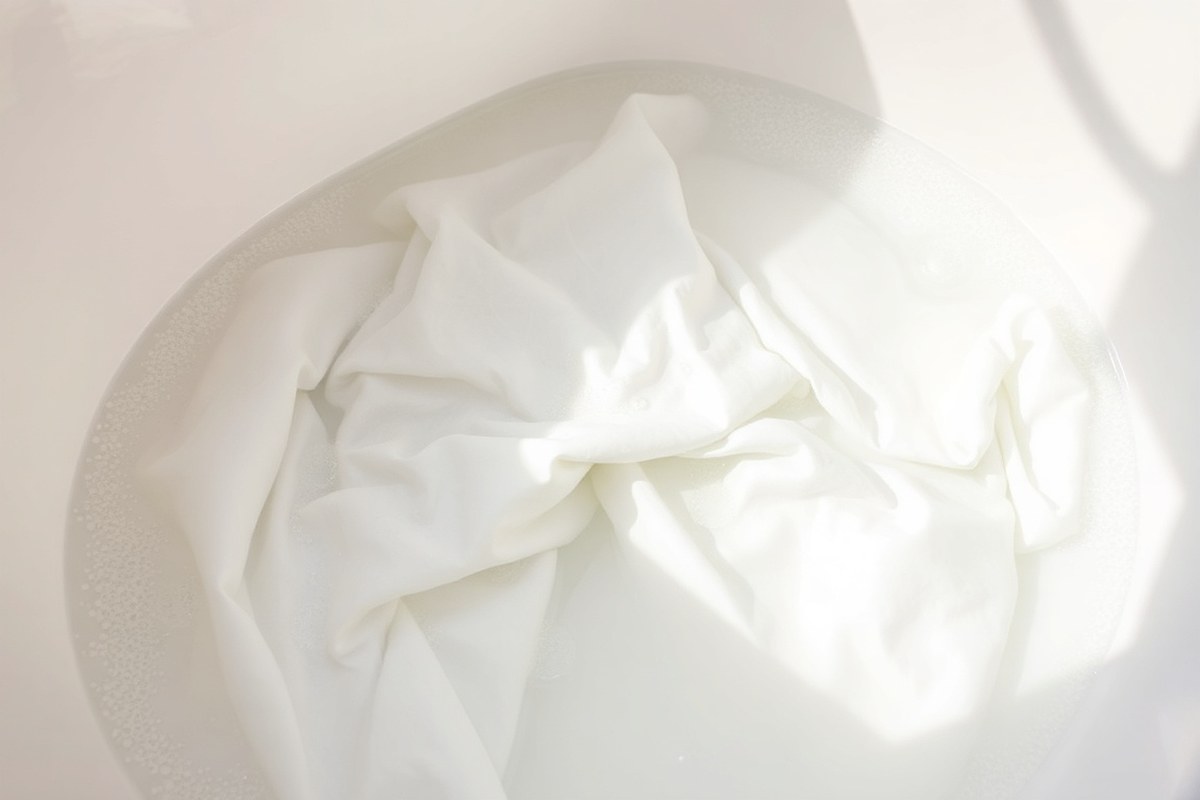
- Pre-soak the Sheets. Fill a bathtub, basin, or washing machine with enough water to fully submerge the sheets. Add the diluted bleach solution and soak the sheets for 5 to 10 minutes for chlorine bleach or up to 1 hour for oxygen bleach. Avoid soaking longer than 2 hours, as this may weaken cotton fibers, especially with chlorine bleach.
- Run the Washing Machine Cycle. After the soak, transfer the sheets to your washing machine if not already there. Add your regular detergent and the recommended amount of bleach directly to the bleach dispenser, not the drum. Use a warm water wash cycle to rinse and fully remove all bleach residues.
- Rinse Thoroughly. To prevent any lingering bleach that could cause discoloration or fabric damage, run an extra rinse cycle after the main wash.
- Dry Properly. Use a low to medium heat setting or air dry your sheets. High heat can set stains and weaken fabric fibers over time.
Chlorine bleach works best for deep whitening or stubborn yellowing and sanitizing, but frequent use can make cotton weaker and cause a yellow tint. Oxygen bleach has a gentler, color-safe profile ideal for regular use without harm. Avoid using bleach on delicate fabrics like linen or blends unless the label explicitly allows it.
Bleaching in the washing machine simplifies the process by controlling dilution and timing with your machine’s bleach dispenser. Pre-soaking in a basin or tub offers more control for tough stains but requires careful timing. Both methods need attention to avoid common missteps like overuse of bleach or soaking too long, which can damage the fabric.
2. Types of Bleach and Whitening Agents Explained

Choosing the right whitening agent for your white sheets depends on the fabric type, stain severity, and safety concerns. Chlorine bleach is very effective at whitening but can be harsh, especially on delicate fabrics like linen or cotton blends, and may cause yellowing over time. Oxygen bleach (commonly sodium percarbonate) and hydrogen peroxide provide a gentler but still efficient alternative. Natural agents such as lemon juice and vinegar brighten without strong chemicals but work best for mild stains and regular maintenance rather than heavy bleaching.
Oxygen bleach breaks down into water and oxygen, making it safer for most fabrics and colors. It is less likely to cause fabric weakening or discoloration compared to chlorine bleach. Hydrogen peroxide, typically used in a 3% concentration diluted with water, brightens whites effectively and is safe for delicate sheets. Lemon juice and vinegar offer a mild whitening effect by removing residue and light stains, but they do not bleach like chlorine or oxygen agents. The following table outlines each whitening agent’s use, fabric compatibility, and key precautions:
| Whitening Agent | Best Use | Fabric Compatibility | Safety Precautions |
|---|---|---|---|
| Chlorine Bleach | Heavy stains, bright white cotton | Durable whites only; avoid delicates | Do not mix with ammonia or other bleaches; ventilate well |
| Oxygen Bleach (Sodium Percarbonate) | Regular whitening, safe on most fabrics | Safe for whites and colors, including some delicates | Use as directed; avoid mixing with chlorine bleach |
| Hydrogen Peroxide (3% dilution) | Delicate fabrics and light stains | Safe for most fabrics, gentler than chlorine bleach | Dilute properly; add before washing or in bleach dispenser |
| Lemon Juice | Pre-treating and mild brightness | Safe for most fabrics but avoid prolonged sun exposure | Use fresh juice; avoid on sensitive or colored fabrics |
| Vinegar | Brighten and remove odors in rinse cycle | Safe for all laundry but does not bleach | Do not mix with bleach; add during rinse only |
Never mix different types of bleach like chlorine and oxygen to avoid harmful fumes and fabric damage.
For gentle whitening on delicate sheets, opt for hydrogen peroxide or oxygen bleach. Both work well at removing stains without the harsh effects of chlorine bleach. Lemon juice can be applied in hot water as a pre-treatment, but it does not replace proper bleach for deep whitening. Vinegar is best added during the rinse cycle to brighten and soften sheets but will not bleach or remove tough stains.
You should always follow fabric care labels and test whitening agents on a hidden corner of your sheet first. This helps avoid unexpected damage or color loss. Using oxygen or hydrogen peroxide regularly can maintain white sheets’ brightness while minimizing fabric wear. Chlorine bleach remains useful for occasional heavy-duty whitening but use it sparingly and rinse sheets thoroughly afterward.
3. Pre-Treating and Preparing Your Sheets Before Bleaching
Preparing your sheets for bleaching involves carefully sorting fabrics, pre-treating stubborn stains, testing bleach safety on the fabric, and selecting the correct water temperature. These steps maximize whitening results while protecting your sheets from damage. Proper preparation helps avoid irreversible fabric weakening and discoloration.
Sorting Sheets by Color and Fabric
Separate white sheets from colored or patterned ones to prevent dye transfer during bleaching. Only bleach sheets made from bleach-safe fabrics like cotton. Avoid using bleach on delicate fabrics such as silk or any labeled as non-bleachable. Linen sheets require caution because they bleach moderately but can yellow easily.
Sorting also involves grouping sheets by fiber type; natural fibers like cotton bleach easier and tolerate harsh treatments better than synthetic or blended fibers. Check the care label for bleach recommendations, which will guide if your sheets can withstand the process.
- Sort white sheets from colored or patterned sets
- Identify fabric types using the care label
- Avoid bleaching delicate fabrics like silk or rayons
- Caution with linen due to higher yellowing risk
- Keep separate natural fibers from synthetics where possible
This sorting prevents unwanted fabric damage and ensures the bleach targets only compatible materials.
Step-By-Step Stain Pre-Treatment Guide
Pre-treating stains before bleaching lifts spots more effectively and avoids stains setting permanently into fibers during washing. Use a bleach pen or a dilute bleach solution to target stubborn spots like sweat or food stains.
- Mix 1/3 cup of water with 2 teaspoons of bleach to create a gentle solution for pre-treating stains before laundering.
- Apply a small amount directly onto the stained area using a sponge or clean cloth.
- Let it soak for 5 to 10 minutes; do not let it dry completely on the fabric.
- Rinse the treated spot thoroughly before placing the sheet in the washer.
Skip this step only if stains are fresh and light, as washing without pre-treatment can drive the stain deeper, making removal harder. Pre-treating saves time and improves whitening results.
Patch Testing Bleach Safety on Fabrics
Performing a patch test avoids accidental damage to your sheets. A safe bleach test shows that the fabric retains color and texture without weakening or yellowing.
Prepare a mix of 2 teaspoons of bleach and 1/3 cup of water. Apply one drop to a hidden area of the sheet, like a seam or hem. Let it sit for 5 to 10 minutes, then rinse and dry fully. Look for any discoloration, thinning, or texture changes. No issues mean the fabric can handle bleach.
Do not bleach sheets that fail the patch test or show any fabric signs of damage. Testing each sheet type and brand ensures safe, effective bleaching without destroying your bedding.
Choosing the Right Water Temperature
Hot water activates bleach and boosts its whitening effect on white sheets. Choose the hottest water recommended on your sheet’s label, usually about 104°F (40°C) for cotton.
Hot water kills bacteria and germs while helping bleach molecules break down dirt and stains. Avoid water hotter than recommended, as it can weaken fibers or cause fabric shrinkage, especially in blends or delicate fabrics.
- Check the care label to find the maximum safe water temperature
- Use hot water (around 104°F) for cotton and most white sheets
- Lower temperatures may be needed for blended or delicate fabrics
- Do not exceed recommended heat to prevent fabric damage
- Ensure washing machine settings match these guidelines
Choosing the right temperature balances the effectiveness of bleach with fabric care, resulting in brighter, fresher sheets without harm.
4. Avoiding Common Bleaching Mistakes and Fabric Damage
Common mistakes when bleaching sheets include using too much bleach, soaking them too long, and mixing bleach with other chemicals. These missteps can weaken fabrics, cause yellowing, or create toxic fumes. Preventing damage requires careful measurement, timing, and avoiding chemical combinations.
Using the Right Amount of Bleach
Using too much bleach harms sheets by weakening fibers and causing yellow stains over time. Excess bleach can also leave residues that worsen with future washes. Use chlorine bleach sparingly, typically about 1/4 cup per gallon of water is enough for a normal load. Follow the measuring instructions on the bleach bottle for the best results. Applying bleach undiluted directly to sheets can cause uneven discoloration or fabric damage.
Avoiding Over-Soaking and Long Exposure
Soaking sheets in bleach for too long increases the risk of fiber breakdown and thinning fabric. Keep bleach soak times to about 5 to 10 minutes. Leaving sheets in soaking solution longer can damage their structure and cause them to wear out faster. After soaking, rinse thoroughly to remove all bleach residues, this prevents yellowing and ongoing fabric damage.
Do Not Mix Bleach with Other Chemicals
Mixing bleach with household chemicals like ammonia, vinegar, or oxygen bleach is dangerous. These combinations can produce toxic gases or reduce bleach’s effectiveness. Always use bleach separately and only with water, never combining it directly with other cleaning products. Proper ventilation is important when using bleach to avoid inhaling fumes.
Preventing Yellowing and Damage
Yellowing often results from leftover bleach reacting with body oils, sweat, and skincare products in fabrics. To prevent this, rinse sheets well immediately after bleaching. Avoid bleaching sheets with embroidery or decorations, as bleach can fade or weaken these areas. Also, do not bleach colored or patterned sheets since bleach strips color.
- Measure bleach carefully: about 1/4 cup per gallon of water
- Limit soaking to 5, 10 minutes maximum
- Never mix bleach with ammonia, vinegar, or other cleaners
- Rinse sheets thoroughly after bleaching to remove residues
- Avoid bleaching sheets with embroidery or decorations
- Only bleach plain white sheets, not colored or patterned
Fixing or Minimizing Bleach Damage
Spot yellowing from bleach by soaking sheets in water and oxygen-based bleach, following product instructions to neutralize stains. For mild fiber weakening, avoid heat exposure and wash sheets gently to extend their lifespan. When damage is severe, retirement or professional cleaning may be necessary. Regular maintenance and careful bleaching practices reduce the need for repairs.
5. Natural and Gentle Alternatives to Chlorine Bleach
Natural bleaching agents like hydrogen peroxide, lemon juice, baking soda, vinegar, and liquid bluing provide gentler ways to whiten sheets without harsh chemicals. These alternatives protect fabric fibers while brightening whites effectively and can reduce irritation risks common with chlorine bleach. Each method requires a slightly different approach to maximize whitening without damaging fabric.
Hydrogen peroxide acts as a mild bleaching agent safe for most fabrics and colors. Lemon juice offers natural acidity that breaks down stains and lightens fabric, especially when combined with sunlight. Baking soda helps eliminate odors and brighten whites when added directly to the wash cycle. Vinegar softens sheets and removes residues while improving fabric whiteness. Liquid bluing adds a subtle blue tint that visually counteracts yellowing and dullness in white sheets.
- Choose your natural whitening agent based on availability and fabric type, such as hydrogen peroxide for discolored sheets or lemon juice for sun-friendly bleaching.
- Pre-treat stains by applying lemon juice directly onto spots or sprinkling baking soda before washing for stronger stain removal.
- Fill your washing machine with warm water suitable for your sheets’ fabric care instructions.
- Add 1 cup of hydrogen peroxide or 1/2 cup of white vinegar to the wash cycle’s detergent compartment to boost whiteness.
- If using baking soda, add 1/2 cup directly to the wash drum along with your regular detergent.
- For lemon juice whitening, soak sheets for up to 1 hour in a mixture of 1 cup lemon juice and warm water, then hang in direct sunlight to dry, which improve the bleaching effect.
- To use liquid bluing, dilute about 10 drops in a quart of water and add during the rinse cycle for an optical brightening effect.
- Run your sheets through a normal wash cycle and then air dry or tumble dry on low heat as instructed on the care label.
Never mix baking soda and vinegar directly together in the wash, as they neutralize each other, reducing their whitening power.
6. How Often to Bleach Sheets and Maintenance Tips to Keep Them White
Bleach white sheets about once every two to three months, depending on how often you use and wash them. Frequent washing, every four to five days, helps remove oils, sweat, and dirt that lead to yellowing and stains. Over-bleaching can weaken fibers or cause yellowing, so use bleach sparingly and always check your sheets’ fabric type and care label before applying bleach. Cotton sheets tolerate bleach better than delicate fabrics like silk or linen, where you should avoid strong chlorine bleach altogether.
Maintaining whiteness after bleaching involves consistent washing routines and smart storage habits. Wash white sheets separately from colored fabrics to avoid dye transfer and use oxygen bleach or whitening agents with each wash to reduce dinginess without harming fibers. Thorough rinsing removes residue that might attract dirt or cause discoloration. After washing, dry sheets in direct sunlight when possible; sunlight naturally brightens fabric and helps prevent yellow stains.
- Wash white sheets every 4 to 5 days to prevent buildup of body oils and sweat
- Bleach sheets no more than once every 2 to 3 months, tailored to stain presence and fabric resilience
- Use oxygen bleach or whitening additives during regular washes to maintain brightness
- Separate whites from colors to avoid dye transfer and dinginess
- Rinse sheets well to remove detergent and bleach residues
- Dry sheets in direct sunlight or a well-ventilated space
- Store sheets in a cool, dry area away from direct sunlight to slow yellowing
Regular washing keeps sheets fresh and extends the time between bleaching treatments. Washing frequency matters more than aggressive bleaching when it comes to preserving fabric integrity and colour. Avoid stacking freshly washed sheets in damp or dark places, which encourages mildew and yellowing. Folding and storing sheets in breathable cotton bags or pillowcases inhibits moisture buildup that can dull white fabrics. Pay attention to your sheets’ fabric type; sturdier cotton and cotton blends handle moderate bleach better than synthetic or delicate materials, which often benefit from less harsh whitening alternatives. This practical care approach helps you sustain crisp, white sheets without excessive chemical exposure or fabric damage.
7. Safety Precautions for Using Bleach on Bedding
Taking proper safety steps while using bleach on bedding protects you from injury and prevents fabric damage. Equip yourself with gloves and eye protection, ventilate your workspace, never mix bleach with other chemicals, and always patch test your sheets before full bleaching. After bleaching, rinse sheets thoroughly with cold water to remove all residue and avoid skin irritation.
Personal Protective Equipment and Ventilation
Wear rubber or latex gloves to protect your skin from bleach’s harsh chemicals. Avoid direct contact as bleach can cause burns or irritation. Using eye protection, such as safety goggles, prevents accidental splashes from reaching your eyes. Cover your clothing or wear an apron to keep bleach from damaging your clothes.
Bleach emits fumes that can irritate the respiratory tract. Work in a well-ventilated area, ideally outdoors or in a room with open windows and a running fan. Good airflow dilutes the fumes, reducing your exposure and making the process safer.
Bleach Mixing Warnings and Hazards
Never mix bleach with ammonia, vinegar, or other household cleaners. These combinations produce toxic gases that can cause serious respiratory problems, eye damage, or worse. Always use bleach alone according to the label instructions.
Before bleaching your sheets, perform a patch test on an inconspicuous corner to check how the fabric reacts. Dilute ¼ cup of bleach in 1 gallon of cold water, apply a small amount, and wait 5 to 10 minutes. Avoid bleaching any fabric showing signs of discoloration or weakening.
- Do not mix bleach with other chemicals.
- Only use bleach in well-ventilated spaces.
- Wear gloves and goggles when handling bleach.
- Always test a small fabric area first.
- Use the recommended bleach-to-water ratio.
- Keep bleach away from children and pets.
- Follow label instructions precisely.
Applying these precautions reduces the risk of accidents and fabric damage.
Emergency Actions for Bleach Exposure
Rinse bleach off your skin right away using plenty of cold water for no less than 15 minutes. Remove any contaminated clothing to avoid further skin contact. For eye exposure, flush the eyes with water for 15 minutes and seek medical attention promptly to prevent serious injury.
In case of inhaling bleach fumes that cause coughing, dizziness, or difficulty breathing, move to fresh air right away. Call emergency services if symptoms persist. Do not induce vomiting after swallowing bleach; contact poison control or emergency medical services right away.
Rinsing sheets thoroughly after bleaching is important to remove all residual chemicals. Use cold water and rinse multiple times until there is no bleach smell or residue left. This step prevents skin irritation and fabric deterioration. After rinsing, dry sheets completely before use to ensure safety.
8. When to Seek Professional Cleaning for Whitening Sheets
You should consider professional cleaning for whitening sheets when stains are stubborn or extensive, the fabric is delicate, or discoloration covers large areas. Professionals use specialized commercial bleaching agents and equipment not typically available at home. Their methods safely handle delicate materials such as silk, wool, or certain synthetic blends that can be damaged or discolored by household bleach. Your sheets showing persistent yellowing or uneven fading that home attempts fail to fix? Calling a laundry service with expertise in whitening can help restore them more effectively without risk.
Delicate fabrics never respond well to home bleaching. Silk and wool are especially vulnerable to damage or color loss when exposed to chlorine bleach. Even oxygen-based bleaches can weaken fibers or alter texture if used improperly. Professionals often employ gentler, fabric-specific treatments and controlled temperature settings to protect these materials. Your bedding includes such fabrics, making professional laundering the safer choice.
The professional bleaching process typically takes between 1 and 3 hours depending on the service and the level of soiling. This includes a pre-soak in a commercial-strength bleaching solution, followed by carefully controlled washing cycles with diluted bleach or oxygen-based whiteners. The temperature is also regulated to optimize stain removal without fabric damage, often around 140°F (60°C). After bleaching, the sheets undergo thorough rinsing and drying to prevent residue buildup and keep fibers strong. While the cost varies widely, a professional whitening service generally charges between $10 and $30 per pound of laundry, reflecting specialized chemicals and equipment use.
Deciding whether to seek professional help can follow this quick rule: if your sheets are stained beyond surface dirt, made of delicate fibers, or have failed to regain whiteness after home bleaching attempts, contact a professional. Also, avoid home bleaching if the care label specifically forbids it or when you lack access to proper dilution and temperature controls. Professional services will ensure thorough cleaning and preserve the integrity of your sheets without guesswork.
Never pour bleach directly onto sheets; professional services always dilute and evenly distribute whitening agents to avoid fabric damage.
Step-by-Step Action Plan for Whitening Your White Sheets
Follow these steps to bleach your white sheets safely and keep them bright over time.
- Before You Start: Check the care label on your sheets to confirm they can be bleached without damage.
- Pre-Treatment Phase: Treat stains with a gentle stain remover or soak your sheets in cold water for 30 minutes; stains should lighten before bleaching.
- Washing Time: Add the correct amount of bleach, usually ¾ cup for a top load washer, to the wash cycle with hot water; sheets should come out noticeably brighter.
- Rinse Cycle: Ensure your washer completes a full rinse cycle to remove all bleach residue; sheets will feel clean without any chemical smell.
- Drying Phase: Dry sheets immediately on a low heat setting or line dry; avoid prolonged sun exposure to prevent weakening fabric.
- Maintenance Check: After 2 to 3 washes, inspect sheets for any fabric wear or yellowing; adjust bleach frequency or switch to gentler alternatives if needed.
- Ongoing Care: Use natural whitening agents like baking soda or oxygen bleach in regular washes to maintain whiteness between bleach treatments.
Frequently Asked Questions
Can I Bleach Sheets That Are Not 100% Cotton?
It’s best to avoid bleaching sheets not made of 100% cotton, as chlorine bleach can weaken other fabrics and cause damage over time. Use oxygen bleach or gentler alternatives for blends or delicate materials instead.
How Long Should I Soak Sheets in Bleach Before Washing?
Soak white cotton sheets in a warm water and bleach mixture for 5 to 10 minutes before washing to improve stain removal and whitening. Avoid soaking longer to prevent fabric weakening.
Is It Safe to Bleach Sheets Every Week?
Bleaching sheets weekly is usually not necessary and can weaken fabric over time. For regular use, bleach only when sheets show stains or discoloration for both effectiveness and fabric care.
How Do I Test Sheets for Bleach Safety?
Combine 2 teaspoons of bleach with 1/3 cup of water and apply a small amount to an inconspicuous area of your sheets. After rinsing and drying, check for any fading or damage to ensure the fabric can handle bleaching safely.
Can Hydrogen Peroxide Replace Chlorine Bleach for Whitening Sheets?
You may create a gentler bleach substitute by diluting one part 3% hydrogen peroxide with four parts water. This solution helps brighten your sheets without using strong chlorine bleach.
What Should I Do If Bleach Stains My Sheets?
Rinse immediately with cool water to stop bleach action, then wash sheets separately. Avoid using bleach on damaged areas and consider oxygen bleach as a safer option next time.
Key Points to Remember
Bleaching white sheets can restore their brightness safely if you follow proper steps and precautions. To keep your bedding fresh and white without damage, start by checking your sheets’ care instructions and choosing the right bleach method. Begin your next laundry load by pre-treating stains, then use bleach according to the washer guidelines. This approach helps your sheets look their best long-term.