How to Bleach White Clothes Safely: 8 Proven Methods That Work
To bleach white clothes safely, use the right bleach type, follow fabric guidelines, and control exposure time to avoid damage. Start by mixing bleach with water according to the fabric’s tolerance, then wash with detergent and bleach properly diluted. Neutralize the bleach after washing to protect the fabric and keep whites bright.
This advice fits anyone looking to maintain or restore bright white laundry without risking discoloration or fabric wear. You’ll get clear steps and essential tips to treat different fabrics safely while maximizing the whitening effect.
Key Takeaways
- Only bleach durable fabrics like 100% cotton or linen to prevent damage and fading.
- Use ¾ cup chlorine bleach for a full washing machine load of whites, diluted in wash water.
- Limit bleach exposure to 5-20 minutes depending on fabric thickness to avoid weakening fibers.
- Neutralize bleach by submerging garments in a neutralizing solution for 10 minutes after washing.
- Soak white clothes in hot water for 2 to 8 hours to boost whitening effects safely.
- Avoid bleaching delicate or blended fabrics unless labeled safe for chlorine bleach.
1. How to Bleach White Clothes Safely Step-by-Step
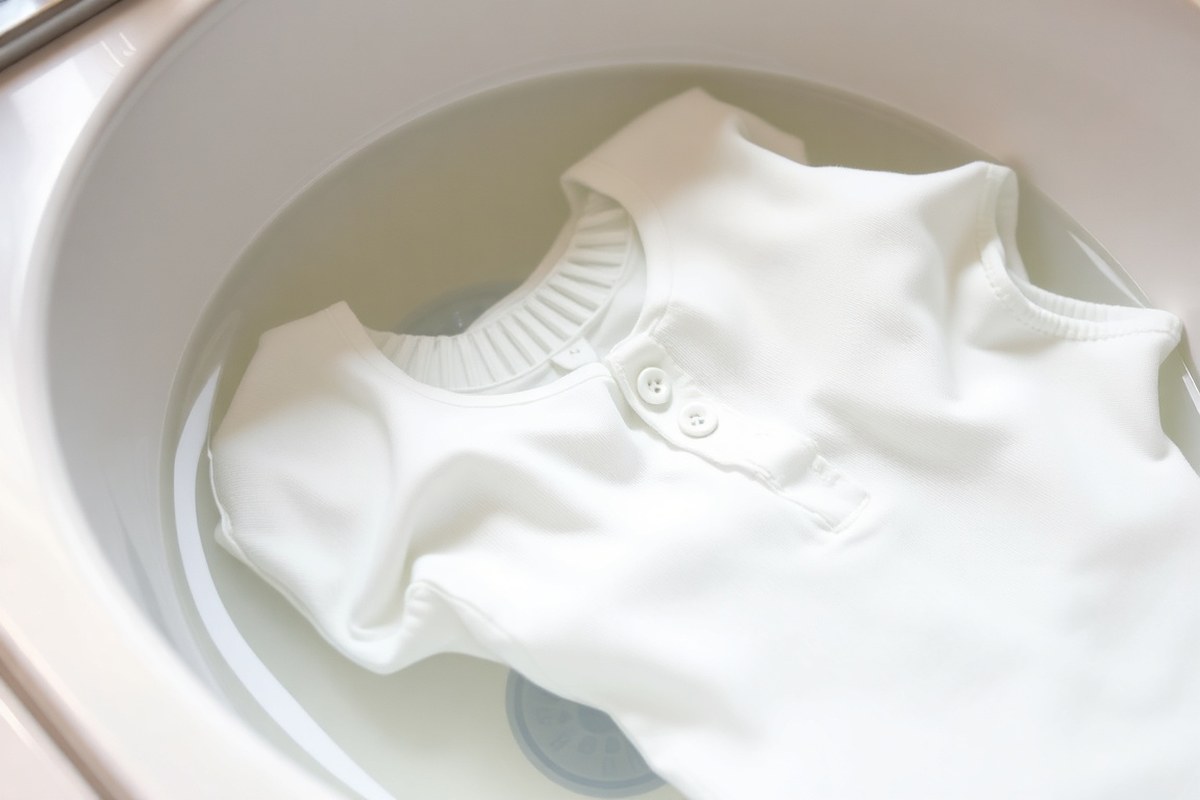
Bleaching white clothes can restore their brightness but requires careful handling to avoid damage. Proper dilution and timing are key to safe use. Before adding bleach, always check each garment’s care label to ensure bleach is allowed. Use cold or warm water rather than hot to prevent yellowing or weakening the fabric. Properly rinsing after bleaching stops the chemical action and preserves fabric quality.
Follow these steps to safely bleach your white clothes while minimizing risk to the fabric and your skin. Keep materials well ventilated and wear gloves to protect your hands from irritation. Use a measured amount of bleach to avoid overexposure to harsh chemicals.
- Read care labels and sort whites. Separate only whites or very light colors that specify bleach-safe on the label. Remove items with stains that cannot tolerate bleach.
- Prepare bleach solution. Dilute ¾ cup of chlorine bleach in a full standard washing machine tub of water (about 8-10 gallons) or in a large basin. For a soak, use less water but maintain this approximate ratio.
- Pre-soak clothes if needed. Submerge the whites fully and soak for no longer than 30 minutes to 1 hour. Avoid soaking more than 6 hours to prevent fabric damage. Use the bathtub or a large basin for soaking if your machine lacks a soak cycle.
- Wash with detergent and bleach. Add your regular detergent and the diluted bleach solution to the wash cycle. Keep water temperature to warm or cold depending on fabric recommendations.
- Rinse thoroughly. Run an extra rinse cycle to remove all bleach residues from the clothes. This step is important to stop the bleaching process and reduce skin irritation risks.
- Use hydrogen peroxide as a safer alternative. For a gentler whitening option, add 1 cup of hydrogen peroxide to the wash to brighten whites without the harshness of chlorine bleach.
- Dry immediately. Remove clothes promptly after washing and drying them immediately prevents yellowing and preserves fabric integrity.
Bleaching your whites every few washes rather than every time helps avoid fabric weakening. For occasional stubborn stains, spot test a diluted bleach mixture (2 teaspoons bleach to ¼ cup water) on a hidden area before applying on the whole garment. Following these steps will help keep your white clothes crisp, bright, and in good shape for many washes.
2. Which Fabrics Can Be Safely Bleached and Which Cannot

Bleaching works best on natural fabrics like cotton and some linens, which can handle the chemical without damage. Avoid bleach on delicate fabrics such as silk, wool, and spandex because it weakens fibers and causes discoloration. Synthetic blends vary; many require cautious testing before bleaching to prevent fabric harm or color loss.
Fabrics That Are Safe to Bleach
Natural fibers like 100% cotton withstand bleach well and can become noticeably brighter. Linen is another fabric that tolerates bleach but may need shorter exposure time to avoid weakening. Durable synthetic fabrics like polyester blends may tolerate mild bleach solutions, but overall, natural fibers remain the safest choice. Keeping bleach on cotton clothes dry allows better control over the process and reduces damage risk.
Common white cotton sheets, towels, and T-shirts often respond well to chlorine bleach. You can safely use bleach on these items when following the recommended dilution and timing instructions. This helps remove yellowing and stains effectively.
Fabrics to Avoid Bleaching
Sensitive fabrics like silk, wool, spandex, and acetate must not be bleached because the harsh chemicals break down their fibers quickly. Synthetic fabrics like nylon or polyester blends often hold dyes that bleach will strip unevenly, causing discoloration or spotting. Avoid bleach on any fabric with decorative prints or trims, as it can ruin the design.
For synthetic blends, look for fabric care labels. Many recommend avoiding chlorine bleach. Using non-chlorine, color-safe bleach alternatives is safer but still requires testing before full use.
How to Test Your Fabric for Bleach Safety
Perform a simple spot test on an inconspicuous area before bleaching any fabric. Mix a fresh solution with one part bleach to one part water. Apply a small drop to the fabric patch and wait five minutes. When the spot does not change color and the fabric feels normal, using bleach should be safe.
When you notice discoloration or damage, avoid using regular bleach. Instead, consider gentler whitening agents like oxy-based bleaches designed for colored or delicate fabrics.
Checklist for Safe Bleaching Decisions
Use this checklist to decide if your white clothes can be bleached safely:
- Check the fabric label for bleach warnings or special care instructions.
- Confirm the fabric is primarily cotton, linen, or durable polyester blend.
- Perform a spot test with diluted bleach on a hidden section.
- Observe the spot for 5 minutes to check for color loss or fiber damage.
- When no changes happen, continue with careful bleaching using the recommended dilution ratios.
- Avoid bleach on fabrics labeled “dry clean only” or with wool, silk, or spandex.
Following this decision rule minimizes the risk of ruining your clothes and wasting time or product.
Considerations for Synthetic Fabrics and Blends
Synthetic fibers often contain dyes sensitive to chlorine bleach, which can cause uneven fading or yellowing. When bleaching polyester or cotton-polyester blends, use non-chlorine, oxygen-based bleach products to preserve fabric integrity. Never exceed recommended soaking times, usually under 25 minutes, especially for thicker fabrics like denim.
For white synthetic blends, pre-testing is especially important. Avoid using spray bleach mixtures directly on colored sections to prevent spotting. Spot treatment followed by quick neutralization reduces the chance of damage.
Always use a fresh bleach solution for each use; leftover bleach can degrade fabric faster and reduce whitening efficiency.
3. Best Bleach Types and Their Uses for Whitening Clothes
Choosing the right type of bleach affects your results, fabric health, and safety during whitening. Chlorine bleach is powerful but harsh and reactive. Oxygen-based bleaches and hydrogen peroxide offer safer, gentler whitening options with fewer risks to fabric and surroundings.
Chlorine Bleach: Pros and Cons
Chlorine bleach, typically a sodium hypochlorite solution, is strong and fast-acting for whitening whites and disinfecting laundry. Use one part bleach per 10 to 15 parts water, like 3/4 cup bleach per gallon of water, to avoid damage. It breaks down stains by oxidation but can weaken fibers if left too long, so limit soak times to 5, 10 minutes for most clothes.
Be careful not to mix chlorine bleach with vinegar, ammonia, or other cleaners since this creates toxic fumes. It may also cause color loss or holes in delicate fabrics. Rinse thoroughly to remove bleach residues. Chlorine bleach can corrode metal parts in washing machines, so use the dedicated bleach dispenser rather than pouring bleach directly into the drum.
Oxygen-Based Bleach and Its Uses
Oxygen bleach, usually sodium percarbonate or similar compounds, whitens by releasing oxygen in water. It’s less harsh than chlorine bleach, safe for most fabrics, and eco-friendlier because it breaks down into water, oxygen, and soda ash. You can add approximately 1 cup to your machine along with detergent or dissolve it in hot water for soaking. It works best with warm or hot water to activate.
Oxygen bleach removes stains effectively without weakening fabric fibers or causing yellowing. It’s ideal for regular whitening maintenance or for those wanting a mild bleach alternative. Since it is free of bleach fumes and strong chemicals, it’s safe to use in households with children or sensitive skin, but avoid mixing with chlorine bleach or hydrogen peroxide.
Natural Alternatives Like Hydrogen Peroxide
Hydrogen peroxide is a gentle, natural way to bleach, brighten, and disinfect white clothes. Combine one part 3% hydrogen peroxide with ten parts water in a plastic container or add it straight to your washing machine. This solution effectively lifts stains and improve the whiteness of your clothes without using strong chemicals.
Hydrogen peroxide breaks down stains through oxidation but doesn’t pose the risks of fabric weakening common with chlorine bleach. It’s ideal for delicate or synthetic fibers and for people sensitive to strong bleach smells or fumes. Keep in a well-ventilated space and never mix hydrogen peroxide undiluted with other cleaning agents. Below is a comparison of bleach types summarizing how to use them, their safety, strength, and cost considerations:
| Bleach Type | How to Use | Strength/Whitening Effect | Fabric Risks | Safety Notes | Approximate Cost |
|---|---|---|---|---|---|
| Chlorine Bleach (Sodium Hypochlorite) | 3/4 cup per gallon water; soak 5, 10 min; use in bleach dispenser | Very strong, fast stain removal and disinfecting | Can weaken fibers, cause holes if overused or soaked too long | Never mix with vinegar or ammonia; produces toxic fumes | $1, $3 per quart |
| Oxygen-Based Bleach (Sodium Percarbonate) | Add 1 cup with detergent; dissolve in warm/hot water for soak | Moderate strength; gentle whitening with less fabric damage | Safe for most fabrics, including some colors | Do not mix with chlorine bleach or hydrogen peroxide | $5, $10 per 5 pounds (bulk powder) |
| Hydrogen Peroxide (3%) | Mix 1:10 with water; soak or add to wash water | Mild to moderate bleaching; also disinfects and brightens | Gentle, safe for delicate and synthetic fibers | Do not mix undiluted with other chemicals; ventilate area | $1, $2 per pint |
Keep in mind that mixing any bleach with other household products can cause hazardous fumes and chemical reactions that risk your health and damage fabrics. Always use bleach products separately and as directed on labels. Using the bleach dispenser on machines helps protect your washer’s parts from corrosion, especially when working with chlorine bleach.
4. How to Neutralize Bleach After Washing White Clothes
After bleaching white clothes, neutralizing the bleach residue is essential to stop the bleaching action and protect your fabric. Soak the clothes in a neutralizing solution for about 10 minutes immediately after rinsing out the bleach to minimize fabric damage and prevent yellowing.
Why Neutralizing Is Important
Bleach continues to react with fabric fibers even after you remove the visible bleach water. This ongoing chemical reaction can weaken the fabric and cause white clothes to turn yellow over time. Neutralizing the bleach stops this process by chemically halting bleach molecules, protecting your clothes from further damage. Skipping this important step often leads to fabric weakening and discoloration despite a clean appearance.
Neutralizing also helps maintain the bright white color by preventing residual bleach from lingering. This is especially important for cotton or other natural fibers that bleach aggressively.
How to Prepare a Neutralizing Solution
A simple and effective neutralizing solution can be made using household ingredients. Most commonly, a mixture of water and a neutralizing agent like sodium thiosulfate (often sold as a photographic fixer) or hydrogen peroxide works well. Sodium thiosulfate is widely used to stop bleach safely and is available at craft stores or online.
To prepare the solution, dissolve about 1 tablespoon of sodium thiosulfate in one gallon of cold water. Make sure to stir until the powder completely dissolves. Use one cup of 3% hydrogen peroxide mixed with one gallon of cool water when applying it as a mild neutralizer. Avoid hot water, as it can damage the fabric further.
Step-by-Step Neutralization Process
Follow these steps carefully to effectively neutralize bleach residues on white clothes after washing:
- Pour off the bleach and water solution immediately after bleaching is complete.
- Prepare a neutralizing solution by mixing 1 tablespoon of sodium thiosulfate (or 1 cup 3% hydrogen peroxide) with 1 gallon of cold water.
- Submerge the bleached fabric fully into the neutralizing solution, ensuring all parts are covered.
- Soak the fabric for 10 minutes to allow the neutralizer to halt any remaining bleach activity.
- Drain the neutralizing solution carefully to avoid splashing.
- Wash the fabric as usual with mild detergent to remove any remaining chemical residues.
- Dry the clothes normally, checking for any signs of yellowing or damage before storing.
Following these steps will help you protect your white clothes from damage caused by lingering bleach. Notice fabric weakening or yellowing? Try increasing neutralizing soak time up to 15 minutes for better results. However, never exceed recommended times as prolonged exposure to any chemical solution risks fabric harm.
5. How to Bleach White Clothes in a Washing Machine
Bleaching white clothes in a washing machine can restore brightness when done correctly. Using hot water improves bleach’s effectiveness in removing stains and germs, but it’s important to measure the bleach carefully to avoid fabric damage. Most standard washing machines have a specific bleach dispenser, which helps distribute the bleach evenly and prevents direct contact with clothing. Follow the steps below to bleach your whites safely while maintaining their quality.
- Sort your laundry. Only white garments made of bleach-safe fabrics should be washed together. Avoid mixing with colored clothes to prevent color transfer.
- Load the washing machine. Place your white clothes inside, but don’t overload. Overfilling reduces bleach circulation and cleaning power.
- Add detergent. Use your usual liquid or powder detergent as recommended on its packaging for the load size.
- Pour bleach into the designated dispenser. Use 3/4 cup (6 fl oz) of regular liquid chlorine bleach for a standard-sized (8-10 lb) load. Avoid pouring bleach directly onto the clothes to prevent spotting.
- Select the hottest water temperature suitable for your clothes. Hot water at around 130°F (54°C) helps dissolve and activate bleach better. Make sure the fabric care labels allow hot washing.
- Start the wash cycle. The machine will automatically release the bleach during the wash phase, mixing it properly with water and clothes.
- Complete the rinse and spin cycle. Ensure all bleach residues are washed away to protect fabric fibers. You can add a laundry whitening booster like baking soda (1/2 cup) in the rinse cycle for extra brightness.
- Dry the clothes. Use your usual drying method, preferably air drying or a low-heat dryer setting to prevent shrinking or damage.
Never use more bleach than the recommended 3/4 cup per load, as excess bleach can weaken fabrics and cause yellowing over time.
6. Partial Bleaching Techniques for Spot or Design Effects
You can bleach just parts of clothing to remove specific stains or create unique design effects. This approach gives you control over fading or whitening limited fabric areas without affecting the whole garment. It also reduces the risk of yellowing or uneven discoloration, which often happens with full-immersion bleaching.
Start by diluting the bleach properly for safe application. A good ratio is about 1 part bleach to 10 parts water for spot treatments. Stronger solutions can cause fabric damage or yellowing, especially on cotton fabrics common in white clothing. Apply the diluted bleach using tools like cotton swabs, a small paintbrush, or a bleach pen for precision.
Before applying, test the bleach solution on a hidden part of the fabric to check how quickly it reacts and ensure no unexpected damage occurs. Time the exposure carefully; most spots will start to fade within 1 to 3 minutes. Rinse the area immediately with cold water after achieving the desired effect to stop the bleaching process and prevent holes or weakening of fibers.
- Wear gloves and work in a well-ventilated area
- Use bleaching gel for thicker, controlled application to prevent spread
- Pre-treat stains with stain remover before partial bleaching to improve results
- Use diluted bleach (1:10 ratio) for spot treatment to minimize damage
- Apply with cotton swabs or paintbrushes for precise edges and designs
- Rinse thoroughly within 3 minutes to avoid over-bleaching or fabric weakening
- Lay fabric on a flat, protected surface covered with plastic or towels
Using a bleaching gel can help limit bleach flow, keeping your design sharp and contained. For fading effects or softer designs, repeatedly dab diluted bleach with a cotton swab to gradually lighten the fabric. Avoid leaving bleach on too long, or you may see yellow or orange tones develop, which are signs of fabric damage. These hues usually appear if bleach dries on fabric or if you use excessively strong solutions.
Partial bleaching costs very little beyond the price of household bleach and cotton swabs or brushes you likely already have. The main investment is your time to work carefully and rinse promptly. Successful bleaching leaves clean, bright spots or unique patterns with minimal fabric wear. However, some older or deep stains might not lighten fully despite bleach spot treatments.
7. Common Bleaching Mistakes and How to Avoid Damage
Using too much bleach or soaking white clothes for too long are common errors that can lead to fabric damage. Bleach is powerful and can weaken fibers, causing holes, thinning, or yellowing if overused or left on clothes past the recommended time. Signs your clothes are being damaged include fabric that feels brittle, has uneven coloring, or shows small holes after washing. To avoid this, always follow product instructions for bleach amounts and soak times carefully.
Another frequent mistake is applying bleach directly on clothes without proper dilution. Undiluted bleach can create harsh spots that eat away fabric quickly. Pour the bleach into water first, mixing well before adding clothes. Use cool or lukewarm water between 60°F and 80°F to avoid accelerating fiber breakdown. Here’s a checklist to help you avoid bleach damage:
- Measure bleach precisely according to label directions (usually about ¾ cup per gallon of water)
- Use cool or lukewarm water, not hot, for soaking whites
- Never soak clothes for longer than 5 to 10 minutes in a bleach solution
- Rinse thoroughly immediately after bleaching to remove all bleach residues
- Avoid applying bleach directly onto fabric without diluting first
- Test bleach on a small, hidden area before treating the entire garment
- Keep fabrics out of direct sunlight during soaking to prevent uneven bleaching
Spotting bleach stains or damage leaves limited options, but you can sometimes improve the garment’s appearance. For light bleach spots, you might use color-safe bleach or a fabric dye matched to your white shade. When fabric is thin or has holes, sewing patches or using an iron-on fabric patch helps extend the garment’s life. Always wash clothes promptly in cold water after bleaching and add a cup of distilled white vinegar in the rinse cycle. Vinegar neutralizes leftover bleach and acts as a mild softener and deodoriser, which helps keep whites bright.
Prevention costs little beyond attention and patience. The right bleach amount generally costs less than $1 per treatment when diluted properly. Avoiding fabric weakening avoids lost clothes or the extra cost of replacements. Damage can occur quickly, so err on the side of weaker, shorter bleach treatments for delicate or older whites, and always read your garment’s care label for bleach safety advice.
8. Practical Tips to Keep Whites White Longer After Bleaching
Preventing yellowing of white clothes after bleaching depends largely on your washing and drying habits. Yellow stains often happen when bleach residue stays on fabric too long or reacts with certain minerals in water or detergents. To avoid this, rinse thoroughly with cold water right after bleaching and use a detergent formulated for whites that contains optical brighteners or oxygen-based bleach alternatives.
Drying white clothes in direct sunlight is one of the best ways to maintain their brightness. Sunlight naturally helps break down remaining stains and inhibits yellowing. Avoid drying bleached whites in hot dryers frequently, as high heat can set stains and cause fabric to yellow over time. Instead, hang them outside on a clothesline when possible or use the lowest heat setting in your dryer.
You should not bleach white clothes too often because frequent use of chlorine bleach can weaken fibers and cause yellowing artifacts. Use bleach only when clothes visibly need whitening or stain removal, typically every few washes or about once a month if you wear whites regularly. Oxygen-based bleaches are gentler for more frequent use and help keep whites bright without harsh damage.
- Wash whites separately using a detergent for bright fabrics
- Rinse with cold water immediately after bleaching to remove residue
- Dry whites in sunlight or on a clothesline when weather permits
- Limit chlorine bleach use to no more than once a month
- Use oxygen-based bleach alternatives for regular maintenance washes
- Store clean white clothes in a cool, dry place away from yellowing agents like smoke and strong light
Do not let bleached whites sit damp or bunched up after washing, this can cause yellowing and mildew spots.
Proper storage also impacts whiteness. Keep clean white clothes in breathable garment bags or cotton pillowcases and avoid plastic storage that traps moisture. Yellowing can result from exposure to smoke, cooking fumes, or even certain deodorants, so ensure clothes are fully dry and stored in a well-ventilated area. Following these detailed care steps costs little besides attention and time but will keep your whites looking sharp much longer.
Step-by-Step Action Plan for Bleaching White Clothes Safely
Follow these steps to brighten your white clothes without damaging them. Watch for fabric care labels and test small areas first.
- Before washing: Check the care label to confirm the fabric can be bleached safely. Avoid bleach on wool, silk, leather, or spandex.
- Pretest: Apply diluted bleach to a hidden spot on the garment. Wait 5 minutes and look for color loss or fabric damage.
- Prepare the wash: Measure and add the recommended amount of chlorine bleach or oxygen-based bleach according to the product instructions.
- Loading the machine: Put white clothes in the washing machine, separating them from colored or delicate fabrics to prevent damage.
- Add bleach safely: Use the washing machine’s bleach dispenser or dilute bleach in water before adding to the wash to avoid fabric spots or streaks.
- Wash cycle: Run a full wash cycle using warm or hot water if the fabric care label allows. This helps activate the bleach.
- After washing: Rinse clothes thoroughly. To neutralize residual bleach, add 1 cup of white vinegar to the rinse cycle or soak clothes briefly in a baking soda solution.
- Drying: Dry clothes in the sun when possible; sunlight naturally helps whiten whites and remove residual odors.
Frequently Asked Questions
Can I Bleach White Clothing?
You can bleach white clothing if the fabric care label allows it, usually cotton and polyester blends. Always test a small hidden area first to prevent damage or discoloration.
Can Bleach Damage a Washing Machine?
Bleach can damage washing machine components if used excessively or undiluted. Always follow your machine’s instructions and use the recommended amount to avoid corrosion or residue buildup.
How to Make Homemade Bleach for White Clothes?
Homemade bleach alternatives include diluted hydrogen peroxide or a mix of hot water and white vinegar for pretreating stains. These are gentler but less effective than commercial bleach products.
Is It Best to Bleach Whites in Hot or Cold Water?
Hot water is best for bleaching whites because it helps remove germs and stains more effectively than cold water. Use the hot water setting on your washing machine when applying bleach.
Can I Use Bleach on White Clothes with Elastic or Spandex?
Avoid bleaching fabrics with elastic or spandex because bleach can weaken the fibers and cause them to lose stretch or break down.
How Long Should Bleach Soak on White Clothes Before Washing?
Soaking white clothes in bleach solution for 5 to 10 minutes is enough to whiten without damaging the fabric. Longer soaking can cause weakening or yellowing.
Before You Go
Bleaching white clothes can keep them looking fresh and bright when you follow safe steps and respect fabric types. Start by testing a small hidden area on each garment and always properly dilute bleach before use. Your next move is to schedule your next whitening wash using the safest bleach type for your clothes, ensuring long-lasting results without damage.