What Does Dry Clean Mean a Complete Guide Explaining How It Works
Dry cleaning uses special chemical solvents to clean clothes without soaking them in water. This method removes stains and odors while keeping delicate fabrics safe from damage caused by water and rough handling. It helps explain how dry cleaning maintains the quality of your garments.
You’ll learn the basics of the dry cleaning process, the kinds of solvents used, why some garments are labeled “dry clean only,” and tips to avoid common dry cleaning mistakes. This helps you make informed decisions about garment care and understand what happens when you take clothes to the dry cleaner.
Key Takeaways
- Dry cleaning cleans clothes using solvents rather than water, preserving delicate fabrics and removing tough stains.
- Perchloroethylene (perc) is the most widely used solvent, known for effectiveness but with environmental and health concerns.
- Dry cleaning machines wash, extract, and dry clothes in a rotating stainless steel basket using solvent cycles.
- Most dry cleaning takes 24 to 48 hours, so plan ahead before needing your garments.
- Garments labeled “dry clean only” often require solvent cleaning to avoid shrinking, distortion, or color loss.
- Allow dry cleaned clothes to air outside the closet for 24 hours to let residual solvents and moisture dissipate.
What Does Dry Cleaning Actually Mean?

Dry cleaning means cleaning clothes using chemical solvents instead of water and detergent. This process is designed for fabrics that can get damaged by standard washing machines. The name “dry cleaning” can be misleading because it does involve liquids, but these liquids are not water-based. Instead, the solvents used are typically organic chemicals that do not mix with water. Rather than soaking and agitating the fabric like traditional laundry, dry cleaning uses these solvents to dissolve oils and stains without swelling or shrinking the fibers.
The reason it’s called “dry” cleaning is that water, common in regular washing, is avoided. Water can cause certain fabrics, like wool, silk, or rayon, to lose their shape, fade, or shrink. Dry cleaning replaces water with solvents such as perchloroethylene or liquid carbon dioxide, which gently break down dirt and stains without damaging the material. Because these solvents don’t penetrate the fibers as deeply as water does, the fabric’s texture, color, and finish stay preserved longer.
Unlike washing clothes in a machine at home, where water, soap, and mechanical action remove dirt and stains, dry cleaning relies on chemical solvents and minimal water. These solvents work by dissolving stains while protecting delicate or structured garments. When you have clothing labeled “dry clean only,” delicate textiles, or heavily tailored items, dry cleaning is the safer choice. It also suits clothes with embellishments or treatments that might not hold up well to agitation or water exposure.
To decide when to use dry cleaning, check the care label on your garment first. Items made from sensitive materials like silk or wool usually recommend dry cleaning to avoid damage. If your clothes have stubborn grease or oil stains that home laundering might not remove, professional dry cleaning can be effective. Keep in mind that dry cleaning usually costs between $3 and $10 for a shirt and takes about 24 to 48 hours from drop-off to pick-up. The process preserves your clothes’ appearance and extends their lifespan but isn’t necessary for everyday cotton or polyester items that handle machine washing well.
How Does the Dry Cleaning Process Work Step-by-Step?
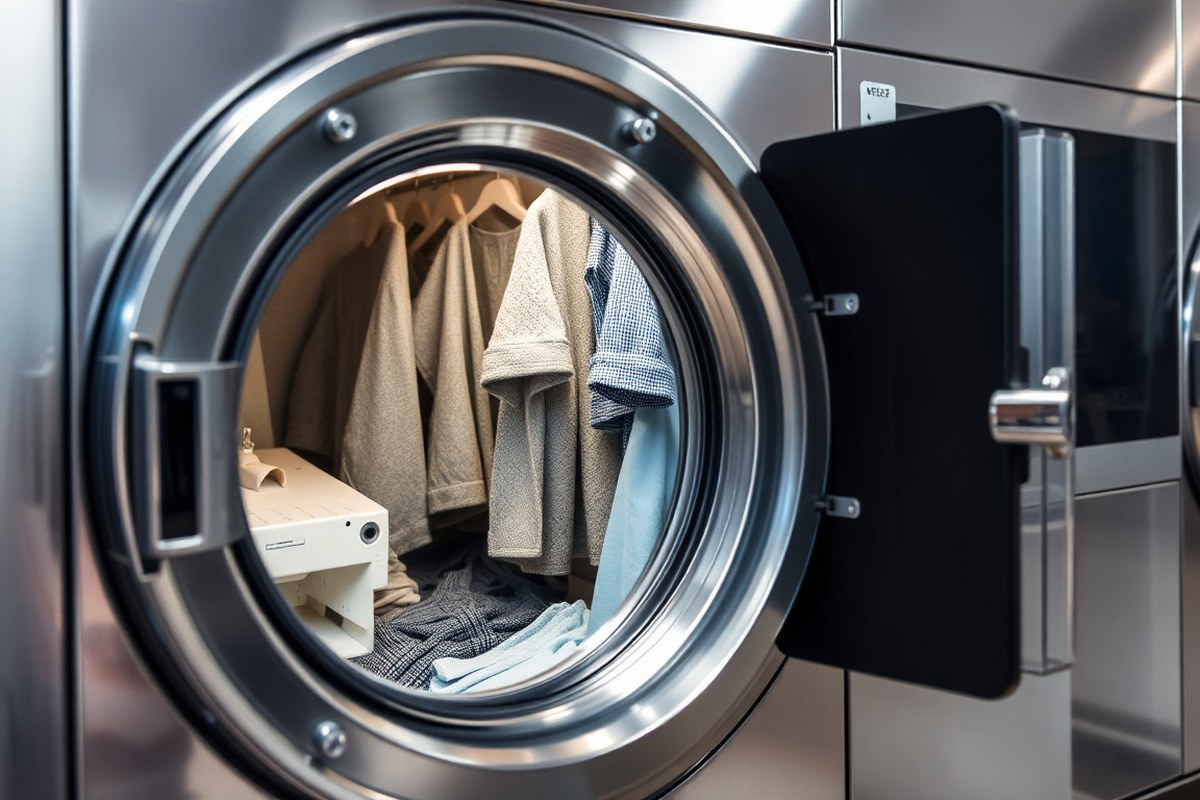
The dry cleaning process involves specific steps designed to clean your clothes without water, using chemical solvents instead. It starts with careful inspection and tagging, followed by a cleaning cycle involving solvents, and finishes with pressing and steaming to restore the garment’s shape and appearance. The whole cycle typically takes a few hours depending on the cleaner’s workflow and the type of fabric.
Inspecting and Tagging Garments
Garments arrive at the dry cleaner and are first inspected carefully. The cleaner looks for stains, damage like tears or missing buttons, and identifies fabric types to choose the right solvent and cleaning method. Each item gets a tag with an identification number to keep track of it through the process and avoid mix-ups.
Stains found by either you or the cleaner receive special attention. This may involve spot treatment before the main cleaning cycle to increase the chance of complete removal. Proper inspection ensures delicate fabrics aren’t exposed to harsh chemicals that might cause damage.
Cleaning Cycle Using Solvents
The core of dry cleaning is the solvent-based washing inside a special machine that looks like a regular washing machine but uses liquid solvents instead of water. Common solvents include perchloroethylene (PCE) or alternatives that are less harsh and increasingly preferred due to environmental regulations. Here’s a typical step-by-step outline of the dry cleaning cycle:
- Load garments inside the dry cleaning machine.
- Add the appropriate chemical solvent, avoiding water.
- Agitate the clothes gently to loosen dirt and oils.
- Filter and recycle the solvent through the machine to capture removed soils.
- Extract the solvent from garments by spinning.
- Apply steam to help remove odors and loosen any remaining stains.
- Run an aeration cycle to evaporate residual solvent from the clothing.
- Unload garments once solvent levels are safely reduced.
This cycle typically takes about 30 to 45 minutes, though timing can vary based on fabric type and machine settings. The solvent cleans without water damage, which helps preserve delicate fabrics and maintain garment shape.
To help steam reach and remove body odor from clothing, flip garments inside out before taking them to the dry cleaner.
Finishing: Pressing, Steaming, and Packaging
After cleaning, garments undergo a finishing process to restore their look. Pressing removes wrinkles and returns garments to the desired shape, while steaming smooths fabric and relaxes fibers. Any minor repairs, like sewing buttons, may also happen now.
The cleaner then performs a final inspection to ensure stains are gone and the item is ready for use. Once approved, garments are placed on hangers and covered in protective plastic or packaging to keep them clean until you pick them up.
Which Solvents Are Used in Dry Cleaning and Are They Safe?
Dry cleaning uses various solvents to clean clothes, with perchloroethylene (perc) being the most common. Alternatives include hydrocarbon and silicone-based solvents, as well as more recent green options like liquid carbon dioxide. Each solvent has different safety profiles, cleaning effectiveness, and environmental impacts.
Perchloroethylene (Perc) Characteristics and Risks
Perchloroethylene, also known as perc or tetrachloroethylene, has been the main solvent in dry cleaning since the 1930s. It effectively removes grease, oils, and many stains, making it popular with dry cleaners. However, perc is a volatile organic compound regulated by the Environmental Protection Agency due to health and environmental concerns.
Exposure to perc vapors can cause dizziness, headaches, and respiratory issues, and long-term exposure may increase cancer risks according to health authorities. Perc is also persistent in the environment, where it can contaminate soil and groundwater. Dry cleaners using perc must follow strict handling and disposal guidelines to limit emissions and exposure. Because of these concerns, many regions restrict or phase out perc use to protect workers and the environment.
Hydrocarbon and Silicone-Based Solvents
Hydrocarbon solvents, often petroleum-based, have emerged as a common alternative to perc. Known by trade names like DF-2000, these solvents operate at lower temperatures and produce less odor. They tend to be less aggressive on delicate fabrics but still effectively clean many garments. Hydrocarbon solvents carry a lower toxicity risk than perc but are still flammable and slightly less environmentally friendly than some newer options.
Silicone-based solvents, particularly decamethylcyclopentasiloxane (marketed as Green Earth), are colorless and odorless liquids used by some dry cleaners. These solvents are less toxic to humans and break down faster in the environment, making them a greener choice. Silicone solvents work well on many stains without harsh chemicals but can be more expensive, so not all cleaners offer this method.
Emerging Green Alternatives Like Liquid CO2
Newer green dry cleaning technologies focus on minimizing environmental and health risks. Liquid carbon dioxide cleaning involves submerging garments in pressurized CO2, which dissolves oils and dirt without toxic chemicals. This method is nonflammable, non-toxic, and recycles most of the CO2 used during cleaning. Equipment costs and special training make liquid CO2 cleaning less common but increasingly available.
Wet cleaning uses water combined with eco-friendly detergents and special machines designed for delicate fabrics. While technically not dry cleaning, it is recognized as a safe, sustainable method often promoted as a green alternative to perc-based cleaning. Some dry cleaners combine these options alongside traditional solvents to offer customers choices balancing cost, garment care, and environmental impact.
Why Are Some Clothes Labeled ‘Dry Clean Only’?
Clothes labeled “dry clean only” usually have fabrics or constructions that water and home washing methods could damage. These garments often include delicate materials like wool, silk, or rayon that can shrink, distort, or lose texture when exposed to regular washing. The label signals that professional dry cleaning is the safest way to clean these items without ruining them. Dry cleaning uses chemical solvents instead of water, which gently lifts dirt and stains without causing the wear and tear that may happen with ordinary laundering.
Not all fabrics are compatible with dry cleaning solvents. Some synthetic materials, such as plastic-based fibers like PVC or polyurethane, can be sensitive to dry cleaning chemicals and may degrade if treated incorrectly. Meanwhile, natural fibers prone to water damage benefit from dry cleaning’s waterless process. This method keeps fabric softness and luster intact by avoiding the swelling and contraction associated with water exposure. Hence, garments labeled “dry clean only” reflect a balance between fabric needs and care requirements established through testing, ensuring your clothes last longer and look better.
Interpreting dry clean symbols on labels helps you follow proper care instructions precisely. Common symbols include a circle to represent dry cleaning, sometimes with letters inside that indicate the type of solvent a professional cleaner should use. For example, a circle with a “P” directs use of perchloroethylene-based solvents, while a circle with an “F” calls for petroleum-based solvents. A crossed-out circle means no dry cleaning is allowed. This visual code on your clothing tags guides both consumers and cleaners to the safest cleaning method for each fabric.
To care for “dry clean only” clothing effectively, start by reading and understanding these labels before attempting any cleaning at home. Avoid trying water-based cleaning or household detergents on these items, as that can cause color bleeding, shrinking, or fabric distortion. Instead, follow a checklist before dry cleaning: inspect the garment for stains needing pre-treatment, note any loose buttons or delicate trims to inform the cleaner, and hang clothes properly on padded or wooden hangers to keep the shape between cleanings. These steps help maintain quality and appearance, reducing the frequency and cost of professional cleanings while preserving your garment’s lifespan.
Although some dry clean only clothes may tolerate gentle home washing under specific conditions, professional dry cleaning remains the recommended approach for true water-sensitive fabrics. Professional machines use controlled temperatures and solvents that do not rely on water, protecting your garment’s structure and color. This care method typically costs more than home laundering but offers peace of mind when handling valuable or delicate clothing. Understanding fabric compatibility and label instructions lets you make informed choices about when to invest in dry cleaning and how to preserve your wardrobe efficiently.
Common Dry Cleaning Mistakes and How to Avoid Them
One common mistake with dry cleaning is not informing the cleaner about all the stains or spills on your clothes. Certain residues can react poorly with the solvents used and may worsen the stain or cause fabric damage. Always point out every stain so the cleaner can pre-treat it properly before the main process begins.
Ignoring care labels, especially “Dry Clean Only,” poses a major risk. These tags are not suggestions but strict warnings that the fabric can shrink, fade, or distort when exposed to water or home cleaning methods. Avoid using at-home stain removers or washing machines on these garments to prevent irreversible damage.
Another frequent issue is over-cleaning. Dry cleaning too often can reduce the lifespan of delicate fabrics. Fabrics like silk, rayon, and viscose should only be cleaned when necessary, as these fibers are prone to damage. Let your cleaner advise how often your specific garments should be cleaned based on their use and condition.
Damage caused during dry cleaning often results from poor machine handling, high heat settings, or improper protection of delicate parts like buttons and embellishments. Quality cleaners cover these with soft cloths and use machines similar to combined washers and dryers but tailored for solvent cleaning. If your clothes come back shrunk, faded, or misshapen, the cleaner may have used excessive heat or harsh chemicals.
- Always alert your cleaner about stains and spills before dropping off your clothes.
- Never try home stain removers on “Dry Clean Only” garments.
- Do not wash dry clean tags in water or put those clothes in a washing machine.
- Ask how often your garments should be dry cleaned based on fabric and wear.
- Use cleaners who protect buttons and delicate details during cleaning.
- Check for damage like shrinking or fading after picking up clothes and report it immediately.
Clothes labeled “Dry Clean Only” require professional handling; ignoring this can cause fabric shrinkage and irreversible damage.
Choosing a reputable dry cleaner can reduce risks of damage. Look for those who use modern solvents and equipment that meet current industry standards. While perchloroethylene remains widespread due to its efficacy and cost, some cleaners use alternatives that might handle fabrics more gently. Ask about the cleaning methods if you have concerns about fabric safety or environmental impact.
How Much Does Dry Cleaning Usually Cost and Take?
Dry cleaning costs vary depending on the garment type, location, and the solvent used. Typically, prices range from around $5 to $15 per item. Items like shirts and skirts are on the lower end, while heavy coats and delicate fabrics can cost more. Specialty care or stain removal may add to the price.
The duration of a dry cleaning cycle usually lasts between 3 to 15 minutes. This includes the cleaning phase, which uses a chemical solvent instead of water, followed by a rinse cycle with fresh, distilled solvent. Afterward, the solvent is extracted from the garments and the machine. The entire process at the cleaner’s shop, including handling and finishing, often takes 24 to 48 hours but can vary with demand and service speed.
| Garment Type | Typical Dry Cleaning Cost | Cycle Duration (minutes) |
|---|---|---|
| Men’s Dress Shirt | $5 – $8 | 3 – 5 |
| Women’s Blouse or Skirt | $6 – $10 | 5 – 7 |
| Suits (Jacket & Slacks) | $12 – $20 | 10 – 15 |
| Heavy Coat or Jacket | $15 – $25 | 10 – 15 |
| Delicate or Specialty Fabrics | $15 – $30 | 10 – 15 |
Factors influencing cost and time include the fabric’s sensitivity, garment size, type of soil, and the solvent used. Perchloroethylene (PCE) is the most common solvent, but newer alternatives may lead to slight price differences due to processing changes. Clothing labeled “dry clean only” often costs more because it requires careful handling. The solvent’s temperature remains normal and unheated, protecting sensitive fabrics but sometimes leading to longer cleaning cycles for heavily soiled items.
Rush services or same-day cleaning may cost extra, and some dry cleaners charge more for stain treatment or pressing. Dry cleaning is generally worth the expense for sensitive fabrics since improper washing at home can damage the clothes. Choosing a reputable cleaner familiar with your garment types and solvent use gives the best results both in preserving fabric and controlling costs.
How Should You Care for and Store Dry Cleaned Garments?
After collecting your dry cleaned clothes, start by removing the plastic covering provided by the cleaner. This plastic is meant for transport only and can trap any remaining solvent vapors, preventing them from dissipating. When your garment smells like solvent or has a strong chemical odor, airing it out is essential. Place the clothing in a well-ventilated area, preferably outdoors but out of direct sunlight, for about 24 hours to allow moisture and solvent gases to escape. This step helps prevent skin irritation and preserves the fabric’s freshness.
Proper storage plays a key role in maintaining the quality of dry cleaned garments. Use breathable garment bags instead of plastic ones to avoid trapping moisture that could lead to mildew or a stale smell. Keep clothes hanging on sturdy, well-shaped hangers to support the garment’s shape, especially for structured items like suits or coats. Store clothes in a cool, dry closet away from direct heat sources or sunlight, which can cause fading and fabric degradation over time.
- Remove plastic covering immediately after bringing clothes home
- Air out garments for 24 hours in fresh, shaded air to release solvent vapors
- Hang clothes on wide, padded, or wooden hangers to maintain shape
- Use breathable garment bags to protect from dust while allowing air circulation
- Store garments in a dry, cool closet away from sunlight and heat sources
- Inform your dry cleaner about any stains before cleaning to improve results
- Check care labels for any specific storage instructions tailored to the fabric
The drying phase in professional dry cleaning uses warm air, around 140 to 145 degrees Fahrenheit (60 to 63 degrees Celsius), to evaporate residual solvents effectively. This reduces the chance of lingering smells when you pick up your items. When solvents still smell strong, the cleaner may have rushed the drying or cooling cycle. High-quality cleaners take special care to cool and filter air with vapor recovery systems that help remove solvent traces before the clothes are pressed and returned. Well-maintained dry cleaned clothes typically come back wrinkle-free and ready to wear thanks to final pressing or steaming.
For delicate or frequently dry cleaned items, consider periodic airing and proper storage as part of regular garment maintenance. Doing so reduces the chemicals’ long-term effects on fabrics and helps the clothes last longer while retaining their appearance. Avoid stuffing dry cleaned clothes tightly into drawers or bags, which can crush fibers and trap moisture. Instead, provide space for air to circulate freely.
Are There Safe Alternatives to Traditional Dry Cleaning?
Dry cleaning alternatives range from at-home kits to advanced eco-friendly methods and professional wet cleaning. Each option varies in effectiveness, cost, and suitability for different fabrics. Understanding these choices helps you select the best care for your garments while minimizing environmental impact.
Home Dry Cleaning Kits and Limitations
Home dry cleaning kits use moist cloths infused with mild solvents designed to freshen clothes and remove light odors or stains. Typically, you place the garment and the cleaning cloth inside a dryer-safe bag and tumble it on a low heat for about 20 to 30 minutes. These kits cost around $10 to $20 and offer convenience without any harsh chemicals.
While home kits can freshen simple items like wool or polyester blouses, they don’t match the deep cleaning power of professional dry cleaning solvents. Heavy stains, grease, or deeply embedded dirt often remain. Also, home kits cannot safely restore shape or press garments, and frequent use may lead to build-up or damage on delicate fabrics.
Use home dry cleaning kits only on lightly soiled clothes and test on a hidden spot first to avoid fabric damage.
Professional Wet Cleaning Explained
Professional wet cleaning uses water and special biodegradable detergents with computer-controlled machines to gently clean delicate garments that say “dry clean only.” Unlike traditional washing, this process carefully controls water temperature, mechanical action, and drying to prevent shrinking or distortion. This method avoids harsh solvents, reducing environmental and health risks. A typical professional wet cleaning cycle costs slightly less or on par with traditional dry cleaning, often between $8 and $15 per item. Wet cleaning works well for silk, wool, and cotton blends that are still delicate but resilient enough for controlled washing.
Wet cleaning is best when you need eco-friendly care for fabrics that tolerate water but cannot endure home washing machines. It doesn’t replace solvent-based dry cleaning for heavily soiled fine silks or structured items like suits where pressing and solvent action are important.
New Green Dry Cleaning Technologies
Emerging eco-friendly dry cleaning methods use non-toxic solvents such as liquid carbon dioxide or silicone-based agents to clean without the health or environmental hazards associated with traditional perchloroethylene solvents. These solvents effectively remove oils and dirt without soaking fabric in water or harsh chemicals.
Green dry cleaners often advertise these safer technologies and typically charge between $10 and $20 for standard items, similar to conventional dry cleaning. The process is gentle on clothes, preserves fabric integrity, and reduces solvent emissions, making it a sustainable option for high-value or sensitive garments.
When choosing green dry cleaning, verify the cleaner’s certifications and solvent types. Not all alternatives perform equally on all stains, so some garments may still need traditional dry cleaning or specialist wet cleaning for optimal results.
Step-by-Step Action Plan for Managing Dry Cleaned Clothes
This plan helps you decide when to choose dry cleaning and how to care for your garments properly once cleaned.
- Before wearing: Check your clothes’ labels for “Dry Clean Only” instructions to avoid damage from home washing.
- Day you notice stains: Take the garment to a trusted dry cleaner quickly for the best chance of stain removal.
- After dry cleaning: Inspect your clothes as soon as you collect them to ensure they’re clean and undamaged.
- Daily care: Hang your dry cleaned garments on proper padded or shaped hangers to keep their form.
- Weekly: Air out your dry cleaned clothes before storing them to prevent odors and moisture buildup.
- Monthly: Store clean dry-clean-only clothes in breathable garment bags to protect from dust and mildew.
- When your clothes look worn: Consider spot cleaning with gentle alternatives, but dry clean periodically to maintain fabric quality.
Frequently Asked Questions
What Does Dry Clean Mean on a Clothing Label?
Dry clean means the garment should be cleaned with a liquid solvent, not water, to avoid damage. It uses special chemicals to protect delicate fabrics.
Can I Dry Clean Clothes at Home Safely?
Home dry cleaning kits mainly freshen clothes, remove wrinkles, and lightly deodorize but don’t replace professional cleaning.
Why Do Some Fabrics Need Dry Cleaning Only?
Some fabrics, like wool or silk, and certain constructions can’t handle water washing, risking shrinkage or distortion.
Is Dry Cleaning Better Than Washing for All Clothes?
Dry cleaning is better for specific fabrics or delicate construction but not necessary for most casual garments.
How Long Does Dry Cleaning Usually Take?
Dry cleaning typically takes 1 to 3 days depending on the shop and the garment’s condition.
Is Dry Cleaning Harmful to the Environment or My Health?
Traditional solvents may have environmental risks, but modern cleaners use safer options and follow regulations.
The Bottom Line
Dry cleaning means using specialized solvents to clean delicate fabrics without water. This process helps preserve fabric structure and color, especially for garments that don’t handle regular washing well. Start by following care labels and trusting your powers of inspection when picking a cleaner. Your next step is to try dry cleaning on one of your most delicate items to experience firsthand the difference it can make in extending its life.