
How Often Should I Wash My Comforter? A Complete, Practical Guide
Washing your comforter about once every 2 to 3 months helps maintain freshness and durability. A duvet cover can reduce the need to wash the comforter itself, often allowing you to clean the comforter every 3 to 5 years while washing the cover every 1 to 2 weeks. The frequency of washing depends on how often you use it, the fabric, and if a cover is used.
This advice is for homeowners, renters, and anyone responsible for bedding care who wants to maintain cleanliness and comfort without overwashing. You’ll get clear, practical tips on how frequently to wash your comforter, how a duvet cover affects that schedule, and signs your comforter needs washing sooner.
Key Takeaways
- Wash your comforter every 2 to 3 months for regular use without a duvet cover.
- Use a duvet cover to reduce comforter washing to every 3 to 5 years.
- Clean your duvet cover every 1 to 2 weeks to maintain hygiene.
- Spot clean stains promptly to extend time between full washes.
- Rotate your comforter 180 degrees regularly to prevent uneven wear.
- Hang your comforter outside in sunshine for 1 to 2 hours to kill bacteria and reduce moisture.
How Often Should You Wash Your Comforter and Why

Washing your comforter every two to three months is a good rule of thumb for most people. Unlike sheets, which should be cleaned weekly because they come into direct contact with your skin and bodily fluids, comforters usually don’t touch your skin directly. This means they don’t collect the same level of sweat, oils, and dead skin cells. However, comforters still collect dust, allergens, and sweat over time, so regular washing helps keep them fresh and reduces potential allergy triggers.
Neglecting to wash your comforter regularly can lead to a buildup of dust mites, allergens, and body oils, which might worsen allergies or skin irritation. Over time, this buildup also causes unpleasant odors and dulls the comforter’s appearance. Washing every two to three months strikes a balance between maintaining cleanliness and avoiding excessive washer wear and tear on large, bulky bedding items that take longer to dry.
Your washing frequency might vary depending on personal habits and circumstances. For example, if you don’t use a top sheet or have pets that share your bed, you’ll want to wash your comforter more often, possibly every one to two months. If you use a duvet cover, which acts as a barrier between you and the comforter, you can wash the cover weekly along with your sheets and wash the comforter itself less frequently, following the two- to three-month window.
Regular washing also helps maintain your comforter’s longevity by preventing the buildup of materials that can break down the fill and fabric. Most comforters can be washed at home in a large-capacity machine using gentle detergent and cold or warm water; using the right settings avoids damage. Avoid washing your comforter with heavy clothing to ensure it gets cleaned thoroughly and dries evenly, which may take several hours in a large dryer or air drying on a flat surface to prevent clumping of the fill.
By sticking to a washing cycle every couple of months and adjusting based on your bedding setup and lifestyle, you protect your comforter from allergens and odors without unnecessary wear. This helps keep your bedding clean, comfortable, and healthier for nighttime use.
How Using a Duvet Cover Changes Washing Frequency
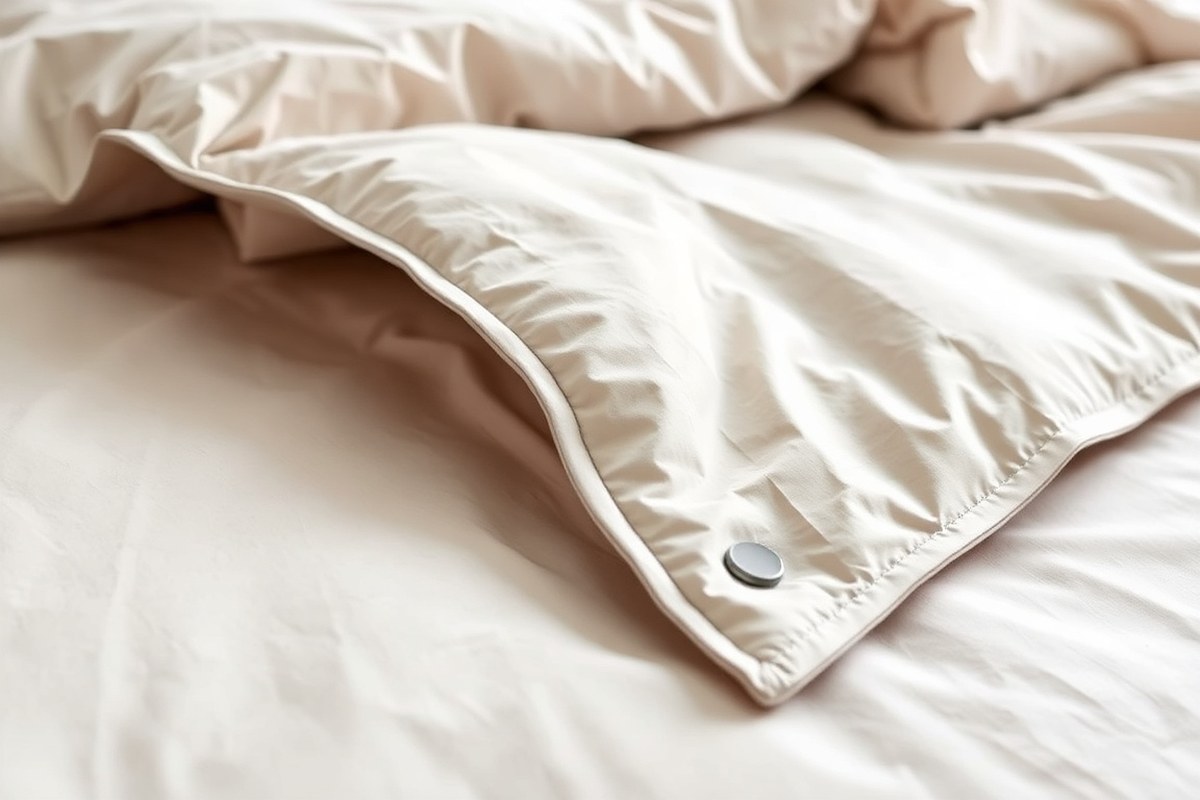
A duvet cover acts as a protective layer for your comforter, greatly reducing the number of times your comforter needs washing. While duvet covers should be washed every one to two weeks, a comforter inside a cover can often go two to three times a year without a wash. This setup helps maintain cleanliness and extends your comforter’s life.
Typical Washing Frequency for Duvet Covers
Duvet covers come in direct contact with your skin, sweat, and oils, making them the part of your bedding that needs cleaning most often. Washing your duvet cover weekly or every two weeks keeps allergens, dirt, and bacteria under control while maintaining fresh bedding.
Since duvet covers are usually lighter and easier to clean than comforters, laundering them more frequently is practical. Many people combine duvet cover washing with sheet changes to keep their bed environment clean.
Comforters inside these covers generally require washing only two to three times annually, assuming no major spills or accidents occur. This is a significant reduction compared to comforters without covers, which may need washing monthly.
Benefits of Using a Protective Cover
A duvet cover acts as a removable, washable barrier that shields your comforter from sweat, dust, body oils, and allergens. This reduces wear and tear on your comforter and prevents the buildup of dirt and grime over time. The result is a more hygienic bed and a comforter that stays cleaner and lasts longer.
Another advantage is convenience. Duvet covers are easier to remove, wash, and dry compared to bulky comforters. Regularly washing the cover keeps your bedding smelling fresh and visually clean without the hassle of frequent comforter laundering.
In addition, a duvet cover can function as a decorative element, allowing you to update your bedroom look without replacing your comforter. Protection and style combine in this simple bedding solution.
Materials and Care Tips
Choosing the right material for your duvet cover can improve comfort and ease of care. Cotton is a popular choice because it is breathable, durable, and machine washable. For easier maintenance, consider polyester or polyester blends, which typically dry faster and resist wrinkles, though they may not be as breathable as cotton.
Pay attention to your care label for temperature and washing cycle recommendations. Washing duvet covers in cold or warm water with a gentle cycle usually preserves fabric quality. Avoid bleaching unless the care instructions explicitly allow it.
Washing your duvet cover before placing it back on a freshly laundered comforter prevents transferring dirt and oils back onto a clean bed. Take the time to remove the duvet cover during comforter washing sessions to maintain proper hygiene and fabric health. Follow these steps to keep your duvet cover and comforter clean:
- Remove the duvet cover from your comforter.
- Wash the duvet cover every 1 to 2 weeks in cold or warm water using a gentle cycle.
- Dry the duvet cover fully, preferably in a dryer on low heat or air dry if possible to avoid shrinkage.
- Wash your comforter separately two to three times per year or as needed if protected by a duvet cover.
- Use a gentle cycle and follow the care tag instructions for your comforter, especially temperature and detergent type.
- Ensure the comforter dries completely to prevent mold or mildew growth; this may take several cycles or air drying.
- Put the clean duvet cover back on your dry comforter and remade your bed.
Always remove your duvet cover before washing your comforter to keep both items clean and avoid unnecessary wear.
How Different Comforter Types and Fill Materials Affect Care
Cleaning your comforter depends heavily on its fill material, down, down alternative, or synthetic, because each type requires different care to avoid damage and maintain loft. Down comforters usually feature natural goose or duck feathers that can clump or lose insulation if washed or dried improperly. Down alternative and synthetic fills are usually polyester-based and more resilient to home washing but may still face challenges if subjected to harsh cycles or high heat.
Down comforters can be washed at home, but only if the care label allows it. Use a large-capacity washing machine to prevent over-compression, run a cold water gentle cycle, and use a mild detergent aimed at down or delicate fabrics. Avoid bleach or fabric softeners, which can degrade feathers or synthetic fibers. For drying, low heat and adequate tumbling time are essential; adding clean tennis balls or dryer balls helps break up lumps and restore fluffiness. You may need multiple drying cycles, and it could take several hours. Overheating or rushing drying risks damaging the fill or shrinking the outer fabric.
Down alternative comforters tolerate machine washing better. Like down, choose gentle, cold-water cycles and mild detergent, but drying is generally faster and more forgiving, though low heat is still recommended to prevent melting or clumping. Synthetic fills handle moisture well but can lose shape under aggressive washing or high heat.
Always inspect your comforter for holes or weakened seams before washing to prevent filling escape. Repairs may be necessary before cleaning. Comforters labeled “dry clean only” or “spot clean only” should not be machine washed at home due to risks of damage; professional cleaning will maintain fill integrity and fabric quality. Here’s a table comparing care details to help you manage washing and drying for different comforter fills:
| Fill Type | Machine Wash | Water Temp & Cycle | Detergent | Drying Instructions |
|---|---|---|---|---|
| Down | Yes, if label permits | Cold water, gentle cycle | Mild detergent for down/delicates | Low heat, tumble with dryer balls, multiple cycles |
| Down Alternative | Generally yes | Cold water, gentle cycle | Mild detergent | Low heat, tumble dry; faster drying than down |
| Synthetic | Yes | Cold water, gentle or normal cycle depending on label | Mild detergent | Low to medium heat, tumble dry; avoid high heat |
| Dry Clean Only (any fill) | No | N/A | N/A | Take to professional cleaner |
| Spot Clean Only | No | N/A | N/A | Spot clean stains only |
Knowing these differences helps you choose the safest washing approach for your comforter. Following the label’s instructions closely prevents fill compression, fabric weakening, or clumping. For bulky comforters, home machines often struggle to clean and dry evenly, so consider professional options for oversized items or if delicate down fills require special handling. Proper drying removes all moisture, reducing risks of mold or odor, and restores the fill’s insulating properties.
Signs Your Comforter Needs Washing Beyond a Schedule
Knowing when your comforter needs washing goes beyond following a fixed timetable. Key signs include noticeable odors, visible stains, buildup of allergens, and fabric wear. These indicators help you decide whether to wash it sooner than planned, which keeps your bedding fresh and safe.
Odors are a reliable signal that your comforter requires cleaning. Even if it doesn’t look dirty, sweat, body oils, and dust can accumulate inside. Allergens like dust mites and pet dander also settle in the filling and surface fabric, potentially causing sneezing or skin irritation. If you or someone in your household feels allergy symptoms worsening, washing the comforter promptly can help reduce these triggers.
Spills or stains should be addressed immediately. Spot cleaning can take about 25 minutes using a gentle hand-wash detergent to avoid a full wash cycle unnecessarily. Treating stains right away stops bacteria and moisture from setting in, preventing permanent damage and odors. For larger spills or pet accidents, washing or professionally dry cleaning the comforter as soon as possible is best.
Fabric wear is more subtle but important. Comforters lose loft and become flattened with use, especially if more than one person or pets share the bed. Rotating the comforter 180 degrees every few months evens out wear and extends its life.
- Notice a musty or sour smell on your comforter.
- Detect allergy symptoms linked to bedding.
- See visible stains or spills on the surface.
- Spot pet hair, dander, or signs of pet accidents.
- Feel the comforter is flat or less fluffy than usual.
- After illness, wash bedding to reduce reinfection risks.
- Observe more frequent use or environmental factors causing accumulation of dirt or allergens.
Watching for these signs lets you wash the comforter when it truly needs it, rather than sticking strictly to a schedule. The cost in time and effort feels less when you wait for these clear indications. Washing too often might wear out the fabric, while waiting too long risks hygiene and comfort. Always remember that washing ahead of schedule costs only energy and water but keeps your bedding healthier.
How to Wash a Comforter in a Home Washing Machine Safely
Most comforters can be safely washed in a home washing machine as long as you follow the care label instructions carefully. Using the right water temperature, detergent amount, and gentle cycle can prevent damage like clumping or shrinking. Proper loading and routine fluffing during the wash also help maintain even filling and fabric quality.
Step 1: Checking the Care Label
Start by thoroughly reading the care label sewn into your comforter. It lists the recommended washing temperature, cycle type, and any precautions such as “dry clean only” or “no bleach.” Many comforters advise cold or warm water to protect the filling and fabric from shrinking or damage. Silk or delicate fabrics often cannot withstand machine washing and may require professional cleaning.
Confirm that your washing machine has enough space, at least 5.0 cubic feet of capacity, to handle the comforter without compressing it excessively during the wash. This space is needed to allow the comforter to move freely and clean evenly.
Step 2: Preparing and Loading the Comforter
Before putting a comforter in the machine, check for stains and treat them if needed using a gentle stain remover. Inspect the comforter thoroughly for any holes, tears, or weak stitching that washing could worsen.
To avoid uneven washing and clumping of the filling, load the comforter loosely in the drum, making sure it can spread out without being squashed. Avoid washing it with other bulky items, as this can prevent detergent from distributing evenly across the fabric.
Step 3: Choosing Wash Settings and Detergent
Select the gentle or delicate cycle on your washer to protect the comforter’s fabric and seams from damage. Use cold or warm water according to the care label, steering clear of hot water which can shrink fabrics and harm the filling quality.
Use just one mild detergent pod or about 1 to 2 tablespoons of liquid detergent, enough to clean but not so much it leaves residue. Avoid bleach or fabric softeners, which can degrade materials. During the wash, stop the cycle every 20 to 30 minutes to remove the comforter and redistribute the filling evenly. This helps prevent clumping and ensures the comforter is cleaned thoroughly inside and out.
Load your comforter loosely and check the care label for exact water temperature; washing too hot can shrink or damage the filling.
Step 4: Post-Wash Care and Fluffing
After washing, remove the comforter carefully to avoid stressing seams. Gently shake and fluff it to break up any clumped filling. Regular fluffing during wash breaks is important to maintaining an even loft and preventing flat spots.
Drying a comforter properly also affects its condition, so follow the label’s drying instructions closely. Air drying or tumble drying on a low or no-heat setting helps protect the fabric and filling from heat damage. Make sure the comforter is fully dry before storing to prevent mildew and odors.
- Check the care label for washing instructions and recommended water temperature.
- Inspect the comforter for stains, holes, or weak spots and treat or mend as needed.
- Load the comforter loosely into a washing machine with at least 5.0 cu. Ft. Capacity.
- Add a mild detergent pod or 1-2 tablespoons of gentle liquid detergent.
- Select the gentle/delicate cycle with cold or warm water according to the care label.
- Every 20 to 30 minutes, stop the washing machine and manually shake or spread the filling to help it dry evenly.
- After washing, gently shake and fluff the comforter before drying.
- Dry according to label directions, using low heat or air drying to avoid damage.
Drying Your Comforter Without Damaging It
Drying your comforter properly prevents shrinking, clumping, and mildew. Use a low heat setting in the dryer with dryer balls or tennis balls to fluff the filling. Air drying works well if your dryer is too small or the care label advises against machine drying, but it takes longer and requires good airflow.
Using a Dryer Safely
Choose a large-capacity dryer to allow your comforter to tumble freely. Set the dryer to low heat to avoid damaging the fabric or causing the filling to clump. High heat can shrink the outer fabric and cause uneven dryness or heat damage to the filling.
Toss in two or three wool dryer balls or tennis balls inside clean white socks before starting your dryer. They help keep the filling evenly spread by fluffing the comforter as it tumbles. Drying usually takes about two to three hours, so check it every so often to shake and adjust the comforter for uniform drying.
- Remove your comforter from the washer and shake it out to distribute the fill evenly.
- Place the comforter inside the dryer along with two to three wool dryer balls or tennis balls in socks.
- Set the dryer to a low heat or delicate cycle to reduce the risk of damage.
- Dry for about 60 minutes, then pause to shake and reposition the comforter.
- Continue drying in 30-minute increments until the comforter is mostly dry.
- Remove the comforter and allow it to hang loosely for a few hours to finish drying and prevent musty odors.
- Verify dryness by squeezing the comforter; no moisture should be present.
Air Drying and Airing Out Tips
When the comforter’s care label warns against machine drying or your dryer is too small, air drying your bedding is a safer choice. Hang the comforter outside on a sturdy clothesline or rack on a sunny, breezy day. Indoors, choose a well-ventilated area free of dampness where the comforter can hang fully spread out.
Spread or hang the comforter evenly to avoid uneven drying and fill clumping. Flip or shake it every few hours to encourage airflow and redistribute the filling. Keep it away from direct heating vents or radiators, which might cause shrinking or fabric damage.
Signs Drying Is Incomplete
Incomplete drying can lead to musty smells or, worse, mildew growth inside the comforter. The filling feels damp or cold to the touch, especially in thick areas. Heavier spots or visible clumps also indicate trapped moisture.
The fabric will not feel dry or crisp, and your comforter may develop a sour odor after a day or two in storage. Check for these signs by folding the comforter in half and feeling for pockets of dampness. Spot any damp spots? Keep drying on low heat or boost airflow while air drying to avoid damage and prevent smells.
Common Washing Mistakes and How to Avoid Them
Washing a comforter might seem simple, but common mistakes can cause clumping, damage, or shrinkage. One frequent error is choosing the wrong water temperature. While hot water can kill dust mites and allergens, it might also shrink some fabrics or damage certain fills like feathers. Always check the manufacturer’s label, many comforters recommend cold or warm water to protect materials and stitching.
Putting too many items in the washer can keep your comforter from getting cleaned properly or cause it to stretch out. Comforters need space to move freely inside the machine to prevent the filling from clumping or washing unevenly. Using a washer with a large capacity designed for bulky bedding, like commercial laundry machines, often works best. For instance, a king-size comforter usually needs a washer with at least 4.5 cubic feet of space to avoid bunching.
During drying, damage is most likely to occur if the comforter is left damp or tumbled too aggressively. Clumping happens when wet filling settles in one spot and doesn’t dry evenly, which can lead to an uncomfortable sleeping surface and increased risk of mildew. Adding clean tennis balls or dryer balls helps redistribute the filling and speeds drying. Use a low heat or air fluff cycle to protect the fabric and filling, removing the comforter periodically to fluff it by hand.
- Don’t use hot water unless the care label allows it.
- Ensure the comforter fits loosely in the washer for even cleaning.
- Use gentle or bedding-specific cycles to minimize agitation.
- Add tennis balls to the dryer to prevent filling clumps.
- Choose low heat settings and check dryness often.
- Wash your comforter right after purchase to remove manufacturing residues.
- Spot clean stains promptly to avoid multiple full washes.
Some comforters have special needs depending on fill type. For example, down or feather fills need a gentle touch with cool or warm water and may require additional drying time. Synthetic fills can typically tolerate more strong washing but still benefit from careful drying. Keeping a close eye on washing machine settings and drying methods helps preserve the comforter’s shape and comfort over time.
Skipping or rushing these steps can lead to poor cleaning, fabric wear, or wasting energy on premature replacement. Taking the time to follow each step correctly maintains your comforter’s freshness, loft, and lifespan. When your home washer is not big enough or lacks gentle settings, taking your comforter to a commercial laundry facility or professional cleaner makes sense. Always follow care instructions to get the safest, cleanest results.
When to Call a Professional Cleaner or Replace Your Comforter
Professional cleaning is recommended when your comforter is too large or bulky for your home washing machine, or if it has stubborn stains and odors that regular washing can’t remove. Commercial washers at laundromats and dry cleaners have machines designed to handle large bedding without damaging the fabric or filling. These services typically cost between $20 and $50 depending on size and location. Choose professional cleaning to reduce the risk of clumping or tearing that can happen if you try washing a heavy comforter in a small machine.
Deciding whether to wash your comforter at home or send it out starts with evaluating three key factors: the size of your washing machine, the fabric care instructions on the label, and any visible damage. Your machine should fit the comforter comfortably, and the label must allow machine washing; in that case, washing at home is usually practical and saves money. Use a gentle cycle with cold water and mild detergent, and make sure to dry it completely at low heat or air dry to avoid mildew and deterioration of filling.
Look for these signs to decide if your comforter needs professional attention or replacement: extensive fabric wear, unraveled seams, excessive clumping of filling, persistent odor after washing, or stains that do not lift with home washing. Handle minor repairs like seam mending promptly, but replace the comforter when damage compromises its insulating ability or comfort. A comforter generally lasts about 5 to 10 years depending on quality and care. Replacing a worn comforter improves sleep quality and hygiene.
Use this simple checklist to guide your decision: Is your comforter too big for your home machine? Are there heavy stains or odors? Does the care label advise dry cleaning? Is the fabric or filling visibly damaged beyond repair? Answering yes to any means professional cleaning or replacement is a safer and often better option. When none apply, washing your comforter at home with gentle care instructions cleans it well and helps it last longer.
Always read the care label before deciding on cleaning methods, and never force a comforter into a washer that’s too small; this can cause damage to both your machine and bedding.
Step-by-Step Action Plan for Comforter Care
Follow this simple plan to keep your comforter fresh, clean, and lasting longer while reducing allergy risks.
- Before You Start: Check your comforter’s care label and measure your washing machine to ensure it can handle your comforter safely.
- After One Month: Remove and wash your duvet cover if you use one; this helps protect your comforter and keeps it cleaner longer.
- Every 3 to 6 Months: Wash your comforter following recommended machine or professional cleaning steps; look for restored fluffiness and no unpleasant odors as signs of success.
- Weekly: Air out your comforter by hanging it outside or near a sunny window to reduce moisture and dust buildup.
- After Any Spills or Stains: Spot clean immediately with a mild detergent and water to avoid permanent marks.
- Every 6 Months: Inspect your comforter carefully for signs of wear, thinning, or persistent odors that might require replacing or professional cleaning.
- Before Storage: Make sure your comforter is fully dry and stored in a breathable bag or container to prevent mildew and damage.
Frequently Asked Questions
What Happens If You Don’t Wash Your Comforter Regularly?
Not washing your comforter often can lead to a buildup of dust, sweat, and allergens, which might cause discomfort or allergic reactions. Regular washing helps maintain hygiene and prolongs the life of your bedding.
How Often Does the Average Person Wash Their Bedding?
The average person typically washes bedding, including sheets and duvet covers, about once every two weeks, which helps keep bedding fresh and reduces allergens.
How Often Should I Wash My Comforter If I Use a Top Sheet but No Duvet Cover?
Using a top sheet without a duvet cover means you should wash your comforter every two to four weeks to keep it clean and lessen washing frequency.
Is It Okay to Wash Bedding Every Two Weeks?
Washing bedding every two weeks is generally considered good practice for maintaining cleanliness and controlling allergens, especially if you use a duvet cover or change sheets weekly.
How Does Using a Duvet Cover Affect How Often I Should Wash My Comforter?
Using a duvet cover means you only need to wash the cover every 1, 2 weeks, allowing you to wash the comforter itself much less often since it avoids direct contact with skin.
When Should I Consider Professional Cleaning or Replacing My Comforter?
Stained comforters that home washing can’t fix, or ones that feel lumpy and less warm, need professional cleaning or replacement to keep comfort and hygiene.
Wrapping Up
Regular washing based on your comforter’s type and protection helps maintain its comfort and cleanliness while limiting allergens. Acting now by checking your comforter’s care label and setting a washing schedule is the best way to keep it fresh and safe for years. Keeping up with these steps makes your bed more inviting every night.