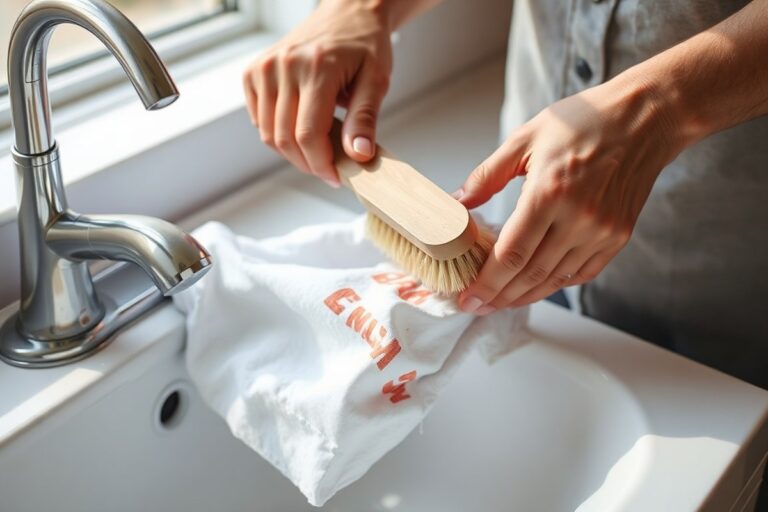
How Often to Wash Comforter: Complete Guide with Care Tips & Timing
Washing your comforter every 1 to 2 months keeps it hygienic and fresh for most people. People with allergies or pets should wash their comforter more often to stop irritants from accumulating. Using a duvet cover can reduce how often you need to wash the comforter itself by protecting it from sweat, dust, and allergens.
This article helps you understand how often to wash comforter based on your lifestyle and type of fill. It also explains care tips to keep your comforter clean, fluffy, and lasting longer between washes, making it easier to maintain a healthy sleeping environment.
Key Takeaways
- To keep your comforter clean, wash it every 1 to 2 months when you don’t have a duvet cover.
- When you use a duvet cover, wash the cover every 1 to 2 weeks while cleaning the comforter only 2 to 3 times yearly.
- People with allergies or pets should consider washing their comforter more frequently than the typical schedule.
- Down comforters require gentle warm water 104°F to avoid damage while cleaning effectively.
- Allow 2 to 4 hours on low heat to fully dry a queen or king comforter, with shaking every 30 minutes.
- Shake and redistribute the comforter filling during drying to prevent damp spots and maintain fluffiness.
How Often Should You Wash Your Comforter for Best Hygiene?

The best washing frequency for your comforter depends on how you use it and your home’s conditions. You should wash your comforter every 1 to 2 months without a duvet cover or top sheet because it directly absorbs sweat, oils, and skin cells. Using a top sheet extends the time between washes to about every 3 to 4 months, since the sheet acts as a barrier catching most dirt and oils before they reach the comforter.
When you use a duvet cover, the comforter itself needs washing only 2 to 3 times per year. The duvet cover can be washed much more often, about every 1 to 2 weeks, just like regular sheets. This setup protects the comforter from dust, sweat, and allergens, reducing its washing frequency while keeping your bedding hygienic.
Allergies, pets, and spills require adjusting these times. Washing your comforter more often helps lower allergens like dust mites and pet dander, especially when you or family members have allergies or asthma. Homes with pets sleeping on the bed should also wash comforters and covers more often because pet hair, dander, and dirt accumulate quickly. Spills or stains mean you should launder the comforter immediately, regardless of your normal schedule.
Here’s a straightforward way to decide when to wash your comforter based on your bedding setup and lifestyle. First, consider if you use a duvet cover or top sheet. Without any barrier, plan for washing every 1 to 2 months. With a top sheet alone, extend to every 3 to 4 months. When using a duvet cover, wash the comforter twice or thrice a year but wash the duvet cover every 1 to 2 weeks. Second, factor in allergies, pets, or spills. Increase washing frequency accordingly to keep allergens and dirt under control.
What you get by following this schedule is a comforter that stays fresher longer without risking damage from over-washing. Frequent washing can wear out the fill or cover materials faster, especially if done improperly. This decision rule balances hygiene with the practicality of maintaining your comforter’s lifespan.
Using a duvet cover and top sheet together offers the largest advantage in reducing how often you wash the actual comforter. Without these protective layers, your comforter gathers dirt and grime faster and should be cleaned more often to maintain good hygiene and a pleasant sleeping environment. Always wash your bedding in water temperatures recommended on the label, generally warm or cold to protect fill materials, and dry thoroughly to prevent mildew or clumping of the fill.
How Comforter Fill Types Affect Washing Frequency and Method

The type of fill inside your comforter greatly influences how often you should wash it and the washing method you should use. Different fills react differently to water temperature, detergents, and drying processes, which affects both the ease of home care and the longevity of your comforter. Knowing your comforter’s fill type helps prevent damage, shrinkage, or loss of fluffiness when cleaning. Here’s a quick comparison of common comforter fills with their home washability, recommended water temperature, and drying precautions:
| Fill Type | Home Washable? | Water Temperature | Drying Cautions |
|---|---|---|---|
| Down / Feather | Usually yes, with care | Cool water (below 110°F) | Low heat; use dryer balls to keep fluffy; avoid overheating |
| Down Alternative / Polyester | Yes – easiest | Warm or cool water | Low heat; gentle cycle; dries faster, less risk of clumping |
| Cotton | Yes | Warm or cool water | Can shrink slightly on hot; low to medium heat drying |
| Wool | Often no – check label | Usually hand wash or dry-clean only | Heat felts wool; avoid tumble drying; professional cleaning preferred |
| Silk | Usually no | Dry-clean only | Delicate; avoid water and heat; professional cleaning only |
Down and feather comforters need the coolest water to avoid stripping natural oils, which keep their loft and insulating properties. Use a mild detergent and dry on low heat with tennis or dryer balls to prevent clumping. Down alternatives made from polyester are more forgiving; they can handle a gentle machine wash and low heat drying without damage. Cotton comforters tolerate warmer water but may shrink slightly, so avoid hot water and high dryer settings.
Wool and silk comforters often require professional cleaning due to their delicate nature. Wool may shrink or felt with heat and agitation, while silk can lose its texture or strength if exposed to water or heat. Always follow the label instructions carefully and consider professional cleaners, which increases cost and effort but protects these high-maintenance fills.
Never use water hotter than 110°F on down or feather comforters, as it can ruin the fill and reduce the comforter’s insulating power.
The fill type also affects how often you wash your comforter. Down and down alternatives resist odors and allergens better, so washing every few months works unless you have allergies or spills. Cotton comforters may need more frequent washing since they absorb moisture faster. Wool and silk comforters generally require spot cleaning and less frequent full washes due to cleaning constraints. Adjust washing schedules to your lifestyle, allergies, and home washer size, especially if your machine can’t safely handle large bulky items.
How to Wash a Comforter: Step-by-Step for Safe Cleaning
Washing a comforter safely depends on careful preparation, choosing the right machine and cycle, using appropriate detergent and water temperature, and avoiding common mistakes that cause damage. Tailoring the process to your comforter’s fill and size ensures it stays clean and maintains its loft and softness for years.
Preparing Your Comforter for Washing
Start by confirming your comforter’s care label instructions for machine washing. Some comforters, especially those with delicate fills, may require special handling or professional cleaning. Remove any detachable covers and spot-treat visible stains with a gentle cleaner before washing.
Thickness and size affect preparation. Shake out the comforter outdoors to remove dust and debris. Check for tears or loose seams and repair them to prevent further damage during washing. Ensure your washing machine is large enough, comforters need space to move freely for effective cleaning.
Choosing the Right Washer and Cycle
A large-capacity front-loading washer of at least 4.5 cubic feet is best for washing comforters. Avoid top-loading washers with central agitators, which can tear the fabric and compress the fill unevenly. If your home machine is too small, consider using a commercial washer at a laundromat.
Set the machine to a gentle or bulky cycle to protect the comforter’s fabric and fill. Avoid harsh or heavy-duty cycles that can stretch or damage the baffles (the stitched compartments holding the fill). Using a cycle designed for bulky items distributes the wash action more evenly.
Using Proper Detergents and Water Temperature
Use a mild, enzyme-free detergent to protect delicate fibers and down feathers. Avoid bleach and fabric softeners, which can degrade the comforter’s materials or cause clumping. Using too much detergent may leave residue, so follow the product instructions carefully.
For most comforters, washing in cold or warm water between 86, 109°F (30, 43°C) is safest. Down comforters tolerate cool to warm water but never hot, as temperatures above 110°F can shrink cotton shells or damage down clusters. Always double-check the care label for recommended water temperatures.
Tips to Avoid Washing Damage
Run an extra rinse cycle to remove detergent residue, which can stiffen down or irritate sensitive skin. Carefully balance the machine load, adding towels if needed, to prevent the washer from becoming unbalanced during the cycle.
Remove the comforter promptly after washing to stop mildew growth. Avoid wringing or twisting the comforter; instead, gently press out excess water. Periodically pause drying cycles to fluff and redistribute the fill, ensuring even drying and preventing clumps or cold spots.
- Check the care label to confirm your comforter is machine washable.
- Remove any duvet covers and spot-clean stains before washing.
- Shake out and inspect the comforter for tears; repair as needed.
- Load the comforter evenly into a large-capacity front-loading washer or commercial machine.
- Select a gentle or bulky cycle using cold or warm water (86, 109°F/30, 43°C).
- Add a small amount of mild, enzyme-free detergent and avoid bleach or fabric softeners.
- Run an extra rinse cycle to ensure detergent is fully removed.
- After washing, remove promptly and dry fully following manufacturer instructions to prevent mildew and clumping.
How to Dry a Comforter to Keep It Fluffy and Fresh
Dry your comforter on low heat with dryer balls, stopping every 20 to 30 minutes to fluff and shake it. This prevents clumping of the fill, helps moisture evaporate evenly, and avoids mildew or a musty smell. Drying often takes 2 to 4 hours depending on your machine and comforter thickness.
Setting Dryer Temperature and Cycle
Use the lowest heat setting available on your dryer to protect the comforter’s filling from damage. High heat can deform synthetic fill or harm natural down, leading to flatness or stiffness. A gentle or delicate drying cycle works best as it tumbles the comforter slowly, protecting seams and fabric.
Check the care label for temperature recommendations specific to your comforter’s fill. Typically, keeping the dryer below 120°F (49°C) ensures safe drying. Avoid air-dry settings alone, as the comforter must dry completely to prevent mold or mildew development.
When and How to Shake and Fluff Comforter
Stopping the dryer every 20 to 30 minutes during the cycle is key. This lets you take your comforter out, hold it by the corners, and give it a good shake to redistribute the filling. Fluffing by hand breaks up any clumps, making sure warm air reaches all areas evenly.
Continue tumbling and fluffing in intervals until the comforter feels evenly dry and lofted throughout. Try to avoid letting it cool off between fluffings to maintain the drying momentum. This step keeps the comforter fluffy and stops damp pockets that cause mildew.
Using Dryer Balls and Alternatives
Add 3 to 6 wool or rubber dryer balls to your dryer load to aid in fluffing and speeding up drying time. These balls bounce inside the drum, separating the fabric and fill, preventing the comforter from bunching up. They also improve airflow around your comforter.
You can use clean tennis balls wrapped in socks as a temporary replacement for dryer balls, but make sure the balls are dry and clean. Using dryer balls typically reduces drying time by up to 25% and improve fluffiness without any chemicals or added cost beyond the initial purchase ($10 to $20 for a set).
Signs Your Comforter Is Fully Dry
You’ll know your comforter is fully dry when no moisture or coolness remains inside, especially in the center or thickest parts. The fill should feel light and evenly fluffy with no hard or damp clumps. Pressing a corner should not show any wetness or cause a musty smell.
Detect moisture means running extra dry cycles on low heat and keeping up the fluffing regularly. Avoid folding or storing a partially damp comforter to prevent mold growth. A completely dry comforter will maintain its shape and loft well after drying.
- Set your dryer to the lowest heat setting and choose a gentle or delicate cycle.
- Place the comforter inside the dryer along with 3 to 6 wool or rubber dryer balls.
- Run the dryer for 20 to 30 minutes.
- Stop the dryer, take out the comforter, and shake or fluff it by hand.
- Return the comforter to the dryer and repeat the 20 to 30 minute tumble and fluff cycle.
- Continue this routine until the comforter is fully dry with no damp spots or clumps.
- Check the fill and fabric for even dryness and fluffiness before removing the comforter completely.
Signs Your Comforter Needs Washing Sooner Than Scheduled
Your comforter might need washing sooner than planned if you spot stains, smell persistent odors, notice clumps in the filling, or experience allergy symptoms. These signs show your comforter is less clean and could affect both its look and your health.
Identifying Odors and Stains
A noticeable musty or sour smell means moisture and bacteria are building up in your comforter. This often happens if the comforter absorbs sweat or spills and hasn’t dried thoroughly. Check the surface and edges for yellowish or dark stains that don’t disappear with spot cleaning. These stains often come from sweat, food, or pet accidents and suggest it’s time to wash.
A quick smell test involves pressing your nose near the comforter in different spots, especially around the areas where your head or feet rest. Detecting any unpleasant or lasting odor means it’s time to wash the comforter to avoid smells that can get worse over time.
Clumping or Flattened Filling
Comforter filling can clump or flatten due to moisture or improper drying, causing uneven warmth and reduced comfort. Lumps usually form when the filling gets wet and fails to dry evenly, which can happen after spills or humid weather. Flat areas show that the comforter’s insulation is breaking down, reducing its ability to keep you warm.
Lightly run your hands over the comforter to detect lumps. If you find uneven spots, follow the care instructions on its label, typically washing on a gentle setting and then tumble drying at low heat. Using dryer balls or clean tennis balls during drying assists in distributing the filling evenly.
Allergy Symptoms as a Warning
Allergic reactions like sneezing, congestion, coughing, or itchy skin can signal that your comforter harbors dust mites, pet dander, or mold spores. These allergens accumulate over time, especially if the comforter hasn’t been washed in a few months. Washing removes these irritants and creates a healthier sleeping environment, which is especially important for allergy sufferers.
Noticing allergy symptoms mainly around bedtime or after making your bed calls for checking your comforter for dust or allergens that might be causing irritation. Regular washing with hot water (at least 130°F) is necessary to kill most dust mites and remove allergens effectively.
Practical Checklist for Early Washing
Wash your comforter sooner if any of these signs appear:
- Persistent or unpleasant odors, especially musty or sour smells
- Visible stains that don’t come out with spot cleaning
- Clumped or flattened filling causing uneven warmth
- Increased allergy symptoms like sneezing or congestion
- Exposure to pets that shed or accidents like spills and stains
- Recent illness that might leave bacteria or viruses in your bedding
Following this checklist helps keep your bedding clean and comfortable, avoiding issues that affect sleep quality.
Know that washing a comforter too often or with harsh detergents can damage delicate fills. Use gentle detergents and follow care tags to keep your comforter in good shape while managing cleanliness.
How Using a Duvet Cover Changes Washing Frequency and Care
Using a duvet cover helps protect your comforter from dirt, sweat, oils, and skin cells, which reduces the need to wash the comforter itself frequently. Since the duvet cover acts as a barrier, you don’t have to wash the comforter as often, saving time and extending its lifespan. Most experts suggest washing the comforter about two to three times per year if it’s inside a duvet cover. In comparison, comforters without covers should be washed more often, every one to two months, because they accumulate dust, allergens, and body oils more rapidly.
The duvet cover should be washed more regularly to maintain a clean sleeping environment. It’s best to wash the cover every one to two weeks, alongside your sheets, since it directly contacts your skin and picks up sweat and oils. Washing the duvet cover frequently also helps control allergens like dust mites, which can worsen allergy symptoms. Because covers are easier to remove and machine wash than comforters, they offer a practical way to keep your bedding fresh without putting stress on the comforter’s materials.
For washing, use warm water settings recommended on the care labels of both the comforter and duvet cover to help reduce allergens and kill dust mites. The cover can be washed similarly to sheets and blankets, regular machine cycles with mild detergent usually work well. Comforters, especially down-filled ones, may require gentle cycles or larger machines to avoid damage. Washing the comforter less often keeps the fill’s loft and insulation intact.
Choosing not to use a duvet cover means you’ll need to wash your comforter more often to avoid buildup of dirt and allergens. This can be more time-consuming and add wear to the comforter fabric. Using a cover lets you adopt a simple routine: wash the cover weekly or biweekly and the comforter two to three times a year, which balances hygiene with durability. Allergy sufferers benefit particularly from this approach, as frequent cover washing removes common irritants without stripping the comforter’s filling or causing fabric wear.
Washing your duvet cover along with your sheets every one to two weeks helps keep your bedding clean, while the comforter inside should be washed every four to six months. Skipping the cover requires washing the comforter itself every one to two months. Using a duvet cover lowers how often you need to clean the comforter, making bedding care easier and keeping it fresher longer.
Common Mistakes to Avoid When Washing Your Comforter
Using water that’s too hot when washing your comforter can break down the fibers and damage delicate fillings like down or synthetic clusters. Hot water may shrink or weaken the fabric, causing it to lose softness and loft over time. Stick to cold or warm water, generally below 104°F (40°C), which cleans effectively without harm. This temperature helps keep the comforter’s shape and prevents shrinkage.
Washing machines, especially older or smaller models, can damage your comforter if it’s too large or bulky for the drum. The spinning motion can cause the filling to shift, bunch up, or clump. Front-loading machines are usually gentler, but loading your comforter unevenly or overloading the machine increases wear. Using a gentle cycle with an extra rinse and spin phase helps remove detergent residues and avoid buildup.
Clumped filling and lingering odors often appear when the comforter isn’t dried thoroughly or is washed with too much detergent. Overloading the washing machine or using heavy detergent leaves residue that traps moisture and odors. To fix clumping, try redistributing the filling by shaking and fluffing the comforter as it dries. You can also add clean tennis balls or dryer balls to the dryer to help break up lumps and maintain loft.
- Washing in hot water: use cold or warm water under 104°F to protect fibers and filling.
- Overloading washer: choose a large, front-loading machine or wash comforter at laundromat if needed.
- Using too much detergent: use mild, HE detergent in small amounts to avoid residue.
- Drying on high heat: tumble dry on low heat to prevent damage to filling and fabric.
- Incomplete drying: dry fully to avoid mold; allow extra drying time if comforter is thick.
- Compressing comforter during storage: store loosely to avoid crushing the filling and losing loft.
Prevent damage by selecting the correct water temperature and detergent amount, and giving the comforter space to tumble freely during washing and drying. Check the comforter frequently during drying to break up clumps by hand if needed. Drying fully ensures no moisture remains, which can cause mold or odors. If your comforter still feels heavy or smells musty after drying, repeating a low-heat dry cycle with dryer balls or clean tennis balls should help restore fluffiness and freshness. These steps may take a few hours longer but will protect your comforter’s lifespan and keep it comfortable over multiple seasons.
Practical Tips to Keep Your Comforter Fresh Between Washes
Airing your comforter regularly can help keep it fresh without needing a full wash. Simply drape it over a chair, railing, or the foot of your bed for about an hour in a well-ventilated room. This allows moisture and odors to dissipate naturally. Avoid direct sunlight for prolonged periods, especially on delicate or colored fabrics, to prevent fading or damage. Airing costs nothing and takes just a little time, but it can extend the comforter’s freshness between washes.
Vacuuming your comforter is another effective method to reduce dust, dirt, and allergens. Use the upholstery attachment on your vacuum cleaner and gently pass it over the surface. This is particularly helpful for allergies, as vacuuming removes dust mites and pet dander trapped in the fabric. Try to vacuum once every couple of weeks, especially if you live in a dusty area or have pets. Avoid aggressive vacuuming to prevent compressing the fill or damaging the fabric.
Spot cleaning small stains immediately can prevent them from setting in and reduce the need for washing the entire comforter. Use a mild detergent mixed with cool water and a clean white cloth or sponge. Blot the stain gently from the outside toward the center to avoid spreading it. Afterward, use a dry cloth to absorb excess moisture before letting the spot air dry completely. Avoid harsh stain removers or bleach unless the care label explicitly permits it, since these can weaken or discolor the comforter’s fabric.
Protective products such as mattress and comforter protectors or duvet covers are practical investments to reduce odors and allergens. Duvet covers are easier to wash weekly and protect the comforter underneath from dirt and body oils, which are common causes of odors. Using a high-quality, breathable cover can keep your comforter cleaner longer, which in turn reduces frequent washing. Alongside weekly laundering of covers, these products help control allergens and maintain freshness without heavy maintenance on the comforter itself.
Maintaining good bedding habits can also reduce the need for frequent washes. This includes washing the sheets and pillowcases weekly on the hottest safe setting to remove allergens and oils. Avoid eating or drinking in bed, and wash hands before bedtime to minimize dirt transfer. Exercise caution with pets on bedding, since their fur and dander can accumulate quickly. Following these routines keeps your comforter cleaner and fresher for longer periods.
To spot clean a stain, mix a small amount of mild detergent with cool water, dab the area gently with a cloth, and always air dry completely before using the comforter again.
Step-by-Step Action Plan to Keep Your Comforter Clean and Fresh
Follow these steps to maintain your comforter’s cleanliness and longevity without overdoing the washing.
- Immediately: Inspect your comforter for visible spots or stains; treat these with a suitable fabric cleaner to prevent permanent marks.
- Weekly: Shake out and air your comforter daily or at least weekly to reduce dust buildup and help maintain fluffiness.
- Every 2 weeks: Wash your bedding, including duvet covers if you use one, to keep allergens and sweat at bay, making your comforter last longer.
- Every 3-6 months: Wash your comforter following the care label instructions, adjusting frequency based on your comforter type, use, and allergy sensitivity.
- After washing: Dry your comforter thoroughly using low heat and occasional fluffing to prevent clumping and maintain softness.
- Between washes: Use a washable duvet cover to protect your comforter from dirt and reduce how often you need to wash the comforter itself.
- Seasonally: Rotate or flip your comforter to avoid uneven wear, especially if it spends months stored or unused.
- At signs of odor or heavy dirt: Don’t delay, clean your comforter ahead of schedule to keep it hygienic and comfortable.
Frequently Asked Questions
Can Washing a Comforter Too Often Damage It?
Yes, frequent washing can wear down fabric and fill, reducing comforter lifespan. Stick to recommended intervals and use gentle cycles to protect it.
Should I Wash My Comforter After a Spill If It’s Inside a Duvet Cover?
Yes, spills require immediate washing even with a duvet cover to prevent stains and odors. Prompt cleaning helps maintain hygiene and fabric quality.
Does the Size of My Comforter Affect How Often I Should Wash It?
The size doesn’t change washing frequency but may need a larger washer and longer drying time. Always ensure proper cleaning and drying to avoid mildew.
Is Professional Cleaning Better for Certain Comforter Types?
Dry cleaning is recommended for some delicate or specialty fills like featherbeds. Check the care label; professionals can protect sensitive materials.
Can Frequent Washing Reduce Allergy Symptoms Related to Comforters?
Yes, washing comforters regularly reduces dust mites and allergens, helping ease symptoms. Use hot water cycles if fabric allows for better allergen removal.
How Does Seasonal Use Impact How Often to Wash a Comforter?
Using a comforter less in warmer months means fewer washes are needed in those periods. Adjust frequency based on your personal use and climate changes.
Key Points to Remember
Washing your comforter regularly depends on how you use it and the type of filling it has, but keeping it clean protects your health and comfort. Start with your next bed linen wash by checking for stains and shaking out your comforter, then plan gentle, thorough cleaning every few months. That first step today can make a big difference in your sleep quality and allergen control.