
How Much Does It Cost to Dry Clean a Coat? A Complete Cost and Care Guide
The cost to dry clean a coat typically ranges from $20 to $60, depending on factors like fabric, coat type, and cleaning needs. Basic wool or synthetic coats usually fall between $15 and $30, while down coats and leather jackets can cost more due to their materials and care requirements. This makes understanding pricing essential for budgeting your garment care.
This information is helpful for anyone looking to maintain coats through professional cleaning while keeping costs manageable. You’ll learn how different fabrics, styles, additional services, and location affect prices and what to expect when sending your coat to the dry cleaner.
Key Takeaways
- Denim jackets are the cheapest to dry clean, averaging $10 to $20 due to durable fabric.
- Down coats can cost $30 to $60, depending on size and condition.
- Wool coats typically cost between $15 and $30 but may rise with stain removal or protection services.
- Larger, longer, or more intricate styled coats usually require higher cleaning fees.
- Additional charges arise from stain removal, repairs, or special handling requests.
- Dry cleaning prices vary by location and the type of service chosen, with urban centers often charging more.
Average Cost to Dry Clean a Coat and What It Includes

The average cost to dry clean a coat typically falls between $20 and $60, with most standard coats landing near $25. This price range reflects the usual fees for wool or synthetic coats without special stains or repair needs. You can expect to pay closer to $15 to $30 for a basic wool jacket, while down coats often cost between $30 and $60 because they require more careful handling due to their bulk and insulation. Heavier or more complex coats like trench coats or long overcoats may push prices toward the higher end of the range, sometimes reaching $70 or more.
Prices usually vary based on fabric type, coat size, style, and the extent of cleaning required. For example, denim jackets tend to cost less, often $10 to $20, because the durable fabric handles cleaning easily without special treatment. Leather and suede coats demand specialty cleaning processes, which typically start around $60 and can go well over $100 depending on the garment’s condition and size.
The price you pay generally includes several standard services essential to proper garment care. These usually cover the cleaning process itself, where chemicals remove dirt, oils, and minor stains without water, preserving the coat’s shape and fabric integrity. Also, the cost often includes pressing or finishing, which smooths wrinkles and restores the coat’s crisp appearance. Basic inspection for stains or damage is commonly part of this price, though most cleaners consider stain removal or repairs as extra services that may raise the total cost.
When seeking dry cleaning for your coat, it helps to confirm exactly what services are included in the quoted price. Most dry cleaners charge per item rather than by weight or time, so the quoted amount should cover cleaning and pressing unless otherwise specified. Choosing a base-level cleaning and standard finishing is suitable for coats that are lightly soiled or recently worn. Asking ahead about any additional fees for stain treatment, fabric protection, or delicate handling can prevent unexpected costs.
Prices vary somewhat by location and service provider, so calling multiple dry cleaners in your area can give a clearer idea of local rates. In general, coats with heavier fabrics or more complex designs require more resources to clean properly, which explains why prices range up to $75 or higher for certain types. For most average coats, budgets between $20 and $45 will cover effective dry cleaning with standard finishing, ensuring your coat looks clean and well cared for after the process.
How Coat Fabric and Material Affect Dry Cleaning Prices
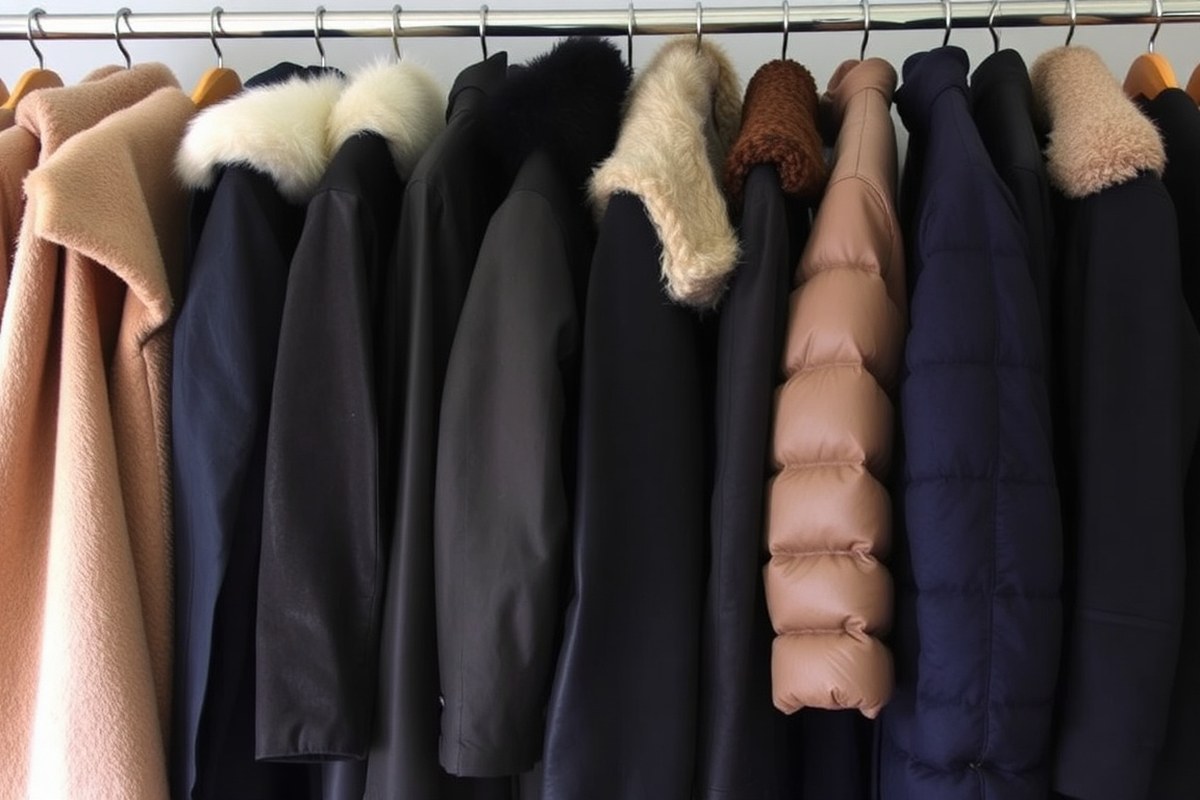
Coat fabric plays a major role in how much you pay and how your coat is cleaned. Different materials like wool, leather, and down require different methods and care, which affects price and processing time. Specialty fabrics often bring extra fees due to their delicate or unique cleaning needs.
Wool and Synthetic Coats
Wool coats are among the most common and usually cost between $15 and $30 to dry clean, depending on length and style. The natural fibers in wool require careful solvent use and specific finishing to restore texture and shape. Synthetic coats, such as polyester blends, often fall at the lower end of this range since they tolerate standard dry cleaning solvents well.
Proper cleaning avoids fabric shrinkage or felting, which can ruin the coat’s look. The process typically includes gentle solvent washing and pressing. You can expect a typical hip-length synthetic coat to cost $15 to $25, while wool overcoats with lining and extra weight may cost $25 to $45.
Leather, Suede, and Shearling
These materials demand specialized cleaning because standard dry cleaning solvents strip natural oils from the hide. Leather, suede, and shearling coats often require separate, manual treatments using mild, specially formulated cleaners plus conditioning to keep the leather soft and prevent cracking.
The cost for cleaning leather or suede garments starts around $60 and can exceed $120 depending on the quality and thickness of the hide. This higher cost reflects the extra labor and special care needed to avoid damage. Special equipment and expertise are needed to clean these coats safely, so expect longer processing times and higher prices.
Down and Insulated Coats
Down coats, filled with feathers, and insulated synthetic puffer coats need gentle handling to maintain loft and warmth. Dry cleaning is possible but more complex, involving delicate solvents and careful drying protocols to prevent clumping or damage to the fill.
Cleaning costs commonly run higher than for basic wool or synthetics, but less than leather, typically in the $25 to $50 range. Some cleaners may charge more depending on the coat’s thickness, waterproof coating, or size. Look for service options offering specialized drying to restore fluffiness and avoid mold in the interior padding.
Specialty and Delicate Fabrics
Coats made from cashmere, silk blends, or other delicate fibers require very gentle cleaning processes. These fabrics risk damage from standard solvents or heat, so cleaners use milder chemicals and lower temperatures.
Expect to pay between $40 and $80 or more for cleaning cashmere or high-end mixed fabrics. These higher prices account for additional labor, care, and sometimes hand-finishing steps to protect fabric integrity. Extra fees often apply for coats with embellishments or sophisticated linings that need special handling to prevent damage. Here is a quick comparison of common coat fabrics and their cleaning characteristics:
| Coat Fabric | Description | Typical Dry Cleaning Cost (2025) | Cleaning Considerations |
|---|---|---|---|
| Wool | Natural wool fibers, often with lining | $15, $45 | Requires gentle solvent cleaning and pressing to avoid shrinkage |
| Leather | Animal hide, natural oils present | $60, $120+ | Special cleaners and conditioning needed, no standard dry cleaning solvent |
| Down | Filled with down feathers for insulation | $25, $50 | Delicate drying to maintain loft and prevent mold |
| Trench | Made of waterproof fabric | Varies, similar to synthetics | May require water-resistant treatment post-cleaning |
| Puffer | Filled with synthetic or down insulation | $25, $50 | Careful solvent use and drying to maintain shape and warmth |
| Cashmere and Delicate Blends | High-end natural fibers, delicate construction | $40, $80+ | Extra gentle solvents and hand finishing to protect fabric |
Check with your cleaner about your coat’s fabric type before dropping it off; this helps avoid surprises in cost and care requirements.
Why Coat Size, Length, and Style Change Dry Cleaning Fees
The size and length of a coat directly influence the dry cleaning cost because larger and longer garments require more cleaning solvent, energy, and time to process. A bulky winter parka can cost significantly more to clean than a short, lightweight jacket. The dry cleaner needs to handle bigger coats carefully to ensure thorough cleaning and drying, which often means slower cycles or additional steps that increase labor costs.
Beyond size and length, a coat’s style and any decorative elements also affect the price. Buttons, zippers, linings, and embellishments like embroidery or fur trim add complexity to the cleaning process. These features may require special attention or pre-treatment to avoid damage, which raises labor demands and the chance of extra fees.
- Larger coats absorb more cleaning solvent and require longer machine cycles.
- Long coats take extra drying time to prevent moisture trapped in folds and seams.
- Heavy or padded coats need careful handling to maintain shape.
- Embroidery or sequins often require delicate cleaning methods.
- Leather or fur details may need separate treatments or specialist services.
- Complex linings and multiple layers increase processing time.
- Intricate button or zipper arrangements can slow down hand finishing steps.
Requesting an itemized estimate before dropping off your coat can help avoid surprise fees caused by size or style-related challenges. Most dry cleaners will inspect the garment and provide a price range, including extras for special detailing. Preparing your coat by removing detachable accessories and reporting any stains or issues upfront also contributes to smoother service and clearer pricing.
Additional Costs from Stains, Repairs, and Special Handling
Extra fees often apply when your coat requires stain removal, fabric repairs, or special handling beyond standard dry cleaning. Most cleaners charge around $5 to $20 per treated area for stain removal, depending on the stain’s type and severity. Grease, water spots, or strong odors typically need additional labor and chemical treatments, which increase the price. These extra steps matter because not all stains come out with routine cleaning, and tackling them early helps protect your coat’s fabric and appearance.
Dry cleaning uses chemical solvents instead of water, which dissolves many common stains like oils and dirt, but it does not guarantee removal of every stain. Some stains, such as ink, rust, or heavy dye transfer, are harder to eliminate and might require specialized treatments that add to the cost. When you bring in a coat with visible stains, the cleaner will assess the fabric and stain type, then apply appropriate solvents or spot treatments. These extra stain treatments usually add $5 to $15 per stain or garment, depending on how difficult the removal process is.
Repairs to your coat can involve fixing minor buttons or seams, which costs roughly $5 to $25 each, added on top of the cleaning fee. Cleaning can sometimes reveal pre-existing weaknesses in fabric or stitching, so it’s common for dry cleaners to offer minor repair services. Contact the dry cleaner right away if your coat sustains damage during cleaning to discuss fabric restoration options. Many shops have policies to address accidental damage and may work with you to fix or compensate for the issue.
Coats made with delicate or specialty fabrics often require special handling. This might include using lower temperature solvents, extra care on linings or trims, or applying fabric protectants to prevent future stains. Special handling fees generally range from $5 to $25 and are added because these fabrics take more time and care to process without damage. Applying fabric protectants during cleaning can cost extra but helps repel water and dirt afterward, extending your coat’s lifespan.
Good results from stain removal include the visible fading or elimination of spots without harming fabric texture or color. Poor outcomes happen if the stain sets deeper after an ineffective treatment or if harsh chemicals cause fabric discoloration. To avoid this, discuss your coat’s material and any stain history upfront with the cleaner. Their expertise helps choose the safest and most effective cleaning and stain removal methods tailored to your coat’s condition.
The total cost of dry cleaning rises with the complexity of your coat’s needs. Between stain treatment, small repairs, and special handling, expect these add-ons to raise the price a few dollars to upwards of $30 or more depending on severity and fabric sensitivity. Communicate clearly about any stains or problems at drop-off to get an accurate quote and a coat care plan that ensures your outerwear stays in good condition.
How Location and Service Type Influence Dry Cleaning Prices
Dry cleaning prices for coats differ notably by location due to variations in rent, taxes, and local wages. For example, dry cleaning in metropolitan areas with higher living costs, like Washington, D.C., generally comes with steeper fees than in suburban or rural regions where operating expenses are lower. In many suburban settings, you might pay between $11 and $13 for standard coat cleaning, as shops there face reduced overhead costs. Urban centers often justify higher prices through improved accessibility and extended service hours, but that convenience comes at a premium.
The type of dry cleaning service you select also impacts the cost. Standard cleaning services usually charge a flat rate based on coat type and size, but opting for rush or express services typically increases the fee by 20% to 50%. This premium covers the cost of reprioritizing your coat in the daily workflow and using additional labor or equipment time. If you don’t need your coat quickly, scheduling your drop-off during off-peak hours or days can help you avoid these extra charges. Communicating clearly with your dry cleaner about turnaround time expectations is the best way to avoid unexpected rush fees.
Pricing structures vary depending on the dry cleaner’s policies. Many places use flat-rate pricing for coat cleaning, simplifying budgeting by charging a fixed amount regardless of minor garment differences. Others prefer itemized billing, where the base coat cleaning cost is supplemented by extra charges for stain removal, repairs, or special fabric care. This flexible approach can make the initial price estimate lower but sometimes leads to higher final bills if additional treatments are needed. Asking for a detailed price quote before handing over your coat helps set realistic expectations.
Choosing between local independent dry cleaners and national chains may influence both price and service quality. Local businesses might offer competitive rates, especially outside busy downtown areas, but chains often maintain standardized pricing and processes backed by staff training. Environmental practices and garment care expertise may also differ, which matters for delicate wool or embellished coats. Checking reviews and confirming precise costs for your coat style will help you find the best match for your priorities.
Plan your dry cleaning drop-off ahead of time and ask about timing-based fees to avoid costly rush service charges that can unexpectedly double your coat’s cleaning price.
How Long the Dry Cleaning Process Takes for Coats
Dry cleaning a coat typically takes between 24 to 48 hours at most professional cleaners. This timeline includes garment inspection, stain treatment, the actual dry cleaning cycle, pressing or steaming, and final quality checks. Coats require more attention than lighter garments because of their size, lining, and sometimes heavier fabrics, which extend the overall process time.
The first step usually involves a thorough inspection to identify stains, repairs, or special care needs, which can add 10 to 30 minutes depending on the garment condition. Next, the coat goes into a cleaning machine using solvent rather than water, usually running for about 30 to 45 minutes at controlled temperatures. After cleaning, the coat must dry, often taking an additional hour or more, depending on fabric type and humidity in the facility. Then, a skilled technician presses or steams the coat to restore its shape and remove wrinkles, which can take 15 to 30 minutes per coat.
Choosing rush or same-day cleaning can reduce the turnaround to just a few hours but often comes with a 20 to 50 percent surcharge. Many cleaners offer this option for urgent needs, especially during busy seasons. However, rush cleaning increases the risk of less detailed finishing or missed stains because of shortened inspection and treatment time. When prioritizing speed, some cleaners use quicker drying methods or skip less critical steps, which might slightly reduce the final garment quality.
Coats made of delicate or specialty fabrics such as wool, cashmere, or leather may require extra steps like hand spot cleaning or specialized pressing equipment, extending processing time beyond 48 hours. Larger or heavily lined coats also take longer to dry thoroughly to avoid lingering solvent smells or dampness. Some cleaners advise dropping off coats a day or two before you need them back to avoid compromising care quality.
Timing matters because how long a coat spends in the dryer and the care taken during pressing strongly affect the garment’s longevity and appearance. Shorter processing might save you immediate time but can reduce the smoothness of the fabric or allow minor residues to remain. To ensure the best results, plan for at least one full business day before pickup and ask about any additional fees for rush requests.
Safe Alternatives and When Not to Dry Clean a Coat
Choosing between dry cleaning and home care methods for your coat depends on the fabric, construction, and condition of the coat. Some coats, especially those with delicate fabrics or special finishes, should only be dry cleaned to prevent damage. Others, like durable wool or polyester coats, can be maintained at home with spot cleaning or using home dry cleaning kits to save money.
Recognizing Dry Clean Only Labels
Coat tags often indicate whether dry cleaning is necessary. Look for labels stating “Dry Clean Only,” which means the fabric or construction could be damaged by water or detergent. These coats usually include structured wool, cashmere, leather, or garments with linings and trims that could shrink, lose shape, or bleed colors if washed at home. Ignoring these recommendations risks permanent damage, so following the label is the safest choice.
Some coats have mixed care instructions, allowing washing of detachable parts or spot cleaning in specified conditions. Check the label carefully for temperature limits and cleaning symbols. When it says “Dry Clean Recommended” rather than “Dry Clean Only,” you could try gentle home care methods, but only with caution. Always err on the side of caution with expensive or sentimental coats.
When to Use Home Dry Cleaning Kits
Home dry cleaning kits offer a lower-cost alternative for lightly soiled coats labeled as safe for such methods. These kits typically cost between $10 and $20 and include a cleaning cloth and a reusable bag to finish the process in your dryer. They use gentle solvents that remove odors and some stains without water, reducing the risk of fabric shrinkage or distortion.
Use these kits on coats without heavy stains or delicate trims and when the care label doesn’t strictly prohibit it. Follow the kit instructions precisely: place the cloth and coat in the dryer for about 30 minutes at the recommended temperature, usually low heat. This method refreshes the coat but won’t fully clean heavy soil or set-in stains, which need professional treatment.
Spot cleaning at home with a mild detergent or stain remover on small areas is another effective way to prolong time between professional cleanings. Test any cleaner on an inconspicuous area first to check for colorfastness. Avoid soaking or rubbing aggressively to prevent damage or color loss.
Signs Your Coat Needs Professional Care
You should take your coat to a professional cleaner if it has heavy stains that you can’t remove at home, or if it is made from sensitive fabrics like silk blends, velvet, or leather. Coats with structured shapes, padding, or insulation also benefit from professional cleaning to preserve form and function. A professional cleaner will use appropriate solvents and techniques to protect these features.
Frequent wear can lead to buildup of body oils and grime that spot cleaning or home kits can’t handle. When the coat’s texture seems dull, stiff, or smells linger after airing out, professional cleaning is worth considering. These services cost roughly $15 to $35 for wet cleaning or solvent-based dry cleaning, depending on fabric and treatment needs.
Professional dry cleaning is also necessary to avoid shrinkage and fabric distortion in delicate materials. Attempting home washing on a wool or cashmere coat labeled “Dry Clean Only” can cause irreversible damage and shrinkage, leading to costly repairs or replacement. When in doubt, professional care protects the longevity and appearance of your coat over the long term.
How to Get Accurate Dry Cleaning Quotes and Save Money
Getting an accurate dry cleaning quote for your coat starts with clear communication about the coat’s size, fabric, condition, and any special care it needs. You can save money by comparing quotes, asking what services are included, and spotting potential extra charges upfront. Knowing these details helps you avoid surprises and choose the best price without sacrificing quality.
Checklist for Requesting Quotes
Requesting a precise dry cleaning quote requires providing specifics that affect the price. Let the cleaners know the coat’s fabric type (wool, cashmere, synthetic), size (small, medium, large, or exact measurements), and whether it has stains or delicate trims that need special care. Ask if the quote includes stain removal, repairs, or pressing, so you can compare apples to apples. Use this checklist before calling or visiting a cleaner:
- State the exact fabric and lining materials
- Provide coat measurements or mention if it’s oversized
- Describe visible stains, damage, or delicate parts
- Ask if stain removal or repairs cost extra
- Confirm if the price includes pressing or packing
- Inquire about turnaround time and any rush fees
- Request total cost, including taxes and fees
Giving this information leads to a quote that matches what you’ll pay and reduces follow-up questions.
Common Pricing Pitfalls to Avoid
Quotes for dry cleaning can vary widely because cleanings might differ in what they cover or how they treat your coat. Some shops base their prices mostly on coat size, others on fabric type, and some charge extra for removing stains or fixing damage. Not all cleaners include pressing or minor repairs in the quoted price, which can add $5 to $15 later.
A frequent mistake is assuming all quotes cover the same services. For example, a $20 quote might just be for cleaning the coat’s fabric, while another cleaner’s $25 price includes stain treatment and minor tailoring. Be wary of quotes significantly below or above local averages, like the national benchmark of about $11.58 for sport coats, since those could lack necessary details or quality.
Always ask exactly what the price covers, including stains and pressing, to avoid extra charges at drop-off.
Money-Saving Tips for Coat Care
Saving on dry cleaning starts by minimizing how often your coat needs professional care. Spot clean small stains at home using a damp cloth or gentle fabric cleaner instead of a full dry clean. Proper storage on a sturdy hanger and in a breathable garment bag prevents wrinkles and dust buildup, extending the time between cleanings. For large coats, comparing prices at cleaners nearby and calling to negotiate based on volume or repeat business can lead to discounts.
Another way to save is timing your dry cleaning to off-peak seasons or weekday mornings, when some shops offer lower rates. Signing up for loyalty programs at local cleaners may also provide cost benefits.
- Spot clean stains promptly at home
- Store coats properly to avoid wrinkles and dust
- Compare prices among local dry cleaners
- Ask about discounts for multiple garments or frequent visits
- Schedule cleanings during off-peak times
- Join cleaner loyalty programs if available
Step-by-Step Action Plan for Dry Cleaning Your Coat
Follow these steps to get your coat dry cleaned efficiently and affordably, ensuring you understand the price and care involved.
- Before you visit: Check your coat’s care label to confirm dry cleaning is recommended. This prevents damage and extra costs from unsuitable cleaning methods.
- Day of drop-off: Ask your dry cleaner for a detailed price quote, including any potential fees for stains, repairs, or special fabrics. A clear quote helps avoid surprises.
- While waiting: Inspect your coat for stains or damage and point them out to the cleaner. Knowing about these upfront can save you from unexpected repair fees later.
- Pickup day: Review your receipt and inspect the coat for cleanliness and condition before leaving. Ensuring quality service protects your investment.
- After first cleaning: Decide if alternative cleaning methods might work better for future coats, especially if the price is high or the fabric is delicate.
- Ongoing: Rotate coats between dry cleaning and safe home cleaning when possible to reduce costs and wear on your garments over time.
Frequently Asked Questions
Can I Get a Discount If I Dry Clean Multiple Coats at Once?
Some dry cleaners offer discounts for multiple items, but policies vary. Always ask your cleaner about bundle pricing before dropping off your coats.
Does the Season Affect Dry Cleaning Prices for Coats?
Prices might rise during peak seasons like winter due to higher demand. Plan your dry cleaning when demand is lower, such as spring or summer, for better rates.
Are Express Dry Cleaning Services More Expensive for Coats?
Yes, express or same-day services usually cost extra. If it’s not urgent, regular turnaround times save you money.
Does the Type of Cleaning Solvent Used Affect the Price?
Yes, eco-friendly solvents can cost more than traditional ones. Some cleaners charge a premium for green cleaning methods.
Can Stains from Certain Substances Increase the Dry Cleaning Cost?
Yes, tough stains like oil or ink often need special treatment, raising the price. Check if stain removal fees apply before cleaning.
How Can I Tell If a Coat Needs Dry Cleaning or Just Spot Cleaning?
Look at care labels and how soiled the coat is. Spot cleaning costs less and may be enough for minor dirt or marks.
Final Thoughts
Coat dry cleaning costs vary based on fabric, size, location, and extra services like stain removal or repairs. Knowing these factors helps you choose the best care option and avoid unnecessary expenses. Start by getting a clear price quote from your local cleaner to make sure you’re comfortable with the service and costs.


