Do Not Bleach Symbol Explained: What It Means and How to Follow It
The do not bleach symbol means you should avoid using any bleach products on the garment, including chlorine and oxygen bleaches. Using bleach can damage the fabric or alter its colors, so following this symbol protects your clothing. This explanation suits anyone wanting to care for clothes properly, especially when sorting laundry and choosing stain treatments.
You will learn how to identify the do not bleach symbol on care labels, which bleaching agents to avoid, and how to safely clean items marked with this symbol. These clear guidelines help maintain your garments’ quality and avoid costly mistakes in laundry care.
Key Takeaways
- The do not bleach symbol is a triangle with an X through it on care labels.
- This symbol prohibits all bleach types, including chlorine and color-safe oxygen bleach.
- Common fabrics like wool and silk often carry the do not bleach symbol to prevent damage.
- Avoid whitening boosters or optical brighteners, these are forms of bleach and not safe.
- Ignoring the symbol can cause fabric weakening, discoloration, or permanent staining.
- Use mild detergent and gentle washing methods instead of bleach for these garments.
What Is the Do Not Bleach Symbol and What Does It Mean?
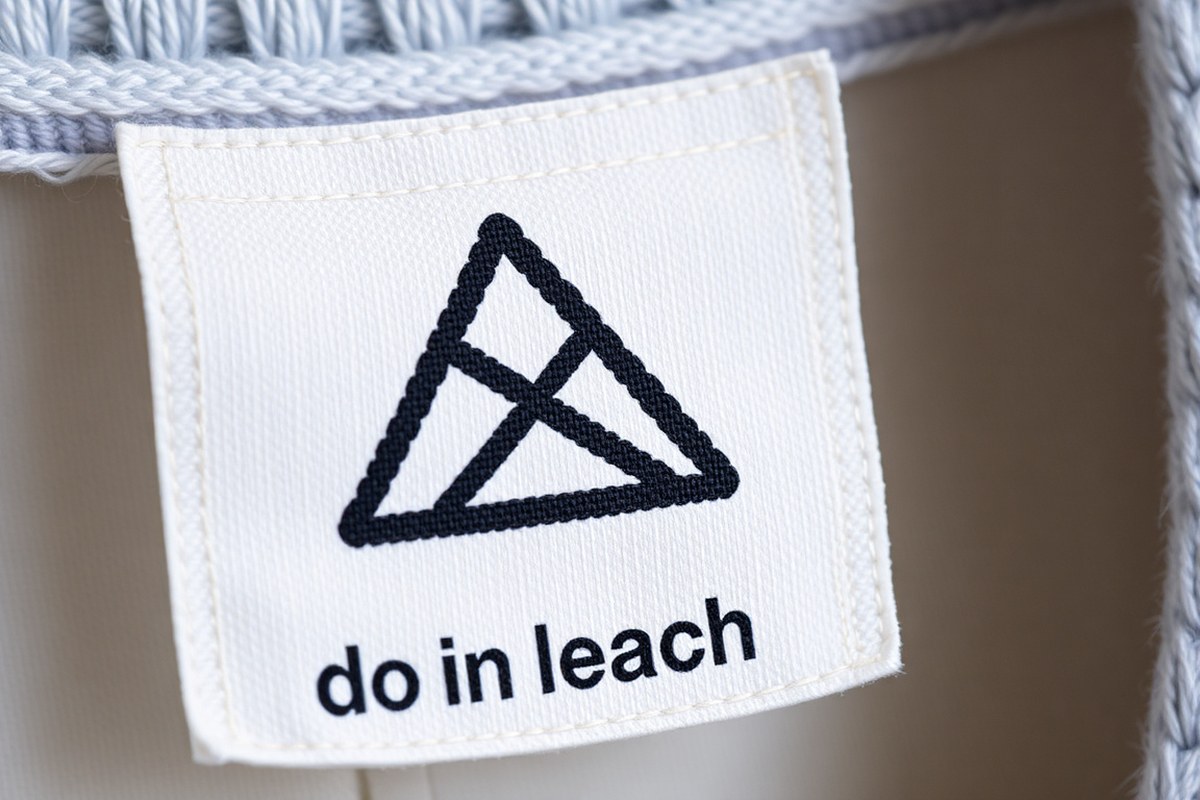
The do not bleach symbol is a clear warning displayed on clothing care labels to prevent damage caused by bleaching agents. It shows as a plain triangle with a bold X crossing through it. This icon signals an absolute restriction against using any kind of bleach on that garment. The shape of the triangle represents bleach in general, and the X through it means no bleach is allowed, period.
This symbol bans all forms of bleaching agents, not just chlorine bleach. That includes oxygen bleach, hydrogen peroxide, and even products marketed as color-safe or mild bleaches. Because certain fabrics and dyes can be severely harmed or discolored by any bleaching chemical, manufacturers use this symbol to preserve the garment’s color and fiber strength. For example, delicate fibres like rayon, spandex, wool, and silk often carry this label since bleach breaks down their structure, causing shrinking, weakening, or color loss.
When you see the do not bleach symbol, stop before adding whitening boosters, optical brighteners, or any laundry additives that contain bleach compounds. These products also fall under the ban because they use oxidizing chemicals similar to bleach, which degrade harmful fibers and dyes. This symbol creates a strict rule: do not try any bleaching treatment on these clothes, even if it claims to be gentle, oxygen-based, or color-safe.
The do not bleach symbol has been standardized for decades, originating from textile care labels regulated under guidelines like ASTM D5489. This ensures the symbol’s meaning is consistent across brands and fabrics. When multiple care symbols appear, the strictest instruction applies, so the do not bleach symbol overrides any permissive bleach marks.
Ignoring this icon can cause significant damage to your clothing. Bleach chemicals eat away at dyes and weaken fibers, resulting in faded colors, holes, or fabric that becomes brittle and tears easily. Following this symbol’s rule helps maintain the look and longevity of your garment, saving you from costly replacements or disappointing laundry mishaps.
Which Bleaching Agents Are Prohibited by This Symbol?
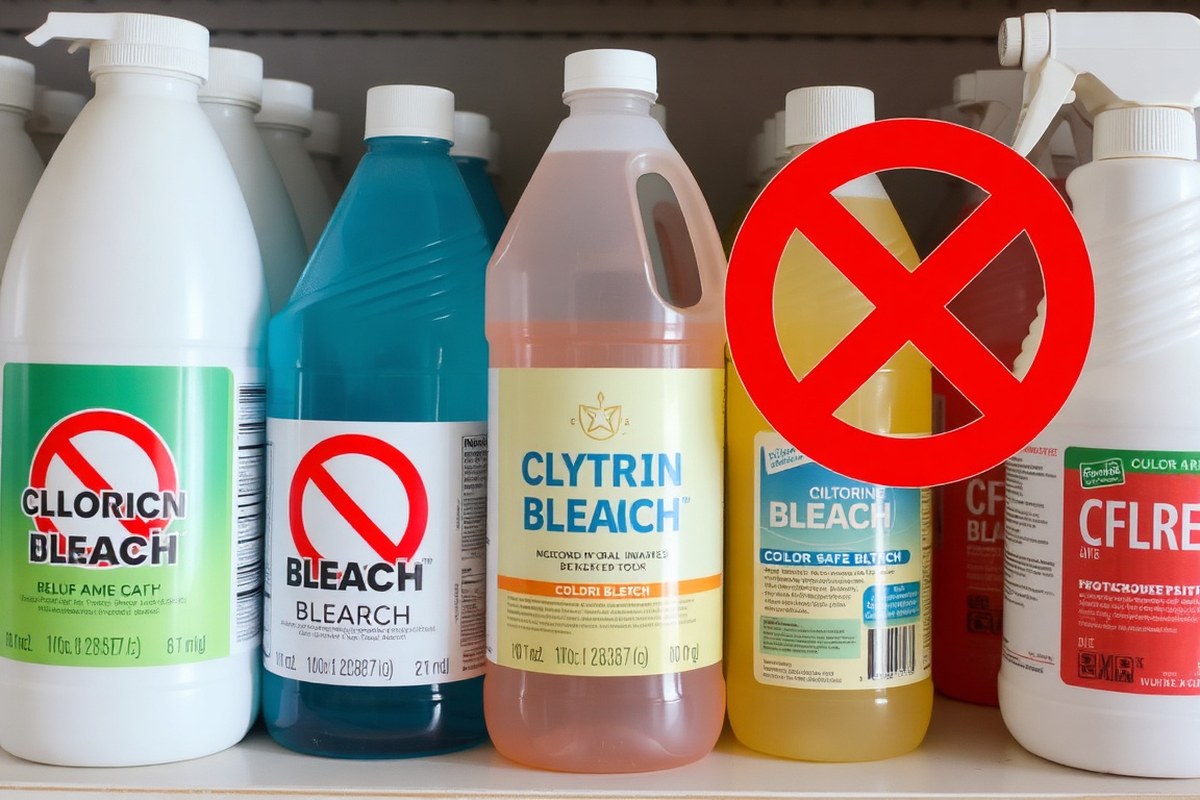
The do not bleach symbol bans the use of all bleaching agents, not just chlorine bleach. This includes chlorine bleach (sodium hypochlorite), oxygen bleach (hydrogen peroxide), and bleach-related additives like optical brighteners or whitening boosters. Even though oxygen bleach is milder than chlorine bleach, it can still damage sensitive fabrics or dyes marked with this symbol.
Bleaching agents oxidize or break down dyes and fibers, weakening the fabric or causing color fading. This effect happens because the garments marked with the do not bleach symbol are made from materials that react poorly to oxidizing chemicals, even in diluted forms. Optical brighteners or whitening boosters, common in some detergents, can also have a bleaching effect and should be avoided.
| Bleach Type | Chemical Composition | Effect on No Bleach Fabrics | Usage Allowed with Do Not Bleach Symbol? |
|---|---|---|---|
| Chlorine Bleach | Sodium hypochlorite | Strong oxidizer; rapidly fades and degrades fibers | No |
| Oxygen Bleach | Hydrogen peroxide or similar | Milder oxidizer but still damages sensitive dyes and fabrics | No |
| Optical Brighteners | Fluorescent whitening agents | Visually brightens but can degrade dye molecules | No |
| Natural Sunlight | Ultraviolet radiation | Bleaches dyes over time; causes fading | No direct exposure recommended |
| Colour-Protect Detergents | No bleach or brightening agents | Safe; preserves dye and fabric integrity | Yes |
The symbol indicates that even oxygen bleach and optical brighteners, both sometimes considered “gentle,” are too harsh for these garments and will cause damage. Natural bleaching from sunlight also contributes to dye fading, so drying these items in the shade is advised to keep colors intact. Using detergents specifically labelled for colors or dark fabrics can help avoid hidden bleaching agents.
Choosing to avoid all forms of bleach maintains fabric quality and colour vibrancy. This means skipping whitening boosters and optical brighteners, which are common in regular “whitening” detergents but harmful here. Following this rule costs only the change in detergent selection and drying method but prevents premature textile wear and discoloration.
Do not dry no bleach garments in direct sunlight since UV rays bleach fabrics naturally and cause fading beyond chemical bleach damage.
How to Identify the Do Not Bleach Symbol on Care Labels
The do not bleach symbol is usually easy to spot once you know what to look for. It appears as a triangle with a bold “X” or diagonal lines crossing through it. Recognizing this symbol among other laundry icons helps you avoid using bleach on fabrics that could be damaged or discoloured by it. Some labels may show slight variations or unclear prints, so learning how to distinguish the do not bleach symbol from similar ones can save your clothes from accidental harm.
Standard Design of the Symbol
The standard do not bleach symbol is represented by a triangle outline with two crossing lines forming an “X” inside. The triangle stands for bleach in general, while the “X” clearly indicates it is forbidden to use any bleach products. This symbol is typically black on a white background or vice versa for contrast on fabric care labels. According to ISO 3758:2012 textile care labelling standards, this design is globally recognized and found on most garment tags.
In practice, the triangle might be about 0.5 to 1 inch across on a typical care label, making it visible but small. It’s important to focus on the presence of two diagonal lines forming an “X” inside the triangle, as this is the specific part signifying “do not bleach.” Simple triangle shapes without the “X” do not indicate prohibition, so the lines matter.
Common Variations and Misinterpretations
Labels can sometimes present the do not bleach symbol in ways that cause confusion, like faint or incomplete lines in the “X” or additional marks around the triangle. Color variations may also appear; red or neon colors are rare but possible in digital or printed garment tags. Care labels printed with low contrast or fabric wear can make the symbol fade or blur, leading to misreading.
Some manufacturers include additional text near the symbol, such as “No Bleach” or “Do Not Use Bleach,” which helps clarify the meaning. However, lack of text might require closer examination instead. The main misinterpretation comes from symbols where the “X” is drawn lightly or the triangle is mistaken for other shapes like a square or circle. When reviewing a care label, look for these key visual clues to confirm you’re seeing the do not bleach symbol:
- Triangle with solid outline, not a square or circle
- Two diagonal crossing lines forming a clear “X” inside the triangle
- High contrast for easy visibility (black on white or white on black)
- Consistent size roughly matching other laundry symbols on the label
- Absence of additional marks that change meaning, such as dots inside the triangle
- Supplemental text instructions confirming “do not bleach”
- Minimal fading or smudging that might obscure lines
Checking these details helps avoid confusing the symbol with less strict instructions or unrelated icons.
Distinguishing from Related Bleach Symbols
Several bleach-related symbols might look similar but indicate different rules. A plain triangle without lines means “any bleach allowed.” A triangle with two dots inside means “non-chlorine bleach only.” These symbols do not have an “X” across the triangle. Spotting the “X” is your best sign that bleach must be avoided completely.
Labels can also show variations such as a triangle with a diagonal line instead of a full “X.” This generally means “do not use chlorine bleach,” but not all bleach products. Reading the entire label context helps clarify such distinctions. For example, the American Cleaning Institute advises checking the presence and number of dots within or around the triangle as part of their fabric care guidelines.
Using Apps and AI for Symbol Recognition
Technology can help identify the do not bleach symbol if reading small or faded labels proves difficult. Several free mobile apps and AI tools allow you to take a photo of a care label and automatically match laundry symbols against standard databases. These apps recognize over 79 common laundry icons, including do not bleach, reducing guesswork and errors.
Using these tools involves snapping a clear picture of the label under good lighting and uploading it to an app like “Laundry Care Symbols AI” or similar services. The AI highlights the detected symbols and identifies their meaning instantly. This helps especially if you shop frequently for different brands or have difficulty reading small print.
Keep in mind that AI tools require a direct, focused photo without glare, and may struggle with heavily worn or partially obscured labels. They supplement human checking but do not replace careful label reading for ambiguous cases.
What Fabrics and Dyes Commonly Carry the Do Not Bleach Symbol?
The do not bleach symbol frequently appears on garments made from delicate natural fibers such as wool and silk. These protein-based fibers are particularly sensitive because bleach attacks their molecular structure, causing them to weaken, discolor, or even break down entirely. Wool and silk require gentle handling with mild detergents to avoid damage, making bleach unsuitable for these fabrics.
Synthetic fabrics like spandex, rayon, and some polyesters also commonly carry the do not bleach symbol. Bleach can degrade the chemical bonds in these synthetic fibers, leading to fiber weakening, color fading, and in some cases, melting or holes. Unlike cotton and linen, which are more bleach-resistant, synthetics often have a lower tolerance for the harsh oxidizing agents found in bleach, especially chlorine bleach.
Dyes play a critical role in whether bleach should be used. Garments dyed with vibrant or dark colors often display this symbol because bleach can remove or alter the dye unevenly. This results in irritating spots, streaks, or fading that ruin the garment’s appearance. Some dyes are more stable with oxygen-based bleach alternatives, but chlorine bleach typically causes irreversible discoloration. Even fabrics with colorfast dyes risk damage because bleach can strip the dye molecules or weaken the fabric itself.
The chemical reaction behind bleach damage involves oxidation. Chlorine bleach acts strongly on protein fibers by breaking their peptide bonds, causing fabric loss and weakening. On synthetics, bleach destroys polymer chains, which compromise fiber strength. Dyes, especially synthetic organic dyes, can be oxidized and lose their color. This is why certain garments with the do not bleach symbol require special care: they either have a sensitive fiber type, a particular dye that reacts badly, or both.
Because of these risks, garments with the do not bleach symbol often need alternative stain removal strategies and careful washing routines. Professional cleaning or gentler detergent formulations designed for sensitive fibers and colors are usually recommended. Avoiding bleach prevents irreversible damage and extends the garment’s lifespan. Cost-wise, replacing damaged wool or silk can be expensive compared to following the care label’s guidance.
Focusing on the fabric type, wool and silk are protein fibers vulnerable to alkaline bleach, while spandex and rayon regions of synthetic fabrics weaken or melt with bleach exposure. Cotton and linen, made of cellulose, tolerate bleach better but still may not if dyed with sensitive dark colors. Always check the label and treat garments marked with the do not bleach symbol as requiring gentle alternatives, especially when dealing with mixed fibers or complex dyes prone to fading or breaking down under oxidizing chemicals.
What Happens If You Ignore the Do Not Bleach Symbol?
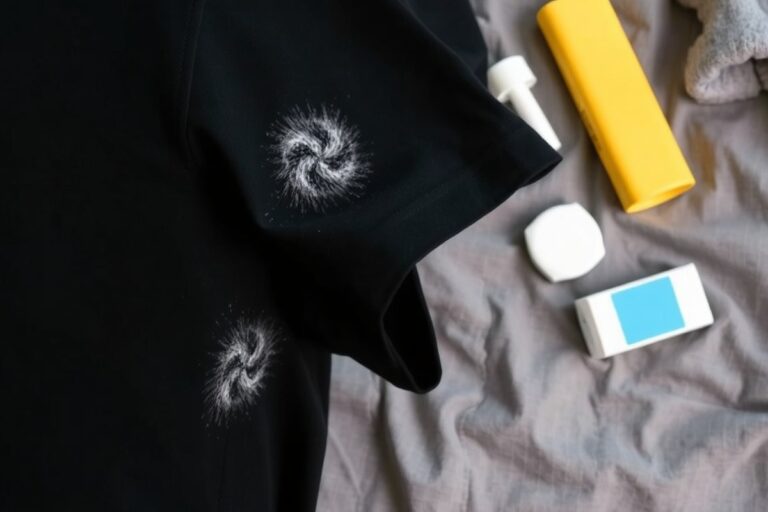
Using bleach on garments labeled with the do not bleach symbol can cause serious and often irreversible damage. One of the most visible signs of bleach damage is discoloration. Bleach removes dye pigments, leaving patches of faded or bleached spots that noticeably alter the fabric’s appearance. This damage is typically uneven, especially if the bleach comes into contact with only parts of the clothing, creating blotchy or mottled areas.
Beyond color loss, bleach also weakens the fabric’s fibers. Protein-based fibers such as silk and wool break down when exposed to bleach because the chemical destroys the molecular protein structures. This degradation leads to weakening, making the fabric more prone to tearing, shrinking, and loss of strength. Synthetic fibers may tolerate bleach slightly better, but they still can suffer weakening and color fading when exposed.
Repairing bleach damage is difficult or often impossible. The color fade caused by bleach cannot be restored without professional dyeing, which may cost between $20 to $50 per item depending on the garment and dye used. This process does not always guarantee a perfect match or uniform color restoration. Structural damage, like weakened or broken fibers, cannot be repaired and usually leads to permanent holes or thinning areas. In some cases, altering the garment into smaller projects can salvage the material, but this requires sewing skills and extra cost for materials.
The long-term consequences of ignoring the do not bleach symbol include progressive fabric deterioration. Continued exposure to bleach accelerates fiber breakage, turning once wearable clothing into brittle, fragile items prone to tearing during normal use. Color loss becomes permanent and increasingly patchy, detracting from the garment’s appearance. Over time, weakened fibers can cause shrinkage and distortion of the garment’s shape, further reducing its lifespan.
Never assume diluting bleach makes it safe for no bleach garments; even small amounts can cause irreversible damage.
Safe Washing and Care Alternatives for No Bleach Garments
Cleaning garments marked with the do not bleach symbol requires using gentle detergents and careful stain treatment to avoid fabric damage. These clothes benefit from mild washing temperatures and selective stain removers that exclude traditional bleach. Following appropriate drying and storage methods also helps keep your clothes in good condition without using harsh chemicals.
Selecting the Right Detergent
Choose a gentle detergent formulated for delicate fabrics to protect fibers and colours. Detergents with enzymes can break down organic stains effectively without needing bleach. Avoid products that contain chlorine or optical brighteners, which can be harsh on sensitive materials.
Overloading your washing machine can prevent detergent from rinsing thoroughly, so wash smaller loads to ensure proper cleaning. Look for detergents labelled as safe for wool, silk, or other delicate fibers when washing those types of garments.
Temperature and Washing Machine Settings
Most garments with a do not bleach symbol can be machine washed on a normal cycle unless the care label specifies otherwise. Use the warmest water temperature allowed, typically up to 40°C (104°F), unless there are fabric-specific instructions that recommend cooler water.
Delicate fabrics benefit from a gentle or delicate cycle to reduce abrasion and mechanical stress. When the label shows drying restrictions, choose air drying or low-heat drying methods to prevent shrinking or damaging the fabric.
- Wash in small loads to improve cleaning and rinsing effectiveness
- Use warm water, generally between 30°C and 40°C (86°F to 104°F)
- Select a gentle or delicate cycle for fragile fabrics
- Avoid machine drying if the label advises against it
- Use garment bags for extra protection during washing
Following these washing guidelines helps preserve the garment’s shape and colour while ensuring cleanliness without bleach.
Non-Bleach Stain Removal Methods
Pre-treat stains with enzyme-based stain removers or specialist spot cleaners that explicitly state they contain no bleach. These products help break down stains like food, sweat, or grass without damaging delicate fibres or fading colours. Other effective alternatives include soaking the garment in a solution of mild detergent mixed with water before washing, or applying natural stain removers like diluted vinegar or baking soda paste for gentle lifting.
Mechanical techniques such as blotting stains with a clean cloth or soft brushing can also aid stain removal without harsh chemicals. Always test any stain remover on a hidden area before full application to avoid discoloration.
- Use enzyme-based or bleach-free stain removers
- Soak stained areas in mild detergent solution
- Try natural stain treatments like vinegar or baking soda paste
- Blot or gently brush stains before washing
- Test stain removers on inconspicuous fabric spots
Drying and Storage Tips for Delicate Fabrics
Air drying is often safer for fabrics labeled do not bleach, helping prevent heat damage and shrinkage. Lay flat or hang items to dry away from direct sunlight to minimise fading. When using a dryer, pick a low heat or air fluff option, and skip tumble drying if the care label advises against it.
Proper storage also prolongs garment life. Store clothes in a cool, dry place, and avoid overcrowding to reduce wrinkles and abrasion. Using breathable garment bags for delicate items can protect them from dust and friction during storage.
- Air dry garments away from direct sunlight
- Use low heat or air fluff cycle if machine drying is allowed
- Store in cool, dry conditions with good airflow
- Keep delicate items in breathable garment bags
- Avoid overcrowding in drawers or closets
Common Mistakes and Myths About the Do Not Bleach Symbol
Many people misunderstand the “do not bleach” symbol, especially concerning the use of diluted bleach or color-safe bleaches. The symbol means you should avoid any bleaching agents that can damage the fabric or alter its color. Diluting chlorine bleach does not change its chemical properties, so it is still harmful if the label says no bleach. Using chlorine bleach, even weak solutions, can weaken fibers and cause color loss.
Oxygen or color-safe bleach is generally considered safer, but that does not always mean it’s acceptable for every garment. Some fabrics marked with the do not bleach symbol are sensitive to any bleaching agents, including oxygen bleach. If a label forbids bleaching, it usually means all forms of bleaching, because the fabric or dye may react badly even to gentle options.
Another common myth is that yellowing or bleaching hacks found online are safe to use. Many of these products or recipes rely on chemicals that function as bleaches, intended to lighten the fabric itself. According to care label guidelines, any product that lightens the fabric or changes its base color should be avoided when the do not bleach symbol is present.
Ignoring overlapping care symbols can cause unexpected damage. You might see a symbol forbidding bleach alongside other instructions, such as low-temperature washing or dry cleaning only. Follow all instructions carefully, because bleach damage might not be reversible, and other care methods listed can help protect your fabric as intended.
- Assuming color-safe bleach is always allowed: Not true for all fabrics with the do not bleach symbol.
- Thinking diluted chlorine bleach is safe: Dilution does not make it safe if bleach is forbidden.
- Using yellowing or whitening DIY hacks: Many act like bleaches and can harm fabric.
- Overlooking overlapping symbols: Other care instructions may impact how you treat the fabric.
- Believing oxygen bleach never damages: It may still cause damage on sensitive materials.
- Ignoring fabric type: Natural fibers and delicate dyes often need stricter care.
The best way to respect the do not bleach symbol is to avoid all bleach-based treatments, including common surface whiteners or stain removers that include peroxide or other bleaching agents. Instead, consider gentle detergents or stain removers formulated for color-safe use. Costs for these alternatives vary, with most oxygen-based products priced between $5 and $15 for standard household use. Using these options correctly preserves your clothes and maintains their original color and strength over time.
How to Handle Stains on Fabrics Marked Do Not Bleach
Removing stains from fabrics marked with the do not bleach symbol requires careful treatment to avoid damage. Use gentle, bleach-free methods like spot cleaning with mild detergents or natural alternatives. Knowing when to turn to professional cleaning can save your garment from further harm, especially with stubborn stains.
Spot Cleaning with Mild Detergents
Spot cleaning is the first step when dealing with stains on no bleach fabrics. Choose mild, liquid detergents without enzymes or harsh chemicals to protect the fibres. Treat the stain as soon as possible to improve results and prevent setting. Follow these steps to spot clean safely:
- Blot the stain gently with a clean cloth to remove excess residue without rubbing it deeper.
- Dilute a small amount of mild detergent with cool water to create a gentle cleaning solution.
- Apply the solution sparingly to the stained area using a cotton swab or soft brush.
- Let it sit for 5 to 10 minutes but do not let the fabric dry out completely.
- Rinse the treated area with cool water to remove detergent residues.
- Blot again with a dry towel to absorb moisture, then air dry away from direct heat.
Always test the detergent on an inconspicuous part of the fabric first to ensure no colour loss or damage occurs.
Using Oxygen-Free Stain Removers
Oxygen-free stain removers provide a safer alternative for fabrics that cannot withstand bleach. Natural options like vinegar, baking soda, and lemon juice work well on many stains without risking fabric harm. Enzyme-based removers target protein or carbohydrate stains without using chlorine bleach.
Use these products sparingly and follow label instructions. For instance, vinegar can neutralize deodorant or sweat stains, while baking soda helps absorb grease or oil. Avoid soaking fabrics for too long to prevent weakening fibres or altering textures.
When to Seek Professional Dry Cleaning
Evaluate the severity and type of stain before deciding to use professional services. Dry cleaning is recommended if stains persist despite gentle treatments or if the fabric is delicate, like silk, wool, or velvet. Look for the circle symbols with letters P or F on the care label to confirm if the garment is suited for solvent-based cleaning.
Professional cleaning costs vary but typically range from $10 to $30 per item, depending on fabric and stain type. Seek professional help if the stain is large, old, or if the garment is valuable. Avoid DIY harsh chemicals or bleach as they may irreversibly damage the fabric.
Consult a trusted dry cleaner familiar with your garment type before attempting aggressive stain removal yourself.
Handling Specific Stain Types Safely
Different stains react better to certain treatments that respect the do not bleach restriction. Protein-based stains like blood or milk respond well to enzyme-based removers applied quickly, while tannin stains from coffee or wine benefit from vinegar solutions. Grease stains often require mild detergent with spot treatment and gentle agitation. Here are tips for common stains:
- Blood: Rinse with cold water immediately, then apply an enzyme-based remover.
- Grease/Oil: Sprinkle baking soda on the stain to absorb oil before spot cleaning with detergent.
- Wine/Coffee: Dab with vinegar solution then rinse with cool water.
- Ink: Use a small amount of commercial stain remover safe for delicate fabrics or seek professional care if unsure.
Step-by-Step Action Plan for Caring for Do Not Bleach Garments
Follow this simple plan to keep your no bleach garments safe and looking their best while avoiding damage from bleach.
- Before Washing: Check the care label for the do not bleach symbol to confirm no bleach use is allowed. This prevents accidental damage.
- Day of Washing: Use a mild detergent without bleach or optical brighteners. Verify by checking the ingredient list to protect fabric dyes and fibers.
- During Washing: Select cold or lukewarm water settings to minimize fading and fabric stress. You’ll know this worked if colors stay vibrant and fabric feels intact.
- After Washing: Avoid the dryer for delicate no bleach fabrics; air dry instead. Successful air drying preserves fabric shape and colour.
- Spot Treatment: Use gentle stain removers specifically labeled safe for no bleach fabrics. Test on a hidden area first to ensure no discoloration.
- Monthly: Review your laundry products and renew those free from bleach or harsh chemicals to maintain ongoing garment safety.
Frequently Asked Questions
What Other Laundry Symbols Should I Check with the Do Not Bleach Symbol?
Check the entire care label because the strictest symbol dictates how to wash and dry your garment safely. For example, a “do not bleach” symbol combined with “dry clean only” means avoid bleach and only use professional cleaning.
Can the Do Not Bleach Symbol Appear in Any Color?
Yes, it can be printed in black or white on your clothing label, but the meaning stays the same. The color does not affect the prohibition of any kind of bleach.
Is the Do Not Bleach Symbol Universal on All Clothing Brands?
Most brands follow international laundry symbol standards, so you will usually see a triangle with an X on no-bleach items. Some labels may differ slightly, so confirm by reading any accompanying text.
Does Washing Detergent Matter with Garments Having the Do Not Bleach Symbol?
Use detergents without optical brighteners or whitening boosters because those act like bleach. Always select mild or color-safe detergents for no-bleach garments to prevent damage.
Can I Hand-Wash Clothing with the Do Not Bleach Symbol Safely?
Yes, hand washing is often safer because it avoids harsh machine cycles and chemicals. Use gentle soap and cool water to protect the fibers and dyes.
What Should I Do If a Garment with the Do Not Bleach Symbol Has a Stubborn Stain?
Avoid bleach-based stain removers; try spot cleaning with mild detergent or professional cleaning advice. Some stains respond better to natural treatments like vinegar or baking soda.
Before You Go
Respecting the do not bleach symbol protects your clothing from irreversible damage and maintains its appearance. Choose gentle laundry methods and suitable stain treatments to keep your garments looking fresh. Start by checking your detergent labels today to confirm they are free of bleach or bleach alternatives.