How to Take Mold Stains Out of Fabric: 8 Proven Steps for Complete Removal
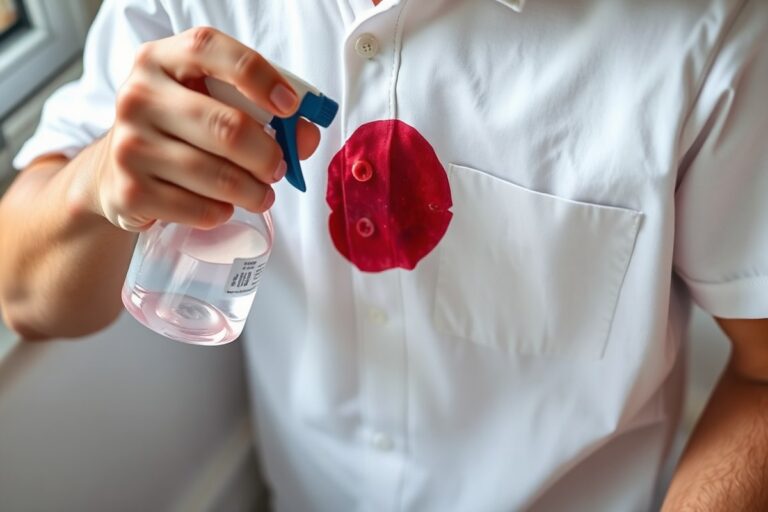
To take mold stains out of fabric safely and effectively, start by pre-soaking the fabric to loosen mold, then use suitable cleaners like hydrogen peroxide or oxygen-based bleach before washing. Avoid harsh chemicals on delicate fabrics and dry thoroughly in sunlight to prevent mold regrowth. Proper cleaning requires careful selection of agents and drying methods to tackle spores and odors.
This advice is for homeowners and renters dealing with moldy clothes or fabrics. You’ll learn specific steps and choose the best products to remove mold stains, handle delicate materials, and keep fabrics fresh after cleaning.
Key Takeaways
- Pre-soak bright fabrics for 30 minutes, others up to 1 hour, to loosen mold before cleaning.
- Use 3% hydrogen peroxide with oxygen-based bleach to treat mold stains thoroughly before washing.
- Apply moistened detergent directly on stubborn stains and let it sit for about 5 minutes.
- Wash moldy fabric in warm or hot water, following care labels to avoid damage.
- Dry fabrics in direct sunlight for 1 to 2 days to kill mold spores and stop odor.
- For delicate or non-washable fabrics, consider spot cleaning and air drying in sunlight.
1. How to Take Mold Stains Out of Fabric Safely and Effectively

Mold on fabric not only looks bad but can damage your clothing and cause persistent odors. Removing mold safely means killing the spores without harming the fabric. Use common household items like white vinegar and baking soda paired with hot water to tackle both stains and spores effectively. For sturdier white cotton, diluted chlorine bleach can be an option, but avoid bleach on colors or delicate fibers as it may cause damage or discoloration.
Follow these step-by-step directions to remove mold stains and prevent further spread. Soaking times vary by fabric type and mold intensity, and washing should be at the hottest temperature safe for your garment, usually indicated on the care tag. Always check the fabric after washing; if stains or odors remain, repeat the process. Avoid brushing or shaking moldy items indoors to prevent airborne spores.
- Brush off loose mold outdoors. Wear gloves and a mask. Shake or brush the fabric lightly outside to remove surface mold spores, preventing them from entering your home’s air.
- Prepare a soaking solution. In a large basin or bucket, mix 1 to 2 cups of white vinegar, 1/2 cup of baking soda, and enough hot water to fully submerge the fabric. Vinegar kills mold spores, while baking soda lifts stains gently.
- Soak the fabric. For brighter colored garments, soak for 30 minutes. For other fabrics, soak for up to 1 hour. This loosens mold stains and starts neutralizing odors without harsh chemicals.
- Wash using the hottest safe water. Use a high-efficiency detergent designed to remove stains. Wash the fabric on the warmest cycle safe for the material, as higher temperatures kill remaining mold spores.
- Inspect the fabric before drying. Check for remaining stains or smells. Avoid machine drying if mold remains, since heat can set stains permanently. Repeat soaking and washing if necessary.
- Dry the fabric in direct sunlight. Hang outside for at least 1 to 2 days if possible. Sunlight helps kill any spores left and reduces odors naturally.
For sturdy white cotton fabrics with stubborn mold, carefully dilute chlorine bleach following label directions and use only if the fabric care instructions allow. Never mix bleach with vinegar or baking soda to avoid toxic fumes. Using these methods promptly after spotting mold protects your fabrics from damage, removes stains, and keeps your home healthier by preventing spore spread.
2. Choosing the Best Cleaning Agents for Mold Stains on Fabric

Selecting the right cleaning agent is key to effectively removing mold stains while protecting your fabrics. Household options like hydrogen peroxide, vinegar, baking soda, and oxy-based bleach each have specific uses, advantages, and fabric safety considerations. Commercial products often rely on these ingredients or their combinations but tend to cost more. Knowing their strengths and limitations helps you pick the best one for your fabric type and stain severity. The table below compares common cleaning agents used on mold stains, including recommendations on safety for different fabrics and notes on how to use them effectively:
| Cleaning Agent | What It Is | Effectiveness on Mold | Fabric Safety | Usage Tips |
|---|---|---|---|---|
| Hydrogen Peroxide 3% | Oxidizer; EPA & OSHA recommended bleach alternative | Highly effective at killing mold and mildew | Safe for most fabrics except delicate silks and wools | Sponge 1 cup on stains, let sit, then rinse thoroughly before washing |
| White Vinegar | Acidic household cleaner | Moderate effectiveness; good for mild mold | Safe for most fabrics but may fade some colors | Add 1 cup to laundry load or apply undiluted on stains |
| Baking Soda | Alkaline powder, mild abrasive and deodorizer | Helps lift stains and odors; best combined with peroxide or vinegar | Safe for all washable fabrics | Make a paste for pre-treating stains or add 1/2 cup to wash |
| Oxygen-Based Bleach (Sodium Percarbonate) | Activated by warm water | Very effective at removing mold and killing spores | Safe for most colors and fabrics unless label forbids bleach | Use 1 teaspoon with peroxide or in warm wash water for 10-15 minutes soak |
| Chlorine Bleach | Strong chemical bleach | Effective but harsh; risk of fabric damage and color loss | Only use on bleach-safe whites and heavily stained areas | Soak stains in diluted solution (1/4 cup bleach + 3/4 cup water) 10-15 minutes max |
Hydrogen peroxide offers a balance of strong mold removal power and generally safe use for colorfast and sturdy fabrics. Vinegar works well as a milder option and deodorizer, but test colors first since it can fade. Baking soda alone won’t kill mold but helps with stain lifting and odor absorption, especially when combined with peroxide or vinegar. Oxygen-based bleaches activate only in warm water and serve as a less damaging alternative to chlorine bleach for whites and colors where safe.
Chlorine bleach should be used cautiously since it can weaken fabric fibers and cause fading outside of bleach-safe whites. Always check care labels before applying bleach or other harsh agents. For stubborn stains, applying a baking soda paste mixed with a small amount of bleach and gentle scrubbing can help, but test on a hidden area first.
Practical tip: Always spot test any cleaning agent on a small hidden part of the fabric to avoid discoloration or damage before full application.
Choosing the right product depends on your fabric’s fiber content, colorfastness, and the mold stain’s severity. Combining treatments, like sponging peroxide, applying a vinegar rinse, and drying fabrics in natural sunlight, can improve results. Avoid using chlorine bleach indiscriminately due to its potential harm to both your fabrics and your health when not handled properly.
3. Pre-Treating Mold Stains Before Washing for Best Results
Pre-treating mold stains before washing involves presoaking the fabric, gently brushing off loose mold spores, and applying appropriate stain removers. These steps reduce the mold’s hold and prevent spores from spreading, making washing more effective and limiting the musty odor. Tailoring these actions to fabric type and color helps protect your clothes and improve stain removal.
Presoaking Times for Different Fabrics
Presoaking loosens mold stains and reduces mold spores before the main wash. Use lukewarm or cool water for delicate or brightly colored fabrics, and the hottest water safe for the textile according to care labels for cotton and sturdy fabrics. For heavy stains on cotton or polyester blends, soak up to 2 hours in a solution of dissolved stain remover powder.
A common presoak solution is mixing ⅔ cup of Clorox 2™ for Colors Laundry & Fabric Stain Remover & Color Brightener Powder in 2 gallons of hot water. Soak the fabric for at least 30 minutes. More delicate items may require a soak in cool water with a gentle enzymatic detergent for 10 to 20 minutes to protect the fabric’s integrity.
Over-soaking can damage delicate fabrics and fade colors. Limit soaking time to no more than 2 hours. If mold stains persist, repeat soaking in a fresh solution before washing.
Using Brushes and Stain Removers Safely
Before soaking, take moldy fabrics outdoors or to a well-ventilated area to brush off loose mold spores. Use a soft-bristled brush to avoid damaging fibers. Brushing prevents spores from spreading inside your home and reduces mold remnants prior to washing.
For general stain removal, apply stain remover directly onto the moldy areas before soaking. Rub the product gently into the fabric with your fingers or a soft cloth. Avoid harsh scrubbing that could damage fibers or set the stain. For example, a small amount of Lovables on delicate spots can be worked in softly, followed by soaking in cool water with more of the gentle detergent. Wash your hands after handling moldy fabrics and clean brushes well to avoid spreading spores to other surfaces or garments.
Handling Bright Colors and Delicate Textiles
Bright colors and delicate fabrics require special care during pre-treatment. Avoid hot water which can cause fading or shrinking. Use cool water and mild detergents designed for delicate fabrics.
For spot treatment on delicate items, apply a gentle enzymatic detergent like Lovables and let it sit for a few minutes. Then, lightly massage the stain and soak for 10 to 20 minutes. Avoid chlorine bleach or heavy-duty stain removers that can damage or discolor these fabrics.
Repeat pre-treatment steps but never soak delicate items longer than recommended on care labels. Always rinse thoroughly after soaking to remove any residue and avoid fabric damage.
- Take the moldy fabric outside to prevent spreading mold spores inside your home.
- Using a soft-bristled brush, gently remove loose mold spores from the fabric’s surface.
- Prepare a presoak solution using ⅔ cup of Clorox 2™ stain remover powder dissolved in 2 gallons of hot water for sturdy fabrics, or use cool water with a gentle detergent for delicates and bright colors.
- Submerge the fabric fully and soak for 30 minutes to 2 hours depending on fabric type and stain severity.
- For bright or delicate fabrics, apply a small amount of gentle enzymatic detergent directly on the stain before soaking.
- Gently rub in the stain remover with your fingers or a soft cloth, avoiding vigorous scrubbing.
- Remove the fabric from the presoak and proceed with washing according to garment care instructions.
- Rinse brushes and wash your hands thoroughly after handling moldy fabrics.
4. Washing Moldy Fabrics: Temperature and Cycle Recommendations
To wash moldy fabrics effectively, use the hottest water temperature that the fabric care label allows along with a long wash cycle to help kill mold and remove stains. Choose washer cycles designed for heavy or bulky items since they provide more agitation and longer wash times. Adding appropriate mold-fighting additives like borax, oxygen bleach, or specialized odor removers improves mold removal. Some tough stains may require running the wash cycle twice for full cleaning.
Water Temperature Recommendations for Mold Removal
Hot water is the best choice for killing mold on fabric. The higher the temperature, the more mold and mildew spores get destroyed. Use the hottest water your fabric can handle without shrinkage or damage. Here is a general guideline of water temperatures for laundry:
| Water Temperature | Description |
|---|---|
| 120, 140°F (49, 60°C) | Hot water, ideal for white cotton, linens, and heavily soiled items tolerating heat |
| 90, 110°F (32, 43°C) | Warm water, suitable for colored fabrics and synthetic blends |
| 60, 80°F (16, 27°C) | Cold water, best for delicate or uncolorfast fabrics to avoid damage |
For mold stains, always pick hot water if the fabric label permits. It not only cleans better but also helps kill mold spores embedded in the fibers. Fabrics that can’t withstand hot water may need special handling covered later.
Best Washer Cycles to Remove Mold
Choose longer wash cycles with more agitation to break down mold and reduce odor. Heavy duty or bulky wash cycles are good options because they extend wash time and improve water circulation. Select the cycle with the highest spin speed your fabric tolerates to help remove moisture and reduce drying time. Longer cycles allow detergent and additives more time to work against mold. For moldy clothes, use the following wash settings:
- Heavy Duty or Bulky Cycle for thick or tough fabrics
- Normal Cycle for standard cotton or polyester blends
- Extended Wash Time setting when available for stubborn mold
- High spin speed to remove extra moisture
Running two wash cycles may be necessary if the mold smell or stains persist after the first wash.
Using Additives Like Bleach and Borax Safely
Chlorine bleach kills surface mold but does not eliminate mold spores deep inside fabric fibers, meaning mold can return later. Using oxygen-based bleach is a safer alternative for colored and delicate fabrics that works by releasing oxygen to break down stain components.
Borax dissolved in hot water is an effective additive that kills mold. Use about one-half cup of borax fully dissolved in the wash water for moldy laundry. White vinegar, washing soda, or oxygen bleach products can be used instead depending on the fabric type and color.
For persistent musty odors, add a manufacturer-recommended laundry odor remover designed to neutralize mold smells. You can pour this additive into the fabric softener compartment or directly during the rinse cycle for best results. Avoid mixing chlorine bleach with these additives as it can cause harmful fumes.
Number of Wash Cycles and Other Tips
Washing moldy fabrics once on the hottest cycle may remove lighter stains and odors. Tougher mold contamination often requires 1-2 wash cycles for thorough cleaning. After the first wash, check the fabric for any remaining stains or smell.
Repeat the process if needed, soaking or pre-treating again before a second wash. Wash each moldy item separately to avoid cross-contamination. Complete drying in sunlight or a hot dryer prevents mold from returning.
Checklist for Washing Moldy Fabrics
- Sort fabrics by wash temperature tolerance
- Use hottest water safe for the fabric
- Pick heavy duty or extended cycles
- Add mold-killing agents like borax or oxygen bleach
- Add odor removers in fabric softener compartment
- Run 1-2 wash cycles for better results
- Dry fabric completely in sunlight or dryer afterward
5. Removing Mold from Delicate and Non-Washable Fabrics
Removing mold stains from delicate or non-washable fabrics requires gentle, fabric-safe methods to avoid damage. Some fabrics like silk and wool cannot handle harsh chemicals or machine washing, while upholstery and dry clean only clothes need specialized care. Using mild treatments and seeking professional cleaning when necessary protects your items while eliminating mold and its odors.
Silk, Wool, and Other Delicates
Silk, wool, viscose, and modal are sensitive fibers that bleach or scrubbing can easily damage. Avoid chlorine bleach and harsh detergents on these fabrics. Instead, start by taking the clothing outdoors and gently brushing off any loose mold spores with a soft brush. Next, prepare a solution of cold water and a small amount of gentle detergent formulated for delicates or wool. Lightly dab the stained area with this solution using a clean cloth, avoiding rubbing to prevent fiber damage. Rinse the fabric carefully with cold water and blot dry with a towel.
If the mold stain and odor persist, applying a diluted vinegar solution (equal parts white vinegar and water) can help kill mold spores and deodorize the fabric without harming the fibers. Test this on a small hidden part first. After treatment, air dry thoroughly in sunlight to inhibit mold regrowth and speed drying. Never wring delicate fabrics, as this can cause distortion.
Fabric Upholstery and Furniture
For upholstered furniture and non-washable fabrics, start by vacuuming with a brush attachment to remove surface mold spores. Avoid saturating the fabric to prevent damage to padding and frames. Prepare a mild cleaning mix by diluting a gentle detergent or using a commercial upholstery cleaner following label instructions.
Apply the cleaner sparingly with a microfiber cloth, gently blotting the mold stains. A white vinegar and water solution works here as well for mold-killing and odor removal, but test a small hidden area first for colorfastness. After cleaning, lightly mist the area with plain water to rinse and blot dry with towels. Allow thorough drying using fans or open windows to prevent moisture buildup. For persistent mold or significant spread, professional upholstery cleaning may be necessary to prevent damage and odors.
Dry Clean Only and When to Call Pros
Clothes marked dry clean only should not be treated at home with water-based methods or harsh chemicals. Home remedies risk damaging the fabric and can set stains permanently. Taking these garments to a professional cleaner and clearly describing the mold issue is the safest approach. Professionals have access to specialized solvents and equipment designed to remove mold and its odors safely from delicate fabrics without shrinking or discoloration.
Consider professional cleaning when the mold covers large areas, is deeply embedded, or if the fabric smells musty after home treatment. Mold contamination from home environments sometimes requires multiple cleaning steps best handled by experts. Early professional intervention can reduce the risk of permanent fabric damage and protect your health by fully removing mold spores.
Always test any cleaning solution on a hidden spot before full application to avoid ruining your fabric.
6. Why Mold Stains Sometimes Persist and How to Fix Them
Mold stains sometimes remain after washing because the staining compounds have bonded tightly to the fabric fibers, or because the heat from a dryer has permanently set the stain. When mold stains set in, it can be very difficult to remove them completely. A common mistake is drying clothes with mold stains before the stain is fully gone, as heat often locks the stain in place.
Another reason mold stains persist is not treating the stains soon enough, fresh stains are easier to remove. Stains left untreated for days allow mold pigments to embed deeper into fabrics. Using insufficient detergent or washing with water too cool for the stain type is also a frequent issue. Mold stains may demand a higher temperature (typically above 140°F) or a longer soaking time to break down the mold molecules. You can diagnose stubborn stains by checking whether any visible discoloration or odor remains after washing and drying. When the stain persists, follow these steps to retreat it effectively:
- Moisten the mold stain with water.
- Apply a detergent directly to the stain and let it sit for about 5 minutes.
- Sponge the area with a mixture of 1 part glycerin, 1 part dishwashing detergent, and 8 parts water (a homemade Wet Spotter) to loosen the stain.
- Rinse thoroughly and wash again in the warmest water safe for the fabric.
- Avoid drying until the stain is completely gone to prevent setting it permanently.
For most fabrics, repeated treatment using this method can remove stubborn mold stains. However, keep in mind that some stains may never disappear entirely, especially after being heat-set by a dryer. After two or three treatments, if the stain remains or the fabric looks damaged, consider disposing of or repurposing the item. Continuing to use moldy fabric carries health risks and could cause unpleasant odors to linger. To prevent mold stains from persisting, avoid these mistakes:
- Putting moldy clothes directly in the dryer before confirming stain removal.
- Delaying treatment for more than a few days.
- Using cold water when warm or hot water is recommended.
- Applying stains removal methods incompatible with delicate fabrics.
- Skipping pre-treatment steps like applying detergent or soaking.
Fully removing mold stains demands prompt action, proper treatment, and patience. Good results show no visible stain, no musty smell, and fabric that looks and feels normal after washing and drying. When these outcomes aren’t reached even after careful retreatment, safety and fabric quality suggest ending use.
7. Using Sunlight and Drying Techniques to Stop Mold and Odors
Sunlight can kill mold spores on fabric, thanks to its ultraviolet (UV) rays. UV light breaks down the DNA of mold spores, reducing their ability to grow and spread. Drying moldy clothes for 1 to 2 hours in direct sunlight after washing helps eliminate mold spores and banishes musty odors. Proper drying also stops mold from returning by removing the damp conditions mold needs to thrive.
Avoid drying clothes indoors when dealing with mold. Indoor drying traps moisture in the fabric and air, encouraging mold to come back. Use a fan or open windows to increase air circulation if outdoor drying isn’t an option, but sunlight remains the most effective method. Clothes should be completely dry before storing to reduce any chance of mold regrowth.
- After washing, take the moldy clothes outside. Make sure they are clean of visible mold and have been treated with your preferred cleaning method.
- Lay or hang the fabric in direct sunlight. Aim for a spot that receives full sun for at least 1 to 2 hours. UV rays in this time can kill remaining mold spores.
- Ensure the clothes are spread out or hung loosely. Good air flow around the fabric speeds drying and helps mold spores die off.
- Check the fabric after sun exposure.Clothes that still feel damp or smell musty should be placed back in the sun or dried with a fan to finish drying.
- When fully dry, store clothes in a dry area. Avoid putting them away damp, as residual moisture allows mold to return.
- When indoor drying is required temporarily, use a fan and open windows to improve airflow. Avoid putting moldy clothes in a closed, humid room.
The cost of this technique is minimal since sunlight and air are free, but it requires a sunny day and enough outdoor space. Results should be mold-free fabric with no lingering odors. Clothes that feel damp or smell musty after drying may still hold active mold spores that can regrow. In that case, rewash and dry longer in the sun or use a fan for better air flow.
8. Preventing Mold Growth on Fabrics Before and After Cleaning
Keeping mold from returning on your clothes starts with controlling moisture and storing fabrics properly. Mold spores thrive in damp, warm environments, so maintaining indoor humidity between 30 and 50 percent lowers the chance mold will develop. Use a dehumidifier or air conditioner in humid seasons to keep moisture in check. Avoid packing clothes tightly in plastic bins or damp closets; instead, use breathable storage like cotton bags or open shelving with good airflow.
Cleaning your washing machine regularly stops mold growth inside, which can transfer back to fabrics. Front-loading machines often collect mold in the rubber door gasket and detergent dispensers. Run a cleaning cycle monthly using hot water and either a washing machine cleaner or a mix of 1 cup of white vinegar and 1/4 cup of baking soda. After every use, leave the door ajar to let the interior dry completely, and wipe down seals and drum edges with a dry cloth.
Taking good care of your clothes helps keep mold away. Avoid leaving damp or sweaty garments sitting in the washer, hamper, or gym bag longer than 24 to 48 hours. Clean clothes as soon as possible and make sure they dry completely in the sun or using a dryer. Treat moldy areas outside or in a well-ventilated space before washing to stop mold spores from spreading indoors.
- Store fabrics in dry, ventilated spaces using breathable containers or bags
- Keep indoor humidity between 30% and 50% with a dehumidifier or AC
- Clean washing machine monthly with hot water and vinegar or commercial cleaner
- Leave washing machine door open after use to air out
- Do not let damp clothes sit for over 48 hours before washing
- Pre-treat mold spots outdoors to avoid spreading spores inside
- Dust and clean closets regularly to prevent mold-friendly conditions
Check your washing machine’s rubber seals for mold build-up monthly to prevent contamination of your laundry.
Taking these steps requires minimal time and expense, running a cleaning cycle costs only water and household vinegar, and using a dehumidifier ranges from $25 for small models to $200 for larger units. The payoff shows in fresher-smelling clothes and fewer mold stains returning. Poor ventilation, high humidity, or letting clothes sit damp can quickly bring back mold, meaning you’ll need to repeat stain removal processes often.
Step-by-Step Action Plan for Removing Mold Stains from Fabric
Follow these steps to tackle mold stains on your fabrics safely and effectively, minimizing damage and preventing mold from returning.
- Before You Start: Inspect the fabric for mold odor or visible stains. For delicate or non-washable fabrics, test cleaning agents on a hidden spot before full treatment.
- Pre-Treatment Phase: Apply an appropriate pre-treater like a vinegar solution or enzymatic cleaner directly to the mold stain and let it sit for 15 to 30 minutes. This loosens mold spores and stains for better removal.
- Washing Time: Wash the fabric in the warmest water safe for the material, using a mold-fighting detergent. Confirm mold stains have visibly faded or disappeared after washing.
- Post-Wash Check: Examine the fabric for any remaining discoloration or odor. When mold stains stay after cleaning, carefully repeat pre-treatment and washing to avoid fixing the stain permanently.
- Drying Phase: Dry fabrics fully in direct sunlight if possible, as UV rays help kill residual mold spores and eliminate odors. For delicate items, air dry in a well-ventilated area away from moisture.
- After Cleaning: Store fabrics in dry, well-ventilated areas to prevent new mold growth. Use moisture absorbers or dehumidifiers in closets if necessary.
Frequently Asked Questions
How Can I Remove Black Mold Spots from Fabric?
Use a mix of 1 cup 3% hydrogen peroxide and 1 teaspoon oxygen-based bleach to sponge the spots, then rinse and wash thoroughly. Repeat treatment if needed for stubborn stains and odors.
Will Dawn Remove Mildew Stains?
Dawn can help break down mildew stains but isn’t strong enough alone for mold. Use it as a pre-treatment before applying stronger agents like hydrogen peroxide.
Does Mold Permanently Stain Clothes?
Mold can leave permanent stains if not treated quickly. Acting fast and treating stains with hydrogen peroxide or specialized cleaners can prevent lasting damage.
Does Hydrogen Peroxide Remove Mold Stains on Fabric?
Yes, hydrogen peroxide effectively lifts mold stains and eliminates mildew odors. Apply it directly on the stain before rinsing and washing for best results.
Can I Use Vinegar to Remove Mold from Outdoor Fabric?
Yes, spraying equal parts water and white vinegar on moldy outdoor fabric removes mold spores and helps clean the material safely.
How Do I Know If Mold Stains Are Fully Removed Before Drying?
Check the fabric after washing, the stains and musty odor should be gone to prevent setting mold permanently when drying.
Before You Go
Removing mold stains from fabric requires consistent steps using safe cleaning agents and proper drying. Remember to address mold early and test delicate items carefully. Taking immediate action and maintaining dry storage conditions helps keep your fabrics mold-free and in good condition for longer.