Can You Wash Polyester? A Complete Guide with Proven Care Tips
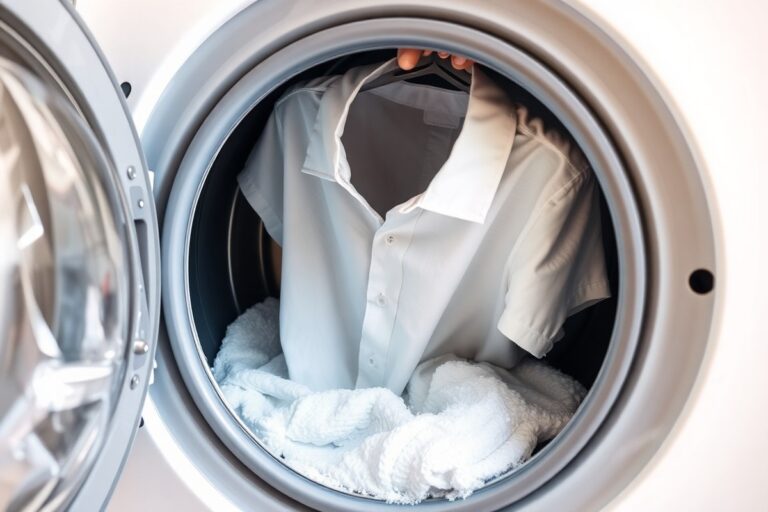
You can wash polyester clothes at home safely using a washing machine or by hand, as long as you follow proper care steps. Washing polyester in warm or cold water with a gentle cycle prevents damage and keeps your fabrics looking good.
This advice is ideal for anyone who owns polyester or polyester-blend garments and wants to maintain their shape, color, and texture. You’ll learn how to choose water temperature, treat stains, select detergents, and avoid common washing mistakes.
Key Takeaways
- Wash 100% polyester in warm water (85°F to 105°F) to clean effectively without risking shrinkage or fading.
- For lightly soiled polyester clothes, cold water is sufficient and safer to preserve fabric integrity.
- Use a gentle or delicate cycle to protect polyester’s fibers during machine washing.
- Hand wash delicate polyester items when care labels advise or to extend garment life.
- Avoid chlorine bleach on polyester blends; it’s only safe for 100% polyester fabrics.
- Treat stains promptly with mild detergent or stain remover suitable for synthetic fabrics.
Can You Wash Polyester Clothes at Home?

Polyester clothing can usually be cleaned at home either by machine or hand washing, provided you use the appropriate methods. This fabric is strong but sensitive to high temperatures, which may cause shrinking or damage. Always read your garment’s care label first to determine if machine washing is safe. Most items made of 100% polyester can be laundered in a regular washing machine using suitable settings without issues.
Machine washing polyester is safe and the most convenient method, but it requires some care. Use cold water or cool warm water rather than hot, because hot water can lead to fading, shrinking, and degrading the fibers. Choose a gentle or delicate cycle to minimize agitation, which helps maintain the fabric’s smooth texture and shape. Select a mild detergent designed for synthetic fabrics to avoid harsh chemicals that could weaken the clothing. Avoid using chlorine bleach on polyester blends unless the care label explicitly states it is safe for 100% polyester.
For extra care or when the care label recommends avoiding machines, washing polyester by hand works well. Fill a basin with cold or lukewarm water and add a small amount of gentle detergent. Submerge the polyester garment and gently agitate it by hand for a few minutes. Rinse well with cool water and avoid wringing the fabric, which can stretch or damage the fibers. Instead, press the garment gently between towels to remove excess water.
Washing polyester at home does not require special equipment beyond a standard machine or basin, which makes it cost-effective. The key point is to control the temperature and agitation to prevent harm to the fabric. Polyester usually dries quickly and resists wrinkles, but high heat during washing or drying should be avoided. Ignoring these conditions can result in loss of shape or sheen, so following the care instructions exactly ensures your polyester clothes look good longer.
Washing polyester clothes at home is safe when you control the water temperature and washing cycle carefully. Most can go through the washing machine on gentle, cold or warm settings, using mild detergents specifically formulated for synthetics. Hand washing is an option if you prefer a gentler touch or the garment’s label advises so. By managing these elements, you can keep polyester garments clean and in great condition without professional cleaning.
What Is the Best Water Temperature for Washing Polyester?

Cold or warm water works best for washing polyester. Aim for water temperatures between 60°F and 110°F (15°C to 43°C). Washing polyester in cold water is safe for lightly soiled clothes, preserving the fabric’s shape and color while saving energy. Warm water around 85°F to 105°F (29°C to 40°C) helps remove oils and mild stains more effectively without risking damage.
Avoid hot water above 130°F (54°C) when washing polyester because excessive heat can break down the synthetic fibers. Hot water causes the polyester fibers to melt slightly, which leads to shrinking, warping, and loss of fabric resilience. Over time, washing polyester in hot water will weaken the garment, making it more susceptible to tears and misshaping. Even water above 104°F (40°C) can cause issues like shrinking or deformation, so it’s safer to keep temperatures below that threshold.
To decide the right water temperature for your polyester clothes, first check the care label. When the label permits, use warm water for washing to achieve better cleanliness. Without a clear label, hand washing in cold water is the safest approach. You can also machine wash polyester with other fabrics at 40°C (104°F) on a normal cycle without risking damage or color bleeding.
Keeping polyester at lower temperatures reduces risks but may require a bit more diligence with stains. Use a gentle detergent and consider pretreating tough spots to ensure good cleaning results without heat damage. Clothes washed in cold or warm water typically keep their shape and color longer and resist shrinking. Hot water cleaning isn’t just risky, it usually isn’t necessary given polyester’s stain resistance and durability.
Always avoid washing polyester in hot water above 104°F to prevent shrinking and fiber damage.
Machine Washing vs. Hand Washing Polyester
You can wash polyester either by machine or by hand, depending on the garment’s care label, its delicacy, and your preference. Machine washing is fast and effective for most polyester clothing, while hand washing offers a gentler option for delicate or special pieces. Choosing the right method helps maintain the fabric’s look and feel over time.
Advantages of Machine Washing Polyester
Machine washing is generally safe for polyester fabrics, especially for everyday casual clothing such as shirts, pants, and activewear. It saves time and effort by cleaning multiple items at once. Polyester is durable and resists shrinking, which makes it suitable for normal washer cycles when you use the right settings.
Use cold or warm water (not exceeding 104°F/40°C) and a gentle cycle to protect fibers from heat and agitation. A mild detergent designed for synthetics works best. Using a mesh laundry bag can prevent snagging and reduce pilling. Machine washing also offers consistent cleaning power for removing everyday dirt and odors.
When to Hand Wash Polyester Garments
Hand washing is recommended for delicate polyester items such as silky blouses, lace-trimmed pieces, or garments labeled “hand wash only.” It is also ideal for polyester pillows or specialty polyester blends with fragile construction. Hand washing lowers the risk of fabric damage, pilling, or distortion caused by the spinning and tumbling in a machine.
You might choose hand washing when a polyester item has stains that need gentle treatment or when you want to extend the garment’s lifespan by minimizing wear from machine cycles. It’s also beneficial if you want to save energy or have only a few pieces to clean.
- Delicate or embellished polyester garments
- Hand wash only labels on care tags
- Items prone to pilling or snagging
- Lightly soiled pieces or quick refreshes
- Polyester blends with sensitive fibers
- Polyester pillows or accessories
Step-by-Step Guide to Hand Washing Polyester
Start by filling a clean basin or sink with lukewarm water, around 85°F (29°C). Add about one teaspoon of mild detergent suitable for synthetic fabrics per gallon of water. Stir the water to dissolve the detergent fully before immersing your garment.
- Submerge your polyester item gently into the soapy water, fully immersing it without wringing or twisting the fabric.
- Swish the garment lightly for 3 to 5 minutes to loosen dirt and odors while avoiding harsh agitation.
- Empty the basin of soapy water, then fill it with fresh, lukewarm water for rinsing. Press the garment lightly to remove soap residue, repeating this step until the water appears clear.
- Press out excess water by laying the garment flat on a clean towel, rolling it up gently; do not wring or twist.
- Reshape and lay the garment flat on a drying rack or clean surface to air dry away from direct heat or sunlight.
Following these steps helps preserve the integrity of polyester fibers and minimizes shrinking or misshaping. Hand washing usually takes about 10 to 15 minutes of active work but requires extra attention to water temperature and handling. Avoid hot water and aggressive scrubbing to keep your polyester garment looking its best.
How to Treat Stains and Odors on Polyester
Removing stains and odors from polyester requires targeted methods due to its synthetic nature. Using a gentle stain remover designed for synthetics and washing in warm water helps lift stubborn stains. Tackling odors involves pre-soaking and selecting detergents that can break down oils polyester tends to trap.
Common Polyester Stains and Their Causes
Polyester resists staining better than many natural fibers, but stains from oils, grease, and dyes still occur. Grease and body oils are common because polyester is lipophilic; it attracts and holds onto these substances tightly. Dyes from other clothes can transfer during washing, especially if not separated properly by color. Sweat stains can also show on activewear made from polyester, which may need more frequent washes.
Pre-Treating Stains Before Washing
Pre-treating polyester stains increases your chances of removing them completely. Acting quickly is key, especially with grease or oil stains, which can set permanently if washed and dried without treatment. Use a mild detergent or a stain remover safe for synthetic fabrics to avoid damaging the polyester fibers. Avoid harsh chemicals or bleach, which can weaken fibers or cause color fading. Follow these steps for pre-treating stains on polyester:
- Identify the stain type to select an appropriate stain remover.
- Apply a small amount of gentle stain remover or mild detergent directly to the stained area.
- Work the stain treatment into the fabric by softly rubbing the material against itself or applying it with a soft brush.
- Let it sit for 5 to 10 minutes to allow the product to penetrate.
- Rinse the treated area with warm water to loosen the stain.
- Check the stain before washing; repeat treatment if it remains obvious.
- Wash the garment on the permanent press cycle using warm water as recommended for polyester.
Eliminating Odors from Polyester Clothes
Polyester fabrics often retain odors because they trap oils and bacteria inside the plastic-like fibers. Regular detergent may not reach these oils effectively, leading to persistent smells even after washing. Activewear worn during intense exercise typically needs immediate washing to stop odor build-up.
Odors remaining after washing may improve by soaking the garment in a mix of white vinegar and cold water for around 30 minutes, then washing it again. Vinegar helps break down residual oils and neutralizes odors without damaging the fabric. Avoid fabric softener on pure polyester, as it can coat fibers and trap odors instead of eliminating them.
Safe Detergents and Additives for Polyester Washing
Use a gentle, all-purpose detergent without bleach or fabric softeners to keep polyester garments in good condition. Harsh detergents or those containing bleach can weaken polyester fibers and cause discoloration. An effective detergent for polyester should be free of additives that interfere with the fabric’s texture and moisture control, especially for polyester blends used in activewear. Mild formulas usually cost around $0.10 to $0.20 per load and help preserve the fabric’s softness and durability.
Fabric softeners and dryer sheets are best avoided when washing polyester. These products leave behind a residue that can reduce the fabric’s breathability and moisture-wicking abilities, essential for performance wear. To use fabric softener on 100% polyester clothes, apply only a small amount and avoid it for garments meant to wick moisture or repel water. Overuse of fabric softener can make polyester feel sticky or heavy and lessen its water resistance. For polyester blends, it’s safer to omit fabric softener entirely.
Avoid all chlorine bleach when laundering polyester or polyester blends. Bleach can cause fading, damage fibers, and weaken the fabric structure. Instead, use a non-chlorine, oxygen-based bleach if whitening is necessary, but test on a hidden area first to prevent any damage or discoloration. In most cases, routine polyester washing doesn’t require any bleaching agents. For tougher stain removal, spot treat with a mild detergent solution instead of bleach.
Here is a checklist to safely clean polyester at home: (1) Choose a mild detergent free from bleach and fabric softening agents. (2) Skip fabric softener or use sparingly on 100% polyester items that do not require moisture-wicking. (3) Do not use chlorine bleach; opt for oxygen-based bleach cautiously if needed. (4) Use cool or warm water according to garment care labels. (5) Avoid dryer sheets to protect the fabric’s performance features.
Using fabric softener on polyester can reduce moisture-wicking properties, so it’s better to avoid it, especially on activewear and water-resistant garments.
Drying and Ironing Tips for Polyester Clothes
You can safely dry polyester clothes either by air drying or tumble drying, but it’s important to control heat and handling to avoid damage. Low heat or no heat is the best approach because polyester fibers can shrink or lose their shape under high temperatures. For ironing or steaming, use caution with temperature settings to prevent melting or scorching.
Air Drying vs. Tumble Drying Polyester
Air drying polyester is the gentlest method to maintain its shape and avoid shrinkage. Lay the garment flat on a clean surface or hang it on a drying rack or clothesline. Flat drying helps prevent stretching, especially with polyester blends or items with embellishments. Air drying takes longer but reduces the risk of heat damage.
Tumble drying is usually safe for 100% polyester if you use the right settings. The dryer’s heat can cause polyester to shrink or become misshapen if too high. Still, tumble drying is faster and convenient, ideal for items that can withstand gentle heat without losing fit or texture.
Recommended Dryer Settings for Polyester
Use these steps for safely tumble drying polyester garments:
- Select a low heat or delicate cycle setting on your dryer.
- Set the drying time for a shorter cycle, typically 20 to 30 minutes, to avoid prolonged heat exposure.
- Remove garments while slightly damp to reduce wrinkles and allow them to finish drying in the air.
- Avoid high heat or “cotton” settings, which can damage fibers and cause shrinkage.
- Use a moisture sensor cycle to stop drying when clothes reach the right dryness, if your dryer has this feature.
- Check the garment’s care label for specific drying instructions or temperature limits.
Using these controls minimizes risk of fabric damage and preserves the garment’s lifespan. When in doubt, air drying is the safer choice, especially for delicate pieces or polyester blends.
How to Iron Polyester Safely
Polyester requires careful ironing to avoid permanent damage like melting or shiny spots. Use an iron set between 250°F and 275°F (120°C to 135°C), which is a low to medium heat range suitable for synthetic fabrics. Follow these steps to iron polyester:
- Turn the garment inside out to protect the outer surface.
- Set the iron to the polyester or synthetic setting, or manually set the temperature within the recommended range.
- Use a pressing cloth, such as a clean cotton towel or handkerchief, between the iron and the fabric to prevent direct contact.
- Iron in smooth, gentle strokes without applying excessive pressure.
- Steaming offers a safer way to remove wrinkles without direct contact, as long as the garment label allows it.
Check the care label before ironing and avoid using steam if the tag warns against it. Avoid ironing polyester directly on high heat, or plastic fibers can melt, permanently damaging your clothing.
Common Mistakes When Washing Polyester and How to Avoid Them
One frequent error when washing polyester is using hot water or a high heat drying cycle, which can lead to unwanted shrinkage or fabric warping. While pure 100% polyester rarely shrinks in normal conditions, exposing it to excessive heat stresses the fibers and risks damage. Avoiding hot water and choosing a low-temperature dry cycle helps protect your clothing.
Another common mistake is mixing polyester with rougher fabrics during washing. This can cause snagging, pilling, and color bleeding, especially when fabric weights or colors differ significantly. Sorting laundry by color and fabric weight keeps polyester safe and maintains color brightness.
- Wash polyester in cold or warm water to prevent shrinkage and fading.
- Separate polyester clothes from heavy fabrics like denim or items with zippers to avoid snags.
- Load the washing machine with similar colors and fabric types to avoid color transfer and pilling.
- Use a gentle cycle and appropriate detergent designed for synthetic fabrics.
- Dry polyester garments on a low heat setting or air dry to maintain shape and prevent shrinking.
- Always check the garment’s care label for specific washing instructions before washing.
- Do not overload the washer as this increases friction and wear on polyester fabrics.
If polyester has shrunk or warped, immediate action includes removing the garment from the dryer and gently stretching it back to shape while damp. Hand washing and laying the item flat to dry can help reduce further size changes. Avoid ironing at high temperatures; a low-heat setting should be used if needed to smooth wrinkles, as polyester fibers can melt or deform under excessive heat.
Following these steps costs little besides the time for careful sorting and selecting proper machine settings. The payoff is polyester clothes that retain their fit, color, and texture longer, holding up well to repeated wear and washing cycles without losing quality.
Special Considerations for Washing Polyester Blends
Polyester blends require more careful handling than 100% polyester because the other fibers in the fabric may have different washing and drying needs. Pure polyester handles washing in warm water and low-heat drying well, but blends with cotton, wool, or rayon change the rules. Blended fabrics can be less heat-sensitive or more prone to shrinking and color fading depending on the other fiber content.
You should always check the care label for the fiber composition and tailored instructions. When the blend contains natural fibers like cotton or wool, it is best to hand wash or use a gentle machine cycle with cold water. This approach reduces the risk of shrinking or damaging the non-polyester fibers. Drying settings should also be adjusted; blends can often tolerate slightly higher heat than 100% polyester but still benefit from air drying or low-heat drying to preserve fabric integrity.
| Fabric Type | Washing Temperature | Drying Heat | Bleach Use |
|---|---|---|---|
| 100% Polyester | Warm water (~40°C / 104°F) | Low heat only | Not recommended |
| Poly-Cotton Blend | Cold to warm water (30, 40°C / 86, 104°F) | Low to medium heat | Avoid chlorine bleach; oxygen-based bleach with care |
| Polyester + Wool/Rayon/Other Naturals | Cold water recommended, hand wash preferred | Air dry or very low heat | Do not bleach |
Bleaching polyester blends poses risks because natural fibers often react poorly to chlorine bleach, weakening the fabric or causing discoloration. Oxygen-based bleaches can sometimes be used on poly-cotton blends but always test a small area first and avoid any bleach with wool or rayon blends.
Adjusting washing and drying settings based on the blend content preserves your garment’s shape, feel, and colour. Low to medium dryer heat can be used on poly-cotton blends, unlike 100% polyester which needs very low heat. For blends with delicate fibers, air drying is safest even if it takes longer.
Tip: When unsure about a polyester blend’s care, hand washing with cold water and air drying minimizes damage and prolongs garment life.
Step-by-Step Action Plan for Washing Polyester Clothes
Follow these steps to wash your polyester clothes safely and keep them looking fresh longer.
- Before you start: Check the care label on your polyester item to confirm washing instructions. This ensures you don’t damage blends or delicate finishes.
- Day 1: Sort polyester garments from other fabrics and colors to prevent bleeding or damage. You’ll see colors stay vibrant and fabric texture intact.
- Day 1: Use a mild detergent designed for synthetic fabrics and set your washing machine to a cold or warm cycle, no higher than 104°F (40°C). Your clothes should come out clean without shrinking or warping.
- Day 1: For hand washing, soak polyester in cool water with detergent, gently rub stains, then rinse thoroughly. Clothes should feel clean and free of detergent residue.
- Immediately after washing: Air dry polyester flat or hang dry away from direct sunlight or heat sources. You’ll avoid heat damage, and garments will retain shape better.
- After drying: Use a low-heat iron setting with a pressing cloth if needed to smooth wrinkles. Check the fabric frequently to prevent melting or shiny spots.
- Ongoing care: Treat stains quickly with appropriate stain removers safe for polyester and wash again as needed to maintain freshness.
- Monthly check: Inspect your polyester blends’ labels and adjust washing technique based on any changes in fabric care recommendations or garment wear.
Frequently Asked Questions
Can You Wash 100% Polyester in the Washing Machine?
Yes, you can wash 100% polyester in the washing machine, but use cold water and a gentle cycle to prevent heat damage and fabric weakening.
Is It Safe to Use Chlorine Bleach on Polyester Blends?
Chlorine bleach is safe only on 100% polyester, not on polyester blends, which may get damaged or discolored by bleach.
How Often Should I Wash Polyester Activewear?
Wash polyester activewear after every use to remove sweat and odor, keeping the fabric clean and fresh.
Can Polyester Be Washed with Other Fabrics in the Same Load?
Yes, wash polyester with similar colors and synthetic fabrics to avoid bleeding and friction damage.
Should I Use Fabric Softener on Polyester Clothes?
Avoid fabric softeners on polyester as they can leave residue and reduce moisture-wicking properties.
Can I Tumble Dry Polyester?
You can tumble dry polyester on low heat, but air drying is preferred to maintain fabric shape and avoid shrinkage.
Final Thoughts
Washing polyester at home is both safe and effective when you stick to cool to warm water, gentle detergent, and low-heat drying. Taking these precautions preserves fabric strength and appearance. Start by sorting your clothes carefully and following label instructions to keep polyester looking great wear after wear.