Do Cotton Shirts Shrink: What Actually Happens and How to Control It
Yes, cotton shirts do shrink, typically by about 3% to 5% after the first wash. This shrinkage happens because natural cotton fibers contract when exposed to water and heat. Your cotton shirts might continue to shrink an additional 1% to 2% with repeated washing and drying. Understanding this helps you make better choices in caring for or intentionally shrinking your shirts.
This information is for anyone who buys, washes, or prefers cotton apparel and wants to avoid unwanted shrinking or control the fit of their cotton shirts. You will learn the factors that cause shrinkage, how different cotton types and fabric weaves behave, and practical steps to prevent or induce shrinking.
Key Takeaways
- Most untreated 100% cotton shirts shrink 3% to 5% after the first washing cycle due to fiber contraction.
- Pre-shrunk cotton shirts can still shrink by up to 7%, so extra caution in laundering is needed.
- Dense weaves like cotton canvas shrink less, around 2% to 3%, because their tight fibers shift less.
- Washing cotton shirts in hot water and drying them on high heat causes the most shrinkage, especially for 100% cotton.
- Cotton blends typically resist shrinking, making intentional size changes harder than with pure cotton shirts.
- Repeated washing and drying result in minor shrinkage of about 1% to 2% after the initial shrinkage.
Do Cotton Shirts Shrink and by How Much?

Cotton shirts do shrink after washing, particularly following the first wash. On average, untreated cotton shirts can shrink about 3% to 5% in length after their initial wash and dry cycle. Width shrinkage is typically smaller, around 1% to 3%. This happens as the cotton fibers contract when exposed to water and heat, drawing the fabric tighter. For example, if you have a cotton shirt measuring 20 inches wide, a 3% shrinkage means it could reduce by about 0.6 inches, resulting in a new width of approximately 19.4 inches.
After the first wash, further shrinkage slows down significantly. Cotton shirts usually shrink an additional 1% to 2% with each subsequent wash and drying cycle. However, most of the size change occurs right away. Pre-shrunk cotton garments, which most shirts on the market are, tend to shrink less, often only 1% to 3%, even after hot water washing. Untreated or raw cotton, rarely used in typical retail shirts, can shrink much more, sometimes up to 20% if exposed to high heat during washing and drying.
This initial shrinkage matters because it can affect the fit of your shirt. For example, a shirt that feels just right new might become tighter or shorter once washed, especially if washed in warm or hot water and dried on high heat. If a cotton shirt is labeled as not pre-shrunk or is 100% untreated cotton, expect the higher end of shrinkage. Washing it in cold water and air drying can reduce shrinkage but won’t eliminate it entirely.
Preshrunk cotton shirts can still experience slight shrinking, especially if washed in hot water and dried on high heat, but the percentage is noticeably lower, usually under 3%. Combining that with the sizing data: a 24-inch long shirt might become 23.3 to 23.8 inches long after the first wash. Subsequent washes cause minor shrinkage, often less than an inch overall.
The degree of shrinkage depends on water temperature, drying heat, and fabric treatment. Hot water and high dryer heat increase shrinkage and make it more noticeable. Cold water washing and air drying slow or reduce shrinkage, preserving the shirt’s original size over time.
What Causes Cotton Shirts to Shrink?
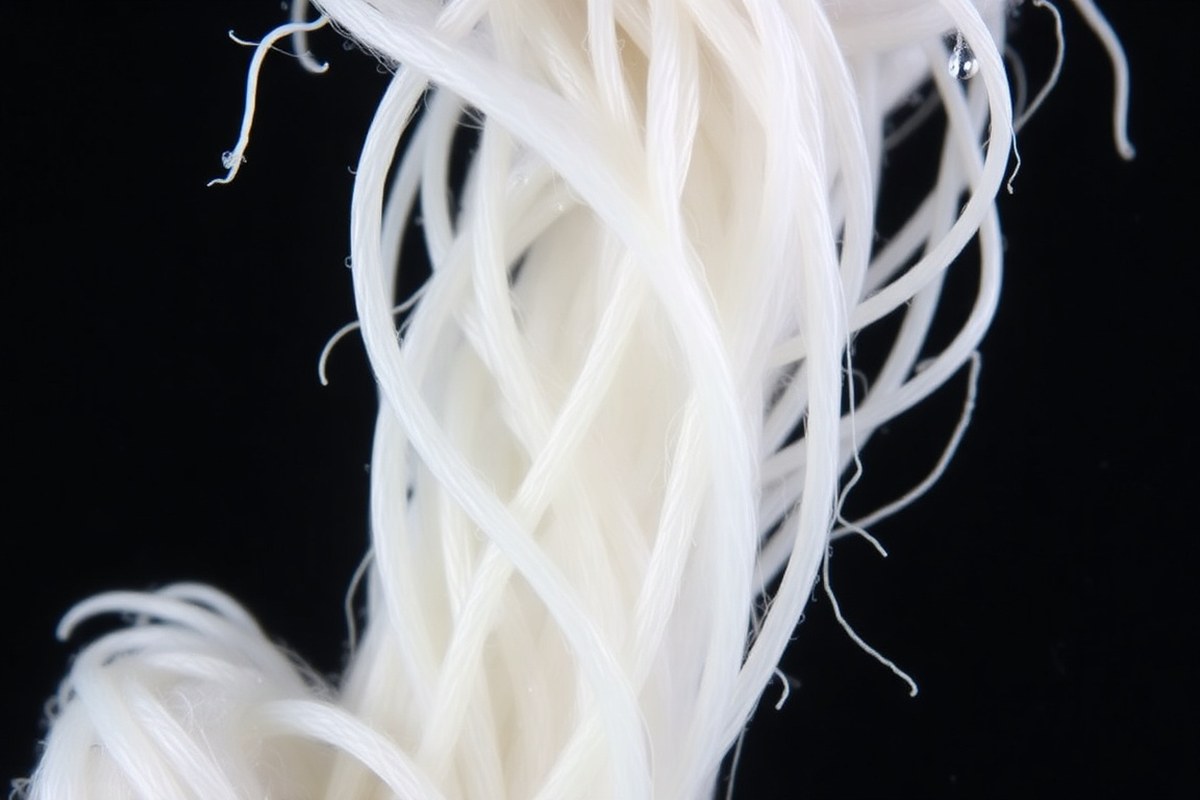
Shrinkage in cotton shirts happens because cotton fibers absorb water and react to heat. When cotton gets wet, its fibers swell and relax from factory tension, then heat causes these fibers to contract and tighten again, making the fabric smaller. The interaction of fiber structure, moisture, and temperature explains why cotton shrinks and why controlling heat and water can reduce this effect.
Cotton Fibers: How Their Structure Triggers Shrinkage
Cotton fibers are natural and made of cellulose, which has a twisted ribbon shape. During manufacturing, these fibers are stretched and held tight to form the shirt’s fabric. When the shirt gets wet, the fibers absorb water, swelling and loosening the tensions set during production. This relaxing allows fibers to move back toward their original, more curled shape, causing the shirt to shrink in size.
Cotton fibers can reduce in size by 1 to 2% even when washed in cold water, since water causes the fibers to expand and lose their tightness. This small shrinkage typically won’t harm your shirt but can make it feel snugger right after washing. The amount of shrinkage varies based on fiber length, fabric weave, and any finishing treatments, with untreated cotton shrinking the most.
Water’s Role in Fiber Relaxation and Swelling
Water penetrates cotton fibers and causes them to swell. This swelling reduces the tightness of the fiber arrangement formed during weaving or knitting, letting the fabric relax and contract later when drying. Cold water starts this process but usually causes less shrinkage, about 1, 2%. Hot water, above 130°F (54°C), increases fiber swelling and relaxation drastically, causing 5, 8% shrinkage or more.
This effect means washing cotton shirts in cold water keeps shrinkage minimal. Hot water accelerates fiber changes and breaks down the fiber’s structure faster, especially if heat drying follows. For these reasons, cold water wash cycles are recommended, especially during the early uses of a cotton shirt. The water temperature significantly impacts how much the shirt will shrink each time.
Heat Effects: Drying and Shrinkage Intensity
Heat from dryers or hot irons makes cotton fibers contract as they lose absorbed water. This contraction pulls the fibers tighter, shrinking the shirt’s fabric size. High heat drying can shrink cotton shirts by as much as 20% if the fabric is untreated or freshly made without preshrinking treatments. The first drying after washing usually causes the largest shrinkage.
Repeated exposure to high heat also damages cotton fibers, reducing strength by up to 25% and causing fading or a rough surface. Lower heat or air drying limits shrinkage and preserves the fabric. Using the lowest dryer setting or hanging the shirt to air dry avoids the damaging heat contractions that cause unwanted size changes.
Interaction of Water and Heat: Managing Shrinkage Sizes
Shrinkage is a result of water’s swelling effect followed by heat drying the fibers, locking them in a smaller size. Cold water washing limits initial swelling and fiber relaxation; combining this with air drying avoids heat-induced fiber contraction. Washing a cotton shirt in hot water then drying on high heat leads to the greatest shrinkage, especially if the shirt is untreated cotton.
Clothing labeled “pre-shrunk” has often been treated during fabrication to reduce this relaxation cycle, preventing major changes in size. However, even pre-shrunk cotton can shrink slightly if exposed to heat and moisture repeatedly. Managing washing and drying temperatures is key to controlling how much your cotton shirt changes size over time.
To minimize shrinking, wash cotton shirts in cold water and air dry or use the lowest dryer heat setting available.
How Different Cotton Types and Fabric Weaves Affect Shrinkage
100% cotton shirts generally shrink more than cotton blends due to the natural properties of cotton fibers, which contract when exposed to heat and moisture. Polyester or spandex in blends stabilizes the fabric, reducing shrinkage to 1, 3%. Organic cotton shirts, if untreated, behave like conventional cotton with 3, 5% shrinkage. However, they often lack chemical treatments that limit shrinkage, making them more prone to shrink during washing and drying. Fabric weave also plays a role: tightly woven fabrics like cotton canvas shrink less, typically 2, 3%, whereas loosely woven fabrics like cotton muslin can shrink between 5, 10% because there is more space for fibers to move.
Below is a detailed comparison of shrinkage rates by cotton type, blend, and fabric weave. Use this table to understand how your shirt material affects its likelihood to shrink, and adjust your laundering accordingly.
| Cotton Type | Expected Shrinkage | Notes |
|---|---|---|
| 100% Cotton (Untreated) | 3, 5% | Common in conventional shirts; always pre-wash before use |
| 100% Cotton (Pre-shrunk) | 1, 3% | Called “Sanforized” or “pre-shrunk”; less shrinkage |
| Cotton Muslin (Loosely Woven) | 5, 10% | Shrinks more due to loose weave |
| Cotton Flannel | 5, 8% | Brushed surface causes noticeable shrinkage |
| Cotton Jersey Knit | 3, 5% | Shrinks mostly in length, common in t-shirts |
| Cotton Canvas / Duck Cloth | 2, 3% | Dense weave limits shrinkage |
| Poly-Cotton Blend | 1, 3% | Polyester stabilizes fabric, reducing shrinkage |
| Cotton-Spandex Blend (95/5) | 2, 4% | Shrinks mostly in length; spandex adds stretch |
To minimize unwanted shrinkage, consider the fabric type and weave before washing. Shirts made from pre-shrunk cotton or blends need less care to maintain size, but organic cotton shirts may require more cautious washing practices since they lack shrinkage-resistant treatments. For looser weaves like muslin or flannel, expect more shrinkage and plan accordingly. The fabric weave controls how much fibers can contract, so dense weaves show less size change after laundering.
Knowing these differences helps you choose the right shirt for your needs. If you want a shirt that holds its size well, select pre-shrunk 100% cotton or poly-cotton blends. For organic cotton, pre-washing is critical to prevent surprises. Fabrics with loose weaves need extra care, like cold water washing and air drying, to reduce shrinkage risk.
How to Prevent Cotton Shirts from Shrinking
Preventing cotton shirts from shrinking focuses on controlling water temperature, washing methods, and drying techniques. Washing in cold water, below 80°F (27°C), and air drying or drip drying are the most effective ways to maintain the original size. Following these practices helps protect the cotton fibers from contracting and reduces unwanted shrinkage over time.
Use Cold Water for Washing
Cold water washing keeps cotton fibers stable and prevents them from contracting. Wash cotton shirts in water around 30°C (86°F) or lower to limit shrinkage to about 1, 2%. Cool water preserves the shirt’s shape without compromising cleanliness. Setting your machine to “cold” or “delicate” usually ensures the temperature stays within a safe range.
Washing in warmer water increases shrinkage risk: warm water at 40°C (104°F) can cause 2, 3% shrinkage, and hot water at 60°C (140°F) increases it to 3, 5%. Stick to cold or cool water to reduce the chance of damage.
Choose Gentle Washing Cycles
Using gentle or delicate wash cycles limits agitation, which helps prevent distortion and shrinkage of cotton shirts. Agitation stresses cotton fibers, causing them to tighten and shrink. Avoid heavy-duty or permanent press cycles, which use more vigorous motion.
Pair gentle cycles with mild detergent designed for delicate fabrics. Avoid bleach and harsh chemicals that can weaken cotton fibers and contribute to shrinkage over time.
Prefer Air Drying or Drip Drying
Drying method greatly affects cotton shrinkage. High heat and rapid drying cycles in a dryer cause fibers to contract more than washing temperature alone. To keep shirts from shrinking, air dry them by laying flat or using a hanger to drip dry.
Use the lowest heat setting on your dryer or choose air fluff for best results. Remove the shirt while it’s still slightly damp to reduce stress on fibers. High heat, especially above 140°F (60°C), increases shrinkage risks dramatically.
Follow These Preventive Laundry Tips
Consistently applying a few simple laundry habits can keep cotton shirts fitting well longer. Here’s a checklist for reliable prevention:
- Wash cotton shirts in cold water (below 80°F or 27°C)
- Use gentle or delicate wash cycles
- Avoid bleach and harsh detergents
- Air dry or drip dry shirts whenever possible
- Select low heat on the dryer and take shirts out while they are still damp.
- Check and follow the manufacturer’s care label instructions
- Wash similar colors and fabrics together to avoid damage
Applying these steps consistently helps maintain the shirt’s size and texture over multiple washes.
Water Temperature Limits and Decision Rules
Washing cotton shirts in water cooler than 80°F (27°C) is the safest rule to minimize shrinkage. When unsure about the fabric or care label, cold water is the safest choice. You can refer to the following decision rule for temperature:
- Always use cold water below 80°F (27°C) for 100% cotton shirts to avoid notable shrinkage.
- Cotton/polyester blends allow a bit more flexibility, but cold water remains the safest option.
- Warm water between 80°F and 104°F (27°C, 40°C) may be used if carefully monitored, but expect some minor shrinkage (2, 3%).
- Avoid hot water above 104°F (40°C) unless intentional shrinking is desired, as this can cause 3, 10% size loss.
By choosing water temperatures wisely and using protective washing and drying methods, you control shrinkage and care for your cotton shirts effectively.
Step-by-Step Methods to Shrink Cotton Shirts Intentionally
You can shrink cotton shirts at home intentionally by using controlled heat and water methods. The key is to combine hot water exposure with high dryer heat to avoid damage while achieving the desired shrinkage. Depending on the degree of shrinking you want, you can use warm water for slight shrinkage, hot water for more noticeable results, or boiling water for extreme shrinkage.
Shrinking Slightly with Warm Water and Dryer
Shrinking your cotton shirt slightly is a safer approach if you want to avoid any risk of distortion or excessive shrinking. Using warm water followed by a high heat dryer setting will tighten the fibers modestly, reducing size by about 1% to 2%. This is ideal if your shirt is just a bit too loose.
- Load your washing machine with the cotton shirt and similar color items.
- Set the wash cycle to warm water, typically around 90°F to 110°F (32°C to 43°C).
- Use a regular detergent without fabric softener, which can interfere with shrinking.
- Start the wash and allow the shirt to complete the cycle.
- Transfer the shirt immediately to the dryer.
- Set the dryer on a high heat setting, roughly 130°F to 150°F (54°C to 65°C).
- Dry until the shirt is slightly damp, about 20 to 30 minutes depending on dryer efficiency.
- Remove the shirt and lay it flat or hang it to finish drying.
Remove the shirt while it’s still damp to avoid shrinking beyond your target size.
Shrinking More Using Hot Water Soak and High Heat Dryer
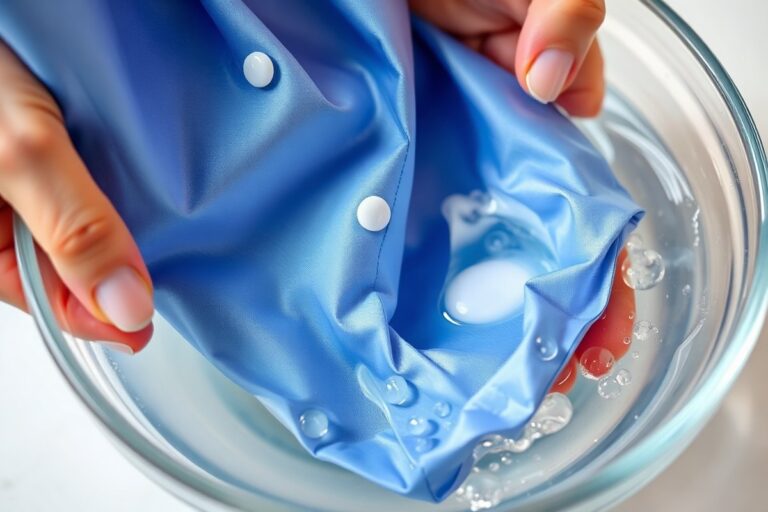
For a more noticeable shrink that can reduce the size by up to two sizes, use a hot water soak combined with a hot dryer cycle. Soaking the cotton fibers in hot water loosens them before the heat causes them to contract during drying. This method risks minor distortion if left unattended, so precise timing is important.
- Fill a basin or sink with hot water, around 120°F to 140°F (49°C to 60°C).
- Submerge the cotton shirt completely and let it soak for 5 to 10 minutes.
- Remove the shirt and gently squeeze out excess water without wringing.
- Place the damp shirt directly into your dryer.
- Run the dryer on the highest heat setting, around 150°F to 170°F (65°C to 77°C).
- Dry the shirt for 30 to 40 minutes, or until nearly dry.
- Take it out and check the size, repeating the drying for short periods if further shrinkage is needed.
- Finish drying by air drying to prevent over-shrinking.
Do not leave the shirt soaking longer than 10 minutes to avoid fabric weakening and uneven shrinkage.
Extreme Shrinking: Boiling Water Technique
The boiling water method shrinks cotton shirts the most drastically, potentially by up to 3% or more, which could be two sizes smaller than the original. This method is best for shirts that are significantly too large, but it carries a higher risk of over-shrinking and fabric damage if done improperly.
- Bring a large pot of water to a rolling boil (212°F or 100°C).
- Turn off the heat once boiling and carefully submerge the shirt fully into the hot water.
- Allow the shirt to soak for 5 minutes while the water cools slightly.
- Use tongs or heat-resistant gloves to remove the shirt without wringing it.
- Transfer the shirt immediately to a dryer set on the highest heat.
- Dry for 40 to 50 minutes to complete the shrinking process.
- Check the shirt’s fit and allow to air dry if it meets your target size.
- Repeat the drying step only if you want to shrink further, but be cautious to avoid excessive damage.
Boiling water shrinkage can cause significant size reduction; proceed slowly and check frequently to avoid turning the shirt too small.
Does Repeated Washing and Drying Affect Cotton Shirt Size over Time?
Cotton shirts experience most of their shrinkage during the first one to three wash cycles, with the fabric contracting about 3% to 5% initially. After this phase, cotton fibers stabilize and future washes usually cause very little additional shrinkage, typically under 1%. This means your shirt won’t continue shrinking significantly after the initial few washes, so long-term size changes are minimal unless you repeatedly expose the shirt to heat.
Heat plays a key role in ongoing shrinkage. Washing your cotton shirt in hot water and drying it at high temperatures speeds up the contraction of cotton fibers. Repeated exposure to these conditions can cause minor, incremental shrinking over time. However, this shrinkage is much less dramatic compared to the first wash. Shirts made from pre-treated or pre-shrunk cotton fabrics shrink less both initially and over time, often holding their size better than untreated cotton.
Typically, after the initial shrinkage, the amount your cotton shirt will reduce in size during later washes is so slight it’s often unnoticeable. For example, once the fabric has stabilized post three washes, each wash-and-dry cycle may only reduce the shirt’s size by less than 1%. This happens because the cotton fibers have already adjusted and tightened up. Avoiding repeated heat exposure helps keep your shirt’s size fairly consistent.
The timeline for shrinkage roughly looks like this: the first wash cycle triggers the most significant size drop due to loose fibers contracting. Over washes two and three, the fabric continues to settle but at a slower pace. After the third wash, minimal shrinkage occurs unless high heat is applied repeatedly. To avoid ongoing shrinkage, wash your cotton shirts in cold or warm water and air dry, or use low heat settings in the dryer.
Agitation during washing also influences shrinkage. Top-loading washers generally produce more agitation than front-loading machines, which can contribute slightly more to fabric contraction. Alongside heat, this is why washing method and machine type can affect shirt size over multiple cycles.
Some cotton shirts that are not marked pre-shrunk might shrink noticeably after you buy them, especially during the first few washes. To get a snugger fit by shrinking a cotton shirt on purpose, use heat during washing and drying to control the shrinkage amount. Waiting 5 minutes in hot water can shrink a shirt about half a size to one size; waiting 10 to 15 minutes can shrink it a bit less, around a quarter to half size.
Understanding these stages of shrinkage helps you better care for your cotton shirts and predict how their size might change over time. Avoiding excessive heat and agitation after the first few washes will keep your shirts closer to their intended size longer.
Common Mistakes That Cause Unwanted Shrinking and How to Fix Them
Unwanted shrinking of cotton shirts usually happens because of a few common care mistakes. The main errors involve using heat improperly during washing or drying. For example, washing cotton shirts in hot water or drying them at high temperatures often leads to significant shrinkage. Cotton fibers contract when exposed to heat, making the garment smaller than expected. Avoiding these extremes helps maintain the original fit of your shirt.
Another frequent mistake is over-drying your cotton shirts in the dryer. Running a cotton shirt too long or on a high heat setting causes the fabric to tighten more than necessary. Set your dryer to a medium or low heat setting and remove the shirt while it is still slightly damp to reduce shrinkage. Air drying is an even gentler option but will take more time.
It is possible to reverse some shrinkage with care, although results vary by fabric quality and how much the shirt has shrunk. To try unshrinking, soak the shirt in lukewarm water with a small amount of hair conditioner or baby shampoo for about 30 minutes. This softens the fibers. After soaking, gently stretch the shirt back to size and lay it flat or hang it to dry. Avoid wringing the fabric, which can cause misshaping.
Ironing or steaming a cotton shirt does not cause shrinkage by itself. Instead, these methods can help relax the fibers after washing or unshrinking efforts. Use steam or an iron on a cotton setting with moderate heat; pressing without moisture may flatten the fabric but won’t shrink it further. Proper ironing can improve the shirt’s appearance while maintaining size.
- Washing in hot water, switch to cold or warm water cycles
- High-heat drying, use medium heat or air dry instead
- Over-drying cotton shirts, remove damp to reduce shrinkage
- Skipping pre-soaking for unshrinking, soak in lukewarm water with conditioner
- Using harsh detergents, choose mild, fabric-friendly detergents
- Ignoring care labels, follow manufacturer instructions carefully
Applying these fixes costs little beyond attention and possibly some mild hair conditioner, usually under $10 for treatment. Watching wash and dry settings and using conditioner for unshrinking takes only a few extra minutes but can save money and reduce frustration from constant shrinking. Results depend on the shirt’s cotton quality and how long unwanted shrinking has gone on. Severe shrinkage might not completely reverse but can improve with gentle stretching and conditioning.
Should You Buy Larger Cotton Shirts to Account for Shrinkage?
When considering how much larger to buy, think about the shirt’s fabric weight and weave. Lightweight cotton and loosely woven shirts shrink more than thick, tight weaves. For example, a one-size-up rule might work for medium-weight untreated cotton but could leave you with a loose fit in a heavier shirt. Also, compare the shirt’s origin if possible. Some manufacturers based outside the US use less pre-shrinking, so an imported cotton shirt may shrink more. To decide whether to buy a larger cotton shirt, check the label for terms like “pre-shrunk” or care instructions recommending cold water wash and tumble dry low. If these hints are missing, assume some shrinkage will occur. Also, if you plan to wash in warm or hot water or dry on high heat for convenience, sizing up by one size helps keep the shirt wearable after shrinking. Be aware that pre-shrunk does not mean completely shrink-proof. Overly aggressive washing or drying can still cause some size loss. A good rule is to follow care labels carefully and avoid high heat. For untreated cotton shirts, sizing up can save you from tight fits but may result in a shirt that looks baggy if you avoid shrinkage during washing. For a safe fit, measure yourself and compare with the manufacturer’s size chart and recommended washing methods. Buying a shirt labeled “pre-shrunk” generally means you can trust it to maintain its size better, but always follow washing instructions and avoid high heat to keep shrinkage minimal.
Step-by-Step Action Plan for Managing Cotton Shirt Shrinkage
Follow these steps to control whether your cotton shirts shrink or keep their size, based on your preference.
- Before washing: Check the care label for fabric type and shrinkage warnings to set the right expectations.
- First wash: Use cold water and a gentle cycle to prevent early shrinkage; the shirt should feel the same size after drying.
- When you want to shrink: Soak the shirt in hot water for 30 minutes, then dry on high heat; test the fit after drying to see if it shrank enough.
- After washing: Air dry or tumble dry on low heat to avoid unwanted shrinkage if you prefer a consistent size.
- Weekly care: Avoid repeated hot drying cycles; inspect shirts for any size changes to catch shrinkage early.
- Before buying: Consider sizing up if you plan to use hot water or high heat drying regularly, or if the fabric is 100% cotton with a loose weave.
- Fixing unwanted shrinkage: Stretch the damp shirt gently and let it air dry flat to regain some size.
Frequently Asked Questions
Can You Shrink a Cotton Shirt by Air Drying?
Air drying a cotton shirt does not cause significant shrinkage since shrinkage mainly occurs with heat exposure. To shrink cotton shirts effectively, use warm or hot water combined with a dryer on high heat.
Are All Cotton Blends Resistant to Shrinking?
Cotton blends vary in shrink resistance depending on the other fibers involved. Blends with synthetic materials typically shrink less than 100% cotton shirts, making intentional shrinkage harder to achieve.
Does Ironing Affect Cotton Shirt Size?
Ironing a cotton shirt generally does not cause shrinkage but can help restore the shirt’s shape after washing. Use steam cautiously to avoid additional shrinking or heat damage.
Can Washing in Cold Water Prevent Shrinking?
Washing cotton shirts in cold water reduces the chances of shrinking by minimizing heat and fiber contraction. This is a reliable way to care for shirts you want to maintain size.
Is Shrinkage More Noticeable in Darker or Lighter Cotton Shirts?
Shrinkage affects cotton fiber length, not color, so it’s not more noticeable based on shirt color. However, color may fade or bleed with heat, which can coincide with shrinkage.
How Long Does It Take for a Cotton Shirt to Fully Shrink?
Most shrinkage happens after the first wash and dry cycle, with additional minor shrinkage over subsequent washes. Beyond two or three cycles, size usually stabilizes.
Final Thoughts
Cotton shirts do shrink, especially when exposed to heat and agitation, but the amount depends on fabric type and care. You can prevent or encourage shrinkage by choosing washing and drying methods carefully. Next, try adjusting one step during your next wash to see the effect on your cotton shirts’ size and fit.