How to Clean Dirty Carpet: 8 Essential Steps for Fast, Deep Results
Cleaning a dirty carpet requires a mix of regular vacuuming, spot treatment, and occasional deep cleaning to remove dirt and stains effectively. For a fast, deep clean, focus on pre-treating stains, using appropriate cleaning products, and allowing ample drying time. This approach helps restore your carpet’s look while maintaining its lifespan.
Homeowners and renters looking to refresh their carpets can follow these clear steps to clean thoroughly without damaging fibers. This covers everything from understanding your carpet type to selecting the right tools and cleaning schedules for lasting results.
Key Takeaways
- Vacuum your carpet at least once a week to prevent dirt buildup and make deep cleaning easier.
- Identify your carpet type and fiber to choose cleaning methods that protect its texture and color.
- Use baking soda to deodorize carpets by sprinkling evenly, letting it sit 1, 2 hours, then vacuuming.
- Treat stains promptly with appropriate cleaners like 20 Mule Team Borax™ for common spills such as wine and juice.
- Allow carpets to dry completely after cleaning, typically 24 to 48 hours, to prevent mildew and odors.
- Schedule professional steam cleaning every 12 to 18 months to meet warranty requirements and maintain carpet health.
1. How to Clean Dirty Carpet Step by Step

Cleaning a dirty carpet at home starts with proper preparation and follows through with a systematic approach combining vacuuming, treatment, and drying. A well-executed process ensures your carpet looks fresh and lasts longer. The key is to remove loose debris first, apply a cleaning solution that matches your carpet type, and finish by drying it to prevent mold and odors.
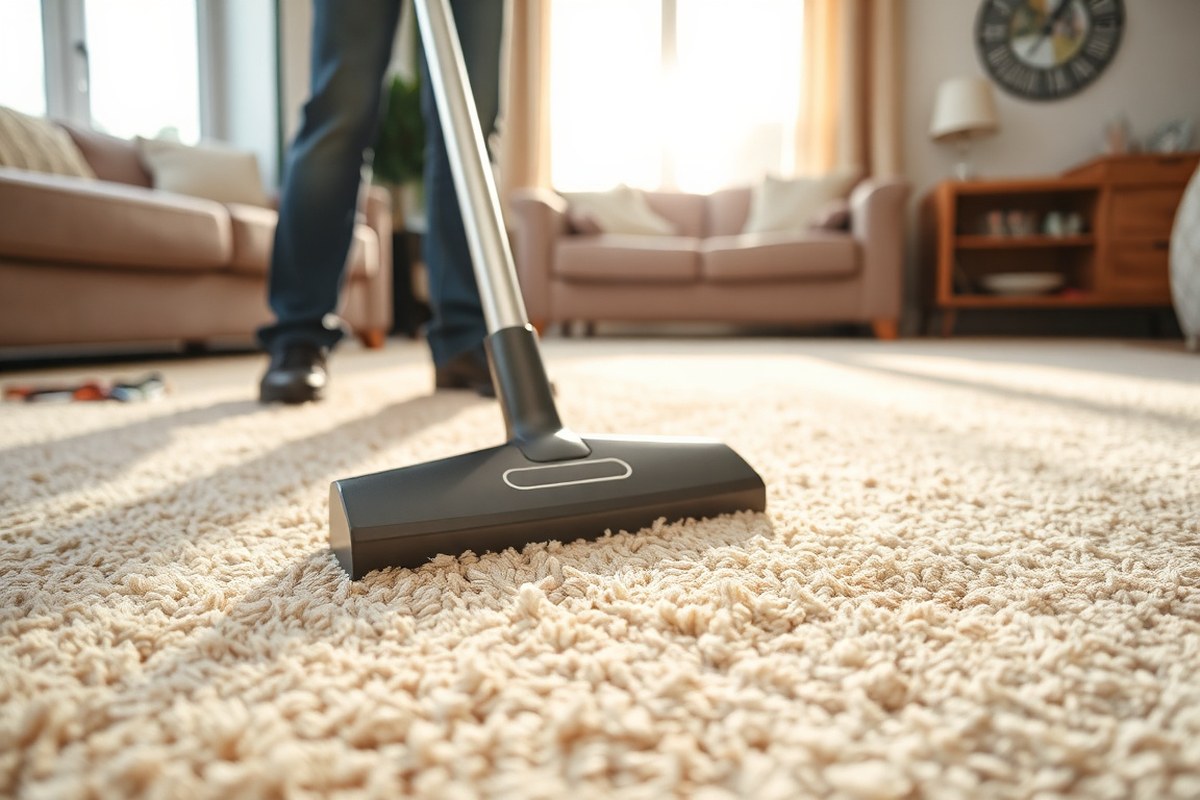
- Vacuum thoroughly: Begin by vacuuming your carpet on all sides, focusing on high-traffic areas to remove dust, hair, and dirt. Skipping this can turn dirt into a muddy sludge during wet cleaning, making the process harder and less effective.
- Pre-treat spots and stains: Check for visible stains and apply an appropriate spot cleaner. For general dirt, lightly spray a commercial carpet cleaning solution or a mix of dish soap and water. Let the solution sit for 5 to 10 minutes to break down soils and grime before scrubbing.
- Agitate gently: Using a soft-bristle brush or carpet cleaning machine, gently work the cleaning solution into the carpet fibers. This helps lift dirt and spreads the cleaner evenly without damaging the carpet.
- Rinse the carpet: Lightly rinse with clean, lukewarm water to remove soap residues. Avoid soaking the carpet, especially if it’s wool or sensitive fiber, to prevent damage and long drying times.
- Extract excess water: Use a wet vacuum or a well-wrung towel to blot and remove as much moisture as possible. This step speeds up drying and reduces the risk of mildew.
- Dry the carpet thoroughly: Ensure good airflow with fans or open windows. Drying can take from a few hours up to 24 hours, depending on room temperature, humidity, and carpet thickness. Avoid heavy foot traffic during this time to prevent re-soiling.
- Final vacuum: Once completely dry, vacuum again to lift the carpet fibers and remove any remaining loosened dirt. This final step renews your carpet’s appearance and texture.
For wool carpets, avoid excessive moisture and instead use a dry shampoo designed for wool fibers or a WoolSafe-certified product. Regular deep cleaning, done at least annually, and quick cleaning of spots help keep your carpet in good condition without over-wetting. Taking the time to rinse and dry properly prevents residue buildup and unpleasant smells, making your carpet cleaner and healthier.
2. Why Carpet Type and Fiber Matter for Cleaning

Carpet fiber types influence how you should clean and maintain your carpet. Knowing what fiber your carpet is made of helps you choose the safest and most effective cleaning method. Synthetic fibers like nylon, polyester, and olefin are often more durable and tolerate steam cleaning and DIY solutions well. Natural fibers such as wool, cotton, and silk need gentler care and sometimes professional cleaning to avoid damage or shrinking. Blended fiber carpets combine characteristics and require a balanced approach.
You can identify the type of carpet fiber by checking the manufacturer’s label, which usually lists fiber content and cleaning recommendations. If the label isn’t available, pull a few strands and burn a small sample in a safe, ventilated area. Synthetic fibers tend to melt or curl when burned, while natural fibers burn and leave ash. Another option is to contact the store or company you bought the carpet from for this information.
| Carpet Fiber Type | Common Characteristics | Cleaning Compatibility | Special Care Notes |
|---|---|---|---|
| Nylon | Durable, resilient | Safe for steam cleaning, DIY with water-based cleaners | May fade under strong chemicals |
| Polyester | Soft, stain-resistant | Good for steam cleaning, gentle detergents recommended | Avoid high heat; may crush pile |
| Olefin (Polypropylene) | Water-resistant, inexpensive | Can handle steam cleaning, but prone to oil stains | Use low-alkaline cleaners; avoid hot water |
| Wool | Natural, strong, soft | Requires professional cleaning or gentle hand cleaning | Susceptible to shrinking and felting; avoid harsh chemicals |
| Cotton | Natural, absorbent | Best with dry cleaning or professional care | Fades and shrinks easily; avoid over-wetting |
| Silk | Delicate, luxury fiber | Professional cleaning only | Cannot tolerate water or chemicals well |
Steam cleaning works best on synthetic fibers by breaking down deep-set grease and allergens effectively. It uses a special cleaning solution with rotating brushes to release dirt from fibers, followed by hot water extraction. Synthetic fibers usually dry quickly after steam cleaning, which reduces risk of mold growth.
Natural fibers are sensitive to water temperature, chemicals, and agitation. Hot water or harsh detergent can shrink or damage these carpets, leaving them looking worn or discolored. Hand-cleaning with mild solutions, quick drying, and using low-moisture methods help preserve natural carpets.
Tip: Always test any cleaning method on a small, hidden corner of the carpet to confirm it does not cause color loss or fiber damage.
Deciding between DIY and professional cleaning depends largely on carpet type. Synthetic fibers allow more flexibility for at-home cleaning tools and products, while delicate fibers often require certified carpet cleaners to maintain warranty and avoid irreversible damage. Most carpet warranties mention professional steam cleaning every 12 to 18 months to ensure fiber longevity and appearance.
3. Tools and Products Needed for Effective Carpet Cleaning
Effective carpet cleaning requires the right tools and products tailored to your carpet’s needs. Good vacuuming removes surface dirt, while quality shampoos and stain removers handle deeper soils and spots. Considering both commercial and natural options helps you choose the best approach for regular upkeep and deep cleans.
Vacuum Cleaners and Attachments Recommended
A vacuum designed for carpets makes a big difference in removing dirt, dust, and allergens. Upright vacuums with strong suction and a motorized brush roll work best on medium to high-pile carpets. Models with adjustable height settings help prevent excessive wear by matching the carpet’s thickness.
Look for a vacuum with HEPA filtration if you want to reduce allergens. For deep cleaning, vacuum your carpet thoroughly before shampooing or steam cleaning to lift loose dirt and prevent muddy residue. Carpet comb attachments can help loosen embedded dirt before vacuuming.
- Upright vacuum with brush roll and adjustable height
- HEPA filtration for allergy reduction
- Handheld vacuum or spot cleaning tool for corners and stairs
- Vacuum attachments like crevice tools and dusting brushes
- Carpet comb or rake to loosen dirt before vacuuming
- Optional dry cleaning machines for foam application and quick drying
Investing $100 to $300 in a quality vacuum suited for carpets can improve cleaning efficiency. If you have large rugs or delicate surfaces, a machine designed for foam cleaning might be worth renting or buying.
Top Carpet Shampoos and Stain Removers
Carpet shampoos designed for deep cleaning use alkaline formulas to break down oils, dirt, and grease trapped in fibers. Using a shampoo made specifically for carpets helps avoid fiber damage or residue that common cleaners like dish soap or bleach can cause.
For spot treatments, Folex Carpet Spot Remover has a good reputation for lifting many common stains without harming carpet color. Applying the stain remover with a soft brush, letting it sit a few minutes, then blotting usually yields best results. Avoid rubbing, which can damage fibers.
Commercial carpet shampoos range from $10 to $30 per bottle, depending on volume and brand. Many home carpet cleaners are compatible with these formulas, making it easier to get a deeper clean with your equipment.
DIY and Environmentally Friendly Cleaning Solutions
Natural cleaners like baking soda, white vinegar, and liquid castile soap offer affordable and safer alternatives for spot cleaning and maintaining carpet freshness. Baking soda absorbs odors and can gently lift dry stains when sprinkled, left for 15 to 30 minutes, then vacuumed.
Mixing a solution of equal parts white vinegar and water works for light stains and general carpet deodorizing. Test this on a small, hidden area first to ensure no discoloration occurs. Avoid using harsh homemade mixtures like bleach or ammonia, as they can damage fibers and cause color bleeding.
For regular cleaning, sprinkle baking soda over the carpet surface, let sit overnight, and vacuum well in the morning. This helps reduce odors without moisture buildup.
4. Dealing with Stains and Spills on Carpet
Quickly treating stains can save your carpet from lasting damage. Fresh spills need prompt attention with gentle blotting, while older or set-in stains often require targeted cleaning methods. Avoid harsh scrubbing to protect fibers, and consider natural alternatives for safer stain removal.
Immediate Response for Fresh Spills
Fresh spills demand immediate action to prevent stains from setting. Avoid rubbing, which can embed the stain deeper and damage the carpet fibers. Instead, use absorbent materials like microfiber towels to blot liquids gently. This stops the stain from spreading and limits damage.
- Quickly press a clean microfiber towel onto the spill to soak up as much liquid as you can right away.
- Apply a small amount of cold water to the stained area to dilute the spill, continuing to blot gently.
- Use a clean, dry towel to lift any remaining moisture from the carpet fibers.
- Avoid walking on the damp spot until it’s completely dry to prevent dirt from settling.
Stepwise Removal for Different Common Stains
Stubborn stains like wine, pet accidents, blood, and candle wax each require specific treatments to avoid damage and achieve the best results. Enzymatic cleaners are useful for organic stains such as pet messes and blood. For candle wax, physical removal combined with gentle heat works best to avoid fiber damage.
- Red wine: Blot fresh spills gently. For set-in stains, sprinkle 20 Mule Team Borax™ or use a commercial carpet stain remover following the label directions. Blot with a clean cloth until the stain lifts.
- Pet accidents: Blot excess moisture. Apply an enzymatic cleaner designed for pet stains to break down organic matter. Let it sit for 10 to 15 minutes, then blot until dry.
- Blood: Use cold water to prevent coagulating. Apply an enzymatic cleaner or a mixture of cold water and mild detergent. Blot gently, rinse with cold water, then dry.
- Candle wax: Allow the wax to harden. Scrape off excess with a plastic scraper. Place a brown paper bag over the wax, then apply a warm iron briefly to soften and absorb the remaining wax. Clean the area with mild detergent and water afterwards.
Repeat these steps carefully as needed. Avoid using bleach or harsh chemicals, as they may damage fibers or void carpet warranties.
Natural Alternatives to Chemical Stain Removers
Natural ingredients provide gentle, eco-friendly options for stain removal without risking fiber damage. Baking soda and corn flour help absorb oils and freshen carpets. Vinegar diluted with water can tackle many stains but should be tested on a hidden spot first due to its acidity.
For example, to use baking soda on a stain, sprinkle it liberally over the area, let it sit for 30 minutes, then vacuum thoroughly. A solution of one part white vinegar to two parts water can be applied by spraying lightly, followed by blotting with a clean cloth. These methods may take longer to work on older stains, but they minimize chemical exposure and the risk of fibre damage.
5. Maintaining Carpet Cleanliness Between Deep Cleanings
Vacuuming your carpet at least once or twice a week helps prevent dirt and dust from embedding deep into the fibers, which extends the life of your carpet and keeps it looking fresh. For homes with pets, kids, or heavy foot traffic, increasing vacuum frequency to every other day may be necessary. Using a vacuum with strong suction and a rotating brush bar is ideal for lifting debris effectively.
Quick ways to reduce odors and dust between full cleanings include sprinkling baking soda on the carpet, letting it sit for 15 to 30 minutes, then vacuuming it up. This simple step neutralizes odors and lifts some surface dust. You can also place door mats at entry points to catch dirt before it reaches your carpet.
To avoid damage during routine maintenance, make sure not to use harsh cleaning agents daily or apply excessive moisture when spot cleaning. Always allow carpets to dry fully before walking on them to prevent fiber distortion and additional dirt tracking. Groom high-traffic areas occasionally with a carpet rake or brush to keep fibers from matting and maintain an even, soft texture.
- Vacuum 1-2 times weekly, more if needed for heavy use
- Use baking soda to reduce odors; sprinkle and vacuum after 15-30 minutes
- Place mats at entrances to limit dirt tracked inside
- Avoid excessive water or harsh chemicals in regular cleaning
- Let carpet dry completely before walking on it
- Groom high-traffic spots periodically to prevent matting
Always turn off the vacuum cleaner before emptying the dust bin to avoid releasing dust back into your home environment.
Keeping this routine will stop dust and grime from settling into your carpet, preserving that clean, soft feel. Consistent maintenance saves time and effort when it’s time for a professional or deep cleaning by reducing the buildup you need to attack. It also helps avoid stains and prolongs the appearance and durability of the carpet fibers.
6. Eco-Friendly and Natural Carpet Cleaning Options
Natural carpet cleaning options like vinegar, baking soda, and essential oils can effectively clean and deodorize your carpets while being safer for your home and the environment. These methods work well for routine freshening and light stain removal, using simple, affordable ingredients. However, commercial cleaners may be necessary for heavy stains, deep cleans, or delicate carpet fibers that react poorly to acids or abrasives.
Common Natural Carpet Cleaning Ingredients
Baking soda is a common natural deodorizer and stain remover that absorbs odors and loosens dirt when applied to carpet fibers. It’s inexpensive, non-toxic, and safe for most carpet types. White vinegar acts as a mild acid that breaks down grime and neutralizes odors, often combined with baking soda for stain treatment. Essential oils like lavender, tea tree, or lemon add a pleasant scent and offer mild antibacterial properties. Use just a few drops in your vacuum bag or mixed into cleaning solutions for a lasting fresh aroma.
Avoid using these ingredients directly on delicate fibers such as wool without testing first, as vinegar acidity and baking soda abrasiveness can cause damage or discoloration. Always test a small, hidden carpet patch and wait at least 24 hours to observe effects before full application.
DIY Carpet Freshening and Stain Removal Recipes
For deodorizing, sprinkle about 1 cup of baking soda evenly over a carpeted room and let it sit for 1, 2 hours to absorb odors before vacuuming thoroughly. To tackle light stains, mix a solution of 1 part white vinegar to 2 parts warm water, spray lightly on the stained area, blot with a clean cloth, then sprinkle baking soda over the spot once dry. Let the baking soda sit for 15, 20 minutes, then vacuum as usual.
Adding 5 to 10 drops of essential oil to the baking soda before application can provide a fresh scent without harsh chemicals. For heavier stains, try combining baking soda and salt by sprinkling the mixture on the spot, then scrubbing gently with a damp cloth and warm water. Afterward, thoroughly vacuum to remove residue. Use towels to blot excess moisture and promote faster drying to prevent mildew or matting.
Limitations and Benefits of Eco-Friendly Methods
Eco-friendly carpet cleaning methods generally cost less, often just the price of household ingredients like baking soda and vinegar, and minimize exposure to harsh chemicals for your family and pets. These approaches support healthier indoor air quality and reduce environmental pollution. For routine cleaning, deodorizing, and light stain removal, they are effective and safe.
Natural methods are less effective against heavy soil, deeply set stains, or carpet padding contamination. They may require more time, effort, and repeated applications compared to commercial enzymatic or solvent-based cleaners. Some natural ingredients like vinegar can harm certain carpet fibers or finishes, so avoid using them on wool or silk carpets. Commercial cleaners are better suited for tough grime, professional-grade deep cleaning, or when rapid results are needed.
Choosing between natural and commercial products depends on your carpet type, stain severity, and sensitivity to chemicals. Starting with green cleaning methods is a good first step, and you can switch to professional or commercial treatments when more powerful action is required.
7. How to Clean Carpet Without a Machine
Cleaning carpet without a machine is possible by using manual methods, though it’s more time-consuming and requires careful attention to avoid overwetting. Manual cleaning works best for small areas or spot cleaning but can be done on larger surfaces if you’re patient. The key tools include a vacuum, a spray bottle with a gentle cleaning solution (like dish soap diluted in warm water or white vinegar), a stiff-bristled brush, clean white cloths or towels, and fans or open windows for drying.
Since overwetting can cause damage, avoid soaking the carpet. Apply cleaning solution lightly and work in small sections. Using too much water increases drying time and risks mold or carpet backing damage. To speed up drying, blot excess moisture immediately and use fans or open windows to circulate air.
- Vacuum the carpet thoroughly. Removing surface dirt and debris first makes manual cleaning more effective and prevents pushing dirt deeper into the fibers.
- Mix a mild cleaning solution. Combine about 1 teaspoon of dish soap or 2 tablespoons of white vinegar with 1 cup of warm water in a spray bottle. This provides gentle cleaning without harsh chemicals.
- Lightly mist the carpet surface. Spray a small section at a time (about 2×2 feet) to avoid oversaturation. The carpet should feel damp but not soaked.
- Scrub gently with a stiff-bristled brush. Use circular motions to agitate the fibers and loosen dirt. Focus on visible dirt or stains but cover the entire section evenly to avoid water rings.
- Blot with a clean white cloth. Press firmly to absorb moisture and suspended dirt. Change cloths as they get dirty or wet. Avoid rubbing, which can damage fibers.
- Repeat for all carpeted areas. Work methodically through the space in manageable sections to control moisture levels.
- Dry the carpet quickly. Use fans pointed at the cleaned areas and open windows to improve airflow. A dry time of 4 to 6 hours is typical; avoid walking on damp carpet.
- Vacuum again once dry. This lifts the carpet fibers and removes any residual dirt loosened during cleaning.
For spot cleaning, this method allows you to focus just on troubled areas and refresh the carpet’s appearance between deeper cleanings. Dry compounds, which look like wet sawdust, offer an alternative for quick refresh without water; spread them on, work them in, then vacuum off after 30 to 60 minutes.
8. When and How to Hire Professional Carpet Cleaners
Dirty carpet usually signals time to hire a professional when regular cleaning hasn’t lifted deep stains, odors persist, or areas show heavy wear and soil buildup. If your carpet is more than 12 to 18 months old without a deep clean, or you notice mold or mildew, professional cleaning can restore freshness and extend its life. Excessive dirt caught deep in fibers often requires equipment and solutions not found in typical home setups.
Professional carpet cleaning services typically charge between $25 and $75 per room, depending on size, carpet condition, and method used, such as steam cleaning or dry cleaning. They usually include inspection, pre-treatment of stains, deep cleaning, and drying. Some companies offer additional services like deodorizing or carpet protection treatment. Look for companies that are certified by organizations like the Carpet and Rug Institute to ensure quality care for your carpet type.
Before your appointment, vacuum thoroughly to remove surface dirt and move furniture away from walls to give the cleaner space. Clear fragile or valuable items to avoid damage. Check and report any pre-existing stains or damage to the technician so they can target treatment effectively. Having pets secured or removed during the cleaning helps, too, as the process involves moisture and strong suction.
After cleaning, allow carpets to dry fully for 6, 12 hours depending on humidity and ventilation. Keep pets and children off until dry to prevent new soil or damage. Open windows and use fans to speed drying, as leftover moisture can lead to mold growth. You can refresh results by vacuuming regularly and promptly addressing spills to prevent buildup.
Choosing a professional depends on the difficulty of your carpet’s condition, your schedule, and budget. Use this decision rule: if your carpet still looks or smells dirty after your best efforts, or if it covers a high-traffic area, professional cleaning is worth the investment both for beauty and health. Unexpected tough stains, allergens, or pet odors also justify a professional’s equipment and expertise.
Before the cleaning appointment, vacuum and remove furniture carefully to ensure technicians can reach every inch and apply treatments evenly.
Step-by-Step Action Plan
Follow these steps to clean your dirty carpet effectively and keep it fresh longer.
- Before you start: Vacuum the carpet thoroughly to remove loose dirt and debris; your vacuum should pick up visible particles easily.
- Spot treatment immediately: Address any stains or spills with a suitable cleaner or a natural option like vinegar and water; the stain should visibly lighten or disappear.
- Day 1: Pick the right cleaning method based on your carpet type, use a carpet shampoo or a steam cleaner if safe for your fibers; after cleaning, the carpet should feel cleaner and damp but not soaked.
- After cleaning: Allow carpets to dry completely, ideally within 8 hours; walk on the carpet only when fully dry to avoid new dirt embedding.
- Week 1: Maintain cleanliness by vacuuming at least twice to three times; the carpet should look and smell fresh consistently.
- Monthly: Use a natural deodorizer or baking soda between vacuuming sessions to keep odors at bay; the carpet should smell neutral or fresh.
- Every 6 to 12 months: Either deep clean with machine rental or hire professional carpet cleaners; carpets should look revitalized and feel softer underfoot.
Frequently Asked Questions
What Can I Use to Clean My Carpet?
Use a combination of vacuuming and a carpet cleaner with suitable solutions like vinegar or commercial products; always test a small area first. Avoid harsh chemicals on delicate fibers to prevent damage.
Is Carpet Bad for COPD?
Carpets can trap dust and allergens, which may worsen COPD symptoms. Frequent cleaning and using air purifiers help reduce risks for people with respiratory issues.
Why Does My Carpet Look Dirtier After Cleaning?
Residue from cleaning products or improper rinsing can leave carpets looking worse. Wiping with clean water and towels until no suds remain can prevent this.
Is Fairy Liquid Good for Cleaning Carpets?
Fairy liquid can work for spot cleaning but may leave soap residue if not rinsed well, causing dirt to attract more easily. Use sparingly and rinse thoroughly.
How to Clean Dirty Carpets That Seem Very Difficult, Step by Step?
Start with a deep vacuum, apply a suitable cleaner, scrub gently, rinse with clean water, and blot excess moisture; repeat if necessary. Always let the carpet dry fully to prevent mold.
Can I Use Baking Soda to Freshen Carpet Odors?
Yes, sprinkle baking soda, let it sit for 15-30 minutes, then vacuum it up to neutralize odors effectively.
Before You Go
Keeping your carpet clean requires consistent effort, appropriate products, and knowing when to call in professionals. Start by vacuuming regularly and addressing stains as soon as they happen. Taking this next step will make your carpet healthier and more comfortable for everyone in your home.