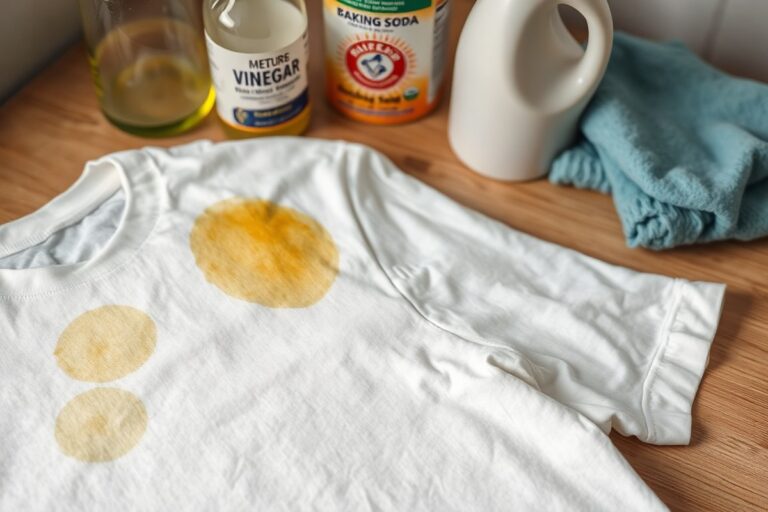
How to Clean Fabric Sofa at Home: A Complete Guide with Tips and Stain Solutions
Cleaning a fabric sofa at home can be quick and effective with the right approach. Start by checking the fabric code to choose safe cleaners, then use baking soda to remove odors and a gentle cleaner for stains. Dry thoroughly and avoid using your sofa until it’s fully dry to prevent damage.
This guidance is perfect for homeowners or renters wanting to keep their fabric sofas fresh and stain-free without professional help. You’ll find clear steps, stain solutions, and maintenance tips to extend your sofa’s life and appearance.
Key Takeaways
- Check fabric cleaning codes before using any liquid cleaner to prevent damage.
- Sprinkle baking soda on your fabric sofa and leave it for 15, 30 minutes to absorb odors effectively.
- Use a mild fabric cleaner with a built-in brush for spot cleaning tough stains.
- Schedule a thorough cleaning of your sofa every 3 to 6 months, increasing the frequency for sofas with heavy daily use.
- Dry the sofa thoroughly using fans or a dehumidifier, avoiding use for at least 6 to 12 hours.
- Vacuum baking soda thoroughly after it has absorbed odors to avoid residue buildup.
How to Clean a Fabric Sofa at Home Step by Step

Preparing your fabric sofa for cleaning helps avoid damage and ensures the best results. Begin by checking the manufacturer’s care label to identify the upholstery code, common codes include W (water-based cleaner), S (solvent-based cleaner), W/S (either water or solvent), and X (vacuum only). Knowing the code helps you choose a safe cleaning method. Clear the surrounding area to protect flooring and furniture from moisture and cleaning solutions. Gather your cleaning tools like a vacuum with upholstery attachments, soft cloths, your chosen cleaner, and a bowl of clean water for rinsing. Follow these steps to clean your fabric sofa at home safely, from preparation to drying:
- Vacuum the sofa thoroughly to remove dust, dirt, and crumbs. Use an upholstery attachment, reaching into crevices and under cushions. This step prevents dirt from embedding further during cleaning.
- Spot-test your cleaner on a hidden area of the fabric. Apply a small amount and wait 10 minutes to ensure no discoloration or damage occurs. The spot test protects your sofa’s fabric from fading or staining.
- Apply the cleaner as directed by your sofa’s cleaning code. For “W” or “W/S” fabrics, use a gentle upholstery foam or water-based cleaner and lightly scrub with a soft cloth. For “S” coded sofas, apply a solvent-based cleaner in a well-ventilated room using a soft cloth, avoiding water entirely.
- Blot the cleaned areas with a damp, clean cloth to lift residue and prevent cleaner build-up, which can attract dirt or fade fabric. Use minimal water, especially with solvent-only fabrics.
- Dry the sofa thoroughly by air drying in a well-ventilated area. You can speed drying with fans or open windows but avoid direct sunlight, which may cause fading. For humid climates, consider a dehumidifier to reduce drying time and prevent mold.
- Fluff and replace cushions once the sofa is dry to maintain shape and comfort. This also helps evenly distribute any remaining moisture, allowing full drying.
Proper preparation and drying take about 1 to 2 hours of active work, with drying times varying from a few hours to overnight depending on fabric type and room conditions. Avoid soaking fabrics or ignoring the care label to prevent shrinking, staining, or fabric damage. Regular deep cleaning every 3 to 6 months keeps your sofa fresh, while spot cleaning as soon as spills occur prevents stains from setting.
Understanding Sofa Fabric Codes and Safe Cleaning Methods
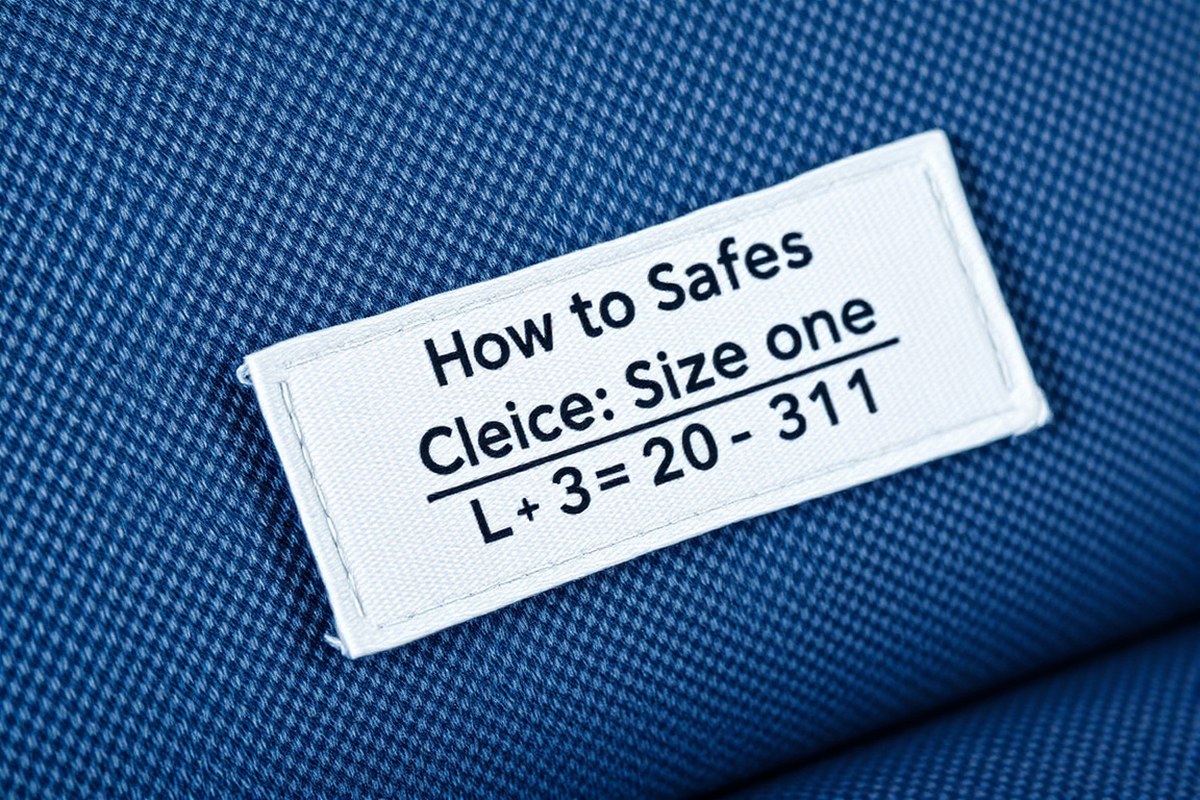
Finding the cleaning code on your fabric sofa’s tag is the first step for safe cleaning. This tag is usually located under a cushion or along the underside of the sofa frame. The code tells you which cleaning methods and products are compatible with your upholstery, helping to avoid fabric damage or discoloration.
Sofa cleaning codes are typically W, S, WS, or X. ‘W’ means you can use water-based cleaners safely. ‘S’ indicates solvent-based cleaners only, meaning water could harm the fabric. ‘WS’ means either water-based or solvent cleaners are safe. Finally, ‘X’ signals that vacuuming is the only safe option, no water or solvent cleaners should be used. Picking the wrong product or method risks staining or degrading the fabric’s texture.
| Cleaning Code | Recommended Cleaning Method | What to Avoid |
|---|---|---|
| W | Water-based cleaners, mild soap solutions, upholstery shampoo | Solvent cleaners, harsh chemicals |
| S | Solvent-based cleaners, dry-cleaning solvents | Water-based cleaners, soap, steam cleaners |
| WS | Water-based or solvent-based cleaners, upholstery shampoo, mild solvents | Harsh chemicals, abrasive scrubbing |
| X | Vacuuming only, professional cleaning recommended | Any liquid or solvent cleaner |
Selecting the cleaning method depends directly on this code. For example, a “W” fabric allows for gentle water-based solutions like diluted dish soap or commercial upholstery cleaners labeled for water use. Use a soft cloth or brush, test in an inconspicuous spot first, then lightly clean the area. For an “S” fabric, solvent-based cleaners or dry-clean-only products are recommended, but test these quietly on a hidden patch to be safe. “WS” fabrics give you flexibility but still avoid aggressive chemicals. “X” coded sofas require vacuuming or professional help to prevent irreversible damage.
Always test your chosen cleaning product on a small, hidden part of the sofa first to check for colorfastness or fabric reaction before cleaning the entire surface.
Taking a few minutes to identify your sofa’s cleaning code and matching it with the right cleaning approach prevents costly damage. The code streamlines the decision between common cleaners, water-based solutions or solvent formulas, safeguarding the sofa’s appearance and longevity. Following the code ensures good cleaning results and avoids fabric deterioration or color loss. This small step can save both money and effort in your sofa care routine.
Best Tools, Cleaners, and Homemade Solutions for Fabric Sofas
To clean a fabric sofa effectively at home, you’ll need a mix of simple tools, homemade cleaning solutions, and some reliable commercial cleaners. Choosing the right cleaners depends on your sofa fabric and the type of dirt or stains. Using the right tools and cleaners not only improves results but protects your sofa’s fabric from damage.
Essential Cleaning Tools and Attachments
Start with tools that help you remove loose dirt and apply cleaners evenly. A vacuum cleaner with a brush attachment is the best first step to suck up dust and debris. A soft-bristle brush, microfiber cloths, and clean white towels work well for scrubbing and blotting without rubbing the fabric harshly. You’ll also want a spray bottle for homemade or commercial cleaning solutions for easy, controlled application. Here’s a checklist of practical tools to have on hand:
- Vacuum cleaner with upholstery brush or crevice tool attachment
- Soft-bristle brush for gentle scrubbing
- Microfiber cloths and clean white absorbent towels
- Spray bottle for homemade or store-bought cleaners
- Bucket or bowl to mix homemade solutions
- Measuring spoons and cups for accurate mixing
- Optional: handheld fabric steamer for deep refreshing
These tools help manage all cleaning stages: dust removal, spot cleaning, and applying cleaning agents precisely to avoid overwetting the fabric.
Recipes for Homemade Upholstery Cleaners
Simple homemade solutions made from dish soap, white distilled vinegar, and baking soda cover most fabric sofa cleaning needs. For synthetic fabrics, combine 1 cup warm water, ½ cup white vinegar, and ½ tablespoon mild dish soap in a spray bottle. Shake gently before each use. Spray lightly on the fabric and blot with a microfiber cloth to avoid oversaturation.
Mix 1 teaspoon of gentle dish soap with 1 cup of warm water to create an easy homemade cleaner. This mild solution is effective for routine cleaning and spot removal on different fabric types. To eliminate odors, spread baking soda over the entire sofa surface, let it sit for 15 to 20 minutes, then vacuum thoroughly. Baking soda works by absorbing smells without harming the fabric. Be careful when using rubbing alcohol or hydrogen peroxide; always test on a hidden spot first because they could cause discoloration on certain fabrics.
Top Commercial Fabric Sofa Cleaners
When you prefer ready-made products, look for upholstery cleaners specifically designed for fabric sofas. These sprays and foams often combine detergents and fabric-safe preservatives to lift stains and refresh fabrics without damage. Brands widely available at home goods stores offer pH-balanced formulas that suit a variety of fabric types.
Apply commercial cleaners according to the instructions. Test first on a hidden area for colorfastness. Generally, spray lightly, allow 5 to 10 minutes of dwell time, then blot or gently agitate with a soft brush. Avoid saturating the fabric and ensure thorough rinsing of residues as leftover cleaner can attract more dirt. Prices usually range from $8 to $20 per bottle depending on size and brand.
Effective Stain Removal Techniques for Common Sofa Stains
Targeted stain removal requires quick action and the right approach to avoid setting the stain or damaging your fabric sofa. Different stains like red wine, pet accidents, grease, coffee, and ink respond best to specific treatments that often use common household ingredients or specialized products. Using gentle blotting rather than rubbing and testing cleaners on hidden areas first can save your sofa from lasting marks.
Removing Red Wine and Juice Stains
Red wine and juice stains contain pigments that can quickly soak into fabric and leave permanent marks. Acting promptly helps prevent deep setting. Avoid rubbing to stop spreading the stain further.
- Blot the stain gently with a clean, dry cloth to absorb excess liquid.
- Sprinkle baking soda over the stain to absorb moisture and pigment; let it sit for 15 minutes.
- Vacuum or brush away the baking soda.
- Mix a solution of one part mild dish soap to two parts cold water.
- Apply the solution with a clean white cloth, dabbing the stain carefully without rubbing.
- Blot with a dry cloth to lift the stain and excess moisture.
- Repeat the process if necessary, ensuring the fabric does not become saturated.
- Allow the area to air dry fully.
For set-in stains, a small amount of white vinegar added to the soap solution can help break down the pigment. Persistent stains may require a commercial stain remover made for wine.
Cleaning Pet Urine and Sweat Stains
Pet accidents and sweat stains need enzyme-based cleaners that break down organic materials to stop odors and prevent re-staining. Avoid ammonia-based products which can worsen odors.
- Blot up as much urine or moisture as possible with paper towels or a microfiber cloth.
- Prepare a mix of cold water and an enzyme cleaner following label instructions or use a pet stain remover like Woolite Instaclean.
- Apply the solution generously to the stained area.
- Let it sit for at least 10 minutes to allow enzymes to work.
- Blot away excess moisture using a clean cloth.
- Rinse lightly with cold water if the fabric care tag allows.
- Air dry completely to prevent mildew.
For older, set-in stains and odors, repeated enzyme treatments or professional cleaning may be needed to fully remove smells and stains.
Dealing with Grease and Oil Stains
Grease and oil repel water-based mops, so using absorbents and solvent-based treatments is essential. Act quickly to avoid deep penetration into fabric fibers.
- Sprinkle cornstarch or talcum powder over the grease stain to absorb oil.
- Let it sit for 15 to 30 minutes, then vacuum thoroughly.
- Apply a dry-cleaning solvent or a dedicated upholstery degreaser, testing in an inconspicuous spot first.
- Dab the stain gently with a clean cloth soaked in solvent.
- Blot with a dry cloth to lift the loosened grease.
- Repeat solvent application if needed, following product instructions carefully.
- Allow the fabric to air dry away from heat or direct sunlight.
Do not use water alone on grease stains, as it can spread the oil and make removal harder. Professional cleaning might be best for large or old grease stains.
Treating Coffee and Tea Spills
Coffee and tea stains have tannins that leave dark marks but respond well to water-based cleaning soon after the spill. Avoid rubbing to prevent damage or spreading.
- Blot excess liquid immediately with a clean cloth or paper towel.
- Mix one teaspoon of mild dish soap with one cup of warm water.
- Apply the solution to the stain with a cloth, gently dabbing to lift the stain.
- Rinse the cloth with clean water and blot the area to remove soap residue.
- Repeat if the stain persists, always blotting dry between treatments.
- Let the area air dry fully.
For stubborn stains, a solution of equal parts white vinegar and water can replace the soap mixture. Test in a hidden spot before applying broadly.
Handling Ink and Marker Stains
Ink and marker stains are usually solvent-based, requiring careful treatment with alcohol or commercial ink removers. Test cleaning products first to avoid fading.
- Place a paper towel or cloth beneath the stained fabric to absorb ink.
- Dab a small amount of rubbing alcohol or non-oily hand sanitizer onto a cotton swab.
- Gently blot the stain from the outside moving inward to prevent spreading.
- Blot with a clean, dry cloth to lift ink and solvent residues.
- Repeat blotting with fresh cotton swabs as needed until the stain fades.
- Clean the area with mild dish soap and water to remove any solvent traces.
- Blot with a damp cloth and let the fabric dry completely.
Strong ink stains might require professional removal to avoid fabric damage. Avoid scrubbing, which can spread ink and embed it deeper.
How to Remove Odors and Freshen Your Fabric Sofa
Removing musty or pet odors from your fabric sofa starts with choosing effective and safe deodorizing methods. Baking soda, white vinegar sprays, and proper airing techniques each play a role in freshening your upholstery without damaging the fabric. Baking soda excels as a natural deodorizer because it absorbs moisture and neutralizes odors. To use it, sprinkle a generous layer evenly over your sofa, covering cushions, armrests, and crevices. Let it sit between 20 minutes and up to 4 hours, depending on odor severity. For mild odors, 15 to 30 minutes is often sufficient, but stronger pet or musty smells benefit from longer treatment. Afterward, vacuum thoroughly to remove baking soda and trapped odors.
White vinegar offers a deeper neutralizing effect by breaking down odor molecules, but it’s important to use it carefully to avoid fabric damage. Mix equal parts distilled white vinegar and water in a spray bottle and lightly mist the sofa surface. Avoid soaking the fabric; aim for a light, even application. Let the sofa air dry completely in a well-ventilated room. This method also works well combined with baking soda: apply baking soda first, vacuum, then use the vinegar spray for thorough odor elimination.
Air circulation is a simple but often overlooked step to remove unpleasant smells. Open windows and position fans to promote airflow around the sofa. Sunlight can help, but be cautious with direct exposure on some upholstery fabrics as it might cause fading. Allowing your sofa to breathe for several hours can reduce trapped moisture, a common source of musty odors.
Use this step-by-step plan to remove odors: start by spreading a thin layer of baking soda across the sofa and let it sit for at least 30 minutes. After that, vacuum all the baking soda thoroughly. If the smell remains, spray the fabric lightly with a mixture of half vinegar and half water. Finish by placing the sofa in a well-ventilated, shaded spot until it dries completely. For regular upkeep, repeat every month, or do it more often when pets are around or after heavy use.
Baking soda costs less than a dollar per box and is widely available, making it a budget-friendly option. Vinegar is also inexpensive but use it sparingly to avoid potential color changes or fabric wear. Both agents are pet-safe in typical household amounts but always test a small, hidden area first to check for colorfastness and material compatibility. Airing requires no cost but may take several hours and depends on weather and space availability.
Good results show a fresher smelling sofa without lingering dampness or crusty residue. Vacuuming thoroughly after baking soda application prevents particles from embedding in the fabric. Incorrect use of vinegar, like over-wetting, may leave a temporary sour scent or cause water stains. Inadequate airing can leave odors trapped, especially if moisture remains inside cushions or fibers, so ensure complete drying.
Test any cleaning method on a hidden spot before treating the entire sofa to avoid damage or discoloration.
Proper Drying and Post-Cleaning Sofa Care to Avoid Damage
Proper drying is essential to protect your fabric sofa from mildew and fabric stretching. Allow around 6 to 12 hours for your sofa to dry completely after cleaning. Avoid sitting on it until it feels totally dry to the touch, and use good airflow and controlled humidity to speed drying safely without harming the fabric.
Airflow and Ventilation Tips
Good airflow helps water evaporate evenly and prevents moisture from lingering in the fabric. Position your sofa in a well-ventilated room where windows or doors can be opened to create a cross-breeze. Keep curtains and blinds open to let sunlight hit the fabric, but avoid direct harsh sun if your sofa fabric is sensitive or prone to fading. Maintain a consistent room temperature, ideally between 68 and 75°F, to facilitate drying without shocking the fibers.
For homes in humid climates, opening windows may not be enough. Using a dehumidifier can reduce indoor moisture, preventing the risk of mildew, which forms if the fabric stays damp too long. In dryer areas, natural ventilation often works well on its own.
Using Fans and Dehumidifiers Safely
Fans can speed up the drying process by circulating air over the sofa. Point a fan so air flows across the wet areas without blowing directly with high force onto delicate fabric like velvet or suede, as this can roughen the fibers. Oscillating fans set on low or medium speed are usually best.
Run a dehumidifier in the room to keep humidity levels below 50%. This reduces drying time and lowers mildew risk. Combining a fan and dehumidifier is an efficient way to dry the sofa in tricky weather or high-humidity environments.
- Place fans 3 to 5 feet away to prevent fabric damage
- Run fans and dehumidifiers continuously until the fabric dries completely
- Check fabric frequently to avoid over-drying sensitive material, which can cause stiffness
- Avoid heat sources like hair dryers, which can shrink or discolor fabric
- Keep the sofa raised off the floor if possible to improve air circulation underneath
These steps generally cost little to nothing if you already have a fan and dehumidifier, but running them may add a few cents to your electric bill.
Avoiding Damage During Drying
Sitting on or pressing down the sofa while it is still wet can stretch or distort the fabric and cushioning. Resist the urge to use the sofa during the drying time. Avoid covering it with towels, plastic, or blankets, which trap moisture and create a breeding ground for mildew.
After the sofa feels dry, gently vacuum it to lift any flattened fibers and restore texture, especially for longer-pile fabrics. Check the fabric care label for any special post-cleaning instructions like brushing or fabric protectants. Here is a simple checklist to follow for safe, effective drying:
- Clear the area around the sofa for airflow
- Open windows or use vents to create cross-ventilation
- Run a fan at low speed away from the fabric
- Use a dehumidifier to reduce indoor moisture below 50%
- Avoid sitting on or using the sofa for at least 6 to 12 hours
- Don’t cover the sofa with anything until fully dry
- Vacuum or brush fabric gently after drying to restore pile
Regular Maintenance Tips to Keep Your Fabric Sofa Fresh
Vacuum your fabric sofa at least once a week to prevent dirt and dust from settling deep into the cushions and seams. Use the upholstery attachment on your vacuum cleaner to get into every crevice, under cushions, and along the edges where debris collects. This routine removes allergens and keeps the fabric looking fresh, reducing the need for more intensive cleanings.
Spot cleaning should happen as soon as spills or stains occur to stop them from setting. Blot the stain gently with a clean, dry cloth to absorb excess liquid, then apply a small amount of mild fabric cleaner or a homemade solution if your sofa’s care tag allows it. Dab gently without rubbing, then blot again with a damp cloth to lift the stain. Avoid soaking the fabric to prevent watermarks or damage. Prompt treatment helps maintain fabric quality and appearance.
Regular fabric brushing can also help maintain your sofa’s look by loosening dirt and restoring the fabric’s texture. Use a soft-bristled brush specifically designed for upholstery. Brush the fabric in one direction to avoid damaging the fibers, especially on delicate materials. This should be done once a month or more often if the sofa experiences heavy use.
To protect your sofa from future stains, consider applying a fabric protector spray that repels liquids and dirt. Test the product on a small, hidden area first to ensure it doesn’t alter color or texture. Using removable sofa covers or throws adds a washable layer of protection, which you can clean more easily and frequently than the sofa itself. Swapping out covers every few months helps maintain a fresh look and reduces wear on the upholstery.
Adding a light spritz of a DIY natural fabric spray made with water and a few drops of essential oil can help keep your sofa smelling fresh between cleanings. Spray lightly and let it dry completely before use. This avoids adding moisture that could promote mildew growth.
Maintaining a schedule for these tasks helps your sofa stay fresh, extending its lifespan and keeping your living room inviting. Ignoring regular upkeep allows dirt and stains to build up, which may require costly professional cleaning. By investing just 15 to 20 minutes weekly for vacuuming and quick spot treatments, you can prevent bigger problems and keep your fabric sofa comfortable and clean for years.
When and Why to Call Professional Fabric Sofa Cleaners
Professional fabric sofa cleaning becomes necessary when stains are stubborn, odors persist despite home efforts, or the sofa has delicate or complex fabrics that could be damaged by DIY methods. Experts handle cases where home cleaning doesn’t restore the sofa’s appearance or when deep cleaning is needed after heavy use, such as pet hair buildup or smoke exposure. Calling a professional also makes sense before seasonal deep cleaning or if the manufacturer recommends it to maintain warranty coverage.
Professionals use equipment that goes beyond common household tools. Common machines include hot water extraction or steam cleaners with adjustable temperature and pressure settings, safely penetrating deep into the fibers without over-wetting. They also employ specialized detergents formulated to break down tough oils, dirt, and allergens while protecting fabric color and texture. Many services use HEPA-filter vacuums to remove dust and pet dander before wet cleaning, ensuring more thorough results.
The cost usually depends on sofa size, fabric type, and stain severity, ranging from $100 to $300 per cleaning. Some companies charge by the piece if you only want the sofa cushions cleaned, while others bill by time or square footage. Frequency varies based on lifestyle; generally, professional cleaning every 12 to 24 months helps maintain fabric integrity and appearance. In households with pets, children, or allergies, more frequent cleanings might be necessary.
Assess your sofa’s condition by checking how effective your usual cleaning methods have been. If you’ve treated stains or odors for weeks with no improvement, or the fabric is sensitive, such as silk blends or antique upholstery, hiring a professional avoids accidental damage. Professionals also tailor cleaning to the fabric code, applying water-based or solvent-based solutions accordingly, which can be tricky to do at home without proper knowledge.
Expect a professional service visit to start with a thorough inspection. The cleaner will identify fabric types, problem areas, and choose suitable products and techniques. Cleaning sessions typically last one to two hours, sometimes longer for difficult or heavily soiled sofas. After cleaning, drying times vary from 4 to 12 hours, depending on the method used and home ventilation. Reliable services often include a post-cleaning check and advice on caring for your sofa to prolong the clean look.
Never let a wet sofa dry without proper airflow; trapped moisture can lead to mold growth and fabric deterioration.
Step-by-Step Action Plan for Cleaning Your Fabric Sofa
Follow these clear steps to clean your fabric sofa at home safely and get it looking fresh again.
- Before you start: Check the sofa’s fabric code tag to choose the right cleaner. This prevents damage and ensures you pick a safe solution.
- Day 1: Vacuum the entire sofa thoroughly to remove dust, debris, and pet hair. You’ll see cleaner surfaces and easier stain treatment afterward.
- Day 2: Spot-test your chosen cleaner or homemade solution on a hidden area. If the fabric stays intact without discoloration after 10 minutes, proceed with cleaning.
- Day 3: Gently clean visible stains using the recommended method for your type of stain and fabric. Stains should lift or lighten significantly after treatment.
- Day 4: Eliminate odors by sprinkling baking soda all over, letting it sit for at least 30 minutes, then vacuuming. Your sofa should smell noticeably fresher.
- Day 5: Wipe down the entire sofa with a damp cloth to remove cleaner residues. Let it dry fully in a well-ventilated room to avoid damp smells or mold.
- Week 2 and beyond: Vacuum weekly, attend promptly to spills, and rotate cushions to maintain even wear and ongoing freshness.
Frequently Asked Questions
Can I Use Dawn Dish Soap to Clean My Fabric Couch?
Yes, you can use Dawn dish soap diluted with water for minor stains, as it gently removes dirt without harsh chemicals. Be sure to test it on a hidden spot first to avoid discoloration.
How Can I Make My Own Upholstery Cleaner?
Mix mild dish soap with warm water for a gentle homemade cleaner that works on many fabrics. Use sparingly and always blot, not rub, to prevent fabric damage.
What Do Professional Cleaners Use to Clean Couches?
Professional cleaners use specialized upholstery machines and cleaners designed for deep stain removal and odor elimination. Their equipment can reach fabric depths that DIY methods often miss.
How Can I Deep Clean My Sofa at Home?
Use a steam cleaner made for upholstery to remove embedded dirt and refresh fabric fibers. Ensure your sofa’s cleaning code allows water-based cleaning before using steam.
What Is the Best Way to Clean a Dirty Fabric Sofa?
Vacuum regularly, treat stains promptly with the correct cleaner per fabric code, and deep clean with steam or professional service yearly. This routine prevents buildup and extends fabric life.
How Often Should I Clean My Fabric Sofa to Keep It Fresh?
Vacuum weekly and schedule a deep clean or professional treatment at least once a year to maintain freshness and prevent buildup.
Key Points to Remember
Your fabric sofa can look clean and smell fresh without harsh chemicals or professional help, as long as you use the right approach for your fabric type. Start by checking the cleaning code and testing products carefully, then maintain your sofa regularly to keep its best condition. Take action today by vacuuming and testing a cleaner on a hidden spot to get your sofa ready for a full cleaning.