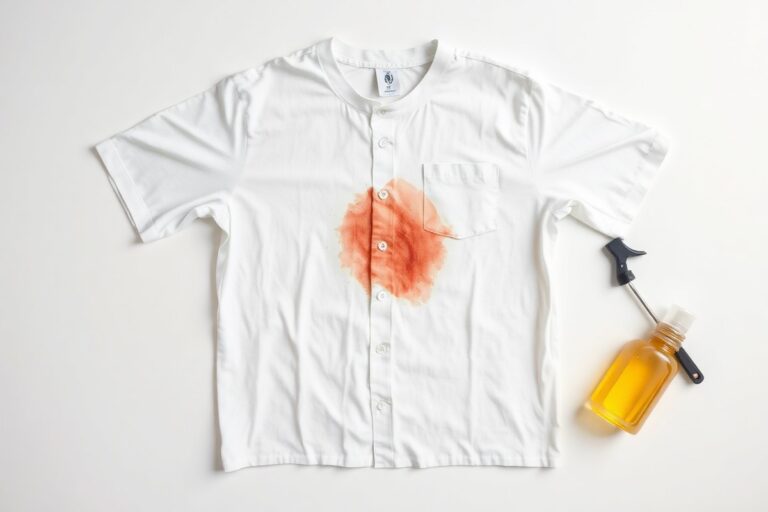
How Do You Get Mold Out of Material? 8 Proven Methods for Complete Removal
To get mold out of material, use targeted treatments like soaking fabrics in vinegar or hydrogen peroxide, then wash thoroughly using detergent. For white cotton and linen, chlorine bleach can remove mold if the label permits. Each method requires careful handling to kill mold spores and eliminate odors while preserving fabric integrity.
Homeowners and renters with moldy clothes or fabrics can apply these effective approaches to restore fabrics safely. The article outlines proven cleaning options and preparation tips to identify fabrics and mold severity, ensuring the best results without damage.
Key Takeaways
- Spray moldy fabric with 3% hydrogen peroxide, let it sit for 10 minutes, then wash as usual for effective mold removal.
- Soak white cotton or linen in a diluted chlorine bleach solution for 10-15 minutes if the care label allows.
- Use white vinegar mixed with warm water (1 cup vinegar per gallon) to soak fabric for 30-60 minutes, killing most mold species and odors.
- Apply liquid detergent directly to moldy spots before washing, allowing it to sit for at least 15 minutes for better results.
- Dissolve ½ cup borax in hot water and soak the fabric for 30 minutes to help eliminate mold safely.
- Check fabric labels and mold severity before choosing a cleaning method to avoid damage and select the best treatment.
1. Effective Methods to Remove Mold from Fabric
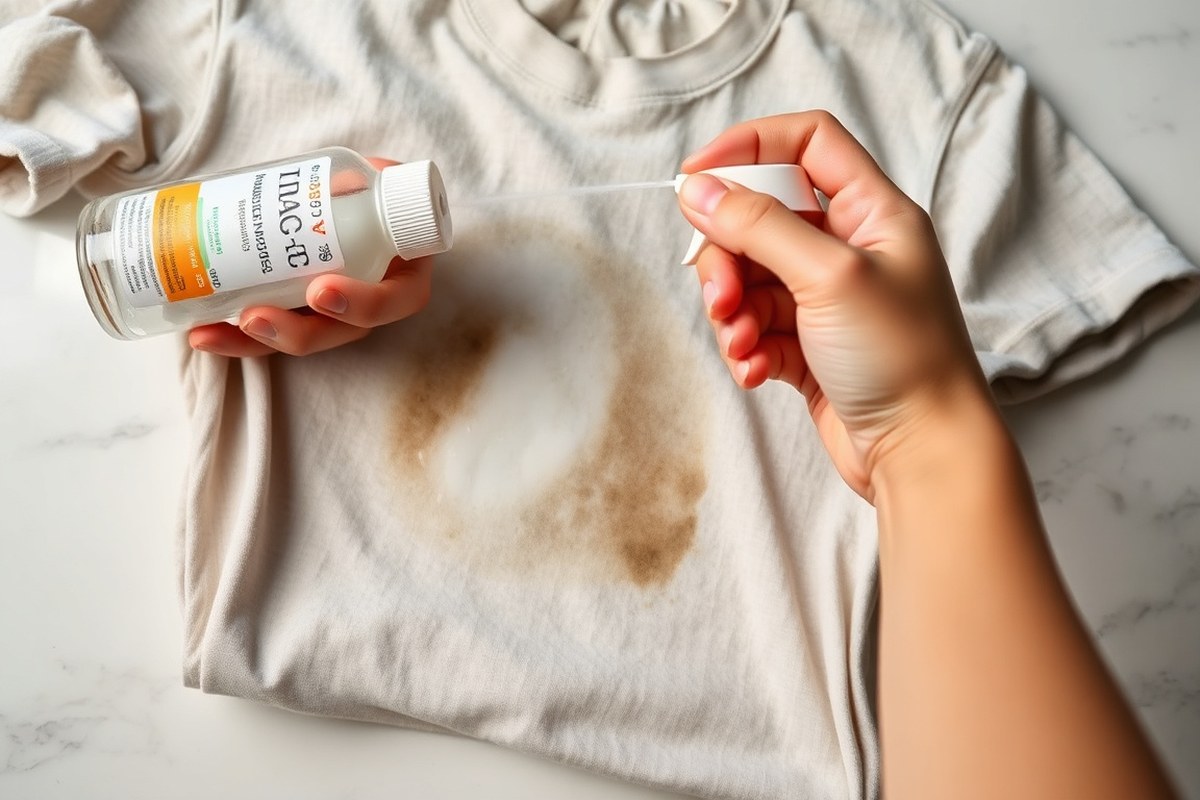
Removing mold from fabric requires effective cleaning agents combined with proper washing techniques. White vinegar, hydrogen peroxide, and bleach (for certain fabrics) kill mold spores and help clear stains. Natural options like baking soda and lemon juice reduce odors and lift mold residue. Using hot water with detergents also improves removal by washing away spores more thoroughly than cold water.
Using White Vinegar for Mold Removal
White vinegar is a safe, widely available mold killer that works well on many types of fabric, including porous materials like cotton. Its mild acidity destroys mold spores and penetrates fabric fibers. Vinegar is especially good when you want to avoid harsh chemicals and safely disinfect colored fabrics.
For effective treatment, soak the fabric in a vinegar solution for at least an hour before washing. Alternatively, vinegar can be applied directly to moldy spots for targeted cleaning.
- Brush off loose mold spores outside to prevent spreading.
- Mix one part white vinegar with three parts water in a basin.
- Soak the moldy fabric in the solution for 1 hour at room temperature.
- Rinse the fabric briefly with cold water to remove excess vinegar.
- Wash the fabric using the hottest temperature safe for the material, according to its care label.
- Air-dry in direct sunlight if possible, since UV rays help kill remaining spores.
Applying Hydrogen Peroxide Safely
Hydrogen peroxide works as a strong mold-killing agent and stain remover on white and colorfast fabrics. It oxidizes mold spores and helps bleach out dark spots without harsh chlorine. Use a 3% hydrogen peroxide solution applied directly to the affected areas and give it time to work.
Let hydrogen peroxide sit on the fabric for about 10 minutes, then rinse thoroughly. Test on a hidden fabric patch first to avoid damage or discoloration.
Bleach Solutions for Whites Only
Chlorine bleach is highly effective against mold but should be reserved for white cotton or linen that can withstand harsh chemicals. Using bleach on colored or delicate fabrics may cause fading or damage. The key is to dilute the bleach properly and soak for a limited time to kill mold without weakening fibers.
For white fabrics that tolerate bleach, prepare a soaking solution with 1/4 cup chlorine bleach mixed in 3/4 cup water. Soak the fabric 10 to 15 minutes, then rinse well and wash as normal.
- Brush off mold spores to reduce airborne spread and loosen dirt.
- Mix 1/4 cup of bleach with 3/4 cup of water to create a cleaning solution.
- Submerge the white fabric in the bleach mixture for no more than 15 minutes.
- Remove and rinse thoroughly with water.
- Wash in the warmest water safe for the fabric with detergent.
- Dry in sunlight or use a dryer if the label allows.
Natural Alternatives: Baking Soda and Lemon Juice
Baking soda kills mold, neutralizes odors, and softens fabric without damage. It works well combined with water as a spray or paste on mold spots. Lemon juice acts as a natural bleach and mold inhibitor thanks to its acidity and citric acid. These options suit those who prefer non-toxic mold removal for delicate or colored fabrics.
Use a baking soda solution made by dissolving 1 tablespoon in a spray bottle filled with water. You can also mix lemon juice with water or sprinkle baking soda on dampened fabric spots before sun drying.
Machine Washing Tips for Moldy Clothes
Washing moldy clothes in the machine removes spores and dirt when using the hottest water safe for the fabric. Cold water alone does not effectively kill mold spores, so adjust temperature settings carefully. Adding white vinegar to the rinse or wash cycle boosts mold removal and deodorizing effects.
- Pre-treat mold stains with vinegar or a baking soda paste.
- Set the washer to the highest temperature safe for the fabric (usually warm or hot).
- Use your usual detergent and include 1 to 2 cups of white vinegar during the washing cycle.
- Run a full wash cycle without other clothes to prevent cross-contamination.
- After washing, dry clothes thoroughly in direct sunlight or use a dryer if permitted.
| Method | Best for Fabric Types | Time Required | Water Temperature | Mold Removal Effectiveness |
|---|---|---|---|---|
| White Vinegar Soak | Most fabrics, including colored cotton | 1 hour soak + wash | Warm or according to care label | Good for killing many mold species |
| Hydrogen Peroxide Spot Treatment | White, colorfast fabrics | 10 minutes + rinse | Room temp spot application | Strong mold and stain remover |
| Chlorine Bleach Soak | White cotton/linen only | 10, 15 minutes soak | Warm or hot wash | Very effective with risk of color damage |
| Baking Soda Spray/Paste | Delicate and colored fabrics | Apply before washing, no soak | Wash per label | Good odor neutralizer and mild mold removal |
| Hot Water Wash + Vinegar | Machine washable fabrics | Full wash cycle | Hottest safe temperature | Best overall mold spore removal |
2. How to Identify Fabric Type and Mold Severity Before Cleaning

Start by checking the fabric type, as this determines which cleaning methods you can safely use. Look for the care label and note instructions about water temperature, bleach use, and drying. Natural fibers like cotton and linen generally handle hot water and stronger cleaners, while delicate fabrics such as silk or wool require gentler treatments. Synthetic fabrics fall somewhere in between.
Next, assess the mold severity. Take your item outdoors to avoid spreading spores inside. Brush off any loose mold with a soft brush. Check how much surface area the mold covers and examine if the fabric feels weak or thinned around moldy spots. Damage that shows as tears, holes, or persistent stains after brushing often means something harder to fix or beyond cleaning. Use this checklist to decide your approach:
- Check the care label for washing temperature and bleach tolerance.
- Brush off loose mold outside, wear gloves and a mask.
- Measure mold coverage: small spots (<10% area) versus large patches.
- Test fabric strength by gently tugging near mold spots for tears or thinning.
- Note lingering musty odor after initial cleaning attempt.
For durable fabrics with small mold areas, washing in the hottest water safe for the fabric is most effective. Add a suitable detergent, something like a non-toxic all-purpose surfactant, plus bleach for whites or a color-safe bleach alternative for colored fabrics. Vinegar is a safer option for delicate or colored fabrics and helps disinfect without harsh chemicals. Let detergent or vinegar sit on the mold spots for 10 to 15 minutes before washing. On stubborn spots, dab 3% hydrogen peroxide on colorfast fabrics and wait 10 minutes before rinsing. Dry thoroughly in sunlight or a warm dryer to discourage mold return.
Handle delicate fabrics by avoiding bleach and hot water. Soak them in cool water with a gentle detergent or vinegar solution. Test any treatment on a hidden patch first. If mold damage is extensive or the fabric weakens and tears easily, stop cleaning attempts to avoid ruining the item.
Do not attempt to clean fabrics where mold covers more than 10% of the surface or the item smells musty after three full cleaning rounds; these items are likely beyond rescue and pose health risks.
Once mold penetrates fabric fibers deeply, black stains and odors may remain permanent despite cleaning. Items with persistent damage or odor should be discarded to prevent health hazards and mold spread in your home.
3. Safety Precautions When Removing Mold from Materials
Protecting yourself when removing mold from fabric is essential to avoid health risks and prevent spreading spores. Mold releases tiny spores that can irritate your skin, eyes, and lungs, especially if you have allergies or asthma. Wearing gloves and a mask, preferably an N95 respirator, limits your exposure. Work outside or in a well-ventilated area to keep spores from circulating indoors.
Never brush or shake moldy fabric indoors. This action spreads spores into the air, increasing contamination and health risks. Instead, gently handle moldy clothes and place them directly into a sealed plastic bag to contain spores during transport to the washing area.
Using the right cleaning products without mixing them improperly is important to avoid hazardous chemical reactions. Avoid combining bleach with ammonia or acidic cleaners, which can produce toxic fumes. Read all product labels carefully and use only recommended amounts, following safety instructions strictly.
- Wear disposable gloves and an N95 mask before handling moldy fabric.
- Work in a well-ventilated space or outside to reduce indoor spore exposure.
- Avoid brushing or shaking moldy clothes indoors to prevent spore spread.
- Seal moldy fabrics in plastic bags before transporting them for cleaning.
- Do not mix bleach with ammonia or acidic cleaners due to toxic fumes.
- Follow all label instructions on mold removal products carefully.
- Wash your hands thoroughly after handling moldy materials.
Handling moldy fabric safely requires time and care. Before cleaning, gather all safety gear and mold treatment products. Take a moment to read product labels and prepare a suitable ventilation setup. Cost-wise, basic personal protective equipment like disposable gloves and masks are affordable, often under $10, and may already be in your home.
Good results come from careful containment and using suitable cleaners on the right fabric type. Avoiding cross-contamination to other household items reduces the chance of mold spreading. If mold growth covers large areas or has been present for a long time, consider discarding the fabric instead of cleaning to protect your health and home environment. Consulting a professional cleaner may be the safest choice for severe mold cases.
4. Step-by-Step Guide to Remove Mold from Clothes Safely
To get mold out of clothes safely and completely, follow a clear process that includes preparing the fabric, pre-treating stains, washing according to care labels, and drying properly to eliminate spores. Using the right products and methods ensures the mold and its odor disappear, protecting your health and clothing.
Prepare and Inspect the Fabric
Start by examining the clothes for the extent of mold growth and identifying the fabric type. Mold can be brushed off dry fabrics safely outdoors without spreading spores inside your home.
Check the care labels to avoid damaging delicate materials during cleaning. This step determines the safest cleaning method and whether professional help is needed.
Pre-Treat Mold Stains with Solutions
Pre-treatment focuses on loosening mold stains and killing spores before washing. You can use household products like white vinegar, hydrogen peroxide, or commercial mold removers suitable for fabrics.
Applying these solutions directly to the moldy areas and letting them sit for 10 to 15 minutes helps break down mold. Always test on a small, hidden spot to avoid fabric damage or color loss.
Wash Thoroughly Following Care Labels
Washing is essential to remove mold stains and spores completely. Use the hottest water temperature safe for the fabric, often 130°F (54°C) or higher, to kill mold spores effectively.
Add an appropriate amount of detergent and, if desired, a whitening agent such as oxygen bleach for whites. Avoid mixing bleach with vinegar to prevent harmful chemical reactions.
Dry Clothes Effectively to Kill Spores
Drying in direct sunlight provides natural UV disinfection and helps whiten fabric, further eliminating mold spores and odor. When sun-drying isn’t an option, use a dryer set to the highest heat safe for the fabric. Proper drying prevents mold from returning by removing moisture that mold needs to grow.
- Take the clothes outside and brush off loose mold spores with a dry cloth while holding the fabric away from your face to avoid inhaling spores.
- Inspect the clothes for fabric type and care instructions to choose the safest cleaning method.
- Apply a mold removal solution like white vinegar or hydrogen peroxide to stained areas and let it sit for 10 to 15 minutes.
- Rinse lightly before washing to prevent staining spreading.
- Wash clothes in the hottest water recommended on the care label with detergent, adding oxygen bleach if safe and desired for stain removal.
- Dry clothes in direct sunlight for several hours or use a dryer at a high heat setting safe for the fabric.
- Check clothes for mold odor and stains; repeat treatment if necessary.
- Mold that remains or delicate fabrics may require professional cleaning services that focus on mold removal.
5. Removing Musty Mold Odor from Fabric After Cleaning
The musty smell lingering on fabric after washing usually comes from mold or mildew spores that haven’t been fully eradicated. Removing that persistent odor requires more than just detergent, especially if the fabric stayed wet too long or the washing machine wasn’t hot enough to kill the spores. Using white vinegar during your wash cycle is one of the most effective ways to eliminate this smell. Vinegar naturally breaks down mold and mildew and neutralizes odors without damaging most fabrics.
Start by adding one cup of white vinegar directly into the washing machine drum or fabric softener compartment before running a hot water cycle. For fabrics safe in hot water (around 130°F or higher), this will help kill spores and remove odors. Adding half a cup of baking soda to the wash load along with the detergent can improve the deodorizing effect by balancing the pH and breaking down residue that harbors smells.
Dish soap can be helpful for surface mold on fabric. It breaks down the mold’s oils and helps lift it off the fibers when used with hot water before the washing machine stage. However, dish soap alone won’t remove the deep-set odor or kill mold spores as effectively as vinegar. OxiClean and other oxygen-based cleaners work well to brighten fabrics and can assist with mold stains but don’t always remove odor completely unless paired with vinegar or a thorough drying process.
| Method | What It Does | How to Use | Time & Cost | Best For |
|---|---|---|---|---|
| White Vinegar | Kills mold spores, neutralizes odor | Add 1 cup to wash cycle with hot water | Under 1 hour, <$1 per use | Most washable fabrics |
| Baking Soda | Balances pH, lifts residue & odors | Add ½ cup with detergent and vinegar | Under 1 hour, <$0.50 per use | Odor-prone or musty fabrics |
| Dish Soap | Removes surface mold and dirt | Pre-soak moldy area with warm water and dish soap | 15-30 minutes, <$0.50 per use | Spot cleaning surface mold |
| OxiClean | Lifts stains, brightens fabric | Use as directed in wash cycle | 1 hour, around $0.75 per load | Removing mold stains on colorfast fabrics |
After washing, it’s important to remove the fabric from the machine immediately. Leaving wet clothes inside can encourage new mold growth. Hang fabrics outside in direct sunlight to dry fully. Sunlight helps kill remaining spores due to its ultraviolet rays and also reduces odors. If drying outside isn’t possible, use a well-ventilated room or a dryer set at the highest appropriate temperature for the fabric.
Environmental conditions influence mold growth on fabrics significantly. High humidity and poor air circulation, such as in basements or damp closets, foster faster growth. Fabrics stored while still damp or in plastic bags trap moisture and warmth, further encouraging odors and mold. Let fabric dry completely and store it in breathable containers, preferably with desiccants or moisture absorbers.
Never leave moldy or damp fabric sitting in the washing machine overnight, as this encourages mold growth and makes odors harder to remove.
6. When to Discard Moldy Fabric Instead of Cleaning
Deciding whether to discard moldy fabric depends on the extent of mold damage and how deeply it has penetrated the fibers. Permanent damage occurs when mold has caused visible stains that don’t lighten after thorough cleaning, or when the fabric becomes brittle, weakening its structure. To assess this, inspect the fabric closely after you remove surface mold. When mold stays after washing with strong mold killers like detergent and diluted bleach (test a small area first for white cotton fabric), you might have to throw the item away. Fabrics that are non-washable or have delicate finishes may not tolerate intense treatment, making permanent damage more likely.
Start by isolating the moldy fabric to prevent spreading spores to other clothes. After initial cleaning, examine the material for any remaining dark spots or musty odor. Persistent odor or staining signals mold presence inside the fibers. When mold stains or smell don’t go away after repeated cleaning, consider discarding the item since mold residues can irritate your skin and cause allergies. The risk of improper mold removal includes health problems such as respiratory issues and allergic reactions, especially for people with weakened immune systems or asthma.
Proper mold removal takes time and care. For washable fabrics, soak for 30 minutes in a solution of detergent and hot water, around 140°F (60°C) if the fabric can tolerate it. Follow this with a thorough machine wash on a hot cycle. Non-washable items can be soaked or spot treated, but these methods are less effective for deep mold. After cleaning, dry the fabric completely in bright sunlight or a dryer set to a high heat that the fabric can handle. Mold thrives in damp conditions, so incomplete drying can cause it to return, worsening damage.
When the fabric weakens, thins, or develops holes during cleaning, it shows permanent damage to the material. This fabric won’t hold up to everyday use and should be thrown away. Keep in mind that the cost of repeatedly treating a heavily mold-infested garment, considering cleaning products, time, and potential fabric degradation, may outweigh replacing it, especially if the fabric is inexpensive or readily available.
For natural fibers like cotton or linen, effective cleaning can often restore moldy items unless the damage is severe. Synthetic fibers may trap mold spores more deeply, making removal harder. In such cases, monitor for lingering odor and visible mold after treatment. A practical rule of thumb is to give a fabric two thorough cleaning attempts. After that, if mold remains, discard the item to protect your health and prevent mold spread in your home.
7. Common Mistakes and How to Fix Them When Removing Mold
Mistakes in cleaning mold from fabric often stem from the products people use and how they apply them. A common error is mixing household cleaners like bleach and ammonia, which creates toxic vapors and worsens respiratory risks. Always use one cleaner at a time, following label instructions, and never combine bleach with vinegar or hydrogen peroxide to treat mold.
Mold growth on clothes usually happens when fabric stays damp or stored in a poorly ventilated area. This creates a perfect environment for mold spores to thrive. To prevent mold, keep fabrics dry and store them in places with good airflow. Checking the age of mold stains matters because older ones penetrate deeper and require stronger treatments or repeated cleaning.
Knowing if you fully removed mold involves examining the fabric visually and by smell. The fabric should show no black or green spots or fuzzy patches. Smell for stale or musty odors; their presence means mold or mildew remains and further cleaning is needed. After treatment, laundering the fabric with a hot water cycle (at least 130°F) can help kill leftover spores.
- Do not mix bleach with ammonia, vinegar, or hydrogen peroxide.
- Test any cleaner on a small, hidden fabric spot before full application.
- Use enough cleaning solution to soak moldy spots but avoid over-saturating delicate fabrics.
- Allow fabric to dry completely in sunlight or a well-ventilated area to kill mold spores.
- If mold persists after one cleaning, repeat the process before considering discarding the fabric.
Incorrect cleaning can also happen by not fully drying the fabric afterward, allowing mold to return quickly. Another mistake is treating the mold symptom without addressing why it happened, such as storing clothes in damp basements. Successful mold removal should leave the fabric clean, odor-free, and dry. Using natural options like baking soda or tea tree oil works well for light mold, but severe cases might require specialized mold removers or professional help, especially if health issues arise.
8. Preventing Mold Growth on Stored and Washed Fabrics
Preventing mold growth on fabrics starts with thoroughly drying clothes before storage and keeping the storage environment dry and well ventilated. Mold thrives on moisture, so controlling dampness and airflow is key to stopping it from returning or developing on clean or stored clothes.
Proper Drying Techniques
Always make sure your clothes are completely dry before putting them away. Damp or even slightly moist fabric invites mold growth within hours. Use a dryer or air-dry clothes in a sunny, breezy spot. For thick or heavy items like towels and jackets, allow extra drying time or multiple drying cycles to eliminate hidden moisture.
After washing, give fabrics a 30 to 60-minute soaking with mold-killing additives if treating mold, then wash normally. Once washed, dry immediately without delay. Avoid leaving damp clothes in the washing machine or laundry basket.
Humidity Control and Ventilation
Keep the ambient humidity in your laundry room and closets under 60 percent to deter mold spores. Running a dehumidifier or air conditioner in damp basements and storage areas can reduce moisture significantly. Choose breathable storage solutions like cotton bags or open shelving for clothes storage instead of sealed plastic bags, which trap humidity and promote mold.
Leaving your washing machine door open after use helps dry the interior and prevent mildew inside the appliance, which could spread back onto your clothes. Proper room ventilation also lowers moisture levels, reducing the risk of mold growth on stored items.
Never store clothes in sealed plastic bags or containers while slightly damp, as this traps moisture and quickly leads to mold growth.
Regular Inspections and Storage Tips
Perform regular checks on your stored clothes, especially if they are not frequently used. Look for signs of mold such as musty odors, discoloration, or black and gray spots. Early detection means you can clean the fabric before mold damages it irreversibly. Use these tips to maintain mold-free storage:
- Always store fully dried clothes to avoid moisture build-up
- Use breathable garment bags or cotton sheets to cover stored fabrics
- Store clothes in cool, dark, and dry locations with good airflow
- Rotate stored items periodically to air them out and inspect condition
- Place moisture absorbers like silica gel packs or activated charcoal in closets or storage boxes
- Keep closet doors open periodically to reduce humidity
- Clean storage areas regularly to remove dust and spores that can feed mold
Step-by-Step Action Plan for Removing Mold from Fabric
Follow these clear steps to tackle mold on your fabrics safely and effectively. Each phase ensures you’re progressing toward clean, mold-free materials.
- Before you start: Identify the fabric type and mold severity. Test a small area with a mold cleaner to avoid damage, confirming it doesn’t weaken or discolor the fabric.
- Day 1: Take the moldy item outside and brush off loose mold with a soft-bristle brush to avoid spreading spores indoors.
- Day 1: Wash the fabric using the hottest water safe for the material, adding a mold-fighting detergent or a half cup of white vinegar. Check if visible mold stains and odors have reduced after drying.
- Day 2: For persistent stains or smells, soak the fabric in a mixture of warm water and oxygen-based bleach for at least an hour, then wash again according to fabric instructions.
- Day 3: Air dry the fabric completely outdoors in sunlight if possible, since UV rays help kill remaining mold spores.
- After drying: Inspect for any lingering mold or odor. If mold remains, repeat washing or consider professional cleaning for delicate fabrics.
- Ongoing: Store fabrics in dry, well-ventilated spaces and wash regularly to prevent new mold growth.
Frequently Asked Questions
How Do You Get Rid of Mold on Clothes?
Wash the clothes with hot water and detergent, then dry them in sunlight or a dryer. Using vinegar or oxygen-based cleaners can further kill mold spores and help remove stains on clothes.
What Are the First Signs of Mold Toxicity?
Early signs may include headaches, coughing, sneezing, or skin irritation. Mold on fabric typically causes musty odors and discoloration before health symptoms appear.
Does Dawn Dish Soap Kill Mold Spores?
Dawn dish soap can clean off surface mold or mildew but does not kill mold spores effectively. For thorough removal, combine soap with hot water or use products like vinegar or OxiClean.
Does OxiClean Kill Mold on Clothes?
OxiClean can help break down mold stains when used with detergent during washing. It doesn’t kill all spores but assists in removing visible mold and odors safely.
What Causes Mold on Clothes?
Mold grows on clothes due to moisture, warmth, and lack of ventilation, especially in stored or damp fabrics. Storing clothes in humid or poorly ventilated areas increases mold risk.
Can Mold on Fabric Spread to Other Clothes?
Yes, mold spores can transfer from one fabric to another if not treated promptly. Handle moldy clothes separately to prevent spreading to clean garments.
Key Points to Remember
Removing mold from fabrics requires careful treatment to avoid damage and fully eliminate spores and odors. Taking action quickly with proper cleaning methods can save many materials, but always prioritize safety and fabric care. Start by identifying your fabric’s needs today, then follow practical cleaning steps to restore your items efficiently.