How to Get Mildew Stains Out of Clothes: 8 Proven Methods That Work
To get mildew stains out of clothes safely and effectively, soak the garment in a detergent solution for 1 to 8 hours, then launder as usual without using heat. Avoid putting clothes in the dryer until you are certain the stain and odor are completely gone, as heat will set the mildew permanently. This advice is for homeowners and renters who want practical methods to clean mildew from fabrics and keep their clothes fresh.
You will find clear signs that differentiate mildew from dirt, learn how to pick the best removal method for different fabrics, and understand when to discard items that cannot be saved. Following these steps helps you protect your wardrobe and avoid recurring mildew problems.
Key Takeaways
- Store clothes in dry, ventilated spaces with humidity below 60% to prevent mildew growth.
- Soak mildew-stained clothes for 1 to 8 hours depending on stain severity before washing.
- Apply moistened detergent directly to stubborn mildew spots and let sit for 5 minutes before washing.
- Never use a clothes dryer until mildew stains and odors are fully removed to avoid setting the stain.
- Remove damp clothes promptly from the washing machine to stop mildew from forming.
- Keep laundry and storage areas clean with proper air circulation to reduce mildew risks.
1. How to Remove Mildew Stains from Clothes Safely and Effectively
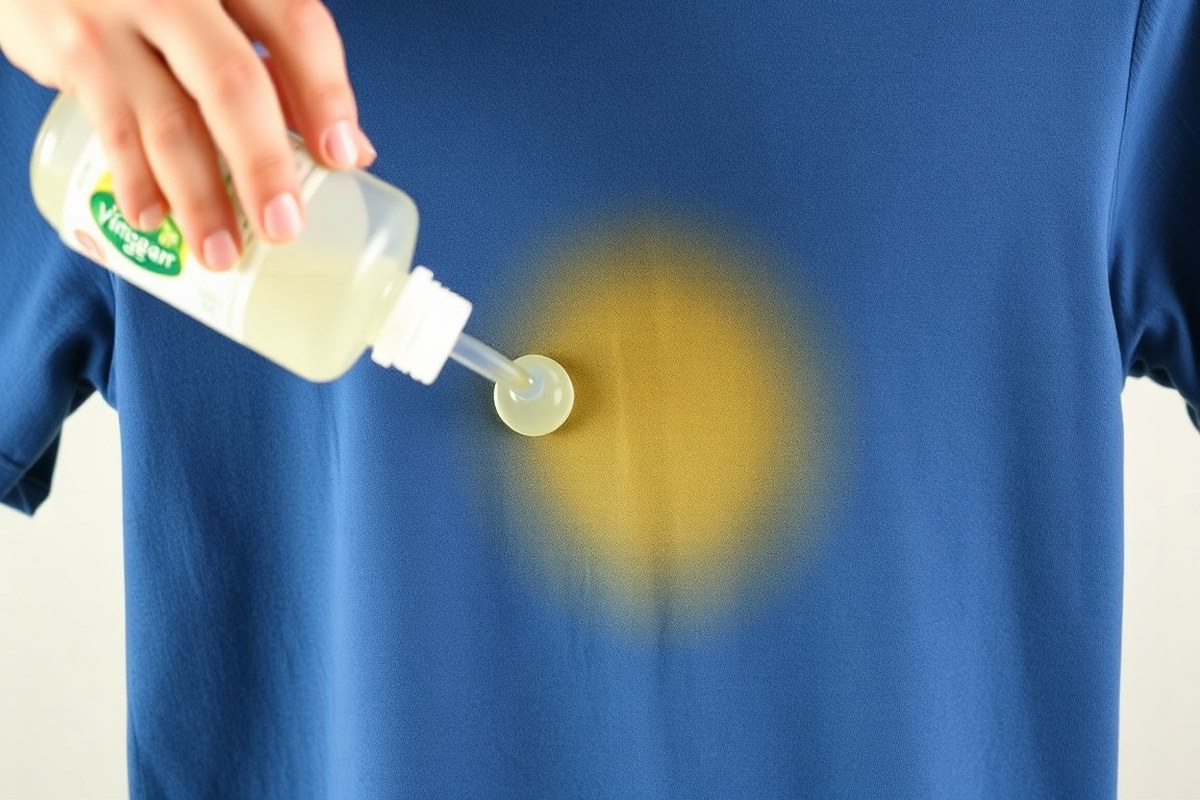
Mildew stains form when clothes remain damp too long, creating dark spots and odors that don’t respond to regular washing. To remove these stains safely and effectively, use household products like borax, white vinegar, or oxygen bleach. Avoid putting mildewed clothes in the dryer before the stain is gone because heat sets mildew stains permanently. Instead, soaking and carefully matched washing cycles work best.
For washing, warm water (about 110°F or 43°C) helps break down mildew but always check fabric care labels. Borax not only cleans but also kills mildew chemically, making it excellent for washable fabrics. White vinegar can be used as a soaking agent or added to wash cycles to address both stains and musty odors. Oxygen bleach works well on mildew while being gentler than chlorine bleach, which should only be used on white, bleach-safe fabrics and with caution to avoid damaging fibers.
- Pre-treat with a soak: Fill a basin with warm water and add 1/2 cup borax or 1 cup white vinegar per gallon of water. Soak mildewed clothes for 1 to 2 hours. For tough stains, soak overnight but skip this with delicate or non-bleachable fabrics to avoid damage.
- Apply stain remover: For persistent stains, apply oxygen bleach powder mixed with water directly to the spots. Let it sit for 15 to 30 minutes before washing but rinse promptly if the fabric is delicate.
- Choose a suitable detergent: Use a heavy-duty laundry detergent designed to fight mold and mildew. Avoid fabric softeners, which can coat fibers and trap odors and stains.
- Select the washing cycle: Use the warmest water temperature safe for the fabric (check care labels). Choose a longer or heavy-duty wash cycle to agitate and rinse thoroughly, helping remove mildew particles.
- Add vinegar to the rinse: Pour 1 cup of white vinegar into the washing machine’s fabric softener compartment to reduce lingering mildew smell.
- Avoid the dryer: Air dry clothes in sunlight if possible. Sunlight can help kill remaining mildew spores. If you must use a dryer, dry at the lowest heat setting and only after confirming stains are gone.
- Inspect and repeat if needed: After drying, check if stains or odors persist. Repeat pre-treatment and washing steps for stubborn mildew. Do not iron mildewed areas until fully cleaned.
Bleach can work on white cottons and linens but risks discoloring and weakening other fabrics, making oxygen bleach or borax safer alternatives for colors and synthetics. The total pre-treatment and wash cycle usually takes 2 to 3 hours but helps avoid permanent mildew damage. Using this step-by-step approach maximizes stain removal while protecting your clothes from harsh chemicals and heat damage.
2. Recognizing Mildew on Clothes: Signs and Differences from Dirt
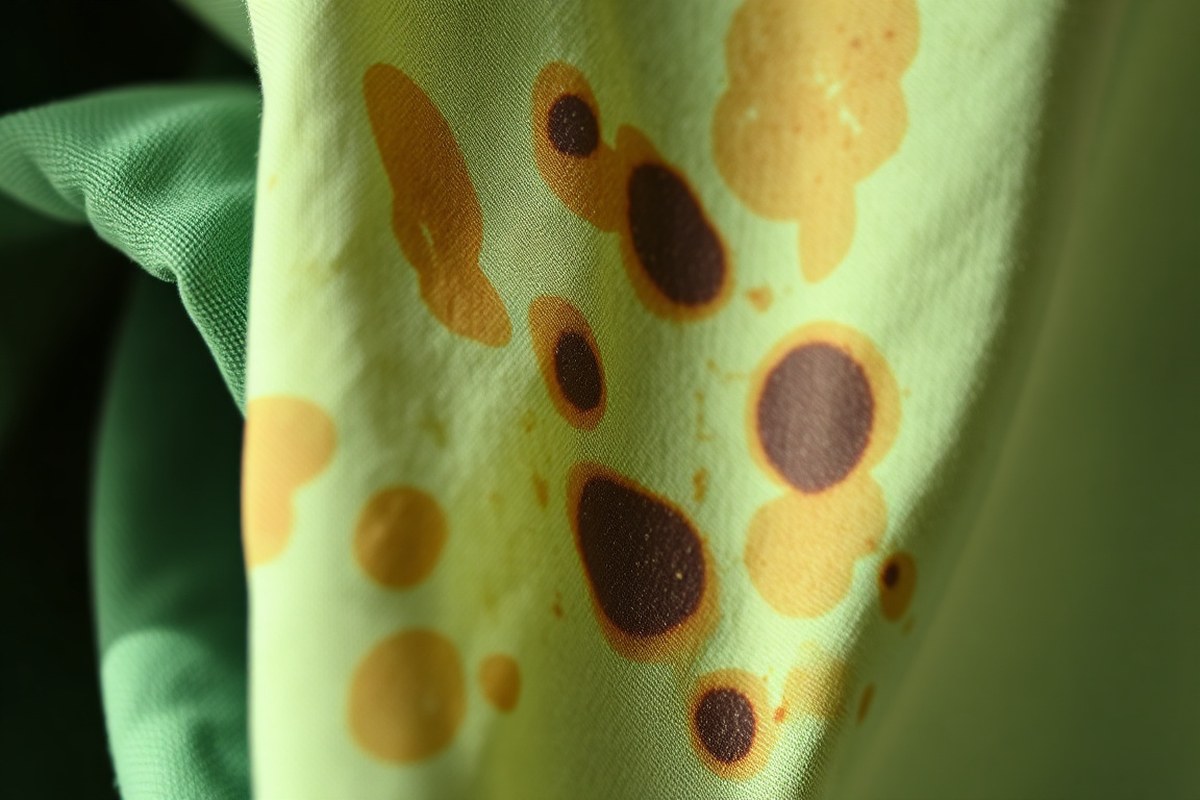
Mildew stains on clothes often appear as uneven, splotchy patches that can range from pale green to white or light gray. These stains may look fuzzy or powdery on the fabric surface and tend to form in damp, warm conditions where moisture lingers. Unlike regular dirt, which usually scrubs away with basic washing and has a more uniform texture and color, mildew stains resist simple cleaning and often return unless treated promptly. Rust stains, on the other hand, are more reddish-brown or orange and usually have a defined ring pattern rather than the blotchy spread of mildew.
When checking if a stain is mildew, also pay attention to the smell. Mildew carries a strong, musty odor that is distinctly different from the earthy scent of dirt or the metallic smell associated with rust. To identify the source, hold the garment close to your nose. A persistent, damp, moldy smell, especially if it remains after washing, is a clear sign of mildew presence. When the smell is faint or missing, mildew is less likely to be the cause of the problem.
Confusing mildew with mold can be common. Mold grows thicker and can be black, green, or blue and often appears on surfaces like shoes or waterproof fabrics rather than soft clothing. Mildew tends to be lighter in color and steadier on porous materials like cotton or linen. Dirt may sometimes look like mildew but usually disappears with a normal wash cycle and doesn’t cause lingering odors or damage the fabric fibers like mildew does. This difference matters because mildew damages fibers, reducing the fabric’s lifespan, while dirt does not.
Certain fabrics require special attention to detect mildew accurately. On white or light-colored cotton fabrics, mildew stains stand out clearly, while on darker or patterned materials, you might need to examine the texture and sniff for odor more carefully. Synthetic fabrics may not show mildew stains as prominently but can still carry the odor. Always check hidden areas like collars, underarms, or folds, where moisture can hide and encourage mildew growth unnoticed.
Use this simple checklist to recognize mildew stains: look for irregular, splotchy discolorations; confirm the presence of a musty smell; note if the stain resists ordinary washing; and check for fuzzy texture on the fabric surface. When those signs match, the stain is probably mildew.
Professional testing for mildew on clothes is rarely necessary unless you have persistent health symptoms linked to mold exposure, such as respiratory issues, that you cannot control by cleaning the clothes. A professional can help identify specific mold types if your home suffers from severe mold contamination beyond regular mildew on laundry. These tests typically cost from $100 to several hundred dollars and involve collecting samples from your environment or fabrics. Otherwise, normal household treatments should suffice.
Promptly washing clothes showing mildew is essential; delayed treatment allows stains to set deeper and odors to become harder to remove.
3. Choosing the Right Mildew Removal Method for Different Fabrics
Selecting the right mildew removal method depends largely on the fabric type and its colorfastness. Using methods like chlorine bleach on delicate or colored fabrics can cause damage or set stains. Instead, mild treatments such as oxygen bleach or enzymatic detergents suit sensitive materials, while cotton and synthetic blends can handle stronger solutions and warmer water temperatures.
Safe Treatments for Delicate Fabrics
Delicate fabrics such as silk, wool, linen, and lace need gentle handling to prevent damage. Avoid chlorine bleach and oxygen bleach on these as they can cause irreversible harm like weakening fibers or fading. Instead, soak delicates in cold water with an enzymatic laundry detergent designed for sensitive fabrics. This method helps loosen mildew stains without harsh chemicals.
Alternatively, washing these items with a gentle cycle using one cup of white vinegar added to the wash helps break down mildew residue and odor. Vinegar is less abrasive but still effective on organic stains, making it suited for delicate natural fibers. Always check the garment’s care label before treatment to follow any manufacturer warnings or temperature limits.
Suitable Treatments for Cotton and Synthetic Fabrics
Cotton and synthetic fabrics can tolerate stronger mildew removal solutions because they are more durable. White cotton withstands chlorine bleach in hot water for tough stains, while most synthetic blends can also be washed with oxygen bleach in warm water. Oxygen bleach is color-safe and effective, preventing mildew without harming the fabric.
Synthetic fibers like polyester and nylon generally resist mildew stains if treated quickly, but they respond best to oxygen bleach or pine oil disinfectants rather than harsh chlorine bleach. Pine oil disinfectants work well on colored fabrics as they are less likely to cause fading. Always verify the fabric care label’s water temperature recommendations and wash accordingly to avoid shrinking or warping.
Bleach Use Guidelines by Fabric Type
Chlorine bleach works best on white fabrics and can remove even tough mildew spots if the fabric can tolerate hot water without damage. Oxygen bleach, which is color-safe, suits both whites and many colored, colorfast clothes in cold or warm water. Delicate fabrics should not be exposed to either chlorine or oxygen bleach. For safe and effective bleach use, here is a simple table outlining fabric types, recommended treatments, and water temperature:
| Fabric Type | Treatment | Water Temperature |
|---|---|---|
| White Fabrics | Chlorine bleach | Hot water |
| Colored Fabrics | Pine oil / phenolic disinfectant | Warm water |
| Delicates (e.g., silk, wool) | Oxygen bleach | Cold water |
To test bleach safety, apply a small amount of the solution on a hidden area of the fabric and wait 5 to 10 minutes. If no color change or texture weakening appears, proceed with the full treatment. Always use the hottest water the fabric can safely handle with detergents to improve mildew removal. Avoid mixing chlorine bleach with other cleaners to prevent harmful reactions.
4. Pre-Treatment and Soaking Times for Mildew Stain Removal
Soaking times for mildew stain removal vary based on the stain’s severity. Light mildew needs just 1 to 2 hours of soaking, while heavy or older stains require soaking overnight or up to 8 hours. Pre-treatment with the right agents before soaking boosts stain removal, and combining soaking with gentle scrubbing helps release stubborn mildew.
Light Mildew Soak: 1-2 Hours
For lightly mildewed clothes, a short soak in a gentle cleaning solution is enough to loosen mildew and restore freshness. This works well on recent stains or mild mildew buildup without risking damage or color loss. Warm water improve the cleaning power of the solution.
- Fill a basin with 1 gallon of warm water mixed with 1/2 cup white vinegar and 1/4 cup washing soda.
- Submerge the lightly mildewed clothes completely, ensuring all stained areas are covered.
- Let the clothes soak for 1 to 2 hours to allow the solution to break down mildew.
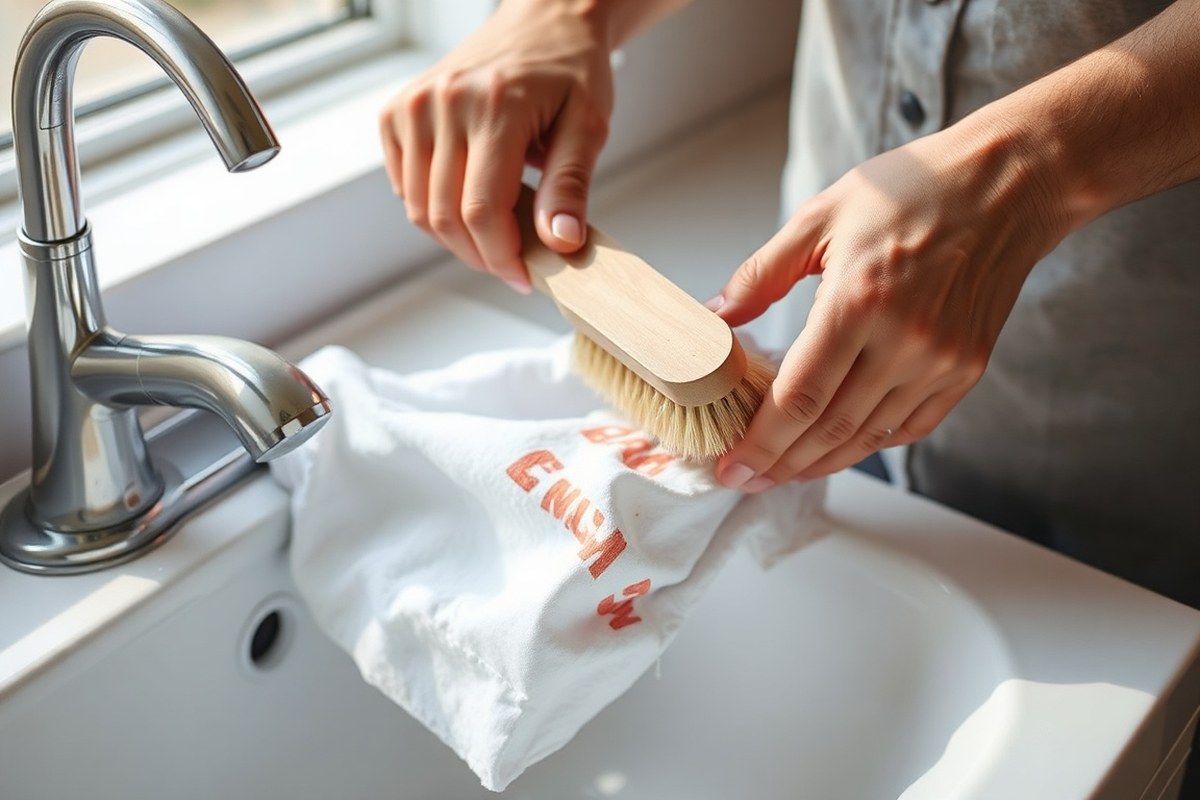
- After soaking, gently scrub any remaining spots with a soft brush or old toothbrush.
- Rinse the clothes thoroughly with cool water to remove residue.
- Launder as usual using your regular detergent.
This process keeps fabric safe and fresh without harsh chemicals, making it suitable for delicate fabrics or faint mildew.
Heavy Mildew Soak: Overnight to 8 Hours
Stubborn, set-in mildew stains need extended soaking with stronger solutions. Soaking overnight or up to 8 hours loosens mold growth deeply embedded in fabric fibers. Oxygen bleach or borax-based solutions are usually best and safer than chlorine bleach for color retention.
- Prepare a soaking solution using either oxygen bleach mixed with water according to package instructions or 1 part white vinegar to 4 parts warm water.
- Place the heavily mildewed clothes into the solution and fully submerge them.
- Let the clothes soak for at least 4 hours, extending to overnight (6-8 hours) for very stubborn stains.
- Remove garments and gently scrub the stains with a soft brush or old toothbrush to lift loosened mildew.
- Rinse thoroughly with clean, cool water to eliminate all cleaning agents.
- Wash the clothes normally, checking that the stains are gone before drying.
Extended soaking may slightly fade fabric colors, so test solutions on a hidden area first. Avoid soaking sensitive fabrics this long.
Combined Pre-Treatment Techniques
Proper pre-treatment before soaking improve mildew removal success, especially on larger or tougher stains. Applying cleaning pastes or sprays breaks down mildew more effectively. Scrubbing lightly before or after soaking helps remove settled spores.
- Create a paste by mixing equal parts oxygen bleach and water or baking soda and a small amount of bleach (use caution with bleach on colors).
- Apply the paste directly onto mildew stains using an old toothbrush or clean white cloth.
- Rub the paste gently into the fabric fibers to loosen mildew.
- Allow the paste to sit for 10 to 15 minutes before soaking the garment.
- For big mildew spots, mix one part white vinegar with four parts water and apply it to the fabric. Let it rest for several minutes before scrubbing.
- After soaking, scrub again lightly with a soft brush to remove loosened mildew.
- Rinse and then wash as usual.
Testing pre-treatment on a hidden fabric area helps avoid unexpected discoloration or damage. When combined with soaking, these steps break down mildew effectively while protecting your clothes.
5. How to Remove Mildew Odor from Clothes After Washing
Mildew odor on clothes often lingers after washing because mildew produces spores and oils that are hard to remove with a standard wash cycle. Residual dampness in fabric or washing machines can also allow mildew to persist, leaving a musty smell even when the stains appear gone. To eliminate leftover mildew odors, use a rinse additive like white vinegar or baking soda during the wash. Adding one cup of white vinegar to the rinse cycle neutralizes the musty smell and softens fabric without leaving a vinegar scent. Alternatively, half a cup of baking soda in the wash cycle helps remove odors by balancing pH levels.
Sunlight plays an important role in refreshing clothes that retain mildew odor. Drying clothes outdoors in direct sunlight not only evaporates moisture but also exposes fabrics to ultraviolet rays that break down mildew spores and reduce odor. Choose a sunny, breezy day and hang clothes inside out to protect colors while letting the sun fully reach all fabric surfaces. For items that cannot be line dried, use the dryer on a medium heat setting only after completely removing mildew stains and odor, since heat can cause mildew to set permanently if spots remain.
In cases where clothes still smell musty after washing and drying, refreshing them with a spray made from equal parts water and white vinegar can be effective. Lightly mist the fabric and allow it to air out in sunlight until fully dry. To ensure success, check that your washing machine’s seals and detergent dispenser are clean and free from mildew buildup to avoid recontaminating clothes during laundry. Also, promptly remove clothes from the washer and dry them thoroughly within two hours to prevent new mildew growth.
For persistent or severe odors, running a second wash cycle with hot water (at least 130°F) and adding an oxygen-based bleach can help. Oxygen bleach is safe on many fabrics and safely targets mildew spores that cause odors. Avoid using chlorine bleach on colored fabrics as it can damage them. Following odor removal, store clothes in dry, well-ventilated areas to stop mildew from returning. Using moisture absorbers or a dehumidifier in storage spaces further reduces risk.
Never put clothes in the dryer until you’re sure mildew stains and odors are completely gone; heat can set both permanently and make removal impossible.
6. Preventing Mildew on Clothes During Storage and Laundry
Mildew thrives in environments where humidity exceeds 60%, making it essential to keep your storage and laundry areas below this level. Moisture above that threshold provides the perfect breeding ground for mildew spores, especially in dark, poorly ventilated spaces. Controlling humidity with a dehumidifier or good airflow helps stop mildew before it starts.
Always dry clothes completely before storing them. Leaving damp clothes folded or in piles can trap moisture, encouraging mildew growth. Ideally, remove wet or damp clothes from the washer promptly and use a dryer or hang them in a well-ventilated space. Clothes should reach 100% dryness, meaning no cool or slightly damp areas remain, which can take several hours depending on fabric thickness and drying conditions.
Proper storage habits significantly reduce mildew risk. Store clothes in dry, light-exposed areas with some air circulation to prevent moisture buildup. Avoid dark, cramped closets or plastic bags without airflow. Shelves or well-ventilated garment racks work best. Separating garments by a few inches allows air to circulate freely around them.
- Keep indoor humidity below 60%, using a dehumidifier if needed
- Promptly remove wet clothes from the washing machine
- Dry clothes completely before folding or storing
- Store clothes in dry, well-ventilated areas with natural light
- Use breathable storage containers or leave space between items
- Clean storage and laundry areas regularly to reduce dust and spores
- Avoid piling clothes in damp hampers; wash them promptly
Ventilate laundry rooms by running exhaust fans or opening windows during and after washing. Clean washers regularly to prevent mildew spores from accumulating inside. Clear drains and avoid detergent overuse, which can leave residues that trap moisture. Regular vacuuming of storage spaces can remove dust and mildew spores that settle on surfaces.
7. When to Discard Clothes with Persistent Mildew Damage
Determining if clothes with mildew stains are beyond saving depends on several clear signs. Look for persistent black or dark green spots that do not fade after thorough washing and treatment. When the fabric has weakened fibers, holes, or a persistent musty odor, the damage is usually irreversible. Materials like wool, leather, and delicate synthetics may suffer structural damage faster, so inspect these carefully. Mildew that has penetrated deeply may leave spores trapped beneath the surface, which visible cleaning alone won’t remove and could raise health risks.
Keeping heavily mildewed clothes poses real health concerns, especially for those with asthma, allergies, or weakened immune systems. Mildew spores can irritate the lungs, cause allergic reactions, or trigger respiratory issues. The Oregon State University extension highlights that mold exposure from contaminated textiles contributes to poor indoor air quality and health problems, so it’s safer to remove such risks entirely.
To decide if you should keep or discard an item, follow this checklist: First, inspect for stubborn stains after multiple wash attempts, including pre-soaking with mildew removers or lemon juice. Second, check for fabric integrity, stretch the garment gently; if it tears easily, the mildew likely weakened the fibers beyond repair. Third, smell the item after drying. A lingering, strong mildew odor indicates spores remain inside. Finally, consider the garment’s value and sentimental importance against replacement costs, since some clothes can cost less to replace than to treat repeatedly.
For clothes clearly unsalvageable, dispose of them with caution to protect your health and home. Place the items in a sealed plastic bag to prevent spore spread and avoid shaking or handling them excessively. Dispose of the bag in your regular trash outside your living area. Wash your hands and clean any surfaces exposed to the clothes with a mild bleach solution or disinfectant. Avoid donating or selling mildewed clothes, as spores can spread to others’ homes.
The cost of discarding and replacing clothes varies by type. Basic cotton shirts or synthetic activewear are generally inexpensive to replace compared to leather jackets or formalwear, which might justify professional cleaning or repair attempts despite the mildew risk. When damage includes fabric degradation and odor persistence, the safest choice is discarding to safeguard your health and prevent indoor mold contamination.
8. Commercial Mildew Removers: When and How to Use Them
Commercial mildew removers can be very effective for tackling stubborn stains when homemade solutions don’t fully work. Choosing the right product and using it carefully prevents fabric damage and gets better results. Testing the remover on a hidden spot before full application and following label directions ensures safe and efficient stain removal.
Choosing the Right Commercial Product
Pick a mildew remover made for fabrics similar to your stained clothes. Some products specialize in delicate textiles like baby clothes, while others target heavy-duty fabrics or mixed materials. Check the label to confirm the remover suits your fabric type and that it is safe to use without causing color loss or fiber weakening.
Look for removers with fungicides or mildew-retardant properties for lasting mildew control. Some well-regarded mildew removers include 3M Marine Mildew Stain Remover, known for ease of use and effectiveness, and Engleside Restoration Fabric Cleaner, which works gently on many textiles. Prices vary, generally ranging from $8 to $20 per bottle depending on brand and size.
Products designed for mildew on painted or stained wood often include effective antifungal ingredients suitable for fabric too, but always verify fabric safety first.
Performing a Spot Test
Before applying any commercial mildew remover fully, do a spot test to avoid unexpected fabric damage like discoloration or weakening. Testing helps you see how the fabric reacts to the chemical without risking the entire garment.
- Choose a small, hidden area of the fabric, such as inside a seam or hem.
- Apply a small amount of the remover on the test spot with a cotton swab or a clean cloth.
- Wait 10 to 15 minutes for the product to interact with the fabric.
- Check the tested area for any color changes, texture differences, or fabric weakening.
- When no damage shows up, follow the label instructions to treat the entire stain.
- Should damage occur, stop using the product and try a different method or product.
Always perform a spot test, even if the product says it’s safe for your fabric type, to protect your clothes from damage.
Using Commercial Products with Laundry Machines
Integrate commercial mildew removers into your washing routine to boost stain and odor removal. Follow product instructions closely regarding dosage and application timing. Some removers act as pre-treatments, while others add directly to the wash cycle.
For pre-treatment, apply the mildew remover directly onto the stain before washing. Let it sit for the recommended time, often 10 to 15 minutes, then launder as usual in the warmest water safe for that fabric. For machine additives, add the remover during the wash cycle as directed, usually in the detergent compartment or directly in the drum.
- Remove excess dirt or soil from the garment by brushing or rinsing gently.
- Pre-treat the mildew stain by applying the remover to the affected area.
- Allow the product to set for the time specified on the label (typically 10 to 15 minutes).
- Place the garment in the washing machine with similar items.
- Add detergent as normal and include the commercial mildew remover as instructed.
- Set the machine to the warmest water temperature safe for the fabric.
- Run the full wash and rinse cycles.
- Inspect the garment after washing. Repeat treatment if stain or odor persists.
Never exceed recommended contact times or use hotter water than fabric care labels permit; this prevents fabric damage and ineffective cleaning.
Step-by-Step Action Plan for Removing Mildew Stains from Clothes
Follow these steps to tackle mildew stains on your clothes safely and effectively, ensuring your fabrics come out clean and fresh.
- Before You Start: Identify the fabric type and check care labels to choose the safest removal method.
- Pre-Treatment: Apply a mildew stain remover or a mixture of water and white vinegar to the stained area, letting it sit for 30 minutes.
- Soaking Phase: Soak clothes in a solution of warm water and an appropriate cleaner (like oxygen bleach for colors or bleach for whites) for 1 to 4 hours, depending on fabric sensitivity.
- Washing Time: Wash the clothes using the warmest water safe for the fabric along with regular detergent; check if the mildew stain and odor are gone after washing.
- Odor Check: Smell the clothes after drying; if mildew odor persists, treat with a second wash using baking soda or commercial odor remover.
- Drying: Dry clothes thoroughly in direct sunlight or use a dryer on a high heat setting safe for the fabric to inhibit mildew growth.
- Storage Precautions: Store completely dry clothes in a well-ventilated, moisture-free area to prevent future mildew.
- Evaluate: If mildew stains or damage remain after treatment, consider professional cleaning or discarding the item to avoid spreading mildew.
Frequently Asked Questions
Can Mildew Stains Be Removed After Drying Clothes?
Avoid using a dryer on mildew-stained clothes because heat sets the stains permanently. If your clothes dry with mildew stains, retreat and wash them again quickly for the best chance of removal.
Is Borax Safe for Removing Mildew Stains on Colored Fabrics?
Borax is good for mildew stains but best used on whites or colorfast fabrics. Always test a small hidden area first to avoid color damage.
How Soon Should You Treat Mildew Stains on Clothes?
Treat mildew stains as soon as you notice them to prevent permanent damage and odor buildup. The longer they sit, the harder they are to remove.
Can Mildew Damage the Fabric Fibers of Clothes?
Yes, mildew can weaken fabric fibers over time, causing permanent damage. Prompt removal helps preserve your clothes’ lifespan.
Why Isn’t Just Washing Enough to Remove Mildew Stains?
Regular washing often cannot break down the moldy residues causing mildew stains. You need stronger methods like soaking or specific cleaners.
Are There Natural Alternatives for Mildew Stain Removal?
Mild acids like vinegar can help remove mildew stains on colorfast clothes, offering a less harsh alternative to chemicals like bleach.
The Bottom Line
Removing mildew stains requires a careful balance of appropriate products, soaking, and drying methods tailored to your clothing. Taking these practical steps promptly can preserve your clothes and keep them fresh. Start by treating any mildew stains you spot immediately before washing to protect your garments from lasting damage.