How Do I Remove Mildew from Clothing: 8 Effective Steps for Stain & Odor Removal
To tackle mildew on clothing effectively and safely, first soak the stained items in a mixture of water and white vinegar or use a laundry product made to eliminate mildew odors. After soaking, run the clothes through a wash using the highest water temperature recommended for the fabric. Make sure to dry the clothing completely afterward to stop mildew from returning. Always read the fabric care labels before starting and steer clear of bleach on delicate materials to avoid harm.
This advice suits anyone dealing with musty stains or odors on clothes, whether you’re a homeowner, renter, or managing laundry for your family. You’ll learn effective drying techniques, best cleaning methods per fabric type, and how to handle mildew odors after washing to keep your wardrobe fresh and safe.
Key Takeaways
- Pre-soak bright-colored clothes for 30 minutes and other garments for an hour before washing to loosen mildew stains.
- Use Clorox FreshGuard™ Laundry Odor Remover in the rinse cycle to eliminate up to 100% of musty odors.
- Choose cleaning methods based on fabric type to protect delicate materials from damage during mildew removal.
- Limit indoor humidity below 60% and improve ventilation to prevent mildew formation on stored clothes.
- Use a 3% hydrogen peroxide solution for small mold stains on washable fabrics for gentle yet effective treatment.
- Allow soaking solutions such as vinegar or hydrogen peroxide to sit for 10 to 30 minutes to penetrate the fabric fully.
1. How to Remove Mildew from Clothes Quickly and Safely
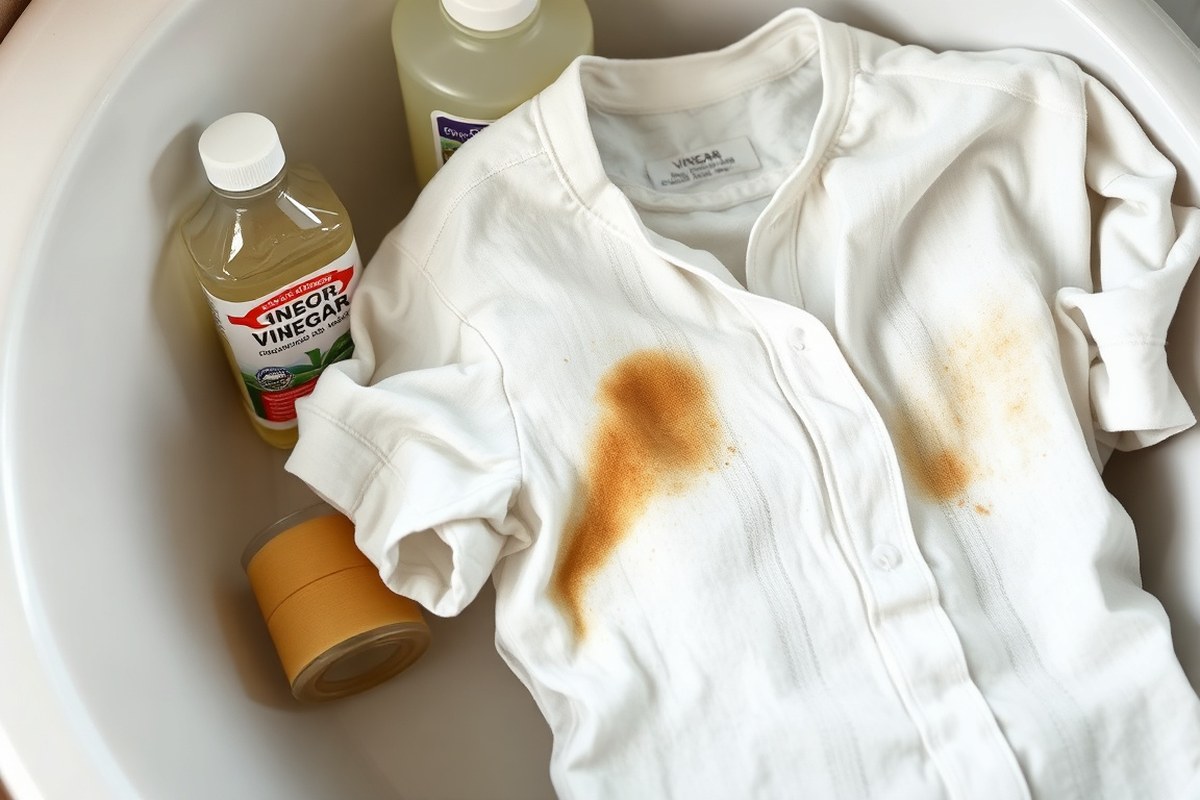
To quickly and safely remove mildew from clothing, pretreat the affected areas with a household mildew killer like white vinegar or borax, then wash the clothes in the hottest water temperature safe for the fabric. This method helps eliminate both mildew stains and odor. Complete drying afterward prevents mildew from returning.
Shake and Inspect the Items
Start by taking the mildewed clothing outdoors and shaking them firmly to remove loose spores. This prevents spreading mildew inside your home. Next, carefully inspect each item for visible stains or strong odor concentrations, marking spots you’ll focus on during pretreatment. This step ensures you target the right areas before laundering, saving time and preserving fabric condition.
Pretreating with Vinegar or Borax Solutions
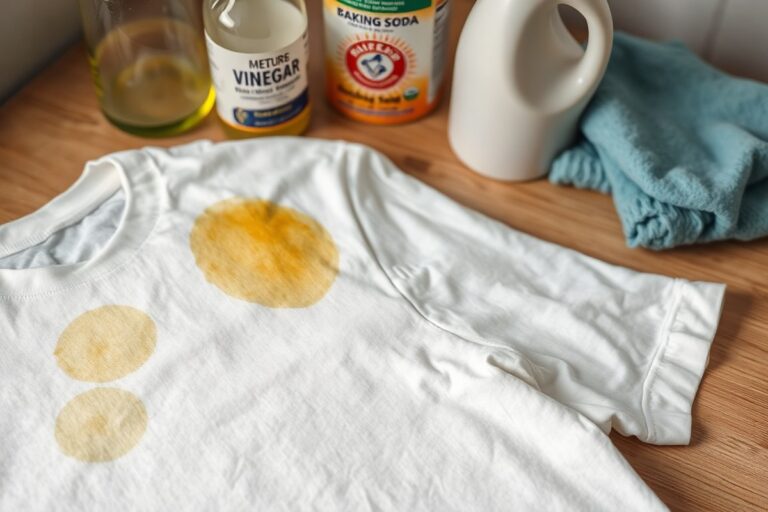
Both white vinegar and borax are effective household products that kill the fungus causing mildew and help remove stains and odors. Vinegar naturally breaks down mildew and deodorizes fabrics without harsh chemicals, making it safe for most materials. Borax boosts stain removal and disinfects while softening water for a thorough clean. Follow these pretreatment steps to tackle mildew before the main wash:
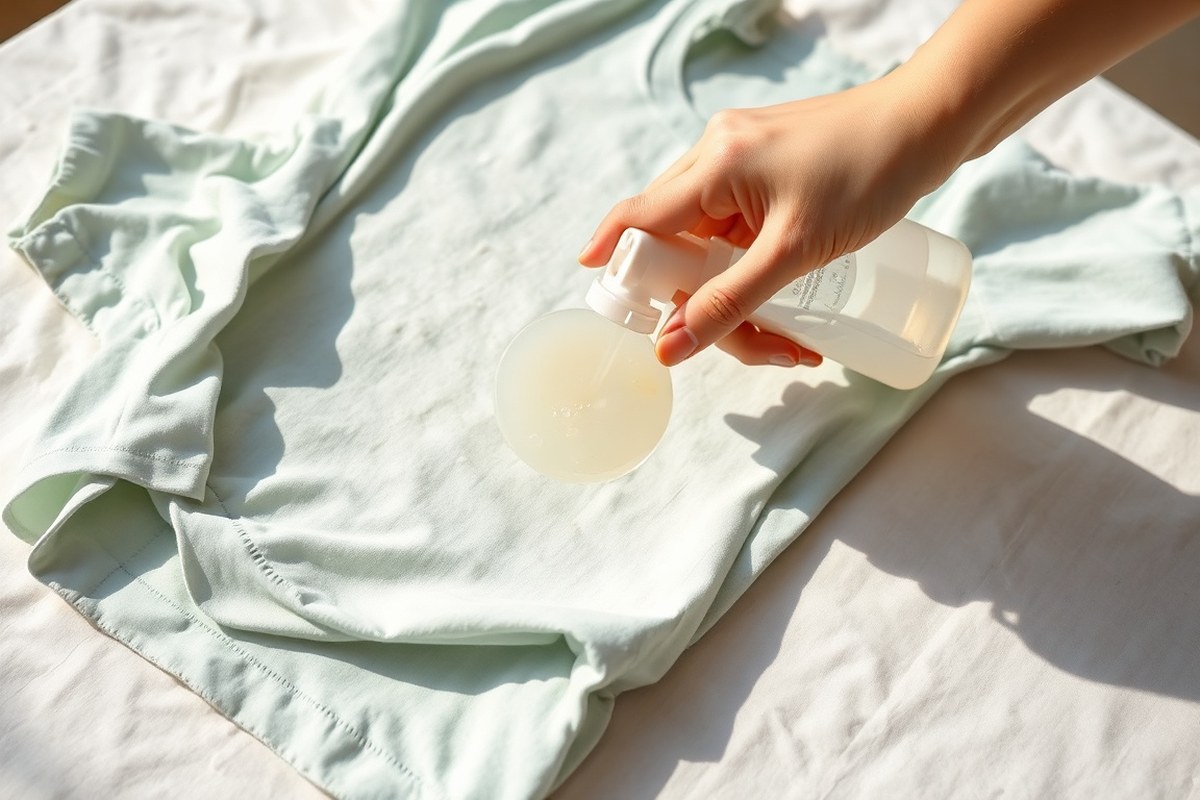
- Mix one part white vinegar with one part water in a spray bottle or container, or dissolve ¼ cup of borax in 1 quart of warm water.
- Apply the vinegar or borax solution generously to the mildew-stained areas of the fabric.
- Let the clothing soak or sit with the pretreatment for at least 30 minutes, up to an hour for tougher stains.
- Gently rub the fabric on mildewed spots to help loosen fungi and residues.
- Avoid using bleach unless the fabric is white cotton, as bleach can damage colors and delicate fibers.
Washing on the Hottest Safe Cycle
After pretreating, wash the clothing using the hottest water temperature recommended on the care label to maximize mildew removal. Hot water helps kill remaining mildew spores. Add your usual laundry detergent plus 1 to 2 cups of white vinegar to the washer to boost cleaning power and neutralize odors. Tips for washing mildewed clothes effectively:
- Load the pretreated clothing into the washing machine without overcrowding to allow thorough cleaning.
- Use your regular laundry detergent and add 1 cup vinegar for small loads, or 2 cups for larger washes.
- Set the machine to the hottest water cycle safe for your fabric (check labels).
- After washing, promptly remove clothes to avoid mildew redeveloping from dampness.
- Dry the clothing completely in direct sunlight or a dryer on the appropriate heat setting, unless heat sensitivity is a concern.
- Run an empty hot water cycle with vinegar or bleach in your washing machine afterward to clean it and prevent spore buildup.
2. Choosing the Best Cleaning Method by Fabric Type
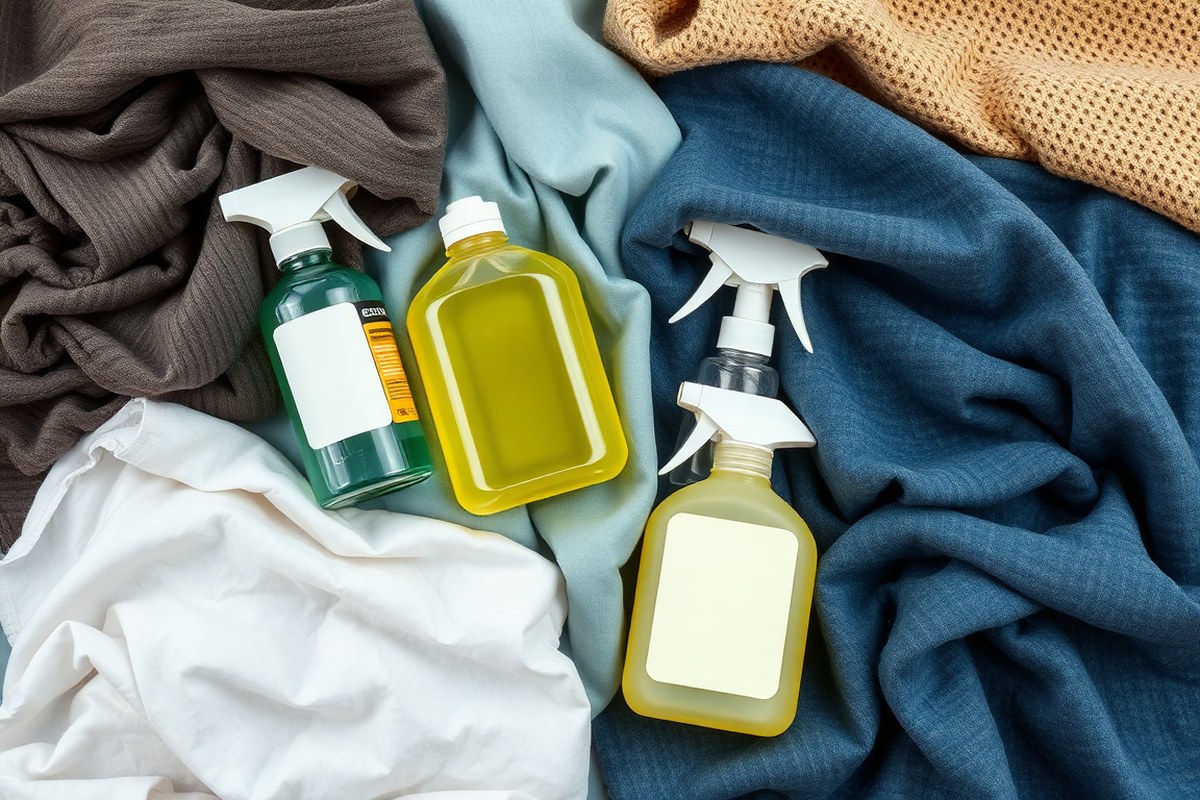
Different fabrics require specific cleaning approaches to remove mildew effectively without damaging the material. How you treat mildew depends largely on the fabric type and its reaction to cleaning agents like bleach or detergents. For example, chlorine bleach is powerful against mildew on white cotton but can ruin colored or delicate fabrics such as silk or wool. Choosing the right method protects your clothes while eliminating the mildew.
Delicate fabrics like silk, wool, or lace are sensitive to harsh chemicals and hot water. Using oxygen bleach in cold water is the safest option, as it gently lifts mildew without weakening or discoloring fibers. Synthetic fabrics, like polyester or nylon, can tolerate warm water and milder disinfectants like pine oil-based cleaners, which help remove mildew without fading colors or breaking down fibers.
| Fabric Type | Treatment | Water Temperature |
|---|---|---|
| White Fabrics (e.g., cotton t-shirts, linen) | Chlorine bleach | Hot water |
| Colored Fabrics (e.g., dyed cotton, blends) | Pine oil or phenolic disinfectants | Warm water |
| Delicates (e.g., silk, wool, lace) | Oxygen bleach (non-chlorine) | Cold water |
For white fabrics, chlorine bleach combined with hot water offers strong mildew removal and stain lifting. Use it only on bleach-safe whites to avoid damage or yellowing. Colored fabrics fare better with pine oil or phenolic disinfectant cleaners in warm water; these avoid color loss and still tackle mildew. Always follow care labels to confirm what your garment can handle.
Delicate fabrics need careful handling: soak the clothes in a solution of oxygen bleach and cold water for about 30 minutes before washing gently. This helps break down mildew spores without causing shrinking, distortion, or damage. Avoid hot water and chlorine bleach, which weaken fibers and may cause color fading.
Check fabric care tags before using any bleach, especially on delicates and colored fabrics, to prevent irreversible damage or discoloration.
3. Common Household Remedies Compared: Vinegar, Baking Soda, and Borax
White vinegar, baking soda, and borax each target mildew differently but effectively when used correctly. Vinegar kills mildew spores and neutralizes odors using its acidity, baking soda excels at deodorizing and mild stain removal, while borax offers a stronger mold-fighting boost suitable for tougher mildew issues. Choosing the right one depends on your fabric type, mildew severity, and preferred natural remedy.
White Vinegar Usage and Benefits
White vinegar’s natural acidity makes it a strong mildew killer. It neutralizes odors and breaks down light mildew stains without harsh chemicals. Use one cup of white vinegar directly in your washing machine’s load or spray a mildew-affected area with undiluted vinegar. Let it sit for 10 minutes before washing.
Mild mildew can be treated by letting the garment soak for 30 minutes to an hour in a mixture made from equal parts white vinegar and water. The acidity in vinegar is mild enough that it usually won’t harm fabric, but testing on a small hidden spot is a safe precaution. Using vinegar also removes leftover mildew smells by killing remaining spores.
Baking Soda for Odor Control
Baking soda primarily removes mildew smells rather than killing the fungus outright. Adding about ½ tablespoon of baking soda to the laundry load deodorizes clothes naturally and reduces musty odors. It also slightly softens water, improving detergent effectiveness.
A useful natural deodorizing method is to spray vinegar on mildew spots, wait 10 minutes, then sprinkle baking soda on top and let the reaction lift odors and residue before vacuuming or brushing it off. Baking soda works best combined with vinegar for mildew control but isn’t strong enough alone for heavy mold stains.
Borax as a Mildew Removal Booster
Borax is a naturally occurring mineral that boosts mildew removal better than baking soda or vinegar alone. It can be dangerous if ingested, so handle carefully, especially around children and pets. For stubborn mildew, dissolve ½ cup of borax in a bucket of water and soak the fabric for at least an hour before washing as usual.
Borax raises the pH level during washing, making the environment hostile to mildew fungus. It helps loosen tough mold stains and deodorizes more effectively than baking soda. Avoid using borax on delicate fabrics that specify mild detergent only. Here’s a comparison summarizing key points to help you choose and use these remedies:
| Remedy | Primary Function | How to Use | Effectiveness | Precautions |
|---|---|---|---|---|
| White Vinegar | Kills mildew spores and removes odor | Use 1 cup in wash or spray undiluted; soak 30-60 min in equal water mix | Very effective for light to moderate mildew | Test fabrics first; avoid use on delicate fabrics like silk |
| Baking Soda | Deodorizes and mildly cleans stains | Add ½ tbsp to wash; spray vinegar then sprinkle baking soda for spot treatment | Best for odor removal, less effective on heavy mildew | Safe but not a mildew killer alone |
| Borax | Boosts mildew removal, loosens stains | Soak clothes for 1 hour in ½ cup dissolved in water; then wash normally | Very effective on tougher mildew stains | Handle carefully; not for delicate fabrics; keep away from kids/pets |
Each option has different costs and time needs. Vinegar and baking soda are inexpensive, usually under $5 for a household supply and require minimal soaking or direct addition during washing. Borax may cost a bit more and requires pre-soaking time but offers stronger stain removal. Choose based on mildew severity and fabric care labels.
4. When and How to Use Bleach Safely on Mildewed Clothes
Bleach can be effective for removing mildew from some clothing, but it is not safe for all fabrics. Chlorine bleach, the most common type, works by breaking down mildew spores and disinfecting the material. However, it is harsh and can weaken or discolor delicate fibers. Use bleach only on white or colorfast cottons, linens, and some synthetic fabrics labeled as bleach-safe. Avoid bleach on wool, silk, leather, spandex, and any fabric with non-colorfast dyes because these materials can be damaged or discolored permanently.
When using bleach, proper dilution and application are critical to avoid damage. For standard laundering, add ¾ cup of chlorine bleach to a full load of laundry in the washing machine’s bleach dispenser. If soaking stained clothes, dilute ¼ cup of bleach in 1 gallon of cool water. Never use bleach undiluted directly on clothing, as this causes immediate fiber damage. Always test a small hidden area first to check for colorfastness and fabric reaction. Use cold water to prevent setting stains and to reduce fabric weakening.
- Check fabric care labels and only use bleach on bleach-safe items
- Prepare fresh bleach solutions and never mix bleach with ammonia or other cleaners
- Pre-soak mildewed clothes in diluted bleach solution for 5 to 10 minutes before washing
- Rinse thoroughly after bleach treatment to remove residue
- Avoid prolonged soaking to prevent fabric weakening
- Wear gloves and work in a well-ventilated area for safety
Bleach treatment works best on hard surfaces and heavy mildew stains but carries risks when applied to clothing. Overuse or strong solutions can cause fabric to become brittle and yellow, especially with cotton. Once bleach removes the mildew, wash the clothing immediately with detergent to clean off residues and odors. In some cases, repeated mildew damage can weaken fibers beyond repair despite bleach cleaning. For those mildewed clothes not suitable for bleach or when in doubt, use oxygen-based bleach alternatives or consult a professional cleaner to protect your garments.
5. How to Remove Mildew Smell After Washing Clothes
Stubborn mildew smells often linger in clothing even after a thorough wash. This happens because mildew releases compounds that can embed in fabric fibers. When normal washing doesn’t fully remove these odors, re-washing is the next step. Use hot water within the safe temperature range for your fabric and add a deodorizing agent like white vinegar or baking soda. For example, add one cup of white vinegar during the rinse cycle or a half cup of baking soda with your detergent. These substances help neutralize mildew smell rather than just masking it.
Repeated washing can help but there are limits. Washing too many times, especially at high temperatures or with harsh chemicals, can weaken delicate fabrics and fade colors. Fabrics like silk and wool require gentler care, so focus on odor-neutralizing agents instead of multiple hot water cycles. When the smell remains after two or three washes, consider professional dry cleaning to avoid damage and safely remove deep-set odors.
Other effective products include commercial enzyme-based detergents designed to break down organic residues, including mildew. These detergents target the source of the smell rather than just covering it up. You might also try a soak by filling a basin with warm water, adding a half cup of baking soda or a cup of white vinegar, and letting the clothes soak for 30 minutes before washing. This allows more time for the deodorizing agents to work on the fibers.
Air drying can improve outcomes. Musty smells often fade when clothes dry thoroughly in fresh, moving air. When weather permits, hang clothes outside in the sun to help get rid of odors and any leftover mildew spores. Avoid drying clothes in damp or humid environments, as this can encourage mildew regrowth and preserve odors.
Sometimes the mildew smell remains because mildew or mold has also grown inside your washing machine, particularly around seals or detergent dispensers. Clean these parts regularly with a mixture of bleach and water or a washing machine cleaner to prevent recurring odors. This step supports your overall mildew removal efforts by making sure the machine itself isn’t contributing to smells.
Always test any deodorizing solution on a small, hidden area of fabric before full application to avoid damage or discoloration.
6. Drying Mildewed Clothes to Prevent Further Mold Growth
Proper drying of mildewed clothes eliminates moisture that mold spores need to grow. Use either sunlight or a machine dryer to thoroughly dry clothes, aiming for no damp spots. This helps prevent mildew from returning after cleaning.
Sunlight Exposure Benefits
Sunlight naturally kills mildew spores due to ultraviolet (UV) rays and heat. Drying clothes in direct sunlight lowers moisture quickly and inhibits mold growth. This method costs nothing beyond access to outdoor space and takes about 4 to 6 hours on a bright day.
The UV rays help break down mold spores on fabric surfaces, making sun drying effective especially for delicate or natural fibers that might suffer from high dryer heat. Keep clothes spaced apart on a line or rack to maximize air flow and sun exposure, which speeds drying and helps kill remaining spores.
Machine Drying Tips
Using a clothes dryer on a high heat setting is an efficient way to kill mildew spores and dry the fabric thoroughly. Most dryers reach temperatures between 130°F to 150°F, hot enough to stop mildew growth and remove moisture.
Dry clothes completely before removing; any dampness can promote mildew return. For thick or multi-layered items, consider running an extra drying cycle. Machine drying is faster than sun drying, usually 30 to 60 minutes depending on load size and dryer capability. This method suits use any time of day or year and is especially good for indoor drying.
Avoiding Dampness in Storage
Clothes must be fully dry before storing to prevent mildew re-growth. Any moisture trapped in storage encourages spores to multiply within 24 to 48 hours.
Store fabrics in dry, ventilated spaces with humidity under 60%. Use dehumidifiers or moisture absorbers in damp basements or closets. Keep clothes loosely hung or folded with air gaps, avoiding tightly packed piles. Promptly remove clothes from washers and dryers; leaving damp laundry in machines or hampers risks mildew developing even before storage. Follow these steps for drying mildewed clothes:
- Brush off loose mildew spores outdoors with a dry scrub brush before washing.
- Wash clothes thoroughly using an appropriate cleaning method for the fabric type.
- Choose drying, hang clothes outside in direct sunlight or use a machine dryer set to high heat.
- Ensure clothing pieces are spaced apart to expose all surfaces evenly to air or sun.
- Dry clothes completely, sun drying takes about 4 to 6 hours; machine drying about 30 to 60 minutes.
- Check for any damp spots by feel; if still moist, dry further to avoid mildew return.
- Store clothes once fully dry in a well-ventilated, low-humidity area.
7. Preventing Mildew on Clothes: Storage and Laundry Best Practices
Keeping your clothes mildew-free starts with controlling humidity in storage areas. Aim to keep humidity levels below 60% because mildew thrives in damp conditions above that threshold. Use a digital hygrometer to measure humidity, which costs around $15 to $30. To reduce moisture, place moisture absorbers like silica gel packets or calcium chloride-based products in closets or drawers. Running a dehumidifier in basements or poorly ventilated rooms helps maintain ideal conditions, especially in humid climates, with small units costing $50 to $200 depending on size and capacity.
Ventilation plays a key role in preventing mildew. Good airflow reduces moisture and dries fabrics faster. In laundry rooms, ensure windows can open or install an exhaust fan rated for at least 50 CFM (cubic feet per minute) to remove excess humidity generated during washing and drying. Ceiling fans or portable fans also help circulate air. Avoid piling clothes in laundry areas; keep baskets open or use mesh hampers to promote airflow.
Proper laundry habits are essential for stopping mildew growth. Clothes should never stay wet or damp for more than a few hours. Always run a complete wash cycle using warm or hot water suitable for the fabric type, then remove clothes promptly once finished. Delays of more than two hours before drying increase mildew risk. Dry clothes completely on high heat settings, or line dry in a sunny, breezy location. Avoid overcrowding your dryer, which can leave fabrics damp.
- Use a hygrometer to monitor humidity below 60% in storage
- Place moisture absorbers like silica gel or calcium chloride in closets
- Run a dehumidifier in damp or basement areas
- Ensure laundry room has an exhaust fan or open windows for ventilation
- Remove clothes from washer immediately after cycle ends
- Dry clothes thoroughly using heat or direct sunlight
- Store clean, dry clothes in breathable containers or cloth bags
Following this checklist cuts down on moisture sources that encourage mildew. Clothes stored in plastic bags or bins without ventilation can trap humidity and cause mildew even if they were clean when stored. Regularly airing out storage spaces and washing clothes before long-term storage helps too. These steps cost little beyond a few tools and some time but protect your clothes from stubborn mildew stains and odors.
8. How to Decide When to Discard Mildewed Clothing
Deciding when to discard mildewed clothing depends on the extent of damage and potential health risks. Clothes with deep, stubborn mildew stains that don’t respond to thorough cleaning or that have a musty smell that won’t go away even after multiple washes likely cannot be saved. Thick discoloration, fabric weakening, and persistent odors indicate irreversible damage. Some types of mold produce spores that can cause respiratory problems or skin irritation, creating a safety concern along with a cleaning challenge. When your skin reacts to the clothing or the mildew has spread widely and keeps coming back, it’s safer to throw those items away.
Before throwing away mildewed garments, it’s essential to contain the contamination to prevent spores from spreading. Start by shaking out the clothes outside to remove loose mildew spores. Then place them into a sealed plastic bag. Bringing the bag outdoors helps keep spores from circulating inside your home. This precaution protects you and your other garments from cross-contamination.
Examine the clothing carefully. When the fabric feels brittle, becomes thin, or develops holes from mildew damage, cleaning likely won’t fix it. Also take note of smell; a persistent mildew odor means the fungi settled deeply into the fabric fibers. For these garments, no amount of scrubbing or washing will fully remove the stains or spores, posing a risk to your health if kept.
Discard clothing by sealing it in a plastic bag before disposal. This helps minimize the spread of spores during trash handling. Avoid throwing mildewed clothes directly into your regular laundry hamper, as this will spread spores to otherwise clean items. Consider eco-friendly textile recycling programs if available in your area, as some accept mold-damaged clothing for repurposing or controlled disposal. Check with local waste authorities for proper disposal guidelines to prevent environmental contamination.
Cost and effort to clean mildewed clothes rise sharply with the severity of staining and fabric damage. Time spent washing, multiple treatments, and possible damage to washing machines due to spores or bleach should factor into your decision. When restoring the item takes a lot of effort with uncertain results, tossing it might be the wiser, safer choice. Label instructions can help you wash affected items at the highest temperature tolerable for the fabric, which kills mildew spores more effectively, but even this does not guarantee removal of stains or odors on deeply damaged clothing.
Heavily stained fabrics or those causing allergic reactions are priority candidates for discard. Lightly affected items that respond well to cleaning and drying can be kept. Always keep mildewed clothing separate from clean laundry during the washing process to prevent spreading spores. Pay attention to your body’s reactions and the fabric’s integrity to make an informed choice about whether to salvage or dispose of mildewed garments.
Always handle mildewed clothing outdoors when possible and place affected items in sealed bags before disposal to prevent mold spores from contaminating your home.
Step-by-Step Action Plan to Remove Mildew from Clothes
Follow these practical steps to get rid of mildew from your clothing effectively and keep it from coming back.
- Before you start: Identify fabric type and check care labels to choose the safest cleaning method.
- Day 1: Pretreat mildewed areas with a mix of white vinegar and water or a suitable commercial mildew remover. Look for visible mildew fading before washing.
- Day 1: Wash clothes in hot water when safe, using a strong detergent and either baking soda or borax to boost mildew removal. The smell of mildew should weaken or disappear after washing.
- Day 1: For white or bleach-safe clothes, carefully apply diluted bleach to stubborn mildew spots following product instructions. Confirm mildew stains lighten without fabric damage.
- Day 1: Dry clothes thoroughly outdoors in direct sunlight or indoors with a fan. Clothes should feel completely dry and fresh-smelling to prevent mildew return.
- Day 2: Check for any lingering odor or stains. Repeat washing if mildew smell or marks remain.
- Ongoing: Store clothes in a cool, dry place with good air circulation and avoid leaving damp clothes in laundry baskets to prevent mildew growth.
Frequently Asked Questions
Can Mildew Cause Permanent Damage to Clothing Fibers?
Yes, mildew can weaken and damage fabric fibers, especially delicate or natural materials, causing irreversible harm if not cleaned promptly. Avoid long-term storage of damp clothes to minimize damage.
Is It Safe to Remove Mildew from Leather or Suede Clothing at Home?
Cleaning mildew off leather or suede at home is risky and may cause damage. It’s best to consult a professional cleaner experienced with these materials.
Can I Machine Wash Mildewed Clothes with Regular Detergent Only?
Machine washing with detergent alone often won’t fully remove mildew stains or odors. Adding vinegar or borax can improve mildew removal effectiveness.
How Does Humidity Affect Mildew Growth on Stored Clothing?
High humidity promotes mildew growth by creating a damp environment. Use dehumidifiers or air conditioning to reduce moisture in storage areas.
Can I Freeze Clothes to Kill Mildew Spores?
Freezing clothes won’t kill mildew spores; it only stops growth temporarily. Proper cleaning and drying are necessary to remove mildew completely.
Do Mildewed Clothes Cause Health Problems for People with Allergies?
Yes, mildew spores can trigger allergic reactions and respiratory issues in sensitive individuals. Handle mildewed clothes in well-ventilated areas and wash them promptly.
Wrapping Up
Successfully removing mildew means using the right method for your fabric and drying clothes completely to stop mildew from coming back. Taking care with storage and laundry habits keeps your clothes fresh. Start today by selecting the best cleaning method based on your clothing’s fabric and tackle mildew promptly to protect your wardrobe.