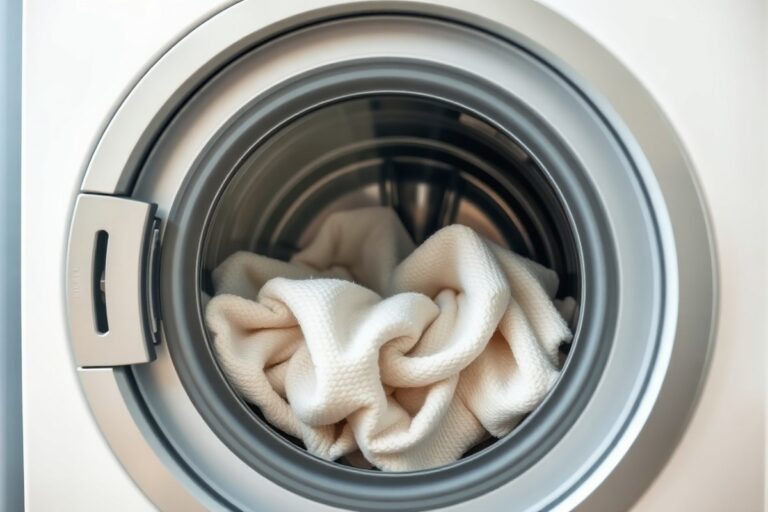
How Do You Clean a Goose Down Comforter: Safe Steps and Expert Tips
You clean a goose down comforter by washing it gently with a mild detergent, then drying it thoroughly to prevent clumping or damage. Use a front-loading machine or hand wash with care, making sure the comforter is completely dry before storing or using it again. Proper drying often takes 3-6 hours and includes regular fluffing to keep the filling evenly distributed.
This advice helps homeowners or renters who want to maintain their goose down comforter safely. You’ll learn the best cleaning methods, what supplies you need, and how to avoid common mistakes that could ruin your bedding.
Key Takeaways
- Wash your goose down comforter every 2 to 5 years to keep it fresh and functional.
- Use a mild detergent designed for down or delicate fabrics to avoid damaging the feathers.
- Pre-treat stains with gentle spot cleaning before washing to protect the down filling.
- Choose a large front-loading machine or hand wash using cool to lukewarm water for best results.
- Air dry outside for 2 hours on a breezy day before machine drying to speed up drying time.
- Dry the comforter on low heat, removing it every 30 minutes to fluff and redistribute the down.
How to Clean a Goose Down Comforter Without Damage

Cleaning a goose down comforter at home without damage requires careful handling and the right machine settings to protect the delicate down filling. Using a large-capacity, front-loading washing machine or a high-efficiency top loader without an agitator helps avoid excessive twisting or compression, which can harm the loft. Mild detergent specifically formulated for down or gentle detergents without bleach or fabric softeners are safe choices that won’t strip natural oils off the down clusters. Hand washing is an option if you don’t have access to the proper machine, but it tends to be more time-consuming and less effective at thorough rinsing. Follow these steps to wash your goose down comforter safely while preserving its fluffiness and warmth:
- Check the Care Label: Confirm your comforter is designed for water washing. Some are dry clean only; avoid home washing if the label prohibits it.
- Use a Large-Capacity Machine: Place your comforter in a large front-loading or high-efficiency top-loader. The comforter needs room to move freely for even washing and rinsing.
- Add Mild Detergent: Use a gentle detergent made for down or delicate fabrics. Avoid bleach and fabric softeners, which can damage the down filling.
- Wash on Delicate Cycle: Select a gentle or delicate wash cycle with warm water, typically around 90°F to 110°F. Use a slow or medium spin speed to reduce stress on the fabric and filling.
- Rinse Thoroughly: Run an extra rinse cycle if possible to remove all detergent residue. Detergent left inside can cause down to clump or lose loft.
- Remove Immediately: Take the comforter out of the machine right after washing to prevent mildew or odors from setting in.
- Dry With Care: Use low heat in the dryer along with dryer balls or clean tennis balls to separate clumps and bring back the fluff. High temperatures can cause damage or burn the down filling.
The cost mostly comes down to detergent and electricity, with some machines at laundromats charging around $4, $6 per wash and dry cycle. Properly cleaned comforters will look fluffy, evenly filled, and smell fresh, while poor cleaning can lead to clumps, loss of loft, or lingering odors. Regular cleaning every 2 to 3 years keeps your comforter fresh while limiting wear. Strongly consider professional cleaning for comforters that are very dirty or aged to prevent permanent harm.
What Supplies You Need to Clean a Down Comforter at Home

To clean a goose down comforter at home, gather supplies that support gentle washing and proper drying without damaging the delicate feathers or outer fabric. Choose a mild detergent designed specifically for down or delicate fabrics to avoid stripping natural oils that keep the down fluffy and insulated. Avoid harsh laundry detergents and fabric softeners, as these can harm the down filling.
Spot treatment is important for localized stains. Use lukewarm water mixed with a mild detergent for light stains, and white vinegar diluted with water for tougher spots. Have clean white cloths or soft sponges on hand for blotting these areas without rubbing vigorously, which could damage the fabric.
Washing a goose down comforter ideally requires a large-capacity washing machine, either front-loading or top-loading with no central agitator to reduce wear. Use cold or lukewarm water settings, not hot, to prevent shrinkage and maintain filling loft. A slow spin cycle helps remove moisture gently without rough agitation.
Drying gear is equally important. A large-capacity dryer is recommended to allow ample space for the comforter to tumble freely, promoting even drying and fluffing. Use dryer balls or clean tennis balls inside the dryer to break up clumps and restore the comforter’s loft over 3 to 6 hours of drying time. Alternatively, an outdoor clothesline on a breezy day can provide an initial air-dry phase before tumbling.
- Mild detergent made for down or delicate fabrics
- Lukewarm water for spot cleaning and washing
- Diluted white vinegar for tough stains
- Large-capacity washing machine (front- or top-loading without agitator)
- Large-capacity dryer and dryer balls or tennis balls
- Soft white cloths or sponges for blotting
- Optional outdoor clothesline space for air drying
Never use bleach on a down comforter, as it can severely damage the down clusters and fabric.
Ensure your comforter’s care label is checked before using any products or equipment, since some comforters require professional dry cleaning due to their fabric or fill construction. With these supplies ready and proper technique, you’ll maintain the comforter’s insulating quality and softness while extending its life.
Pre-Treatment and Spot Cleaning for Stains
To clean stains safely on a goose down comforter, act quickly with gentle spot treatment using a down-safe detergent. Avoid harsh chemicals and vigorous rubbing to prevent damage to the delicate fabric and filling. Proper pre-treatment prepares the stain for thorough cleaning while preserving the comforter’s loft and softness.
Identifying Different Stain Types
Knowing the kind of stain you’re dealing with helps choose the right treatment and avoid spreading or setting the stain. Organic stains such as food, sweat, or body oils respond well to mild detergents designed for down or delicate fabrics. Oil-based stains like grease require careful handling since harsh solvents can ruin the down filling.
For darker stains like blood or wine, cold water works best to prevent setting, while dirt or mud stains benefit from a quick dry brush before any liquid treatment. Identifying the stain type upfront limits how much cleaning product you use and reduces the risk of damage, preserving your comforter’s integrity.
Choosing Suitable Stain Removers
Select cleaners formulated specifically for down or delicate textiles to protect the goose feathers and fabric shell. Standard stain removers may contain bleach or enzymes that break down down fibers or cause clumping inside the comforter. A gentle, down-safe detergent or mild soap in a diluted solution is often effective for spot treating most stains.
Avoid full-strength stain removers and only apply a small amount to the stain area with a spray or soft cloth. Removing dirt or stains by blotting gently prevents pushing the stain deeper or damaging the down filling. Look for products labeled hypoallergenic or suitable for wool or silk, which tend to share cleaning sensitivities with down.
Pre-Soaking and Gentle Rubbing Techniques
Pre-soaking stubborn stains can loosen grime without aggressive scrubbing. Use cool water and a down-safe detergent to soak only the stained spot, never the entire comforter, to avoid saturating the feathers prematurely. Gently pressing or dabbing with a soft cloth helps release stains without harming the down.
After soaking, rinse the area lightly with cold water and blot dry with a clean towel to lift detergent and loosened dirt. Avoid wringing or twisting as this compresses and damages the down clusters. Proper spotting makes machine or hand washing more effective while safeguarding your comforter’s loft.
- Remove the duvet cover and examine the comforter for visible stains.
- Classify the stain type: organic (food, sweat), oil-based, or other (blood, dirt).
- Select a gentle, down-safe detergent or mild soap for spot treatment.
- Dampen a clean white cloth with a diluted detergent solution (1 teaspoon detergent per cup of cool water).
- Apply the solution by dabbing the stained area gently without rubbing.
- Pre-soak tough stains by placing a small towel soaked with the solution over the spot for 10 to 15 minutes.
- Rinse the spot carefully with cool water, avoiding saturating the entire comforter.
- Blot dry with a clean towel and let the area air dry before proceeding to wash.
Step-By-Step Washing Instructions: Machine and Hand Washing
You can clean a goose down comforter using either a machine or by hand, but both methods require careful attention to temperature, detergent, and cycle settings to avoid damaging the delicate down feathers. Machine washing works well if you have a large front-loading washer with a gentle cycle, while hand washing is a safer, slower method that puts less stress on the material. Warm water around 86°F to 104°F (30°C to 40°C) is best, as it cleans effectively without harming the down.
Machine Washing Process and Settings
Use a large front-loading washing machine to give your comforter enough space to move without compressing the down too much. Avoid top-loading machines with agitators as they can tear the baffle stitching. Select the delicate or gentle cycle and use an enzyme-free, pH neutral liquid detergent designed for down or delicate fabrics.
- Check the care label to confirm machine washing is permitted.
- Load the comforter loosely into the washer to prevent overcrowding.
- Add a small amount of gentle, down-safe detergent according to the product instructions.
- Set the water temperature between 86°F and 104°F (30°C to 40°C).
- Choose the gentle or delicate cycle with extra rinse options (2-3 rinses).
- Start the wash and pause before the spin cycle to gently squeeze out excess water by hand.
- Resume the spin cycle at a high spin speed to extract water without damaging the feathers.
- Remove the comforter promptly to prevent mold or mildew.
This process minimizes mechanical stress on stitching and ensures detergent and dirt are fully rinsed out, preventing residue that can clump the down.
Hand Washing Steps and Tips
Hand washing offers more control and is recommended if the care label forbids machine washing or if your washer is small. Plan to dedicate time and space for submerging the comforter in warm water and rinsing thoroughly to keep the down fluffy.
- Fill a large tub or bathtub with warm water between 86°F and 104°F (30°C to 40°C).
- Add a small amount of enzyme-free, pH neutral detergent and mix it into the water.
- Submerge the comforter fully and gently press it down to soak completely.
- Gently agitate the comforter by hand to loosen dirt without rubbing or wringing.
- Drain the soapy water and refill with clean warm water for rinsing.
- Repeat rinsing 2 to 3 times until no detergent remains, checking by feeling for slickness.
- Press out excess water carefully without wringing to avoid damaging the down clusters.
Hand washing takes longer but reduces wear on the comforter and is the safest option for delicate or vintage down comforters.
Water Temperature and Spin Speed Guidelines
Maintaining the right water temperature is critical. Water between 86°F and 104°F (30°C to 40°C) cleans oils and dirt effectively but won’t shrink or damage the down. Hotter water risks shrinking fabric or breaking down keratin proteins found in the down clusters.
For spin speed, use a high speed suitable for your washing machine but expect to pause and manually squeeze out excess water before the spin cycle when machine washing. High-speed spinning removes more water and shortens drying time, but too rapid a spin without partial hand squeezing can stress the stitching or compress the down excessively.
Extra rinse cycles (two to three) ensure all detergent is removed, which is important because leftover soap can cause clumping or attract dust and oils into the down. Adjust rinse settings accordingly to your machine’s features.
How to Dry a Goose Down Comforter Safely and Effectively
Dry your goose down comforter on low heat using dryer balls and pause frequently to fluff. This method prevents clumping, preserves the loft, and stops mildew by ensuring thorough drying. The process takes about 2 to 4 hours, depending on comforter size and dryer efficiency.
Using a Dryer with Low Heat
Set your dryer to the lowest heat setting, ideally below 125°F (about 52°C), or use the “air fluff” option if available. High heat can damage the natural oils in the down and scorch the fabric, leading to reduced loft and a dry feel. Adding 2 to 3 clean wool or tennis balls helps separate clumps and restores fluffiness by bouncing around the comforter as it dries.
Expect the drying time to take between 2 and 4 hours with breaks for fluffing. Avoid overloading the dryer; a cramped drum leads to uneven drying and persistent clumps. You want plenty of space for the comforter to tumble freely.
Warning: Using high heat may shrink your cover or damage the down, which is costly and difficult to fix.
Pause and Fluff Schedule Every 30 Minutes
Stop the dryer every 30 minutes to take out the comforter and gently shake or fluff it. This step breaks up down clumps and redistributes the filling evenly, preserving the loft. Skipping this can leave dense areas that don’t dry properly, causing mildew and musty odors later.
Repeat this fluffing process throughout the drying cycle, which typically lasts 2 to 4 hours. Check the comforter carefully for dampness at the core; incomplete drying is the main cause of mildew.
- Place the comforter in the dryer with 2-3 clean dryer balls or tennis balls.
- Choose the dryer setting for low heat or air fluff.
- Start the drying cycle.
- After 30 minutes, stop the dryer and remove the comforter.
- Shake and fluff the comforter thoroughly to break up clumps.
- Return it to the dryer and restart the cycle.
- Repeat this every 30 minutes until the comforter is completely dry inside and out.
- Ensure no damp spots remain before storing or making your bed.
Can and How to Air Dry Safely
You can air dry a goose down comforter safely if you have a well-ventilated, dry, and sunny space. Lay the comforter flat on a clean surface or spread it over a drying rack. Avoid hanging it directly by the corners, as this can cause the down to clump and sag.
Air drying takes much longer, anywhere from 4 to 12 hours or more, and requires you to manually fluff and reposition the comforter frequently to maintain even drying and prevent mildew. In humid climates, folding back the comforter for 15 minutes before bed helps release trapped moisture and heat.
Tip: Avoid line-drying outdoors if the air is damp or rainy, as down absorbs moisture easily and risks mildew.
Maintaining Your Goose Down Comforter Between Washes
Freshening your goose down comforter between washes helps maintain its loft and hygiene while reducing the need for frequent full cleanings. Airing it out regularly is one of the best ways to refresh your comforter. Take it outside on a dry, sunny day and hang it or lay it flat for a few hours to let moisture evaporate and natural odors dissipate. Avoid direct sunlight for longer than a couple of hours since extended UV exposure can weaken down fibers. Airing your comforter every 1 to 2 weeks during the warmer months helps maintain freshness and prevents mustiness.
Fluffing the comforter daily also preserves loft and comfort. Give the comforter a good shake or pat along its length to redistribute the fill evenly and prevent clumping. You can also put it in the dryer on a low or no-heat setting with clean tennis balls or dryer balls for 10 to 15 minutes. This revitalizes the down without damaging it. Fluffing keeps the insulation effective and the comforter looking full.
Seasonal changes offer natural opportunities for maintenance. In spring and fall, airing your down comforter outdoors is ideal since moderate temperatures allow moisture to clear out without risk of dampness. Store the comforter clean and completely dry before packing it away for summer storage. Use a breathable cotton bag or a large pillowcase to avoid trapping moisture and allow air circulation. Avoid plastic bags since they can cause mildew and damage down over time.
The frequency of washing your down comforter affects its lifespan. Overwashing removes natural oils from the down clusters, reducing fluffiness and insulation. Most people wash their comforter every 1 to 3 years, depending on use and exposure to allergens or stains. Keeping up with spot cleaning and routine airing extends this interval safely. Spot clean spills immediately with a gentle detergent and cold water, then blot rather than rub to avoid damaging the fabric and fill.
After washing, proper storage is important. Ensure your comforter is thoroughly dry before storing it to prevent mold and odor. Store it loosely in a dry, cool area away from direct sunlight and humidity. Avoid compressing it tightly as this decreases loft and stresses the fill material. Instead, loosely fold or roll the comforter and place it in a breathable storage container. This care preserves the loft and heat retention for years.
Using a duvet cover can drastically reduce the need for frequent washing. The cover protects the down comforter from dirt, stains, and body oils. Wash the duvet cover regularly, every few weeks, or as needed, depending on use. This simple step can keep your comforter looking newer and smelling fresher longer, saving time and energy while extending its useful lifespan.
Common Washing and Drying Mistakes to Avoid
Many mistakes can damage goose down comforters during cleaning, mainly due to moisture, heat, and agitation. Washing with harsh detergents or high heat can strip natural oils from the down, making it less fluffy and more prone to clumping. Overloading the washing machine leads to uneven cleaning and potential fabric tears. Using hot water or a high dryer setting risks shrinking or weakening the shell fabric. Skipping the drying step or not fluffing the comforter properly often results in down clumps, which trap moisture and cause a musty smell.
After washing your comforter, dry it thoroughly on a low heat setting using a handful of clean tennis balls or dryer balls. These balls tumble with the comforter, breaking up down clusters and distributing the filling evenly. Frequently check the comforter during drying and gently separate any clumps as it nears dryness. Ensuring the comforter is completely dry stops clumping and odors, so be patient to achieve the best result.
- Wash the comforter alone on a gentle cycle to avoid fabric damage
- Use a mild, down-specific detergent to protect feathers and oils
- Avoid hot water; use cold or warm water to prevent shrinking and fabric damage
- Add 3-4 clean tennis balls or dryer balls during drying to prevent clumping
- Dry completely on low heat, checking and fluffing every 30 minutes
- Store in a breathable cotton bag to prevent moisture buildup and odors
- Consider professional cleaning for large or heavily soiled comforters, especially if the care label says dry clean only
To stop your comforter from smelling after washing, ensure it’s fully dry before storing. Any dampness trapped inside causes mildew and odors. Proper ventilation during drying and storing in a dry, breathable environment helps. Avoid fabric softeners or heavy fragrances during washing, as they can leave residues that trap odors. Finally, consider using a fabric freshener made for down bedding if needed, but only on fully dry comforters.
When to Choose Professional Cleaning for Your Down Comforter
Professional cleaning is a smart choice when your goose down comforter has stubborn stains, serious odors, or damage that home washing might worsen. You should consider professional cleaning if the care label explicitly warns against machine or hand washing, or if your comforter is very large and won’t fit well in your home washer. Also, if you’ve tried spot treatments without success, or if the down feels clumped or soggy after washing, expert handling can restore loft and cleanliness more safely.
Professional cleaning uses specialized machines and detergents tailored for down products, along with controlled drying methods that prevent clumping and maintain the insulating properties of the feathers. These services often include inspection for repairs like patching small tears and re-fluffing the down, which home methods generally can’t provide. Technicians avoid bleach and harsh chemicals, preserving fabric and filling quality while eliminating odors and deep stains.
The cost depends on location and service quality but typically ranges between $30 and $60 for a standard-sized comforter. Larger or luxury items, such as those with silk covers or added stitching details, may cost more. Many cleaners offer turnaround times from 2 to 7 days. Expect an additional fee for faster service. Choosing a cleaner experienced with down is important to avoid shrinking, damage, or loss of softness.
Deciding between home and professional cleaning comes down to risk and convenience. Your comforter can be cleaned at home to save money and reduce fabric wear when it is relatively new, lightly soiled, and the washing instructions permit. On the other hand, professional cleaning is worthwhile when you want a thorough refresh or your attempts at home care haven’t worked. The investment can extend the lifespan and comfort of your down bedding.
Always check the comforter’s care tag for cleaning recommendations and avoid bleach or harsh chemicals, which can damage the down and fabric.
Step-by-Step Action Plan for Cleaning Your Goose Down Comforter
Follow this plan to clean your down comforter safely and keep it fluffy and fresh.
- Before you start: Gather gentle detergent, stain remover, and clean tennis balls or dryer balls.
- Pre-treatment phase: Spot clean stains using a mild stain remover and a clean cloth; check that the stain lightens or disappears before washing.
- Washing day: Use a front-loading washing machine with cold water and gentle cycle or hand wash in a bathtub; confirm the comforter moves freely and doesn’t clump in the water.
- After washing: Run an extra rinse cycle to remove detergent residue; ensure no suds remain in the water.
- Drying phase: Tumble dry on low heat with dryer balls for several cycles, checking every 30 minutes to fluff the down and prevent clumps.
- Post-drying check: Feel the comforter for damp spots or clumps; if found, continue drying in short intervals until evenly dry.
- Maintenance: Air out the comforter in a dry, shaded area every few weeks to keep it fresh without washing.
- If any damage occurs: Consider professional cleaning for delicate or heavily soiled comforters to avoid ruining the down or fabric.
Frequently Asked Questions
How Often Should I Clean My Goose Down Comforter?
Clean your goose down comforter every 2 to 5 years, or sooner if it looks dirty. Regular cleaning helps maintain its quality and extend its lifespan.
Can I Use Regular Detergent to Wash My Down Comforter?
Use a mild detergent designed for delicate fabrics; harsh detergents can damage the down feathers. Avoid bleach and fabric softeners to keep the filling fluffy.
Is It Necessary to Dry My Down Comforter Completely After Washing?
Yes, thoroughly drying prevents mold and clumping of the down; use low heat and toss in dryer balls for even drying.
What Temperature Should I Use to Wash My Goose Down Comforter?
Use cold or warm water on a gentle wash setting to clean your goose down comforter, as hot water can damage both the down filling and the fabric cover.
Can I Spot Clean My Down Comforter Instead of Washing It Fully?
Spot cleaning works well for small stains between washes; use a mild detergent and gently blot the area.
How Do I Know If My Comforter Can Be Machine Washed at Home?
Check the care label for washing instructions; only clean at home if it allows water and machine tumbling.
Before You Go
Cleaning your goose down comforter yourself can keep it fresh and comfortable without risking damage. Start by spot treatment and carefully follow washing and drying steps. Check your comforter thoroughly after drying to maintain loft. Your next action is to locate a mild detergent made for down or delicate fabrics before your first clean.