Can Shoes Be Washed in the Washer? A Complete Guide with Safe Steps
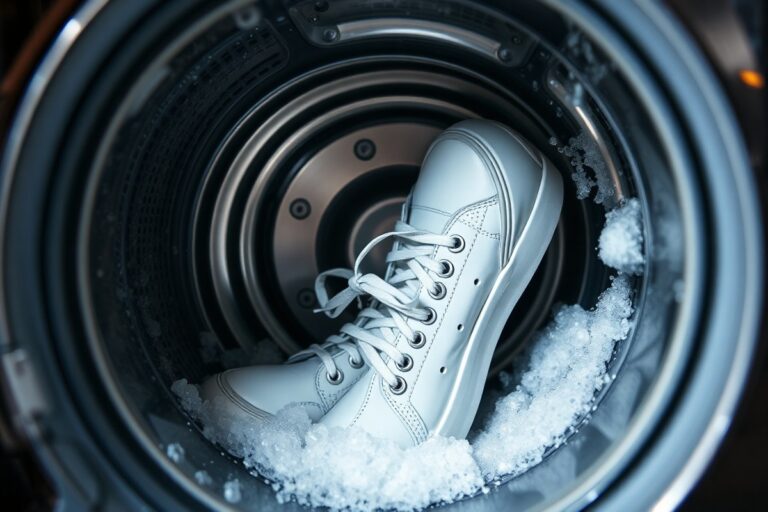
You can wash many shoes safely in the washing machine if you follow the right steps for preparation, machine settings, and drying. Avoid hot water to prevent damage, and never wash shoes made of delicate materials like leather or suede in the machine.
This guide is for anyone wanting to clean shoes efficiently using a washer without risking permanent harm. It covers which shoes to avoid washing in machines, how to prepare them, machine settings, drying tips, and care for laces and insoles.
Key Takeaways
- Do not machine wash shoes made from leather, suede, or those with glued parts that may loosen in water.
- Remove laces and insoles before washing to clean them separately and protect the shoe’s interior.
- Use cold water or a 30-degree Celsius cycle to prevent shrinking, fading, or material warping.
- Place shoes in a laundry bag or pillowcase to protect both shoes and the washing machine during the cycle.
- Air dry shoes for at least 24 hours after washing; avoid dryers that can damage shape and glue.
- Soak laces separately for 15 minutes to loosen dirt, then rinse and air dry.
Can Shoes Be Safely Washed in the Washing Machine?

Many shoes can be safely washed in the washing machine, but this depends heavily on the material and construction. Canvas sneakers, mesh athletic shoes, and those made from synthetic fabrics like nylon and polyester generally tolerate machine washing well. These materials resist damage from water and the washing cycle’s agitation, making your washing machine a convenient option to clean them. However, shoes made from leather, suede, or those with delicate embellishments should never go in the washer. Machine washing can cause permanent damage such as warping, shrinking, color loss, or material breakdown for these products.
Here is a simple way to determine if your shoes are safe for machine washing: canvas and mesh shoes are usually safe, while leather, suede, and heavily decorated shoes are not. Athletic shoes without leather parts typically wash well, but if they include any leather panels, avoid machine cleaning. Rubber components can handle washing but usually don’t require it since they clean easily by hand.
Machine washing carries risks beyond shoe damage. The washer’s drum can be harmed by hard sole edges banging around, causing noise and potential damage to the appliance. To reduce this risk, place your shoes in a wash bag or pillowcase and add towels to cushion impacts. Washing at a gentle cycle and low temperature (around 30°C or 86°F) also helps protect the shoes. Avoid high spin speeds to prevent deformation.
Research from the Shoe and Footwear Research Institute found that more than 60% of shoes show some form of material damage after machine washing. Typical problems include glue loosening, color fading, fabric stretching, or loss of shape. Even shoes suitable for machine washing need careful prep and gentle treatment. Remove insoles and laces for separate cleaning and avoid strong detergents or bleach. Always let shoes air dry after washing to prevent heat damage to materials and adhesives.
Knowing what to expect can help you decide whether to machine wash. Canvas sneakers, mesh trainers, and synthetic-athletic shoes become cleaner quickly and require minimal effort when machine washed. In contrast, leather and suede lose their structure and finish, so use specialized cleaning methods for them. Protect both your shoes and washing machine by using covers designed for shoe washing and selecting the gentlest wash cycle and temperature guidelines advised by the shoe maker for machine-washable shoes.
Which Shoes and Materials Should Never Go in the Washer?

Some shoes should never go in the washing machine because their materials cannot handle water, heat, or agitation without damage. Leather and suede shoes, for example, are both prone to cracking, fading, and warping when machine washed. The water and spinning motion can strip away natural oils and cause the materials to stiffen or peel. This leads to irreversible harm that hand cleaning methods can avoid.
Besides leather and suede, look out for shoes made of delicate fabrics such as satin, silk, or those with embellishments like beads, sequins, or glued-on decorations. Machine washing risks loosening adhesives and damaging the surface details. Rubber and vinyl shoes with hard soles are generally not recommended for machine cleaning either, since the harsh mechanical action can weaken the structure and finish. To identify shoes too delicate for the washer, check the manufacturer’s care label if available. Avoid machine washing if your shoes have:
- Genuine leather or suede uppers
- Delicate or natural fabrics like silk or satin
- Beading, jewels, or glued embellishments
- Hard or rigid soles prone to cracking
- Signs warning against water exposure or machine washing
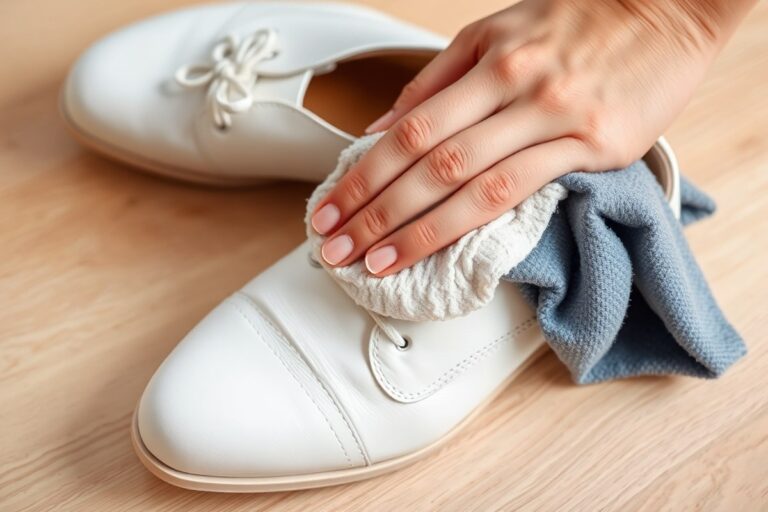
When the shoes fall into these categories, opt for hand-cleaning instead. Use a soft brush or cloth with mild soap and cold water to gently clean the surface. For suede, use a specialty suede brush and cleaner to restore texture without saturation. Dry naturally at room temperature, never with direct heat or sunlight, which can further damage delicate materials. These methods take more time and care but help maintain the shoe’s appearance and lifespan.
Attempting to wash leather or suede shoes in a washing machine usually leads to permanent damage; always choose hand cleaning techniques for these materials.
Investing a little effort in hand cleaning delicate shoes can prevent costly replacements and preserve their look. Professional shoe cleaning services are also a good option if the shoes are expensive or have complex construction that delicate hand cleaning cannot handle safely. This approach keeps fragile shoes in good condition without risking the damage machine washing causes.
How to Prepare Shoes Before Putting Them in the Washer
Preparing shoes before machine washing involves removing detachable parts, cleaning off excess dirt, treating stains in advance, and protecting the shoes during the wash cycle. Taking these steps prevents damage to both your shoes and the washing machine, helping your shoes come out clean and maintaining their shape and color.
Removing Laces and Insoles Safely
Remove the laces and insoles before putting shoes in the washing machine. Laces collect dirt around eyelets and can tangle or snag inside the machine. Insoles often contain cushioning materials that may degrade or deform in a machine wash. Separating these parts avoids damage and ensures a more thorough cleaning.
Delicately pulling out the insoles prevents tearing the shoe lining, while carefully unthreading the laces keeps them intact for laundering. You can place laces and insoles inside a mesh laundry bag or a pillowcase to keep them from getting lost or tangled in the washer.
Pretreating Stains and Dirt
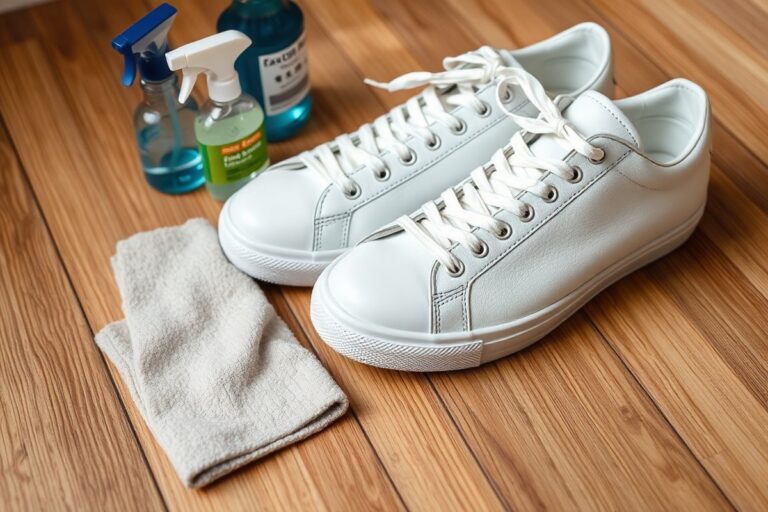
Start by brushing off loose dirt with a soft brush or an old toothbrush to get into crevices like eyelets and seams. This step prevents large dirt particles from clogging your washing machine or redepositing on your shoes.
For visible stains, apply a gentle stain remover or liquid detergent directly and let it sit for 10, 15 minutes before washing. This pretreatment helps break down stubborn grime, especially on white fabric or light-colored shoes, leading to better results. Avoid harsh chemicals that could damage or discolor the shoe material.
Protecting Shoes Inside the Washer
Place your shoes in a mesh laundry bag or wrap them in an old pillowcase to protect both the shoes and the washer drum from scratches and impacts. Including towels in the wash can cushion the shoes further and balance the load, reducing noise and preventing the shoes from banging around.
Separate laces and insoles by placing them in their own mesh bag or pillowcase. Also, washing shoes with cold water helps avoid color bleeding and glue damage. Avoid using hot water to prevent weakening the adhesive bonds and avoid deformation.
- Remove laces and insoles from your shoes carefully.
- Brush off loose dirt and debris from your shoes with an old toothbrush or a soft brush.
- Apply a gentle stain remover or liquid detergent to any stained or heavily soiled areas and let it sit 10, 15 minutes.
- Place shoes in a mesh laundry bag or wrap them in a pillowcase to protect them during washing.
- Put the laces and insoles in separate mesh bags or pillowcases.
- Add towels to the washing machine to cushion your shoes and balance the load.
- Wash the shoes on a gentle cycle using cold water to reduce risks of damage or color bleeding.
Best Washing Machine Settings for Cleaning Shoes
Use a gentle or delicate cycle with cold water and skip the spin cycle to clean shoes safely in the washer. Choose a mild liquid detergent, about one tablespoon diluted in warm water. Add a couple of towels to protect the shoes and balance the load.
Choosing the Correct Cycle and Temperature
When washing shoes, select the gentle or delicate cycle on your washing machine. This cycle uses slower agitation to reduce wear on the shoes’ materials and stitching. Avoid cycles with a spin function, as spinning can cause shoes to bang against the drum, leading to damage.
Cold water is best. Hot water can weaken glue bonds, shrink fabrics, and fade colors. Aim for about 30 degrees Celsius (86 degrees Fahrenheit) or lower, which cleans effectively without risking damage. Most canvas and athletic shoes handle cold water well.
| Washing Machine Setting | Water Temperature | Spin Cycle | Why |
|---|---|---|---|
| Gentle/Delicate | Cold (≈30°C/86°F) | No spin | Minimizes agitation and protects materials and glue |
| Normal | Cold | Optional | Faster washing but increases risk of damage |
| Warm or Hot | >104°F (40°C) | Usually yes | Damages glue, causes shrinkage and color fading |
Picking the right cycle and temperature keeps your shoes intact while cleaning. Skipping the spin cycle prevents banging against the machine, and cold water preserves adhesives and fabric colors.
Selecting the Right Detergent
Use about one tablespoon of liquid laundry detergent per small to medium wash bowl of warm water to pre-treat shoe stains or clean laces. For machine washing, add detergent according to your washer’s guidelines but avoid heavy amounts that leave residues.
Mild detergents designed for delicate fabrics work best. Avoid bleach or harsh chemicals that can weaken shoe materials. ARM & HAMMER™ laundry detergents are noted to be suitable for cleaning water-washable shoes and laces.
Washing laces separately by hand in warm water with detergent protects them better and stops tangling when washed in the machine. You can place laces in a mesh bag and wash them with cold water on a normal cycle alongside other laundry.
Loading the Washer with Shoes Safely
Put your shoes in a mesh laundry bag or pillowcase to shield both the shoes and the washer drum. Including two or more towels, rags, or sheets helps cushion the shoes and keeps the load balanced. This setup cuts down noise and stops the shoes from striking the drum hard.
Leave enough room in the drum so shoes and added padding can move freely during the cycle. Overcrowding causes inadequate cleaning and increases wear on your shoes. Balance the load by mixing shoes with laundry items of similar weight and fabric types washed in cold water.
Do not wash too many pairs at once. One or two pairs per load ensures thorough cleaning and less internal damage. After washing, avoid the dryer for drying, as heat can cause glue failure and shrinkage.
How to Dry Shoes After Machine Washing
After washing shoes in a machine, avoid using a dryer because heat and tumbling can damage the materials and alter the shape. Instead, air drying with supports inside the shoes helps maintain shape and speeds moisture removal. Proper drying protects your shoes from warping, glue failure, and deterioration.
Why Avoid the Dryer for Most Shoes
Dryers expose shoes to high heat and constant movement, which often distorts their shape and weakens adhesives holding them together. These effects reduce the lifespan of your shoes, especially for those made with glued parts or sensitive fabrics. Even low-heat settings can cause permanent damage and material degradation.
Avoiding the dryer also prevents the material from shrinking or becoming stiff. For example, sneaker uppers made from mesh or knit fabrics can lose flexibility if dried by tumbling heat. Air drying is a gentler option that preserves both appearance and fit.
Effective Air Drying Techniques
Air drying is the safest and most effective way to dry shoes after they come out of the washing machine. It involves drying them at room temperature, away from direct sunlight or strong heat sources, which could fade or crack materials. Using absorbent materials inside the shoes accelerates drying while maintaining shape. Follow these steps to air dry your shoes properly:
- Remove the insoles and laces and let them air dry separately.
- Gently squeeze excess water from the shoes without wringing.
- Stuff each shoe firmly with crumpled newspaper or paper towels to absorb moisture and keep form.
- Place the shoes on a rack or a raised surface in a well-ventilated room indoors.
- Replace the newspaper every few hours until the shoes feel dry inside, usually within 24 hours.
- Check daily to monitor drying progress and avoid leaving stuffing in shoes after drying.
Direct sunlight dries shoes too quickly, causing fading and material shrinkage; always air dry in the shade or indoors.
Using Inserts and Supports During Drying
Inserts like shoe trees or wadded paper keep shoes from collapsing as they dry. Shoe trees are especially useful for leather or dress shoes that rely on a structured shape. For casual sneakers and athletic shoes, firmly stuffed newspaper serves the same purpose.
Shoe trees also help maintain arch and heel shape, which prevents creasing and cracking. Using these supports can extend how well your shoes maintain their fit and comfort after washing. Avoid overstuffing, which can stretch the shoe material.
For quicker drying, a fan set on low can help circulate air around the shoes. Avoid using a heater or hairdryer, as direct heat poses the same risks as machine drying.
How to Wash and Care for Shoe Laces and Insoles
Shoe laces can generally be washed in the washing machine without issues, especially if you place them inside a mesh laundry bag to prevent tangling or getting stuck in the machine. Use a gentle cycle with cold or warm water to avoid shrinking or weakening the fibers. Avoid using bleach or harsh detergents that might degrade the lace material.
Cleaning insoles requires a gentler approach since they can absorb water and take longer to dry, which may lead to odor or damage. Most insoles should be hand washed to maintain their shape and cushioning. Soak them in a mixture of warm water and mild detergent for about 10 to 15 minutes. Use a soft brush or cloth to scrub away dirt, then rinse thoroughly with clean water.
Proper drying of laces and insoles is important to retain their usability and prevent mold or odor buildup. Avoid direct heat or machine drying, which can warp insoles or melt synthetic laces. Instead, lay laces flat on a towel or hang them up to air dry. For insoles, place them in a well-ventilated area at room temperature, allowing at least 12 hours for complete drying.
- Hand washing insoles: soak 10-15 minutes in warm water with mild detergent, scrub gently, rinse well
- Machine washing laces: use a mesh laundry bag, gentle cycle, cold or warm water
- Avoid bleach or strong detergents on both laces and insoles
- Air dry laces flat or hung up, avoiding direct sunlight
- Dry insoles at room temperature in a ventilated space for at least 12 hours
- Do not machine dry insoles or laces to prevent warping or damage
Spot cleaning laces or insoles may be enough if they are only lightly soiled. Dab a cloth with mild soap and water to target stains, then rinse with a clean damp cloth. Regular care like this can extend the life of your shoe accessories without repeated full washings.
Common Mistakes and How to Avoid Them When Washing Shoes
Using hot water or harsh detergents on shoes in your washing machine can cause significant damage. Hot water tends to weaken the adhesives holding shoes together, leading to soles or fabric separating. It can also warp the shape of your shoes and cause colors to run or fade. Harsh detergents might strip away dyes and damage delicate materials like mesh or leather.
Another frequent mistake is overloading the washing machine and not securing the shoes properly. Without enough cushioning, shoes bounce against the drum, causing scuffs or tears and potentially damaging the machine itself. Overloading reduces cleaning effectiveness and may increase wear on both items. You can prevent this by adding towels or similar soft items to the wash to keep shoes stable and protect the machine.
Many people use the dryer to speed up shoe drying, but this often causes more harm than good. The high heat and tumbling action can warp shoes and degrade glues, sometimes ruining both your shoes and your dryer. Air drying shoes at room temperature on a ventilated surface is safer and preserves their shape and materials.
- Avoid hot water; stick to cold or lukewarm settings to protect adhesives and colors.
- Use mild liquid detergents or natural detergents designed for delicate fabrics.
- Place shoes in a pillowcase or mesh laundry bag, and add towels to reduce impact.
- Do not overload the washer; keep the load moderate for best results.
- Skip the dryer; let shoes air dry naturally, ideally at room temperature.
- Check shoes for damage like sole separation, fabric tears, or color fading after washing.
- Rescue shoes with minor damage by applying fabric glue to loose parts or spot-cleaning to restore appearance.
Common signs of shoe damage after machine washing include sole detachment, fabric shrinking, fading, or cracking in synthetic areas. If you notice these issues early, repair steps like applying a specialized shoe adhesive can extend the life of your shoes. For color bleeding, rewash each shoe separately with cold water and minimal detergent to limit further transfer.
Keeping these points in mind ensures you maintain the condition of your shoes and avoid costly replacements. Handling shoes gently throughout the process minimizes risks, while proper troubleshooting after a mistake can save your favorite pairs from permanent damage.
When to Choose Professional Shoe Cleaning Services Instead
Cleaning certain shoes at home using a washing machine risks damaging materials that require special care. High-value shoes made from leather, suede, or intricate detailing should be handled by professionals. These shoes often have delicate adhesives and finishes that water and agitation can ruin. Professional shoe cleaning services use specialized products and equipment that remove dirt and stains without compromising the shoe’s structure or appearance.
Benefits of professional cleaning include preserving the shoe’s lifespan, restoring color vibrancy, and maintaining proper fit. Experts can address odor, deep stains, and material degradation safely, which typical home methods can’t always achieve. Many services also offer conditioning and protection treatments after cleaning, which help shoes weather wear and moisture better. Decide against machine washing your shoes if any of these apply:
- The shoes contain leather, suede, or nubuck materials.
- They have glued components prone to loosening with water or heat.
- They hold sentimental or high monetary value.
- Home cleaning attempts have left stains or damage.
- Instructions on the shoe’s care label recommend professional cleaning.
Selecting a reliable shoe cleaning service involves researching options locally or online. Look for companies with clear customer reviews that mention safety and effective results on similar shoe types. Confirm that the service uses gentle cleaners and drying techniques appropriate for your shoe’s material. Ask whether they provide a warranty or satisfaction guarantee. Cost varies widely based on shoe type and cleaning complexity but expect to pay between $20 and $50 per pair, and more for luxury brands or specialized restoration.
Avoid trusting quick, cheap cleaning offers, damaged shoes cost more to fix than to clean properly.
Start by listing shoe cleaners in your area, then call to discuss your shoe model and condition before making an appointment. Request a written estimate and inquire about turnaround time, which is typically a few days to a week. Keep in mind that professional care may cost more upfront but can extend your shoes’ wearable life well beyond what machine washing can achieve.
Step-by-Step Action Plan for Washing Shoes in Your Machine
Follow this plan to safely clean your shoes in a washing machine without damaging them.
- Before you start: Remove the laces and insoles. Clean off loose dirt with a brush or cloth to prevent clogging your washer.
- Day 1: Check your shoes’ material to confirm they can go in the washer. Avoid leather, suede, or any shoes with glued components that water might weaken.
- Day 1: Use a mesh laundry bag or a pillowcase to hold your shoes, which keeps them safe and stops damage to your washing machine drum during the wash.
- Day 1: Use cold water and the gentle cycle on your washing machine. Add a small amount of mild detergent only, to avoid residue buildup inside shoes.
- Immediately after washing: Take shoes out and gently reshape them by stuffing with clean towels or paper to retain form while drying.
- Next 24 hours: Air-dry shoes away from direct heat or sunlight. Avoid machines or heaters that can warp soles or fade colors.
- After drying: Wash your shoe laces and insoles separately by hand or in a mesh bag in the same gentle machine cycle, then air-dry before reinserting.
- Ongoing care: Inspect shoes regularly for signs of damage from machine washing and switch to spot cleaning or professional services if deterioration appears.
Frequently Asked Questions
Can You Wash All Types of Sneakers in the Washing Machine?
Most fabric sneakers and running shoes can be washed in the machine, but avoid leather, suede, or embellished types to prevent damage. Always check the care label first.
How Do You Protect Shoes During a Washing Machine Cycle?
Place shoes in a mesh laundry bag and add towels to balance the load; this reduces impact and protects both the shoes and the washer.
Is It Okay to Wash Shoes in Cold or Warm Water?
Use cold water to preserve shoe materials and prevent shrinkage or colour fading during machine washing. Warm water can damage some fabrics.
Can Washing Shoes in the Machine Affect Their Fit or Shape?
Machine washing might alter the shape of delicate or structured shoes, so only machine wash those with flexible, fabric uppers to avoid misshaping.
Should You Remove Insoles Before Washing Shoes in the Washer?
Yes, removing insoles helps wash them separately and prevents waterlogging that can damage shoe support inside.
How Frequently Should You Wash Shoes in the Washing Machine?
Limit machine washing to when shoes are visibly dirty or smelly to avoid wear and tear from frequent cycles.
Key Points to Remember
Washing shoes in the machine can be safe if you pick the right pairs, prepare them properly, and follow careful washing and drying steps. Choose gentle settings and air-dry thoroughly to protect your shoes’ shape and materials. Start with your least valuable pair to practice the process, and keep an eye on how your shoes respond before trying this on more expensive or sensitive footwear.