How Does Dry Clean Work: A Complete Guide to Process, Solvents & Care
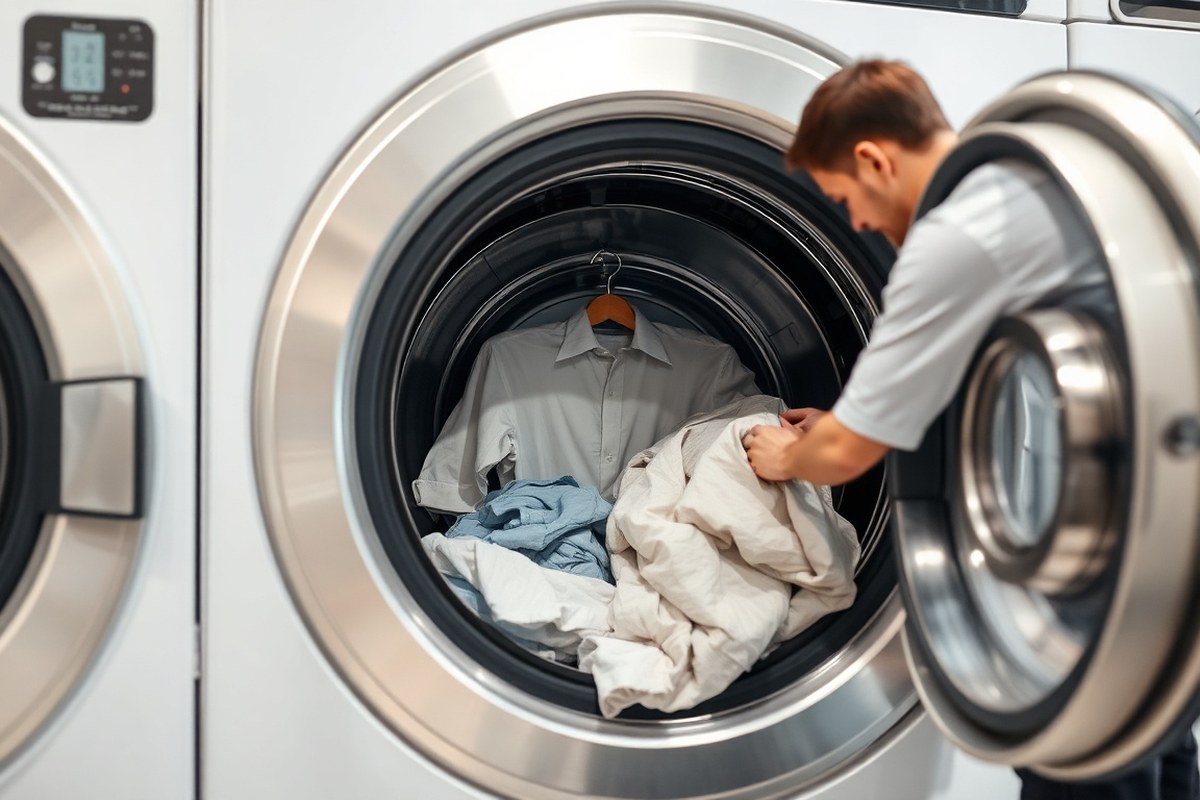
Dry cleaning works by using chemical solvents instead of water to remove stains and oils from fabrics, followed by a heating and drying process that refreshes clothes without damaging delicate materials. The garments are placed in a rotating drum where solvents dissolve dirt before the clothes are dried with warm air to eliminate germs. This method suits fabrics that water can harm or shrink, keeping them clean and crisp.
This explanation is for anyone curious about how dry clean works, whether you’re new to dry cleaning or want to understand the process, solvents involved, and garment care. You will learn the steps of cleaning, solvents used, timing, fabric choices, and how to maintain clothing with professional service.
Key Takeaways
- Dry cleaning typically uses perchloroethylene (perc), a solvent heavier than water, to dissolve oils and stains without wetting fabrics.
- Garments are cleaned inside a perforated stainless-steel drum holding up to 100 pounds, gently rotated to circulate solvent.
- After cleaning, clothes are dried with air heated between 140 and 160 degrees Fahrenheit, enough to kill bacteria and viruses.
- The entire dry cleaning process usually takes 24 to 48 hours for most regular items.
- Professional dry cleaning is best for fabrics labeled “dry clean only,” such as wool suits and silk dresses, to avoid damage.
- Modern dry cleaning systems recycle about 99.99% of solvents to reduce environmental impact and improve safety.
How Does Dry Cleaning Actually Work Step-by-Step
Dry cleaning cleans garments using a liquid solvent instead of water. The process includes inspecting clothes, treating stains, washing with solvent, drying, and finishing. Understanding each step helps you see why dry cleaning is recommended for delicate or structured fabrics.
Initial Garment Inspection and Tagging
The process begins with a careful inspection of each garment. Skilled workers look for stains, fabric type, and any damages. Each item is tagged with an identification number to keep track during cleaning. This step is essential because it helps staff decide what pretreatment a garment might need and ensures no item gets lost or mixed up.
Stain treatment follows the inspection. Spotting experts apply special solvents or chemicals directly to stains by hand. This targeted approach increases the chances of removing tough marks without damaging the fabric. Pretreatment may cost slightly more but helps avoid permanent stains.
Cleaning Cycle Using Solvent and Mechanical Action
Garments enter a specialized dry cleaning machine similar to a large front-loading washer. The cleaning uses a liquid solvent, commonly perchloroethylene (PERC), instead of water. The solvent dissolves oils and grease that water alone can’t remove. Mechanical action gently agitates clothes to help loosen dirt.
During a typical eight-minute cycle, about 200 gallons (757 liters) of solvent are circulated. The solvent is not heated but remains at room temperature, protecting delicate fabrics. After washing, the machine rinses clothes with fresh solvent from a clean tank to flush out remaining soil. The solvent is then extracted and filtered for reuse, reducing waste and cost.
Drying and Post-Cleaning Finishing
Once cleaning is complete, the machine extracts most solvent and dries the clothes with warm air below 140°F. This step removes solvent without shrinking or damaging garments. After drying, garments undergo a final inspection to catch any leftover stains or damage.
The finishing team then presses, steams, or repairs the clothes to restore their shape and appearance. Tailored jackets, pleats, or delicate fabrics receive specialized care to look crisp and fresh. Finally, each item is carefully packaged for pickup, ensuring it returns to you clean and ready to wear.
- Inspect garments and tag each item for identification.
- Treat stains with targeted solvent applications.
- Place garments in the machine and run the solvent cleaning cycle with mechanical agitation.
- Rinse clothes inside the machine with fresh solvent to remove residual dirt.
- Extract solvent and dry clothes with warm air.
- Perform a post-cleaning inspection for stains and damage.
- Press, steam, or repair garments as needed for finishing.
- Package each garment for customer pickup.
What Solvents Are Used and How They Clean Fabrics

Dry cleaning relies on liquid solvents to dissolve stains and dirt without water, protecting delicate fabrics. The most common solvent has been perchloroethylene (perc), but newer, eco-friendlier options like hydrocarbon solvents, silicone-based solvents, and liquid carbon dioxide provide alternatives with varying cleaning power and environmental impact.
Perchloroethylene (Perc): Traditional Solvent
Perchloroethylene, often called perc, is a colorless, nonflammable liquid widely used in dry cleaning since the mid-20th century. Its popularity stems from its strong ability to dissolve oils, greases, and many stains that water-based detergents cannot remove. Perc does not contain water, preventing shrinkage and distortion in fabrics sensitive to wet cleaning.
This solvent effectively cleans a wide range of fabrics but raises environmental and health concerns due to its toxicity and difficulty breaking down naturally. Perc requires specialized machines that recycle it during cleaning to limit emissions. Professional dry cleaners must follow strict regulations for handling and disposing of perc safely.
Because perc dissolves oily stains without water, it preserves delicate textiles like wool, silk, and rayon. It typically operates at room temperature, immersing garments in the liquid solvent to loosen dirt particles. After cleaning, clothes are spun to remove solvent residues before drying.
Hydrocarbon and Silicone-Based Solvents
Hydrocarbon solvents, such as DF-2000, and silicone-based solvents (often known by brand names like Green Earth) are popular eco-friendly alternatives to perc. These solvents offer similar cleaning action by dissolving oily stains but tend to be gentler on fabrics and produce fewer environmental emissions.
Hydrocarbon solvents are petroleum-based and flammable, requiring careful handling, but they typically have a milder smell than perc. Silicone solvents, derived from sand, break down more safely in the environment and have low toxicity. Both alternatives usually cost more than perc because of their advanced formulations and lower environmental impact.
Compared to perc, hydrocarbon and silicone solvents tend to work well on delicate textiles, reducing the risk of damage. However, they might need longer cleaning cycles or stronger spotting agents for heavily soiled garments. Dry cleaners may offer these solvents as a green cleaning option but at a slightly higher price point.
Liquid Carbon Dioxide and Wet Cleaning Options
Liquid carbon dioxide (CO2) dry cleaning is a novel approach that uses pressurized CO2 in liquid form to remove stains without water. This method is environmentally friendly as CO2 is non-toxic and does not produce hazardous waste. Special machines circulate the liquid CO2 through clothes to dissolve soils, followed by depressurization that leaves no residue.
Wet cleaning is another eco-conscious method using water combined with specialized detergents and computer-controlled machines. It is suitable for many fabrics but can risk shrinkage or distortion in very delicate materials.
Both liquid CO2 and wet cleaning offer alternatives with low environmental footprints. They remove stains through mechanisms different from perc but require specialized equipment and may not be available at all dry cleaners. The table below compares main types of dry cleaning solvents in key characteristics:
| Solvent Type | Source | Cleaning Strength | Environmental Impact | Typical Use |
|---|---|---|---|---|
| Perchloroethylene (Perc) | Chlorinated solvent | Strong on oil/grease | Toxic, regulated emissions | Common traditional dry cleaning |
| Hydrocarbon (DF-2000) | Petroleum-based | Moderate to strong | Less toxic, flammable | Eco-friendly alternative |
| Silicone-based (Green Earth) | Silicone from sand | Moderate | Low toxicity, biodegradable | Eco-friendly alternative |
| Liquid Carbon Dioxide | Pressurized CO2 | Variable, gentle | Very low (recyclable) | Specialty eco method |
| Wet Cleaning | Water with special detergents | Moderate | Low if managed properly | Eco, fabric-safe option |
Each solvent type cleans by dissolving oily and particulate soils through chemical interactions that do not require water. The solvents break down stains, allowing them to separate from fabric fibers during the mechanical agitation within the cleaning machine. After the cycle, the liquid solvent is removed, leaving the garment clean and undamaged.
Tip: Always check with your dry cleaner about which solvent they use and its suitability for your garment to prevent damage or unexpected costs.
How Long Does Dry Cleaning Take and What Affects Timing
Dry cleaning usually takes about 24 to 48 hours for standard clothing items. This timeframe lets the cleaner carefully inspect the garment, treat any stains, clean it with solvents, and complete the drying and finishing processes. These steps ensure your clothes get a thorough, gentle clean that protects delicate fibers.
Delicate or larger items typically require more time. Fabrics like silk, wool, leather, and fur need extra caution during cleaning and drying, which can extend the turnaround to several days or even weeks. Large items such as drapes or linens may take up to 7 days due to their size and the special handling they require. The added time lets professionals avoid damage and maintain the fabric’s quality and appearance.
The time it takes can also change based on seasonal demand and the cleaner’s workload. Dry cleaning shops often see higher volumes during holidays or seasonal wardrobe changes, which can delay processing. In slower periods, turnaround might be quicker than 24 hours for routine items. If you need a faster service, many cleaners offer express or same-day options, often at an additional cost.
- Regular garments: 1-2 business days turnaround
- Large household items like drapes or linens: up to 7 days
- Delicate fabrics (silk, wool, leather, fur) or garments with special details: several days to weeks
- Heavy staining requires extra stain treatment time
- High demand periods can extend timing
- Express services reduce wait but may increase price
- Workload at the dry cleaner’s shop influences how quickly your items are processed
At the beginning of dry cleaning, garments are carefully checked for stains, damage, and fabric type. This inspection affects how long the cleaning takes because certain stains demand special solvents or additional steps. Using gentler solvents and controlled drying temperatures prevents fabric shrinkage or distortion but adds time compared to normal washing. Good dry cleaning results mean your garment looks fresh and smells clean without damage or shrinkage.
Planning your dry cleaning around your schedule and the type of items you need cleaned helps avoid surprises. Give yourself enough lead time if your clothes include delicate fabrics or stubborn stains. Asking your cleaners about their typical turnaround during busy seasons and requesting express service when needed sets the right expectations.
Which Fabrics and Garments Truly Need Dry Cleaning
Garments labelled “dry clean only” often include delicate fabrics that water and standard detergents can harm. Examples are silk, wool, rayon, acetate, and linen, especially when these fabrics feature embellishments, linings, or structured tailoring. Dry cleaning uses chemical solvents rather than water, reducing the risk of shrinking, distortion, or color bleeding that might occur with conventional washing.
Choosing dry cleaning depends on both the fabric type and the garment’s construction. Structured suits or lined coats usually require dry cleaning to maintain their shape. However, not all dry clean only labels mean you cannot safely wash the item with water at home. Advances in wet cleaning methods use specialized detergents and precise temperature control to clean some dry clean only fabrics gently and effectively. A checklist can help decide whether dry cleaning is necessary or if wet cleaning at home might work:
- Check the care label for “dry clean only” or specific warnings against water.
- Consider the fabric type: silk, wool, and acetate usually require dry cleaning.
- Evaluate garment construction: structured, lined, or embellished pieces often need professional care.
- Look at visible stains, some solvents in dry cleaning remove oil-based stains better than water.
- For simple stains on washable dry clean only fabrics, test a small hidden area with specialized wet cleaning detergents.
- Avoid using home detergents or stain removers on dry clean only garments without guidance.
- When in doubt, consult a professional cleaner about the risks of washing at home versus dry cleaning.
Dry cleaning is recommended when you want to preserve the fit, finish, and color of high-quality or sensitive garments. Poor results happen when dry cleaning is skipped for these fabrics, leading to shrinking, warping, or color loss. In cases where wet cleaning systems are proven safe, it can provide a gentler, water-based alternative. This choice also depends on convenience and cost since dry cleaning usually costs between $5 and $15 per garment, depending on fabric and location.
Always follow care labels carefully to avoid damage. Dry cleaning preserves garments that water could deform, especially when they have special finishes or structures. For less fragile clothes, wet cleaning with appropriate detergents might achieve good results at home, saving time and money. Understanding fabric reactions to cleaning methods ensures the best care and longevity for your clothes.
Modern Solvent Recycling and Environmental Safety Practices
Most modern dry cleaning machines use a closed-loop system to recycle perchloroethylene (perc) and other solvents. Inside these machines, solvent vapors are captured, cooled, and condensed back into liquid form. This process prevents the release of hazardous chemicals into the air, reducing pollution and limiting health risks. The recovered solvent then gets filtered and reused, often achieving a recovery rate of around 99.99%. This high-efficiency recycling lowers solvent consumption and saves costs while protecting workers and the environment.
Exposure to perchloroethylene poses several health risks since it is classified as a carcinogen and can cause neurotoxicity with prolonged contact. Workers at dry cleaning plants and customers handling freshly cleaned garments may face inhalation or skin absorption dangers. Because of these concerns, the Environmental Protection Agency (EPA) regulates the use and emissions of perc in commercial dry cleaning facilities. This oversight requires cleaners to monitor air quality, maintain equipment to prevent leaks, and handle solvent waste responsibly.
To meet environmental and safety regulations, dry cleaners adopt several steps. Machines must be sealed tightly to avoid solvent leaks, and they often include internal vapor recovery systems that use carbon filters to purify used solvents. The air inside the machine is recycled multiple times, usually by chilling and reheating it to maximize solvent recovery. Regular equipment maintenance and training for operators ensure the system runs efficiently and safely. Also, many cleaners are transitioning to alternative solvents, like hydrocarbon or silicone-based solutions, which have lower toxicity but sometimes require new machinery and staff retraining.
Operating and installing these modern recovery machines involves upfront costs, which range from thousands to tens of thousands of dollars depending on the model and solvent type. These expenses are offset over time by reducing solvent purchases and lowering environmental compliance fees. Good results appear as clear solvents that maintain cleaning power, minimal solvent loss, and no detectable emissions around the facility. If the recycling system fails, it can lead to solvent leaks, higher operating costs, and potential violations of environmental laws.
Always check that your dry cleaner maintains modern equipment with solvent recycling technology to help reduce your exposure to harmful chemicals and support eco-friendly practices.
Care Labels and When to Choose Professional Dry Cleaning
Clothing care labels include symbols that tell you how to wash each item safely, and the dry clean symbol is one of the most important to recognize. It looks like a small circle and means the garment should be cleaned with professional dry cleaning methods, not traditional water washing or home laundry. This instruction exists because some fabrics or dyes can be harmed by water, agitation, or high heat in home washers.
When a label says “Dry Clean Only,” take it as a clear warning that home washing could damage the item. Ignoring this label risks shrinking, warping, fading, or weakening delicate materials like silk, wool, or structured suits. However, some “Dry Clean Only” tags are conservative. If the fabric is sturdy and you’re confident in a gentle cold water cycle, you might test home washing on a less visible area first or use specialty detergents for delicate fabrics. Still, that carries risk and voids manufacturer guidance.
To decide when to rely on professional dry cleaning, follow a simple rule: always choose dry cleaning if the label specifies it or if the garment has complex construction, embellishments, or stains that water won’t remove effectively. Also, items made from rayon, acetate, leather, or tailored pieces generally require dry cleaning. Conversely, casual cotton or polyester items with washable care labels can be cleaned at home safely, saving time and money.
Keep in mind that dry cleaning costs more, averaging between $5 and $15 per item depending on fabric and location, so weigh the value of your clothing against the expense. Professional cleaners use solvents and controlled temperatures around 160 degrees Fahrenheit to kill bacteria and remove stains without harming fragile fibers, unlike home washing machines that use water and detergent.
Before handing items to your cleaner, tell them about any spills or stains. Residue from food, oil, or ink can react poorly with dry cleaning solvents and potentially worsen damage. Clear communication helps avoid surprises and protects your clothing investment.
This decision process helps you keep your garments looking their best while avoiding unnecessary damage or expense. Follow care label instructions closely, choose professional dry cleaning when mandated, and use home washing only for items clearly labeled as safe for that method.
How Often Should You Dry Clean Different Clothes and Cost Expectations
Dry cleaning frequency varies by garment type and fabric sensitivity. Suits and delicate fabrics like silk or wool generally benefit from occasional dry cleaning to protect fabric integrity, while everyday items can often wait longer. Typical dry cleaning costs depend on the garment and location, ranging from about $5 to over $20 per item.
Recommended Cleaning Intervals per Garment
Suits and formal wear require dry cleaning less frequently than everyday clothes to maintain their shape and finish. Most experts suggest dry cleaning suits every 4 to 6 wears unless stained or soiled. Delicate fabrics such as silk, wool, rayon, and velvet are best dry cleaned when visibly dirty or every few months to avoid water damage that can shrink or distort these materials.
Many items labeled “dry clean only” may be safely hand- or machine-laundered depending on the fabric and construction, but following garment care labels ensures the safest approach. Over-cleaning can damage fabrics by breaking down fibers and causing premature wear, so cleaning only when necessary preserves garment life and appearance.
Typical Price Range by Clothing Type
Dry cleaning prices fluctuate based on local market, fabric, and garment size. Lighter items cost less, while heavy, bulky clothes or specialty materials increase the price. Below is a general range for common dry-cleaned garments in the United States.
| Garment Type | Typical Dry Cleaning Cost (USD) |
|---|---|
| Men’s Suit (Jacket and Pants) | $12 – $20 |
| Dress Shirt | $4 – $8 |
| Silk Blouse or Dress | $15 – $25 |
| Wool Coat | $15 – $30 |
| Velvet or Specialty Fabrics | $20 – $35+ |
Prices above reflect typical standalone cleaning; bundling or service deals may lower per-item costs. Check with your local cleaner since regional differences affect pricing.
Factors Affecting Cost and Frequency
Cleaning frequency depends on how often you wear and soil garments. For example, suits worn daily may need more frequent cleaning than those reserved for special occasions. Fabrics prone to water damage or shrinking require dry cleaning to avoid washing risks. Delicates like silk and rayon are less durable to laundering with water, so they need careful handling and less frequent cleaning.
Costs rise with fabric complexity, size, and special treatments such as stain removal or pressing. Bulkier coats and gowns need more solvent and machine time, increasing fees. Environmental factors also play a role; many dry cleaners now recycle solvents, which may influence pricing but reduces chemical waste.
Common Dry Cleaning Mistakes and How to Avoid Them
One common mistake that leads to fabric damage during dry cleaning is ignoring garment care labels. Clothes marked “dry clean only” need professional cleaning to avoid shrinking, fading, or distortion. Attempting to wash these items at home or skipping dry cleaning can ruin delicate fabrics like silk or acetate. Always check the label and follow its advice to protect your investment.
Stains can be tough to handle. Dry cleaning is effective at lifting oil-based stains because the solvents break down oils without saturating the fabric. Some stains need special treatment before cleaning, while others require spot cleaning after the dry cycle finishes. A stain that stays behind usually means the cleaner should use a targeted approach, or the stain’s composition makes it difficult to remove. Hard-to-remove stains like ink and certain food dyes might not vanish completely. Avoid rubbing stains before taking garments to the cleaner, as this risks fading or damaging the fabric around the stain.
Effective communication with your dry cleaner can prevent many issues. Clearly point out any stains and describe how long they’ve been there or what caused them if known. You can say, for example: “These wine stains appeared two days ago” or “There’s an oil stain on the left cuff.” This helps the cleaner identify which spots need pretreatment. Before the cleaning, ask if they use proper solvent filtration because residue buildup in the machine can leave stains behind or cause garment discoloration.
Another frequent error is delivering clothes with damaged seams, loose buttons, or broken zippers. These issues can worsen in the cleaning process, so check your garment before drop-off. Request repairs if needed or remove broken parts. Also avoid stuffing bulky items into the dry cleaning machine. Overloading limits solvent contact and cleaning effectiveness, and can crease fabrics.
Dry cleaning costs typically range from $5 to $15 per garment, depending on the fabric and complexity of care. Paying a little more for specialty pretreatment or stain removal upfront can save you from costly permanent damage. After cleaning, inspect your items carefully. Reliable cleaners will examine clothes again to confirm all stains are removed and fabrics look fresh. Request a spot treatment or another cleaning attempt if you’re not happy with the result.
Point out every stain clearly and describe how it happened so your dry cleaner can apply the right pretreatment before the cleaning cycle starts.
Step-by-Step Action Plan for Using Dry Cleaning Services
Follow these steps to get the best results from dry cleaning while protecting your clothes and investment.
- Before you go: Check the care label on your garment to confirm it requires dry cleaning. This helps avoid damage and wasted expense.
- Day of drop-off: Inspect clothes for stains and point them out to the cleaner. This ensures stains get special attention and improves cleaning results.
- Ask about solvents: Request information on the solvent used and environmental practices if you’re concerned about safety. Selecting a cleaner using modern, less-toxic solvents reduces chemical exposure risks.
- Drop off your clothes: Deliver items at least 24 to 48 hours before you need them. This buffer allows adequate cleaning and any necessary touch-ups.
- Pick-up day: Check your garments for damage and clean stains before leaving the store. This helps catch issues early and ensures satisfaction.
- After pick-up: Store dry-cleaned clothes in breathable garment bags and air them before wearing. Proper storage maintains fabric shape and freshness.
- Every few wears: Monitor how often you dry clean each garment. Avoid overcleaning to prevent wear and keep costs down.
Frequently Asked Questions
Can You Dry Clean Clothes at Home Safely?
Home dry cleaning kits mainly freshen and remove wrinkles, not deeply clean garments. They’re best for light maintenance, not heavy stains or delicate fabrics labeled dry clean only.
What Is the Difference Between Dry Clean and Dry Clean Only?
Dry clean means the item can be professionally solvent-cleaned, while dry clean only indicates it shouldn’t be washed with water at home, to avoid damage. Follow care labels to protect your clothes.
Is Dry Cleaning Safe for All Types of Stains?
Dry cleaning works best on grease and oil stains but may not fully remove water-based stains like coffee or wine. Spot treatment before dry cleaning can improve results.
Why Are Some Clothes Labeled Dry Clean Only If They Can Be Hand Washed?
Labels often err on the side of caution to avoid damage from home washing machines. Hand washing may be possible, but it risks shrinking or color loss without professional care.
How Can I Tell If a Dry Cleaning Solvent Is Safe for My Garment?
Look for a letter inside the circle symbol on the care tag, as it specifies which solvents are safe. Your dry cleaner can help choose the right process.
Does Dry Cleaning Remove Odors Better Than Regular Washing?
Dry cleaning solvents dissolve oils and residues that cause odors, often leaving garments fresher than water washing alone. However, it may not eliminate strong or set-in smells completely.
Wrapping Up
Dry cleaning uses specialized solvents and equipment to clean fabrics without water, protecting delicate items that can’t handle home washing. Following careful care label directions and communicating with your cleaner helps maintain your clothes’ look and lifespan. Start by identifying which garments truly need professional dry cleaning and schedule cleanings accordingly for best results.