What Does Dry Cleaning Do? A Complete Guide to How It Works and What to Expect
Dry cleaning removes dirt, oils, and stains from clothing without using water, preserving fabric texture and shape. It uses specialized solvents that clean delicate or non-washable fabrics more gently than traditional washing. This process extends the life of garments like suits, silk, or wool that might shrink or fade with water cleaning.
This explanation suits anyone curious about fabric care or deciding if dry cleaning is necessary for a wardrobe piece. You’ll learn how dry cleaning works, what kinds of fabrics benefit most, the solvents involved, and tips to get better results while avoiding common mistakes.
Key Takeaways
- Dry cleaning uses solvents instead of water to clean clothes, preventing fabric damage or shrinkage.
- Perchloroethylene (“perc”) is the most common solvent but faces a phaseout due to environmental and health concerns.
- Alternative solvents like hydrocarbon, siloxane (Green Earth), and liquid CO2 offer eco-friendlier cleaning options.
- Fabrics like wool, silk, and certain synthetic blends often require dry cleaning to maintain appearance and fit.
- Wear suits about five to ten times before dry cleaning to avoid unnecessary solvent exposure and fabric wear.
- Prepare garments by checking pockets and reporting stains to cleaners for targeted treatment.
What Dry Cleaning Does to Clothes and Fabrics

Dry cleaning is a cleaning process that uses liquid solvents instead of water to clean clothes. Despite the name, it is not completely dry, but it avoids soaking fabrics in water, which helps preserve their shape and texture. Unlike washing machines that use water and detergent to remove dirt, dry cleaning uses specialized solvents that dissolve oils, grease, and other stains without damaging delicate fibers.
The key advantage of dry cleaning lies in its ability to break down oil-based stains that regular washing often can’t handle well. Solvents like perchloroethylene penetrate fabric fibers to dissolve grease and difficult stains gently. Clothes are placed in a dry cleaning machine, where they are immersed and softly agitated in these solvents, which lift out dirt while maintaining fabric integrity. After this step, clothes undergo a gentle drying phase to evaporate the solvents without heat that might shrink or damage the material.
This method proves especially beneficial for delicate items such as silk, wool, leather, and finely woven fabrics that could shrink, stretch, or lose color if washed in water. Water can cause fibers to swell and weaken, but solvents in dry cleaning keep the fibers stable, preserving the garment’s texture and fit. Also, dry cleaning reduces the risk of fabric distortion and fading, which often happens with machine washing and tumbling.
Besides removing stains, dry cleaning also effectively eliminates odors trapped in fabric fibers. The solvents clean deeper than surface washing and don’t leave behind residues that water-based detergents sometimes do. While some home cleaning kits claim to dry clean in your dryer, these serve mostly to freshen and remove wrinkles, not fully replace professional dry cleaning in stain removal.
In professional dry cleaning, after the initial solvent wash, fabrics may receive targeted treatments to remove water-based stains if needed. The final step usually includes pressing or steaming to restore a crisp appearance without applying harsh mechanical washing forces. This careful process explains why dry cleaning costs more, often ranging from $5 to $20 per garment depending on fabric and stain complexity, but results in cleaner clothes that maintain their quality longer.
How the Dry Cleaning Process Actually Works
Dry cleaning involves a sequence of careful steps that ensure garments get cleaned effectively without water. It starts with identifying each item and its stains, continues with a solvent-based wash, and ends with detailed finishing to return clothes looking their best. Every stage is designed to protect fabric integrity while removing dirt and stains safely.
Tagging and Initial Inspection
Each garment is first tagged to identify the owner and to track the item throughout the cleaning process. During the initial inspection, dry cleaners look for stains, fabric types, and any damage like missing buttons or tears. This assessment helps determine which cleaning methods and solvents to use.
Segregating clothes by fabric type and soil level is critical. Sorting prevents damage and ensures that delicate fabrics get gentler care while tougher clothes receive deeper cleaning. Checking the care label, which often has a circle symbol indicating dry clean instructions, informs the selection of the right solvent.
Pre-Treatment and Cleaning Cycle
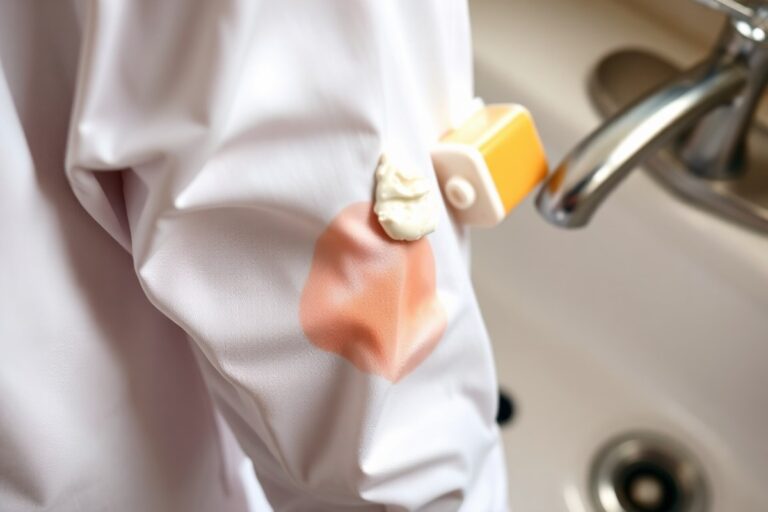
Before actual cleaning, identified stains receive pre-treatment with special spotting agents tailored to the stain’s nature, such as grease or protein-based marks. This step boosts stain removal success and protects fabrics by localizing treatment.
The cleaned garments then enter a dry cleaning machine. Rather than water, a solvent like perchloroethylene or an alternative is circulated using mechanical tumbling. This solvent dissolves oils and dirt without swelling or damaging fabric fibers, unlike water-based washing. An outline of the dry cleaning process steps includes:
- Tag the garment for identification.
- Inspect the fabric and note stains or damage.
- Pre-treat stains with suitable agents.
- Load garments into the dry cleaning machine.
- Run the cleaning cycle with solvent circulation and tumbling.
- Filter and distill the solvent to remove impurities between cycles.
- Dry garments using warm air within the machine.
- Conduct a post-cleaning inspection.
This solvent cleaning method avoids the fabric distortion and color fading often caused by water and agitation in traditional washing machines.
Post-Spotting and Finishing Touches
After cleaning, garments undergo a thorough inspection to catch any remaining spots missed earlier. Post-spotting treatments apply additional solvent or other agents to remove stubborn stains.
Finishing includes pressing, steaming, or ironing to restore shape and remove wrinkles. Repairs such as button replacement or minor mending may be done before final packaging. Proper finishing improve garment appearance and ensures it looks fresh and well cared for.
Always check your garment’s care label and notify the dry cleaner of any delicate features or unusual stains to avoid damage during pre-treatment or finishing.
Which Fabrics and Clothes Should Be Dry Cleaned
Dry cleaning works best for fabrics and garments that need delicate handling and protection from water damage. Materials like silk, wool, velvet, and cashmere require professional care because water and agitation in a washing machine can cause shrinkage, fading, or loss of shape. Structured clothing such as blazers, suits, and dresses with linings also benefit from dry cleaning to maintain their form and construction. Clothes with embellishments, sequins, or beading should avoid traditional washing since water and friction can loosen or damage these decorative elements.
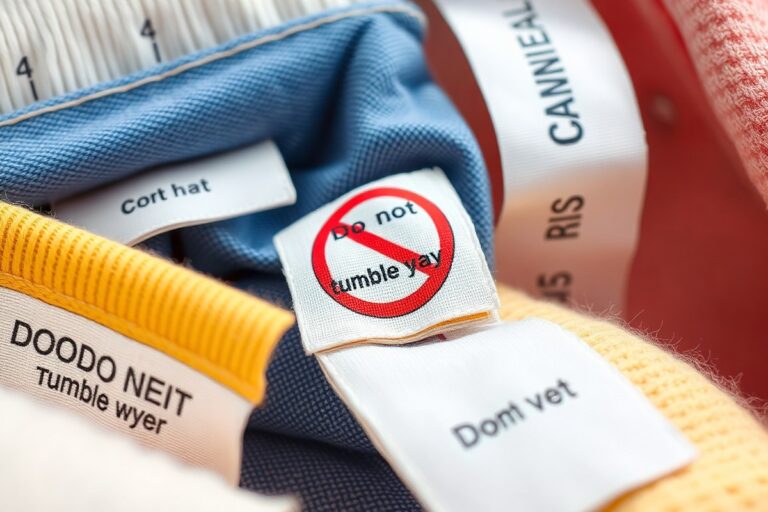
You can check your garments’ care labels to determine if dry cleaning is necessary. Look for instructions such as “dry clean only” or symbols indicating no washing or water contact. Some delicate items may say “hand wash,” which means you can clean them gently at home but still avoid machine washing. Labels will sometimes include a circle symbol representing dry cleaning, often with letters inside that indicate which solvents the cleaner can use safely.
- Silk clothes, including blouses and scarves, usually require dry cleaning to preserve sheen and texture.
- Wool garments like suits, coats, and sweaters may shrink or felt if washed with water.
- Velvet, suede, and leather need dry cleaning for gentle solvent-based cleaning.
- Structured pieces such as tailored jackets, dresses, and skirts keep their shape better when dry cleaned.
- Embellished clothes with beads, lace, or sequins often have dry clean labels.
- Some blends containing delicate fibers benefit from professional cleaning to avoid damage.
- Clothes marked “dry clean only” on the care label should not be washed at home.
Not every fabric or garment needs dry cleaning. Everyday cotton and polyester items, casual wear, and washable synthetics usually do fine with regular machine or hand washing. Dry cleaning costs more, often around $5 to $20 per item depending on fabric and complexity, so it’s best reserved for those items that risk damage or rapid wear from regular washing. Poor dry cleaning choices can lead to fabric damage if cleaners use improper solvents or miss stains, so using a reputable service is important.
Read the care labels carefully and follow the instructions to safeguard your clothes. Garments with mixed instructions, tricky trims, or unknown fibers might need expert advice from your dry cleaner. Proper identification of your dry cleaning needs helps protect your wardrobe investment and keeps your clothes looking fresh, soft, and well-maintained over time.
Common Solvents Used in Dry Cleaning and Their Pros and Cons
Dry cleaning uses several solvents to clean clothes without water. The traditional solvent, perchloroethylene, has been widely used for decades due to its cleaning power and cost-effectiveness. However, concerns over health and environmental risks have pushed the industry to adopt newer solvents and techniques that offer safer, greener alternatives.
Perchloroethylene (Perc) Overview
Perchloroethylene, or perc, is a chlorocarbon solvent in use since the 1930s. It dissolves oils and greases well, making it effective for removing tough stains and dirt from fabrics. Approximately 85% of U.S. Dry cleaners have historically used perc because it cleans efficiently and keeps costs relatively low.
Despite its effectiveness, perc poses environmental and health risks. It is a volatile organic compound that can contaminate air and groundwater, contributing to pollution. Exposure to perc may cause skin irritation or respiratory problems for sensitive individuals. Due to these concerns and stricter government regulations, many dry cleaners are phasing out perc in favor of less toxic options.
Hydrocarbon and Silicone-Based Solvents
Hydrocarbon solvents are petroleum-based alternatives to perc. They are less aggressive chemically and generally considered safer for the environment and skin, though they are flammable and require careful handling. Synthetic petroleum solvents like DF-2000 are popular choices for offering effective cleaning with lower toxicity.
Silicone-based solvents, marketed under names like Green Earth, use siloxane, a colorless and odorless liquid silicone. This solvent breaks down organic soils gently, preserving fabric integrity better than harsh chlorinated solvents. Silicone solvents leave less residue and have a reduced environmental impact compared to perc.
Both hydrocarbon and silicone solvents tend to be slightly more expensive than perc, reflecting their safer, greener profiles. You may see better color brightness and less fabric wear when these solvents are used, especially on delicate clothing.
Green and Alternative Methods (CO2, Wet Cleaning)
Liquid carbon dioxide cleaning uses pressurized CO2 instead of traditional solvents. This method is non-toxic, non-flammable, and leaves no harmful residues. It requires specialized equipment that can be costly, so it may not be available at all dry cleaners. However, it offers an eco-friendly option that reduces chemical waste significantly.
Wet cleaning, not a solvent-based method but often grouped with green dry cleaning, uses water and biodegradable detergents with controlled temperature and mechanical action. It can clean many garments labeled for dry cleaning and avoids solvents entirely. This process is gentle on clothes and environmentally responsible but may require professional expertise to avoid fabric damage. Here is a comparison table summarizing the main solvents and methods used in dry cleaning, highlighting their pros and cons in cleaning effectiveness, safety, environmental impact, and typical costs.
| Solvent/Method | Effectiveness | Safety | Environmental Impact | Cost |
|---|---|---|---|---|
| Perchloroethylene (Perc) | High – very effective on grease and oil | Moderate risk – toxic, can irritate skin and lungs | Poor – volatile organic compound, environmental pollutant | Low – cost-effective and widely available |
| Hydrocarbon Solvents (DF-2000) | Good – effective but gentler than perc | Better – less toxic but flammable | Better – lower toxicity, but petroleum-based | Moderate – higher than perc due to safety measures |
| Silicone-Based Solvents (Green Earth) | Good – gentle on fabrics with effective cleaning | Good – non-toxic and less irritating | Good – minimal environmental residues | Moderate to High – newer technology costs more |
| Liquid Carbon Dioxide (CO2) | Moderate – effective on many stains | High – non-toxic and non-flammable | Excellent – no chemical residues or air pollution | High – requires specialized, expensive equipment |
| Wet Cleaning | Moderate – suitable for many “dry clean only” items | High – uses water and biodegradable detergents | Excellent – avoids solvents entirely | Low to Moderate – less equipment, but skilled labor |
Choosing a solvent depends on balancing cleaning needs, health considerations, and environmental priorities. The industry continues moving away from perc because its environmental and health effects led to regulatory limits and increased disposal costs. Newer solvents and methods offer safer options without compromising fabric care, though sometimes at higher prices or with specialized equipment requirements. Seeking out dry cleaners offering green solvents or wet cleaning can help reduce your clothing’s environmental footprint.
When to Choose Dry Cleaning over Regular Washing
Dry cleaning is the best choice when a garment’s care tag explicitly says “Dry Clean Only.” These tags are designed to protect delicate fabrics that can shrink, lose shape, or fade when exposed to water and heat from regular washing. Fabrics like wool suits, silk blouses, and rayon dresses typically fall into this category. Avoid guessing, always check the tag first before attempting home laundering.
Certain stains also call for dry cleaning, such as oil-based or greasy spots. Regular washing might not fully remove these, but dry cleaning solvents dissolve oils and coatings without damaging the fabric. Water-based stains, like coffee or juice, can often be treated with spot cleaning or regular washing first. Dry cleaning can be too harsh if done unnecessarily; frequent professional cleaning may weaken fibers and shorten the garment’s lifespan. It’s wise to combine dry cleaning with preventive care practices like gentle hand washing or airing out clothes when possible.
Garments you should never dry clean include some casual fabrics like cotton T-shirts or jeans. These sturdy textiles handle regular machine washing and drying well, reducing dry cleaning costs and chemical exposure. Home laundering also refreshes these items more often without the risk of dry cleaning solvents. Expensive garments made from mixed fibers or structured pieces such as blazers should usually be dry cleaned to maintain their look and fit since water washing risks distortion.
When deciding, use this simple rule: if the garment’s care tag says “dry clean only” or the item contains delicate or structured fabric, choose dry cleaning. For lightly soiled garments or water-friendly fabrics, regular washing at home or spot treatment is sufficient. Consider your budget, too; dry cleaning can cost from $5 to $15 per piece and take several days based on the cleaner’s workload and the stain’s severity.
Good dry cleaning results mean your clothes come back looking vibrant, wrinkle-free, and intact. Poor outcomes like lingering stains, color loss, or shrinkage typically come from ignoring care tags, over-cleaning, or using cleaners who do not match solvent choice to fabric type. If you are uncertain, ask your cleaner to inspect and advise whether dry cleaning is necessary or if a less intensive method suits your needs.
Never dry clean an item without first checking the care label; ignoring it risks damaging your clothes irreparably.
Tips to Prepare and Get the Best Results from Dry Cleaning
Before dropping off your clothes for dry cleaning, inspect each item closely. Look for stains, odors, or damage like loose buttons or frayed seams. Noticing these issues helps the cleaner treat your clothes correctly and avoid surprises. Check garment tags to confirm dry cleaning is appropriate, and sort out pieces with metal parts such as zippers or heavy embellishments, which may require special handling or protection during cleaning.
Communicating about stains is essential. Tell your dry cleaner exactly where the stains are and how they happened if possible. Some spots need pretreatment before the dry cleaning cycle to come out completely. Mentioning any damage, like holes or tears, can prevent worsening and lead to proper repairs if offered.
- Examine each garment for stains and damage, noting anything unusual.
- Check for dry clean symbols on care tags to ensure suitability.
- Separate clothes with metal parts or delicate trims for special packaging.
- Describe all stains clearly when handing over your clothes.
- Ask about pickup and drop-off timing to plan accordingly.
- Request specific instructions for finishing, such as pressing or folding.
- Keep your receipts and note return dates for tracking.
Your clothing will be carefully checked again by the cleaner upon drop-off to record stains, materials, and special care instructions. This step prevents damage and ensures proper treatment. Dry cleaners often wrap delicate areas with cloth to shield buttons and trims during the process. At pick-up, inspect clothes for wrinkles, removed stains, and that nothing was overlooked or damaged. Promptly store your items on hangers or in garment bags to maintain freshness and shape. Avoid stuffing them in cramped closets to prevent unwanted creases or fabric stress. Following these steps usually leads to the best dry cleaning results and prolongs your clothing’s life.
Common Dry Cleaning Mistakes and How to Avoid Them
Ignoring stains before dry cleaning is a common mistake that can lead to them setting permanently. Water-based stains require special attention during the pre-cleaning stage to ensure the dry cleaner can target them effectively without damaging the garment. Always point out all stains to the cleaner, even faint ones, to get the best results.
Improper sorting of garments by fabric type or color can cause damage such as color bleeding or fabric wear. Dry cleaning different fabrics together or mixing darks and lights may lead to fading or staining. Sorting your clothes and informing the cleaner about delicate or fragile items helps maintain their integrity.
Repeated unnecessary dry cleaning wears down fabrics and can shorten a garment’s lifespan. Over-dry cleaning exposes clothes to solvents and mechanical action that gradually weaken fibers. To avoid this, rely on dry cleaning only when truly needed, such as after stain exposure or heavy soil. For lightly worn clothes, airing them out or spot cleaning at home often suffices.
- Identify and point out all stains before drop-off
- Sort clothes by fabric and color before cleaning
- Limit dry cleaning to soiled or stained garments
- Use spot cleaning methods for minor stains at home
- Consult your cleaner for delicate or vintage garments
- Check garment tags for cleaning instructions
- Report any damage found right after pickup
Dry cleaning can cause damage if garments are cleaned too often, exposed to harsh solvents, or improperly handled. Common issues include weakened fabric fibers, color fading, and shrinkage. Keep dry cleaning intervals reasonable, generally no more than a few times per season for frequently worn clothes.
If a garment is damaged during dry cleaning, notify the cleaner immediately and request a resolution. Most professional dry cleaners maintain insurance or offer some compensation for damage. Documenting the issue with photos and notes on when you noticed problems helps support your claim. For delicate or expensive items, ask your dry cleaner about their damage policies before handing over the clothes.
Eco-Friendly Dry Cleaning Options and What They Offer
Eco-friendly dry cleaning options use solvents and methods designed to reduce environmental harm while still cleaning clothes effectively. These green alternatives like siloxane, liquid carbon dioxide, and professional wet cleaning cut down on toxic chemical use and emissions. Each has benefits and some tradeoffs in cost, availability, and stain removal power.
Siloxane (Green Earth) Cleaning
Siloxane, marketed as Green Earth, is a silicone-based solvent used in place of traditional perchloroethylene (PCE). It breaks down into sand, water, and carbon dioxide, making it less toxic and more biodegradable. Clothes come out soft and free of the strong chemical smell typical of older solvents.
The cleaning process with siloxane resembles traditional dry cleaning machines but requires new equipment to handle the solvent safely. It works well on delicate fabrics and reduces environmental impact. However, siloxane is less common and tends to cost more, expect prices 10 to 20% higher. Not all dry cleaners offer it due to equipment investments.
Some users report siloxane is gentler on sensitive textiles but may not remove heavy grease or oil stains as thoroughly as PCE. The solvent is reused multiple times but requires careful filtering to stay effective. Finding a cleaner advertising Green Earth services or “silicone dry cleaning” is a good start for eco-focused consumers.
Liquid Carbon Dioxide Cleaning
Liquid carbon dioxide (CO2) cleaning uses pressurized CO2 as a nonflammable, nontoxic solvent that is recycled through the machine for several cycles. It removes oils and soils without harmful chemical residues or fumes. This method lowers emissions and chemical waste significantly compared to traditional solvents.
The technology demands specialized pressurized equipment, which limits its availability and drives costs higher. Items cleaned with liquid CO2 often retain their shape and color well, suitable for sensitive materials, but severe or set-in stains can be harder to treat. Smaller or independent dry cleaners rarely have access to liquid CO2 machines.
This method lasts about 30 to 45 minutes per cleaning cycle, similar to traditional processes. Users seeking the greenest options should call cleaners in advance to confirm liquid CO2 services. Pricing may be 15 to 30% above standard dry cleaning fees depending on your area.
Wet Cleaning and Synthetic Petroleum Solvents
Professional wet cleaning uses water, special detergents, and computer-controlled machines to clean garments labeled “dry clean only” with minimal damage. It avoids chemical solvents altogether and breaks down dirt using low temperatures and gentle agitation. Surfactants used are biodegradable, which reduces wastewater toxicity.
Wet cleaning works well on natural fibers and many synthetics but may shrink or distort some types of wool, silk, or rayon. It also tends to be less effective on greasy or oil-based stains compared to solvent methods. This method is growing but is still less common than traditional dry cleaning, especially in smaller markets.
Some dry cleaners also use newer synthetic petroleum solvents that are less toxic than PCE but still provide strong stain removal. These solvents are often branded but can vary widely in environmental profiles. Confirm with your cleaner about their specific methods and ask about potential odors or residues post-cleaning.
Ask your dry cleaner exactly what eco-friendly methods they offer and how they handle solvent recycling, green options require proper equipment and processes to deliver the promised environmental benefits.
Step-by-Step Action Plan for Using Dry Cleaning Effectively
Follow these steps to make sure your clothes get the best care from dry cleaning while avoiding common mistakes.
- Before your next wash: Check the care label on each garment to confirm if dry cleaning is recommended. This helps prevent damage from regular washing methods.
- Prior to drop-off: Inspect your clothes for stains and point them out to the cleaner. Stains that cleaners know about get better treatment and removal.
- At drop-off: Choose an eco-friendly dry cleaner if sustainability matters to you. Ask about their solvent types and disposal methods to reduce environmental impact.
- Within 24 hours of pick-up: Try on your dry-cleaned clothes to check fit and appearance. If there are issues, report them quickly to the cleaner for correction.
- After wearing: Avoid wearing dry-clean-only clothes too often between cleanings to maintain fabric integrity and avoid excessive solvent use.
- Every 3 to 6 months: Schedule regular dry cleaning for delicate or structured fabrics like wool suits and silks for long-lasting care.
- When storing: Use breathable garment bags and hang clothes properly to preserve their shape and allow fabrics to breathe post-cleaning.
- Before home storage: Ensure clothes are fully dry-cleaned and stain-free to prevent discoloration or damage over time.
Frequently Asked Questions
What Does Dry Cleaning Do to Stains That Regular Washing Can’t?
Dry cleaning dissolves oils and grease better than water-based washing. It uses special solvents that reach stains water can’t, making it ideal for oily or delicate fabrics.
Why Does Dry Cleaning Use Solvents Instead of Water?
Solvents clean without swelling fibers or causing shrinkage like water can. This protects fabric structure and finishes, which is why dry cleaning works for sensitive clothes.
Does Dry Cleaning Remove Bacteria and Odors Effectively?
Dry cleaning does reduce bacteria and odors but not as thoroughly as hot water and detergent. It’s best for freshening garments rather than deep sanitizing.
Why Is Dry Cleaning Recommended for Certain Fabrics Only?
Some fabrics, like wool and silk, can shrink or distort when wet. Dry cleaning uses gentler solvents that clean without damaging these materials, preserving their texture.
How Safe Are the Solvents Used in Dry Cleaning?
Traditional solvents like perchloroethylene have health and environmental concerns. Newer methods use safer alternatives but can be more expensive or less common.
Are There Any Special Garment Features to Protect During Dry Cleaning?
Dry cleaners cover buttons and embellishments with cloth to prevent damage from agitation and solvents. This avoids fading, loosening, or breakage during cleaning.
Final Thoughts
Dry cleaning carefully removes oils and tough stains without water damage, protecting delicate fabrics and extending garment life. Taking simple steps like checking labels and pointing out stains makes dry cleaning much more effective. Try scheduling your next dry cleaning with a focus on eco-friendly options to keep your clothes fresh and the planet in mind.