
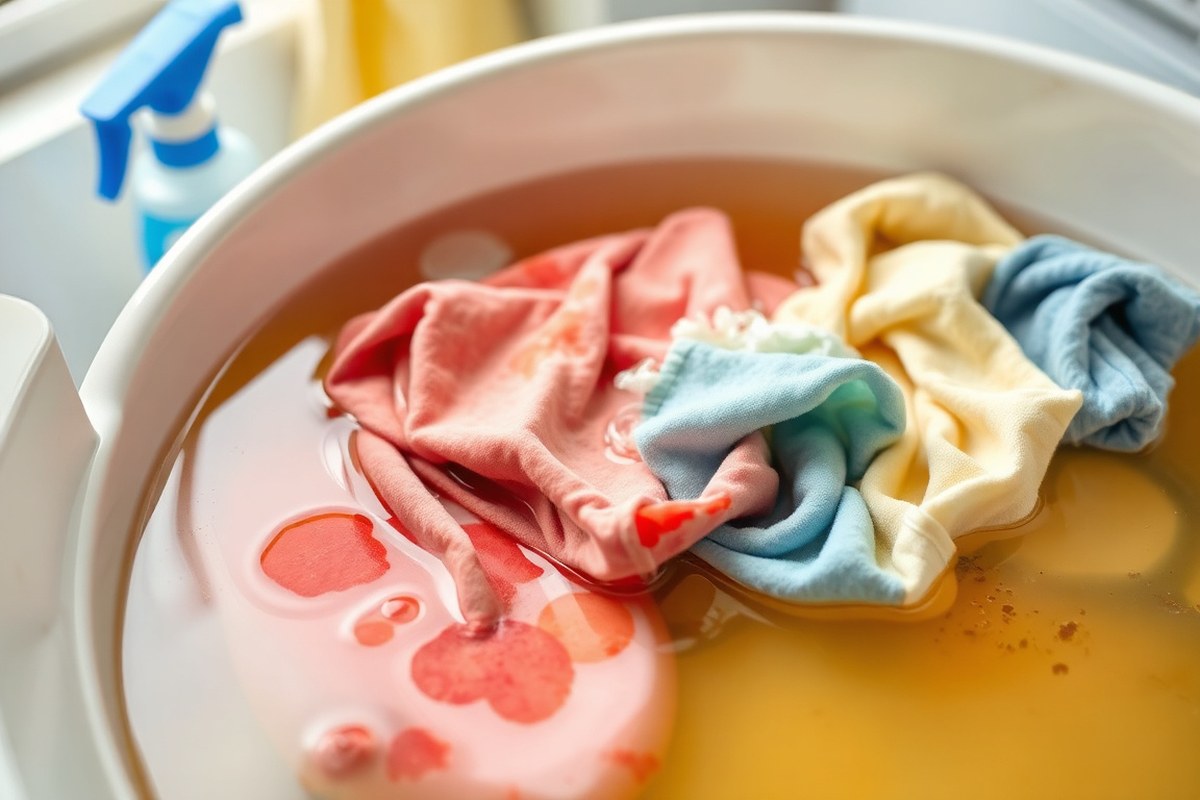
How to Get Poop Smell Out of Clothes Fast: 8 Proven Steps That Work
Begin by carefully removing any solid waste from the clothing, then soak the items in cold water combined with either vinegar or baking soda for no less than 30 minutes. Next, treat the fabric with an enzyme-based detergent to dissolve organic residues, followed by laundering on the warmest water setting safe for the material, typically about 140°F (60°C), which helps kill germs and remove odors.
This method suits parents, pet owners, or caregivers dealing with messy stains and stubborn smells. The steps cover both fresh and dried stains and explain which cleaning agents and techniques work best to restore clothes quickly.
Key Takeaways
- Scrape off any dried feces before soaking clothes to avoid spreading the stain.
- Use a 30-minute vinegar or baking soda soak to neutralize odor and loosen residue.
- Soak clothes for 10-15 minutes with enzyme cleaners to break down proteins and fats in feces.
- Wash clothes in the hottest water the fabric can handle, up to 140°F (60°C), to kill bacteria.
- Use 3% hydrogen peroxide cautiously on white fabrics to bleach out stubborn organic stains.
- For heavy diarrhea stains, pre-soak garments in cold water for 20 minutes before washing.
1. Effective Step-by-Step Method to Remove Poop Smell from Clothes

Removing poop smell and stains from clothes requires acting quickly and following a clear process. Start by handling the stain carefully to avoid spreading it and permanently setting any odors or marks. Cold water is essential at the beginning to prevent protein in the stain from bonding with the fabric. Pre-treatment with enzymatic cleaners or a vinegar soak targets the bacteria and organic compounds causing the smell. Soaking time is key: allow at least 30 minutes in a vinegar or baking soda solution to break down odor-causing substances. After that, wash with a good detergent, ideally adding white vinegar to the rinse cycle for extra odor removal. Following these steps helps restore clothes to fresh-smelling condition and reduces the chance of lingering odors.
- Scrape off any solid residue gently using a spoon or dull knife. This prevents pushing stains deeper into the fabric.
- Rinse the stained area under cold running water from the back of the fabric. Avoid hot water at this stage, as heat can set protein stains from fecal matter permanently.
- Apply an enzyme-based stain remover directly to the affected area. Let it sit for 10 to 15 minutes to break down proteins and other organic materials that cause odor.
- Soak the clothing in a solution of cold water with either 1 cup of white vinegar or 1/2 cup of baking soda for at least 30 minutes. This soak helps neutralize odor-causing bacteria and organic compounds.
- Wash the clothing in your machine using the hottest water temperature safe for the fabric, based on care labels, with a quality detergent. For white clothes, chlorine bleach can be added if the fabric allows.
- Add 1 cup of white vinegar to the rinse cycle to further eliminate residual odors.
- Dry the clothes outdoors when possible, as fresh air and sunlight help dissipate odors and naturally sanitize fabrics.
For sturdy fabrics like cotton, polyester, and denim, following these steps usually removes stains and odors fully. More delicate items require gentler handling and avoiding chlorine bleach. Quick action combined with cold water rinsing and enzyme pre-treatment gives the best chance to eliminate both stains and smells. Allow plenty of soaking time for set-in stains or strong odors. A clean, fresh-smelling result shows no visible stain and no persistent unpleasant smell after drying.
2. Choosing the Best Cleaning Agents for Poop Odor Removal

Enzyme detergents are among the best options to eliminate poop odors from clothes due to their ability to break down organic materials. These detergents contain protease and amylase enzymes that specifically target and digest proteins and starches in biological stains, which helps neutralize the source of the smell. Use enzyme cleaners on damp fabric and let them sit for 10 to 15 minutes before washing with warm water. This pre-treatment helps the enzymes work effectively, even on set-in stains.
Vinegar and baking soda also serve as safe, natural deodorizers. Soaking garments in a vinegar solution before washing them with baking soda reduces odors by neutralizing acidic and alkaline compounds causing the smell. Baking soda not only deodorizes but also aids in faint stain removal, especially when combined with a small amount of hydrogen peroxide or dish soap. Avoid using baking soda on delicate fabrics like silk and wool, as it can be abrasive.
Oxygen bleach (sodium percarbonate) is useful for large areas and whites. It is a gentler alternative to chlorine bleach and works by releasing oxygen when dissolved in water, lifting stains and odors. Hydrogen peroxide at a 3% concentration acts similarly by bleaching organic pigments in poop stains. However, it can cause colour fading or damage on some fabrics, so test on an inconspicuous spot first and avoid repeated use on dark or colored clothes.
| Pre-Treatment Option | Best For | Key Ingredients |
|---|---|---|
| Enzymatic Spray | Fresh or set-in stains | Protease, Amylase |
| Oxygen Bleach Soak | Large areas, whites | Sodium Percarbonate |
| DIY “Magic” Mix | Budget-friendly, tough stains | Dawn dish soap, Baking Soda, Hydrogen Peroxide |
| Traditional Bar Soap | High-agitation scrubbing | Fels-Naptha or Zote |
When laundering clothes with poop odor, use a concentrated laundry detergent formulated to eliminate strong odors. This improve cleaning power over diluted detergents. Hot water can improve results on sturdy fabrics but should be avoided with delicate materials. Pre-treating with an enzyme spray or soaking with oxygen bleach increases odor removal without harsh chemicals. Avoid chlorine bleach on protein-based stains since it can cause a worsening odor and yellowing.
Always test hydrogen peroxide or oxygen bleach on a hidden area before full use, as these agents can discolor or weaken some fabrics.
3. Handling Fresh vs Set-In and Dried Poop Stains
Fresh poop stains require swift action to prevent odor and staining, while dried or set-in stains need a more thorough treatment including longer soaking. Enzyme cleaners work for both types, but they are especially effective on older, dried stains when combined with proper pre-treatment and soaking. Handling these stains differently protects your clothes and improves odor removal.
Steps for Fresh Poop Stain Removal
Fresh stains are easier to treat because the mess is still moist and easier to lift. Quickly removing excess poop before it sets and starting a rinse and wash cycle soon after helps prevent stubborn smells.
- Gently scrape off any excess poop using a plastic spoon or dull knife, taking care not to spread the stain.
- Rinse the stained area under cold running water to flush out as much of the stain as possible.
- Apply a pre-treatment enzyme cleaner directly to the stain and let it sit for 10 to 15 minutes.
- Wash the clothing in the warmest water safe for the fabric using your regular detergent plus ½ cup of a laundry additive designed to neutralize odors.
- Check the smell and stain before drying; repeat the treatment if necessary to avoid setting the stain in heat.
Techniques for Dried or Set-In Stains
Dried poop stains have hardened and absorbed deeply into the fabric, requiring rehydration and a longer cleaning process. Applying a thick paste can loosen the stain, and an extended soak with enzymes helps break down odor-causing proteins and residues.
- Create a paste of water and an enzyme cleaner or gentle detergent and apply it thickly to the dried stain.
- Let the paste sit on the stain for 15 to 30 minutes to rehydrate and start breaking down the residue.
- Rinse off the paste under cold water while gently rubbing the fabric to remove loosened material.
- Prepare a soak solution with warm water and an enzyme cleaner or a laundry additive formulated for odors.
- Submerge the garment fully and soak for at least 1 to 4 hours; overnight soaking can help with very stubborn odors.
- Wash normally afterward using the warmest water safe for the fabric, adding ½ cup of odor neutralizer to the detergent.
Using enzyme cleaners on older stains is effective because enzymes digest the proteins causing smells rather than just masking odor. Avoid harsh scrubbing that can damage fabric or spread the stain further.
Soaking Timelines and Solutions
Soaking time varies by the age and severity of the stain. Fresh stains usually benefit from a short soak of 30 minutes or less, mainly to boost pre-treatment effects. Dried or set-in stains need longer soaks to break down odor-causing residues deep in fibers.
Soaking in a warm water solution with an enzyme cleaner or laundry additive designed for organic stains helps digest poop particles and neutralize smell. The ideal soak time ranges from 1 hour up to overnight (8 to 12 hours), depending on the fabric type and stubbornness of the odor.
Always check the fabric care label to avoid hot water or long soaks that can weaken or shrink certain materials. For heavy-duty removal, aiming for a minimum of 4 hours soaking allows enzymes to work effectively while preventing damage.
4. Using Hot Water Safely to Sanitize Poop-Contaminated Clothes
Washing poop-contaminated clothes in hot water is key to killing bacteria and removing odor effectively. Water temperatures between 130°F and 140°F (54°C to 60°C) are recommended, according to the CDC, for eliminating most harmful bacteria. Many washing machines have sanitize cycles that reach these temperatures. Running a heavy-duty cycle at the hottest water safe for the fabric helps loosen stains while cutting bacteria. Be sure to check the care label first, since water hotter than 140°F can damage certain fabrics or cause colors to fade. For durable cottons, linens, or towels, washing at 140°F is ideal for sanitation.
Hand washing can be safer for delicate or colored clothing that may not tolerate hot machine washes. For these items, start with a cold water rinse to remove fresh waste, then soak the clothes for about 30 minutes in a mixture of equal parts water and white vinegar. This soak helps sanitize and neutralize odors. Afterward, rinse thoroughly with warm water (not hot) to avoid setting stains. Hot water early on can cook proteins in feces, making stains harder to remove. For hand washing, keep water below 110°F to prevent damage.
Sanitizing poop-contaminated clothes means more than just hot water. Using a detergent designed to break down organic waste is important. When possible, add chlorine bleach to the wash cycle, but only if the fabric care label allows it. Chlorine bleach becomes chemically active between 135°F and 145°F, so keep the washing water hot for at least 10 to 15 minutes to maximize its sanitizing power. This process kills bacteria that cause lingering odors and reduces the risk of cross-contamination in your washing machine.
For fabrics that cannot handle hot water or bleach, oxygen-based sanitizers can be a safer alternative. These products work well in warm water and are gentler on colors and delicate fibers. Keep in mind that fabric safety always comes first. Washing too hot or using harsh chemicals on unsuitable fabrics can lead to shrinkage, fading, or deterioration, which defeats the effort of cleaning.
Machine washing is generally preferable for heavily soiled items, especially those made from sturdy fabrics. The combination of agitation, detergent, and heat provides thorough cleaning and sanitizing. Hand washing is useful when stains need careful spot treatment or when dealing with delicate baby clothes and sensitive materials. Always pre-treat stains before washing to prevent them from setting. Avoid mixing heavily soiled items with regular laundry to stop bacteria from spreading.
In every case, drying clothes completely after washing is essential to prevent bacteria growth. Use the highest heat safe for the fabric on your dryer or dry clothes in direct sunlight when possible, as UV rays help kill germs and fade odors. When hot water can be used safely and combined with proper detergents and sanitizers, you’ll significantly reduce bacteria and eliminate the foul smell from poop-contaminated clothing.
5. Pre-Treatment Techniques: From Cold Water Rinsing to Enzyme Soaks
Effective pre-treatment is essential to stop poop smells from settling and to boost the success of your main wash. Quickly rinsing stains with cold water prevents proteins from setting, while enzyme soaks break down organic matter. Natural options like vinegar and baking soda neutralize odors and loosen residues. These techniques reduce odor return after drying and work well on both fresh and older stains.
Cold Water Rinsing to Loosen Stains
Rinsing poop stains with cold water is the first step to lift away waste and keep odor molecules from bonding tightly to fabric fibers. Always rinse from the back inside of the fabric to push the stain out rather than through the cloth. This quick action inhibits stubborn odors and prevents worsening the stain. Follow this rinse with a targeted pre-treatment to improve results and avoid smells returning.
- Turn the garment inside out and hold the stained area under cold running water.
- Use your fingers to gently rub the fabric and loosen any remaining solids, rinsing thoroughly.
- Stop rinsing once the majority of residue is removed but before the fabric fully dries.
- Proceed to apply an enzyme cleaner or homemade paste while still damp.
Never use warm or hot water for initial rinsing since it can cook the proteins into stains, making odor removal harder.
Soaking Clothes in Enzyme Detergents
Enzyme detergents contain biological catalysts that break down proteins, fats, and starches typical in poop stains. Soaking clothes in a solution with these enzymes for 15 to 30 minutes helps weaken the stain and neutralizes odor molecules at their source.
This method works well on both fresh and dried stains, loosening debris enough for thorough removal during washing. It also minimizes re-soiling and lingering smell after clothes dry.
- Fill a bucket or basin with cold water according to garment instructions.
- Add the recommended amount of enzyme detergent, usually about 1 to 2 tablespoons per gallon.
- Submerge the stained clothes fully and let them soak for 15 to 30 minutes.
- Gently agitate occasionally to help release particles from fibers.
- Remove clothes and proceed with washing as usual, avoiding hot water for sensitive fabrics.
Always read the label for enzyme detergent suitability and usage directions, especially on delicate fabrics and older stains.
DIY Vinegar and Baking Soda Soaks
Natural cleaners like white vinegar and baking soda not only deodorize but also lift stains by altering pH levels in fabric fibers. A simple homemade paste or soak combining these two can work as an inexpensive and gentle pre-treatment option.
Wash it off thoroughly with cold water afterward to prevent any vinegar smell from remaining. This method suits sensitive skin and those avoiding commercial chemicals.
- Mix equal parts baking soda and white vinegar in a small bowl to create a paste or slightly foaming soak solution.
- Apply the paste directly to the stain with a soft brush or cloth, scrubbing gently to work in.
- For larger stains, soak the entire garment in a dilute vinegar and baking soda solution (½ cup vinegar plus ¼ cup baking soda per gallon of cold water) for 15 to 30 minutes.
- Use an old toothbrush or clothes brush to scrub the treated area lightly.
- Rinse thoroughly with cold water until all residue and odor vanish.
- Wash clothing as usual, then air-dry preferably in sunlight to further combat odors.
Keep in mind vinegar’s smell dissipates after rinsing and drying, so don’t overuse or skip rinsing steps.
6. Special Care for Delicate Fabrics Like Silk and Wool
Delicate fabrics like silk and wool require extra care when removing poop stains and odors. Harsh chemicals, hot water, and vigorous scrubbing can easily damage these materials, so use gentle techniques and test cleaning agents before applying them to visible areas. Professional cleaning is often the safest choice, especially for persistent stains on jackets or specialty garments.
Testing Cleaning Agents Safely
Before using any cleaning solution on silk, wool, or similar delicate fabrics, test it on a hidden seam or inconspicuous area. Apply a small dab of the product, let it sit for 10 to 15 minutes, then blot dry with a white cloth. Check for color changes, fabric texture alterations, or bleeding. If the fabric reacts negatively, do not use that cleaner. This test helps prevent visible damage and fading that bleach, harsh detergents, or strong enzyme cleaners might cause.
For mild enzyme cleaners designed to break down organic stains, dilute the solution according to package directions, usually one part cleaner to five parts water, before testing. This reduces the chance of damaging fibers while still addressing odor-causing bacteria.
Gentle Cleaning and Soaking Methods
Use cool or lukewarm water when cleaning delicate fabrics, never hot water, as it can shrink or distort fibers. Prepare a basin with cold water and a few drops of mild detergent formulated for wool or silk. Gently swish the stained garment for 10 to 15 minutes without rubbing or wringing. After soaking, rinse thoroughly with cool water to remove soap residues, which can trap odors if left behind.
For stubborn poop smells, repeat soaking with a detergent boost, or try a very diluted vinegar solution (one tablespoon per cup of water) to neutralize odors. Avoid leaving delicate garments soaking for more than 30 minutes to minimize fiber stress. Air dry these clothes flat on a clean towel away from direct sunlight to maintain shape and color.
Avoiding Damage on Sensitive Fabrics
Never use bleach, chlorine, or strong alkaline products on delicate fabrics, these can cause irreversible fiber damage and color loss. Avoid scrubbing, twisting, and using abrasive brushes. Instead, gently blot stains with a soft cloth during treatment to lift residue without pushing it deeper into the fabric.
Machine washing silk or wool for poop odor removal is generally not recommended unless the care label explicitly allows a gentle cycle. High agitation and temperature in machines risk shrinking or felting these materials. When in doubt, seeking professional dry cleaning prevents damage and increases the chance of successfully removing both stains and smells.
7. Common Mistakes That Keep Poop Smells in Clothes
One of the biggest reasons poop smells linger after washing is washing the clothes at the wrong temperature too early. Warm water can actually set protein-based stains like feces deeper into the fabric, making odors harder to remove. Starting with a cold rinse or soak breaks down fresh stains without cooking in the smell. Only use hotter water later in the cycle, after pre-treating stains properly.
Drying clothes too soon after washing often causes smells to stick around as well. The odor can get trapped and become stronger in the fibers when drying if it isn’t completely removed beforehand. Always check for any remaining smell after washing by smelling the fabric or airing it out before using a dryer. Letting clothes air dry in fresh air for an hour or two can help if the smell remains mild. Using a dryer right away should be the last step after confirming the odor is gone.
Using the wrong cleaning agents can also prevent poop odor removal. Products like Downey Unstoppable Beads may add a scent but don’t actually break down poop smells. Enzyme-based cleaners, mild bleach alternatives (if safe for your fabric), or natural options like lemon juice work better by attacking the organic material causing the odor. Avoid overloading the washer because it stops water and detergent from reaching all the stained fabric evenly.
Many people unintentionally spread poop smell to other clothes or leave the washing machine smelling foul. It’s important to wash heavily soiled items separately. A washing machine smelling moldy or musty can pass those unpleasant odors onto clean clothes. Running a monthly maintenance cycle with vinegar or a washing machine cleaner can keep the appliance fresh and effective.
- Always start with a cold water rinse or soak before washing with warm water
- Avoid drying until the poop smell is fully gone; air-dry if needed
- Use enzyme-based or natural cleaning agents like lemon juice rather than scent boosters alone
- Separate strongly soiled clothes from regular laundry
- Do not overload the washer; allow room for water and detergent to circulate
- Clean the washing machine regularly to prevent mold and odors
The sequence of treatment matters. First, remove solids and rinse with cold water. Next, apply a cleaning agent designed to break down organic stains. Then, wash with hot water if safe for the fabric. Finally, let clothes air dry if any smell remains or use the dryer only after confirming the odor is gone. This approach prevents setting odors and spreading smells through your laundry or washing machine. Skipping steps or hurrying to dry often causes smells to stick around and require repeat cleans that take extra time and effort.
8. When to Seek Professional Help or Discard Clothes
You should consider professional cleaning or discarding clothes when the poop stain and odor persist despite home treatment attempts, especially if the clothing is heavily soiled, the smell remains strong after multiple washings, or the fabric has been dried with the stain in place. Poop stains can become permanent after drying because heat from the dryer sets the proteins and oils deep into the fibers. This makes removal with enzyme cleaners or standard detergents much more difficult.
Enzyme cleaners are effective on fresh or slightly dried stains, but their ability to break down old, set-in stains decreases substantially. Proteins in poop denature and become resistant to enzymatic action once exposed to high heat or air for an extended time. If the stain has been dried for more than 24 hours, enzyme cleaners may only reduce odor without fully eliminating it.
To decide if professional cleaning is necessary, consider a checklist: the age of the stain, the fabric type, the extent of the odor, and the value of the clothing. For example, if you attempted home cleaning twice using enzyme detergents, hot water (careful with delicate fabrics), and thorough rinsing but the smell lingers, and the clothing is costly or sentimental, a professional cleaner specializing in biohazard or odor removal may help. These services typically cost between $10 to $30 per item, depending on local rates and the treatment required.
Choose professional cleaning sooner for delicate or specialty fabrics that cannot handle aggressive washing or soaking. Professionals use industrial-grade enzymatic treatments, ozone or steam cleaning, and sanitizing agents that aren’t available to consumers. However, if the clothing is cheap, worn out, or the smell and stains remain after repeated attempts, discarding the item can be more practical and healthier, avoiding potential bacteria and ongoing odor issues.
When discarding, seal contaminated clothes in a plastic bag to prevent spreading odors or bacteria before taking them to the trash or textile recycling if accepted in your area. Avoid flushing poop-contaminated fabrics down toilets or drains, which can cause plumbing issues and environmental harm.
Strong, persistent poop odors after multiple washes and drying usually mean professional cleaning or disposal is necessary to avoid ongoing smell and contamination risks.
Step-by-Step Action Plan to Remove Poop Smell from Clothes
Follow these steps carefully to get rid of poop smell safely and effectively. Check each step’s success by the absence of odor and visible cleanliness.
- Before You Start: Rinse the affected clothes in cold water immediately to remove excess waste. You’ll know it worked when most visible solids are gone.
- Right After Rinsing: Apply an enzyme-based pre-treatment to break down organic matter. Let it soak for 30 minutes. The smell should lighten noticeably after soaking.
- During Washing: Use the hottest water safe for your fabric with an odor-targeting detergent. Confirm success when the smell is no longer present after the wash.
- After Washing: Air dry clothes in sunlight if possible, as UV rays help disinfect and reduce odors. The fabric should smell fresh or neutral once dry.
- If Smell Persists: Repeat pre-treatment and washing with a disinfectant additive or oxygen bleach. The odor should fade with each treatment.
- For Delicate Fabrics: Use cool water and mild enzyme detergent; avoid harsh chemicals. Success means no lingering smell or damage to fabric texture.
- Final Step: Store clothes in a clean, dry place to prevent odor buildup. Verify by checking for any residual smell before wearing or storing.
Frequently Asked Questions
How Can I Neutralize Poop Smell in Clothes Without Harsh Chemicals?
Use a mixture of baking soda and white vinegar for eco-friendly odor neutralizing. This combo breaks down odors naturally and is safe for most fabrics.
What Household Items Quickly Absorb Poop Odors Before Washing?
Crumpled newspaper or activated charcoal can absorb bad smells when placed near contaminated clothes. These materials help reduce odors before laundering.
Is It Safe to Use Fabric Softener on Clothes with Poop Stains to Mask the Smell?
Fabric softener may mask odors temporarily but doesn’t remove bacteria causing the smell. It’s better to pre-treat and wash thoroughly first.
How Does Drying Clothes Outside Affect the Removal of Poop Smell?
Sunlight helps kill bacteria and fresh air reduces odors, making it useful to dry clothes outdoors post-wash. Avoid drying stained clothes before washing.
Can Repeated Washing in a Washing Machine Spread Poop Smell to Other Laundry?
Yes, bacteria and smell can transfer in the machine; run a cleaning cycle regularly with hot water and bleach to sanitize.
What Role Does Washing Machine Maintenance Play in Poop Odor Removal?
Cleaning your machine prevents buildup of odor-causing bacteria that contaminate laundry and cause persistent smells.
Wrapping Up
Removing poop smell from clothes demands prompt action, the right cleaning agents, and careful fabric care. You can neutralize odors effectively by following appropriate treatments and avoiding common errors. Start now by pre-treating any fresh stains with an enzyme-based soak to tackle odors at their source.


