What Do the Symbols on Clothing Tags Mean? A Complete Guide to Care
The symbols on clothing tags tell you how to properly wash, dry, iron, bleach, and dry clean your clothes to keep them looking their best. Understanding these tiny icons helps prevent damage like shrinking, fading, or warping, so you can extend the life of your garments. Knowing what do the symbols on clothing tags mean saves you time, protects your clothes, and avoids costly mistakes.
This information is useful for anyone who cares about maintaining their wardrobe, from everyday wash routines to handling delicate fabrics. You will learn to interpret common laundry symbols and temperature indicators, decode drying and ironing signs, and understand bleach and dry clean instructions for all fabric types.
Key Takeaways
- A tub icon with a number shows the maximum washing temperature in Celsius, like 30°C or 40°C.
- A hand symbol means the garment must be hand washed gently, not exceeding 40°C.
- One dot on iron symbols indicates low heat (110°C), two dots medium (150°C), three dots high (200°C).
- Cold wash corresponds to about 30°C (85°F), warm wash to 40°C (105°F), hot wash around 50°C (120°F).
- Drying symbols vary between tumble drying and line drying; pay attention to dots indicating heat levels for machine drying.
- Bleach symbols indicate if chlorine bleach is allowed or if only non-chlorine alternatives should be used.
What Do Common Laundry Symbols on Clothing Tags Mean?
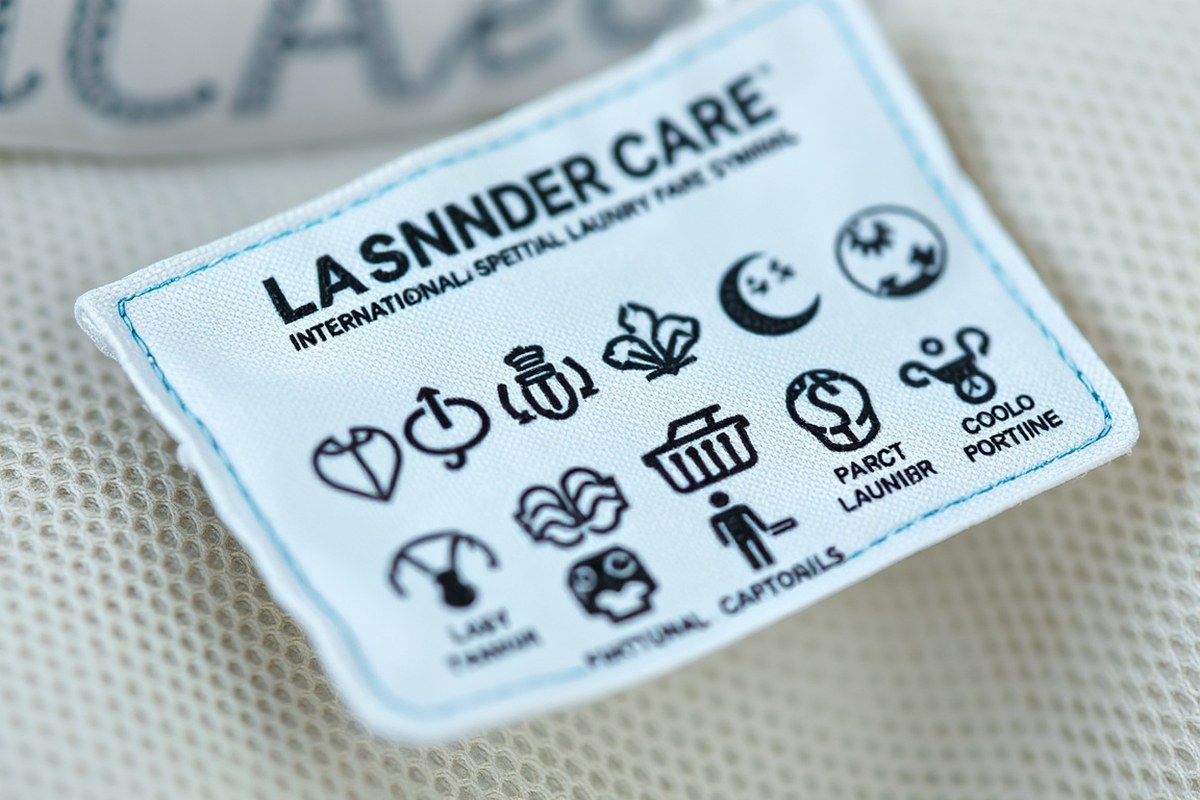
Five essential laundry symbols appear on clothing tags to guide how to wash, bleach, dry, iron, or use professional cleaning methods. These symbols provide instructions to prevent damage by applying the correct care techniques. Understanding them helps preserve the condition of your garments.
The most common symbols include the washtub, triangle, square, iron, and circle. The washtub represents washing and tells you whether to machine wash, hand wash, or avoid water altogether. The triangle indicates bleaching, showing if and which types of bleach are safe to use. The square stands for drying instructions, guiding you on whether to tumble dry, line dry, or avoid heat. The iron icon directs you on ironing and the appropriate heat settings. Lastly, the circle represents professional textile care, such as dry cleaning.
| Basic Symbol | Meaning |
|---|---|
| Washtub | Washing |
| Triangle | Bleaching |
| Square | Drying |
| Iron | Ironing |
| Circle | Professional textile care |
Each symbol might have additional details inside or around it to specify conditions. For example, the washtub may include a hand to mean hand wash only or dots to indicate water temperature ranges. Dots inside the iron tell you the safest ironing heat, from low (one dot) to high (three dots). A crossed-out symbol means the related treatment is prohibited.
These symbols work as a decision rule to protect your clothing. A triangle with a cross through it signals that bleach should not be used on the item. A circle containing a letter advises taking the garment to a professional dry cleaner who understands the specific code. A square with a circle inside shows that tumble drying is allowed, with dots representing the recommended heat level. Never ignore a crossed-out symbol; it means avoiding that treatment is necessary to prevent damage.
Using these symbols correctly saves you time and money by preventing unintentionally shrinking, fading, or weakening fabrics. For instance, washing in hot water instead of cold may risk shrinking a garment labeled with a lower temperature. Similarly, ignoring drying symbols can cause synthetic fibers to melt or natural fibers to lose shape.
The symbols also help you handle the variety of textile types without relying on guesswork. Even if a fabric tag isn’t clear on the material, the care symbols provide universal instructions. This straightforward visual system compensates for language differences and small label sizes, making it easier to keep your clothes in good condition.
How to Interpret Washing Symbols and Temperature Indicators

Washing symbols use clear visual cues to guide you on the best way to wash your clothes, highlighting water temperature and washing method. Dots inside the washing tub symbol represent temperature settings, while a hand in the tub signals that the item requires gentle hand washing. Understanding these symbols helps you avoid shrinking, color loss, or fabric damage.
Dots and Water Temperature Explained
Dots inside the tub icon indicate the recommended maximum water temperature to use when washing the garment. One dot generally means cold water (around 30°C or 86°F), two dots signal warm water (about 40°C or 104°F), and three dots indicate hot water (up to 60°C or 140°F). Using the correct temperature protects fabric fibers and maintains color brightness.
Some washing labels use this dot system instead of exact numbers. This visual approach helps you quickly pick the right washing machine setting without needing to guess the temperature.
Meaning of Hand Wash and Mild Cycle Symbols
The washing tub symbol with a hand inside means the garment should be washed by hand. This instruction usually includes a maximum temperature of 40°C (104°F), as hand washing with warm water helps preserve delicate fabrics like wool, silk, or lace. Hand washing avoids the agitation of a machine that could stretch or damage the fabric.
In addition to hand washing, some tags include lines beneath the tub indicating mild or delicate machine cycles. A single line means use a gentle cycle, and two lines indicate an extra delicate cycle. These symbols help you select the safest machine settings when hand washing is not practical.
Always follow hand wash instructions exactly; using a washing machine on these clothes can cause irreversible damage.
Interpreting Numbers on Washing Symbols
Numbers like 30, 40, or 60 next to or inside the tub indicate the maximum temperature in degrees Celsius for washing. These numbers give a precise guide for machine or hand washing. Washing above the recommended temperature risks shrinking or degrading the fabric. Compared to dots, numbers provide exact directions but mean the same thing, to protect the garment by keeping water temperature within safe limits. For example:
- 30°C (86°F) for delicate fabrics like nylon and silk
- 40°C (104°F) for most cotton shirts and everyday clothes
- 60°C (140°F) for bed linens or towels that require deep cleaning
Following the number ensures your clothes stay in good shape longer and saves you energy by washing at lower temperatures when possible.
Understanding Drying Symbols and Their Variations
A square with a circle inside it means the garment can be tumble dried, and dots inside the circle indicate the heat level to use. Lines below the square suggest special care during drying, often requiring a gentler cycle or natural drying methods. Understanding these symbols helps you protect your clothes from damage during drying.
Tumble Dry Symbols and Dot Ratings
The circle inside a square represents tumble drying. This tells you that you can dry the item in a machine dryer rather than air drying only. Dots inside the circle specify the heat setting: one dot means low heat, two dots mean medium heat, and three dots mean high heat. If the circle is empty, you can use any heat setting safely.
Using the correct heat prevents shrinking, fading, and fabric weakening. For example, delicate fabrics like synthetics should use low heat (one dot) to avoid melting or warping. Heavy cotton towels can handle high heat (three dots) without damage. Choosing the wrong heat level risks your item shrinking or losing shape.
Line Drying and No Drying Indicators
When you see a square without a circle, it usually means air drying is recommended. A square with three vertical lines inside it indicates line drying, meaning hang the garment on a clothesline or drying rack. This method is gentler and better for delicate items or fabrics prone to shrinking.
Some symbols restrict drying altogether. For instance, a square with an X or a circle with an X means do not tumble dry, which is common on sweaters or embellished clothing. These items need to avoid heat from dryers because it can cause fiber damage or warping. Instead, lay them flat or hang them indoors to dry slowly.
How Bars and Lines Modify Drying Instructions
Bars or lines below the drying symbol modify how you should dry the garment. One line means use a gentler drying cycle or reduce heat to protect delicate fabrics. Two lines indicate you should avoid tumble drying and instead opt for natural drying methods like drip drying or drying flat.
For example, a square with a circle and one line below means tumble dry on low heat with a gentle cycle to reduce agitation and damage. A square with two lines below usually means no tumble drying, you should air dry instead to keep the garment safe. Following these guidelines will extend the life of your clothes, especially delicate fibers.
What Ironing Symbols Tell You About Heat and Steam Settings
Ironing symbols on clothing tags use dots to show the recommended heat settings for your iron. One dot means low heat, suitable for delicate fabrics, staying under about 110°F (45°C). Two dots indicate medium heat, around 300°F (150°C), which works for most synthetics and blends. Three dots direct you to use high heat, approximately 390°F (200°C), generally safe for cotton and linen.
These dots help prevent fabric damage like scorching, melting, or weakening fibers. Matching the iron temperature to the symbol protects the garment’s look and lifespan. For example, using a high heat setting on a garment marked with one dot can cause permanent damage.
Besides temperature, ironing symbols also indicate steam usage. An iron symbol with lines below it means steam is allowed. Do not use steam when the iron shows an X or a crossed-out steam icon to prevent water stains or fabric shrinkage. Steam can help relax wrinkles, but some fabrics are sensitive to moisture.
- One dot = low heat (cool iron, under 110°F or 45°C)
- Two dots = medium heat (around 300°F or 150°C)
- Three dots = high heat (around 390°F or 200°C)
- Iron with steam lines = steam allowed
- Iron with an X or steam lines crossed out = no steam allowed
- Iron symbol crossed out = do not iron
To follow these symbols, first check your garment’s tag before ironing. Set your iron to the recommended dot level. Use the iron’s steam function as usual when steam is allowed. Switch off steam or empty the tank when the symbol forbids steam. For items marked with an iron crossed out, skip ironing altogether to avoid damage.
Adjusting your iron’s temperature precisely might take a moment. Some irons have numbered settings matching dots, while others require using a temperature dial. Test your iron on a hidden seam if you’re unsure. Following these steps reduces risks like shiny finish marks, melted fibers, or fabric shrinkage. Adhering to steam restrictions keeps delicate fabrics intact and prevents water spots. Proper use of these ironing symbols helps keep garments looking new and wearable for longer.
How to Decode Bleach and Dry Clean Symbols on Labels
Clothing labels use specific symbols to guide you on bleach use and dry cleaning. Triangles relate to bleach options, while circles and letters inside them show dry cleaning instructions and restrictions. Understanding these symbols helps prevent damage and keeps your garments looking their best.
Triangle Symbols and Bleach Options
The triangle symbol on clothing tags indicates whether you can use bleach on the item. A plain triangle means any bleach, including chlorine and non-chlorine, can be used safely. A triangle with two diagonal lines inside indicates only non-chlorine bleach is allowed, typically oxygen-based bleach. A crossed-out triangle shows you should not use any bleach at all. This guidance matters because bleach, especially chlorine, can weaken fibers or discolor some fabrics if used improperly.
When you see a plain triangle, you can add regular bleach to your wash cycle, following product instructions for dilution. Non-chlorine bleach means choosing safer oxygen-based products that are gentler on fabric but might increase costs by 10 to 20 percent per wash. Avoid using any bleach when the symbol is crossed out, as bleach can ruin the fabric or color.
Circle Symbols Indicating Dry Cleaning Methods
The circle on a clothing tag signals dry cleaning instructions. A simple circle means dry cleaning is allowed, but no specific solvent restriction is indicated. Letters inside the circle tell dry cleaners which chemicals to use: “P” stands for perchloroethylene or hydrocarbon solvents, common in many dry cleaning processes. “F” means only petroleum-based solvents should be used. These letters help prevent damage by ensuring the correct chemicals are applied based on fabric sensitivity.
A circle with a line below signals the need for a gentle professional cleaning method to protect delicate materials. A circle with a “W” inside indicates that the garment can be professionally wet cleaned, a water-based process safer for certain materials but not home washing machines. Knowing these symbols ensures you avoid improper cleaning methods that might shrink, distort, or stain your clothes.
Restrictions and Prohibitions on Bleach and Dry Clean
Restrictions often appear as crossed-out symbols. A triangle with an X means no bleach at all. Using bleach on these garments risks discoloration or fabric breakdown. Likewise, a crossed-out circle tells you not to dry clean the item, recommending hand washing or machine washing on the gentlest cycle instead. Ignoring these warnings can cause serious damage, such as fabric fading, shrinking, or losing shape.
Certain letters or lines also set limits. For example, a circle with a “P” and a line below instructs dry cleaners to use perchloroethylene but with mild treatment. Garments featuring these symbols require professional cleaners to modify their techniques to prevent fabric damage. Home laundering should follow the label’s gentlest settings where dry cleaning is off-limits.
Always follow bleach and dry clean symbols exactly to avoid irreversible fabric and color damage. When in doubt, consult a professional cleaner or use the safest, gentlest care method indicated.
How Fabric Type Affects Clothing Tag Symbols and Care
Fabric type shapes the meaning of many clothing tag symbols and affects how you should care for your garment. Natural fibers like cotton typically tolerate higher washing temperatures and more vigorous cycles. For example, cotton symbols often allow washing at 130°F (54°C) and a regular machine cycle. These fabrics also generally stand up to hotter drying settings and ironing at higher temperatures, around 400°F (204°C), without damage. That means you can often use warm water and a normal dry cycle safely on 100% cotton items.
Synthetic fabrics such as polyester and nylon require gentler handling to avoid shrinking or melting. Tag symbols on these fibers commonly indicate washing in cooler water, often below 104°F (40°C), and recommend using a delicate or permanent press cycle. Drying symbols may suggest low heat or air drying to prevent fabric distortion. Because synthetics can melt or weaken under high heat, ironing symbols usually advise low temperature settings near 275°F (135°C). Following these instructions helps maintain the garment’s shape and appearance, extending its wearable life.
Blended fibers combine natural and synthetic materials, which creates mixed care needs. The care symbols on these garments often lean toward the most sensitive component, meaning blended textiles frequently require washing with cooler water and gentler cycles than pure cotton alone. Drying instructions also tend to be more cautious, favoring lower heat or tumble drying on permanent press settings. Irons should be set to moderate temperatures that won’t harm synthetics but still smooth the natural fibers. For example, a cotton-polyester blend might call for washing at 104°F (40°C) and a permanent press cycle, with low heat drying to prevent shrinking or wrinkling.
Delicate natural fabrics like wool, silk, and linen have specialized symbols and care rules. Wool symbols often specify hand washing or machine washing on a wool or gentle cycle at temperatures below 86°F (30°C), with no tumble drying and cool iron settings. Silk requires even more delicate handling, typically hand washing in cold water or dry cleaning only, with no bleach or heavy agitation. Linen offers more flexibility than wool and silk but still calls for cooler wash temperatures and reduced drying heat to avoid fabric damage. These precautions prevent shrinkage, color fading, and texture loss.
Good results come from carefully matching your washing and drying practices to the tag instructions tailored to the fabric. For cotton, using warm water and a regular cycle won’t harm the fabric and helps remove stains effectively. For polyester, choosing cool water and a permanent press cycle reduces static and wear. Avoid drying delicate wool or silk in machines unless the tag specifically allows it. Machine drying at too high a heat can make natural fibers shrink or lose shape, causing irreversible damage. Always read the symbols closely; they guide you through the best water temperature, wash agitation, drying method, and ironing heat for each fiber.
Ignoring fabric-specific symbols can cause problems like shrinking cotton or melting synthetics. Using high heat iron on polyester risks burning the garment, while washing wool in hot water often leads to felting and loss of softness. Blends that are washed as if they were 100% cotton might lose their stretch or develop pilling. The cost of such damage ranges from premature wear costing replacement and wasted money, to lost time managing repairs or trying to restore the garment. Following tag instructions tailored to fabric type provides a clear path for preserving your clothes’ look and fit over time.
Common Mistakes and How to Avoid Misreading Tag Symbols
One common mistake is assuming that all symbols are self-explanatory or consistent across all brands. For example, a hand inside a tub always means hand wash only, but a crossed-out tub means do not wash at all. Confusing these can lead to water damage or fabric weakening. Another frequent error is ignoring temperature indicators, which specify the maximum safe washing temperature in degrees Fahrenheit or Celsius. Washing at too high a temperature risks shrinking or fading, especially for delicate fabrics like wool or silk.
Conflicting symbols, such as a hand wash symbol paired with a tumble dry symbol, can be puzzling. When symbols contradict, trust the most restrictive instruction to avoid damage. Missing symbols present another challenge; some tags might only show washing instructions but omit drying or ironing symbols. In these cases, avoid using heat or bleach unless you know the fabric type well. It’s safer to air dry and use low heat settings on irons.
- Check the entire tag for all care symbols before washing.
- When symbols conflict, always follow the most cautious instruction.
- Use cold water (below 80°F/27°C) to prevent unintended shrinkage.
- Skip bleach unless the tag explicitly permits it.
- Air dry when drying instructions are missing or unclear.
- Iron on the lowest heat setting if you’re unsure and test on a hidden area.
- Keep a printable laundry symbol chart nearby for quick reference.
Always reading symbols carefully reduces risks like fading or stretching. For example, ignoring the “do not tumble dry” symbol can cause garments to lose shape or shrink. Using high heat where only low heat is advised may weaken fibers, leading to pilling or holes over time. Investing a few minutes to interpret the tag properly helps your clothes maintain their fit and color longer. If you’re ever in doubt, using gentle wash cycles, lower temperatures, and air drying adds a safer layer of protection without extra cost or effort.
How to Read Multiple Symbols Together for Complete Care
When faced with multiple symbols on a clothing tag, start by reading them from left to right since manufacturers typically arrange care instructions in the order of washing, bleaching, drying, ironing, and dry cleaning. Assess each symbol carefully and compare instructions to spot any contradictions. For example, a tag might allow machine washing at 40°C but restrict tumble drying, or indicate that ironing is permitted only at a low temperature while recommending dry cleaning. The key is to recognize the most restrictive step since following the gentlest care method usually prevents damage.
Prioritize symbols based on the risk to the fabric. Washing symbols come first because improper wash settings cause the most wear or shrinkage. Drying instructions follow, as heat and tumbling can deform clothes. Ironing and bleaching guidelines matter next due to potential fabric burns or color fading. Dry cleaning symbols override home care if present because professional cleaning might be necessary for delicate items. Use this approach as a decision rule when symbols conflict:
- Follow washing instructions first; opt for the lowest temperature or gentlest cycle indicated.
- Check bleaching advice; if any symbol forbids bleach, avoid all bleaches entirely.
- Adhere strictly to drying symbols; avoid tumble drying if the icon shows a crossed-out dryer.
- Choose the safest ironing temperature; when in doubt, use a low heat setting or iron through a cloth.
- Note any dry clean symbols and consider professional cleaning if recommended.
Applying these steps helps prolong garment life by preventing color loss, shrinking, and fabric weakening. For instance, washing versatile apparel at 30°C with mild detergent reduces fiber stress compared to hotter water. Skipping tumble drying when forbidden prevents shrinkage and fabric distortion. Following iron settings carefully avoids burning synthetics or coating damage on prints.
Look for any printed text near the symbols for extra guidance, as this can clarify ambiguous icons or narrow washing temperatures within a range. Given the small tag size, this can be limited, so err on the side of caution, choosing the gentlest care to extend the garment’s usability.
When in doubt, always select the gentlest washing method and avoid laundry steps marked with a crossed-out symbol to protect your clothing.
Step-by-Step Action Plan to Master Clothing Tag Symbols
Follow these steps to confidently care for your clothes by using the symbols on their tags correctly.
- Before your next wash: Check the tag for washing temperature and cycle symbols. Choose the recommended settings on your machine. Clothes that stay in good shape after wash indicate correct washing.
- Right after washing: Look at drying symbols to determine if you should tumble dry or air dry. Using the correct method will keep fabric from shrinking or wearing out.
- Before ironing: Review the ironing symbol’s heat and steam guidelines. Adjust your iron accordingly. Fabrics that don’t scorch or wrinkle easily show you got it right.
- When sorting laundry: Identify bleach and dry clean symbols to separate appropriate items for special treatment. Proper sorting prevents damage and fading.
- Every few washes: Pay attention to fabric type on tags and revise care routine if needed. Adapting care to fabric prevents premature fading or weakening.
- After reading multiple symbols: Combine washing, drying, and ironing instructions for a full care approach. Successfully maintained clothes mean you understand combined symbol instructions.
- When unsure: Avoid common mistakes like ignoring temperature or using bleach without permission. Clothes that last longer confirm you avoided these errors.
Frequently Asked Questions
What Do the Symbols on Clothing Tags Mean?
They show the best ways to wash, dry, iron, bleach, and dry clean the item to avoid damage. These symbols act like a universal guide to keep your clothes in good condition.
Can I Mix Clothes with Different Tag Symbols in One Laundry Load?
Avoid mixing clothes with conflicting symbols, especially temperature and drying instructions. Following the strictest instructions in a mixed load helps prevent damage.
Why Do Some Tags Have a Line Under the Wash Tub Symbol?
A line under the wash tub means use a gentler cycle with less agitation to avoid stressing the fabric. This setting protects delicate or loosely woven textiles.
What Does a Crossed-Out Symbol Mean on a Clothing Tag?
A crossed-out symbol indicates you should avoid that specific care step, like no ironing or no bleach. Ignoring it risks ruining your clothing.
How Do Fabric Types Affect the Symbols on Clothing Tags?
Different fabric types like cotton, wool, or polyester need specific care, influencing symbol instructions. For example, wool often needs cooler wash temps and gentle cycles.
Why Are Some Symbols on My Clothing Tag so Small and Hard to Read?
Tag symbols are small to fit all instructions on limited space, which can be challenging to read. A magnifying glass helps, or check online for your garment’s care information.
Before You Go
Understanding the symbols on clothing tags gives you the confidence to wash, dry, and maintain your garments correctly. Taking the time to read and follow these instructions helps preserve your clothes’ appearance and lifespan. Start with one garment today, follow its tag symbols carefully, and see the difference in quality over time.