What Do the Dry Cleaners Do? A Complete Guide to Their Process and Benefits
Dry cleaners use specialized solvents instead of water to clean clothes gently, removing stains, odors, and bacteria without damage. Their process involves soaking garments in liquid solvents, spinning them in machines, and applying heat to eliminate any remaining chemicals. This helps preserve fabric integrity and extends the life of delicate and structured clothes.
This explanation targets people curious about professional garment care or considering dry cleaning for the first time. You will learn what do the dry cleaners do to your clothes and understand how their process benefits your wardrobe by safely restoring and maintaining your fabrics.
Key Takeaways
- Dry cleaning uses solvents like perchloroethylene (perc) or hydrocarbon instead of water to clean fabrics safely.
- Most dry cleaners recover about 99.99% of solvents through distillation to reduce environmental impact.
- The dry cleaning machine holds up to 100 pounds of clothes, rotating in a stainless-steel basket to wash and extract solvents.
- Dry cleaning can kill bacteria and viruses with heat up to 160°F combined with chemical action.
- Typical dry cleaning turnaround is 24 to 48 hours, depending on item type and shop workload.
- Garments made of wool, silk, leather, or structured suits usually require dry cleaning to avoid damage.
What Exactly Do Dry Cleaners Do to Clothes?
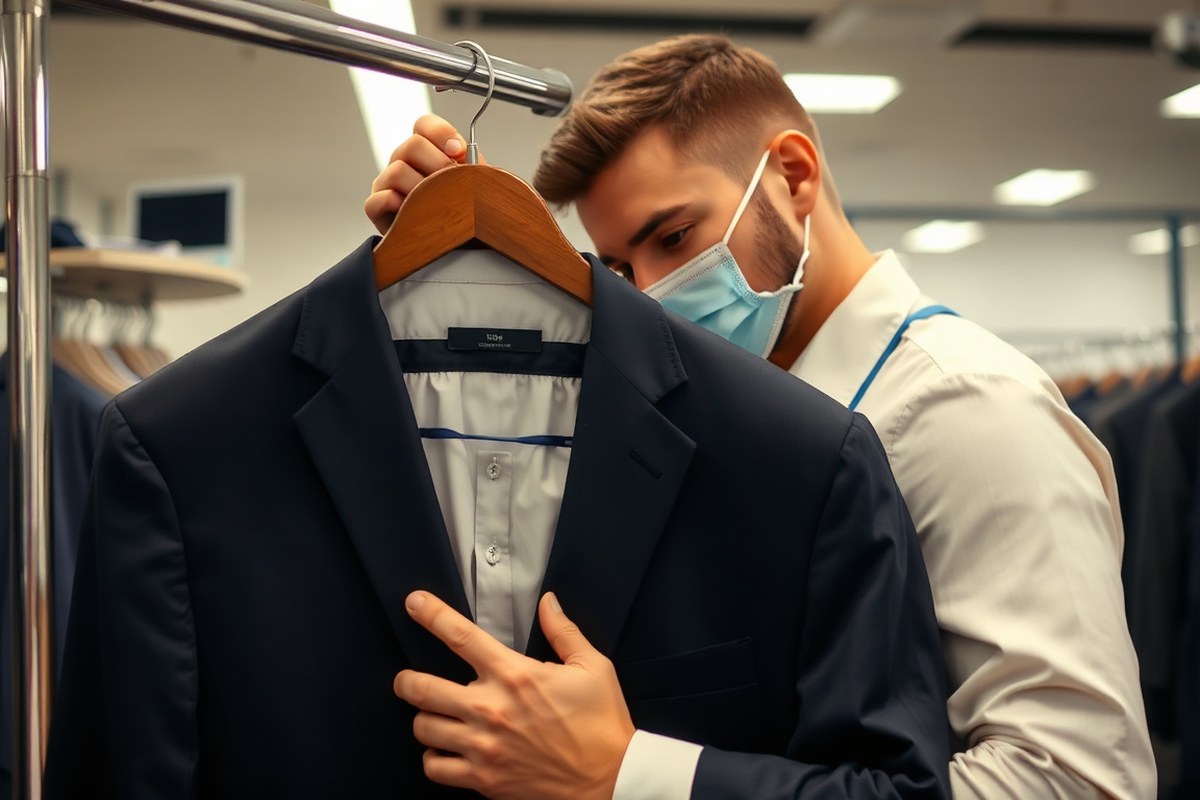
Dry cleaners carefully manage your clothes to keep them looking fresh and undamaged. Their work begins by sorting garments by fabric type and care labels, which helps prevent damage from inappropriate cleaning methods. They also track each item with tagged tickets to ensure nothing gets lost during the process. Special treatment is necessary because many fabrics and garment constructions do not hold up to water-based washing, which can shrink, distort, or fade delicate items. Dry cleaning uses solvents that clean without water, preserving fabric color, texture, and fit better than home washing.
The process involves several key activities to ensure thorough cleaning and garment care. Proper sorting protects your clothes from damage and cross-contamination. Pretreating spots helps remove stubborn stains before the main cleaning cycle. The use of specialized machines with solvent solvents removes soils without saturating the fabric. Drying and finishing steps, such as steaming or pressing, restore the garment’s shape and appearance. A final quality check confirms the clothes meet professional standards before you pick them up. Here is a typical checklist of what dry cleaners do:
- Sort clothes by fabric type, color, and care instructions. This prevents damage and ensures the right cleaning method is used.
- Inspect and pretreat stains by applying targeted solutions to loosen grease, ink, or other marks without harming the fabric.
- Load garments into the dry cleaning machine, where a solvent, commonly perchloroethylene or alternatives, is used in a controlled cycle to dissolve dirt.
- Dry the clothes inside the machine by circulating warm air to evaporate the solvent, leaving garments dry and clean.
- Inspect again to ensure stains and soil are fully removed, repeating treatment if necessary.
- Finish the garment by pressing, steaming, or reshaping it using equipment like form finishers or steamers to eliminate wrinkles and restore the fit.
- Conduct quality control to confirm the garment meets standards for cleanliness, appearance, and damage-free condition.
Sorting and tagging help keep track of each garment, especially when multiple customers’ clothes are processed simultaneously. Special handling is required because delicate fabrics like silk, wool, or rayon can lose color, stretch, or shrink with traditional washing. Dry cleaning’s solvent-based method avoids those issues by reducing water exposure. The finishing touches restore your garment’s professional look, making the process more than just cleaning, it’s fabric care that extends the life of your clothing. Poorly performed steps can lead to color fading, remaining stains, or fabric damage, so choosing a shop that follows this checklist carefully contributes to the best results.
How Does Dry Cleaning Remove Stains Without Water?

Dry cleaning removes stains without water by using specialized chemical solvents that dissolve oils and other substances causing the stains. Unlike water, these solvents avoid swelling or shrinking delicate fabric fibers, preserving the garment’s shape and texture. When your clothes go through dry cleaning, they are placed into a machine similar to a washing machine but instead of water and detergent, the machine fills with liquid solvent. This solvent penetrates the fabric, breaking down grease, dirt, and oil-based stains effectively.
The main solvents work because they are mostly nonpolar, which means they mix well with oily or greasy stains that water can’t break down. These solvents selectively dissolve the stains without damaging the fibers, making them ideal for delicate materials like silk, wool, and rayon that water can ruin by shrinking or weakening the fabric. Some dry cleaning solvents have evolved to be safer and greener, such as silicone-based or hydrocarbon solvents, reducing environmental impact while maintaining cleaning power.
During dry cleaning, the machine gently tumbles the clothes in the solvent inside a sealed drum. This tumbling combined with the solvent’s chemical action loosens dirt and lift stains without the harsh scrubbing of water and detergents. After the solvent has cleaned the clothes, it is drained and filtered to remove impurities so it can be reused. Then, warm air circulates to evaporate any leftover solvent from the clothes, leaving them dry and ready to wear. This entire process usually takes about 30 to 45 minutes, depending on the machine and load size.
Dry scouring, a key part of this method, refers to the ability of these solvents to clean dry without any direct water presence. This process is efficient at removing tough stains that don’t respond well to water-based washing solutions. Because there’s no water involved, fabrics maintain their original size, shape, and color intensity. However, not every stain comes clean with dry cleaning; water-soluble stains like wine or coffee might require special pretreatment or other cleaning methods after.
Ask your cleaner if they pretreat stains before dry cleaning because this step improves the solvent’s ability to remove stubborn marks without harming delicate fabrics.
What Are the Main Solvents and Their Safety Levels?
Dry cleaners primarily use solvents to clean garments without water. The most common solvent is perchloroethylene (perc), but due to health and environmental concerns, many cleaners have begun to use alternative solvents like hydrocarbon-based and silicone-based liquids. These alternatives offer varying levels of safety and environmental impact. Choosing between them involves considering effectiveness, cost, and sustainability goals.
Perchloroethylene (PERC): Pros and Cons
Perchloroethylene, often called perc, is the traditional and most widely used solvent in dry cleaning. It has been around since the 1930s and excels at removing oils, grease, and tough stains that water-based cleaning can’t handle. Perc machines use this liquid because it doesn’t soak into fabrics like water, reducing swelling or shrinking of garments.
However, perc raises significant health and environmental concerns. It can contribute to air and water pollution and has been linked to cancer risks for workers exposed over time. The EPA regulates its use and emissions due to these risks. Perc’s solvent vapors are heavier than air, which makes proper ventilation in dry cleaning facilities important to protect workers and customers.
Hydrocarbon and Other Traditional Solvents
Hydrocarbon solvents are petroleum-based and used by about 20% of dry cleaners as a less toxic alternative to perc. These solvents clean clothes in a similar way but tend to be less aggressive chemically. They are flammable and require specific precautions during storage and operation. Prices for hydrocarbon solvents typically range higher than perc but come with the benefit of mildly lower health risks.
Other traditional solvents, such as carbon tetrachloride, were used in the past but phased out by the 1950s because of their toxicity and environmental harm. Hydrocarbon and slow-evolving petroleum solvents remain in use but face growing competition from more eco-friendly options that meet stricter regulations.
Eco-Friendly Solvent Alternatives
Green dry cleaning alternatives include siloxane-based solvents (often marketed as Green Earth), liquid carbon dioxide, and wet cleaning methods. Siloxane solvents are based on liquid silicone and have a lower environmental footprint and reduced toxicity compared to perc. Liquid carbon dioxide cleaning uses pressurized CO2 in a liquid state, which is non-toxic, non-flammable, and leaves no harmful residues.
Wet cleaning uses water and specialized detergents in controlled machines and is effective for many garments traditionally dry cleaned. These green methods tend to cost more upfront due to specialized equipment but offer benefits in worker safety and reduced environmental impact. Here is a comparison of common dry cleaning solvents and their characteristics:
| Solvent | Effectiveness | Health & Safety Risks | Environmental Impact | Cost Range (relative) |
|---|---|---|---|---|
| Perchloroethylene (perc) | Very high | Linked to cancer; regulated for exposure | High pollution potential; EPA regulated | Low to Moderate |
| Hydrocarbon solvent | High | Less toxic but flammable | Moderate pollution potential | Moderate to High |
| Siloxane (Green Earth) | High | Low toxicity | Low environmental impact | High |
| Liquid Carbon Dioxide | Moderate to High | Non-toxic, non-flammable | Very low environmental impact | High (equipment intensive) |
| Wet Cleaning | Moderate (for many garments) | Low | Very low | Moderate to High (equipment cost) |
Dry cleaners working with sensitive or high-value fabrics may choose siloxane or liquid carbon dioxide systems despite higher prices to reduce exposure risks. Homeowners interested in eco-friendly care should seek cleaners that advertise green solvents or offer wet cleaning, as these methods reduce chemical residues and environmental harm. Many regions have begun restricting perc usage, so moving to low-impact solvents aligns with regulatory trends and public health advice.
Step-by-Step: What Happens During the Dry Cleaning Process
The dry cleaning process follows a clear set of steps designed to clean garments effectively while protecting delicate fabrics. From the arrival of your clothes to the final pressing, each stage focuses on identifying issues, treating stains, cleaning without water, and finishing to restore the garment’s appearance. This ensures the best results without the damage that traditional washing can cause.
Inspection and Stain Pretreatment
When your clothes first arrive, a trained technician carefully inspects each garment. They check for stains, fabric type, and any damage that might affect cleaning. Assigning individual tags helps track the clothes throughout the process and prevents mixing them up.
After inspection, any spots or stains receive special attention. Pretreatment involves applying cleaning agents directly to problem areas. This step is important because some stains won’t come out with solvent alone and might require specialized spot treatments. This preparation increases the chances that all marks will be fully removed.
Cleaning in the Dry Cleaning Machine
Once pretreatment is complete, the garments are loaded into the dry cleaning machine along with the appropriate solvent. The machine uses a liquid chemical solvent to clean, typically perchloroethylene or a newer, less toxic solution. Unlike water washing, this solvent dissolves oils and dirt without shrinking or fading clothes.
Inside the machine, the clothing tumbles through the solvent at controlled temperatures, usually around 100°F to 130°F. This process typically lasts 15 to 30 minutes. The solvent also filters out soil and grease during this cycle. For delicate fabrics, the cycle may be gentler, with lower heat or fewer rotations.
Drying, Pressing, and Final Inspection
After cleaning, the clothes enter a drying phase where heat gently evaporates the solvent from the fabric. Temperatures for drying vary; moderate heat is common, but delicate garments may require cooler or no-heat drying to avoid damage. Proper drying removes chemical residue and prepares garments for final finishing.
Pressing and finishing are the last steps. Using steam presses, irons, or hand pressing techniques, cleaners reshape and smooth garments to restore their crisp look. This step can take several minutes per item, depending on the fabric and garment style. A final thorough inspection confirms that stains are gone and the clothing is ready for pickup.
- Receive and tag garments to track them individually.
- Inspect each piece to identify stains, fabric type, and damage.
- Apply pretreatment solutions to specific stains for better removal.
- Load garments into the dry cleaning machine with solvent.
- Run the cleaning cycle, typically 15, 30 minutes at moderate temperatures.
- Dry garments carefully using heat tailored to fabric sensitivity.
- Press and finish garments to remove wrinkles and restore shape.
- Conduct a final inspection to ensure cleanliness and quality.
How Long Does Dry Cleaning Take and What Affects Timing?
Dry cleaning typically takes about 24 to 48 hours from drop-off to pickup. This timeline covers the basic steps: inbound inspection, cleaning with solvents, drying, pressing, and final quality checks. Most dry cleaners aim to complete standard garments like shirts, dresses, and slacks within this timeframe, allowing you to plan accordingly for events or daily wear.
Some garments take longer to process due to their material, construction, or condition. Delicate fabrics such as silk or complex items with linings, embellishments, or multiple layers require extra care. Stubborn stains or heavy soil also extend cleaning time since they may need pre-treatment and repeated solvent application to ensure effective removal without damage. In these cases, turnaround can stretch beyond two days.
Busy periods, such as holidays or wedding seasons, further influence how fast dry cleaning gets done. Shops handle high customer volume and may prioritize based on service type or garment urgency. During peak times, it’s wise to allow more lead time and avoid last-minute cleaning requests.
Many dry cleaners offer rush or express services for an additional fee. These options can reduce processing to the same day or within a few hours for select items. Costs vary widely but expect to pay at least 25 to 50 percent extra. Rush services are practical for urgent needs but should be reserved for critical occasions since they may compromise thorough stain treatment or finishing quality.
To ensure timely service, provide clear instructions and identify any special concerns when dropping off garments. If you need clothes cleaned quickly, ask if express options exist and confirm additional charges upfront. Planning your visits during off-peak times can also speed up turnaround. Understanding how dry cleaning timelines work helps you set realistic expectations and secure the best results for your clothes without stress or last-minute surprises.
Always check with your dry cleaner about their turnaround times before drop-off and whether express service options are available if you need your clothes cleaned faster.
Which Garments Should Always Go to a Dry Cleaner?
Garments made from delicate or structured fabrics often require dry cleaning to protect their shape and texture. Natural fibers such as wool, silk, and cashmere usually benefit from dry cleaning because water and agitation can cause shrinking, distortion, or color loss. Clothing items like suits, coats, evening dresses, and expensive blouses typically fall into this category. When your garment’s care label shows a circle symbol, often with a letter inside, that means dry cleaning is recommended or required. This symbol guides you and the cleaner on the safest cleaning method.
The dry cleaning symbol looks like a plain circle or a circle with letters such as P or F inside. Each letter signals the solvent type and processing method preferred by professionals. For example, a “P” means the garment should be cleaned with perchloroethylene or a similar solvent, while “F” indicates hydrocarbons are appropriate. The symbol may also include lines underneath, signaling gentle or very gentle cycles. Knowing how to read these symbols helps you decide whether dry cleaning is necessary and informs the cleaner about the safest approach. Avoid ignoring the dry clean-only label, especially on finely woven or intricately detailed fabrics, because washing them at home can lead to irreversible damage.
Some garments labeled for dry cleaning can occasionally be wet cleaned at home or professionally if the fabric and construction allow. Wet cleaning uses water but in a much gentler way than machine washing, with controlled temperature and delicate detergents. This method suits items that don’t have strict dry clean-only labels or are less valuable and less structured. For these cases, the decision rule is to check the care label first, then consider the fabric type and garment construction. Handwashing in cool water is sometimes safe for fabrics marked with a handwash symbol if you want to avoid dry cleaning costs, which can average around $10 to $20 per item depending on location and garment complexity.
Taking a practical approach means following this checklist: first, look for the dry cleaning symbol on your garment’s tag. If it appears, dry cleaning is usually the safest choice. Second, evaluate the fabric, wool, silk, and other natural fibers often need professional care to avoid shrinkage or damage. Third, consider the garment’s complexity, such as pleats, linings, or embellishments, which can be harmed by water. Finally, when in doubt, consult your dry cleaner about alternative methods like professional wet cleaning. Some fabrics are sensitive to even gentle water exposure, while others might handle it well under controlled conditions.
Dry cleaning prevents many common problems associated with home washing, like fabric shrinkage and distortion. However, for garments without a dry clean-only symbol or for sturdy fabrics like cotton or polyester blends, machine washing or handwashing is usually acceptable and more cost-effective. Prioritize dry cleaning for valuable, heavily structured, or finely detailed items to maintain their appearance and longevity. This approach protects your investment and avoids costly garment replacements or repairs due to improper cleaning.
Common Customer Mistakes and How to Avoid Them
Many customers make mistakes that affect their dry cleaning results or risk garment damage. Not removing items from pockets, for example, can cause damage when sharp objects like pens leak or keys scratch fabrics. Preparing your clothes well before dropping them off helps prevent these issues and ensures the dry cleaner can focus on treating the right stains and fabrics.
Identifying and pointing out stains before handing over your clothes speeds up the cleaning process and reduces the chance of stains being missed. Some stains become permanent if not treated quickly. Dry cleaners examine garments after cleaning to check for remaining stains but can only treat spots if they are aware of them beforehand.
Misunderstanding what fabrics work best with dry cleaning is another common error. Materials like silk, rayon, and viscose are prone to water damage and shrinking, so enforcing dry cleaning prevents ruining these garments. On the other hand, some fabrics or clothing items might be damaged by dry cleaning, so informing your cleaner about delicate or unusual textiles is important to avoid harm.
- Empty all pockets completely before drop-off.
- Point out all stains clearly to the cleaner on the drop-off form or in person.
- Check garment labels and inform the cleaner about delicate fabrics like silk or rayon.
- Don’t assume every spot will come out; some require specialized treatment or may be permanent.
- Remove accessories such as belts, jewelry, and detachable decorations.
- Use a reputable dry cleaner who tags clothes and inspects stains post-cleaning.
- Keep receipts and check clothes carefully at pickup for damage or missed stains.
If you notice damage or stains remain after cleaning, notify the dry cleaner immediately. Most professional cleaners inspect clothes thoroughly before returning them and will correct missed stains or damage according to their policies. Note that some issues like shrinking or irreversible stains might not be covered if the item wasn’t properly prepared or the label’s instructions ignored.
By following these steps, you improve the chances of your garments returning in great condition. Proper preparation and clear communication with your dry cleaner reduce missteps and help you get the most out of professional cleaning services. Quality dry cleaning can protect your clothes and extend their wear life, but it relies on both your care and the cleaner’s expertise.
How to Choose and Work with a Professional Dry Cleaner
Choosing a reliable dry cleaner involves checking their certifications, understanding the solvents they use, and clearly communicating your garment care needs. These steps help ensure your clothes receive the proper treatment, reducing the risk of damage or ineffective cleaning.
Checking Credentials and Certifications
Start by asking dry cleaners about their professional certifications and memberships in industry associations. Certifications show they meet established standards and stay informed about safe and effective cleaning practices. Well-known certifications or affiliations with organizations like the Drycleaning & Laundry Institute signal a commitment to quality and competence. Also, check if the cleaner complies with local environmental and safety regulations, which affects the solvents they can legally use and how they handle waste. A clean, well-organized shop with transparent policies often indicates professionalism and care in handling garments.
Checking online reviews can show you a dry cleaner’s reputation for quality and customer service. Pricing usually ranges from $5 to $20 per garment, depending on fabric type and treatment required, so avoid cleaners with prices far below average, which might indicate corners cut on processes or materials.
Asking About Cleaning Methods and Solvents
Inquire about the cleaning solvents the dry cleaner uses. Some still rely on perchloroethylene (perc), the traditional solvent effective at removing stains but known for environmental and health concerns. Safer alternatives like hydrocarbon solvents or biobased solvents are increasingly common and may be gentler on fabrics and the environment. Ask if they use these newer options when you have preferences or concerns. Understand also that certain stains need to be pretreated with specialized spotting solvents or steam jets before the dry cleaning process begins. A knowledgeable cleaner will ask you about any stains upfront and explain how they plan to handle them.
Transparency about the methods used and the cleaner’s experience with your garment type can prevent surprises. Some stains, like ink or dye, may not come out completely even with professional treatment, so communicate any stain issues clearly.
Always mention any stains or damage when dropping off garments to ensure the cleaner knows exactly what needs attention.
Preparing Your Garments for Drop-Off
Before handing over your clothes, remove personal items like wallets, loose change, or pins to prevent damage or loss. Point out any stains, tears, missing buttons, or special instructions directly to the staff. Be specific about care needs, such as delicate fabrics, linings, or garments with special finishes. Clear communication helps avoid misunderstandings and ensures your clothes receive proper treatment.
Use a script like this: “This blouse has a red wine stain on the sleeve and a missing button at the cuff. Please use the gentlest solvent possible, as it’s a delicate fabric.” Providing this information saves time and reduces the risk of damage. Keep in mind that cleaning typically takes 2 to 5 days, depending on the cleaner’s capacity and your garments’ condition, so plan accordingly.
Your Dry Cleaning Action Plan
Follow these steps to get the best results from your dry cleaning experience and keep your garments in top condition.
- Before your first visit: Check the care labels on your clothes to identify which need dry cleaning, ensuring you don’t accidentally wash something that requires special care.
- Day of drop-off: Inspect garments for particular stains and point them out to the cleaner for targeted treatment. This helps prevent stains from setting permanently.
- During the cleaning process: Ask your dry cleaner which solvents they use and confirm they follow safety standards. Knowing this helps you trust the cleaning’s effectiveness and safety.
- When picking up clothes: Examine garments for missed stains or damage so you can report issues promptly. This ensures you get a chance to resolve any problems early.
- After returning home: Hang garments properly to maintain their shape and avoid wrinkles. Proper handling keeps clothes looking their best longer.
- Ongoing: Rotate dry cleaning with regular laundering when possible to extend garment life. Over-cleaning in solvents can wear fabrics faster.
Frequently Asked Questions
What Do Dry Cleaners Do Differently to Handle Delicate Fabrics?
Dry cleaners use special solvents instead of water to clean delicate fabrics, preventing shrinkage and damage. They apply controlled temperatures and specialized machinery to keep garments safe during cleaning.
How Do Dry Cleaners Manage Garment Shrinkage?
Dry cleaners prevent shrinkage by avoiding water and using solvents that don’t swell fabric fibers. They also control drying conditions carefully to maintain the size and shape of garments.
Why Do Dry Cleaners Use Solvents Instead of Water?
Solvents dissolve oils and grease better than water without affecting the fabric’s structure. This method protects sensitive materials from the harsh effects of water and heat.
How Do Dry Cleaners Remove Odors from Clothes?
Dry cleaners remove odors by using solvents that penetrate fabric fibers and break down odor-causing compounds. Steam finishing also helps refresh garments without washing.
What Safety Measures Do Dry Cleaners Follow to Handle Chemicals?
Dry cleaners follow local regulations and use ventilation and protective equipment to handle solvents safely. Proper training minimizes chemical exposure risks for workers and customers.
How Do Dry Cleaners Identify and Sort Garments Before Cleaning?
Dry cleaners tag and sort garments based on fabric type, color, and soil level to choose the right cleaning method. This prevents damage and ensures proper treatment for each item.
Final Thoughts
Dry cleaners work by using specialized solvents and techniques to clean clothes safely without water, making them ideal for delicate or structured garments. Knowing what to expect and how to work with your cleaner ensures your clothes stay fresh and well cared for. Your next step is to check your wardrobe for items labeled “dry clean only” and plan your visit accordingly.