How to Clean White Leather Shoes: 8 Proven Methods That Keep Them Bright
To clean white leather shoes effectively, identify the leather type first, then use gentle, leather-specific cleaners and soft tools to avoid damage. Avoid bleach and harsh chemicals, as these can yellow the leather or ruin its finish. After cleaning, condition your shoes to prevent drying and cracking, preserving their bright look over time.
This advice suits anyone who owns white leather footwear and wants straightforward, safe cleaning techniques suitable for at-home care. You’ll learn how to maintain their brightness and extend their life with methods tailored to different leather varieties and common shoe components.
Key Takeaways
- Always check the leather type before cleaning your white shoes to pick the safest method and products.
- Use mild cleaners specifically designed for leather or a gentle DIY cleaner to avoid discoloration and damage.
- Soak your laces in warm water mixed with a gentle detergent for half an hour, then let them dry to get a thorough clean.
- Focus on a soft cloth or brush to clean leather surfaces gently without scratching or fading the finish.
- Clean and brighten your soles independently to instantly improve the overall appearance of your white shoes.
- Apply a leather conditioner after cleaning to keep the leather supple and prevent dullness or creasing.
1. How to Clean White Leather Shoes Safely

Cleaning white leather shoes safely means using gentle tools and mild products that protect the leather from damage or discoloration. Harsh chemicals like bleach or strong scrubbing can cause yellowing or strip the leather’s finish. Instead, rely on mild soap, lukewarm water, and soft cloths to keep your shoes looking fresh. Preparing your shoes by removing laces and brushing off loose dirt helps avoid embedding grime during cleaning. Avoid soaking the leather completely, as leather and water don’t mix well and can ruin adhesives or create uneven fading. Follow these detailed steps to clean your white leather shoes without risking harm:
- Remove Shoelaces and Loose Dirt: Take out the laces to prevent mess and dust off any dirt with a soft brush or dry cloth. This keeps grit from scratching the leather during cleaning.
- Mix Mild Soap and Lukewarm Water: Combine a few drops of a gentle liquid soap, such as a mild dish detergent or leather cleaner, with about one cup of lukewarm water. Avoid hot water, which can damage leather.
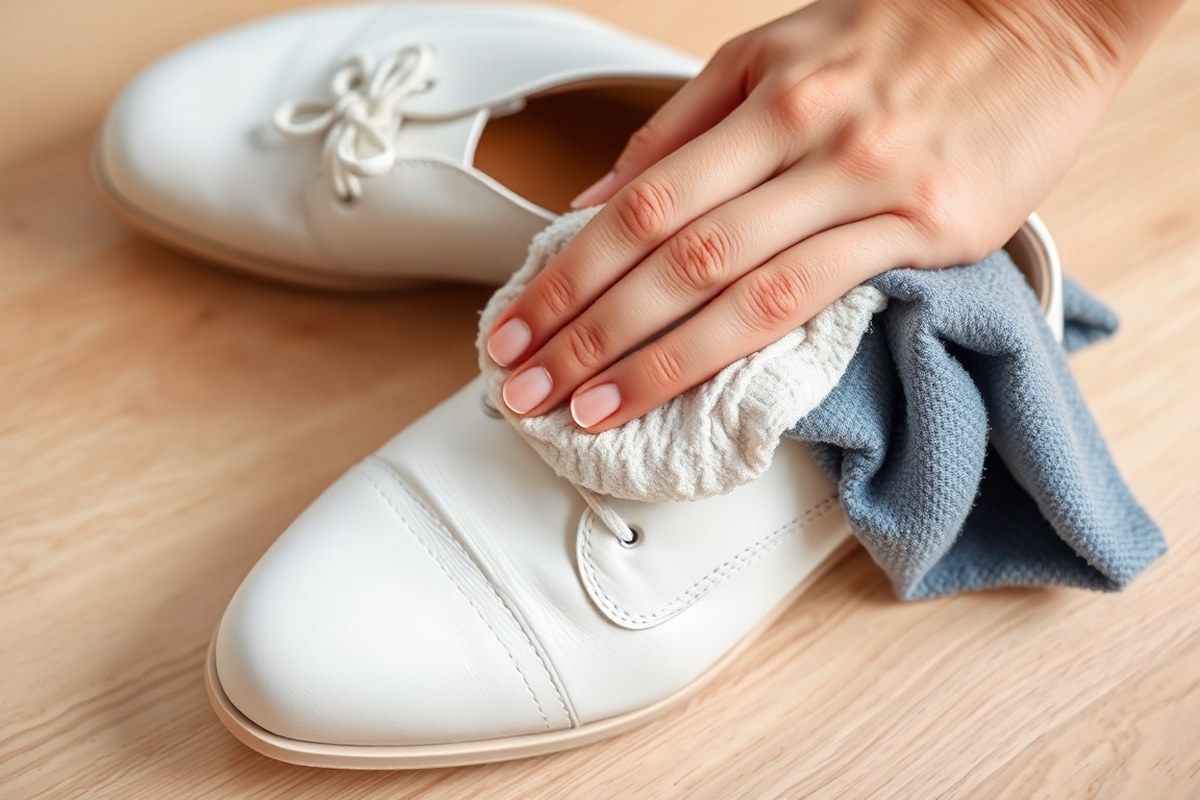
- Dampen a Soft Cloth: Dip a clean microfiber cloth into the soapy water and wring it out well. The cloth should be damp, not soaking wet, to prevent leather saturation.
- Wipe the Leather Surfaces Gently: Using gentle circular motions, wipe the entire shoe surface. Focus on dirty spots but avoid aggressive scrubbing that could remove the finish or cause discoloration.
- Rinse with a Clean, Damp Cloth: Wet a second cloth with plain lukewarm water, wring it out, and wipe the shoes to remove any soap residue. Soap left on leather can cause damage or dryness over time.
- Blot Dry with a Paper Towel: Press a paper towel or clean dry cloth on the shoes to absorb remaining moisture. Avoid rubbing, which can spread grime or damage the leather.
- Air Dry at Room Temperature: Leave the shoes in a well-ventilated area away from direct sunlight or heat sources. Allow them to dry completely before wearing or conditioning to avoid warping or cracking.
Generally, this cleaning method takes about 15 to 30 minutes and costs under $10 for soap and cloths. Shoes cleaned with this process retain their original color without fading or yellowing. Overwetting or using bleach may cause stains or cracking, so avoiding these is essential for home care. Regular light cleanings keep white leather looking new without the hassle of deep scrubbing or professional restoration.
2. Choosing the Right Cleaner for Different Leather Types

Not all white leather shoes are made from the same type of leather, and choosing the right cleaner depends heavily on identifying the leather type first. Common types include smooth full-grain leather, patent leather, and suede leather. Smooth full-grain leather is the most common; it’s durable and doesn’t absorb water easily, which makes cleaning surface dirt simpler. Patent leather has a glossy finish, requiring gentle cleaning to avoid dulling its shine. Suede, known for its soft texture, is very delicate and demands specialized cleaning to avoid damage.
Using the wrong cleaning product can harm the leather’s finish, cause discoloration, or even shrink the material. Most leather cleaners are formulated for smooth leather surfaces and aren’t suitable for suede or highly finished patent leather. Selecting a product made specifically for your shoe’s leather type will protect your investment and maintain the shoe’s appearance longer.
| Leather Type | Cleaning Method | Recommended Cleaner | Cost/Example | What to Avoid |
|---|---|---|---|---|
| Smooth Full-Grain Leather | Wipe with damp cloth, mild soap, then condition | PH-balanced leather cleaner or mild soap | $10, $20 for leather cleaner; soap at home | Harsh chemicals like bleach |
| Patent Leather | Wipe with soft cloth using mild cleaner, buff to shine | Non-abrasive cleaner or water with mild soap | $10, $15 for patent leather cleaner | Abrasive scrubbing or alcohol-based cleaners |
| Suede Leather | Brush with suede brush, spot clean with suede cleaner | Suede-specific cleaner or eraser | $10, $25 for suede cleaning kit | Water, general leather cleaners, excessive scrubbing |
Start by checking the label inside your shoe or the manufacturer’s website for leather type, especially if you are unsure. For smooth leather, a mixture of mild soap and water is an affordable and effective cleaner. Use a soft cloth to apply it, making sure to remove all soap to avoid residue build-up. Follow up with a leather conditioner every few weeks to prevent drying and cracking, which dulls white leather over time.
Patent leather shoes need less frequent cleaning, mainly focusing on preserving their glossy finish. A soft cloth and mild cleaner keep them looking bright. Avoid abrasive cleaners or alcohol, which can strip the shine. Suede requires a light, dry brushing for dirt and a special suede cleaner for tougher spots. Avoid water altogether on suede, since it can cause stains or texture changes.
Always test a small spot with your chosen cleaner before fully applying it to confirm it won’t discolor or damage your white leather shoes.
3. Removing Stains and Yellowing from White Leather Shoes
To safely remove stains and yellowing from white leather shoes, you need to identify the type of discoloration first. Gentle household products and specific steps can effectively treat dirt, scuffs, and yellow stains without damaging the leather. Careful use of DIY methods or specialized removers helps restore the shoes’ bright appearance while protecting the material.
Identifying Stain Types on Leather
Yellowing on white leather shoes often results from oxidation, exposure to sunlight, or aging of the materials. It makes shoes look old and dingy. Dirt and scuffs, on the other hand, appear as surface grime or marks caused by contact with rough surfaces or substances like mud and ink.
Knowing the stain type matters because it affects stain removal choices. Dirt and scuffs can usually be lifted with mild soap and brushing, but yellowing may require whitening agents or deeper treatments. Avoid abrasive scrubbing, which can harm the leather’s finish and make yellowing worse.
Effective DIY Stain Removal Recipes
DIY stain removers are generally safe if used cautiously and rinsed promptly. Whitening toothpaste is a common household item that can brighten yellowed areas without harsh chemicals. Another option is a gentle paste made of baking soda and water, which helps lift stains while being mild on leather. Follow these steps to treat stains and yellowing using whitening toothpaste or a baking soda paste:
- Apply a small amount of whitening toothpaste or baking soda paste to a soft, damp cloth.
- Gently blot the stained or yellowed area, avoid rubbing hard to prevent damaging the leather.
- Let the paste sit for about 10 minutes to allow it to work on the stain.
- Using a barely damp clean cloth, wipe away the paste thoroughly without soaking the leather.
- Air dry the shoes at room temperature, away from direct sunlight or heat sources.
- Repeat if necessary, but do not over-apply treatments to avoid leather drying out.
This method costs very little beyond the toothpaste or baking soda, and it usually takes 20 to 30 minutes from start to finish per shoe. Good results include reduced yellowing and lighter stains with no leather damage or discoloration.
When to Use Specialized Leather Stain Removers
When stains or yellowing prove stubborn or cover large areas, products formulated specifically for leather and sneakers are safer and more effective than all DIY approaches. These removers contain ingredients designed to whiten and clean without weakening or yellowing the leather further.
Choose a leather cleaner labeled “color-safe” or “white leather safe,” and follow the manufacturer’s instructions closely. Test any product first on a small, hidden area to check for adverse reactions. Specialized cleaners especially help with tough grime, oils, or deeply set stains that household remedies cannot remove. Frequent use of specialized removers costs more, typical prices range from $10 to $20 per bottle, and should be balanced with preventative care like applying a leather protector beforehand to reduce stain buildup.
4. Cleaning Soles and Non-Leather Parts Separately
Cleaning the soles and other non-leather parts of your white leather shoes requires care to protect the leather upper. Rubber soles and midsoles often accumulate dirt and stains separate from the leather, and they need to be treated differently. Using a melamine sponge is effective for scrubbing the rubber without harsh chemicals, but it’s mildly abrasive, so avoid touching the leather or fabric areas with it. Cleaning the soles after the leather ensures you can see the full effect of your work and prevent accidental damage to the uppers. Here is a step-by-step approach to safely clean the soles and non-leather parts without affecting the leather:
- Wait until the leather upper is completely dry. This prevents any cleaner or water from transferring from the soles to the leather, which could cause spotting or damage.
- Dampen the melamine sponge slightly with water. Avoid soaking it, as excess water can drip onto the leather.
- Gently scrub the rubber sole and midsole. Focus only on these parts, moving in circular motions to lift dirt and stains. Use light pressure to protect the shoe’s structure and avoid yellowing caused by over-scrubbing.
- Use a soft brush or an old toothbrush for grooves and textured areas. This helps dislodge dirt in crevices without touching the leather.
- Wipe the sole and surrounding areas with a clean damp cloth. This removes loose dirt and any residue from the sponge or brush.
- Dry the soles with a soft towel immediately after cleaning. Avoid prolonged moisture exposure, which can cause yellowing and material breakdown.
- Inspect the soles for stubborn stains. If needed, repeat the process but keep scrubbing gentle to prevent wear or discoloration.
Costs for cleaning supplies are minimal. A melamine sponge usually costs $2 to $5 and lasts for several cleaning sessions. Avoid using harsh chemicals or household cleaners on the rubber sole to prevent damaging the materials. Keeping the rubber parts clean without touching the leather avoids dulling the upper and helps maintain the shoe’s overall appearance.
Older shoes may have soles showing yellowing from oxidation and aging rubber, which a melamine sponge can only partially address. In such cases, professional cleaning or sole replacement might be necessary if the yellowing is severe. Following these steps keeps your white leather shoes looking clean and prevents new stains or damage from forming in the non-leather zones.
5. Daily and Weekly Maintenance Tips for White Leather Shoes
Wiping down your white leather shoes after every wear stops dirt and sweat from settling in. Use a soft cloth or a damp paper towel to gently remove surface dust. This quick step usually takes only a minute or two but can dramatically reduce buildup that toughens cleaning later.
Leather conditioner should be part of your weekly routine. It keeps the leather supple and prevents cracks that dirt and moisture can worsen. Apply a nickel-sized amount of conditioner with a clean cloth, rubbing it in small circles evenly across the shoe. Wait 10 to 15 minutes before buffing off any excess. This maintains the leather’s natural oils without over-saturating it.
Beyond cleaning and conditioning, small daily habits make a big difference. Avoid wearing your white leather shoes in wet or muddy conditions as moisture and grime speed yellowing and damage. Store them in a cool, shaded place to prevent UV light and humidity from causing spots and color changes.
- Wipe shoes with a soft cloth or damp paper towel after each use.
- Brush off loose dirt gently before any deeper cleaning.
- Use leather conditioner once a week, applying lightly and evenly.
- Keep shoes dry; avoid wearing in rain or snow.
- Store shoes in a shaded, cool spot away from direct sunlight.
- Rotate shoes regularly to let leather breathe between wears.
Using too much water or harsh scrubbing can damage leather more than dirt itself. Always start with a gentle touch.
Following these tips protects your shoes from premature aging and yellowing. Regular light care stops dirt from embedding, while conditioning restores moisture to prevent cracking. These simple steps typically take less than 10 minutes per week and cost little. High-quality leather conditioner usually costs $10 to $20 per bottle and lasts through many applications.
Keep in mind, even with perfect maintenance, white leather will naturally develop character over time. Avoid trying heavy cleaning methods too often, as that risks weakening the material. Instead, maintaining daily cleanliness and weekly conditioning offers the best balance for long-lasting, fresh-looking white leather shoes.
6. Proper Drying and Conditioning After Cleaning
Drying and conditioning white leather shoes properly keeps them looking fresh and prevents damage like yellowing or cracking. Avoid heat and direct sunlight when drying, and use the right conditioner to restore moisture without harming the leather. Conditioning should follow each thorough cleaning and happen as needed to maintain softness and durability.
Air Drying Techniques for Leather Shoes
Drying white leather shoes by air at room temperature helps prevent yellowing and damage that heat causes. Stuffing the shoes with white paper towels keeps their shape and helps draw out moisture from the inside. Choose a well-ventilated spot away from direct sunlight and heaters for even drying.
- Gently rinse or wipe your shoes after cleaning to remove any cleaner residue.
- Stuff each shoe with crumpled white paper towels to maintain shape and absorb moisture.
- Place the shoes on a flat surface in a cool area with good air circulation.
- Leave shoes to dry naturally for 24 to 48 hours, checking periodically to replace damp paper towels.
- Avoid placing shoes near radiators, hair dryers, or in direct window sun to prevent yellowing and cracking.
- After drying, remove the paper towels and inspect the shoes’ interior and exterior for any remaining dampness.
How to Apply Leather Conditioner Correctly
Conditioning restores moisture lost during cleaning and daily wear. Use a conditioner designed for leather, not oils or waxes meant for other materials. Applying conditioner with a white cloth minimizes color transfer and ensures even coverage. Light applications prevent buildup that can attract dirt.
- Choose a leather conditioner safe for white leather shoes, usually available for $10 to $20 per bottle.
- Apply a small amount of conditioner to a clean, white microfiber or cotton cloth.
- Gently rub the conditioner into the leather using circular motions, covering all cleaned areas.
- Let the conditioner absorb for 15 to 30 minutes at room temperature.
- Buff the shoes lightly with a dry white cloth to remove excess conditioner and restore shine.
Condition your shoes right after they fully dry from cleaning. For shoes worn often, conditioning every one to two weeks maintains softness. For less frequent wear, condition every 3 to 4 weeks or when the leather feels dry or stiff.
Signs Your Leather Needs Extra Moisturizing
Leather that feels tight, stiff, or has visible cracks on the surface indicates dryness and needs conditioning. Dullness or faded white color can also signal moisture loss. Conditioning at this stage prevents long-term damage, including permanent cracking or excessive yellowing.
Regularly check shoes during the drying process and before storage. If you notice the leather losing its natural suppleness or if dryness occurs quickly after past conditioning, increase the frequency slightly. Avoid over-conditioning since too much moisture can soften the leather excessively and weaken its structure.
7. Safe Homemade Cleaners Specifically for White Leather
Several gentle homemade cleaners work well on white leather shoes without risking damage. These cleaners use common household ingredients like mild soap and vinegar, which clean effectively while protecting the leather’s finish. Preparing and applying them carefully lets you maintain white leather shoes at home with good results.
Mild Soap and Water Solution
This is the simplest and safest cleaner for white leather shoes. Mix warm water with just a few drops of mild dish soap or a gentle detergent. Avoid harsh soaps; a little mild soap loosens dirt and scuffs without stripping natural oils from the leather.
To use, dip a soft microfiber cloth or a soft-bristled brush into the soapy water. Wring out excess moisture so the cloth is damp, not wet. Gently wipe the shoe’s surface in small, circular motions, focusing on dirty spots. Always test in a small, hidden area first.
After cleaning, wipe the shoe with a cloth dampened with plain water to remove soap residue. Let the shoe air dry at room temperature, stuffing the toe with paper to hold its shape.
Vinegar and Water Cleaner Safely Used
White distilled vinegar can brighten white leather and gently remove stains when mixed correctly. Combine equal parts lukewarm water and white vinegar for a safe, effective solution. For tougher marks, add a teaspoon of baking soda to form a mild paste, but test this on a less visible spot first.
Apply the solution or paste with a soft cloth, rubbing lightly in circles. Do not soak the leather; use just enough moisture to clean. Afterward, wipe the shoe with a damp cloth to remove any residual vinegar and baking soda, then air dry fully. This vinegar cleaner works especially well for shoes with mixed materials if you clean the leather areas first, preventing color transfer from mesh overlays.
Avoiding Harsh Ingredients Like Bleach
Bleach and similar harsh chemicals are too strong for white leather and can cause permanent discoloration or cracks. Avoid homemade cleaners with bleach, ammonia, or harsh scrubbing powders, which strip the leather’s protective layer and lead to yellowing or peeling.
Even strong acids, citrus-based cleaners, or concentrated solutions should be avoided because they dry out leather and weaken it over time. Stick with mild soap and diluted vinegar cleaners for safe, effective maintenance.
- Use mild detergent or dish soap diluted in warm water
- Choose white distilled vinegar, never colored vinegar
- Limit moisture; leather should never be soaked
- Test any cleaner on a hidden area before full use
- Avoid bleach, ammonia, and harsh scrubbing agents
- Use soft brushes or microfiber cloths with gentle pressure
- After cleaning, condition leather to restore moisture
Following these homemade cleaner practices minimizes risk of damage and maintains the whiteness and durability of your leather shoes. Gentle ingredients combined with careful application ensure effective cleaning without compromising the leather’s quality.
8. When to Call a Professional Cleaner for White Leather
Professional cleaning becomes necessary when white leather shoes suffer damage that home care cannot fix. Signs include deep stains that resist all cleaning attempts, severe yellowing, cracking or peeling leather, and any tears or structural damage. These issues often require more intensive treatment, like specialized stain removal or leather restoration, to prevent further deterioration. Here’s a checklist to help you decide if your shoes need expert care:
- Persistent stains that don’t fade after gentle cleaning
- Yellowing that remains after standard whitening methods
- Leather cracking, peeling, or flaking visibly
- Water damage or discoloration extending into the leather
- Significant scuffs or scratches exposing the leather’s inner layers
- Damage to seams or soles affecting fit or stability
- Odors that don’t disappear after thorough cleaning and airing out
Identifying irreversible stains or damage requires close inspection. If the leather feels brittle, shows white powdery residue, or the stain looks deeply embedded rather than on the surface, it might be beyond DIY repair. When cleaning attempts result in leather color loss or texture changes, stop and seek professional help to avoid permanent harm.
Professional leather shoe services do more than clean. Expect them to evaluate the shoes’ condition, use industrial-grade cleaners and leather conditioners, and apply restorative treatments when needed. Such services cost roughly $30 to $75 per pair depending on the extent of work and location, taking anywhere from a day to a week to complete. Experts can also tighten soles or fix stitching, which is not practical at home.
Avoid machine washing white leather shoes; this damages both shape and material integrity, making professional restoration your only option in serious cases.
At providers like Ironout, where treatment is specialized alongside laundry and dry cleaning, technicians ensure whites look spotless without compromising leather quality. Their expertise includes selecting the right balance of cleaning agents and moisture control, critical for maintaining leather’s durability and appearance. Knowing when to call them can save your favorite shoes from permanent damage and extend their wearable life significantly.
Step-by-Step Action Plan for Cleaning White Leather Shoes
Follow these steps to safely clean your white leather shoes and keep them looking fresh over time.
- Before you start: Remove loose dirt with a soft brush or cloth to avoid scratching the leather.
- Day 1: Test a small area with your chosen cleaner (commercial or homemade) to check for discoloration or damage.
- Day 1: Gently clean the leather using a soft cloth or sponge with your cleaner, focusing on stains and yellowed spots.
- Immediately after cleaning: Wipe off any cleaner residue with a damp cloth and pat dry with a towel to prevent water stains.
- After cleaning: Apply a leather conditioner suitable for white leather to restore moisture and flexibility; the leather should feel smooth, not stiff.
- Weekly: Wipe shoes with a damp cloth and apply a light layer of conditioner if the leather feels dry.
- Monthly: Deep clean soles and non-leather parts separately to remove grime without affecting the leather surface.
- Every few months: Evaluate if stains or yellowing persist; consider consulting a professional if DIY methods don’t fully restore appearance.
Frequently Asked Questions
How to Protect White Sneakers from Everyday Dirt?
The easiest way to protect white sneakers is quick wipe downs after use and rotating them to avoid constant wear. Using spot protection sprays designed for leather also helps repel dirt and stains. Can I use Dawn dish soap to wash my white leather shoes? | Dawn dish soap is mild enough for cleaning leather shoes safely when diluted. Avoid harsh scrubbing to protect the leather finish and always test on a small area first. What is the best thing to clean white leather with? | A mild soap solution combined with a soft cloth or brush is best to clean white leather without damage. Harsh chemicals or bleach can yellow the leather or ruin its texture. How do you make homemade shoe cleaner for white leather? | Mix warm water with a few drops of gentle dish soap to create a simple cleaner. Use a soft brush to gently scrub, then wipe with a clean damp cloth and dry fully. How to clean white shoes that turned yellow? | Yellowing often comes from sun exposure or harsh chemicals; gently wiping with a damp cloth and using a leather-specific whitening product can restore whiteness. Avoid sunlight during drying. Can I store white leather shoes to prevent yellowing? | Store shoes in a cool, dark place away from sunlight and moisture to prevent yellowing and material damage over time.
Final Thoughts
Keeping your white leather shoes clean and well-conditioned preserves their appearance and extends their life. Regular care prevents stains and yellowing from setting deeply into the leather. Start with a gentle cleaning routine today to maintain their bright look and avoid costly repairs later.