How to Remove Mildew from Clothes: 8 Proven Steps for Fast, Effective Cleaning
To remove mildew from clothes effectively, start by soaking and treating the affected areas with the right cleaning solution based on the fabric type. Use hot water heated to at least 140°F for 10 to 30 minutes during washing to kill mildew spores, and follow with thorough drying to prevent recurrence. These steps help eliminate both the stains and odors caused by mildew.
This guidance fits anyone dealing with mildew on everyday clothing, from cotton shirts to delicate fabrics. You’ll learn specific cleaning methods, how to pick treatments for different fabrics, and drying tips that stop mildew from returning.
Key Takeaways
- Use diluted chlorine bleach for whites and oxygen-based bleach for colored clothes to remove mildew stains safely.
- Soak clothes in a vinegar solution for 1-2 hours to help eliminate mildew odors when hot water isn’t available.
- Spray clothes with 3% hydrogen peroxide for a natural mildew-removing agent that doesn’t damage fabric.
- Manually check thick areas like cuffs and seams to ensure clothes are completely dry before storing.
- Soak moldy clothes in tea tree oil solution for 30 to 60 minutes to reduce mildew growth naturally.
- Use a wash cycle with water temperature over 140°F to effectively kill mildew spores on your clothes.
1. How to Remove Mildew from Clothes Effectively

Mildew on clothes forms when mold spores land on damp fabric and feed on organic materials like skin cells and dirt. This creates not only visible stains but also a musty smell that can linger even after washing. To remove mildew effectively, you need to treat visible mold spots before washing, use the right cleaning agents in the wash cycle, and ensure clothes dry thoroughly to prevent smell and spores from returning. The process involves pre-treating stains, washing with a disinfecting additive, rinsing well, and drying completely.
Start by addressing visible mold or mildew spots on your clothes. Treating these areas before washing reduces stains and prevents spreading spores to other garments. Household products such as white vinegar, baking soda, or a cleaner like Simple Green All-Purpose Cleaner work well for this step. In the wash, adding oxygenated bleach or Borax can boost mildew stain removal and odor elimination, especially on colored fabrics where chlorine bleach is not safe. Using hot water helps for sturdy fabrics but always check the care label to avoid damage. Proper drying, ideally in direct sunlight or a dryer if the fabric allows, finishes the process by removing residual moisture.
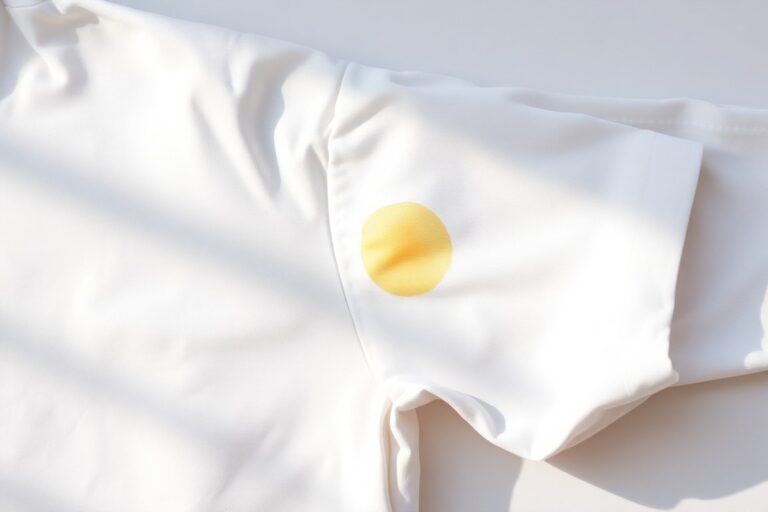
- Inspect and brush off mold spots: Take your clothes outside and brush off any dry mold or mildew spores from the fabric using a soft brush. This prevents spores from spreading inside your laundry area.
- Pre-soak heavily mildewed clothes: Prepare a soak using one part white vinegar to four parts water. Submerge the affected garments for at least 1 hour to help break down mildew odors and stains.
- Pre-treat mildew stains: Apply undiluted white vinegar, baking soda paste (baking soda + water), or Simple Green All-Purpose Cleaner directly on visible mold spots. Let this sit for 10 to 15 minutes before washing.
- Choose the appropriate washing additive: For white clothing, mix 1 cup of chlorine bleach per gallon of water or use oxygen bleach for colored fabrics following package instructions. Borax is another alternative, adding 1/2 cup to the wash load for mildew removal.
- Wash with hot water if safe: Use the hottest water setting the fabric care label allows. Hot water kills mold spores and helps dissolve odor-causing residues. For delicate fabrics, use warm or cold water with oxygen bleach instead.
- Rinse thoroughly: Run an extra rinse cycle if possible to ensure all cleaning agents and loosened spores are removed.
- Dry completely and quickly: Dry your clothes in direct sunlight when possible, as UV rays reduce mildew odors and spores. If using a dryer, select a high heat setting approved for the fabric. Avoid leaving clothes damp or inside the washer after the cycle ends.
Following this process usually removes most mildew stains and odors from clothes at home. Costs vary only by cleaning agent choice, white vinegar, baking soda, and borax are inexpensive and widely available, while specialized cleaners like Simple Green or oxygen bleach might range from $5 to $15 per bottle. Results are best with prompt treatment before mildew sets deeply. Repeated washing without pre-treatment often leaves persistent musty smells and stains. Clothes left damp too long also risk mildew returning, so ensure thorough drying after cleaning to maintain freshness.
2. Choosing the Right Mildew Removal Method for Your Fabric

Choosing the right mildew removal method depends on the fabric type and color. Using strong chemicals like bleach on the wrong fabric can cause damage or color loss. Testing fabric for bleach safety and selecting treatments accordingly helps protect your clothes while removing mildew effectively.
Durable White and Light-Colored Fabrics
White cotton, linen, denim, and towels generally tolerate stronger treatments for mildew removal. Chlorine bleach is effective for killing mildew on these fabrics, but always check the care label first to confirm bleach compatibility. For soaking, mix 1/4 cup chlorine bleach with 3/4 cup water and soak the garment for 10 to 15 minutes. Then rinse thoroughly before washing. Use the highest water temperature allowed by the care instructions, usually hot or warm water, to maximize mildew removal.
Oxygen bleach is another option for white fabrics and can be safer on some fibers. Avoid mixing bleach with other cleaners like vinegar or ammonia to prevent harmful reactions. After washing, dry clothes completely to prevent mildew from returning.
Colored and Synthetic Fabrics
Colored clothes and synthetic fabrics like polyester blends need gentler mildew treatments to preserve color and fabric integrity. Use detergent with oxygen bleach labeled safe for colors instead of chlorine bleach, which can fade or damage dyes. Warm water is usually safe for washing blends, but avoid very hot water or high dryer heat that can weaken fabric stretch and finishes.
Test colored fabrics for bleach safety before applying any strong treatment. The simple “bleachability test” involves mixing 2 teaspoons of bleach in 1/4 cup water, dabbing a drop on an inconspicuous area, waiting one minute, then blotting it. Avoid using bleach when you notice color loss. Instead, rely on detergent and repeated washing cycles with extra rinses to tackle mildew odors and stains.
Delicate and Specialty Fabrics
Delicate fabrics such as silk, wool, viscose, or modal require the mildest mildew removal methods. Avoid chlorine bleach entirely as it may cause permanent damage or weaken fibers. Use gentle detergent formulated for delicates and lukewarm or cold water only. Spot cleaning with a mixture of water and a mild detergent or specialized mildew removers designed for delicates is safest.
Always test any cleaning solution on a hidden spot before applying it broadly. Allow the fabric to air dry completely after treatment, avoiding direct sunlight or high heat which can cause shrinking or warping. Consider professional cleaning for these fabrics when mildew remains. Below is a fabric care table summarizing the recommended mildew removal approaches and what to avoid for each major fabric category:
| Fabric Type | Recommended Approach | Avoid |
|---|---|---|
| Cotton, denim, towels (white or light) | Detergent, hot/warm water if label allows, chlorine or oxygen bleach, full drying | Storing before seams dry, mixing bleach with vinegar or ammonia |
| Polyester and blends | Detergent, warm water if allowed, oxygen bleach labeled for colors, extra rinse to remove odor | Very high heat in washing or drying, chlorine bleach |
| White washable fabrics | Detergent plus chlorine bleach or oxygen bleach if label permits, soak 10-15 minutes | Mix bleach with other cleaners |
| Colored fabrics | Detergent with oxygen bleach safe for colors, warm water, test for colorfastness first | Chlorine bleach, hot water if not allowed by label |
| Delicate fabrics (wool, silk, viscose, modal) | Mild detergent, lukewarm or cold water, spot clean with mild solutions, air dry | Chlorine bleach, hot water, high dryer heat |
Using this table helps you decide when to use home remedies like bleach soaking and when to choose commercial mildew removers designed for specific fabrics. Matching the cleaning method to fabric type preserves your clothes’ look and lifespan while effectively removing mildew.
Practical tip: Always perform a bleachability test on a hidden fabric area before using bleach on colored clothes to avoid irreversible color loss.
3. How Hot Water and Heat Affect Mildew on Clothes
Hot water kills mildew spores on clothes most effectively at temperatures above 140°F (60°C). Washing your garments in the hottest water the care label allows ensures better removal of mold and spores compared to cold water. Hot water combined with detergent breaks down the mildew’s organic matter and flushes away spores, which heat alone cannot do. This washing process is important because merely applying heat without washing fails to remove stains, residue, or dead spores, leaving fabric vulnerable to renewed mildew growth.
Using a dryer or an iron to apply heat can help kill remaining mildew spores after washing, but these methods cannot replace the washing step. Placing visibly moldy or mildewed clothes directly into a dryer risks spreading spores in the machine and does not clean the fabric. After washing clothes in hot water, drying them thoroughly in a dryer on a high heat setting or ironing on a safe temperature can support mildew removal by killing leftover spores and further reducing moisture. However, heat from drying or ironing is only effective if the clothing is clean and dampness is fully removed.
Line-drying clothes in bright sunlight also aids in killing mildew spores through ultraviolet (UV) rays exposure. Sunlight acts as a natural disinfectant, reducing the need for prolonged heat exposure inside a machine. For fabrics that tolerate sun exposure, hanging clothes outdoors for several hours can complement washing and drying steps for mildew control.
Exactly how to use heat safely and effectively starts with checking fabric care labels. Use the hottest wash cycle allowed, often labeled “hot” or around 140°F, and add your regular detergent. To boost mildew removal, you might include two cups of white vinegar during the wash cycle as an optional step, especially if your water temperature doesn’t quite reach 140°F. After washing, transfer clothes promptly to the dryer or hang them outside to avoid musty smells from lingering dampness. Do not leave wet or damp clothes sitting in the washing machine for more than an hour before drying.
Relying solely on heat without washing or pre-treating the fabric is insufficient. While temperatures in the dryer or from ironing reach levels that can kill spores, they do not remove the mildew’s physical remnants, stains, or odor-causing residues. The most reliable approach includes washing in hot water with detergent first, then using heat through drying or ironing to finish the job. This sequence prevents mildew from surviving and keeps your clothes clean and fresh.
4. Pre-Treating Mildew Stains: Soaking and Spot Cleaning Options
Soaking mildew-stained clothes before washing loosens the mold and reduces odor, making stains easier to remove during laundering. Effective soaking solutions include vinegar, hydrogen peroxide, and oxygen or chlorine bleach. Soaking times vary between 10 and 60 minutes depending on the solution and severity of the mildew.
Vinegar and Water Soaks
Vinegar’s acidity helps break down mildew and neutralizes musty smells, making it a popular choice for pre-treating clothes. A 50/50 mix of white distilled vinegar and water soaks work well on heavily affected garments. This method suits most fabric types and avoids harsh chemicals.
Soak clothes in the vinegar solution for 30 to 60 minutes. Avoid soaking longer, as vinegar might weaken some fabrics if left too long. After soaking, rinse thoroughly and move on to normal washing or spot cleaning for stubborn stains.
Hydrogen Peroxide Applications
Hydrogen peroxide at a 3% concentration serves as a gentle bleach alternative that kills mildew and removes stains. It’s safe for many colorfast fabrics but should be tested on a hidden area first. You can spray mildew spots directly or soak clothes by adding peroxide to water.
Spray the 3% hydrogen peroxide directly onto mildew stains and let it sit for 10 to 15 minutes before washing. For soaking, add 2 cups of hydrogen peroxide to a basin of cool water and soak garments for 30 minutes. Rinse well afterward to avoid residue.
Oxygen Bleach or Chlorine Bleach Soaks
Oxygen bleach and chlorine bleach are strong mildew removers. Oxygen bleach is safer for colors and delicate fabrics, while chlorine bleach works best on whites and colorfast items. Mixing bleach with water creates a soak that tackles tough mold stains effectively.
To soak clothes in chlorine bleach, mix 1/4 cup bleach with 1 gallon of cool water. Soak items for 5 to 10 minutes, no longer to prevent fabric damage. For oxygen bleach, prepare a paste with equal parts oxygen bleach powder and water; apply it directly to heavy stains before washing. Follow these steps for soaking and spot treating mildew stains:
- Identify the fabric type and choose the appropriate soak solution (vinegar, hydrogen peroxide, oxygen bleach, or chlorine bleach).
- Prepare the soaking solution: for vinegar, mix equal parts vinegar and water; for hydrogen peroxide, use 2 cups in a basin; for chlorine bleach, dilute 1/4 cup in 1 gallon of cool water.
- Immerse the clothing fully or spot-saturate stains with the solution.
- Soak for the recommended time: 30, 60 minutes for vinegar, 30 minutes for hydrogen peroxide, 5, 10 minutes for chlorine bleach.
- For stubborn stains, apply a paste of oxygen bleach and water directly to affected areas and let sit 10, 15 minutes before washing.
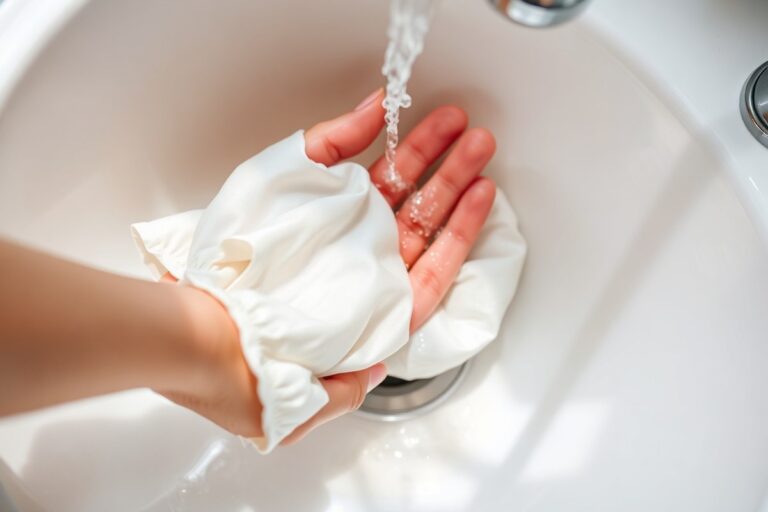
- Rinse the clothing thoroughly with cool water after soaking.
- Launder clothes using the hottest water safe for the fabric, ideally with a mildew-fighting detergent such as Cold Power liquid or powder for colored items.
5. Cleaning Washing Machines to Prevent Mildew Smells Transferring
Washing machines often cause a mildew smell on clothes because moisture and detergent residue build up inside the drum, gasket, and detergent drawer. This damp environment creates the perfect conditions for mold and mildew to grow. Clothes with a musty smell after washing indicate the washer needs cleaning before the next load. Regular maintenance prevents this smell from transferring to your laundry.
Cleaning your washing machine every one to two months helps stop mildew buildup. Front-loading machines are especially prone to mold around the door seal, while top loaders may accumulate residue inside the drum and trays. Neglecting this cleaning can lead to persistent odor that no amount of laundry detergent can fix.
Effective products for cleaning include white vinegar and baking soda, both affordable and safe for most machines. You can also buy specialized washing machine cleaner tablets that break down buildup and kill mold spores. Avoid harsh chemicals that could damage your washer’s components. Follow a regular cleaning schedule and use the right techniques for best results.
- Run an empty hot water cycle with 200-400 ml white vinegar once a month to kill mold and remove odors.
- Use 200-300 g baking soda in a separate hot cycle to deodorize and break down residue.
- Wipe the door gasket, drum, and detergent drawer with a cloth dipped in vinegar or a mild cleaner weekly.
- Leave the washer door and detergent drawer open after each use to allow airflow and prevent moisture buildup.
- Check for visible mold spots around seals and clean them immediately to stop spreading.
- Avoid overusing detergent and fabric softeners, which contribute to residue buildup.
Maintaining your washer involves more than just cleaning. Make sure to dry the inside thoroughly, especially rubber seals, after every use. Inspect and remove lint, hair, or other debris that can trap moisture. Using the hottest water safe for your machine helps during cleaning cycles. For stubborn mold, combine these cleaning cycles with manual scrubbing on seals.
Leave the washer door open between uses to help dry out moisture and prevent mildew growth.
Good results mean no musty smell on clothes even after washing, a clean and dry washer interior, and no visible mold spots. Persistent odors after cleaning call for repeating the vinegar and baking soda cycles or trying a specialized washer cleaner. Neglecting this routine can cause mold to become entrenched, leading to bad smells and potential damage to your machine or clothes.
6. Proper Drying and Storage to Prevent Mildew from Returning
Clothes must be completely dry before storing to prevent mildew growth and musty odors. That means no damp or even slightly moist spots, especially in thick areas like waistbands, cuffs, and seams. Any residual moisture encourages mold to thrive. To check, manually feel these thicker areas and pockets after drying.
The safest and most effective drying methods include air drying in a well-ventilated space or using a dryer on the correct setting for your fabric. Hanging clothes spread out allows air flow, speeding drying and reducing moisture trapped inside folds. Using a dryer with enough heat and time, such as a hot, long cycle, ensures thorough drying, particularly for heavy fabrics. Avoid drying clothes in humid rooms or leaving them to sit damp in laundry baskets or plastic bags, where moisture can get trapped and cause mold to develop.
- Dry clothes fully, focusing on thick areas and seams.
- Air dry in a well-ventilated room or use an appropriate dryer cycle.
- Do not leave damp clothes in laundry baskets, gym bags, or sealed containers.
- Store clothes in breathable containers, like cotton bags, not plastic.
- Keep storage areas cool and dry, using a dehumidifier if humidity is above 50%.
- Avoid long-term storage of dirty or sweaty clothes.
- Regularly air out stored clothes to prevent stale odors.
The best storage environment is one that limits moisture and allows air to circulate. Closets and storage bins should be dry and well-ventilated. Use breathable fabric bags or cotton sheets to cover stored clothes instead of plastic, which traps moisture. Maintaining humidity levels below 50% in storage spaces helps further control mildew risk. Using a dehumidifier in basements or closets prone to dampness is usually the most cost-effective way to manage moisture. Regularly airing out stored clothes can also help avoid buildup of stale air and odors.
Following these steps costs very little beyond time and occasional energy for drying or running a dehumidifier. Good results look like clothes that feel dry everywhere without any cool or damp spots. Clothes will remain fresh-smelling and free from musty odors. Neglecting drying or storage rules can lead to mildew returning quickly, staining, or unpleasant smells that require rewashing.
7. Natural and Home Remedies for Removing Mildew and Odors
You can use natural ingredients like baking soda, vinegar, tea tree oil, and hydrogen peroxide to help remove mildew and odors from clothes. These alternatives work well to some extent and can be safer for fabrics and sensitive skin compared to harsh commercial cleaners. Knowing precise mixing ratios and application steps is key to getting good results without causing damage or persistent smells.
Baking Soda Solutions
Baking soda is effective in neutralizing mildew odors but does not kill mold spores by itself. To use it, dissolve 1 tablespoon of baking soda in a spray bottle filled with water. Spray the affected areas and let it sit for 15 to 30 minutes before washing.
For stronger action, add 1 cup of baking soda directly to the washing machine along with your regular detergent. This not only helps deodorize but also softens fabric and balances water pH to boost cleaning. Baking soda is inexpensive, usually under $1 per pound, making it a budget-friendly option.
Vinegar-Based Treatments
White vinegar contains acetic acid, which can kill some types of mold and mildew, break down residue, and reduce odors. Soaking moldy clothes in a solution of one part vinegar to four parts water for 1 to 2 hours provides mild antifungal effects. After soaking, wash the clothes normally. Adding 1 cup of vinegar to the rinse cycle can further remove smells and residual deposits.
Vinegar is safe for most fabrics but avoid using on delicate materials like silk or rayon. Its acidic nature helps descale and remove mineral buildup, but it lacks the strong disinfectant effect of commercial mold removers. Still, vinegar remains a popular natural choice for its availability and affordability, costing around $2 to $3 per gallon.
Essential Oils and Hydrogen Peroxide
Tea tree oil is known for its natural antifungal properties. To use, mix 1 teaspoon of tea tree oil with 1 cup of water in a spray bottle. Spray or soak clothes for 30 minutes to an hour before washing. This method helps kill mold spores and neutralize odors, leaving a faint fresh scent.
Hydrogen peroxide at 3% concentration can also remove mold stains and kill spores on whites and colorfast fabrics. Dab it directly on spots, wait 10 minutes, rinse, then launder normally. Avoid peroxide on colored fabrics to prevent bleaching. Combining these natural agents, such as soaking in a vinegar and tea tree solution and washing with baking soda, can improve mildew removal and odor control while keeping fabrics safer than harsh chemicals. Below is a summary table of the common natural remedies for mildew removal and deodorizing:
| Natural Remedy | Use | Mixing Ratio | Application Time | Best Fabric Types |
|---|---|---|---|---|
| Baking Soda | Deodorizer and mild cleaner | 1 tbsp in spray bottle (water), 1 cup in washer | 15-30 min spray; during wash cycle | All except delicate |
| White Vinegar | Antifungal soak and rinse additive | 1:4 vinegar to water for soak; 1 cup per wash | 1-2 hour soak; rinse during wash | Most except silk, rayon |
| Tea Tree Oil | Antifungal and odor neutralizer | 1 tsp per 1 cup water | 30-60 minute soak or spray | Durable fabrics |
| Hydrogen Peroxide (3%) | Kills mold stains and spores | Use full-strength as spot treatment | 10 minutes before rinse | Whites and colorfast only |
Proper drying after treatment is essential. Residual moisture or partial cleaning can allow mildew to resurface. Natural remedies may require repeat applications and careful fabric checks to avoid damage or lingering smells compared to commercial cleaners, which tend to be stronger but harsher.
8. When to Seek Professional Cleaning for Moldy Clothes
Professional cleaning becomes necessary when mold growth on clothing is extensive, deeply embedded, or accompanied by a persistent musty smell that home treatments cannot fully remove. If you notice large patches of mold covering most of the fabric or if mold has been present for several weeks, professional remediation is advisable. Mold that penetrates fabric fibers may be difficult or unsafe to remove with DIY methods, especially if the item is delicate, valuable, or labeled dry clean only. These specialized cleaning services use equipment, chemicals, and processes that can safely eliminate mold without damaging sensitive textiles.
Consider professional help if your clothing includes materials such as silk, wool, cashmere, or vintage pieces where home treatments risk shrinking, discoloration, or fiber breakdown. Experts can tailor their approach depending on fabric and mold severity, protecting your investment in valuable items. Costs for professional mold removal vary widely, typically ranging from $20 to over $100 per item, depending on size, material, and mold extent. Choosing a reputable cleaner experienced in mold remediation offers better chances of restoring the garment without spreading spores further.
DIY mold removal can pose risks, including incomplete mold removal, which could cause odors and health issues to persist. You might also accidentally spread mold spores to other garments or areas in your home. Harsh chemicals or improper washing techniques may damage sensitive fabrics or set stains permanently. Avoid DIY treatments for deeply stained or heavily moldy clothes to prevent further damage or exposure. When mold growth is minor and the fabric is washable, home methods often suffice, but do not hesitate to consult professionals if uncertain.
To decide when to seek professionals, use this checklist: Is the mold coverage more than spotty patches? Does the garment smell strongly moldy after washing? Is the item delicate, costly, or dry clean only? Has mold been present for longer than two weeks? Any “yes” suggests professional cleaning is the safer and more effective choice. Also inquire whether the cleaner has experience with mold removal and ask about their techniques and guarantees before handing over your clothes.
Do not attempt to wash heavily moldy clothes in your home washing machine without first consulting a professional, as this can contaminate the machine and spread mold to other items.
Step-by-Step Action Plan for Removing Mildew from Clothes
Follow this plan to tackle mildew on your clothes effectively and keep your laundry fresh and clean.
- Before you start: Inspect your clothes to identify the mildew spots and separate affected items from the rest to prevent spread.
- Day 1: Pre-treat mildew stains by soaking clothes in a mixture of water and oxygen-based bleach or white vinegar for at least 30 minutes, then check if the stains lighten.
- Day 1 continued: Wash clothes in the hottest water safe for the fabric, using a mildew-fighting detergent, and add a cup of white vinegar or baking soda for odor control; confirm odors and stains have reduced after washing.
- After washing: Dry clothes immediately either in direct sunlight or in a well-ventilated dryer on a heat setting suitable for the fabric; ensure clothes are completely dry to prevent mildew return.
- Day 2: Clean your washing machine by running a sanitation cycle or using a washing machine cleaner to remove residual mildew and odors.
- Ongoing: Store clothes in a dry, well-ventilated area to keep mildew from coming back and check stored clothes periodically.
Frequently Asked Questions
How to Remove Musty Smell from Clothes Quickly?
To remove musty smell fast, wash clothes with white vinegar or Simple Green All-Purpose Cleaner, which also tackles stains. Dry clothes completely in sunlight if possible to reduce odor and prevent mildew growth.
What Temperature Kills Mold?
Mold is generally killed at temperatures above 140°F (60°C). Use hot water washes if the fabric care label allows to help kill mold spores effectively.
What Kills Black Mold Immediately?
A solution with bleach or specialized mold removers kills black mold immediately on non-delicate fabrics. Follow label instructions carefully to avoid fabric damage or health risks.
What Kills Mold and Mildew on Clothes?
Mold and mildew on clothes can be removed using white vinegar, baking soda, or oxygenated bleach during the wash cycle. Pre-soaking in vinegar and water helps break down spores for better cleaning.
Can You Use Bleach on All Fabrics with Mildew?
No, bleach can damage delicate fabrics and cause fading; test on a small area first or choose a gentler mildew remover for sensitive materials.
How Long Does Mildew Smell Last on Clothes If Untreated?
Mildew smell can persist indefinitely if untreated, as mold grows continuously in damp, dark environments. Prompt cleaning and thorough drying are essential to avoid lasting odor.
Key Points to Remember
Removing mildew from clothes requires quick action and consistent care with the right cleaning methods and drying techniques. Taking care of your washing machine and proper storage can stop mildew before it starts again. Start by pre-treating any mildew spots on your clothes today using a safe soak, and make sure to dry garments thoroughly right after washing.