How to Get Rid of Sweat Stains on Dress Shirts: 8 Proven Methods That Work
Removing sweat stains from dress shirts is simple when you soak the fabric for at least 20 minutes in appropriate solutions like cold water with vinegar or baking soda paste. White shirts can often handle bleach, while colored ones benefit more from gentler treatments to protect their hues. Targeted scrubbing after soaking lifts the stain without damaging the fabric.
People who wear dress shirts often and want to tackle sweat stains can use these helpful, straightforward tips. This guide walks you through removing sweat stains from dress shirts with detailed instructions that suit various shirt colors and fabric materials.
Key Takeaways
- Soak sweat-stained dress shirts in a cold water and vinegar solution for 20 to 30 minutes to loosen stains.
- Use a baking soda paste applied with a spoon and scrub lightly with a toothbrush after soaking.
- White or cream dress shirts can be treated safely with bleach to remove stubborn sweat marks.
- Colored shirts should avoid bleach; instead, soak in cold water with white vinegar to protect fabric colors.
- Hydrogen peroxide mixed with dish soap, applied for 20 minutes, can effectively break down sweat stains.
- Use natural, breathable fabrics like 100% cotton or linen with looser weaves to reduce sweat accumulation.
1. Effective Steps to Remove Sweat Stains from Dress Shirts
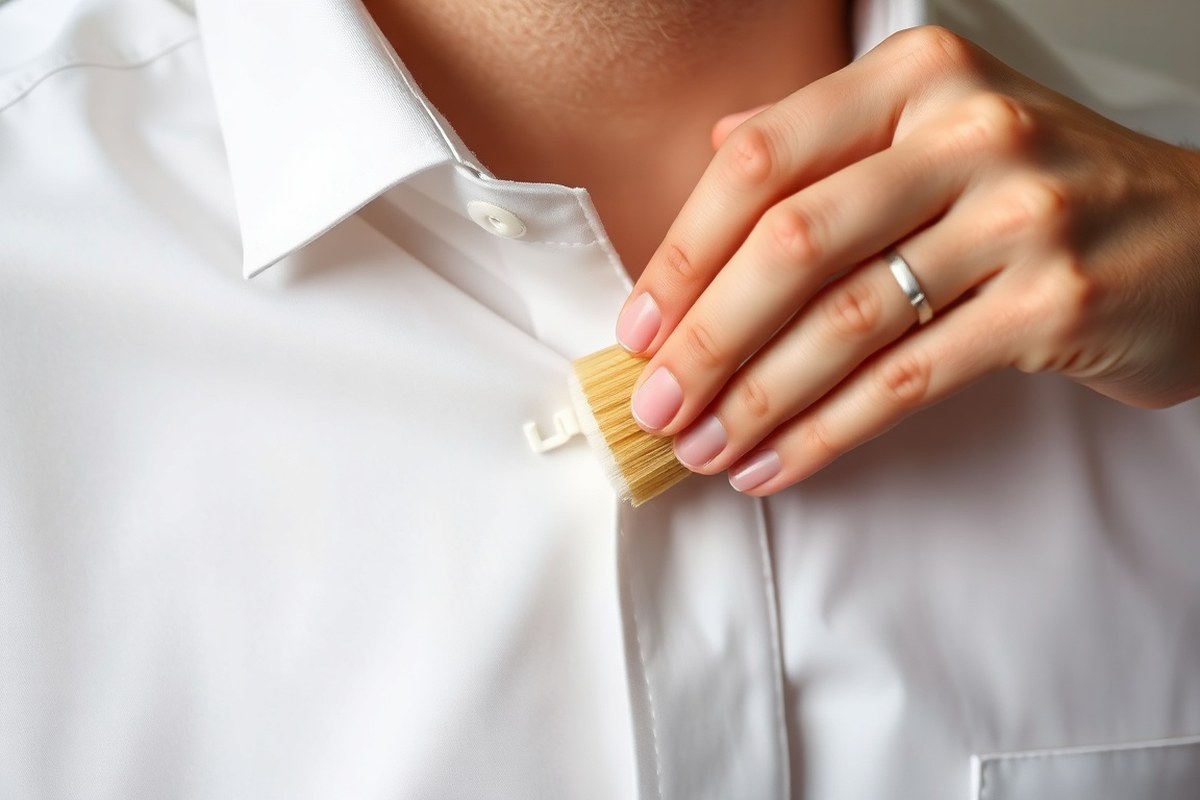
Removing sweat stains from dress shirts quickly and properly keeps your shirts looking fresh and extends their lifespan. Immediate treatment before stains set increases your chances of success. Using common household ingredients like baking soda, white vinegar, or hydrogen peroxide can break down and lift the stains effectively without harsh chemicals. Soaking the shirt is critical to allow the solution to penetrate the fabric and loosen the stain, while gentle scrubbing helps remove residue without damaging the fibers. Follow these steps to treat sweat stains effectively, whether on collars or armpits, and for most white or colored dress shirts:
- Act quickly. Rinse the stained area under cold water as soon as possible to flush out fresh sweat and reduce staining.
- Prepare a cleaning solution. For white shirts, mix 1 tablespoon of baking soda, 1 tablespoon of salt, and 2 tablespoons of hydrogen peroxide to create a paste. For colored shirts, combine equal parts cold water and white vinegar to soak the garment safely without fading.
- Apply the treatment. Spread the baking soda paste onto sweat-stained areas of white shirts using a spoon. For colored shirts, fully submerge the stained parts in the vinegar solution to cover them completely.
- Let the shirt soak. Allow the white shirt with paste to sit for at least 5 minutes to let the baking soda and hydrogen peroxide work. For colored shirts, soak for 20 to 30 minutes in the vinegar solution.
- Gently scrub the stains. Use a soft-bristled toothbrush or a clean cloth to gently work the paste or vinegar into the fabric. Avoid harsh scrubbing to prevent fabric damage, especially around collar seams.
- Rinse thoroughly. Wash away the paste or vinegar with cold water until no residue remains. Ensure all cleaning agents are removed to avoid discoloration.
- Launder as usual. After pre-treatment, wash the dress shirt according to care label instructions with detergent. Use the warmest water safe for the fabric to help remove remaining stains.
- Check before drying. Make sure the stain is gone before placing the shirt in the dryer, as heat can set stains. Repeat the process if any mark remains.
Combining baking soda and hydrogen peroxide is safe for most white dress shirts and increases stain removal power due to their stain-lifting and whitening properties. Avoid mixing vinegar and baking soda directly, since they neutralize each other, reducing effectiveness. Using a soft toothbrush helps target collar areas gently, while a clean cloth works well on larger flat sections. Overall, soak times of at least 5 minutes for paste and 20 to 30 minutes for vinegar ensure the stain breaks down properly. Quick action and correct treatment help keep your dress shirts free of sweat stains without costly or harsh products.
2. Understanding Why Sweat Stains Form on Dress Shirts
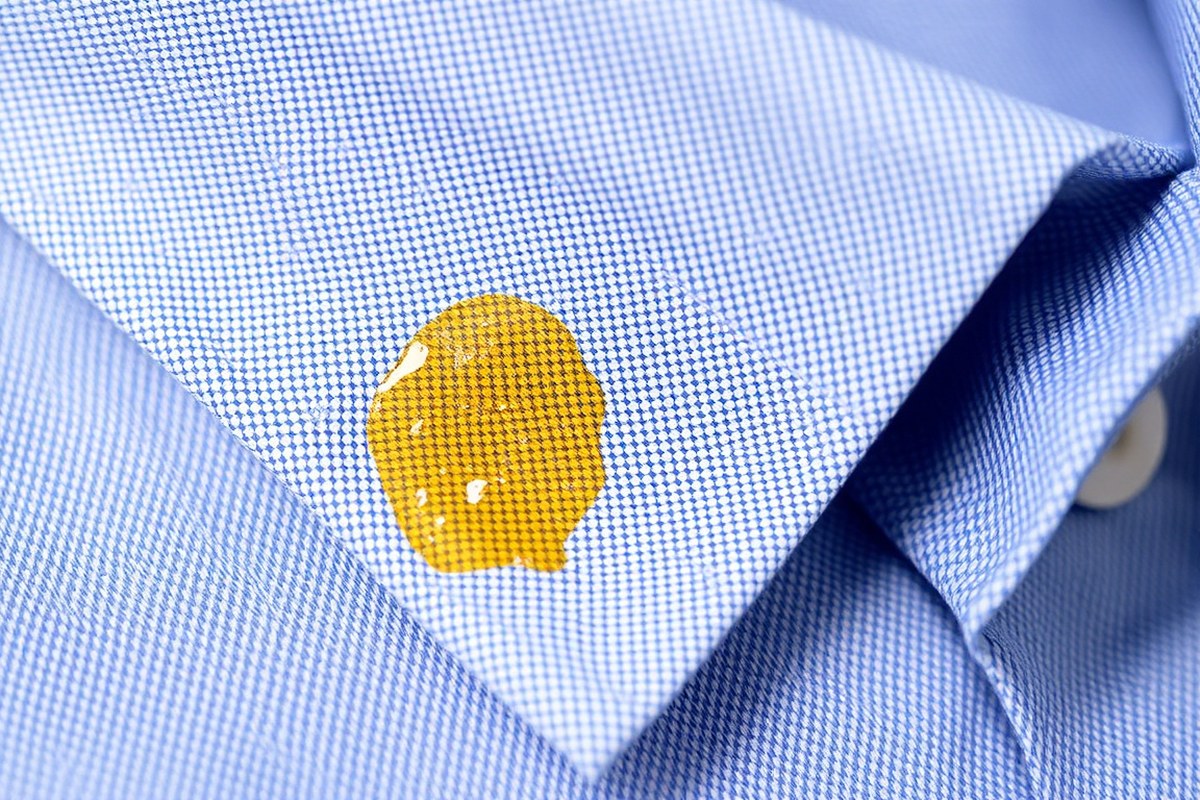
Sweat stains on dress shirts form mostly due to a chemical reaction involving your sweat and the antiperspirant or deodorant you use. Sweat alone isn’t what turns stains yellow. Instead, aluminum compounds commonly found in antiperspirants mix with sweat proteins and salts. This combination leads to the yellow discoloration you often see under the arms and around collars of white or lightly colored dress shirts.
The body produces sweat primarily to cool down, a response triggered by heat, physical activity, and even stress. Factors such as the fabric type also affect how much sweat your shirt absorbs. Breathable materials like cotton and linen allow better air circulation, reducing moisture buildup and the chance of stains forming. Sweat interacts with dead skin cells, body oils, and residues from hair products on the collar and armpits, worsening discoloration over time.
Deodorants and antiperspirants play a significant role in either causing or preventing sweat stains. Antiperspirants that contain aluminum block sweat, but when mixed with sweat, they can react and cause stains. Some deodorants do not contain aluminum and only mask odor without blocking sweat, which can lessen the risk of yellow stains but may allow more moisture on the fabric. Choosing the right product depends on how much you sweat and your sensitivity to stains.
Environmental factors and sweating intensity also impact how these stains form. Hot, humid conditions or intense exercise increases sweat production, making stains more likely and harder to remove if left untreated. Wearing a cheap undershirt acts as a barrier to absorb sweat before it reaches your dress shirt, reducing direct contact and potential staining. Washing shirts promptly after wearing and pretreating sweat-prone areas minimizes the chemical build-up that causes discoloration.
To keep your dress shirts free from yellow stains, apply antiperspirant at night before bed to allow it to absorb into the skin, reducing the amount of residue that can react with sweat the next day.
3. Tailoring Sweat Stain Removal for White vs Colored Dress Shirts
The techniques for removing sweat stains differ significantly between white and colored dress shirts due to the use of bleaching agents and the risk of discoloration. White shirts can often tolerate mild bleaching treatments that brighten the fabric, while colored shirts require gentler methods to avoid fading or damage. The choice of stain removers like hydrogen peroxide or bleach depends on the shirt’s color and fabric sensitivity.
Safe Treatments for White Dress Shirts
White dress shirts can handle products that contain mild bleaching agents, which helps remove stubborn sweat stains more effectively. Diluted hydrogen peroxide is a common choice: mix it with water and apply it directly to the stain. Let it sit for about 20 minutes before rinsing with cold water. This weak bleach breaks down protein and deodorant residues in sweat stains, making it easier to wash out.
Using chlorine bleach can be an option for bright white or cream shirts, but it should be used cautiously. Always dilute bleach according to label instructions, usually about 3/4 cup per gallon of water, and rinse thoroughly afterward. Drying white shirts in direct sunlight after treating stains also improve natural bleaching without harsh chemicals. Sunlight’s UV rays naturally fade sweat stains and brighten fabric at no added cost.
Stain Removal Tips for Colored Shirts
Colored dress shirts need milder and color-safe treatments. Avoid hydrogen peroxide and lemon juice because they can lighten or alter fabric colors, especially in darker hues. Instead, start with white vinegar applied directly to the stain using a sponge. White vinegar helps break up sweat residues without affecting dyes.
After vinegar, pretreat the stain with an enzyme-rich detergent or a specialized enzyme prewash stain remover like Carbona. These products target protein stains from sweat without chemicals that risk fading colors. Wash the colored shirt in cold water on a gentle cycle to preserve the fabric’s brightness and prevent the stain from setting.
When to Avoid Bleach and Peroxide
Bleach and hydrogen peroxide should be avoided on colored shirts because they can cause discoloration or fading. Hydrogen peroxide is particularly risky on darker fabrics as it acts as a mild bleach and may leave uneven light spots. Testing any product on a hidden shirt area helps prevent surprise damage.
Bleach, especially chlorine bleach, is not safe for any colored fabric, even light shades, because it strips dyes. If unsure, stick to enzyme-based or vinegar pretreatments. The goal is to treat sweat stains without altering the original color of your dress shirt, which means avoiding harsh chemicals on anything but white or off-white fabrics. Below is a summary of practical stain removal methods suited for white and colored shirts:
| Shirt Color | Recommended Treatment | What to Avoid | Time to Treat | Effect on Fabric |
|---|---|---|---|---|
| White or Cream | Diluted hydrogen peroxide, chlorine bleach (diluted), sunlight drying | Strong bleach if fabric is delicate | 20 minutes soak for peroxide; rinse and sun-dry | Brightens fabric; removes stubborn stains |
| Colored (bright or dark) | White vinegar sponge, enzyme prewash stain remover, cold water wash | Hydrogen peroxide, lemon juice, chlorine bleach | Immediate pretreatment; gentle cycle wash | Preserves color; breaks down stains without fading |
Matching the treatment to your shirt’s color ensures sweat stains are removed without causing fabric damage or unwanted discoloration. Applying the wrong product risks making the stain worse or permanently altering the dress shirt’s look.
4. How to Treat Old or Set-In Sweat Stains on Dress Shirts
Old or set-in sweat stains can often be removed, but it usually demands more patience and multiple treatments than fresh stains. Treat these stains quickly after noticing them to minimize permanent damage. In several cases, professional cleaners yield the best results, especially if the shirt is delicate or the stains are extensive.
Assessing Stain Age and Severity
Knowing how long the sweat stain has been on your dress shirt helps decide the best treatment approach. Fresh or recent stains are much easier to remove with a single wash or pre-treatment. Stains older than a week might have bonded with the fabric, especially if dried in heat, making them harder to lift. Severe stains like those on collars or underarms may have built-up layers of sweat, oils, and deodorant residues, requiring more aggressive methods.
Regularly cleaning your dress shirts after each wear helps avoid permanent stains. Aim to wash sweat-prone shirts every 3 to 5 uses or sooner if the stains are noticeable. Long gaps between washes increase the risk of setting stains that become harder to remove.
Extended Soaking and Treatment Times
The most effective way to treat old sweat stains involves soaking the stained area in cold water for at least 30 minutes. For particularly stubborn stains, you can extend this soak to several hours or even overnight. Using a solution of equal parts white vinegar and water during soaking helps break down mineral deposits and sweat buildup. Gently scrubbing these areas with an old toothbrush while soaking can improve penetration of the treatment.
After soaking, apply a stain remover or liquid detergent designed for protein-based stains directly to the discolored areas and let it work for 15 to 30 minutes before machine washing on a cold cycle. Avoid hot water, which can set the stain further. Always air dry your dress shirt instead of using a dryer, since heat can make residual stains permanent. Multiple soak-and-wash cycles may be needed to fully remove set-in sweat stains.
Professional Cleaning Options
Taking your dress shirts to a professional cleaner is often the best choice for deeply set or large sweat stains, especially on premium fabrics like silk. Dry cleaners have specialized solvents and equipment that can lift stains without damaging the shirt’s fibers. Promptly sending stained shirts to a professional can prevent permanent discoloration and fabric weakening.
If prior home treatments don’t fully clear the stains, professional cleaning can also help restore your shirt’s appearance and prolong its life. Expect to pay around $5 to $20 per shirt depending on the fabric and cleaning method. Shirts that cannot be cleaned satisfactorily at home might even be repurposed as workout wear if professional options are not viable.
5. Special Care for Delicate and Premium Dress Shirt Fabrics
Delicate fabrics like silk and linen require careful handling to remove sweat stains without causing damage. Using gentle methods suited to these materials helps preserve their appearance and texture while effectively treating stains. Avoid harsh chemicals and mechanical actions that can weaken fine fibers or alter colors.
Checking Fabric Labels Before Cleaning
Always start by reading your dress shirt’s care label to identify the fabric composition and recommended washing instructions. This step is important because materials like silk often require dry cleaning or gentle hand washing, while linen tolerates more water but can shrink or distort if washed too aggressively. The label may also note temperature limits and warn against certain chemicals, guiding safe stain removal techniques.
Ignoring care labels increases the risk of permanent damage, such as fabric weakening, colour fading, or shape loss. For mixed fabrics or specialty weaves, err on the side of caution by choosing milder treatments and test any stain remover on an inconspicuous spot first.
Recommended Gentle Cleaning Agents
Choose stain removers and detergents formulated for delicate textiles to protect fibers during cleaning. Mild liquid detergents that are free from bleach, enzymes, or optical brighteners work well. For silk shirts, opting for a cleaner specifically designed for silk or wool is best. Avoid lemon juice and hydrogen peroxide, especially on colored shirts, because these can cause fading or yellowing.
A safe DIY option includes soaking the stained area in cold water with a few drops of mild detergent for 15 to 30 minutes before gently rinsing. Commercial stain removers labeled for silk or delicate fabrics typically cost between $5 and $15 per bottle and provide effective cleaning without harsh chemicals.
- Use cold water to prevent setting the stain
- Apply gentle detergents without bleach or enzymes
- Test any stain remover on an inside seam first
- Limit soaking to 30 minutes to avoid fabric damage
- For silk, opt for a product specifically for delicate fibers
- Rinse thoroughly to remove all soap residue
Properly chosen cleaning agents remove sweat stains effectively while minimizing risk of fiber damage, preserving the shirt’s look and feel.
Avoiding Heat and Abrasive Scrubbing
Heat and rubbing can harm delicate fabrics and worsen sweat stains. Avoid washing or soaking in warm or hot water, as this may set the stain permanently and shrink silk or linen fibers. Use only cold water for rinsing and soaking.
Do not scrub the stain aggressively. Instead, gently rub the fabric with fingertips or use a soft cloth to apply a cleaner. Harsh scrubbing can distort the fabric weave, cause piling, or create shiny patches, especially on silk. Air dry the shirt flat or hang it to dry away from direct sunlight, which can also cause fading.
Never put a delicate dress shirt with sweat stains in a hot dryer until the stain is fully gone, as heat will set the stain permanently.
6. Preventing Sweat Stains on Dress Shirts Effectively
Preventing sweat stains on dress shirts starts with choosing the right base layer and fabric. Wearing an undershirt beneath your dress shirt acts as a barrier that absorbs sweat before it touches the outer fabric. Pick undershirts made from breathable, moisture-wicking materials like cotton or technical blends, especially in warmer months. These fabrics pull moisture away from your skin and reduce the risk of stains forming on your dress shirt.
A key factor to consider is deodorant choice. Using too much deodorant or applying it right before dressing can cause residue to transfer onto your shirt, particularly if the product contains aluminum compounds. Aluminum-free deodorants help lower the chance of yellowing stains and buildup under the arms. Apply deodorant sparingly and let it dry completely before putting on your shirt to keep fabric looking clean and fresh.
Fabric choice and fit also impact sweat stain prevention. Natural fabrics such as cotton or linen allow better air circulation, reducing sweat accumulation compared to synthetic fibers. Looser fits improve airflow and reduce fabric sticking to skin, which lessens sweat absorption and makes any stains easier to remove during washing.
- Wear a moisture-wicking undershirt to absorb sweat directly
- Choose aluminum-free deodorants to prevent yellow stains
- Apply deodorant thinly and allow it to dry before dressing
- Opt for natural fabrics like cotton or linen in your dress shirts
- Pick loose or relaxed fits for improved airflow and less sweat adhesion
- Use dress shields to soak up sweat under arms without changing your shirt’s look
- Wash shirts promptly after wearing to prevent stains from setting
Dress shields provide an alternative to undershirts when extra layers are impractical. These inserts stick discreetly inside the shirt’s underarm area and absorb sweat throughout the day. Their convenience makes them a good option for formal occasions where you want to avoid bulk.
Climate plays a significant role in sweat stain prevention. In hot or humid conditions, you’re more likely to sweat heavily, so lean towards lightweight, breathable fabrics and undershirts that dry quickly. In cooler seasons, stains may be less frequent but still happen, so keeping shirts clean and using dress shields can help. Regular washing after each wear is essential year-round to remove sweat and deodorant residues before they become permanent marks.
7. Common Mistakes and Myths About Removing Sweat Stains
One common mistake when removing sweat stains from dress shirts is using harsh bleach or strong chemicals without testing them first. These substances can weaken fabric fibers or cause discoloration, especially on colored or delicate shirts. Always perform a spot test on a hidden seam before applying any treatment broadly.
Combining home remedies without understanding their chemical interactions is another error. For example, mixing vinegar with baking soda creates a fizzing reaction, but using them together on fabric may reduce their stain-fighting effectiveness or harm the shirt’s surface. Use each remedy separately, applying one, rinsing well, then applying another if needed.
People often assume that sunlight helps fade sweat stains naturally by brightening whites. While sunlight does have mild bleaching effects, direct exposure can weaken fibers and cause colored shirts to fade unevenly. Dry shirts in shade or indoors on a drying rack to protect fabric integrity.
- Always check care labels to select appropriate treatments for your shirt’s fabric.
- Use a gentle detergent formulated for stain removal rather than generic soap.
- Apply stain removers directly to dry stains for better absorption before washing.
- Rinse thoroughly after each treatment to avoid residue buildup.
- Avoid high-temperature washes on delicate or synthetic fabrics; 30°C to 40°C is safer.
- If unsure, opt for a professional cleaner to protect your dress shirt’s value.
Fixing these mistakes improves your chances of removing sweat stains without damaging your dress shirt. White shirts handle oxygen-based bleach better than colored ones, so tailor treatments accordingly. Be patient and gentle, letting stain removers work for at least 30 minutes before washing to get good results. Avoid repeated scrubbing, which may spread the stain or thin fabric, making future cleaning harder.
8. When and Why to Consult a Professional Cleaner for Sweat Stains
You should consider professional cleaning for your dress shirts when sweat stains are deeply set, widespread, or combined with fabric damage that home methods might worsen. Stains ignored for several months or years often bind tightly to fabric fibers, making removal difficult with typical home treatments like detergent soaking or baking soda paste. Professionals have specialized solvents and equipment that can target these stubborn stains without harming delicate materials.
Taking your shirt to a cleaner makes sense if the fabric is expensive, such as silk or high-thread-count cotton, or if your shirt has intricate detailing like embroidery or pleats. These features require gentle handling and precise stain removal to avoid permanent damage. The expertise of professional cleaners reduces the risk of shrinkage, color loss, or weakening fabric fibers, common risks when treating at home, especially with heat or harsh chemicals.
Professional cleaners usually employ techniques like solvent dry cleaning, enzyme treatment, and steam extraction, which differ significantly from home washing. Dry cleaning uses non-water-based solvents that dissolve oils and proteins found in sweat stains more effectively than water and detergent. Enzyme treatments break down sweat protein compounds that cause yellowing, working deep inside fibers. Steam helps lift loosened stains out without stressing the fabric. These methods combine to restore dress shirts with minimal physical wear.
Professional cleaning costs vary widely based on location and fabric type but generally range from $5 to $15 per shirt. This investment often saves money in the long term by extending the garment’s life and appearance. A well-cleaned shirt should show no trace of discoloration or odor and feel as smooth as before. Poor results can occur if the shirt’s fabric is too damaged for restoration or if stains have chemically altered fibers over time, limiting even professional capabilities.
To send in your shirt, give the cleaner clear instructions about the stain’s age and how it was treated before. This helps them choose the right cleaning process. When collecting your shirt, check for leftover marks or unusual smells and ask for a follow-up if issues persist.
Always point out any pre-existing stains to your dry cleaner; this ensures the right treatment is applied and prevents mistaken liability.
Step-by-Step Action Plan to Remove Sweat Stains Today
Follow these exact steps to start removing sweat stains from your dress shirts effectively. Track your progress by checking the stain before and after each treatment.
- Before washing: Dab a solution made from equal amounts of white vinegar and water onto the sweat stain. Allow it to work for 15 minutes to help dissolve the buildup.
- After vinegar treatment: Gently rub a small amount of liquid laundry detergent or oxygen-based stain remover into the stain. Wait 10 minutes to allow the enzymes to work.
- Washing stage: Wash the shirt in the warmest water safe for the fabric using your regular detergent. Check the care label to avoid damage.
- After washing: Inspect the stain before drying. Repeat the vinegar and detergent treatment if the stain remains noticeable. Avoid machine drying until the stain is gone, as heat sets stains.
- Drying phase: Air dry the shirt away from direct sunlight to prevent colour fading on coloured shirts or damage to delicate fabric.
- For old stains: Use a paste of baking soda and water on the stain before washing, then soak the shirt in cold water for 30 minutes.
- Delicate fabrics: Opt for a gentle detergent and hand wash instead of machine washing. Test stain treatment on an inconspicuous area first.
- Ongoing care: Treat sweat stains promptly after wearing to prevent set-in marks and maintain your shirt’s appearance.
Frequently Asked Questions
Can I Use Bleach to Remove Sweat Stains from Colored Dress Shirts?
Avoid using bleach on colored dress shirts as it can cause fading and damage. Instead, opt for colour-safe stain removers or gentler methods like soaking with vinegar or baking soda to protect the fabric.
How Long Should I Soak a Dress Shirt to Remove Sweat Stains?
Soak the shirt for about 20 to 30 minutes in a water and vinegar solution. This duration allows the solution to break down sweat residue without risking fabric damage.
Can Antiperspirant Type Affect Sweat Stain Severity on Dress Shirts?
Yes, antiperspirants containing aluminum tend to cause more yellow armpit stains by reacting with sweat proteins. Choosing aluminum-free products may reduce stain formation on your shirts.
Is It Okay to Machine Dry Dress Shirts After Treating Sweat Stains?
Avoid machine drying until stains are fully removed since heat can set stains permanently. Air drying is safer after stain treatment to prevent setting and damage.
Do Certain Dress Shirt Fabrics Resist Sweat Stains Better?
Natural fabrics like cotton breathe better and may reduce sweat stains compared to synthetics, which trap moisture. However, premium fabrics often require gentler stain treatments.
Will Wearing an Undershirt Completely Prevent Sweat Stains on Dress Shirts?
Wearing an undershirt helps absorb sweat and reduces direct contact with your dress shirt, but it may not eliminate stains entirely. Regular laundering and care remain important.
Final Thoughts
Removing sweat stains from your dress shirts takes prompt and consistent action. Start treating stains as soon as possible to avoid permanent marks and keep your shirts looking their best. Choose your cleaning method based on fabric and stain age, and give each shirt proper drying care. Make stain treatment a regular part of your laundry routine to protect your wardrobe over time.