How to Strip Laundry: Simple Steps for Deep Cleaning and Freshness
Learning how to strip laundry means using a soak with hot water and specific cleaning agents to remove detergent, minerals, and buildup from fabric fibers. This deep cleaning method restores freshness and absorbency to towels, sheets, and other laundry items prone to residue. You’ll find clear reasons, safe fabrics, and exact steps for stripping laundry carefully.
This process suits homeowners or renters dealing with hard water buildup or stubborn odors in their laundry. Following the advice here helps you refresh your fabrics without damage and maintain their longevity. You’ll also discover tips for keeping laundry clean longer and avoiding common mistakes.
Key Takeaways
- To remove buildup from your laundry, submerge your garments in hot water combined with equal amounts of borax and washing soda, along with double the quantity of powdered detergent.
- Let fabrics soak for 4 to 6 hours, stirring every 30 to 60 minutes to ensure full exposure to the solution.
- Only strip sturdy fabrics like 100% cotton or synthetic blends to prevent damage during hot soaks.
- Hard water causes buildup in towels and sheets, making laundry stripping an effective deep-cleaning solution.
- Finish laundry stripping with a rinse-and-spin cycle without detergent to remove loosened residue.
- Limit laundry stripping to every 3 to 6 months to avoid over-cleaning and wear on fabrics.
What Is Laundry Stripping and How Does It Work?

Laundry stripping is a deep cleaning method that removes stubborn buildup from your fabrics that regular washing can’t clear away. Over time, residues from detergents, fabric softeners, sweat, and minerals in hard water collect within the fibers of clothes, towels, and bedding. This buildup makes fabrics feel stiff, look dull, and sometimes develop unpleasant odors. Stripping laundry works by soaking these fabrics in a hot, highly alkaline water solution that breaks down and lifts trapped residues out of the fibers.
The science behind laundry stripping involves soaking items in a combination of powdered detergent, borax, and washing soda in very hot water, usually around 140°F (60°C). These ingredients each serve a role: the detergent helps dissolve oils and dirt, borax acts as a laundry booster to lift acidic stains and brighten fabrics, and washing soda increases the water’s alkalinity to break down mineral deposits and softener buildup. Together, this mixture penetrates deep into the fabric, loosening years’ worth of residues within a few hours.
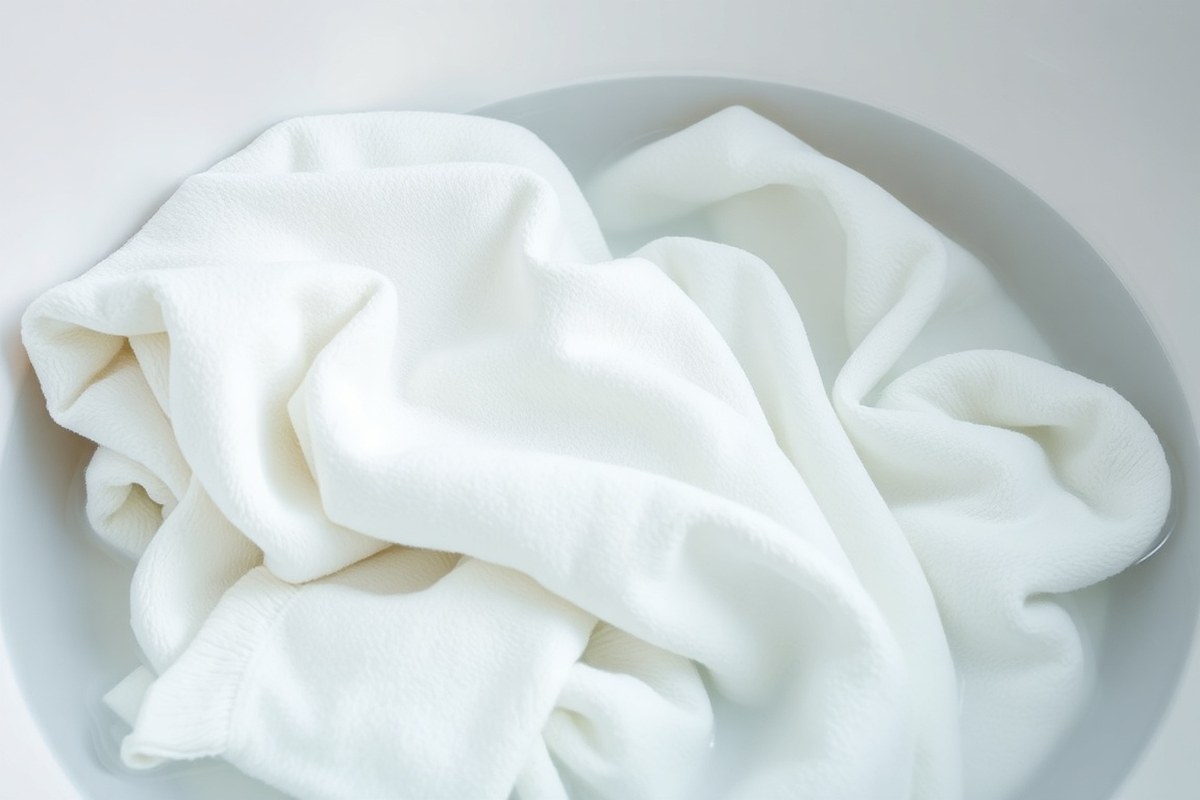
During the soak, which typically lasts between 4 and 6 hours, fabrics should be stirred or pushed down every hour to ensure the solution fully penetrates all fibers evenly. The trapped soap scum, sweat salts, minerals, and chemical residues dissolve into the water, which gradually turns murky or discolored as the buildup leaves the laundry. This visual cue indicates the process is working. After soaking, rinse thoroughly without detergent to wash away all loosened deposits, restoring softness, absorbency, and freshness to your fabrics.
Buildup accumulation happens mainly because modern detergents and fabric softeners often leave behind residues when not fully rinsed out, and hard water supplies add minerals that the washing machine can’t completely remove. Using too much detergent or fabric softener, or washing on cooler cycles, can worsen this problem. Over time, these residues bind tightly to fiber surfaces, reducing fabric performance and comfort. Stripping laundry interrupts this cycle by peeling away layers of buildup that have become trapped deep inside the fabric over months or years.
The residues removed during laundry stripping include soap scum, body oils and sweat salts, fabric softener films, mineral deposits from hard water, and even trapped odors. While stripping effectively restores towels’ absorbency and removes musty smells, it doesn’t remove all types of stains such as grease or ink that have set permanently. This technique works best for general buildup and fabric revitalization rather than spot stain removal.
Which Laundry Items Can You Strip? Fabric Safety Explained
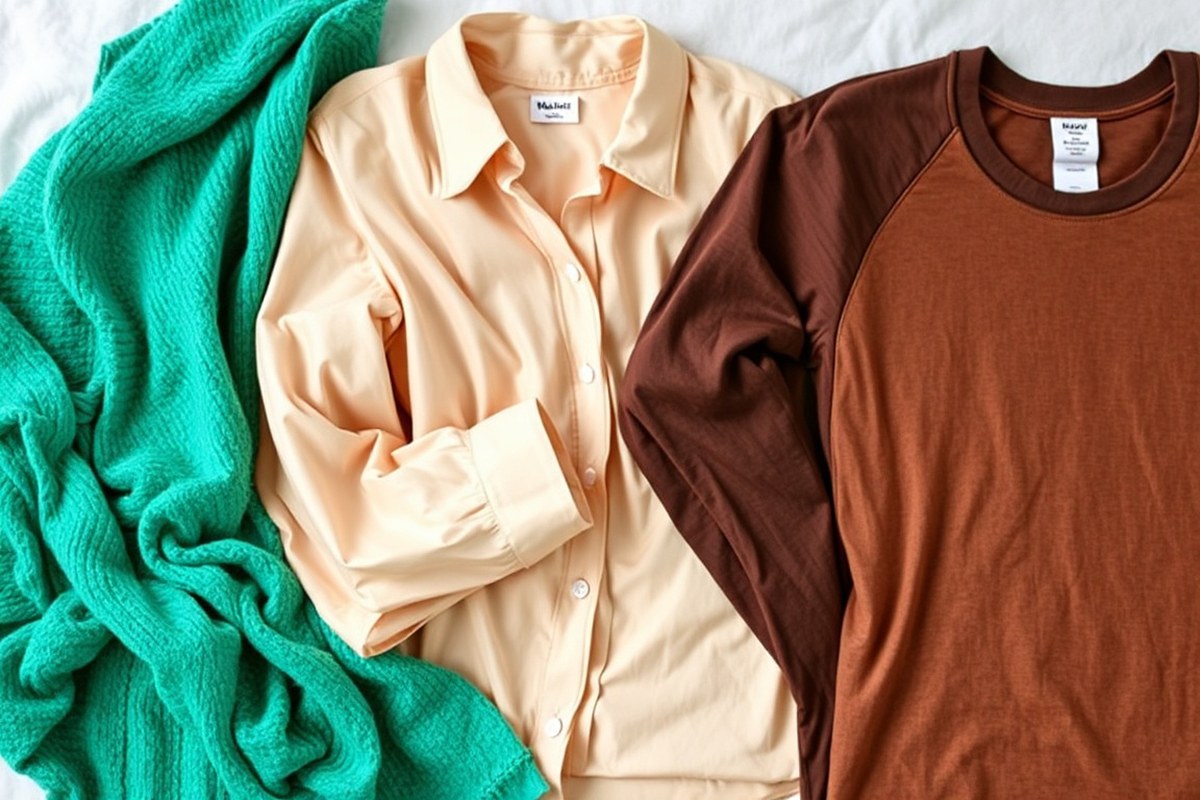
Start stripping laundry with sturdy, colorfast fabrics like cotton towels, sheets, and workout clothes that can handle hot water and strong cleaners. Avoid stripping delicate or special-care fabrics as they can be damaged. Always check care labels to confirm fabric safety before laundry stripping.
Good Fabrics for Laundry Stripping
Cotton towels, sheets, and pillowcases are the best candidates for laundry stripping because they tolerate hot water and the alkaline ingredients used in the process. Bathrobes and blankets made of similar cotton or durable synthetic blends also respond well to stripping. Workout clothes and cloth diapers that need deep cleaning benefit from this treatment since it helps remove detergent, minerals, and odor-causing buildup. Whites and colorfast light colors typically hold up fine during the soaking and occasional agitation involved in stripping.
When selecting fabrics to strip, choose items that have a history of buildup or a dingy appearance despite regular washing. This method works by soaking laundry in a hot solution containing powdered detergent, borax, and washing soda. It’s ideal for thick cotton items that retain residue due to their absorbent fibers.
Fabrics to Avoid and Why
Delicate fabrics like silk, wool, and lace should never be stripped with this method because the high heat and strong alkaline chemicals can damage fibers and cause shrinkage or distortion. Hand wash or cold wash only items, such as those labeled “dry clean only,” are at risk. Dark or bright colored items that are not colorfast may bleed or fade during the stripping soak. Also, steer clear of spandex, leather, and stretchy activewear. The combination of hot water and high-pH ingredients can pull dyes out and degrade elastic fibres.
Aside from fabric damage, stripping in a dirty basin or with overused solutions will fail to remove buildup and may leave bad odors instead. Stick to this method only occasionally and ensure the water temperature is appropriate. Overuse can stress fabrics and reduce their lifespan.
Never strip wool, silk, leather, spandex, or any item that advises cold wash or dry cleaning to avoid permanent damage.
Reading Care Labels to Decide
Care labels provide clear instructions on the highest safe water temperature and washing methods. Laundry stripping requires hot water, typically near 130°F or above, so check if the label allows hot water washing. Any fabric marked “cold wash only,” “hand wash,” or “dry clean only” should be excluded from stripping. Labels also warn against tumble drying or heat exposure, which affects how you dry stripped items afterward.
Before stripping laundry, review each item’s care tag to sort them accurately. Start with a small batch of fabrics known to tolerate hot water and alkalinity. You can refer to a checklist to decide: if the label says “machine wash warm or hot” and no warnings about color bleeding or shrinking appear, you can proceed with stripping. If uncertain, test on an inconspicuous area or consider another cleaning method.
| Good for Stripping | Not Good for Stripping |
|---|---|
| Towels, sheets, pillowcases | Silk, wool, lace |
| Blankets, bathrobes (cotton or durable blends) | Hand wash or cold wash only fabrics |
| Workout clothes, cloth diapers | Bright colors or dark, non-colorfast fabrics |
The Ultimate Laundry Stripping Recipe and Alternative Ingredients
The best laundry stripping mix uses a hot water blend of Borax, washing soda (sodium carbonate), and powdered laundry detergent in a 1:1:2 ratio. This combination effectively tackles buildup, odors, and leftover residues on fabrics. Substituting baking soda for washing soda or skipping Borax can lower the cleaning power. Using a strong powdered detergent designed for heavy-duty cleaning completes the blend for optimal stripping.
Standard 1:1:2 Borax, Washing Soda, Detergent Recipe
The basic recipe for laundry stripping calls for 1 part Borax, 1 part washing soda, and 2 parts powdered laundry detergent by volume. For example, in a standard bathtub soak, you would use ¼ cup Borax, ¼ cup washing soda, and ½ cup detergent in hot water enough to fully submerge your laundry. This precise mixture use the alkaline power of washing soda, the softening and odor-fighting properties of Borax, and the cleaning agents in detergent. The hot water activates these ingredients and loosens detergent residues, body oils, and minerals trapped in fabrics.
Maintaining the 1:1:2 ratio is important when scaling the recipe to smaller buckets or large loads to keep the balance of cleaning power consistent. Soaking laundry for at least four hours, preferably until the water cools, allows the solution to work through layers of buildup. Avoid using bleach or liquid detergents, as the stripping method relies on powdered detergent’s concentrated cleaning agents.
Borax-Free and Alternative Recipes
Borax is sometimes replaced with baking soda for people who prefer a more natural or less alkaline solution, but baking soda does not have the same cleansing strength as Borax or washing soda. Leaving out Borax calls for a bit more washing soda, but this adjustment might make the stripping less effective. Another alternative is substituting washing soda with extra Borax while keeping detergent constant; however, washing soda’s role in raising water pH is key for breaking down residues.
Those unable to use Borax or washing soda can experiment with a mix of baking soda and a heavy-duty powdered detergent, but results vary. The detergents themselves often contain enzymes and surfactants that handle buildup, so a quality powdered detergent paired with hot water is essential. Adding a water softener like Calgon can help in hard water areas by preventing mineral deposits on fabrics.
Choosing the Right Detergent
Use a powdered detergent formulated for deep cleaning and stain removal rather than a liquid or single-purpose product. Brands like Tide powder are commonly recommended due to their strong surfactant content and enzymes that aggressively break down soils and residues. Using about half of your normal detergent amount in the stripping mix prevents excessive suds and helps focus on residue removal.
Detergent choice also depends on fabric type and sensitivities; if you have sensitive skin, opting for hypoallergenic powder detergents without dyes or fragrances is advisable. Avoid detergents with added fabric softeners in stripping batches, as they can contribute to buildup. Powdered enzyme detergents combined with Borax and washing soda form the strongest detergent mix for stripping laundry.
Step-by-Step Guide: How to Strip Laundry Correctly
Start by preparing a hot water soak with the right cleaning agents, then fully submerge your laundry and let it soak for 4 to 6 hours. Stir the clothing every 30 to 60 minutes to agitate the fabric and release buildup. After soaking, drain the solution, rinse thoroughly, and run the laundry through a clean wash cycle without detergent to remove residue.
Preparing the Hot Water and Solution
Fill a bathtub or large bucket with hot water to get a temperature that feels very warm to the touch but is safe for your fabric, generally around 130 to 140 degrees Fahrenheit works well. Add your laundry stripping ingredients such as borax, washing soda, and powdered detergent directly to the water before stirring to dissolve them completely. Mix thoroughly to create an even solution that will act on the oils, minerals, and detergent residue trapped in the fabrics. Avoid adding fabric softener or other additives at this stage, as they can leave more residue.
For a typical bathtub soak, use about one cup each of borax and washing soda, along with a half cup of powdered detergent in 2 gallons of hot water. This ratio helps break down buildup in heavy textiles like towels and sheets. The solution should look clear at first; if it becomes cloudy or grimy, that indicates the stripping ingredients are pulling out dirt and residues from the fabric.
Adding Laundry and Soaking Timeline
Submerge the laundry completely in the hot water mixture, pressing down gently if some items float. All fabric should be fully immersed to allow equal exposure to the solution. Keep in mind that larger items like thick towels and sheets may need some rearranging during soaking to ensure all areas get treated.
Let the laundry soak for about 4 to 6 hours, allowing the water to cool naturally, which improve the residue breakdown without damaging fabric fibers. Every 30 to 60 minutes, stir the laundry gently but thoroughly, moving the items around to agitate and dislodge trapped oils and minerals. This agitation improves the stripping process and prevents buildup from re-depositing on other areas.
During the soak, the water will darken as it collects residues from your fabrics. This is normal and expected. Using a top-loading washing machine with a soak option allows you to manually stir the load every hour, then let the machine spin to help spread the water evenly.
Post-Soak Rinsing and Washing Steps
After soaking, fully drain out the dirty water. Then rinse the clothes well with clean water to wash away leftover solution and broken-down buildup. You might have to rinse several times if the water still looks cloudy or feels soapy. Rinsing removes any residue that might irritate skin or harm fabric over time.
Once rinsed, gently squeeze out excess water from your laundry without wringing hard, which can distort the fabric’s shape. Then, place your laundry directly into the washing machine and run a full cycle with cold or warm water but no detergent or fabric softener added. This step removes any final traces of residue and restores the fabrics’ softness and absorbency.
Finish by drying according to the care labels. Avoid drying multiple items at once to allow air to circulate freely, speeding up the drying process and preventing musty smells. When done properly, stripping your laundry will restore brightness and texture, especially in towels and workout fabrics that tend to accumulate buildup.
How to Know If Laundry Stripping Worked and What to Expect
You’ll know laundry stripping worked when the water changes color noticeably during soaking. Expect murky or cloudy water that may turn gray, brown, or even greenish. This darkening happens as the mixture pulls away built-up detergent, fabric softener, minerals, body oils, and other residues trapped in the fibers. The more residue your laundry has gathered over time, the more dramatic this water discoloration will be.
After stripping, your fabrics should feel softer and less stiff compared to before. Towels, for instance, will regain their absorbency and stop pushing water around the surface. Bathrobes and sheets will shed that “crunchy” or coated sensation caused by buildup. In terms of smell, the usual detergent or fabric softener scents might be noticeably reduced or replaced by a fresh, clean laundry scent depending on the detergent used for the final wash.
Common methods for checking success include examining the soaking water color at intervals and rubbing the fabric between your fingers to detect any greasy or sticky residue. You can also test absorbency by sprinkling a few drops of water on towels; if the water quickly soaks in, that’s a good sign you stripped off excess fabric softener or detergent films.
If you don’t notice water discoloration after the first soak or if fabrics still feel coated or smell stale, you might need to repeat the laundry stripping process. In some cases, stubborn buildup requires two or three rounds. Make sure you used sufficiently hot water (above 130°F) and the correct amounts of stripping agents, usually a combination of washing soda, borax, and powdered detergent, for at least 4 hours of soaking. Water temperature, soaking duration, and product ratios can influence results.
Stripping towels and linens separately from clothing helps because these items accumulate different types of residues and have dissimilar textures. Towels often need more attention since fabric softeners drastically reduce their absorbency, while clothes in contact with body oils and deodorants might require repeated stripping if odors persist.
Keep an eye on water color changes during soaking, if the water stays clear, your laundry may not have enough residue to justify stripping or the process needs repeating with hotter water and longer soak times.
When and How Often Should You Strip Your Laundry?
Stripping laundry is most beneficial for towels, sheets, workout clothes, and other heavily used fabrics that tend to accumulate buildup from sweat, body oils, detergent residues, and fabric softeners. For towels and sheets, a good rule is to strip them every 6 to 9 months. These items require less frequent stripping because they generally don’t retain as much buildup unless used excessively or washed improperly.
Workout clothes and baby items often need more frequent attention. Synthetic athletic wear traps oils and odors more stubbornly, so stripping every 3 months helps keep them fresh and odor-free. Baby clothes might require occasional strips if they develop odors or stains that regular washing does not remove, especially since residue buildup can irritate sensitive skin. These fabrics generally benefit from thorough detoxing more often than bulky linens.
Regular laundry habits can reduce how often you need to strip your fabrics. Washing towels and sheets weekly with the right detergent, avoiding excessive fabric softener, and promptly drying them on proper settings all help prevent buildup. For workout gear, use detergents designed to break down oils and sweat, and wash them soon after use. If your regular routine keeps fabrics feeling light and smelling fresh, you might only need to strip once or twice a year.
Between stripping sessions, you can maintain fabric freshness by washing with hot water when appropriate, avoiding dryer sheets on towels, and giving fabrics space to dry fully to prevent mildew. Use a mild detergent without additives for regular washing, and skip fabric softeners that coat fibers and reduce absorbency. Proper care extends the interval between stripping sessions and preserves fabric quality.
Good results from stripping laundry include towels regaining softness and absorbency, sheets smelling clean and feeling fresh, and workout clothes losing stubborn odors. Expect to soak your items completely submerged in hot water mixed with laundry stripping agents for 4 to 6 hours, gently stirring every 30 minutes. Water discoloration often reveals the buildup being removed, it’s common to see it turn brown or gray. Avoid frequent soaking to prevent fabric stress; limiting stripping to every few months strikes a balance between cleanliness and fabric care.
Common Mistakes and How to Avoid Them During Laundry Stripping
One frequent mistake during laundry stripping is using water that is too hot, which can weaken or fade fabrics. Water temperatures above 140°F may cause color loss, especially in dark or bright clothes, since the hot water can open fabric fibers, releasing dyes. Stick to warm water around 110°F to 120°F unless the fabric care label specifically allows higher heat. This prevents unnecessary damage while still softening residue for removal.
Using excessive laundry powder or harsh chemicals is another common problem. Overuse can leave more residue behind or even embed powders deeper into fabric fibers, defeating the purpose of stripping. Measure detergents carefully: usually, ¼ to ½ cup of powdered detergent is enough for a standard deep soak. Avoid additives that aren’t proven safe for stripping, such as bleach or fabric softeners.
Incorrect rinsing is a third major pitfall. Some people skip rinses to save time, but leftover detergent and stripping agents can irritate skin and trap buildup. Ensure thorough rinsing by running multiple water changes or a full rinse cycle. Rinsing with warm water similar to the soak temperature helps remove loosened residues without shocking fabric fibers.
Sometimes stripping can unintentionally cause faded colors or residual film on fabrics. Repeated cycles in overly hot water or too frequent stripping weaken dyes. If colors fade, reduce water temperature and limit stripping sessions to once every few months at most. To remove residue film, rinse fabrics with a cup of white vinegar added to the rinse water. Vinegar acts as a mild acid that breaks down soap scum and restores softness.
Check fabric care tags carefully before stripping. Some delicate materials, like lace or wool blends, may not tolerate even warm water soaks or strong detergents. For these fabrics, consider a gentler soak with just baking soda or a mild detergent, and avoid vigorous scrubbing. Monitor how your fabrics react after the first strip to adjust methods as needed.
To avoid issues, follow this checklist: Use warm, not hot, water between 110°F and 120°F; measure detergent accurately, generally under ½ cup; soak for 4 to 6 hours without agitation; rinse thoroughly at least twice; and limit stripping frequency to avoid wear. Adding a final rinse with white vinegar can counter residues on faded clothes. This approach balances effective residue removal while protecting your laundry from damage or leftover buildup.
Tips for Maintaining Laundry Freshness and Preventing Future Buildup
You can prevent buildup on your laundry by choosing the right detergent and water temperature for each load. Use your regular detergent but avoid fabric softeners and dryer sheets, as these can add waxy residues that cling to fibers. Washing in warm water, about 90°F to 110°F, helps dissolve detergent more effectively and rinses oils and minerals from fabric, avoiding stiff or smelly clothes. Cold water saves energy but may not rinse buildup as well, so reserve it for lightly soiled items or delicate fabrics.
Fabric softeners may make clothes feel softer initially, but they can leave a residue that attracts dirt and reduces absorbency in towels. Skip softeners on towels and fitness wear to keep fibers fresh and functional longer. Instead, add half a cup of white vinegar during the rinse cycle once every few washes to break down residual detergent and minerals naturally. This simple habit reduces buildup without harsh chemicals or extra costs.
Maintaining clean washer conditions also helps keep laundry fresher. Run a monthly cleaning cycle with hot water and no laundry to flush out soap scum and mineral deposits inside the machine. Avoid overloading your washer to give clothes enough room for thorough rinsing. Use the right detergent amount; excess detergent doesn’t mean cleaner clothes but leads to more residue and fabric stiffness. Follow the detergent packaging, usually around 2 tablespoons for a regular load, adjusting for water hardness and soil level.
Letting clothes dry completely before folding or storing prevents musty odors that result from moisture trapped in fabric. Air-dry when possible, or dry on low heat in the dryer to avoid heat damage. For laundry that tends to get funky faster, consider washing items more frequently or stripping buildup earlier. Regularly laundering and caring for clothes with these steps helps reduce the need for intensive stripping and keeps fabrics looking and feeling fresh longer.
Never use fabric softeners with towels or sportswear; they block absorbency and trap odors long term.
Step-by-Step Action Plan for Stripping Your Laundry
Follow these steps to strip your laundry effectively and keep your fabrics fresh and clean over time.
- Before you start: Check fabric labels for suitability and gather your stripping ingredients, hot water, laundry detergent, washing soda, and borax (optional).
- Day 1: Fill a bathtub or large container with hot water, then add your detergent and other ingredients as directed in your stripping recipe.
- Day 1, continued: Submerge your laundry items fully and stir gently every 15-30 minutes for 4 to 6 hours, watching for the water turning grey or dirty, this indicates buildup removal.
- End of Day 1: Rinse laundry thoroughly with cool water to remove residues, then run items through a normal wash cycle to finish.
- After 1 week: Assess freshness and fabric feel; if buildup persists or odor returns, plan to strip again but no more than once every 3 months.
- Weekly maintenance: Use the right amount of detergent and avoid fabric softeners on items prone to buildup to reduce future need for stripping.
- Monthly check: Perform a deep clean on your washing machine by running a cleaning cycle or a hot wash with no laundry to prevent machine-related buildup.
Frequently Asked Questions
Can You Strip Laundry Without Powdered Detergent?
No, powdered detergent is necessary to properly dissolve and work with baking soda and Borax during laundry stripping. Using liquid detergent won’t create the right chemical environment for breaking down buildup.
Is It Safe to Strip Colored Fabrics?
Stripping colored fabrics is risky as the hot water and strong ingredients can cause fading or damage. Stick to whites and sturdy cotton items to avoid ruining colors or delicate fibers.
How Does Hard Water Affect Laundry Buildup?
Hard water causes mineral deposits that mix with detergent residue, creating buildup on towels and sheets. This buildup can be tough to remove without laundry stripping.
Can Laundry Stripping Remove Odors Completely?
Laundry stripping can effectively reduce odors caused by buildup, but stubborn smells linked to mildew may require additional treatments like vinegar rinses.
Does Laundry Stripping Work in Cold Water?
No, laundry stripping requires very hot water to dissolve residues and activate the borax and washing soda. Cold water won’t break down buildup effectively.
Is Laundry Stripping Eco-Friendly?
Laundry stripping uses significant amounts of water and chemicals, so use it sparingly and only when necessary to avoid environmental impact.
The Bottom Line
Stripping laundry removes trapped residues and restores fabric softness and absorbency. Start with that single thorough strip and keep up with regular maintenance steps to enjoy fresher laundry for months. Your next best move is to schedule your first laundry strip for this weekend, paying close attention to fabric care instructions and water temperature to ensure safety and effectiveness.