How to Wash a Down Coat for Best Loft and Cleanliness: A Complete Guide
Washing a down coat safely involves using a front-loading washing machine on a gentle, cold-water cycle at about 86°F (30°C). Use a specialized down detergent and let the coat soak for 10 to 15 minutes before rinsing. After washing, tumble dry on low heat with wool or tennis balls to fluff the feathers and restore loft.
This advice is for outdoor enthusiasts who want to keep their down coats clean without damaging insulation. You’ll find clear steps on washing, drying, pre-treating stains, and maintaining your coat’s full loft and warmth.
Key Takeaways
- Choose a front-loading washer and set it to a gentle cycle using cold water at 30°C (86°F) to clean your down coat.
- Choose down-specific detergents like Nikwax Down Wash or Granger’s Down Wash to protect feather insulation.
- Let the coat soak for 10 to 15 minutes during washing to help remove dirt effectively.
- Spot-treat stains before washing to loosen debris and improve cleaning results.
- Tumble dry your coat on low heat (under 120°F) with 3-4 wool or tennis balls to break up feather clumps.
- Shake or remove the coat every 20-30 minutes during drying to redistribute down evenly.
How to Wash a Down Coat Safely in a Machine

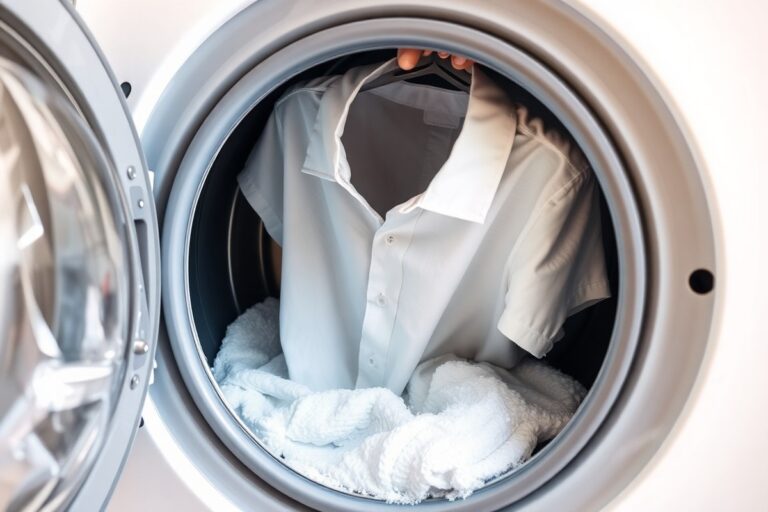
Washing a down coat in a machine requires care to avoid damaging the feathers or the fabric. Use a front-loading washing machine when possible, as these machines lack the central agitator common in many top-loaders, which can cause tearing or break down the delicate insulation inside the coat. Set the machine to a cold-water cycle at about 30°C (86°F), and select a gentle or delicate wash program such as “hand wash” or “wools.” This setup protects the adhesive seams and maintains the loft of the down.
Close all zippers and secure Velcro or flaps to keep the coat protected during washing. Clean the detergent dispenser well to prevent leftover soap that might damage the down feathers. Choose a detergent made for down garments, like Nikwax Down Wash Direct, or a gentle liquid soap without detergents, since regular detergents can remove the natural oils from the feathers and reduce their insulating ability. Follow these steps to safely wash your down coat using a washing machine:
- Clean the detergent dispenser. Wipe out the compartment to remove old detergent or softener residues.
- Prepare the coat. Zip it up completely and close all Velcro straps or flaps to protect the fabric.
- Choose the right machine and cycle. Use a front-loading machine or a high-efficiency top-loader without a central agitator. Set the cycle to cold water (30°C/86°F) on delicate, hand wash, or wool settings, with a small load size.
- Add the appropriate detergent. Use the recommended amount of a down-specific cleaner or a non-detergent liquid soap suitable for feathers.
- Load the coat gently. Place your coat loosely in the drum to avoid compression, which can flatten the down.
- Run the washing cycle. Allow the cycle to finish completely without interruptions.
- Remove and check for clumps. After washing, inspect the coat for feather clumps before drying.
Washing at cold temperatures protects heat-sensitive adhesives and prevents fabric damage. Down-specific detergents preserve the natural oils in feathers that keep insulation effective. Avoiding a harsh agitator reduces tearing risks. Zipping the coat prevents snagging and mechanical wear during the wash. These precautions ensure your coat stays fluffy, maintains warmth, and lasts longer.
When and Why You Should Wash Your Down Coat

Your down coat should be washed about twice a year to keep it clean and maintain its insulation. Signs that it needs washing include visible dirt, stains, unpleasant odors, or if the fabric starts to feel greasy or less water-repellent. Over time, sweat, body oils, and dirt build up and reduce the coat’s ability to trap air and keep you warm, so regular washing helps restore loft and performance.
Washing is important for down insulation because dirt and oils clump the feathers together, which flattens them and reduces their warmth. Clean feathers fluff up better, trapping more air for insulation. Washing also removes odors and can renew the coat’s water-repellent finish, helping keep you comfortable in wet conditions. You should avoid washing too often, as excessive cleaning can wear down fabric and filling.
Check your coat’s fabric and insulation for damage before washing to prevent ripping when wet, as down materials are more fragile at this stage. Before a full wash, spot clean areas with visible stains to break them up. Then, soak the coat gently for about 15 minutes; this helps loosen dirt and makes the washing process more effective. Using specialized down detergent preserves the unique oils in the feathers that keep them fluffy and water-resistant.
Regularly washing your coat helps prevent tiny damage caused by dirt and oils building up on the fabric and feathers, which extends its life. Avoid dry cleaning, especially with perchloroethylene, because it removes the natural oils in down and permanently flattens the insulation. Expensive coats may benefit from professional wet cleaning, but using down-specific detergents at home is usually enough.
After washing and drying, perform the water-repellent test by splashing a few drops of water on the chest area. Water beading up and rolling off indicates that the coat’s protective finish remains effective. When water soaks through the fabric, applying a durable water repellent spray made for down garments helps keep its weather resistance intact. Regular cleaning combined with proper drying helps your coat stay warm, lightweight, and comfortable season after season.
Avoid washing your down coat too often; limit full washes to twice a year and rely on spot cleaning for minor dirt to protect the feathers and fabric.
How to Pre-Treat and Spot Clean Stains Before Washing
Pre-treating stains on your down coat before washing helps remove stubborn spots and protects the coat’s insulation. You should spot clean using a mild detergent or a cleaner designed specifically for down. This prevents staining from setting in and prepares the coat for a gentle wash cycle without overusing water or detergent.
Identify Common Stain Areas
Focus on areas where stains often appear, such as cuffs, collar, armpits, and the front zipper region. These spots tend to catch grime, body oils, or food stains. Check the surface of your coat carefully under good light to spot dirt or discoloration before treating it. Handling stains early avoids deeper fabric damage and preserves the down’s loft.
Look for oily smudges, mud, or ink marks. Since down coats are delicate, surface grime requires attention before full washing to avoid embedding dirt further into the feathers and shell fabric.
Select Appropriate Spot Cleaner
Choose a cleaner safe for down and delicate outerwear, like a mild detergent, a cleaner made for down garments, or stain removers without harsh chemicals or bleach. Using a product such as OxiClean mixed with water gently lifts stains without harming water-repellent coatings or feathers.
For best results, avoid general household stain removers that contain bleach or enzymes, as these can weaken down fibers or remove protective coatings. You can also use down-specific cleaners sold in outdoor stores, often dosed at about 60ml per wash or spot treatment, to maintain the jacket’s performance.
Apply Treatment and Let Soak
Spot clean and pre-soak stained areas to loosen soil and lift stains before washing the entire coat. Gently apply your chosen cleaner to the stain using a soft sponge or cloth. Rub lightly to avoid damaging the fabric. Let the coat soak for 10 to 15 minutes in lukewarm water mixed with a mild detergent if stains are extensive, which helps break down oils and grime without harsh scrubbing.
After treatment, rinse the spot with clean water to remove detergent residue. For stubborn stains, repeat the spot cleaning before moving to the full wash. Avoid wringing or twisting the coat as you handle it, since this can cause feather clumping. Here is a step-by-step process for pre-treating and spot cleaning your down coat:
- Inspect your coat in good lighting to find all stain spots, focusing on high-contact areas.
- Mix a mild detergent with water or use a down-specific cleaner according to product instructions.
- Dip a soft cloth or sponge into the cleaning solution.
- Gently rub the stained areas without scrubbing harshly to prevent fabric damage.
- Let the treated stains soak for 10 to 15 minutes to loosen dirt and oils.
- Rinse the spots carefully with clean, lukewarm water to remove cleaner residues.
- Repeat treatment on persistent stains as needed before washing the entire coat.
Hand Washing vs Machine Washing Down Coats
You can hand wash your down coat, but machine washing is generally more effective and gentler if done correctly. Each method has pros and cons depending on your coat’s material, your equipment, and how much effort you want to spend. Knowing when to hand wash versus machine wash helps protect the down insulation and keeps your coat in good condition.
Advantages of Hand Washing
Hand washing a down coat gives you full control over the process, preventing any mechanical damage that might occur in a machine. It’s ideal if your coat’s care label advises against machine washing or if you lack access to a suitable washer. This method uses gentle squeezing and soaking, allowing you to focus on delicate areas and spot treat stains. You avoid potential agitation that could clump the down and damage fabric coatings.
The process involves filling a bathtub or large basin with cold water and a down-safe detergent. Submerge your coat, gently swish it for about 10 to 15 minutes, then drain and carefully squeeze out excess water without wringing. This may take 20 to 30 minutes depending on coat thickness. The slow dry time requires patience, but it supports longer garment lifespan.
Advantages of Machine Washing
Using a washing machine is faster and often cleans more thoroughly by circulating water and detergent inside the coat’s layers. It’s best done with a front-loading machine on a cold, delicate or wool cycle with a down-specific or mild detergent. These cycles use less agitation and spin faster to remove water without compressing the down.
Machine washing improves stain removal and refreshes loft without the intensive manual labor required for hand washing. This method usually takes 40 to 60 minutes for the cycle, plus additional drying time. You must clear pockets before washing and follow your coat’s label instructions closely to avoid shrinkage or feather clumping.
Best Situations for Each Method
Hand washing works well if your coat has delicate trims, is not machine-washable per label, or if you want to take extra care after spot cleaning. It’s also preferred for small, quick refreshes or when you don’t own a front-loading washer, which tends to be gentler on down.
Machine washing suits coats that are moderately dirty and when you want an efficient clean without risking mechanical damage from higher agitation washers, such as typical top loaders. It’s also better for larger, heavily insulated down jackets that need thorough cleaning and reshaping of the loft. The table below compares these two methods by key factors to help you decide which fits your situation:
| Factor | Hand Washing | Machine Washing |
|---|---|---|
| Water Temperature | Cold water (about 60, 75°F) | Cold water (cold or delicate wool cycle) |
| Detergent Type | Down-safe detergent, mild soap | Down-safe detergent, mild soap |
| Time Required | 30+ minutes manual soaking and squeezing | 40, 60 minutes machine cycle |
| Equipment Needed | Large basin or tub | Front-loading washing machine recommended |
| Risk to Down | Low mechanical risk; manual care can prevent feather damage | Low if using cold, gentle cycle; avoid top-loading agitators |
| Cleaning Effectiveness | Good for light wear and spot cleaning | Better for more thorough cleaning |
| Recommended for | Delicate coats, coats with special trims, or quick wash needs | Regularly used down coats that follow manufacturer’s instructions |
Your choice may depend on whether you prioritize ease and thoroughness or gentle handling and specific care. Both methods preserve down well when done right, but ignoring label instructions or using harsh detergents reduces coat life regardless of washing style.
How to Dry a Down Coat Without Damaging Feathers
Drying a down coat properly takes patience and care to protect the feathers and maintain the jacket’s insulation. Use a tumble dryer on a low-heat setting, add 3 to 4 clean tennis or wool dryer balls, and regularly fluff the coat to break clumps. The full drying process typically takes 2 to 3 hours but ensures the down regains its loft and warmth.
Set Dryer Temperature and Cycle
Always choose a low heat setting, below 120°F (50°C), when tumble drying your down coat. Higher heat risks melting fabric, damaging feathers, and shrinking the outer material. Most dryers have a delicate or air fluff setting ideal for down coats.
The drying cycle can last anywhere from 2 to 3 hours. Down holds moisture deep in its baffles, so shorter cycles will not dry it thoroughly. Avoid stopping the cycle early to prevent mold and odor from developing inside the coat.
Add Tennis or Wool Dryer Balls
Add 3 to 4 dryer balls or clean tennis balls into the drum with your coat. These balls bounce as the dryer tumbles, breaking up wet down clumps and restoring loft. This action also speeds up drying by allowing warm air to circulate better around the feathers.
Wool dryer balls are also effective and reusable, while tennis balls are easy and inexpensive substitutes. Avoid dryer sheets because they can leave residues that harm down insulation.
Remove and Fluff Regularly
Interrupt the drying cycle every 30 to 45 minutes to manually fluff the coat. Gently shake and pat the coat to break apart any down clumps that form. This helps the feathers realign, improving loft and even drying.
Fluffing prevents the jacket from drying in dense patches which reduce its insulating power. It also lowers the risk of lingering damp spots that cause mildew or odor.
Check Fully Dry to Avoid Mold
Make sure your down coat feels completely dry before storing. The feathers should be light and fluffy, with no damp or heavy areas. It can take up to 3 hours or more, depending on your dryer and coat thickness.
The coat will benefit from another drying cycle set on low heat if it feels cool or unusually heavy. Avoid air drying, as it can take days and often causes feathers to clump and develop stale smells.
- Set your dryer to low heat (below 120°F / 50°C) on the delicate or air fluff cycle.
- Place your down coat inside the dryer drum.
- Toss in 3 to 4 wool dryer balls or clean tennis balls to help fluff the coat during drying.
- Start the dryer and let it run for 30 to 45 minutes.
- Stop the dryer and take out the coat to gently shake and fluff it by hand.
- Return the coat to the dryer and repeat drying and fluffing until fully dry (typically 2 to 3 hours).
- Check that the coat feels light, dry, and evenly fluffy with no clumps.
- Store your down coat in a dry place once fully dried.
Do not increase the dryer heat to speed up drying; high heat can damage both the feathers and the outer fabric of your down coat.
Common Washing Mistakes and How to Avoid Them
Washing down coats requires care to prevent damage and maintain insulation. One common mistake is washing the coat with other heavy or abrasive items. This can cause fabric pilling or tears in the delicate outer shell. Always wash your down coat alone or with a few lightweight garments to avoid snags and fabric wear.
Using regular detergents harms the natural oils on down feathers. These oils are essential for keeping the feathers fluffy and insulating. Choose a detergent specifically designed for down, like Nikwax Down Wash Direct, which gently cleans without stripping these oils. Avoid fabric softeners and bleach, as they break down both feather oils and fabric integrity.
- Zip up the coat and fasten Velcro and buttons to prevent snags during washing.
- Use a front-loading washing machine if possible, rather than a top-loader, to reduce fabric stress.
- Support the coat from underneath when removing it from the machine to protect shoulder seams from tearing.
- Use cold or warm water (30°C to 40°C or 86°F to 104°F) to avoid shrinking or damaging feathers.
- Do not overload the washer; the coat needs space to move freely for thorough cleaning.
- Rinse the jacket twice to remove all detergent residues that could mat feathers.
- Tumble dry on low heat with clean tennis balls or dryer balls to break up clumps and restore loft.
Clumped feathers after washing often signal incomplete rinsing or drying. To fix this, tumble dry on low heat and pause every 30 minutes to manually fluff the jacket and break apart feather clusters. This process can take several hours but is necessary to restore loft. Avoid air drying alone, as it usually leaves the feathers matted and cold.
Improper washing practices risk damage to your down coat. For example, using harsh detergents strips feather oils, reducing loft and insulation. Scrubbing or excessive agitation tears fabric or breaks stitches. The jacket’s wetted weight can strain seams if not handled carefully, leading to costly repairs. Proper washing protects your investment and keeps the coat warm and lightweight for your outdoor adventures.
How to Handle Detachable Parts and Special Situations
Detachable parts like hoods and fur trims require special care when washing your down coat to avoid damage. Start by carefully unbuttoning or unzipping the hood and removing any fur trim, especially if it is real fur. Washing these items separately prevents the delicate fur from matting and the hood from being overworked in the machine. The coat’s care label will tell you if you can wash the detachable hood with the rest of the coat. Use a gentle cycle and cold water, and always treat fur trims very carefully.
For washing a detachable hood, set your machine to the delicate or gentle cycle at 30°C (86°F). Use a cleaner designed for down, such as Nikwax Tech Wash or Grangers Down Care Kit, for the best results. When machine washing isn’t allowed for the hood or fur, wash those parts by hand using cold water and a detergent made for down. Make sure to rinse them completely. Never soak fur trims for long periods, and avoid tumbling them in a dryer, as heat can damage both real and synthetic fur.
After cleaning, spread the fur trims flat on a towel and let them air dry, gently shaping them back to form. For machine-washed detachable hoods, tumble dry on low heat under 50°C (120°F) with a few clean tennis or dryer balls to keep the down fluffy and prevent lumps. Avoid fabric softeners and don’t press or twist delicate areas since this can damage the coat and its down insulation.
Handling detachable parts properly minimizes the risk of damage and maintains your coat’s warmth and appearance. Washing hoods and fur trims separately or by hand adds time but protects delicate materials. Checking the care label before washing is essential. Some hoods and trims labeled dry clean only should be taken to a professional cleaner to avoid costly damage. Keep in mind that care products for down are formulated to maintain natural oils in the feathers, so avoid harsh detergents or bleach, which can reduce water resistance and loft.
In a typical washing session, detaching parts may add 5 to 10 minutes upfront for removal and separate cleaning steps afterward for drying and reshaping. Quality results show a fully fluffed and dry coat with intact fur texture and no clogging or matting. Poor handling can lead to flattened insulation, stiff fur, and discoloration, which reduces overall usability and comfort in cold conditions typical of outdoor activities.
How to Store and Maintain Your Down Coat After Washing
After washing and thoroughly drying your down coat, store it in a cool, dry place away from direct sunlight to preserve its insulation and fabric integrity. Avoid compressing the coat by hanging it on a wide, sturdy hanger or loosely folding it so the down retains its loft. Compressing the down for long periods can damage the feathers and reduce warmth, so steer clear of plastic bags or tight spaces that limit airflow. Proper storage prevents moisture buildup, odors, and feather clumping, keeping your coat ready for your next outdoor adventure.
Between washes, perform regular spot cleaning with a damp cloth and mild soap to remove light dirt and oils. This simple upkeep minimizes the need for frequent full washes that can degrade the down over time. Air out your coat after use by hanging it in a well-ventilated area, especially if you notice any dampness or sweat buildup. Doing so helps prevent sour smells and mildew from developing. When odors linger after airing out, spray the inside lightly with a mixture of water and white vinegar, then allow it to dry completely. This natural deodorizer can reduce sour smells caused by bacteria without damaging the fabric.
Sour smells on your coat after washing can indicate the down didn’t dry fully or has clumped together. To fix this, place your coat in the dryer on low heat with 4-6 clean tennis balls. The tennis balls gently break up down clumps and fluff the insulation as it dries, restoring loft and eliminating trapped moisture. Make sure to dry your coat thoroughly, as dampness inside can cause odors and damage. This drying process often takes a few hours, so plan for enough time to get the best results.
When the fabric turns dark during use or washing, it means it’s absorbing water instead of repelling it. To fix this wetting out, spray a fluorocarbon-free durable water repellent (DWR) on the slightly damp coat. Products like Granger’s Performance Repel Plus apply easily and restore the coat’s water resistance. After applying DWR, tumble dry on low as directed to bond the treatment to the fabric. This restores outer layer protection, keeping you dry and maintaining the down’s insulating power in wet conditions.
Do not store your down coat in a compressed state or plastic bag, as this causes feather clumping and loss of insulation over time.
Step-by-Step Action Plan for Washing Your Down Coat
Follow these steps to wash and dry your down coat safely while preserving its insulation and loft.
- Before washing: Check all detachable parts and remove them. Spot clean visible stains using a mild detergent to prevent spread during washing.
- Day of washing: Use a front-loading washing machine with a gentle cycle and cold water. Apply a down-specific detergent to avoid residue buildup.
- Right after washing: Gently squeeze out excess water, avoiding wringing or twisting that can damage feathers.
- Start drying: Place your coat in a large dryer on low heat with clean tennis balls or dryer balls to help fluff the down. Check progress every 30 minutes.
- During drying: Periodically remove the coat to redistribute feathers by hand, which prevents clumping and restores loft.
- After drying: Confirm the coat feels fully dry with no damp spots inside. A partially wet coat can develop mildew or lose insulation.
- Storage: Hang your coat loosely in a well-ventilated area on a sturdy hanger to maintain shape and avoid compressing the down.
Frequently Asked Questions
Can I Use Regular Detergent to Wash a Down Coat?
Regular detergent can strip natural oils from down feathers, so use a special down cleaner for best results. This keeps the feathers fluffy and maintains insulation.
How Do I Fix My Down Coat If It Gets Clumpy After Washing?
Tumble dry the coat on low heat with dryer balls to break up clumps. You may need to remove it every 15-30 minutes to manually separate feathers.
Is It Safe to Wash a Down Coat with Waterproof Coating?
Yes, use a gentle cold-water cycle and a cleaner designed for down and waterproof fabrics to avoid damaging the shell. Avoid bleach or fabric softeners.
Can I Bleach a Down Coat to Remove Tough Stains?
Bleach damages the down and fabric, so do not use it. Spot clean stains with a down-safe cleaner before washing in the machine.
How Long Should I Dry My Down Coat After Washing?
It takes about 2 to 4 hours to dry completely on a low heat tumble dry cycle. Make sure no damp spots remain to prevent mold.
Are Front-Loading and Top-Loading Washers Equally Good for Down Coats?
Front-loading washers are preferred because they lack the central agitator that can damage the coat. High-efficiency top-loaders without agitators are acceptable.
Before You Go
Proper care when washing and drying your down coat keeps it warm and extends its lifespan. Start by prepping your coat carefully to protect the feathers, then follow careful drying steps to restore its loft. Your next step is to set a gentle washing cycle and use detergent made specifically for down products to ensure your coat stays in great condition season after season.