What Is Tumble Dry: A Complete Guide to Settings, Fabrics & Safety Tips
Tumble dry means using a machine to dry clothes by rotating them in warm air, speeding up the drying process compared to air drying. It involves setting your dryer to specific heat levels that suit different fabric types, preventing damage while ensuring effective moisture removal. This explanation helps you handle laundry with more confidence and avoid common drying mistakes.
This information suits anyone new to laundry or those wanting to understand dryer settings, fabric care, and safety tips. You’ll learn which fabrics can safely go in the machine, what the common tumble dry settings mean, and how to protect your clothes from heat or shrinking.
Key Takeaways
- Tumble dry low uses about 125°F heat, best for delicate fabrics that need gentle drying.
- The medium heat setting, around 135°F, works well for normal cottons and blends.
- Avoid tumble drying fabrics labeled “do not tumble dry” to prevent shrinkage and damage.
- Clothes should be damp but not soaking wet before placing them in the dryer.
- Dryer balls made of wool can reduce drying time and soften clothes naturally.
- Commercial dryers reach higher temps (up to 175°F) to dry loads faster but may not suit delicate items.
What Does Tumble Dry Mean and How It Works

Tumble dry means using a household tumble dryer to dry clothes by heating and tumbling them inside the dryer’s drum. This process dries wet clothing faster than air drying by combining warm air and constant movement. The clothes rotate or “tumble” within the drum, allowing the heat and airflow to reach all fabric surfaces evenly. This tumbling action also helps prevent wrinkles by stopping clothes from lying flat and clumping together as they dry.
A tumble dryer works by pulling in air, heating it to a specific temperature depending on the setting, and blowing it through the drum where your clothes are loaded. The typical medium heat setting, often called “normal,” heats the air to about 135 degrees Fahrenheit. This warm air absorbs moisture from the wet fabrics while the drum spins and tumbles the clothes. Moist air exits the dryer through a vent or condenses into water in a collection reservoir. This continuous cycle speeds up drying and reduces the time clothes stay damp.
The term “tumble dry” comes from the tumbling movement inside the drum. As the dryer drum rotates, it tosses the clothes repeatedly. This movement keeps garments separated so heat can reach the fibers efficiently and moisture gets released. Because the drying process relies on this tumbling action combined with heat, all the settings you select on a typical dryer, such as tumble dry low or tumble dry no heat, are variations of the same tumble dry method.
Before you tumble dry, clothes should be wet but not dripping to avoid water pooling inside the dryer or extending drying times unnecessarily. You then load the dryer with fabrics that can safely handle machine drying. The dryer drum turns continuously during the cycle to dry clothes evenly and reduce wrinkling. For most household dryers, tumble dry temperatures range from no heat up to about 140°F, depending on the selected setting and fabric care instructions.
Using the tumble dry method properly means choosing the right temperature for your fabrics and not overloading the dryer drum. Overloading reduces airflow and can leave clothes damp or cause uneven drying. Good results are dry, warm clothes that emerge with minimal wrinkles and no heat damage. Problems such as shrinking or fabric weakening often result from high heat settings or drying items not suited for tumbling. Always check care labels to decide if tumble drying is appropriate for each garment.
Common Tumble Dry Settings and Their Temperatures
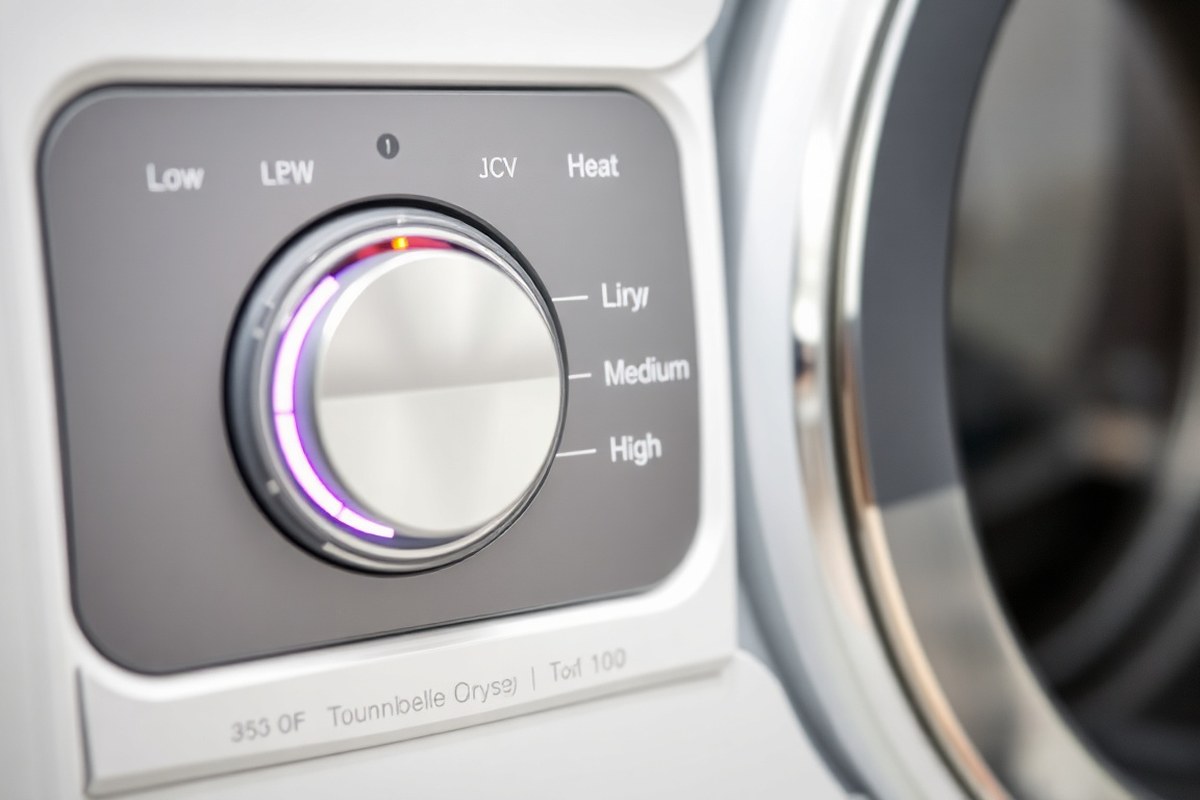
Tumble dry settings adjust the heat level to protect different fabrics during drying. Common temperature settings include low (around 125°F), medium (about 135°F), and high (approximately 150°F). Some dryers also offer a no heat option that uses airflow without added warmth. Selecting the right setting depends on the fabric type and the garment’s care label instructions.
Low Heat Setting Benefits and Uses
The low heat setting typically reaches around 125°F and is paired with the delicate or gentle cycle on most dryers. This setting suits loosely woven fabrics and items with embellishments such as beading, sequins, or iron-on decals. Low heat protects delicate materials by reducing the risk of shrinkage, fading, and damage to sensitive fibers.
Using the low heat setting prevents overheating that can break down fabric structures, making it ideal for synthetic blends and delicate cottons. It’s recommended when you want to be gentle but still want to speed up drying compared to air drying.
Medium Heat and Typical Garments
Medium heat operates around 135°F and provides a balance between efficient drying and fabric safety. It dries clothes slower and more gently than high heat, which reduces wrinkles and helps avoid damage to synthetic fibers prone to rippling or melting.
This setting works well for everyday fabrics like durable cottons, polyester blends, and casual wear. Medium heat is a safe choice when you’re drying mixed loads, as it minimizes risks to varied fabric types.
High Heat and When to Use It
High heat runs near 150°F, providing the fastest drying for sturdy fabrics that can handle intense heat and movement. It’s appropriate for towels, denim, heavy cottons, and linens, especially when a fast, thorough dry is needed.
Use this setting only if the care label says “tumble dry high” or “heavy duty.” It can lead to faster fading, shrinkage, and fabric wear for delicate or synthetic materials. High heat cycles may take longer than low or medium for thick fabrics but dry them more completely and sanitize if your dryer has a sanitize cycle.
Tumble Dry No Heat Explained
The no heat tumble dry setting uses cold or room-temperature air combined with tumbling action instead of heat. This method is slower than heat drying but still faster than line drying due to the steady airflow inside the dryer drum.
No heat drying is perfect for heat-sensitive materials like lace, silk, or certain synthetic fabrics that would be damaged by any heat. It helps prevent shrinking, warping, or damaging elastic fibers but requires more drying time. Selecting the no heat option when available can extend the life of delicate garments that can’t safely be dried with heat.
| Tumble Dry Setting | Temperature (°F) | Ideal Fabrics | Typical Uses |
|---|---|---|---|
| Low Heat | 125 | Delicates, synthetics, embellished items | Gentle drying, protect sensitive items |
| Medium Heat | 135 | Durable cotton blends, casual wear | Everyday drying, reduce wrinkles |
| High Heat | 150 | Heavy cottons, towels, denim | Fast drying, sanitize cycle |
| No Heat | Room temperature airflow | Silk, lace, heat-sensitive synthetics | Dry fragile items without heat damage |
Always check the care label for the recommended tumble dry setting to avoid shrinking or damaging your clothes.
Choosing the right tumble dry heat level ensures your clothes dry efficiently while maintaining their quality. Using lower heat settings favors fabric longevity, while high heat is reserved for more strong textiles. When uncertain about a garment, no heat offers a safe drying alternative with minimal risk.
Which Fabrics Can and Cannot Be Tumble Dried
Not all fabrics can safely go in a tumble dryer. Natural fibers like cotton, polyester, and blends of these materials usually handle tumble drying well at the correct temperature. These fabrics are durable enough to withstand the heat and tumbling action, which helps them dry relatively quickly without damage. Towels, denim, and many synthetic fibers fall into this category, making tumble drying a convenient option to save time.
Sensitive fabrics such as wool, silk, and some delicate synthetics should generally be avoided in the tumble dryer. Wool garments can shrink or felt under heat, and silk can lose its luster or become brittle. Knit fabrics are especially vulnerable because the tumbling can stretch them out, causing distortion and misshaping. These delicate items often have a “Do Not Tumble Dry” symbol on their labels, a clear sign they should air dry to maintain their texture and fit.
Fabrics that contain elastic or special finishes also often cannot tolerate tumble drying. Elastic bands or spandex fibers may degrade quickly when exposed to heat, losing their stretch and support. Water-repellent or waterproof coatings can break down in the dryer’s heat, reducing the garment’s effectiveness. Items with filling, like down jackets or comforters, sometimes must be tumble dried but only if the care label explicitly allows it; otherwise, the heat and tumbling can clump or damage the filling.
The main reason for avoiding tumble drying on certain fabrics is that the heat and mechanical action can cause shrinkage, stretching, warping, or damage to delicate fibers. High temperatures can weaken fibers and lead to faster wear and color fading. The tumbling motion can also distort shapes, especially on knits or loosely woven materials. Reading the fabric care label is important because it indicates whether tumble drying is safe and which temperature setting to use.
When tumble drying is not recommended, air drying is the best alternative. Hanging clothes on a line or drying rack avoids heat damage and maintains the garment’s structure. Although air drying may take longer, the process is gentler and helps preserve fabrics that are sensitive to heat. Using air drying also saves energy but might require careful placement to prevent stretching, especially with knit items.
Checking the dryer settings to match the fabric type is essential. For example, using a low or no-heat tumble dry cycle can help reduce damage for some delicate fabrics approved for tumble drying. However, this setting will take longer and might not fully dry thick or heavy items. Trust the care label symbols, such as a square with a circle inside for safe tumble drying or one with an X through it for “Do Not Tumble Dry.”
Understanding ‘Do Not Tumble Dry’ and Care Label Symbols
The phrase “do not tumble dry” on a clothing label means the garment should never be placed in a dryer. Heat, rotation, or the drying motion can cause damage to the fabric, such as shrinking, warping, or melting. Identifying tumble dry symbols on labels helps you choose the safest drying method for your clothes.
Tumble Dry Symbol Variations
The primary tumble dry symbol looks like a square enclosing a circle. This sign shows that your clothes are safe to dry using a tumble dryer. A similar symbol with a cross means you should avoid machine drying, as it might damage the fabric.
The number of dots inside the circle tells you what heat level to use. One dot means low heat, two dots mean medium heat, and three dots mean high heat. Sometimes the circle is filled in, which means tumble dry without heat or air dry only. Common labels may also include text like “tumble dry low” or “do not tumble dry.”
How to Read Heat Level Dots on Labels
Heat levels are important because different fabrics can tolerate different temperatures. For example, synthetic fabrics generally handle low or medium heat, while sturdy cottons tolerate high heat. Low heat settings usually range around 120°F, medium heat around 140-150°F, and high heat can reach 160°F or more. Following these dots helps prevent damage such as shrinking, wrinkling, or melting embellishments.
- A single dot = tumble dry on low heat (around 120°F)
- Two dots = tumble dry on medium heat (about 140-150°F)
- Three dots = tumble dry on high heat (up to 160°F or more)
- A filled circle in the square = tumble dry without heat (air dry setting)
- A crossed-out symbol = do not tumble dry at all
Always check these symbols carefully before drying. Tumble drying a “do not tumble dry” item, even on low heat, risks fabric damage or deformation of shape.
Exceptions and International Differences
Some delicate fabrics like silk, wool, or garments with elastic decorations may require extra care and should avoid tumble drying regardless of heat level. Labels might say “do not tumble dry” due to potential shrinkage or loss of elasticity. In those cases, air drying is safer.
Dryer care symbols are mostly standardized internationally, but small regional variations exist. European labels may include similar symbols but sometimes add instructions in the local language. When traveling or buying imported clothing, confirm the symbols mean the same and follow the strictest care advice to protect your clothes.
Some dryers offer specific cycles labeled Delicate, Gentle, or Air Fluff, designed for low or no heat drying. When labels allow tumble drying but warn against heat, choose these cycles. Avoid the temptation to tumble dry “do not tumble dry” items even on the gentlest cycle, as the mechanical action alone can still cause damage.
Step-by-Step Guide to Tumble Drying Clothes Safely
To tumble dry clothes safely, start by preparing your laundry properly, then select the right settings on your dryer. Keep the dryer well-maintained during use, and handle your clothes carefully once drying finishes. Following clear steps helps avoid damage and ensures your clothes dry efficiently.
Check and Sort Laundry
Begin by examining the care labels on your garments to confirm they are safe for tumble drying. Only dry clothes labeled with tumble dry permissions, avoiding those marked “Do Not Tumble Dry.” Sort your laundry by fabric type and weight; lightweight fabrics dry faster than heavy ones and require lower heat settings.
Separate delicate items from more durable fabrics to prevent damage. Also, check for items with heavy embellishments, plastic parts, or foam padding that may not withstand tumbling and heat. Removing excess moisture with an extra spin cycle in the washer can reduce drying time and energy use.
Choose Appropriate Settings
For optimal drying, select the correct temperature and drying time based on fabric type and garment care instructions. Use low or no-heat settings for delicate fabrics to reduce shrinkage risks and avoid damage. For towels, jeans, and heavier fabrics, use medium to high heat settings.
Set the drying time or choose an automatic sensor drying cycle if available, which detects moisture and stops the dryer once clothes are dry. Overdrying can weaken fibers and cause wrinkles, so err on the side of shorter drying times initially, and add time if necessary.
- Sort clothes by fabric type and drying instructions.
- Remove sharp or hard objects from pockets.
- Load the dryer without overfilling for proper tumbling.
- Add dryer balls or a clean, dry towel to absorb moisture and shorten drying time.
- Select the correct heat setting according to fabric type.
- Choose a timed or sensor drying cycle.
- Start the dryer and check periodically for wrinkle prevention.
Maintain the Dryer (Lint Filter, Vent)
Clean the lint screen before or after each drying cycle to maintain airflow and efficiency. A clogged lint filter reduces dryer performance and increases fire risk. Inspect and clean the dryer vent and exhaust duct regularly, ideally every 6 months or as recommended by the manufacturer.
Proper airflow prevents overheating and reduces drying time and energy consumption. Avoid overloading your dryer, which can cause the machine to work harder and dry unevenly, leading to longer cycles. Ensure your dryer is on an even surface to avoid noisy operation and mechanical wear.
Properly Remove and Handle Clothes
Remove clothes promptly when the cycle ends to minimize wrinkles and prevent overdrying. Fold or hang items immediately for best care. For items prone to shrinking, air them out to finish drying or use cool-down cycles.
Keep in mind some clothes may feel warm or slightly damp after drying and benefit from air drying or a brief additional low-heat cycle. Avoid placing heat-sensitive or heavily wrinkled fabrics directly in a hot dryer without checking the care label first.
Check garments after drying and avoid leaving them in the dryer for long periods to prevent wrinkles and fabric damage.
Tumble Dry vs. Air Drying: Pros and Cons
Tumble drying uses heated air that circulates around your clothes while they tumble inside the dryer drum. This speeds up drying time compared to air drying, which relies mostly on natural evaporation. Tumble drying typically takes 30 to 60 minutes depending on load size and fabric type, while air drying can take several hours or even days. This quicker process saves time but uses more energy since the dryer heats the air and spins the clothes.
Air drying clothes on a line or rack uses no electricity, which lowers energy costs and environmental impact. It also reduces wear on fabrics since there is no heat or mechanical agitation involved. However, air drying works best in low-humidity, warm environments and can leave some fabrics stiff or wrinkled. Shaking clothes before hanging and adding fabric softener during washing can help keep them soft.
You’re better off air drying delicate fabrics like wool or items labeled “do not tumble dry” to avoid shrinking or damage. For heat-sensitive clothes, spinning them thoroughly in the washer first removes excess moisture, then air drying keeps drying time reasonable without heating.
- Use tumble drying for cottons and durable fabrics when you need clothes ready quickly
- Switch to air drying for delicate, embellished, or heat-sensitive fabrics to protect their shape and texture
- Point a fan across an indoor drying rack to speed evaporation and reduce drying time
- Shake out air-dried clothes to reduce stiffness
- Tumble dry in cool or air fluff settings for items that cannot tolerate heat
- Avoid tumble drying in rainy or freezing weather if air drying outdoors is your only option
- Check garment care labels for the safest drying method
Tumble drying uses significantly more energy than air drying but lets you finish laundry faster and wear clothes sooner. Air drying is gentler on fabrics and more energy efficient but takes longer and depends on weather or indoor ventilation. Finding a balance that fits your fabrics, schedule, and energy use preferences helps you keep clothes in good shape while managing time and costs.
Common Tumble Drying Mistakes and How to Fix Them
Common mistakes with tumble drying often lead to fabric shrinkage, color fading, and other damage. Using high heat or drying garments that advise “Do Not Tumble Dry” can cause irreversible harm. Preventing problems starts with following care label instructions and selecting the correct dryer settings for each fabric type.
Shrinkage occurs when heat breaks down fabric fibers unevenly, especially with cotton or wool. Overdrying also weakens fibers and leads to stiff or brittle textures. To avoid this, use moderate or low heat settings and remove clothes while slightly damp for air drying. Fabrics that list “Do Not Tumble Dry” should be line dried to protect their shape and color.
- Sort laundry by fabric type and drying needs before starting
- Choose low or medium heat settings for delicate or synthetic materials
- Use timed or sensor drying cycles to prevent overdrying
- Take clothes out promptly when the dryer stops to minimize wrinkles
- Follow care labels strictly, especially for “Do Not Tumble Dry” items
- Avoid drying heavy items with light ones to prevent uneven drying
- Use dryer balls to improve airflow and reduce drying time
If a garment shrinks or gets damaged, restoring its original size is difficult. For mild shrinkage in cotton, gently stretching the fabric while damp may help, but do this carefully to avoid tearing. Garments with severe shrinkage or melted fabrics due to heat are usually beyond repair and should be replaced. Spot cleaning to fix color fading or applying fabric softener can reduce stiffness caused by overdrying.
Keeping a close eye on drying times and temperatures protects your clothes and extends their lifespan. Investing a few extra minutes to sort items and select the right cycle saves money and hassle on replacements. Always check each garment’s label and err on the side of caution with heat and drying duration.
Using Dryer Balls and Energy-Saving Tips for Tumble Drying
Dryer balls speed up tumble drying by separating clothes and improving air circulation inside the drum. They physically lift and separate fabrics, which helps water evaporate faster. This often reduces drying time by several minutes per load, saving energy and cutting your electric bill. Wool or plastic balls both work, and you can reuse them for many loads. Tossing three to six dryer balls with your laundry is usually enough for a typical household load.
Using dryer balls also prevents clumping, so your clothes dry more evenly. That reduces the chance of damp spots and the need to run extra drying cycles. They can even soften fabrics naturally, helping reduce static and wrinkles, so you spend less time ironing.
- Throw a clean, dry towel in with wet laundry to soak up extra moisture and shorten drying time.
- Clean your dryer’s lint filter before or after every load to maintain airflow and efficiency.
- Check and clear the dryer vent or duct pipe regularly to avoid blockages that increase drying time and energy use.
- Avoid overloading the dryer, which restricts airflow and lengthens drying cycles.
- Use moisture-sensing or automatic dry cycles that stop when clothes are dry to save power.
- Separate heavy items like towels and jeans from lighter fabrics to dry them more efficiently.
- Consider air drying durable items on a rack to reduce dryer use.
Always clean the lint filter after every load to keep the dryer running safely and efficiently.Energy savings come from cutting drying times and avoiding unnecessary heat. Removing as much water as possible during the spin cycle also helps since dryer balls are good at letting the air circulate freely. For the best results, add dryer balls along with a towel when drying heavy or large items. This combination often removes more water in just a couple of minutes than a heated dryer does alone in twenty minutes.
By following these practices, you reduce electricity use while keeping clothes soft and dry faster. Check your dryer’s manual for recommended settings and always maintain your machine for consistent performance. The upfront cost of dryer balls typically ranges from $5 to $20, making them a low-cost way to improve your tumble drying efficiency.
Step-by-Step Action Plan for Safe and Efficient Tumble Drying
Follow these steps to make sure your clothes come out dry and undamaged while saving energy.
- Before you start: Check the garment care labels for tumble dry instructions and sort clothes by fabric type and drying temperature to prevent damage.
- Loading the dryer: Place clothes loosely in the drum without overfilling to allow good airflow; your clothes should tumble freely.
- Selecting settings: Choose the appropriate temperature based on fabric type, using low heat for delicate items and higher for cottons; confirm the setting matches the label’s recommendations.
- Adding dryer balls: Toss in 2 to 3 dryer balls to reduce drying time and static, helping clothes dry evenly; you’ll notice less clumping and less wrinkles.
- During the cycle: Check periodically for dryness, especially for mixed loads, to avoid over-drying and shrinkage; stop the cycle once clothes feel dry but not hot.
- After drying: Remove clothes promptly to prevent wrinkles; hanging or folding right away saves ironing time.
Frequently Asked Questions
What to Do If It Says “Do Not Tumble Dry”?
Avoid tumble drying items labeled “do not tumble dry,” even on no heat settings. Instead, air dry these garments to prevent damage or shrinking.
Is Tumble Dry the Same as Spin?
No, tumble dry uses heat and tumbling to dry clothes, while spin only removes water by spinning fast in the washer.
Is It Better to Air Dry or Tumble Dry?
It depends on the fabric; air drying is gentler, but tumble drying is faster and convenient. Use air drying for delicate items.
Is Tumble Dry Mean No Heat?
Not always, tumble dry can use low to high heat, but some settings use no heat, known as air fluff or no heat cycle.
Can You Tumble Dry Clothes with Elastic Bands?
Generally, avoid high heat on elastic; use low heat or air dry to preserve elasticity.
Does Tumble Drying Shrink Cotton Clothes?
High heat can shrink cotton, so use low or medium heat settings for cotton fabrics.
Wrapping Up
Tumble drying means drying clothes by rotating them in warm air inside a dryer, which speeds up the process compared to air drying. Properly using the right settings and following the care labels helps keep your clothes looking good and lasting longer. Your next step is to try drying a small load with similar fabrics and adjust the settings to find the best cycle for your laundry routine.