How to Get Rid of Perspiration Stains: 8 Proven Methods for Clothes & Fabrics
To get rid of perspiration stains effectively, soak your garment for at least 20 to 30 minutes using the right pre-treatment methods before washing. Using natural or gentle cleaning agents, such as hydrogen peroxide for white fabrics or specific anti-perspirants that prevent stain formation, can help remove and reduce yellowing. This approach works for both fresh and set-in stains when applied correctly and patiently.
This information is ideal for anyone who wants practical and safe ways to restore their clothes and fabrics without harsh chemicals or excessive effort. You’ll learn proven methods and tips to handle various fabric types and stain depths, ensuring your wardrobe stays fresh and stain-free after perspiration.
Key Takeaways
- Soak stained garments in cold water for at least 30 minutes before washing for better stain removal.
- Apply a paste treatment and let it sit for 20 minutes to break down sweat stain residues.
- Use 3% hydrogen peroxide on white fabrics to target persistent odors and discoloration safely.
- Choose anti-perspirants that reduce yellow stains and white marks, like those proven to protect fabrics for up to 72 hours.
- For set-in sweat stains, soak clothes in warm water with sodium perborate bleach for 15 to 30 minutes.
- Let cleaning agents remain on stains for 20-30 minutes to maximize effectiveness before washing.
1. Why Do Perspiration Stains Form and Yellow?

Perspiration stains form primarily because of a chemical reaction between your sweat and the products you apply to your skin, such as deodorants and antiperspirants. Sweat by itself is mostly water mixed with salt and small amounts of proteins, oils, and minerals. These components don’t usually cause staining alone. The problem starts when sweat interacts with aluminum compounds commonly found in antiperspirants.
When aluminum-based compounds in antiperspirants mix with the sweat and the natural oils on your skin, they combine to create yellow or white stains on fabric. This reaction produces a residue that bonds with fibers in your clothing fibers, especially under the arms where sweat tends to be heaviest. The yellow discoloration is more apparent on white or light-colored fabrics, while on darker fabrics, white deodorant marks are more noticeable.
The fabric itself also affects how these stains appear and set. Natural fibers like cotton absorb sweat and are more prone to staining than synthetic fibers, such as polyester, which are less absorbent. The higher absorbency makes it easier for the chemical residues to penetrate the fabric and cause discoloration. Over time, these residues build up, making the stains more difficult to remove if not treated promptly.
Deodorant residues don’t just contribute to yellow stains; they can leave white or chalky marks on clothing, especially when antiperspirant is applied heavily or without allowing it to dry before dressing. These white stains are basically leftover particles from the product’s formula, which settle on the fabric surface. Using products labeled as “invisible” or “clear” antiperspirants can reduce this issue, but they can still react with sweat to some extent.
The temperature and time of exposure also matter. Sweat stains often become more pronounced during warm weather or after heavy physical activity because there’s more sweat production, increasing the chemical interactions. The longer the sweat and deodorant remain on fabric without washing, the more the stains set. This is why it helps to wash clothes soon after wearing, especially if you notice any discoloration starting to form.
Repeated contact between sweat, deodorant, and fabric causes the stain to change color, often turning yellow over time. The yellowing results from the breakdown of sweat proteins and oils combined with the aluminum compounds forming a chemical complex that can oxidize upon exposure to air and heat, creating stubborn discolorations. This chemical process explains why traditional chlorine bleach can worsen these stains on white clothing instead of removing them, as bleach reacts with the proteins and sets the yellow color.
Understanding that sweat stains come from a mixture of sweat, body oils, deodorant chemicals, and fabric absorption highlights why removing them requires more than just regular washing. The interaction at the chemical level is the root cause of the visible yellow or white marks, making your choice of deodorant and how promptly you treat affected clothing essential to keeping garments stain-free.
2. Safe Pre-Treatments to Try Immediately on Perspiration Stains

Address fresh perspiration stains at the first sign by pre-treating the fabric with simple, safe ingredients from home. These quick-care steps reduce stain intensity and prevent setting, making the final laundering more effective. Use white vinegar solution, baking soda paste, or a liquid detergent soak based on your fabric and stain condition.
Using White Vinegar and Water Solution
White vinegar’s mild acidity helps to break down sweat stain residues and neutralize odours. Mixing equal parts white vinegar and warm water creates a safe solution for fabrics like cotton, synthetics, and even some delicates. Applying this promptly after spotting the stain loosens salts and proteins before washing.
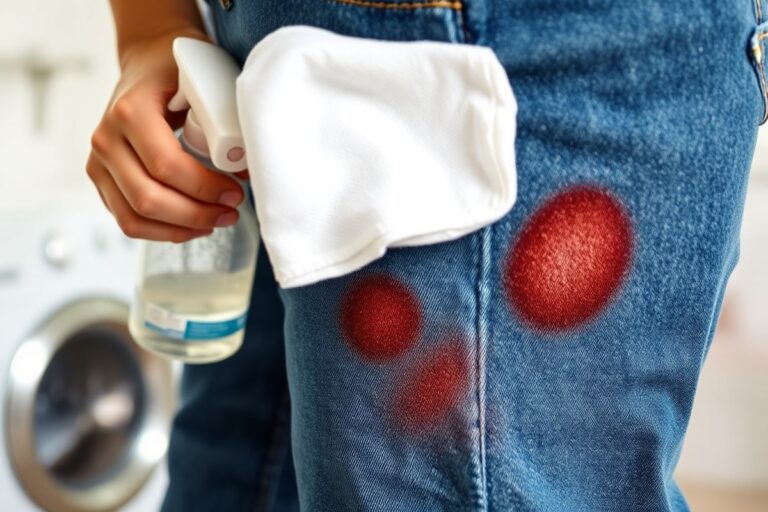
To apply, spray or sponge the vinegar solution directly onto the stained area. Let it sit for about 15 minutes, which is enough time to start lifting the stain without damaging the fabric.
- Mix 1/4 cup white vinegar with 1/4 cup warm water in a spray bottle or bowl.
- Apply the solution generously to the stained area with a clean cloth or spray.
- Let it sit for 15 minutes to penetrate the fibers and begin stain breakdown.
- Rinse lightly with cool water to remove excess vinegar before laundering.
- Wash the garment as usual in the hottest water safe for the fabric.
Test the vinegar solution on an inconspicuous area first to check for any colour fading or fabric reaction.
Applying Baking Soda Paste
Baking soda combined with water forms a gentle abrasive paste that lifts sweat stains from fabric fibers. This method is best for cotton, linen, and synthetic blends, especially on white or light-coloured clothes. Allowing the paste to sit intensifies its stain-fighting action.
Spread the paste evenly with a spoon or spatula over the stained area and leave it for 20 minutes before washing. This timeframe provides enough contact to break apart protein and salt deposits efficiently.
- Mix 1/4 cup baking soda with 1/4 cup warm water to create a thick paste.
- Spread the paste evenly over the sweat stain using a spoon or spatula.
- Let the paste set for 20 minutes without drying out completely.
- Gently brush off any dry residue before placing the garment in the washer.
- Launder in the hottest water temperature safe for the fabric.
Do not use baking soda paste on very delicate fabrics like silk without testing first, as it might be too abrasive.
Pre-Soaking with Liquid Detergent
Liquid enzyme detergents designed for stain removal break down proteins and oils, addressing fresh sweat stains effectively. Pre-soaking garments in a solution combining detergent and water before washing improves stain release for both light and dark fabrics.
Prepare a soaking solution using the recommended detergent amount for a small basin of water. Submerge the stained garment for 15 to 30 minutes, allowing enzymes to target sweat components before the main wash.
- Fill a basin with warm water, following detergent instructions for amounts (about 1 tablespoon per quart).
- Add the liquid enzyme detergent and stir to mix well.
- Submerge the stained clothing completely in the solution.
- Let soak for 15 to 30 minutes, depending on stain severity.
- Remove the garment and wash immediately in the hottest water safe for the fabric.
Do not let garments soak for more than 30 minutes, as prolonged exposure to detergents can weaken some fabrics.
3. How to Remove Sweat Stains from White and Colored Clothes
Removing sweat stains from white and colored clothes requires different approaches because each fabric type reacts differently to cleaning agents and treatments. White fabrics can often tolerate more aggressive stain removers, but some methods can worsen the yellowing if used incorrectly. Colored clothes need gentler treatments to avoid fading or damage.
For white shirts, start by rinsing the stained area with cold water to prevent the stain from setting. Avoid chlorine bleach, as it can react with sweat proteins and intensify yellow stains instead of removing them. A better option is to use hydrogen peroxide as a mild bleach alternative. Apply a small amount directly to the sweat stains, let it sit for about 30 minutes, then rinse and wash as usual. Exposing white clothes to sunlight after washing also helps break down remaining stains naturally without harming the fabric.
Colored garments need more delicate care. Avoid any chlorine bleach, which can strip colors or cause uneven fading. Instead, treat stains with a solution of 3% hydrogen peroxide mixed with water, or use specialized stain removers designed for colored fabrics. Ammonia is another effective option; dilute about one tablespoon of clear ammonia in a cup of water, apply to the stained area, let it sit for 15 minutes, then wash. Always test these methods on a hidden area first to check for colorfastness. The following table summarizes the best practices for removing sweat stains on white versus colored clothes, including key ingredients, application times, and important cautions.
| Clothing Type | Recommended Treatment | Application Method | Time to Wait | Precautions |
|---|---|---|---|---|
| White Fabrics | Hydrogen peroxide (3%) or sunlight exposure | Apply peroxide directly to stain; sun-dry after washing | 30 minutes peroxide; up to 2 hours sunlight | Avoid chlorine bleach; test peroxide on fabric edge |
| Colored Fabrics | Diluted hydrogen peroxide or diluted ammonia | Mix with water; apply gently to stain | 15-30 minutes before washing | Test colorfastness; avoid chlorine bleach |
Using regular laundry detergents alone might not fully remove stubborn sweat stains, especially if they’ve set in. Applying these targeted treatments before washing maximizes your chances of restoring fabric color and avoiding permanent yellowing. Always handle stain removers with care, use gloves if needed, and follow product instructions to prevent fabric damage. These approaches are cost-effective, using common household products that typically cost just a few dollars and save money on replacing stained clothes.
4. Removing Set-In Perspiration Stains: Techniques That Work
Set-in perspiration stains need stronger, targeted treatment like peroxide and baking soda paste or warm salt soaks to break down yellowing and residue effectively. Longer soak times and gentle scrubbing help but must avoid fabric damage. Follow clear step-by-step methods with safe solutions and handling.
Making a Hydrogen Peroxide and Baking Soda Stain Paste
A paste using hydrogen peroxide, baking soda, and a small amount of dish soap works well on older sweat stains. Hydrogen peroxide acts as a mild bleach to lighten stains, baking soda lifts and neutralizes sweat acidity, and dish soap breaks down oils. Apply this paste directly to the stain for best results.
- Mix 1 part liquid dish soap, 2 parts baking soda, and 1 part 3% hydrogen peroxide in a small bowl until you get a runny paste.
- Spread the paste evenly over the stained area, covering all discolored fabric.
- Let it sit at room temperature for 30 minutes to 1 hour; avoid letting it dry completely as that can irritate fabric fibers.
- Rinse the fabric with cold water to remove the paste.
- Wash the item as usual to fully clear loosened stains.
This paste is inexpensive and uses common household items. Test on an inconspicuous area first to ensure no color loss, especially on dark or bright fabrics.
Using Salt and Warm Water Soaks
Soaking fabric overnight in warm salted water can soften and lift set-in perspiration stains. Salt helps dissolve stain components and can reduce odor. A ratio of 3 to 4 tablespoons of salt per quart of warm water is effective without harming most fabrics.
- Fill a basin with warm water, around 90°F (32°C).
- Add 3 to 4 tablespoons of salt per quart of water and stir to dissolve.
- Submerge the stained garment fully and press down to avoid floating.
- Let soak overnight or for at least 8 hours.
- Remove from soak and gently rinse with cold water before laundering.
This method is gentle but slow, best for durable fabrics and persistent stains. Avoid soaking delicate or dry-clean-only items.
Gentle Mechanical Agitation Techniques
Scrubbing or agitating fabric helps break up stubborn stains but must be done carefully to prevent damage. Use soft brushes or cloths and avoid vigorous rubbing, which can weaken fibers or cause pilling. Mechanical action is most effective after applying a stain remover paste or soak treatment.
- Apply the chosen stain treatment (paste or soak) to the fabric first.
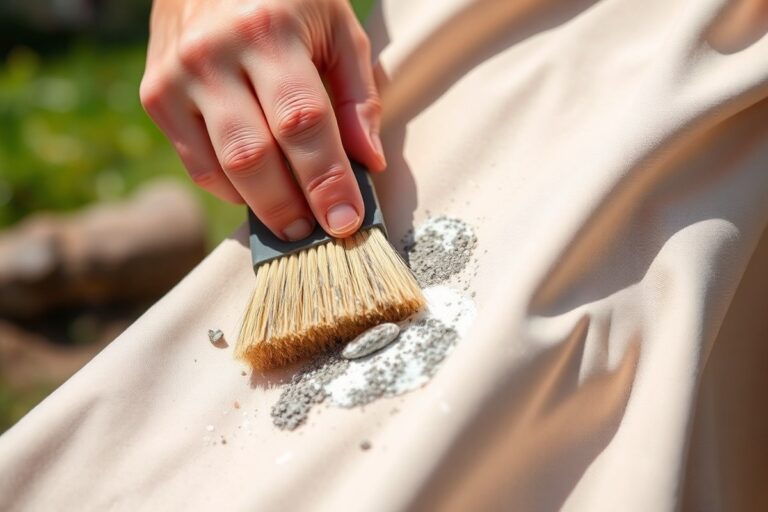
- Use a soft-bristled toothbrush or cloth to gently rub the stained area in circular motions.
- Limit scrubbing sessions to 1 to 2 minutes to protect the fabric.
- Rinse the area with cold water to lift loosened stain particles.
- Repeat agitation once if needed, then launder promptly.
For clothes with heavy, crusty sweat buildup, mix equal parts white vinegar and water and scrub with an old toothbrush before soaking. Avoid harsh brushes or scrubbing dry fabric.
5. Removing Perspiration Stains from Non-Washable Items Like Hats and Upholstery
Removing perspiration stains from non-washable items like hats, upholstery, and pillows requires gentle methods to avoid damage. These items often contain delicate fabrics or filling materials that can warp or deteriorate with water or harsh products. Using targeted stain removers designed for delicate or dry-clean-only fabrics is the safest approach. Spot cleaning with minimal moisture and gentle agitation helps break down sweat oils without soaking the entire item.
For hats, especially caps made of cotton or synthetic blends, a combination of mild detergent and a soft brush is effective. First, mix a teaspoon of mild liquid detergent with a cup of cold water. Use a soft toothbrush or cloth to gently scrub the stained areas, focusing on the sweatband inside the hat. After scrubbing, dab the area with a clean, damp cloth to remove soap residue. Air dry the hat away from direct sunlight to prevent fading or shrinking.
Mattresses and upholstered furniture require careful spot treatment to avoid oversaturation. A mixture of equal parts white vinegar and cold water can break down sweat residues safely. Lightly spray the stain with this solution, then blot with a clean microfiber cloth to lift the stain. For pillows, especially those with foam or feather filling, apply the vinegar solution sparingly using a spray bottle and blot immediately to prevent moisture buildup that can lead to mold.
- Use mild, enzyme-based detergents for spot cleaning stains on delicate fabrics.
- Always test cleaning solutions on hidden areas before full application.
- Limit moisture exposure to avoid warping or mildew in pillows and upholstery.
- Use soft brushes or cloths to gently agitate stains without damaging fibers.
- Consider upholstery cleaning sprays formulated to tackle organic stains safely.
- Air dry items thoroughly after treatment to prevent odor and mildew.
- Professional dry cleaning is recommended for vintage or extremely delicate items.
Specialized tools like handheld fabric steamers or upholstery cleaning machines can aid in deep stain removal without submerging the item. Steam loosens dirt and sweat residues while drying quickly to reduce the risk of mildew. Some stain removers come in foam or spray forms specifically made for delicate fabrics, enabling targeted cleaning without soaking. These products often cost between $8 and $15 and are available at most grocery or home goods stores.
Always allow cleaned areas to dry completely before reuse to avoid mildew or musty odors forming inside delicate non-washable items.
6. Preventing Perspiration Stains Before They Happen
Choosing the right anti-perspirant can greatly reduce the risk of perspiration stains. Look for products labeled “stain-free” or “aluminium-free.” Aluminium compounds react with sweat to create yellow stains, so avoiding deodorants with these can help keep clothes clear. Switching to natural deodorants that rely on ingredients like baking soda or witch hazel instead of aluminium salts usually costs around $5 to $15, depending on the brand. Apply just enough product to cover the underarm area without excess. Applying too much causes buildup that soaks into fabrics, making stains worse over time.
Preventing sweat stains also depends heavily on your clothing care habits. Wearing a tight-fitting cotton undershirt beneath dress shirts or blouses creates a barrier that absorbs sweat before it reaches the outer garment. This method is especially useful in warm weather or for those who sweat more, adding about $10-$20 for additional layers. Wash your clothes in cold water to avoid setting any sweat residue. Hot water can bake the sweat and deodorant into fibers, causing stains to become permanent. Air-drying clothing rather than using high-heat dryers further prevents stain fixation and fiber damage.
Avoiding sweat stain buildup linked to deodorants means using less product and letting it fully dry before putting on clothes. Wait at least five minutes after applying deodorant so it settles on your skin instead of transferring to fabric. Reapply only when needed, and consider wipes or roll-ons that leave less residue on fabric than sprays or sticks. When you do sweat heavily, change clothes promptly to prevent prolonged contact between sweat, deodorant, and fabric fibers.
Different situations call for tailored approaches. For office workers who wear long sleeves, layering undershirts and using spray deodorants sparingly is advised. Those exercising can benefit from moisture-wicking fabrics designed to pull sweat away from the skin and reduce staining. For casual wearers, simply applying a thin coat of aluminium-free deodorant and immediately washing garments after use can keep clothes looking fresh for months longer. Each effort involves minimal cost but can save you from replacing favorite shirts due to stubborn stains.
Good prevention results appear as clean underarms with little to no discoloration even after multiple wears. Signs of prevention failing include stiff or crusty patches under the arms or yellowing of white fabrics in just a few wears. Regularly check garments to catch early signs before stains set in permanently, and adjust your anti-perspirant and laundry routine as needed to maintain clothing appearance.
7. Common Mistakes When Removing Sweat Stains (and How to Avoid Them)
Using the wrong cleaning products on perspiration stains can harm your clothes instead of improving them. Avoid bleach on colored fabrics because it often causes discoloration and weakens fibers. On whites, over-bleaching breaks down fabric threads, making the garment fragile and prone to holes over time. Stick to oxygen-based cleaners for colors and use bleach sparingly on whites, following instructions carefully, or consider alternatives like baking soda or vinegar for safer stain treatment.
Washing clothes at too high a temperature can set sweat stains deeper into the fabric instead of removing them. Most cotton and synthetic garments respond best to cold or warm water (around 70-90°F or 20-32°C). Hot water might shrink delicate fabrics or cause colors to fade. Check the care label on your garment, then use the highest safe water temperature you can. This approach gets better stain removal results without damaging the clothes.
Overloading the washing machine is another frequent mistake. Clothes need space to move freely for the detergent and water to circulate around every stained area. When fabrics crowd the drum, the stain may not break down completely. Leave enough room for your load to shift easily while washing for more effective cleaning.
- Do not use chlorine bleach frequently on colored or delicate fabrics
- Choose oxygen-based stain removers over harsh chemicals for color-safe treatment
- Follow garment labels to select the correct washing temperature
- Use cold or warm water to prevent setting stains and fabric damage
- Leave space in the washer to allow clothes to move freely during the cycle
- Pre-treat stains gently with safe homemade options like a paste of baking soda and water
- Avoid drying stained clothes before the stain fully lifts to prevent permanent marks
Many people rush to dry stained clothes, but heat from dryers fixes perspiration stains permanently. Air-dry your garment after washing to see if the stain disappears. If stains remain, repeat pre-treatment and washing steps before using a dryer. This patience helps you avoid needless fabric damage or permanent discoloration and keeps your clothes looking their best longer.
8. When and How to Call Professionals for Tough Stain Removal
Professional cleaning is best when sweat stains resist all home treatment attempts or involve delicate, non-washable fabrics. Experts use specialized solvents and controlled processes that go beyond common household products, effectively breaking down tough stains without damaging fibers. Expect costs ranging from $10 to $30 per item, with added care advice to maintain your garment’s condition after cleaning.
Signs You Should Seek Professional Cleaning
Seek professional help if your sweat stains are deeply set after repeated home cleaning or if the fabric is delicate like silk, wool, or certain upholstery materials. Stains that have a yellow or rust color that remains even after standard pre-treatment and washing often require expert attention. Also, items with mixed fiber content or expensive clothing benefit from professional cleaning to avoid shrinkage, color loss, or fabric damage.
It’s important to check the garment’s care label; some items are labeled “dry clean only,” which means home washing or stain removal methods risk ruining the fabric. Strong odors combined with stains or anything with persistent discoloration that home remedies cannot fade within a few wash cycles are clear signals to call a professional cleaner.
Professional Techniques for Stubborn Sweat Stains
Professional cleaners use solvent-based treatments and specialized detergents at controlled temperatures to target sweat stain residues, especially those bonded with aluminum compounds from deodorants, which cause tough spots. Unlike typical home spot treatments, these methods break the chemical bonds within the stain without weakening the fabric structure.
Cleaners usually start with a thorough inspection, then pre-treat stains using solvents not available to consumers. The process often involves soaking, agitation under controlled conditions, and finishing with professional steam pressing to restore fabric texture and brightness. This precision avoids overexposure to water or heat, factors that can worsen the stain or damage fabric.
Cost and Care Considerations for Expert Cleaning
The typical charge for professional stain removal ranges from $10 to $30 per garment, depending on the stain severity and fabric type. Prices increase for larger items such as jackets or upholstery. Some dry cleaners may offer guaranteed stain removal with adjustments depending on the result, but policies vary.
After professional treatment, follow any care instructions provided to prolong the garment’s life and prevent new stains. This often includes avoiding aluminum-based deodorants, washing with gentle detergents, and prompt stain treatment. Regular professional cleanings are recommended for heavily soiled or delicate items to maintain fabric integrity.
Don’t try harsh chemicals or bleach on delicate clothes at home; these could worsen stains and make professional cleaning less effective.
Step-by-Step Action Plan to Remove Perspiration Stains
Follow these steps to tackle perspiration stains effectively while protecting your fabrics.
- Before you start: Test any cleaning solution on a small, hidden area of the fabric to avoid damage.
- Immediately after staining: Blot the area with cold water and apply a safe pre-treatment like diluted white vinegar. Check if the stain lightens within 30 minutes.
- Day 1: Wash the garment or item following the recommended cycle and temperature for the fabric. The stain should visibly reduce after washing.
- After the first wash: Air dry the item; avoid heat drying as it can set the stain. Apply a paste of baking soda and water directly to the stain when it remains.
- Day 2: Gently scrub the stain with the baking soda paste, then rinse with cold water. Confirm stain lightening before drying again.
- After repeated home treatments: For persistent stains on non-washable items like hats or upholstery, use upholstery cleaner or professional spot cleaning. Success means the stain is significantly less noticeable without fabric damage.
- When stains persist after these steps: Contact a professional cleaner to assess and treat severe, set-in perspiration stains safely.
Frequently Asked Questions
What Is the Most Effective Home Remedy for Fresh Perspiration Stains?
Soaking the garment in cold water with a bit of detergent for at least 20 minutes works best. This helps loosen the stain before washing normally.
Can Vinegar Really Remove Old Sweat Stains Without Damaging Fabric?
Yes, applying a diluted white vinegar solution on old sweat stains can help lift them safely. It’s gentle and avoids fabric damage unlike harsher chemicals.
Why Should Ammonia Be Used Cautiously on Clothing Stains?
Ammonia is effective but can damage some fabrics and cause color loss. Test on a hidden spot first and avoid mixing it with bleach.
Does Deodorant Cause Yellow Perspiration Stains on Clothes?
Yes, active ingredients in many deodorants react with sweat and fabric to create yellow stains over time. Choosing an aluminum-free option can reduce this.
Can Perspiration Stains Weaken Clothing Fibers?
Yes, untreated sweat stains can degrade fabric fibers, causing clothes to wear out faster. Prompt stain removal helps maintain garment longevity.
Is It Safe to Use Bleach on Perspiration Stains on White Clothes?
No, chlorine bleach can worsen yellow stains and weaken cotton. Alternatives like enzyme detergents or vinegar solutions are safer and effective.
Wrapping Up
Perspiration stains don’t have to be permanent if you act carefully and promptly. Using the right treatments and avoiding common mistakes increases your chances of removing stains without harming your clothes or fabrics. Start by treating new stains with cold water and a gentle pre-treatment, then proceed step-by-step through washing and spot cleaning. Tough stains beyond home care require a professional who can provide the safest and most effective solution.