How Do You Remove Perspiration Stains from Clothes? 8 Effective Methods Explained
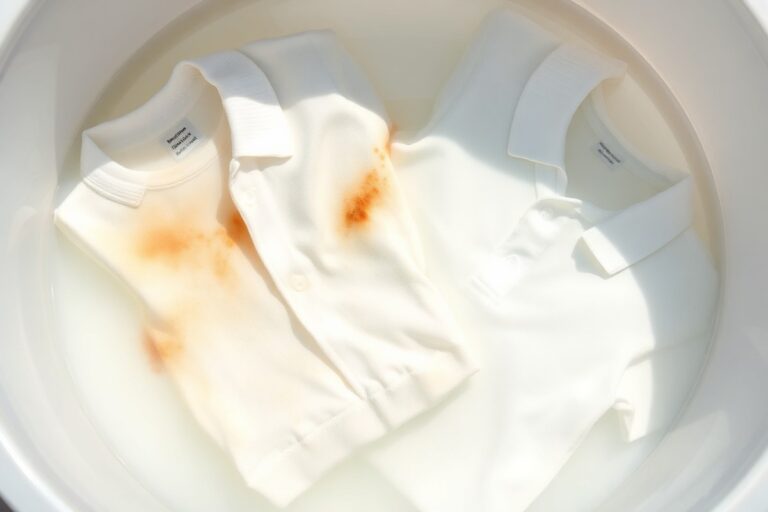
To get rid of sweat stains on your clothes, soak the stained parts in a solution of water and white vinegar for about 20 to 30 minutes before laundering as usual. For more stubborn stains, put hydrogen peroxide on the spot and leave it for up to half an hour. Everyday items like vinegar and hydrogen peroxide help remove sweat stains gently without strong chemicals.
This advice suits anyone dealing with embarrassing sweat stains on everyday clothing. You’ll find clear methods to tackle different stains safely, plus tips for pretreatment and fabric care that keep your clothes fresh and stain-free.
Key Takeaways
- Soak sweat-stained clothes in one part white vinegar to two parts water for 20, 30 minutes to lift stains.
- Use hydrogen peroxide on stubborn sweat marks, allowing it to sit for up to 30 minutes before washing.
- Gently work stain removers into fabric with a soft toothbrush to help break down the stain fibers.
- Always test stain removal solutions on a small fabric area to avoid discoloration or damage.
- Use warm water for soaking to improve the effectiveness of home ingredient solutions.
- Choose sweat-proof clothing options with built-in underarm pads to prevent stains before they start.
1. How to Remove Perspiration Stains Using Simple Home Ingredients

Simple home ingredients like baking soda, white vinegar, and lemon juice offer an easy way to remove perspiration stains from your clothes without strong chemicals. These items work thanks to their natural acidity and mild abrasiveness, which help break down and lift yellowish sweat marks. Using them correctly is key to avoid damaging your fabric while achieving good stain removal results.
Baking soda removes sweat stains by neutralizing odor and gently scrubbing the affected spots. Mixing baking soda with water creates a paste that you apply directly to dry stains, letting it sit before washing. White vinegar’s acidity breaks down the sweat residues and loosens stains when diluted and used as a soak. A typical soak uses one part white vinegar to two parts warm water and lasts about 20 to 30 minutes. Lemon juice acts as a natural bleach and disinfectant because of its acidic content, but it’s safer for sturdy whites or colorfast fabrics rather than delicate materials. Here’s how you can treat perspiration stains with these common household ingredients:
- Prepare your materials. Gather baking soda, white vinegar, lemon juice, water, a soft brush or cloth, and a basin for soaking.
- Test fabric colorfastness. Apply vinegar or lemon juice on a hidden spot of your garment and wait 5 minutes to check for fading or damage.
- Prepare a vinegar solution. Mix 1 cup of white vinegar into 2 cups of warm water in a container. Submerge the stained garment in the solution and allow it to soak for 20 to 30 minutes to aid in loosening the stain.
- Apply baking soda paste. After soaking, drain the soaking liquid and mix baking soda with just enough water to make a spreadable paste. Spread this over dry stains and let it sit for 15 to 30 minutes.
- Gently scrub. Use a soft brush or cloth to lightly scrub the paste-covered stains, helping lift the residue without hurting fabric fibers.
- Use lemon juice selectively. For sturdy whites or colorfast fabrics, dab lemon juice on the stain and let it sit up to 10 minutes before rinsing. Avoid lemon juice on dark colors or delicate materials.
- Rinse thoroughly. After treatments, rinse your garment well with cold water to remove all residues of baking soda, vinegar, or lemon juice.
- Wash as usual. Finally, wash the item following the care label instructions, preferably in cold or warm water to avoid setting the stain.
Applying these natural ingredients one at a time allows you to observe their effects on your clothing without over-treating or risk damage. Baking soda paste offers a safe scrubbing element for almost all fabrics. Vinegar and lemon juice’s acidity needs more care but is very effective for bright whites and colorfast textiles. Typical costs for these ingredients are low, often under one dollar per use, making this approach affordable and convenient for regular laundry care.
2. Using Hydrogen Peroxide and Commercial Stain Removers Safely

Hydrogen peroxide gently lightens sweat stains by breaking down the proteins and pigments, especially the yellow marks that appear on white clothing. It’s usually safe for white fabrics but may cause colors to fade, so test on an inconspicuous spot before use. For treatment, put 3% hydrogen peroxide on the stain and wait roughly 30 minutes, then rinse or wash the garment. Leaving it on too long can damage fibers or alter fabric colors.
Commercial stain removers designed for protein-based stains can be more effective on stubborn or old sweat marks. Products like OxiClean or Raise Stain Remover contain enzymes and oxygen-based bleaches that lift sweat residues from deeper within fabric fibers. These removers work well on both whites and colors, but checking the label for color-safe claims is essential. Always conduct a patch test first, especially on delicate or dark-colored clothing, to prevent unwanted fading or damage. Following the instructions on the product typically means applying the remover, allowing it to work for 5 to 30 minutes, then washing as usual.
Choosing hydrogen peroxide or commercial stain removers depends mostly on the fabric type, stain severity, and color retention needs. Home remedies, like baking soda or vinegar, are gentler but less potent on tough, old stains. Hydrogen peroxide suits whites or very light fabrics where bleaching isn’t a concern, while color-safe commercial treatments are preferable for bright or dark garments. Both options require caution because overuse or neglecting patch tests can result in color loss, fabric thinning, or texture changes.
To avoid fabric damage, always dilute stronger stain removers when recommended, use cold or warm water instead of hot to prevent setting stains, and limit treatment times based on product directions or the 30-minute guideline for hydrogen peroxide. Rinsing thoroughly after treatment removes residual chemicals that might degrade fabric with repeated exposure. Avoid mixing hydrogen peroxide with vinegar or ammonia cleaners, as this can produce harmful fumes.
Test any chemical stain remover on a small, hidden fabric area and wait 10 minutes to check for color changes before applying to the visible stain.
3. Treating Different Sweat Stain Types and Fabric Colors
Removing perspiration stains effectively depends on understanding their different colors and how fabric type influences treatment choices. Yellow stains, often found on white or light fabrics, result from sweat mingling with deodorant residues, while darker stains may come from trapped body oils or older buildup. Selecting the right cleaning method requires identifying the fabric and its colorfastness to avoid damage and ensure thorough stain removal.
Differences Between Yellow and Dark Sweat Stains
Yellow armpit stains mainly develop from sweat combined with deodorant or antiperspirant ingredients that settle into the fabric over time. These stains often occur on white or light-colored clothes due to chemical reactions that alter fabric color. Darker stains, on the other hand, usually contain more body oils and older, set-in organic matter.
Because yellow stains involve a chemical buildup, they often require more time and a specialized pretreatment to break down the residue effectively. Dark stains may respond better to detergent and oxygen-based cleaners that dissolve oils. Determining if the stain is yellow or dark helps you avoid using harsh chemicals that could worsen discoloration or fabric wear.
Recommended Treatments by Fabric Type
Different fabrics demand different cleaning approaches. Cotton and polyester, common for everyday wear, generally tolerate stronger pretreatment agents like oxygen bleach dissolved in warm water. However, delicate fabrics such as silk, wool, or satin require gentler methods or professional cleaning, as harsh chemicals can cause damage.
For delicate fabrics, avoid aggressive stain removers and stick to milder solutions such as a white vinegar soak or a specialized stain removal service that understands proper care. Always test any treatment on a hidden area first to check for colorfastness and fabric reaction.
Colorfastness and Bleach Alternatives
White clothes often respond better to oxygen-based bleaches because they can safely lighten and remove yellow stains. Colored fabrics need safer alternatives like white vinegar solutions that treat stains without fading color. Using chlorine bleach on most fabrics, especially colored or delicate textiles, can cause permanent damage or discoloration.
Applying the right solution based on fabric color and sensitivity helps maintain the integrity of your garment. Before applying any treatment, verify the colorfastness by applying the cleaner on a small, inconspicuous spot. Patience is key since some treatments may take 15 to 30 minutes to work effectively. The following table summarizes treatment recommendations based on stain type, fabric, and color:
| Stain Type | Fabric Type | Clothing Color | Recommended Treatment | Notes |
|---|---|---|---|---|
| Yellow Sweat Stains | Cotton, Polyester | White or Light | Oxygen bleach solution pretreatment, 15-30 min soak | Effective on built-up deodorant residue and sweat |
| Yellow Sweat Stains | Cotton, Polyester | Colored | White vinegar soak, 15-30 min | Safe for colors, avoids bleach damage |
| Yellow Sweat Stains | Delicate (Silk, Wool, Satin) | Any | Gentle white vinegar or professional treatment | Avoid strong chemicals; test for colorfastness first |
| Dark Sweat Stains | Cotton, Polyester | White or Colored | Oxygen bleach or detergent pretreatment | Targets oil and organic buildup; soak recommended |
| Dark Sweat Stains | Delicate Fabrics | Any | Professional cleaning advised | Delicate fibers may suffer from home treatments |
Following these guidelines helps you match treatments carefully with each garment’s needs. Using the wrong method can set stains permanently or cause fabric damage that is difficult or costly to repair.
4. Step-by-Step Pretreatment and Washing Guide
Removing perspiration stains starts with properly pretreating the area, washing with the right water temperature, and carefully checking the garment before drying. Follow these steps exactly to get the best results without damaging your clothes or setting the stain.
Pre-Treating Sweat Stains Effectively
Effective pretreatment loosens and breaks down sweat stains, making them easier to wash away. Start promptly after noticing the stain to prevent it from setting. Use an appropriate stain remover or a gentle detergent, applying it directly to the stained area.
- Turn the garment inside out to expose the stained fabric.
- Apply a small amount of liquid detergent, stain remover, or a paste made from baking soda and water to the stain.
- Use your fingers or a soft brush to work the solution into the fabric, applying gentle pressure for 1 to 2 minutes.
- Let the treatment sit for 15 to 30 minutes, but no longer than an hour to avoid fabric damage.
- For delicate fabrics, try applying the treatment on a small, hidden spot before treating the stain.
- Do not use bleach unless the garment’s care label specifically allows it; bleach can weaken fibers or discolor fabric.
Giving the pretreatment time to work breaks the bond between sweat residue and fabric fibers, improving stain removal during the wash cycle.
Choosing the Right Water Temperature
The water temperature during washing affects how well sweat stains break down. For most cotton and durable fabrics, warm water around 90°F to 110°F (32°C to 43°C) helps dissolve oils and proteins in sweat.
Avoid hot water above 130°F (54°C) on protein-based stains, as it can set the stain permanently by cooking it into the fabric. Cold water under 80°F (27°C) may not remove sweat effectively on heavier stains but is safer for delicate fabrics or colors prone to fading.
Follow the garment’s care label for water temperature recommendations. Use detergent formulated for your fabric type and purpose, such as an enzyme-based detergent for protein stains.
Post-Wash Inspection and Repeat Actions
After washing, check the sweat stain carefully before drying. Drying heat can permanently set any remaining stain, making it much harder or impossible to remove.
- Take the garment out of the washer and inspect the stained area in good light.
- Should the stain remain after washing, apply the pretreatment again and wash once more before drying.
- For tough or yellowish stains, multiple cycles may be needed, but avoid harsh scrubbing that damages the fabric.
- Once the stain is gone, dry the garment according to its care label using low heat or air drying.
Persisting stains after two treatments might require professional laundry services to avoid damaging your clothes with stronger chemicals or excessive washing.
5. Preventing Perspiration Stains Before They Start
Preventing perspiration stains begins with understanding how sweat and deodorants interact with your clothing. Some deodorants contain aluminum compounds that, when mixed with sweat, cause yellowish stains. Choosing an aluminum-free deodorant can reduce the risk but may offer less sweat protection. Antiperspirants labeled for long-lasting or 72-hour protection help minimize sweat, which protects your clothes better over time. For example, using an antiperspirant designed to keep sweat at bay all day can lower the frequency of visible stains.
Wearing sweat-proof undershirts offers a physical barrier that absorbs sweat before it reaches your outer garments. These undershirts are usually made with moisture-wicking materials that dry quickly, keeping both skin and clothes drier. This option costs more upfront, typically $20 to $40 per undershirt, but it can save your more expensive clothes from damage and reduce washing frequency. The effectiveness depends on fit and fabric; a tight-fitting undershirt traps sweat better than a loose one.
Laundry routines play a key role in preventing stains from becoming permanent. Rinsing or washing your sweat-soaked clothes within 24 hours of wearing them helps prevent residue from setting. Using cold or warm water with a good detergent is typically sufficient. Avoid fabric softeners on affected areas, since they can make stains harder to remove. Regularly treating underarm stains as soon as possible limits buildup and discolouration.
- Use aluminum-free deodorants to lower staining risk if sweat protection is less important.
- Choose long-lasting antiperspirants that minimize sweat for best overall protection.
- Wear sweat-proof undershirts made from moisture-wicking fabrics to protect outerwear.
- Wash or rinse sweaty clothes within 24 hours to prevent stain setting.
- Maintain underarm hair to reduce sweat accumulation and deodorant use.
- Avoid fabric softeners on underarm areas to keep stains manageable.
- Pre-treat underarm stains with specialized removers before washing for tougher cases.
Regular washing of sweat-prone areas and timely stain treatment prevent stubborn discoloration that becomes costly or impossible to fix.
Maintaining a combination of these habits based on your daily activities and clothing choices offers the best chance to keep your wardrobe looking fresh and free from sweat marks. For heavier sweaters or those working in warm conditions, sweat-proof undershirts paired with strong antiperspirants can be the best investment. On other days, quick laundering and choosing the right deodorant may suffice to protect your clothes effectively.
6. Common Mistakes When Removing Sweat Stains—and How to Fix Them
Using hot water too soon on sweat stains can make them harder to remove because heat sets protein-based stains, like sweat, into the fabric fibers. Instead, start treatment with cold or lukewarm water to avoid fixing the stain. Save hot water laundering for after the stain is fully treated and visibly gone to boost cleaning without setting residual marks.
Drying clothes before the stain is completely removed is another common mistake. Heat from dryers or ironing can permanently lock sweat stains into fibers, making later removal more difficult. Always check that the stain has vanished after pretreatment and washing before using any drying heat. Air dry the garment if unsure, then repeat the stain removal process as needed.
Sometimes stains darken instead of fading. This usually happens if you use chlorine bleach or harsh spot treatments like club soda, which can react poorly with sweat residue and dyes. Switching to oxygen-based stain removers or gentle home solutions avoids this problem. After soaking or treatment, rinse thoroughly and re-assess before drying.
Certain stain removers can indeed backfire. Avoid any containing chlorine bleach or abrasive agents on sweat stains, especially on colored or delicate fabrics. These can worsen discoloration or damage fabric. Opt for mild detergents formulated for stain lifting or specific products designed for protein stains. Always test any new stain remover on a hidden fabric area first.
- Use cold or lukewarm water for pretreatment, reserving hot water for the final wash
- Do not dry clothes until the sweat stain is fully removed to prevent setting the stain
- Skip chlorine bleach and club soda, which can worsen or fix stains
- Allow sufficient soaking time, usually 30 minutes to an hour, for treatments to work
- Repeat stain removal steps if discoloration remains before drying
- Test stain removers on hidden fabric areas to check for adverse reactions
- Air dry treated garments if uncertain about complete stain removal
Sufficient soaking time is essential for breaking down sweat stains. Short or rushed soaking fails to loosen residues, leaving stains stubborn. Waiting at least 30 minutes provides time for detergents or home solutions like baking soda or vinegar to act. Avoid jumping straight to the dryer or washer with hot water before the stain is lifted, as premature heat exposure risks making the stain permanent.
7. Removing Sweat Stains from Special Fabrics and Delicates
Removing sweat stains from delicate and special fabrics requires gentle handling and fabric-specific care. Using harsh chemicals or hot water can damage silks, synthetics, or wool, so it helps to know which products and temperatures work best. Tailoring your approach for each fabric type prevents damage while still effectively lifting sweat stains.
Silk and Delicate Fabric Recommendations
Silk and similar delicate fabrics need a very mild cleaning approach because they can lose their sheen, shrink, or weaken when exposed to strong chemicals or heat. Avoid bleach, oxygen cleaners, and hot water on silk, as these can cause discoloration and fiber damage. Instead, choose a gentle detergent specially formulated for silk or delicates and use cold water to protect the fabric.
Apply a small amount of mild detergent diluted in cold water directly to the sweat-stained area. Gently rub with your fingers or a soft cloth, then rinse with cold water. Avoid wringing. Always air dry flat to maintain the fabric’s shape.
- Fill a basin with cold water and add a small amount of silk-safe detergent (about 1 teaspoon per gallon).
- Submerge the stained area and gently agitate the fabric with your hands for 5 minutes.
- Lightly rub the stain with your fingertips to loosen sweat residues.
- Rinse thoroughly with cold water to remove detergent.
- Lay the item flat on a clean towel and roll to remove excess water, do not wring.
- Reshape the fabric and air dry away from direct sunlight or heat sources.
Care for Synthetic Fibers
Synthetics like polyester and nylon are more durable and tolerate mild detergents and warm water well, but high heat can cause shrinking or damage. Warm water (no hotter than 104°F/40°C) helps break down sweat proteins without risking damage. Avoid chlorine bleach, which can weaken synthetics and cause yellowing.
Use a pre-wash stain remover suitable for synthetics before washing. Machine wash on a gentle cycle with a mild detergent and warm water. For heavy stains, soaking for 30 minutes before washing improves results.
- Pre-treat the sweat stain with a liquid laundry detergent or a synthetic-safe stain remover.
- Let the pre-treatment sit for 15 to 30 minutes at room temperature.
- Set your washing machine to a gentle cycle using warm water (around 104°F/40°C).
- Use a mild liquid detergent formulated for synthetics.
- After the cycle, inspect the stain, repeat pre-treatment and washing if needed before drying.
- Air dry or use the lowest heat setting on your dryer to avoid heat damage.
Wool and Specialty Material Guidelines
Wool and other specialty fibers like cashmere need careful handling because they can shrink, felt, or lose softness when exposed to heat, agitation, or harsh chemicals. Cold water and wool-specific detergents are necessary to retain fiber integrity while removing stains.
Avoid oxygen-based bleach or stain removers containing enzymes, since these may damage wool fibers. Instead, gently blot sweat stains with a wool detergent solution and cold water, then rinse carefully without rubbing. Hand washing or using a machine’s wool cycle is best.
- Mix cold water with a small amount of wool-safe detergent.
- Dab the sweat stain carefully with a clean cloth soaked in the solution without rubbing.
- Allow the detergent to sit on the stain for 5 to 10 minutes to break down sweat residues.
- Rinse gently with cold water, avoiding wringing or twisting.
- Press out excess water by rolling the fabric in a towel.
- Reshape and dry flat away from direct heat or sun to avoid shrinking.
8. When to Consult Professional Laundry Services for Stubborn Stains
Stubborn perspiration stains that resist home treatments often need expert attention, especially when discoloration has set in due to prolonged buildup of sweat and deodorant. If you notice stains that remain yellow or grayish after several washing attempts or those that have hardened with age, professional cleaning services offer specialized methods to tackle them without harming your clothes. Fabrics like silk, wool, or delicate synthetics may suffer from home treatments that use harsh chemicals or excessive heat, making experts a safer choice to preserve the fabric’s integrity while removing tough stains.
Professional services use techniques beyond what typical home methods provide, such as advanced solvents and precise temperature controls, minimizing both risk and damage. For example, Fabrico’s dry cleaning service applies targeted cleaning agents that effectively lift stains from delicate fibers, preventing fabric weakening that can occur with improper washing. Cost-wise, professional stain removal tends to range from $15 to $50 per garment depending on the severity of the stain and fabric type. This might be higher than DIY methods but can be worthwhile for valuable or sentimental clothing.
Knowing when to seek help involves a simple decision rule: if a stain has resisted multiple home treatments over a week, shows permanent discoloration, or the fabric is delicate and prized, consult a professional. Also, fabrics that require waterless cleaning or have intricate tailoring should only be handled by experts. Delay in professional treatment risks the stain setting further, making removal harder or impossible and potentially damaging the fabric beyond repair.
Professional cleaners can also restore fabric appearance effectively, which might be difficult at home. Love2Laundry’s specialized stain removal techniques, for instance, target not just the sweat stain but also associated odors and fabric wear. Such services extend your garment’s life and keep it looking fresh without the risk of home cleaning errors like color fading or shrinkage.
Avoid repeated vigorous scrubbing or high-heat washing on stubborn sweat stains, as this can embed the stain deeper or damage fibers, making professional cleaning necessary.
Step-by-Step Action Plan for Removing Perspiration Stains
Follow these steps carefully to remove sweat stains effectively and protect your clothes from future damage.
- Before washing: Treat fresh sweat stains with a mix of water and mild detergent or a paste of baking soda and water. Check if the stain starts to lighten before washing.
- Within 24 hours: Apply hydrogen peroxide carefully on white or colorfast fabrics only. Test on a hidden spot first; the stain should visibly fade without color loss.
- Day of washing: Pre-soak the garment in cold water with a scoop of oxygen-based bleach for 30 minutes. Notice if the stain softens or changes before washing normally.
- During washing: Use your regular detergent and wash in the warmest water safe for the fabric. The stain should not transfer or become darker after the wash.
- After washing: Air-dry the garment in sunlight if possible. Check if any stain remains; if yes, repeat pretreatment before drying.
- Ongoing: Apply an antiperspirant before wearing clothes prone to sweating and change clothes after heavy sweating. This helps prevent stains from forming.
- Special fabrics: For delicates, use gentle detergents only and avoid bleach. Confirm the stain is gone by visual inspection and fabric feel before drying.
- When stuck: Contact a professional cleaner for persistent stains. The stain should be gone after their treatment or you’ll know to avoid home methods further.
Frequently Asked Questions
Does Dove Deodorant Stain Clothes?
Dove deodorant can sometimes leave marks or residue on clothes, especially if it contains ingredients like aluminum compounds. These may mix with sweat and cause stains, so wash clothes promptly and treat stains early to prevent buildup.
Can Hydrogen Peroxide Be Used to Remove Sweat Stains?
Yes, hydrogen peroxide works well at removing yellow armpit stains when applied as a paste and left for 30 minutes. It’s especially effective on white fabrics but use cautiously on colors to avoid fading.
Can Yellow Underarm Stains Be Removed?
Yellow underarm stains can be removed using a paste made from hydrogen peroxide, baking soda, and dish soap. Lemon juice also helps as a natural disinfectant and stain remover. Early treatment improves the chance of success.
How to Remove Dark Armpit Stains?
Dark armpit stains respond best to pretreatment with a combination of baking soda, hydrogen peroxide, and dish soap paste. Let it sit before washing, and repeat if necessary. Avoid hot water for delicate fabrics to prevent setting stains.
Clothing Care 101: Baking Soda for Sweat Stains?
Baking soda is effective at breaking down sweat stains and odors when made into a paste with water. It’s gentle on most fabrics and can be combined with other ingredients like hydrogen peroxide for tougher stains.
Can Deodorant Cause Fabric Discoloration Besides Sweat Stains?
Yes, some deodorants leave white marks or cause yellowing unrelated to sweat. Choosing clear or gel formulas can reduce this issue.
Wrapping Up
Removing perspiration stains from clothes involves timely pretreatment and proper washing techniques tailored to fabric type. Taking quick steps to treat stains as soon as you notice them improves your chances of success. Try the recommended home-based methods on a single garment to gain confidence in the process. Protect your favorite clothes by acting fast and treating them properly for longer-lasting wear.