How Do You Get Mold Spots Out of Clothes: 8 Proven Methods That Work
Mold spots on clothes can be removed by treating the fabric with detergent, soaking with solutions like hydrogen peroxide or bleach (if safe), then washing thoroughly. For most cases, start by applying liquid detergent to the spots, letting it sit for 15 minutes, then cleaning as recommended for the fabric type. This approach addresses stubborn mold stains effectively without damaging your clothing.
This advice is for anyone facing mold stains on their garments who wants safe, practical solutions. You’ll find step-by-step removal methods, prevention tips, fabric care guidance, and when it’s better to toss moldy clothes.
Key Takeaways
- Apply liquid detergent directly on mold spots and let sit for 15 minutes before washing.
- Use 3% hydrogen peroxide spray to soak moldy areas for 15 minutes safely on most fabrics.
- White cotton and linen can be soaked in a diluted bleach solution if the care label permits.
- Keep indoor humidity below 50% with a dehumidifier to prevent mold growth on clothes.
- Never leave damp clothes in washing machines or hampers for longer than 24 to 48 hours.
- Discard garments with mold covering more than 50 percent to avoid health risks.
1. How to Remove Mold Spots from Clothes Step by Step

Removing mold spots from clothes requires a careful process that combines effective cleaning solutions with proper treatment steps. The best results come from pre-treating the stains, soaking when needed, washing with mold-fighting agents, and thorough drying. This approach works across different fabrics while preventing mold spores from spreading or leaving musty odors behind.
Preparing Effective Cleaning Solutions
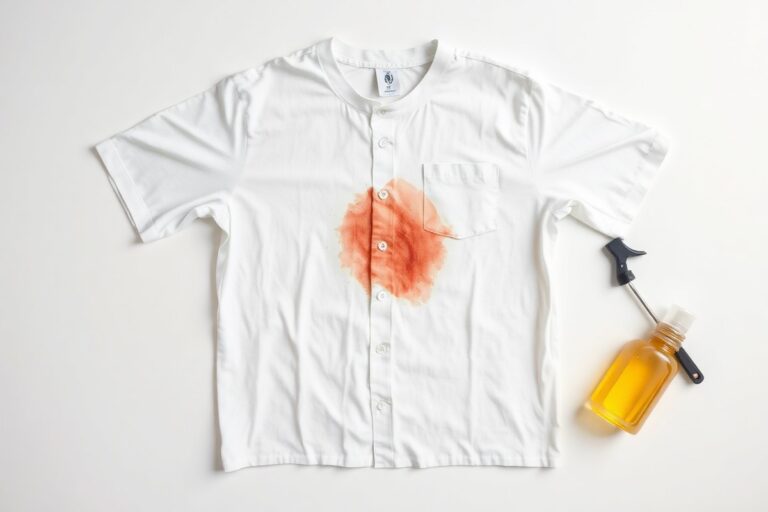
Choosing the right cleaning solution depends on the fabric type and colorfastness. For white or colorfast fabrics, a 3% hydrogen peroxide solution works well and is less harsh than bleach. Mix equal parts hydrogen peroxide and water in a spray bottle or bucket for soaking. For general mold removal, white vinegar can be added to the wash for its mold-killing properties without damaging most fabrics. Avoid bleach on colored or delicate fabrics unless the label explicitly allows it.
Detergent solutions specifically designed to target mold, such as those containing OxiClean or Cold Power, are useful for soaking black or gray mold. Prepare these by mixing the detergent powder with cool or warm water, following package instructions for measuring. Always test solutions on an inconspicuous area first to avoid discoloration.
Step-by-Step Mold Stain Treatment
Follow these detailed steps to treat mold spots safely and effectively:
- Brush off any visible mold spores outside or over a trash can to avoid spreading them indoors.
- Spray or dab the affected area with the prepared hydrogen peroxide or vinegar solution and let it sit for about 10 minutes. This helps break down mold stains and kill spores.
- Soak white or sturdy fabrics in hot water with 1 to 2 cups of distilled white vinegar for 30 minutes to an hour to effectively eliminate mold stains.
- For dark or colored fabrics, soak the clothes in cold water with a mold-targeted detergent solution for 10 minutes before washing.
- Pre-treat persistent stains by applying detergent or a paste of detergent and water directly to the mold spots. Let it work for 10 to 15 minutes before washing.
- Wash the clothes in the warmest water temperature recommended by the fabric care label, using your regular detergent and an added cup of vinegar for extra mold-fighting action.
- Rinse thoroughly with clean water to remove all residues of cleaning agents and mold spores.
Drying and Final Checks
Immediate and complete drying is essential to prevent mold from returning. Air dry clothes in direct sunlight when possible, as UV rays help eliminate residual mold spores. Place garments in a well-ventilated spot with good airflow to dry indoors safely and avoid mildew growth. Avoid folding or storing clothes until they are fully dry to prevent moisture retention.
After drying, inspect the mold spots carefully. Persistent stains or musty smells require soaking and washing the garments again before putting them away. Proper drying and visual checks help ensure your clothes are mold-free and safe to wear.
2. Why Mold Grows on Clothes and How to Prevent It

Mold grows on clothes primarily due to moisture, warmth, and lack of airflow. Damp fabrics provide mold spores the perfect environment to attach and multiply. Mold thrives when clothes stay wet or humid for more than 24 to 48 hours, such as when recently washed clothes sit in a washing machine, laundry basket, or are packed away damp. High indoor humidity above 60% can also increase the risk of mold growth on stored fabrics, according to EPA guidelines. Proper drying and storage habits are essential to preventing mold from forming or returning.
Clothes stored in plastic vacuum bags often develop mold because these bags trap even small amounts of moisture, creating a humid environment. Closets, basements, or storage bins with poor ventilation or sustained dampness likewise encourage mold spores to grow on and inside fabrics. Mold not only damages clothing but can spread to walls, furniture, or HVAC systems, indicating an underlying moisture problem. Keeping humidity between 30% and 50% and ensuring good air circulation help keep clothes mold-free.
- Always fully dry clothes within 24 hours after washing before storing.
- Avoid storing damp or sweaty clothes in plastic vacuum bags or airtight containers.
- Keep closets and storage areas well ventilated with air flow to reduce humidity.
- Use a dehumidifier or air conditioner to maintain indoor humidity below 60%.
- Leave washing machine doors open between loads to allow moisture to escape.
- Regularly inspect storage spaces for signs of dampness or musty odors.
- Consider using moisture absorbers like silica gel packets in storage containers.
Ensuring clothes are dry before storage significantly cuts down mold risk. Air-drying in sun or using a dryer on a warm setting typically takes 1 to 3 hours for most fabric types. Maintaining low humidity in your home, especially around laundry and storage areas, helps prevent moisture from settling into textiles. If you notice stubborn mold growth repeatedly, investigate for potential leaks or hidden dampness behind walls or floors. Addressing these environmental causes is key to stopping mold at the source and protecting your wardrobe.
Never store clothes in plastic bags while they are still damp; trapped moisture will almost certainly lead to mold growth.
3. Choosing the Right Cleaning Method for Different Fabrics
Choosing the right cleaning method depends on the fabric type because some mold removal agents, especially bleach, can damage delicate or colored clothing. Use bleach only on white cotton or linen if the care label permits. For colored, delicate, or sensitive fabrics like wool and silk, gentler alternatives such as vinegar and baking soda are safer and more effective. Testing solutions on a small, hidden area first helps avoid damage.
Treatment Recommendations for Cotton and Linen
White cotton and linen hold up well to chlorine bleach when removing mold spots, provided the fabric care label indicates it’s safe. Use a diluted bleach solution of 1/4 cup bleach with 3/4 cup water and soak the affected area for 10 to 15 minutes before rinsing thoroughly. This approach targets the white-colored mold stains effectively without harming the fabric.
Hydrogen peroxide also works for white cotton and linen as a less harsh alternative, especially if you want to avoid bleach’s strong chemical odor. After soaking, wash as usual on the warmest suitable setting indicated on the label.
Methods for Delicate and Colored Fabrics
Never use chlorine bleach on colored or delicate fabrics. Instead, white vinegar and baking soda offer effective, gentle cleaning options. Soaking moldy areas in white vinegar helps kill mold spores, while baking soda neutralizes odors.
A practical home remedy is to mix a tablespoon of baking soda in a spray bottle filled with water and spray the mold spots. Then wash the garment with a mild detergent and 1 cup of white vinegar added to the wash cycle to boost cleaning power. This method is safe for most colored fabrics and does not risk bleaching or weakening fibers. Always do a spot test on the inside hem or underarm area before applying vinegar or baking soda solutions widely, especially for delicate fibers.
Handling Sensitive Materials Like Wool and Silk
Wool and silk require special care because chlorine bleach damages these natural fibers. For small mold patches, you can pre-treat with white vinegar or a gentle detergent made for delicate fabrics. Avoid soaking these items for long periods to prevent weakening fibers.
When mold covers large areas or persists after home treatments, professional cleaning is advisable. Dry-clean-only garments, leather, and specialty fibers also benefit from expert care, as standard home treatments risk permanent damage. The following table summarizes recommended treatments based on fabric type and mold severity to help select the safest and most effective method.
| Fabric Type | Safe Bleach Use | Home Remedies | Professional Clean Needed |
|---|---|---|---|
| White Cotton & Linen | Mix 1/4 cup of bleach with 3/4 cup of water and soak the fabric for 10 to 15 minutes. | Hydrogen peroxide soak, vinegar, baking soda | For large or deep stains |
| Colored Cotton & Synthetics | No chlorine bleach | Vinegar soak, baking soda spray, mild detergent wash | For persistent or widespread mold |
| Wool & Silk | No chlorine bleach | Vinegar pre-treatment, gentle detergents, short soak | Recommended for extensive mold stains |
| Dry Clean Only | No | Spot test only, avoid home soaking | Professional dry cleaning essential |
Always start with a spot test on an inconspicuous area before applying any cleaning solution broadly on delicate or colored items. Use only warm water temperatures suitable for the fabric and avoid long soaks on sensitive materials to maintain fabric strength and color.
4. How to Remove Musty Mold Odors from Clothing
Removing musty mold odors from clothes requires more than just a quick wash. These smells come from mold or mildew spores that survive traditional laundry cycles, especially if clothes are left damp or not dried properly. Using household products like white vinegar and baking soda can neutralize these odors by breaking down the mold and preventing spores from spreading.
White vinegar is effective because it can kill many mold species. It also helps break down the compounds that cause mildew smells. Baking soda works as an odor absorber and brightens clothes while softening them naturally. Regular washing sometimes does not fully eliminate mold odors, especially if clothes have been sitting damp or if the washing machine itself harbors mold. Running a hot wash cycle and adding these odor-neutralizing agents improves your chances of fresh, odor-free results. Follow these steps to treat musty mold odors on your clothes effectively:
- Brush off any visible mold outdoors to avoid spreading spores inside your home.
- Pre-soak your clothes in a solution of 1 part white vinegar to 4 parts cold water for about 30 minutes. This helps kill mold and loosen odors.
- Add clothes to your washing machine and pour 1 cup of white vinegar into the rinse compartment or directly into the drum for an odor-killing wash.
- Sprinkle ½ cup of baking soda into the drum along with your regular detergent to boost odor removal and freshness.
- Set the machine to the hottest water temperature the clothing’s care label allows. Hot water helps kill mold spores and dissolve odors.
- Run a full wash and rinse cycle to thoroughly remove mold and residue.
- Dry clothes completely outdoors in sunlight or in a dryer on a high setting to prevent any moisture from lingering, which can cause mold to return.
- Clean your washing machine regularly by running an empty hot cycle with 2 cups of white vinegar monthly to prevent musty smells and mold growth inside the machine.
Using this approach typically costs only the price of vinegar and baking soda, which are inexpensive and readily available. Fresh clothes should smell clean and free of musty odors after treatment. Be aware that a faint vinegar smell may linger but fades once clothes dry. Musty odors that persist after multiple washes may indicate mold or mildew in other areas of your home or your washing machine, suggesting a broader moisture issue. A professional inspection might be necessary to identify and resolve such problems to avoid repeated odor issues.
5. Safety Tips When Cleaning Moldy Clothes
Protecting your health when cleaning moldy clothes is essential because mold spores can irritate your skin, eyes, and lungs. Use personal protective equipment (PPE) like gloves, goggles, and an N95 mask, especially if you have allergies or respiratory sensitivity. These precautions help reduce exposure to spores that may become airborne during handling or cleaning.
Work outdoors or in a well-ventilated space to prevent mold spores from spreading inside your home. Mold can easily transfer back onto clothes or surfaces, contaminating other areas. Avoid brushing mold indoors; instead, brush off loose mold particles outside before washing.
- Wear disposable gloves and goggles to protect skin and eyes
- Use an N95 respirator mask if you have asthma, allergies, or respiratory issues
- Brush off mold outdoors, never inside
- Work in a well-ventilated area or outside whenever possible
- Place moldy clothes in a sealed plastic or cotton bag to contain spores
- Avoid soaking moldy clothes for longer than 2 hours to limit spore spread
- Wash clothes in the hottest water safe for the fabric to kill spores
For clothes heavily infested with mold, seal them in a plastic bag before transporting them outside for initial cleaning or disposal. This containment limits airborne spores in your home. Dispose of clothes that cannot be cleaned by tying the sealed bag securely and placing it in your trash. This prevents mold spores from contaminating indoor spaces or other garments.
Always wash moldy clothes at the highest temperature the fabric can handle to ensure mold spores die and don’t transfer back onto your clothes during the rinse.
People with mold allergies or sensitive respiratory systems should wear an N95 mask and perform mold removal outdoors to avoid reactions. Keep children and pets away from areas where moldy clothes are being handled. Proper ventilation and protective gear reduce health risks linked to mold exposure.
6. When to Discard Clothes with Mold Stains
Clothes with mold spots that cover more than half of the fabric are generally beyond saving and should be discarded. Extensive mold growth means the spores have deeply penetrated the fibers, making complete removal impossible without damaging the garment. Black mold stains tend to be particularly stubborn and often permanent because black mold produces pigments that bond tightly with fabric, even after cleaning. Below are key points to help decide if mold damage is too severe to clean and if disposal is necessary. Use this checklist as a decision tool before attempting treatment or washing:
- Mold covers more than 50% of the garment’s surface area
- Strong, persistent musty or mildew odor remains after washing
- Visible fuzziness or sliminess that doesn’t lift with detergent
- Fabric feels weakened, stained permanently, or discolored beyond repair
- Garment is white or light-colored, and stains have turned dark green, black, or blue
- Signs of fabric deterioration such as holes or thinning in the moldy areas
- Repeated cleaning attempts fail to remove the odor or mold spots
Keeping moldy clothes that meet these conditions risks more than just unsightly stains. Mold can release spores into the air and onto other fabrics, spreading contamination. Exposure to these spores may trigger allergic reactions, respiratory issues, or skin irritation, especially for people sensitive to mold or with compromised immune systems. Therefore, continuing to store or wear such clothing can pose a health threat.
When deciding, keep in mind that cleaning strong mold infestations consumes time and resources, including multiple wash cycles or specialized treatments that might cost $10 to $20 or more per garment if professional products or services are chosen. For valuable or sentimental clothes, attempt targeted cleaning first, focusing on smaller mold patches. When staining and odor remain after one or two cleaning attempts, it’s safer to dispose of the item.
A practical visual guide to mold severity begins with light, isolated spots that typically clean up, progresses to moderate patchy areas requiring stronger treatment, and concludes with widespread mold or damage indicating the need for disposal. Prioritizing health by not keeping clothes with heavy mold infestation protects you and your household from mold-related risks.
7. Avoiding Mold Growth During Laundry and Storage
Clothes must be completely dry before storage to prevent mold growth. Hang wet laundry in a well-ventilated area or use a dryer set to the appropriate temperature for the fabric. Damp fabric encourages mold spores to settle and multiply, especially if humidity is high. A good rule is to ensure clothes are fully dry within two hours when air drying or immediately after a normal drying cycle in a machine.
Controlling storage conditions is just as important as drying. Store clothes in a cool, dry place with relative humidity below 50%. This can be achieved by using dehumidifiers or moisture absorbers like silica gel packets or moisture-absorbing crystals. These products help reduce moisture in enclosed spaces such as closets or drawers, limiting the chance for mold spores to thrive.
- Use a dehumidifier to maintain indoor humidity under 50%.
- Store clothes in airtight containers or sealed bags if possible.
- Remove clothes from laundry baskets promptly to avoid dampness.
- Choose breathable storage materials like cotton garment bags instead of plastic for long-term storage.
- Keep storage areas clean and inspect regularly for signs of moisture or mold.
- Use oxygen bleach or mold-removal laundry detergents regularly to break down any fungal growth.
- Air out storage spaces periodically to improve ventilation.
Using moisture absorbers usually costs between $10 and $30 for several packs that last months. A basic dehumidifier ranges from $30 for a small unit to over $200 for larger, more powerful models. These investments help maintain ideal humidity levels in your home or storage areas. Without humidity control, mold will likely reappear on clothes even after cleaning, signaling persistent moisture issues in the environment. Recognizing this early and adapting laundry and storage routines will save time, effort, and potential clothing damage in the long run.
8. How to Treat Tough Mold Stains and Persistent Cases
Treating tough mold stains on clothes often requires stronger cleaning agents and repeated efforts. Using hydrogen peroxide or OxiClean in controlled amounts can break down persistent mold. Reapplying treatments carefully prevents fabric damage while professionals can help if mold signals bigger problems.
Using Hydrogen Peroxide and OxiClean Safely
Hydrogen peroxide is effective at breaking down mold stains and killing spores. Use a 3% concentration, which is commonly available and gentle enough for most fabrics. Apply it directly to the spot and let it sit for about 10 minutes before rinsing. OxiClean, an oxygen-based bleach, is another option safe on many fabrics when mixed according to package directions.
Avoid stronger bleach solutions since high concentrations can weaken fabric fibers or discolor clothing. Always test any cleaner on a hidden seam or small area before full application.
Multiple Treatment and Soaking Strategies
Stubborn mold stains may not vanish after one wash. Repeat treatment cycles with hydrogen peroxide or OxiClean can improve results but take care to minimize wear on fabric. Avoid extended soaking beyond 30 minutes to prevent fibre weakening and redeposit of stains. Here are steps to retreat moldy clothes safely:
- Spot treat the mold stain with diluted hydrogen peroxide or an OxiClean solution.
- Let it sit 10 to 15 minutes without drying out.
- Gently scrub the stain using a soft brush or cloth to break up mold particles.
- Rinse the treated area thoroughly with cold water.
- Wash the garment normally using detergent and warm water safe for the fabric.
- Air dry in sunlight if possible, as UV light helps kill mold spores.
- Repeat up to two more times if stains or odors persist, checking fabric condition after each.
Tip: Do not use hotter water or stronger chemicals than recommended because it risks shrinking or color loss.
When to Consult Professional Mold Remediation
Persistent mold stains and odors on clothes sometimes indicate larger moisture issues or mold growth in your home environment. If mold returns despite repeated cleaning or you notice mold spreading on other fabrics, walls, or furniture, professional mold inspection and removal services may be necessary. These experts can identify hidden leaks, poor ventilation, or infestation behind walls that cause ongoing mold problems.
Professional cleaners also offer specialized treatments that are more effective on severe mold damage and can safely handle delicate or expensive fabrics. Mold exposure can cause respiratory issues, so avoid prolonged contact and seek help if your health is affected.
In the San Francisco Bay Area, companies like FDP Mold Remediation can provide home inspections. Costs vary but expect an inspection fee between $300 and $600 depending on property size and complexity.
Step-by-Step Action Plan for Removing Mold Spots from Clothes
Start fresh with a clear, manageable approach to tackling mold spots on your clothes. Follow these steps to clean safely and check that your efforts work.
- Before washing: Inspect clothes carefully for mold spots and treat stains with appropriate cleaners suited to the fabric type.
- Day 1: Wash moldy clothes separately using hot water if safe for the fabric, adding vinegar or detergent designed to kill mold; confirm odor and stains are fading.
- After washing: Dry clothes thoroughly in sunlight or a dryer on high heat to prevent mold regrowth and check for any lingering spots or smells.
- Day 2: Repeat stain treatment and washing if mold or odor remains, focusing on persistent areas with specialized stain removers.
- Day 3: Store dry clothes in well-ventilated, low-humidity conditions to avoid new mold development.
- Ongoing: Inspect stored clothes frequently for moisture or mold signs and treat promptly to maintain freshness.
Frequently Asked Questions
Do Lysol Wipes Kill Mold Spores?
Lysol wipes can kill some mold spores on hard surfaces but are not effective on fabric mold. Mold on clothes requires thorough washing with hot water and specific mold-removing agents to fully eliminate spores and prevent regrowth.
How to Remove Mold from a Couch?
Removing mold from a couch involves vacuuming, applying a fabric-safe mold cleaner, and allowing it to dry completely. For fabric upholstery, a mix of vinegar and water works, but let the couch dry in a well-ventilated area to stop mold growth.
What Kills Black Mold Immediately?
Bleach kills black mold on non-porous surfaces instantly but isn’t recommended for clothes due to fabric damage. Hot water and suitable detergents are better for black mold on clothing, combined with mold-specific cleaners for effective removal.
Does Mold Leave a Stain After Cleaning?
Mold stains often remain even after cleaning, especially if the mold was deep-rooted or allowed to set. Treating stains promptly with oxygen-based cleaners improves removal chances but some discoloration might persist on clothes.
Can You Wash Moldy Clothes with Bleach Safely?
Bleach can damage colored fabrics and isn’t safe for all clothing types. Use it only on white, bleach-safe fabrics and follow product instructions carefully to avoid fabric weakening or discoloration.
How Long Does Mold Take to Grow on Damp Clothes?
Mold can start growing within 24 to 48 hours on damp clothes stored in warm, sealed environments. Prompt drying and proper storage prevent mold development and keep clothes fresh.
Wrapping Up
Removing mold spots from clothes takes consistent attention and the right products for your fabric. By focusing on careful treatment and thoroughly drying your clothes, you reduce the chance mold will return. Start by treating any visible spots today to protect the clothing you want to keep safe and fresh.