How to Get Mold Out of Clothes: 8 Proven Steps That Work Fast
To get mold out of clothes effectively, treat the affected items quickly using hot water, vinegar, and stain removers before washing. Soaking clothes for at least 8 hours helps loosen mold, followed by washing on a sanitize cycle when available. This approach targets mold spores and reduces allergic reactions while preventing the spread to other garments.
This advice suits homeowners or renters facing moldy clothes from damp closets, gym bags, or swimwear storage. You will learn practical steps to remove mold safely and maintain your clothing’s condition while protecting yourself from mold-related health issues.
Key Takeaways
- Soak moldy clothes in vinegar and water for at least 8 hours to loosen mold before washing.
- Wash clothes using the hottest water safe for the fabric, preferably with a sanitize cycle above 140°F.
- Apply stain remover or a 1:4 mix of hydrogen peroxide and water to mold spots before washing.
- Wear gloves, a KN95 mask, and eye protection when handling moldy clothes to avoid exposure to spores.
- Keep indoor humidity below 60% to prevent mold growth on stored clothes.
- Dry clothes completely before storing to prevent mold growth within 24 to 48 hours.
1. How to Get Mold Out of Clothes Effectively
To get mold out of clothes safely and effectively, start by brushing off loose spores outside, then pre-soak the garments in a vinegar or Borax solution. Follow this by washing the clothes in hot water with detergent and a mold-killing additive like white vinegar. Finish by drying the clothes completely in sunlight or a hot dryer to kill remaining spores and remove odors.
Pre-Treatment: Brushing and Spot Cleaning
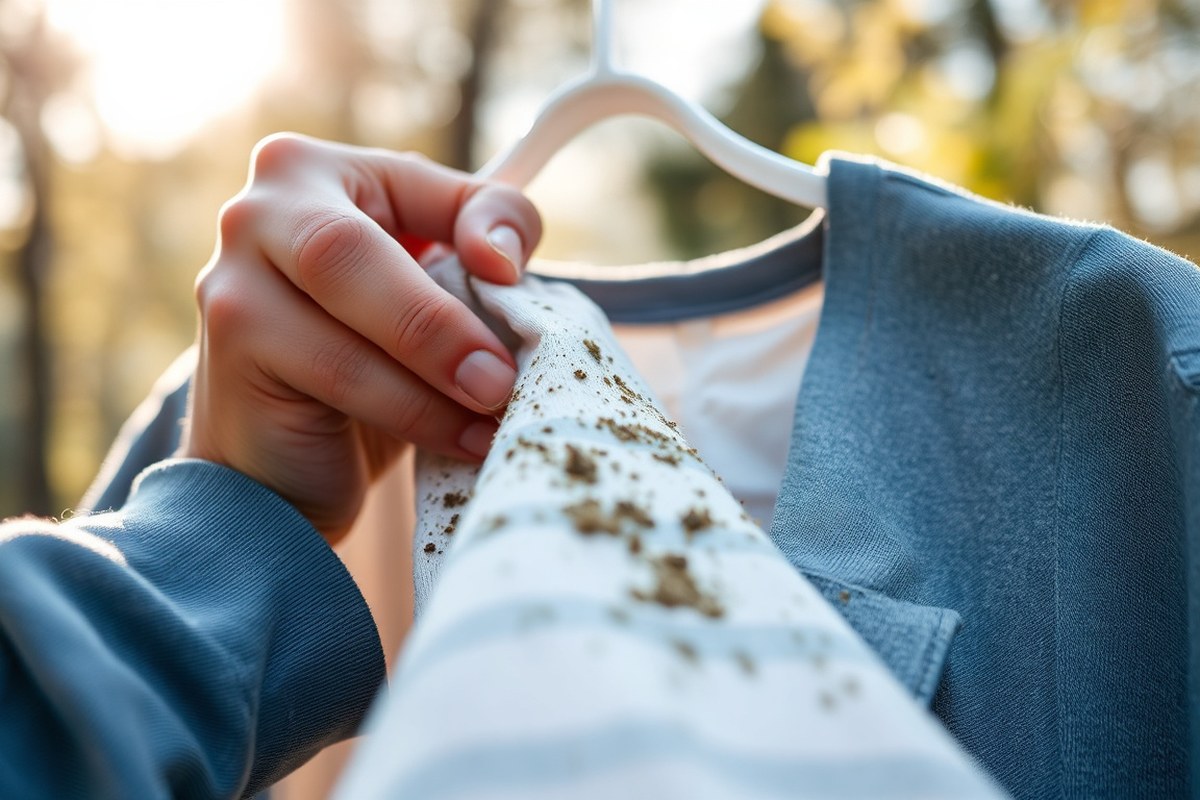
Begin by taking your moldy clothes outside to gently brush off as many loose mold spores as possible. This prevents spores from spreading inside your home or onto other fabrics. After brushing, check for visible mold stains and pre-treat them with a bit of detergent or stain remover directly on the spot. Doing this first prepares the fabric for deeper cleaning later.
Brushing outdoors reduces airborne mold spores indoors. Spot cleaning helps loosen mold stains before soaking or washing, making removal more effective.
Soaking Clothes in Vinegar or Borax Solutions
Soaking is essential to kill mold spores embedded deep in fabric. Fill a container or your washing machine with warm water and add either one cup of white distilled vinegar or a quarter cup of Borax powder. Submerge the clothes fully and let them soak for at least one hour. These substances have antifungal properties that reduce mold and odors significantly.
Vinegar is safe for most fabrics and effective against about 80% of mold spores. Borax is a strong mold killer but dissolves best in warm water and should be used according to package instructions. Choose soaking based on fabric color and sensitivity, vinegar is usually preferred for colors.
Washing with Hot Water and Mold-Killing Additives
After soaking, wash your clothes in the hottest water setting safe for the fabric. High temperatures help kill remaining mold spores and remove stains. Add your regular detergent plus one cup of white vinegar during the wash cycle to boost mold removal and deodorizing effects. Tea tree oil or oxygen bleach can also be good alternatives if you prefer.
Be sure to add Borax or vinegar before the clothes go into the machine, as this helps the cleaning agents activate properly. Use detergent with mold-fighting enzymes if available. Avoid bleach on colored clothes, since it can cause fading or damage.
- Brush off loose mold outdoors to avoid spreading spores indoors.
- Apply a small amount of detergent directly to mold stains for spot treatment.
- Soak clothes in warm water with 1 cup white vinegar or 1/4 cup Borax for at least 1 hour.
- Set washing machine to the hottest temperature safe for your fabric.
- Add detergent and 1 cup vinegar (or mold-killing additive) to the wash cycle.
- Wash clothes thoroughly to remove mold spores and odors.
- Check clothes before drying to ensure mold stains and smell are gone.
- Dry clothes completely in direct sunlight or a hot dryer to kill any remaining spores.
Drying Protocols to Kill Remaining Mold Spores
The final and critical step is to dry your clothes thoroughly. Sunlight’s ultraviolet rays naturally kill mold spores and also help deodorize fabrics. Hang clothes outside on a sunny day until they’re completely dry. If outdoor drying isn’t an option, use a dryer on a high heat setting.
Always check your clothes before drying. Mold spores and the musty smell may persist if the washing wasn’t thorough. Drying only removes moisture but won’t kill spores if washing is incomplete. Proper drying prevents mold from returning and keeps your clothes safe to wear.
2. Which Mold Removal Methods Are Best for Different Fabrics?

Choosing the right mold removal method depends on the fabric’s type and color. White cotton can tolerate stronger treatments like chlorine bleach, while delicate fabrics such as silk and wool require much gentler options like enzyme cleaners or vinegar. For colored fabrics and synthetics, safe and effective alternatives include oxygen bleach, vinegar, and borax. Testing on a hidden area helps avoid accidental damage.
Cotton and Durable Fabrics
Cotton and similarly durable fabrics handle stronger mold removal methods better than delicate materials. White cotton and linen can be soaked or washed with chlorine bleach to remove heavy mold stains effectively. For moderate mold, soaking the fabric in white vinegar for an hour followed by a thorough wash is a safer choice that also removes musty odors. Borax dissolved in warm water is another strong option safe for cotton, helping kill mold and brighten the fabric.
Applying chlorine bleach requires caution: use about 3/4 cup per gallon of water and soak the fabric for up to 5 minutes. Overuse or prolonged exposure may weaken fibers and cause yellowing. White fabrics tolerate this best; colored versions risk fading or damage. After treatment, wash thoroughly in warm water and dry completely to prevent mold return.
Colored Fabrics and Synthetics
Colored garments and synthetic fibers need gentler mold removal methods that won’t strip color or weaken synthetic strands. Oxygen bleach products are generally safe on colorfast fabrics and target mold stains effectively. White vinegar soaks (1 part vinegar to 4 parts water) also work well on most colors to reduce mold and odors without fading. Borax solutions are safe too, especially on cotton blends and synthetics.
Because synthetics don’t absorb moisture as much as natural fibers, treating mild mold early with vinegar or borax and following up with a regular wash reduces damage risk. Chlorine bleach is usually not safe for colors or synthetics, except if the care label explicitly permits it. Always spot test and limit soak time to 30 minutes or less on colored fabric.
Delicates: Silk, Wool, and Rayon
Delicate fabrics like silk, wool, and rayon require the mildest mold removal processes. Chlorine and oxygen bleaches can cause irreversible damage, so never use them. Instead, use enzyme cleaners designed for delicate fibers, or soak briefly in a diluted vinegar solution (1 part vinegar to 10 parts water) to kill mold spores gently. Baking soda added to the wash helps deodorize without abrasion.
Professional dry cleaning is recommended for severe mold on these materials to avoid shrinkage or discoloration. When hand washing, use cold water and mild detergent, avoiding vigorous scrubbing. Air dry delicates completely in sunlight if possible, since UV rays help inhibit mold growth without harming fibers.
| Method | Best For | Fabric Safety | Effectiveness |
|---|---|---|---|
| White Vinegar Soak | Most fabric types | Color-safe | Strong |
| Borax Solution | Cotton and synthetics | Color-safe | Strong |
| Oxygen Bleach | Colored fabrics with heavy staining | Color-safe | Strong |
| Chlorine Bleach | White fabrics only | Whites only | Very strong |
| Enzyme Cleaner | Wool, silk, delicates | Color-safe | Moderate |
| Lemon Juice + Salt | Light surface spots | Light fabrics only | Mild |
The table above summarizes which method suits various fabrics, noting their safety and mold removal power. Matching the correct approach to your clothing keeps mold removal effective without causing additional harm. Start with the mildest capable treatment for fragile or colored items before advancing to stronger options.
Tip: Always test any mold removal method on an inconspicuous spot before treating the entire garment to avoid unexpected color fading or fiber damage.
3. Safety Precautions When Handling Moldy Clothes
Protecting yourself when handling moldy clothes reduces the risk of allergic reactions and respiratory issues. Wear personal protective equipment like masks, gloves, and eye protection. Work in a space with good airflow and take steps to avoid spreading mold spores to other areas of your home.
Using Gloves, Masks, and Eye Protection
Wear a KN95 mask to filter mold spores from the air, protecting your lungs during handling and cleaning. Gloves made from nitrile or rubber keep mold spores off your skin and prevent rashes and allergic reactions. Eye protection such as safety glasses or goggles stops spores from irritating your eyes. Discard any cleaning tools like toothbrushes used on moldy fabrics to avoid contamination. Those sensitive to mold or with asthma should be especially careful. Here is a checklist of protective gear to use:
- KN95 mask for respiratory protection
- Nitrile or rubber gloves
- Safety glasses or goggles
- Long sleeves to cover exposed skin
- Cap or hair covering if possible
Wearing this gear helps prevent mold spores from settling on your body and lowers your chances of allergic reaction.
Working in Well-Ventilated Areas
Clean moldy clothes in a well-ventilated space to avoid inhaling airborne mold spores. Open windows and doors, or use fans to circulate air. Avoid cleaning indoors where airflow is poor, as spores may linger and spread. Taking moldy items outside before cleaning keeps spores from contaminating indoor air. Ventilation tips include:
- Work outside if weather permits for best airflow
- Keep windows open in the room where you work
- Use a fan to direct spores outdoors
- Avoid using HVAC systems that may recirculate spores indoors
Cleaning After Mold Removal to Prevent Spread
Remove visible mold outdoors or over a surface that can be easily cleaned, brushing gently to prevent spore clouds. Wash moldy clothes separately from other laundry to stop spores from contaminating clean fabrics. Use a dedicated mold-fighting laundry additive if available.
After handling moldy clothes, clean and disinfect the area and any tools used. Carefully remove protective gear without touching the outside surfaces to avoid spreading mold spores. Wash your hands thoroughly even if gloves were worn. These steps reduce the chance of mold spores spreading through your home.
4. Natural Mold Removal Remedies That Actually Work
Natural ingredients like white vinegar, baking soda, lemon juice, and hydrogen peroxide each have properties that help remove mold and its musty odors from clothes without harsh chemicals. White vinegar has mild acidity that kills mold spores and neutralizes odors, although it may not eliminate every spore completely. Baking soda works mainly to lift stains and deodorize fabrics but is best combined with vinegar or detergent for full effect. Lemon juice’s natural acidity helps break down mold stains while leaving a fresh scent. Hydrogen peroxide at a 3% concentration can disinfect and bleach mold spots when diluted properly.
Use these natural remedies carefully to avoid damaging fabrics, testing on a hidden area first. Hotter water improves mold removal but check garment care labels. For stubborn stains and odors, combining these ingredients can boost results without synthetic chemicals.
- Brush off loose mold spores: Take the clothing outside and gently brush away any visible mold with a soft-bristled brush to prevent spores from spreading indoors.
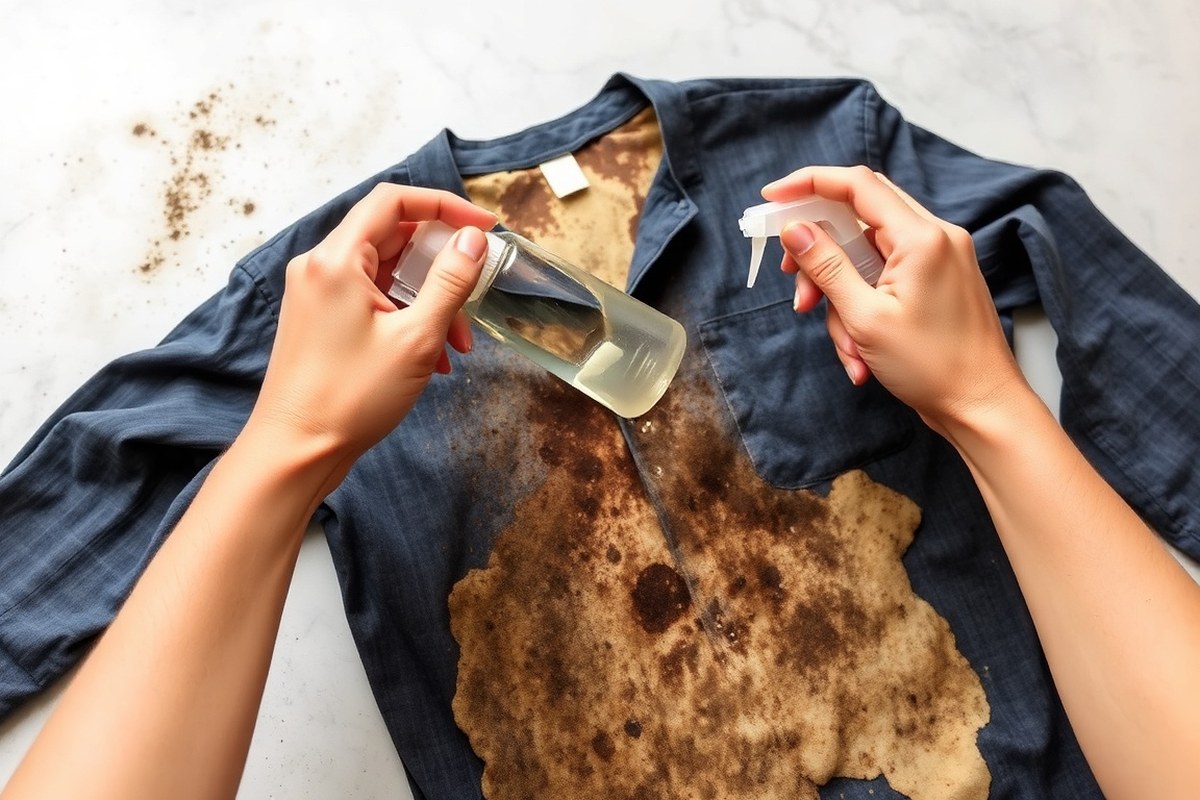
- Pre-treat stains using lemon juice or hydrogen peroxide: Apply lemon juice directly on light mold stains or spray a 1:4 mixture of 3% hydrogen peroxide and water on tougher spots. Let sit for 10, 15 minutes in a well-ventilated area.
- Mix white vinegar and baking soda for washing: Add 1 cup of white vinegar to your washing machine’s rinse cycle. During the wash cycle, add ½ cup baking soda along with your normal detergent. This combination helps kill mold spores, lift stains, and neutralize odors.
- Wash clothes in hot water if safe for the fabric: Use the warmest water recommended on the care label to improve mold removal. Cold water is less effective at breaking mold down.
- Rinse thoroughly to remove all residues: Ensure the vinegar and baking soda are fully washed out, reducing any leftover smell or fabric damage.
- Make sure to dry clothes fully in direct sunlight: Sunlight outdoors helps eliminate lingering mold spores and stops clothes from smelling musty. Use a dryer on a high-heat setting that your fabric can handle if drying indoors.
- Repeat treatment on stubborn stains: For persistent mold smells or spots, repeat the lemon juice or hydrogen peroxide pre-treatment and washing steps until they disappear.
This approach costs just a few dollars for common household ingredients and avoids the risks of chemical cleaners. Results show a reduction in mold stains and odors within the first treatment cycle. Avoid using these natural remedies on delicate fabrics like silk without specialized care advice, as acidity and peroxide can cause fading or damage.
5. Using Commercial Products and When to Choose Them
Commercial mold removers vary widely in strength and purpose, so selecting the right product depends on your fabric type and the intensity of the mold. Bleach and mold removers designed for laundry are often most effective for tough mold stains, especially on white cotton or polyester. For example, bleach works well on white fabrics to kill mold spores and lighten stains but can damage colored or delicate fabrics. To maintain fabric color and safety, select milder mold removers like Micro Balance EC3 Mold Laundry Additive, which targets mold, bacteria, and mildew without harsh bleaching agents.
Some commercial mold removers also help remove persistent mold odors. Clorox FreshGuard™ Laundry Odor Remover can be poured into the fabric softener compartment or added during the rinse cycle. This removes up to 100% of musty odors and leaves a fresh scent. EC3 Laundry Additive works similarly when added to the rinse cycle, effectively removing residual mold smells after washing. These products are generally safe for most machine-washable fabrics but always check the label first, especially for delicate or children’s clothing made from softer fabrics that mold can damage more easily.
To use a commercial mold remover properly, first pre-treat mold spots by applying the product directly to the stain and letting it sit for 15 minutes. For strong removers like bleach, avoid longer contact times and test on a small, hidden section of the fabric before full application. After pre-treatment, run your clothes through a normal washing cycle in warm water if the fabric allows. Finish with a rinse cycle that includes a mold-specific additive like Borax or EC3 for thorough spore and odor removal.
Should your clothes still hold mold stains or smells after one wash, repeat the process. Mold can embed itself deeply in thicker seams or waistbands, so multiple treatments may be necessary. After washing, dry clothes completely, preferably in direct sunlight for 15 to 20 minutes, which helps kill any remaining mold spores. Avoid leaving clothes damp in closed spaces, as mold can regrow within 24 to 48 hours.
Always test commercial mold removers on a small, hidden area first to avoid fabric damage or discoloration.
6. How Long Does Mold Take to Grow on Clothes and Why It’s a Problem
Mold can begin to grow on damp clothes within 24 to 48 hours. This rapid development happens because mold spores need moisture, warmth, and organic material to thrive, conditions often met when clothes remain wet or damp after washing or sweating. Humidity levels over 60 percent especially encourage mold growth, which is why garments left in humid basements, closets, or laundry machines become breeding grounds for mold quickly.
Humidity impacts mold growth strongly because mold spores absorb water vapor from the air. If your home or storage space has high humidity and poor ventilation, clothes cannot dry thoroughly. This trapped moisture fuels mold colonies before you even notice an odor or visible stains. Keeping relative humidity below 50 percent with a dehumidifier or good airflow drastically reduces the chance mold will form on your fabric. Clothes stored fully dry face far less risk of developing mold.
Even brief exposure to mold on clothing can cause health symptoms. Contact with moldy fabric may lead to skin irritation including rashes or itching, especially if you have sensitive skin or allergies. Inhaling mold spores released when handling or shaking clothes can aggravate respiratory issues, causing coughing, wheezing, or nasal congestion. Children and people with asthma or weakened immune systems are more vulnerable to these effects.
Because mold takes hold so fast on damp garments and can affect your health, acting quickly is critical. The first step is to remove clothes from humid or damp environments to cut off moisture supply. Promptly wash moldy clothing using effective treatments that eliminate spores rather than just masking odors. Drying clothes completely before storing them keeps mold from returning. Ignoring mold growth allows spores to settle deep into fabric fibers, making removal harder and risking permanent damage or health effects.
Taking immediate action not only preserves your clothes but also protects your household environment. Avoid leaving laundry damp for extended periods and monitor humidity levels in storage areas. Your efforts to dry and clean clothes thoroughly within the first 1 to 2 days of spotting mold will greatly improve your chances of fully removing it without lasting stains or smells. Staying vigilant about moisture and humidity control creates conditions where mold simply cannot grow on your fabrics.
7. Preventing Mold Growth on Clothes Long-Term
To prevent mold from returning on your clothes, focus on proper drying, storage, and humidity control. Mold needs moisture to grow, so thoroughly drying clothes after washing is essential. Dry them outside in direct sunlight or inside using a fan to speed up drying. Sunlight acts as a natural mold deterrent, while airflow reduces dampness that mold thrives on.
When storing clothes, choose locations with good ventilation. Avoid packing garments in airtight plastic bags or closets with poor airflow. Instead, use breathable fabric garment bags or storage bins with ventilation holes. Leaving space between items helps air circulate, keeping moisture low. For closets, consider installing louvered doors to encourage air movement.
Maintaining indoor humidity between 30 and 50 percent is key to mold prevention. Mold growth sharply increases above 60 percent relative humidity, according to experts. Using a dehumidifier in damp rooms can effectively control moisture levels. Small dehumidifiers for closets or wardrobes range from $30 to $80, depending on size and capacity. Silica gel packs or other desiccants can be helpful for small spaces but do not replace the need for good ventilation.
- Dry clothes completely each time, preferably outdoors in sunlight or with a fan indoors
- Store clothes in well-ventilated areas and avoid airtight containers
- Use fabric garment bags or storage bins with ventilation for long-term storage
- Maintain indoor humidity between 30% and 50% using a dehumidifier if needed
- Install louvered closet doors or leave closet doors open to improve airflow
- Keep space between hanging fabrics to reduce moisture buildup
- Use silica gel packets or desiccants for small enclosed spaces like drawers
Regularly inspect stored clothes for any signs of moisture or mold spores to catch problems early. Avoid leaving worn clothes unwashed for extended periods, as damp soil and sweat create an inviting environment for mold. In high-humidity climates or homes with past water damage, ongoing humidity control and airflow are especially important to protect clothing.
Following these steps requires some initial investment in dehumidifiers or storage solutions, but they help prevent costly mold damage and unpleasant odors. Proper drying and ventilation remain the cheapest and most effective strategies. Over time, keeping mold off your clothes will save money and extend your garment’s life.
8. When to Discard Moldy Clothes or Call a Professional
Some mold stains on clothes cannot be removed completely, especially if they have set in after long exposure to moisture. Persistent discoloration or a strong musty odor that remains after two full wash cycles with soaking, hot water, and thorough drying usually means the mold has penetrated deep into the fibers. At this point, even commercial or professional cleaning may fail to restore the fabric. Recognizing these signs helps you avoid wasting time and effort on clothes that are beyond saving.
Dry cleaning does not always guarantee mold removal. While it can help in some cases by using solvents that lift surface mold and odors, it is generally not effective if the mold has deeply embedded into the fabric or if mold spores remain in the lining or seams. Dry cleaning can be costly, typically costing $5 to $20 per item, and you may need to pay for multiple treatments without success. When mold stains or odors persist after professional cleaning, consider discarding the item to avoid health risks and contamination.
Deciding when to discard moldy clothes involves evaluating the fabric’s condition and the extent of the mold damage. Here is a simple checklist to guide your decision: check if the odor disappears after two rounds of washing and drying; look for any visible stains left behind; inspect for fabric weakening, which appears as thinning, holes, or a powdery texture; and assess the item’s value to you versus replacement cost. When odors and stains linger or the fabric begins to degrade, discarding the garment is safer and often more economical.
Calling a professional mold remediation or specialized cleaner makes sense if your clothes are valuable or delicate, such as wool or silk, and mold stains or odors remain after home treatments. Professionals have access to stronger mold removers, ozone treatments, or UV light options that may get rid of mold more effectively. However, professional cleaning can be expensive, ranging from $20 to over $100 depending on the garment and treatment needed. Weigh this cost against the price of replacing the clothing item before proceeding.
Discard moldy clothes safely by sealing them in a plastic bag to contain spores and avoid spreading mold to other items or areas in your home. Place the bag outdoors until disposal whenever possible. Avoid tossing moldy clothes directly into indoor trash bins. Remember to thoroughly clean and dry your remaining clothes to stop mold from spreading further. Keep drying temperatures above 140°F when possible, as heat helps kill mold spores.
Keep moldy clothes separated from clean laundry during washing to prevent contamination and always dry them completely before storing.
Step-by-Step Action Plan to Remove Mold from Clothes
Follow these steps to remove mold from your clothes safely and effectively, then keep mold from coming back.
- Before you start: Put on gloves and a mask to avoid breathing mold spores or touching them directly.
- Day 1: Take clothes outside and brush off visible mold to prevent spores spreading indoors.
- Day 1: Pre-treat stained areas with white vinegar or a commercial mold remover safe for your fabric.
- Day 1: Wash clothes in hot water with detergent plus 1 cup of white vinegar or oxygen bleach if fabric allows.
- Day 1: Dry clothes thoroughly in direct sunlight or a dryer on high heat to kill remaining mold spores.
- After wash: Inspect clothes; repeat washing if musty smell or stains persist.
- After treatment: Store clothes in a dry, well-ventilated area to prevent mold returning.
- Ongoing: Check storage areas regularly and keep humidity under 50% for long-term prevention.
Frequently Asked Questions
Can Mold on Clothes Cause Health Problems?
Mold growing on clothes can cause allergic reactions, skin irritation, and worsen asthma symptoms, making it necessary to address moldy garments quickly to lower health hazards.
How Does Humidity Affect Mold Growth on Clothing?
High indoor humidity above 60% encourages mold growth on clothes, so keeping humidity below this helps prevent it.
Why Does Mold Grow in Seams and Waistbands of Clothes?
Seams and waistbands retain moisture longer than outer fabric, creating spots where mold can develop within 24 to 48 hours.
Can Mold Spores Spread to Other Laundry Items?
Mold spores can spread easily, so washing moldy clothes separately and disinfecting your washing machine is important.
How Does Vinegar Help Remove Mold from Clothes?
Vinegar kills about 82% of mold species and reduces moldy odors, making it effective for cleaning moldy clothes.
What Should You Do If Mold Persists After Washing?
Use specialized additives like EC3 Laundry Additive in rinse cycles to remove stubborn mold spores and odors.
Final Thoughts
Removing mold from clothes takes care and correct treatment depending on the fabric. Protect yourself during cleaning, use effective solutions, and dry clothes thoroughly to prevent mold from returning. Start by handling moldy items with care and applying the steps today, so your clothes stay fresh and safe to wear.