Can You Put Moldy Clothes in the Washing Machine? Complete Safe Cleaning Guide
You can put moldy clothes in the washing machine if you use the right temperature and cleaning methods. Washing with hot water at least 130°F and adding vinegar can kill most mold spores and remove odors safely.
This advice is for homeowners or renters facing moldy laundry and looking for effective cleaning tips. You’ll find clear steps to pre-treat, wash, dry, and maintain your clothes and machine to prevent mold growth.
Key Takeaways
- Pre-treat visible mold by applying detergent directly and letting it sit for 10 minutes before washing.
- Use hot water between 120°F and 140°F on heavy-duty cycles to effectively kill mold spores.
- Add 1 to 2 cups of white vinegar to the wash to eliminate mold smells and boost cleaning.
- Soak moldy clothes for 15 to 20 minutes in an oxygen bleach solution if safe for the fabric.
- Dry clothes thoroughly after washing, running dryer longer if necessary to prevent mold regrowth.
- Run a washing machine cleaning cycle with vinegar or a cleaner every 1 to 2 months to sanitize the machine.
Is It Safe to Wash Moldy Clothes in a Washing Machine?
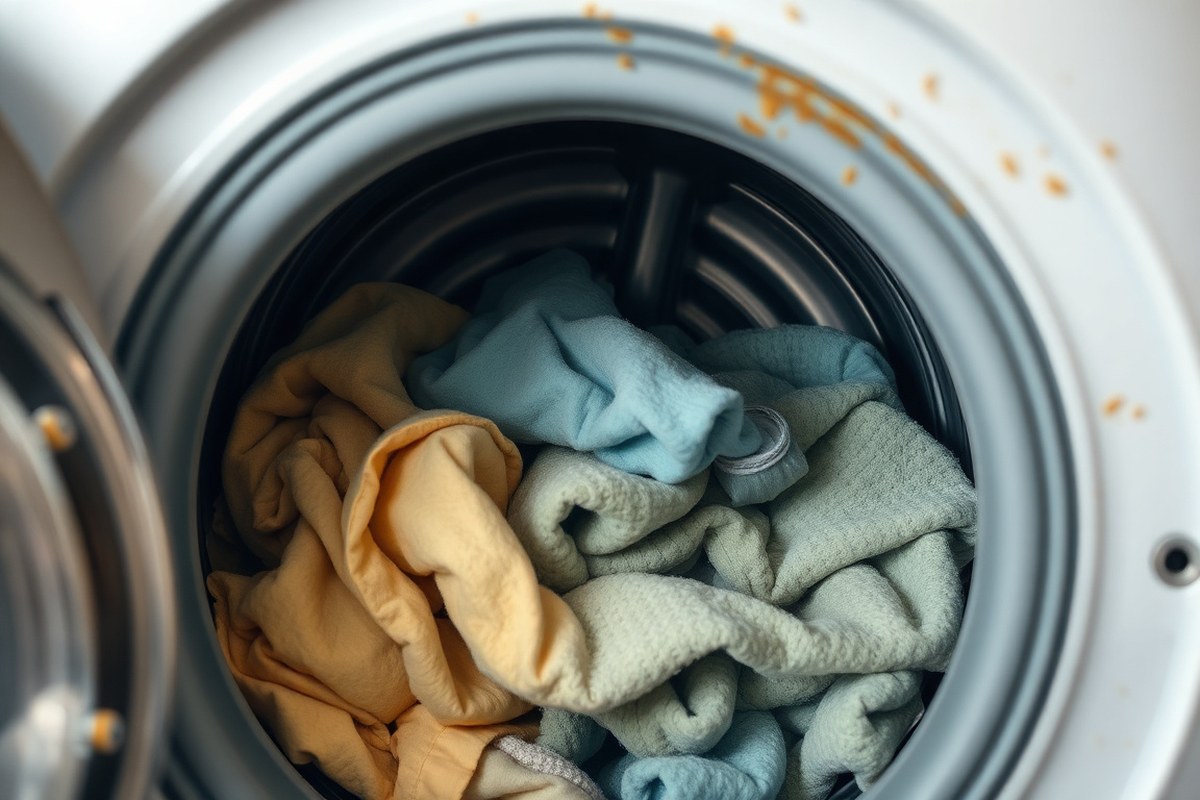
You can wash moldy clothes in a washing machine safely if you take the right steps to prevent mold spores from spreading. Washing moldy items in hot water, around 130°F or higher, and using an effective detergent can kill most of the mold spores. Adding 1 to 2 cups of white vinegar depending on the load size boosts the cleaning power and helps remove the musty smell. Using the heavy-duty or the longest wash cycle ensures thorough cleaning and rinsing, which lowers the chance of spores lingering on the fabric or inside your machine.
Risks include spreading mold spores to other garments and contaminating the washing machine itself. Mold spores are tiny and can transfer easily from moldy clothes to cleaner ones when washing at low temperatures or in cold water. A standard cold wash cycle with regular detergent is not enough to kill spores and may cause cross-contamination. This cross-contamination can leave other clothes with a sour or musty smell and can promote mold growth inside your machine’s rubber gaskets, filter, and drum.
Isolating moldy clothes before washing reduces spore spread. Keep moldy items separate from your regular laundry to prevent cross-infection. Pretreat clothes by brushing off loose mold outside to avoid scattering spores indoors. Washing moldy clothes alone, in the highest water temperature your fabrics can tolerate, gives the best chance of removing mold entirely without harming other items.
After washing moldy items, your machine may still have some spores left in hidden places like rubber seals or the drain pump. This biological contamination can cause mold odors or residue to transfer to future laundry loads. Regular cleaning and disinfecting of your washing machine after moldy loads is important. Some homeowners use a mix of white vinegar and baking soda to run an empty cleaning cycle that helps sanitize the drum and remove any mold buildup.
In cases where hot water isn’t possible due to fabric type or washing machine limitations, adding mold-fighting additives such as Borax or white vinegar becomes even more important. These ingredients provide additional antimicrobial action to the wash cycle. However, not all mold spores will be destroyed with cold water washing, so drying clothes immediately on high heat is critical to prevent regrowth.
Always check fabric care labels before washing moldy clothes in hot water to avoid damage. For delicate fabrics that cannot tolerate heat, prolonged vinegar soaking before a gentle wash can improve mold removal, but may not be as effective as a hot wash. Using these careful methods limits the risk of smell and allergic reactions caused by mold spores. Prompt treatment and proper washing conditions minimize the health hazards related to mold on clothing, such as skin irritation or respiratory issues.
How to Pre-Treat Moldy Clothes Before Washing
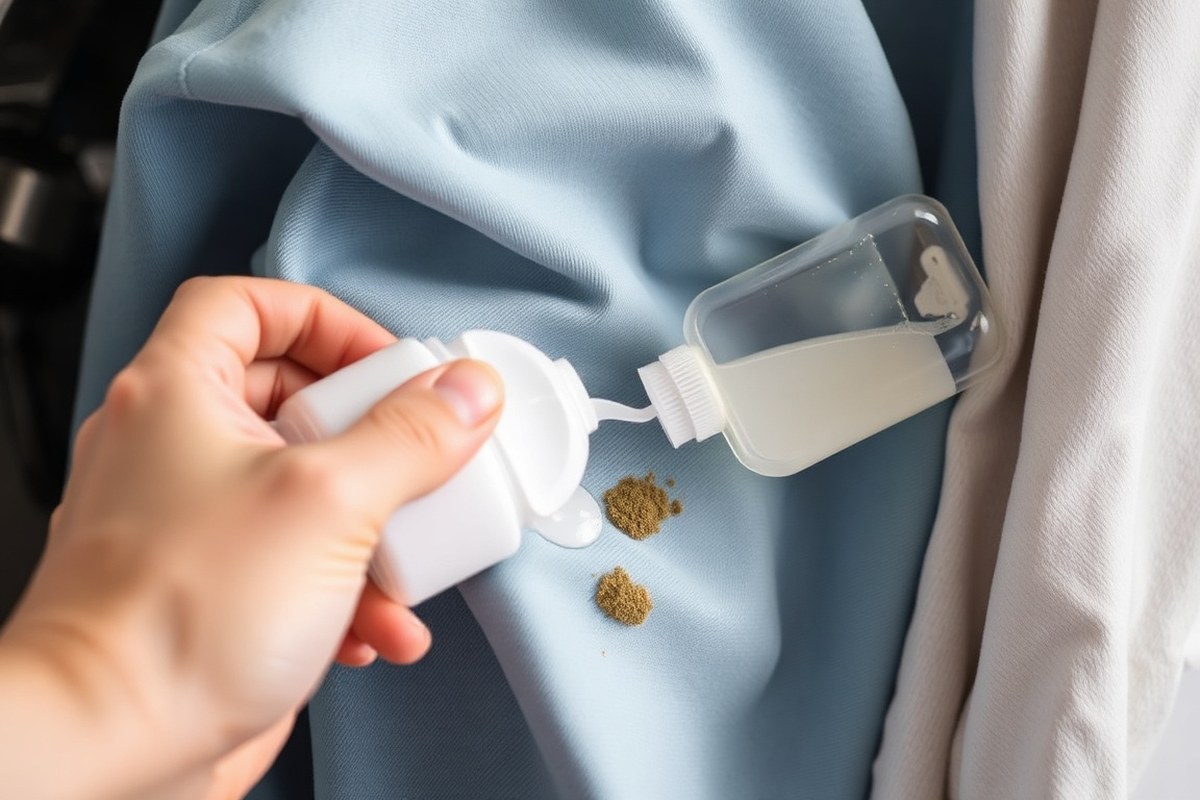
Pre-treating moldy clothes is essential to remove surface mold and prepare the fabric for effective washing. This process includes gently removing loose mold, applying detergent directly to mold spots, and soaking the clothes in a suitable solution, all while keeping mold spores contained to avoid spreading them.
Brushing Off Loose Mold Spores
Start by taking moldy clothes outside to prevent mold spores from spreading inside your home. Use a soft-bristled brush or clean cloth to gently brush off any visible mold or mildew from the fabric’s surface. Avoid shaking or rubbing the clothes aggressively, as this can release spores into the air and onto other surfaces.
This step reduces the amount of mold that enters your washing machine and helps the cleaning process work more effectively. It also lowers the risk of mold spores contaminating other household items.
Spot-Treating Mold Stains with Detergent
Apply a laundry detergent that contains enzyme-based cleaners or oxygen bleach directly to all visible mold spots. Gently rub the detergent into the fabric to break down the mold. Let the treated areas sit for about 10 minutes before washing to allow the detergent to work effectively.
This localized pre-treatment targets stubborn mold stains and helps prevent them from setting permanently. Using a detergent designed to kill mold improves your chances of removing mold completely during the wash.
Soaking Moldy Clothes Safely
Soaking moldy clothes can improve mold removal, especially for heavy or widespread mold. Use a solution of one part oxygen bleach to four parts water for white or bleach-safe fabrics. Check the care label first to avoid damage. Soak the clothes for about 15 minutes, then wash promptly using hot water and a mold-killing detergent.
For colored or delicate fabrics, soak in a mixture of water and an enzyme detergent for several hours instead. This avoids bleach damage while still loosening mold spores and residues. Never soak moldy clothes indoors where spores might spread, and always wash clothes immediately after soaking. Follow these steps to pre-treat moldy clothes before putting them in the washing machine:
- Take moldy clothes outside to a well-ventilated area.
- Use a soft-bristled brush or clean cloth to gently brush off loose mold spores.
- Apply enzyme-based or oxygen bleach detergent directly to mold spots.
- Rub the detergent into the stain gently and let it sit for 10 minutes.
- For whites, prepare a soaking solution by mixing 1 part oxygen bleach with 4 parts water.
- Soak the clothes for 15 minutes in the solution, or soak colored/delicate fabrics in water with enzyme detergent for a few hours.
- Immediately wash the clothes in hot water with a heavy-duty detergent designed to kill mold.
- Dry clothes promptly to prevent mold regrowth and avoid leaving wet clothes in the washer.
Always isolate moldy clothes from other laundry before pre-treating and washing to prevent mold spores from spreading to clean garments or your home.
Choosing the Best Water Temperature and Washing Cycle
To kill mold spores effectively on clothes, use hot water at a temperature of at least 140 degrees Fahrenheit. Most mold spores die at this temperature or higher, making cold or warm water cycles insufficient for thorough cleaning. Hot water not only helps eliminate mold but also aids detergent in removing the musty odors mold leaves behind. Check your clothing care labels to ensure fabrics can tolerate these temperatures without damage.
The recommended washing cycle for moldy garments is the heavy-duty or sanitize cycle if your machine has one. These cycles typically involve longer wash times and higher agitation, which help dislodge mold, spores, and dirt from fabric fibers. Starting with an empty hot water cycle before washing moldy clothes can also sanitize the washing machine itself, preventing cross-contamination. After adding your moldy clothes, run the full heavy-duty cycle using hot water and an EPA-registered laundry disinfectant, oxygen bleach (sodium percarbonate), or a cup of white vinegar to boost mold-killing power.
Do not rely on cold or warm water cycles alone, as they rarely reach temperatures above 80 degrees Fahrenheit and will leave viable mold spores on your clothes. In cases where hot water risks damaging the fabric, washing at the highest safe temperature according to the label and including an effective additive like Borax or oxygen bleach improve mold removal. Add a cup of white vinegar during the wash to help kill mold and neutralize odors. After washing, the final rinse cycle flushes away mold residues and cleaning agents.
Follow these steps: first, fill the machine with hot water (above 140°F), then add your detergent and an appropriate mold-fighting additive. Next, include your moldy clothing and select the heavy-duty cycle. This method works best for sturdy fabrics like cotton or polyester blends. Delicate or synthetic fabrics may require lower temperatures and gentler cycles, but that increases the risk of mold spores surviving, so weigh fabric care versus mold removal carefully.
Launching the wash on a “sanitize” cycle is ideal if available, as it maintains high heat and extended wash times, maximizing spore kill. Using bleach is effective for white or colorfast items; however, avoid bleach on colored clothing since it can cause fading and damage. For bleach-safe white fabrics, add a ¾ cup of chlorine bleach during the wash cycle to kill mold more effectively.
Proper selection of water temperature and washing cycle is important for killing mold spores and preventing mold regrowth in your laundry. Hot water and longer, more aggressive cycles provide the best chance of thoroughly cleaning moldy clothes, while additives like vinegar, bleach, or Borax help eliminate spores and odors. Skipping these steps can leave your clothes still affected by mold, leading to persistent smells and potential health risks.
Which Detergents and Additives Effectively Remove Mold?
Mold and its odors on clothes can be stubborn, so choosing the right detergent or additive is key to effective removal while protecting your fabrics. White vinegar, baking soda, and oxygen bleach tackle most milder mold and odors, especially on colored items, without harsh damage. Chlorine bleach stands out for heavy mold on white fabrics but requires careful use to avoid fabric weakening and skin irritation. Borax can boost cleaning power but often works best in conjunction with other agents.
White vinegar naturally kills many mold species and helps neutralize musty smells. Adding 2 cups of white vinegar to the washing machine drum or dispenser offers a moderate but fabric-safe mold removal. Baking soda aids odor removal and cleaning grime with a mild strength, making it highly safe for almost all fabrics. Half a cup added directly to the drum is typical. Chlorine bleach delivers extreme sterilization but suits only white fabrics and must be used in the bleach dispenser; never mix bleach with vinegar, as it produces harmful gases.
| Cleaning Agent | Best For… | How to Use | Fabric Safety |
|---|---|---|---|
| White Vinegar | Mild residue and odors on colors and mildew | Pour 2 cups into washer dispenser or drum | High (Safe for most fabrics) |
| Baking Soda | Odor removal and light grime | Add 1/2 cup directly to the drum | Very High (Safe for almost all fabrics) |
| Chlorine Bleach | Heavy-duty sterilization on stark whites | Use bleach dispenser only, never mix with vinegar | Low (Use on whites only) |
| Commercial Cleaning Tabs | Deep-seated buildup and mold residues | Place one tab in empty drum and run cycle | Varies by product, usually safe on colors and whites |
Oxygen bleach offers a color-safe alternative to chlorine bleach for light mold stains. Adding it according to package instructions can improve removal results on colored textiles. For heavy mold, especially on whites, chlorine bleach remains effective but demands caution due to its harshness. It may weaken fibers or cause color loss and skin irritation if misused. Always follow label instructions, measure accurately, and avoid combining bleach with acids like vinegar or ammonia.
Regular use of vinegar or baking soda in laundry helps keep your washing machine fresh and reduces mold smell buildup on clothes, making it a good preventive step. Mistakes such as using bleach on colored fabrics or skipping pre-treatment can leave mold stains or odors behind. If mold remains after washing, rewashing with an alternate additive or seeking professional cleaning may be necessary, particularly for delicate items.
How to Dry Moldy Clothes to Prevent Regrowth
Proper drying is key to stopping mold spores from coming back on your clothes. Mold thrives in damp environments, so removing all moisture quickly after washing is essential. Using a dryer on high heat helps speed up drying and lowers the chance of mold regrowth, especially on fabrics that tolerate machine drying well. Most household dryers reach temperatures between 125°F and 135°F, which can help reduce mold spores but might not kill every single one. Because drying alone does not replace thorough washing, make sure the clothes are clean before drying.
After washing moldy clothes, put them in the dryer immediately to prevent any spores from settling again. Use the highest heat setting safe for the fabric, usually indicated on the garment tag. Dry the clothes for at least 30 to 60 minutes or until they feel completely dry to the touch. Let your dryer run a full drying cycle when it has a moisture sensor to prevent damp spots. Air drying can also work, but you need to make sure the clothes dry completely in direct sunlight and in a well-ventilated area, ideally within a few hours. Sunlight’s ultraviolet rays help kill spores, but airflow and heat are critical so the material doesn’t stay wet.
Clothes that are thick or heavyweight, like towels or jeans, may need longer drying times, sometimes up to two hours. For items that can’t go in the dryer, hang them outside if the weather permits, using a sunny spot with good air circulation. Avoid hanging them indoors where humidity is high or where air is stagnant, as this can encourage mold to return. You might want to use a fan to help move air faster around the drying clothes indoors.
The goal is to remove all moisture promptly after washing. Any clothes stored damp provide a perfect breeding ground for mold. After drying, store clothes in a clean, dry place with good airflow. Avoid plastic bags or airtight containers unless the clothes are fully moisture-free. Notice any musty smells or visible spots? Dry the clothes again or wash them one more time.
Always dry moldy clothes completely and as soon as possible; lingering dampness invites mold to grow back even after washing.
Cleaning and Sanitizing Your Washing Machine After Moldy Loads
Cleaning your washing machine after washing moldy clothes prevents mold spores from spreading and keeps your machine fresh. Regularly removing mold buildup reduces odors and protects future laundry loads from contamination. A hot water cleaning cycle combined with targeted cleaning of gaskets and dispensers effectively removes spores and biofilm.
Running a Hot Water Cleaning Cycle
Using hot water is key to killing most mold spores, as temperatures above 140 degrees Fahrenheit are effective. Since typical home hot water only reaches about 120 degrees, running the washer’s sanitize cycle, if available, provides the necessary heat and added cleaning power.
Running an empty cycle with detergent alone won’t fully sanitize. Adding bleach or a commercial washing machine cleaner during a cleaning cycle helps remove mold and prevent future growth. Running this cycle after washing moldy clothes removes residual spores and odors from the drum and pipes.
- Set your washer to the hottest and longest sanitize or tub clean cycle available.
- Add 1 cup (237 mL) of bleach or a commercial washing machine cleaner to the detergent dispenser.
- Start the cycle without any clothes inside the washer.
- Allow the cycle to finish completely to let the heat and chemicals work on mold spores.
- Open the washer door and let it air out completely before the next use.
Using Vinegar or Commercial Washers Cleaners
White vinegar helps neutralize odors and can remove light mold residues, though it doesn’t disinfect as strongly as bleach. Vinegar also dissolves mineral buildup and loosens biofilm where mold can grow. Commercial washing machine cleaners combine ingredients to break down biofilm and sanitize surfaces more thoroughly.
Running an empty hot cycle with 1 cup of white vinegar or a dedicated commercial cleaner once a month maintains a cleaner machine. Avoid mixing vinegar and bleach due to toxic fumes.
- Pour 1 cup (237 mL) of white vinegar or the recommended amount of commercial washing machine cleaner into the drum or detergent area.
- Run a complete hot water cycle with no clothes inside the machine.
- Repeat monthly to reduce mold buildup and prevent odors.
Cleaning Rubber Gaskets and Filters
Mold often grows around the rubber door gasket, detergent dispenser, and filters, which require manual cleaning. Visible mold, black spots, or musty smells usually start in these areas. Wiping these parts prevents mold from returning to the drum during washes.
Use a cloth soaked in hot water mixed with vinegar, bleach, or a mold cleaner to wipe these areas carefully. Take care to reach folds in gaskets where mold hides. Cleaning filters according to the manufacturer’s instructions removes trapped residues that support mold growth.
- Wear gloves to protect your skin from mold and cleaning agents.
- Mix a solution of hot water with 1 cup of white vinegar or a small amount of bleach (1 tablespoon per cup of water).
- Dip a clean cloth or soft brush into the cleaning solution.
- Wipe inside and around the rubber door gasket thoroughly, paying special attention to creases and folds.
- Remove and clean the detergent dispenser and any accessible filters, following the washer’s manual.
- Rinse the cleaned areas with a damp cloth and leave the washer door open to air dry completely.
When to Discard Moldy Clothes Instead of Washing
Discard moldy clothes when mold growth has deeply penetrated the fabric or caused visible damage that washing cannot reverse. Signs like extensive black or green mold clusters that cover large surface areas, strong musty odors that persist after washing, or fabric deterioration such as holes, thinning, or stiff patches indicate the clothing is beyond saving. These issues not only make the garment unsightly but can also pose health risks, particularly for people with allergies, asthma, or weakened immune systems.
Mold in clothes can sometimes be removed with proper washing, but permanent mold stains usually appear as dark, discolored spots that remain after multiple cleaning attempts. Treat the garment with pretreatment solutions and wash it in hot water (135°F or higher); if stains or odors still remain, consider disposal. Faint discoloration that fades after one or two washes typically suggests the mold is removable, but hardened or set-in mold shows the material has been compromised.
Health risks justify caution when deciding whether to discard moldy clothes. Wearing contaminated garments can irritate the skin, cause respiratory problems, and worsen allergies. Experiencing coughing, sneezing, rashes, or difficulty breathing after wearing moldy clothing means it’s safer to discard those items to avoid further exposure. For delicate or synthetic fabrics where mold can penetrate fibers deeply, persistent contamination without successful cleaning is a strong signal to throw the item away.
A clear decision rule to follow is: if mold covers more than 10 to 15 percent of the fabric surface, remains after one thorough wash cycle using hot water and powerful detergent, or if the clothing smells musty despite deodorizing attempts, discard it. Also, inspect for fabric damage by gently stretching the garment; fragile or crumbly areas that break apart are not worth saving. Some mold spores can survive washing machines, so items heavily infested or with set-in mold could reinfect other clothes or your laundry area.
Discarding moldy clothes might feel costly, but replacing damaged garments prevents ongoing health risks and avoids further contamination in your home. Depending on the fabric type and brand, replacing a single item may cost anywhere from $10 for basic clothing to over $50 for specialty fabrics. It’s a practical tradeoff compared to the uncertain safety of keeping mold-infested materials around. For clothes showing minor mold or odor problems, repeated washing might succeed, but extensive or persistent mold in musty, discoloured, or structurally weak fabrics generally requires disposal.
Preventing Mold Growth on Clothes and in Your Laundry Routine
Mold can develop on damp clothes within 24 to 48 hours, especially in warm, humid environments. Preventing mold starts with managing moisture in your laundry routine and storage areas. Keeping clothes dry and ensuring your washing machine stays clean helps stop mold before it starts.
Dry Clothes Thoroughly and Quickly
Leaving wet clothes in the washing machine or piled in a hamper encourages mold growth. To avoid this, dry clothes as soon as the wash cycle ends. Use a dryer or hang them in a well-ventilated space where airflow helps remove moisture fast.
Outdoor drying works best, but indoor drying near a fan or dehumidifier also speeds up the process. Avoid folding or putting away clothes until they are completely dry, as even slight dampness can lead to mold within a day or two. Quick drying prevents that musty smell and visible growth.
Store Clothes in Dry, Ventilated Spaces
Storing clean clothes in damp closets or airtight containers traps moisture and fosters mold growth. Make sure your storage areas are dry and ventilated to keep air circulating around fabrics. If your closet tends to be humid, using odor absorbers such as charcoal bags or silica gel packs can reduce moisture buildup. Here are practical tips for storing clothes to avoid mold:
- Keep closets and drawers dry and well-ventilated
- Avoid plastic bags or airtight containers for unwashed or damp clothes
- Let washed clothes dry fully before storing
- Use moisture absorbers in closets prone to humidity
- Regularly open closet doors or windows for airflow
- Rotate clothes in storage periodically to spot early signs of mold
Taking these steps limits the humid environment that helps mold spores thrive on fabrics.
Regularly Inspect and Clean Your Washing Machine
Washing machines themselves can become breeding grounds for mold, especially if regular cleaning is skipped. Mold often hides in detergent dispensers, rubber gaskets, and door seals where moisture lingers.
Inspect your washer monthly for any visible signs of mold or a musty odor. Running a cleaning cycle with hot water and a washing machine cleaner or a small amount of distilled white vinegar helps remove mold and buildup. Leave the washer door or lid open after cycles to let the drum fully dry between uses.
Never leave wet clothes sitting inside the washer for more than a few hours to prevent mold growth on both clothes and the machine itself.
Step-by-Step Action Plan for Washing Moldy Clothes Safely
Follow these steps to remove mold from your clothes effectively while protecting your health and preventing mold from returning.
- Before you start: Check clothes and throw away any with heavy moldy stains that do not come off after pre-treatment. This avoids spreading mold spores in your home.
- Pre-treat time: Apply a mold remover or a mix of vinegar and water to affected areas. Let it sit for 30 minutes so mold loosens and dies.
- Wash day: Use the hottest water safe for your fabric (usually above 130°F) and add a strong detergent plus a mold-fighting additive like borax. Run clothes through a full wash cycle.
- Dry immediately: Transfer clothes to a dryer on high heat or hang outside in direct sunlight. Confirm clothes smell fresh and show no visible mold after drying.
- After washing: Clean your washing machine by running an empty hot water cycle with bleach or washing machine cleaner. This prevents mold spores from contaminating future loads.
- Ongoing: Store clothes in dry, well-ventilated areas and avoid letting wet clothes sit. Regularly clean your laundry area to keep mold at bay.
Frequently Asked Questions
Can You Put Moldy Clothes Directly into the Washing Machine?
Yes, but you should first remove loose mold and pre-treat the fabric to avoid spreading spores.
Will Washing Moldy Clothes Spread Mold to the Washing Machine?
Mold can spread in the washer, so clean and sanitize it after washing moldy clothes.
Can Cold Water Remove Mold from Clothes Effectively?
Cold water usually won’t kill mold spores; use hot water at least 130°F for better results.
Do Commercial Detergents Alone Remove Mold from Clothes?
Detergents help, but adding vinegar or borax improves mold removal significantly.
How Soon Should I Dry Moldy Clothes After Washing?
Dry them immediately in direct sunlight or a hot dryer to prevent mold from returning.
Is It Safe to Wash Moldy Clothes with Other Non-Moldy Laundry?
Avoid mixing to prevent mold spores from contaminating other clothes.
Before You Go
You can safely wash moldy clothes by treating and drying them properly, and by cleaning your washing machine after each moldy load. Taking care of mold promptly protects your health and preserves your clothes. Start by pre-treating affected garments today to stop mold in its tracks.