How to Remove Old Stains from Clothes: 8 Proven Ways That Really Work
Removing old stains from clothes is possible with the right methods and household products. Treat stains based on their type and fabric, soaking or applying solutions before washing to improve results. This approach is effective for homeowners and renters looking to revive stained garments without professional help.
You will learn why old stains are tougher to remove, which products work best, and how to tailor stain removal to fabric and stain type. Clear, step-by-step strategies help you handle stubborn stains while avoiding common mistakes.
Key Takeaways
- Old stains become harder to remove as time causes fibers to absorb and set the stain.
- Soak garments for 4 to 6 hours with an oxygen-based bleach solution to break down old tannins fully.
- Use a paste of lemon juice and salt on fabric, letting it sit 30 minutes for organic stains.
- Apply baking soda or cornstarch for 15-20 minutes to absorb grease before washing.
- White vinegar diluted with water soaks for 30 minutes to loosen various old stains effectively.
- Test stain removers on less visible fabric areas to avoid damage, especially on delicate materials.
1. How to Remove Old Stains from Clothes Effectively

Removing old stains from clothes at home requires a focused approach that targets the stain’s chemical makeup. Stains that have set in over time are harder to remove with a simple wash, so pretreating them properly is key. You’ll need patience and a little bit of time to let the cleaning agents work effectively before laundering. The best way is to apply a stain remover or household product directly to the area, let it sit for a specific amount of time, usually between 15 minutes to 30 minutes or longer for very old stains, and then wash as usual.
The exact process you follow depends on the type of stain and fabric. However, a general step-by-step method can help you tackle most old stains with good results. You’ll want to avoid using hot water before pretreatment, as heat can set some stains further. Using cold or lukewarm water during pretreatment helps lift the stain without fixing it deeper into the fibers.
- Identify the stain type and fabric. Check the garment’s care label for washing instructions and avoid anything that could damage the fabric.
- Blot or scrape off any excess residue carefully. Use a clean cloth or a dull knife to remove solids or oils without spreading the stain.
- Apply an appropriate stain remover or home remedy. For example, use a baking soda and water paste, lemon juice, undiluted white vinegar, or a mixture of dish soap and hydrogen peroxide. These treatments attack the stain’s chemistry differently.
- Let the treatment sit for at least 15 to 30 minutes. For very old, set-in stains, letting the solution sit longer, up to overnight, can improve results. Avoid letting acidic treatments like lemon juice sit too long on delicate fabrics.
- Rinse the area with cold water. This flushes out loosened stain particles before washing.
- Wash the garment according to its care label. Use the warmest water that’s safe for the fabric. Avoid drying the item until the stain is fully removed, as heat can make stains permanent.
- Inspect the stain after washing. If it remains, repeat the pretreatment steps before drying the garment.
Older stains, particularly those left untreated for weeks or months, often require repeated applications and extended treatment times to fully break down. Many household treatments work within 5 to 10 minutes on mild stains but benefit from sitting up to 30 minutes or longer on tougher ones. Soaking is effective for deeply set stains, but it takes extra time and attention to avoid damaging the fabric.
Results vary depending on stain type, fabric, and treatment choice. Keep expectations measured: home treatments remove less than 40% of stains set for 30 days or more, whereas professional cleaning methods yield higher success rates. Patience and careful care are the best investments when working to revive stained clothes at home.
2. Why Old Stains Are Harder to Remove and How Time Affects Results
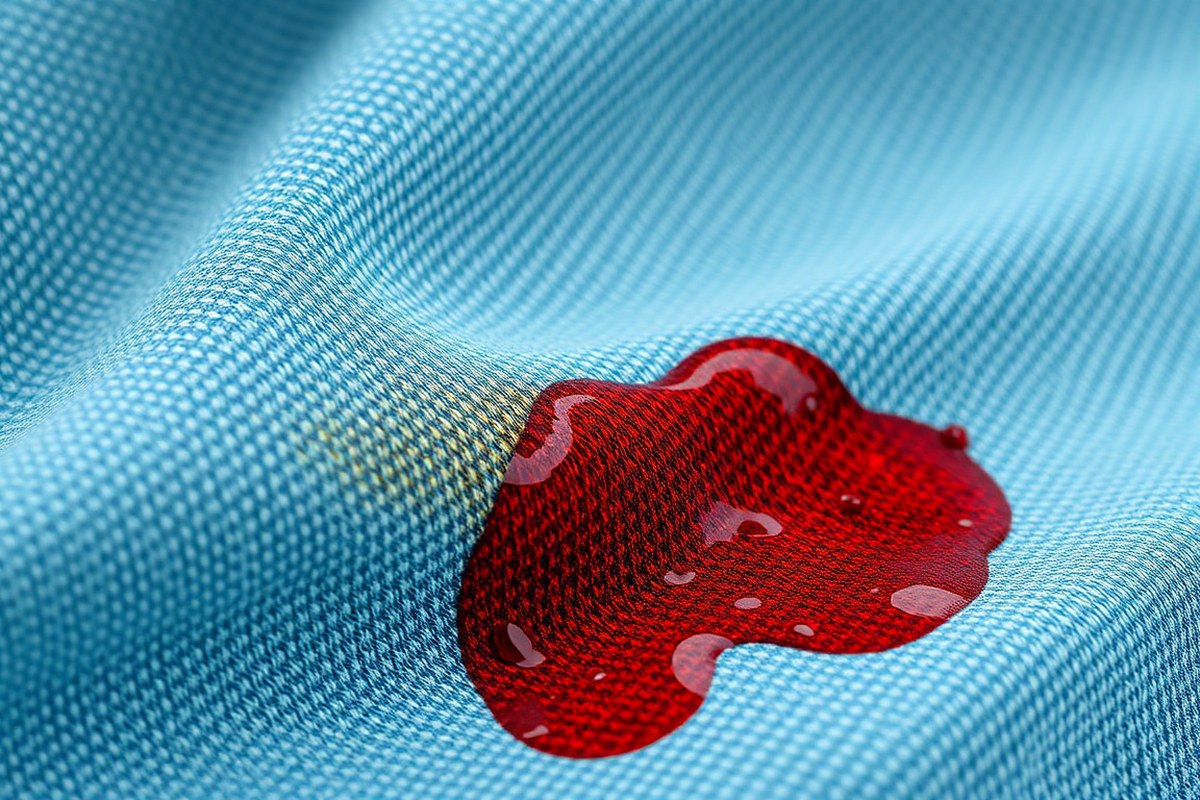
Old stains are harder to remove because they physically and chemically bond with fabric fibers over time. Fresh stains sit mostly on the fabric surface and can often be lifted with simple washing or spot treatment. However, as the stain dries and sets, its molecules penetrate deeper into the textile fibers, becoming trapped. Heat from dryers or ironing often accelerates this process by causing chemical fixation, where stain compounds react with fabric polymers and form stronger bonds that are difficult to break.
The typical timeframe for a stain to set varies by type and fabric, but many stains begin to fix within a few hours and become significantly more stubborn after 24 to 48 hours. Proteins, like blood or sweat, coagulate and bind when exposed to heat or air, while oils and greases soak into synthetic and natural fibers at a molecular level. This bond is more than just surface staining; it alters the fabric structure chemically.
Removal of old stains requires reversing these chemical changes. This means breaking the bonds between the stain molecules and fibers, which is not always simple. Specialized stain removal solutions contain surfactants that micro-rehydrate and loosen these bonds by penetrating deep into the fabric. In some cases, chemical agents like oxygen-based bleaches help oxidize and break down the stain molecules, but these must be used carefully to avoid fabric damage. The success of these treatments depends on the stain type, how long it has been set, and the fabric involved.
Physical changes also contribute to the difficulty; fabric fibers may stiffen or become fragile around the stain. Aggressive rubbing or washing can further damage delicate textiles. For instance, high mineral content in water during washing can interfere with cleaning agents and reduce stain removal efficiency. Using water softeners or chelating agents before washing can improve results, especially in areas with hard water.
Quick intervention helps prevent stain fixation, but when dealing with old stains, avoid hot water initially since it can set protein stains further instead of removing them.
3. Best Household Products for Tackling Different Old Stains
Common household products can effectively tackle different old stains when applied correctly. Vinegar and lemon juice work best on tannin and sweat stains, hydrogen peroxide excels on protein-based stains like blood, rubbing alcohol targets ink stains, and dish soap is effective on grease. Baking soda and cornstarch help absorb and lift oil-based stains, making these items practical and accessible options for treating old stains.
Vinegar and Lemon Juice for Tannin and Sweat Stains
White vinegar, a natural disinfectant, can help remove odors and break down tannin stains such as wine, tea, coffee, and sweat. Lemon juice acts as a natural bleach, brightening whites and lightening stains caused by tannins. To treat old wine or sweat stains, soak the affected area in a mixture of equal parts white vinegar and cold water for 30 minutes to an hour. For tougher stains, apply lemon juice directly to the stain and leave it in the sun to boost the bleaching effect for about 15 to 30 minutes.
Both vinegar and lemon juice are acid-based, which helps in loosening the stain fibers. This treatment works best on lighter-coloured fabrics because lemon juice’s bleaching property can slightly fade colored fabrics. Avoid soaking the fabric for too long or exposing delicate fabrics to direct sunlight, as this may weaken the fibers.
Hydrogen Peroxide for Protein and Discoloration Stains
Hydrogen peroxide is a powerful oxidizer that works particularly well on protein stains like blood, dairy, and sweat, as well as on discoloration from grass stains. It breaks down the proteins and oxidizes organic compounds, making the stain easier to remove.
To use hydrogen peroxide, apply it directly to the stain, letting it sit for 5 to 10 minutes. For blood stains, use cold water with peroxide to prevent setting the stain. Mixing one part dish soap with two parts hydrogen peroxide can improve removal of grass stains, apply the solution, gently scrub, and rinse after 30 minutes. Avoid using peroxide on colored fabrics without testing a hidden area first since it can bleach colors.
Rubbing Alcohol and Dish Soap for Ink and Grease Stains
Rubbing alcohol can dissolve ink stains effectively by breaking down the pigments. Dab rubbing alcohol on the ink stain using a cotton ball or cloth, blotting rather than rubbing, and repeat until the ink lifts. Rinse afterward with cold water to remove residual alcohol. This works best on small, fresh ink spots as old ink can be tougher to remove.
For grease or oil stains, dish soap is the best household cleaner because it contains surfactants that break down fats and oils. Apply a small amount of concentrated dish soap directly onto the stain, rubbing gently to work it in. Let it sit for 20 to 30 minutes at lukewarm temperatures (around 95°F to 105°F) before rinsing or washing. Dish soap like Dawn is a cost-effective option typically costing less than $5 per bottle and is available in most homes.
Baking Soda and Cornstarch to Absorb and Lift Oil-Based Stains
Baking soda and cornstarch serve as gentle abrasives and absorbents ideal for removing oily or greasy spots from fabric. Apply a thick layer of either powder to the dry stain to soak up additional oil, allowing it to rest for 15 to 30 minutes before brushing away. For more stubborn stains, combine baking soda with water to form a paste, then carefully work it into the fabric. This approach works well on many types of fabric and reduces the chance of the stain becoming more embedded.
Baking soda is also effective in neutralizing odors from sweat or grease, making it doubly useful. Avoid saturating fabric with water when treating oil stains as it can spread the grease rather than removing it.
| Stain Archetype | Pre-Treatment Agent | Soaking Duration Window | Temperature Threshold |
|---|---|---|---|
| Protein (Blood, Dairy, Sweat) | Liquid Protease Enzyme | 60, 120 Minutes | Cold only (Less than 85°F) |
| Lipid (Cooking Oil, Car Grease) | Concentrated Lipase + Dish Surfactant | 30, 45 Minutes | Lukewarm (95°F to 105°F) |
| Tannin (Wine, Coffee, Berry Juice) | Oxygenized Bleach Powder Solution | 4, 6 Hours | Hot Activation (130°F) |
This table summarizes how different damage types respond to pre-treatment and temperature conditions. Protein stains need enzymes and cold water to avoid setting, while lipid stains require detergents or dish soap with lukewarm water. Tannin stains respond best to oxygen bleach solutions activated by hot water and longer soaking.
4. How Fabric Type Influences Old Stain Removal Methods
Not all stain removers work the same across fabric types. Some products are safe on sturdy fabrics like cotton but risky for delicate ones such as silk or wool. Reading care labels and testing treatments on hidden spots prevents damage and colour loss. Delicate fabrics usually require gentler methods or professional cleaning.
Hardy Fabrics Like Cotton and Polyester
Cotton and polyester can handle a wide range of stain removal products, including many commercial stain removers and oxygen-based bleaches. These materials tolerate pre-treatments with dishwashing liquid or spray stain removers safely. You can use oxygen bleach safely on cotton and synthetics, as it breaks down stains without harsh damage. Most laundry detergents and stain removers are formulated assuming these fabrics can resist stronger chemicals and moderate agitation during washing.
Check the garment’s label first; stain removers designed for cotton and polyester usually won’t cause colour loss or damage. You can treat stains at home, just test the product on a hidden spot first. For best results, apply the remover directly on the stain and leave it for 5 to 10 minutes before washing as usual.
Delicate Fabrics Like Silk and Wool
Silk, wool, cashmere, and other delicate fabrics require much more care to avoid shrinking, colour bleeding, or surface damage. Most household stain removers and oxygen-based bleaches are too harsh and can cause irreversible harm, including bleaching spots. For these fabrics, professional dry cleaning remains the safest option especially for old, set-in stains.
Use only stain pretreatment products that are safe for the fabric type when you want to try removing stains before taking the item to a professional cleaner. A mild detergent diluted in lukewarm water can serve as a gentle spot cleaner. Always test on an inconspicuous area first to check for colourfastness or fabric texture changes. Avoid rubbing the fabric, instead blot gently to lift the stain.
Colored vs. White Fabrics and Bleach Safety
Bleach safety depends heavily on fabric colour and type. Traditional chlorine bleach can strip dye and cause irreparable colour loss on coloured clothes. Oxygen bleach is generally safer for coloured fabrics but still off-limits for wool and silk due to possible bleach spots. White cotton or synthetic fabrics tolerate both better but still require care with concentrations and soaking times. A quick checklist to keep in mind when addressing bleach safety:
- Check the care label for bleach warnings or symbols
- Use oxygen bleach only on white or colourfast fabrics
- Never apply chlorine bleach to delicate fabrics or coloured items
- Test bleach solution on a hidden seam or hem area before full application
- Follow product instructions on concentration and soak duration closely
- Rinse thoroughly after bleach treatment to stop reaction
For colour fabrics, limit bleach treatments to stubborn stains and always spot test first. Spot testing involves applying a small amount of the stain remover solution on a hidden area, waiting 5 to 10 minutes, then checking for discolouration or fabric damage.
Recommended Water Temperatures by Fabric
Temperature plays an important role in old stain removal and fabric safety. Lukewarm water (around 85°F to 105°F) is best suited for delicate fabrics to avoid shrinkage and dye run. Hot water can fix protein-based stains on cotton and synthetics but may damage silks or wools.
For fabrics prone to colour bleeding or running, stick to cold or lukewarm water. Using mild detergents designed for delicate fabrics combined with lukewarm water reduces stress on the fibres. Synthetic blends usually tolerate warm water, though avoid water above 120°F to prevent permanent damage.
5. Step-By-Step Strategies for Specific Stubborn Stain Types
Old stains from blood, ink, grease, and drinks require targeted approaches to break down their stubborn residues. Each type demands specific products and techniques to ensure the best chance of removal without damaging the fabric.
Removing Old Blood and Protein Stains
Blood and other protein-based stains can set deeply into fabric fibers as they dry. Enzyme-based stain removers work best because they break down the protein molecules. Use cold water for initial treatment to prevent the stain from setting further, since hot water can cook the protein into the fabric.
- Soak the stained area in cold water for 30 minutes to loosen dried blood.
- Apply an enzyme-based stain remover directly onto the stain and rub gently.
- Let the remover sit for 15 to 30 minutes to break down proteins.
- Rinse the fabric thoroughly with cold water.
- Launder the garment using the cold water setting and add extra enzyme detergent if available.
- Check the stain before drying; repeat treatment if needed since heat from drying can set any leftover stain.
Using hot water too early can cook blood stains onto your clothes, making removal nearly impossible.
Treating Old Ink and Pen Stains
Ink stains are often oil-based and can quickly become a permanent fixture in fabric fibers. Solvent-based removers or isopropyl alcohol can dissolve oil-based ink components. It’s important to treat ink stains on dry fabric rather than soaking first to avoid spreading.
- Place a paper towel or cloth underneath the stained area to prevent bleed-through.
- Dab the ink stain with a cotton ball soaked in isopropyl alcohol or a commercial solvent stain remover.
- Blot the stain gently, transferring ink onto the cotton ball or paper towel.
- Repeat dabbing and blotting until no more ink lifts.
- Rinse with cold water to remove residual solvent.
- Launder normally and air dry to prevent heat setting.
Do not rub ink stains aggressively as this can spread the ink and push it deeper into the fabric.
Lifting Old Grease and Oil Stains
Grease and oil cling tightly to fabrics and resist washing because they repel water. Solvent-based stain removers or degreasing agents are necessary to dissolve these oily residues. Pre-treating the area thoroughly before washing improves chances of removal.
- Pour a small amount of liquid dish detergent or solvent-based stain remover directly onto the stain.
- Use a soft brush or fingers to gently work the product into the fabric for 5 minutes.
- Let the garment sit for 10 to 15 minutes to break down the grease.
- Rinse with warm water to flush out dissolved oil.
- Launder the garment in the warmest water safe for the fabric, following care labels.
- Examine the stain before drying; repeat treatment if some grease remains since heat will set it permanently.
Always check the fabric care instructions before using hot water or solvent products to avoid damage.
Dealing with Old Wine, Coffee, and Tannin Stains
Stains from red wine, coffee, and grass contain tannins that bind tightly with fabric fibers. Acidic treatments like vinegar or baking soda pastes can help lift these stains by neutralizing tannins. It’s helpful to start with a pre-soak to loosen them before applying cleaners.
- Soak the stained area in cold water or a mixture of cold water and vinegar (one part vinegar to two parts water) for 30 minutes.
- Mix a paste of baking soda and water and apply it on the stain to absorb residual pigment.
- Allow the baking soda paste to sit for 15 minutes, then brush off gently.
- Apply a bleach-based stain remover safe for your fabric or a commercial tannin stain remover.
- Launder using the hottest water temperature allowed by the garment label.
- Air dry and inspect; repeat if the stain persists.
Avoid using bleach on wool, silk, or spandex; test any remover on a hidden area first.
6. How Long to Soak and Wait for Old Stain Treatments to Be Effective
Soaking old stains effectively depends on the type of stain, fabric, and product used. Typically, soaking can last from 10 minutes up to several hours. A general rule is to let the stain remover sit for 10 to 15 minutes to let the chemicals break down the stain without risking fabric damage. For more stubborn stains, soaking for up to 30 minutes can improve results, but avoid exceeding an hour unless the product specifically states it is safe.
Short soaking or sitting times, like 5 to 10 minutes, suit delicate fabrics or mild stains. This prevents weakening fibers while still allowing enough time to lift the stain. Vinegar and baking soda treatments often require this shorter duration since harsh chemicals are not involved. After soaking, rinse thoroughly to remove any residue that could cause fabric breakdown over time.
Extending soak times beyond recommended guidelines can damage fabric. Chemical soakings should protect delicate apparel by avoiding structural breakdown and fiber thinning, which happens if treatments sit too long or if aggressive products are used repeatedly. Always check the stain product label for maximum soak recommendations and fabric-specific instructions. Here is a simple checklist and timeline to guide your soaking process:
| Step | Recommended Time | Fabric Type | Stain Severity | Product Example |
|---|---|---|---|---|
| Apply stain remover | Immediately after spotting | All fabrics | Fresh to old | Clorox 2 Stain Remover & Color Booster |
| Let sit / soak | 5-10 minutes | Delicate fabrics (silk, wool) | Mild stains | Vinegar or baking soda solution |
| Let sit / soak | 10-15 minutes | Most fabrics (cotton, polyester) | Moderate old stains | Commercial stain removers |
| Let sit / soak | Up to 30 minutes* | Durable fabrics (denim, canvas) | Stubborn old stains | Stronger stain remover formula |
| Rinse thoroughly | Immediately after soak | All fabrics | All stain severities | Water rinse |
* Avoid soaking more than 30 minutes unless the stain remover label allows longer times securely. To decide how long to soak, first assess the fabric’s durability and the stain’s age and intensity. For example, older, tougher stains on durable fabric allow for longer soaking times, while delicate fabrics call for shorter treatments. Using gentle products like vinegar or baking soda reduces risk during soaking, even up to 10 minutes. Always rinse your clothes after soaking to prevent residue from damaging fibers.
Good results show stains visibly fading or vanishing after the soak and wash cycle. Persistent residue means the soak time or product strength may have been too low, or the fabric type requires a different approach. Over-soaking can cause fading or weakened threads, so balance is key. Following manufacturer directions and fabric care guidelines helps protect your clothes through the stain removal process.
7. Common Mistakes When Removing Old Stains and How to Avoid Them
Drying stained clothes before fully removing the stain often sets the stain permanently. Heat from the dryer causes chemical changes in the stain’s molecules, making it nearly impossible to lift the mark afterward. To avoid this, always keep the garment wet or damp during the stain removal process and only dry once the stain is gone.
Using the wrong water temperature can worsen certain stains. Protein stains like blood or sweat react poorly to hot water because heat causes the protein to coagulate and bond tightly with fabric fibers. Cold or lukewarm water is ideal for these stains. Rinse the fabric with cold water first, then apply your stain treatment. Hot water is better reserved for oily or greasy stains, as it helps break down fats effectively.
Mixing bleach with vinegar is unsafe due to the release of toxic chlorine gas. This chemical reaction poses risks of respiratory irritation and other health hazards. Never combine these two chemicals, even in diluted forms. Instead, apply one treatment, rinse thoroughly, and then use the other if needed after the fabric is dry and ventilated.
Mistakes like using hot water on protein stains or drying too soon can damage fabric or stain removal outcomes. Fixing this damage varies by fabric type and level of harm. For mild damage, re-soaking the fabric in cold water with a gentle detergent and applying oxygen-based bleach (activated at about 130°F) can help lift the stain without further harm. Heavily damaged fabrics may require professional cleaning, especially delicate materials.
- Always test stain treatments on a small, hidden fabric area first.
- Use cold water for protein stains and warm to hot water for grease or oil stains.
- Do not mix bleach with ammonia, vinegar, or other acids.
- Use oxygen bleach rather than chlorine bleach for colorfast fabrics.
- Wait to dry the garment until after confirming the stain is completely gone.
- Apply vinegar and water mixtures before washing for 10, 30 minutes for mild staining.
- Consult a professional cleaner if the fabric is delicate or the stain is very old and set.
In cases of spreading or smearing caused by scrubbing or applying hot water incorrectly, avoid further agitation and re-soak in cold water. Using a gentle detergent at this stage can reduce stain margins. For fabric discoloration caused by harsh chemicals or overheating, restoration is difficult and may require professional products or services tailored to the fabric type.
8. When to Consult Professionals for Stubborn Old Stains
Some old stains are just too tough for home treatments, especially those chemically altered by heat or time. Oxidized sweat marks can leave yellow areas that household remedies fail to fully remove, and drying stained clothes with heat can set discolorations permanently. Vintage fabrics often present additional challenges due to their delicate nature, so consult a professional seamstress or cleaner familiar with vintage care before attempting any stain removal.
Professional cleaners use targeted chemicals, specialized detergents, and industrial equipment to break down and extract old stains more effectively. For example, eco-friendly services may apply premium detergents designed to remove oxidized proteins and oils without harsh chemicals. Some places charge about $3 per pound for wash and fold service with advanced stain removal, a price that includes treatments unlikely to be replicated at home. Professionals also have access to precise temperature controls, solvents, and extended soaking techniques that avoid damaging fabric while maximizing stain removal.
Consider professional cleaning when the stain covers a large visible area, involves tough substances like rust or dye transfer, or when the garment is valuable or delicate. The cost can be justified if the item is costly or holds sentimental value, as repeated home attempts risking damage may cause more financial loss. On the downside, professional treatment may not guarantee complete removal, especially if the stain is very old or chemically altered, and turnaround time can vary from days to a week depending on service and stain complexity.
Preparing clothes properly before professional cleaning increases the chance of success. Avoid further heat drying and keep the garment dry and free of added stains. Clearly describe the type of stain and any previous home treatments applied to the cleaner. If the clothing is vintage or delicate, mention this so experts can choose appropriate processes. Pack garments in breathable bags or cardboard boxes rather than plastic, which traps moisture and can worsen stains. This simple preparation helps professionals apply the best possible treatment.
Do not iron or dry stained garments before professional cleaning to prevent heat from permanently setting the stain.
Step-by-Step Action Plan for Removing Old Stains
Follow these steps in order to tackle old stains effectively and avoid common pitfalls.
- Before you start: Identify the fabric type and stain nature to choose the right treatment.
- Day 1: Pre-treat the stain with a targeted household product, such as enzyme detergent for protein-based stains, and let it sit for 30 minutes; the stain should appear less intense.
- Immediately after pre-treatment: Gently blot the stain area with a clean cloth, avoid rubbing, to lift loosened residue without damaging fabric.
- Within the first hour: Soak the item in cool or lukewarm water for up to 4 hours based on fabric sensitivity; check progress every hour for stain fading.
- After soaking: Launder the garment following care instructions with an oxygen-based bleach if safe for the fabric; the stain should be visibly reduced or gone after washing.
- After washing: Air dry the item; heat from dryers can set remaining stains permanently, so only use the dryer after confirming the stain is fully removed.
- Day 2: If the stain remains, repeat pre-treatment and soak steps once more before washing again.
- After two attempts: Consult a professional cleaner for persistent stains, especially on delicate or valuable fabrics.
Frequently Asked Questions
How to Remove Clothes Stains?
Start by identifying the stain type and fabric, then use a targeted cleaner like baking soda paste or hydrogen peroxide solution to break down the stain chemically before washing. Generic washing alone often won’t fully remove stains.
Does Alcohol Remove Stains?
Yes, rubbing alcohol can remove some stains like ink or grass by dissolving them, but it may not work on all stains and can sometimes damage delicate fabrics. Always test on a hidden area first.
How Can I Remove Stains from Dried White Clothes?
Apply a mixture of lemon juice and hydrogen peroxide to the stained area and let it soak before washing. This combo acts as a natural bleach and is safer than harsh chemicals on whites.
What Are Some Hacks for Removing Stains?
Using household items like baking soda, white vinegar, and salt added to lemon juice can effectively lift many old stains with minimal fabric damage. Customize the remedy based on stain and fabric type to avoid worsening the stain.
Can I Use Baking Soda to Remove Old Stains from Silk?
Baking soda can be used on silk, but only as a gentle paste and with caution to avoid damaging the delicate fibers. Always spot-test and avoid soaking.
How Do I Get Oil Stains Out of Clothes After Washing?
Treat oil stains by applying dish soap directly to break down grease before rewashing; washing alone often sets oil deeper into fabric. Repeat treatment if needed but avoid drying until stain is gone.
Before You Go
Old stains require patience and the right approach to fade successfully without harming your clothes. Start by carefully identifying the stain and fabric, then use products and soaking times suited to the type of stain. Avoid heat before confirming removal to prevent permanent setting. Taking deliberate action today can save your favorite clothes from permanent damage.