How Can I Remove Mould from Fabric: 8 Proven Methods That Work Safely
To remove mould from fabric safely and effectively, pre-treat spots with a detergent containing enzymes, soak in a bleach solution for whites, then wash in hot water above 140°F to kill spores. After washing, dry the fabric thoroughly in sunlight to eliminate lingering mould and odour. This approach works well for general household fabrics, including clothing and upholstery, helping you maintain cleanliness without damaging the material.
This advice targets homeowners and renters facing mould issues on fabrics caused by moisture or improper storage. You’ll learn precise steps and precautions to get rid of mould, prevent its return, and keep fabrics fresh and safe to use.
Key Takeaways
- Pre-treat visible mould spots by applying a heavy-duty liquid detergent and letting it sit for 10 to 15 minutes.
- Wash cotton whites with chlorine bleach added to the cycle to kill fungal spores effectively.
- Use water heated to 140°F or hotter during washing to kill mould and mildew thoroughly.
- After laundering, dry mould-affected fabrics in direct sunlight for 1 to 2 hours to reduce spores and smells.
- Maintain indoor humidity between 30% and 50% to prevent mould growth on stored fabrics.
- Do not leave damp clothes in a hamper or washer for more than 24 to 48 hours to avoid mildew development.
1. How to Remove Mold from Fabric Safely and Effectively

Mold on fabric requires prompt and careful treatment to avoid damage and health risks. The best approach combines soaking, using appropriate cleaning agents, thorough washing, and proper drying. Some fabrics tolerate bleach or vinegar, but these can discolor or weaken delicate and colored items, so always check care labels first. Using natural options like white vinegar often works well, while specialized fabric cleaners that kill mold at the root offer greater safety for sensitive textiles.
Proper mold removal depends on attacking both visible stains and hidden spores without spreading contamination. Effective cleaning usually involves a two-cycle wash: first to kill mold and second to remove residues. Soaking helps reach mold deeper in fibers and loosens stains before washing. Completely drying fabric in sunlight or a hot dryer prevents mold regrowth by eliminating moisture. Avoid repeated treatments with bleach or homemade remedies on delicate items, as these might cause permanent damage.
Follow these steps to remove mold safely and effectively from most washable fabrics. For upholstery with extensive mold, consider discarding it to avoid health risks and persistent contamination.
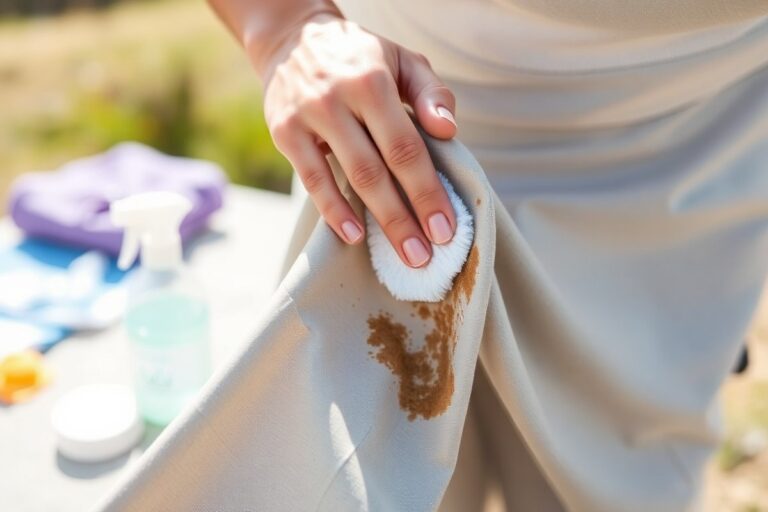
- Isolate and brush off mold: Take moldy fabric outside and gently brush off loose mold with a soft brush to reduce spores spreading indoors.
- Pre-soak in vinegar solution: Soak the fabric in a 1:1 mix of cold water and white vinegar for 30 minutes. This helps kill mold spores and loosens stains.
- Wash using hot water: Wash the fabric in the warmest water safe for the material, as indicated on the care label. Add 200-400 ml white vinegar or 1 cup oxygen-based bleach if the label allows bleach use.
- Run a second rinse or wash cycle: This step clears away residual mold and cleaning agents, reducing chances of smell or regrowth.
- Dry thoroughly in sunlight or dryer: Sunlight’s UV rays inhibit mold growth; alternatively, use a dryer on a high heat setting until fabric is completely dry.
- Clean washing machine drum monthly: Mold can accumulate inside washing machines, so run a cleaning cycle with vinegar or special washing machine cleaner once a month.
- Inspect and repeat if needed: Check the fabric for leftover mold stains or odor. Stubborn mold may require repeating the pre-soak and wash process or professional cleaning.
2. Why Mold Grows on Fabric and the Risks Involved
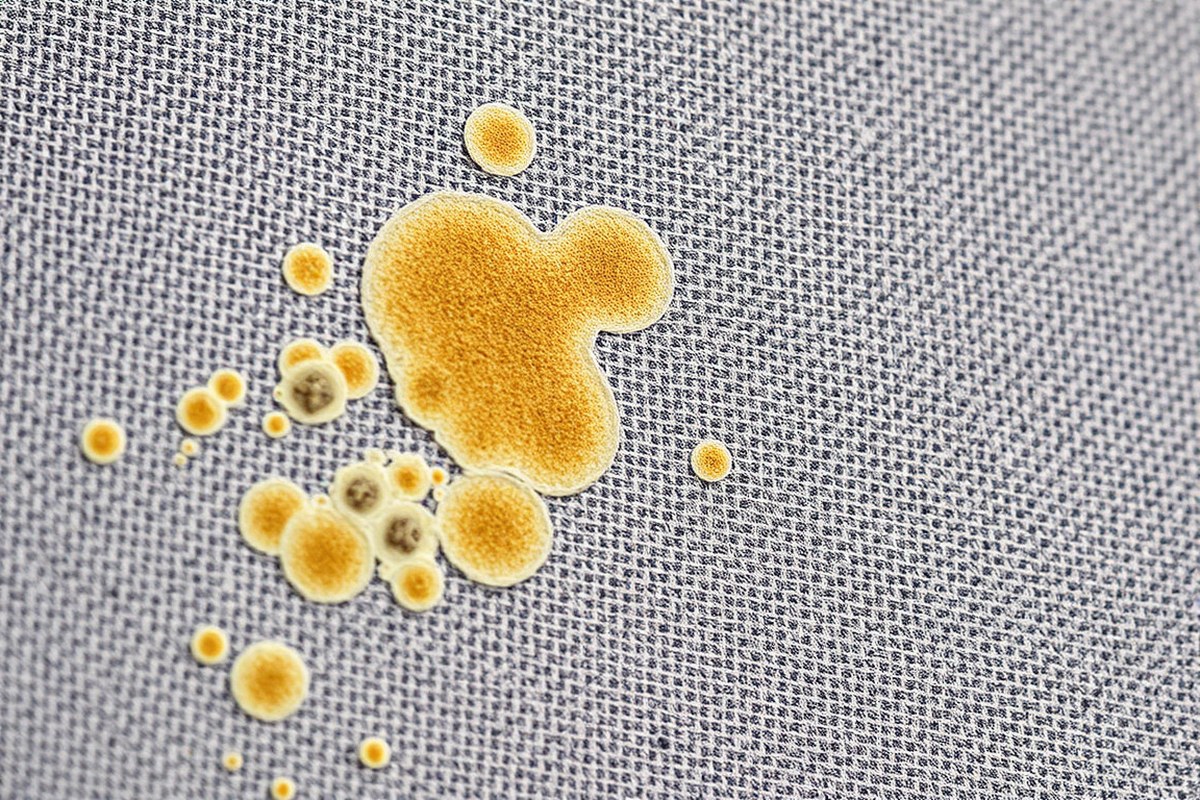
Mold grows on fabric primarily because it needs moisture, warmth, and organic material to thrive. Fabrics, especially those made of natural fibers like cotton or wool, can trap moisture from sweat, spills, or damp environments. When clothes or fabric items stay wet or damp for more than 24 to 48 hours, mold spores settle in and start to grow. This growth happens fastest in warm, humid conditions where airflow is limited, such as in a closed closet or airtight plastic storage bags. High humidity and trapped heat create an ideal environment for mold to multiply quickly and bury itself deep into fabric fibers.
The presence of mold on fabric poses both material and health risks. Mold feeds on organic components in textiles, breaking down the fibers and weakening the fabric over time. This damage can lead to permanent stains and holes, ultimately causing fabrics to rot away if left untreated. For example, window dressings or upholstered furniture are especially vulnerable because prolonged dampness allows mold to penetrate deeply. You can prevent this damage by thoroughly drying clothes in a dryer or air drying under good ventilation before storing them away.
Health-wise, mold on fabric can trigger allergic reactions, respiratory issues, and skin irritation, especially in sensitive individuals. Mold spores released into the air from contaminated fabrics may worsen asthma or cause sinus problems. Besides visible stains, fabrics with mold often develop a persistent musty odor that regular washing may not remove. Using fabric softeners can sometimes worsen the problem by leaving a residue that encourages bacterial and mold growth on clothes.
The temperature also influences mold survival on fabrics. Hot water helps kill mold spores more effectively but might shrink or damage some materials. Cooler washes without proper drying can leave spores alive, allowing mold to return. Regular washing and drying of damp or exposed clothing, curtains, and other fabric items significantly reduce mold growth risk. Storage decisions matter too: avoid using airtight plastic vacuum bags for bedding or seasonal clothes unless they are completely dry since trapped moisture inside offers a perfect breeding ground for mold.
Always ensure fabrics are thoroughly dried before storing, because even slight moisture inside sealed bags can lead to rapid mold growth within 1 to 2 days.
3. Choosing the Best Cleaning Agents for Moldy Fabrics
Removing mold from fabric requires choosing the right cleaning agents that effectively kill mold spores and lift stains without damaging your clothes. Household products like bleach and vinegar work well on certain fabrics, while commercial enzyme-based detergents offer targeted mold removal with gentler action. Your fabric type and color will guide which solution to use.
Chlorine Bleach and Oxygen Bleach Pros and Cons
Chlorine bleach is a powerful disinfectant that kills mold spores on white, 100% cotton fabrics effectively. Adding chlorine bleach to a hot wash cycle disinfects and removes stubborn mold stains, but it can cause fading or damage on colored or delicate fabrics. Oxygen bleach is gentler and safe for both white and colored fabrics. It oxidizes stains and can remove mold discoloration without the harsh effects of chlorine bleach.
Using bleach requires caution: test on a hidden area to avoid fabric damage, use gloves, and follow package directions. Overuse or prolonged soaking can weaken fibers and cause yellowing. Oxygen bleach usually requires soaking or adding during the wash cycle and may take longer to see results but is less likely to harm fabric integrity.
| Cleaning Agent | Best For | Effectiveness | Risks/Drawbacks |
|---|---|---|---|
| Chlorine bleach | White, 100% cotton fabrics | Kills mold spores, disinfects | Can fade/discolor colored fabrics; fiber damage if overused |
| Oxygen bleach | White and colored fabrics | Removes stains, safe on colors | Longer treatment time; less immediate mold kill |
For white cotton garments with mold, use chlorine bleach in a hot water wash cycle, following package instructions. For colored fabrics, oxygen bleach added during the wash can reduce stains and prevent damage. Avoid bleach on delicate materials like wool or silk.
Natural Remedies: Vinegar, Baking Soda, and Tea Tree Oil
White vinegar (5% acetic acid) is an accessible natural mold remover that kills spores and deodorizes fabrics. Adding 1 to 2 cups of vinegar to your wash cycle with detergent helps remove mold and odors. Vinegar is safe on most fabrics but should be diluted and tested first.
Baking soda is less potent at killing mold but works well to inhibit mold growth and eliminate odors. Add ½ cup during the wash cycle to boost cleaning. Tea tree oil is a natural antifungal; adding 1-2 teaspoons to your detergent can help control mold without harsh chemicals, but it may affect sensitive skin.
These natural options work well for mild mold issues or when you want to avoid chemical cleaners. They are generally safe on colored and delicate fabrics but might require repeated treatments for tough mold stains.
| Natural Agent | Function | Use Instructions | Fabric Safety |
|---|---|---|---|
| White vinegar | Kills mold spores, deodorizes | Add 1-2 cups to wash cycle | Safe for most fabrics; test first |
| Baking soda | Reduces odors, inhibits mold growth | Add ½ cup to wash cycle | Safe for colors and delicates |
| Tea tree oil | Natural antifungal | Add 1-2 teaspoons with detergent | Generally safe; may irritate sensitive skin |
Apply vinegar directly for stubborn mold by soaking the fabric or running an empty hot cycle with 2 cups of vinegar to disinfect the washing machine. Baking soda can be combined with vinegar for odor control. Avoid using undiluted vinegar on delicate fabrics to prevent damage.
Enzyme-Based Detergents and Commercial Cleaners Overview
Enzymatic detergents contain biological enzymes that break down mold and mildew proteins effectively without harsh chemicals. These detergents work well on colored and delicate fabrics where bleach is unsafe. They require warm water and standard washing machine cycles, making them convenient for routine cleaning.
Some commercial mold removers combine enzymes with additives like oxygen bleach or pine oil to increase mold-killing power. These products often cost more but offer targeted action and reduce the need for multiple treatments. Always follow product instructions and test a small fabric area as some formulations may affect dyes or fabric texture.
For fabrics that tolerate hot water, use heavy-duty detergent with enzymatic additives during the wash cycle. For delicate garments, select enzyme detergents labeled safe for sensitive fabrics and use cold or warm water cycles to avoid damage.
| Product Type | Mechanism | Best Use | Cost/Availability |
|---|---|---|---|
| Enzyme detergents | Break down mold proteins | Colored, delicate fabrics; routine clean | Moderate cost; widely available |
| Commercial mold cleaners | Enzymes plus oxygen bleach or pine oil | Stubborn mold stains; disinfect | Higher cost; specialty stores |
Using enzyme-based detergents regularly can prevent mold from recurring by breaking down residue that supports mold growth. For tough mold infestations, a combined approach using pre-treatments with oxygen bleach followed by enzymatic detergent washes yields the best results without harming fabric quality.
4. How to Remove Mold Smell from Fabrics Permanently
To remove mold smell from fabrics permanently, you need to both eliminate the mold spores and neutralize the odors they cause. Adding natural deodorizers like vinegar and baking soda during washing helps break down lingering smells. Effective drying in sunlight or with proper airflow prevents moisture buildup that triggers mold scent return. Combining these methods with essential oils can also freshen fabrics while fighting fungi.
Adding Vinegar and Baking Soda to Wash Cycles
Vinegar works as a natural cleaner and kills mold, while baking soda helps get rid of stubborn smells. Adding these to your laundry removes musty odors that regular detergent might miss. Check that your fabric can handle warm or hot water to better eliminate mold spores. For clothes with visible mold or strong smells, apply a pretreatment and wash them twice using these additives.
- Isolate moldy clothes to avoid spreading spores.
- Sprinkle baking soda directly on moldy areas before washing to target odors.
- Add 1 cup of white vinegar along with your detergent in the washing machine.
- Run a wash cycle using the warmest water safe for your fabric.
- Persistent odors call for a second wash, adding half a cup of baking soda to the detergent compartment.
- Clean your washing machine monthly by running a hot empty cycle with vinegar or a cleaning tablet to stop musty smells from transferring.
- Remove clothes immediately after the wash to prevent new mold growth from dampness.
Proper Drying Techniques to Prevent Odors
Thorough drying is essential to stop mold smell from returning. Mold and mildew thrive in damp fabrics, so drying clothes quickly in sunlight or well-ventilated spaces is key. Sunlight also helps kill mold spores with ultraviolet rays. Avoid leaving clothes damp in the washer or indoors with poor airflow, as that promotes musty odors.
For best results, hang clothes in direct sunlight for several hours until completely dry. When sun drying is unavailable, set your dryer to a high heat level that’s safe for the fabric. Always ensure clothes are fully dry before storing to hinder new mold growth and lingering smells.
Using Essential Oils and Air Fresheners Safely
Adding a few drops of antifungal essential oils like tea tree, eucalyptus, or lavender to your wash can combat residual mold and add a fresh scent. Oils should be diluted either directly into the detergent or used in a soak before washing. They provide extra deodorizing power and resist mold regrowth.
Avoid relying solely on fabric softeners or air fresheners, as they mask odors temporarily but don’t kill mold spores. Use essential oils with caution, especially on sensitive skin or delicate fabrics, and never exceed recommended amounts to prevent damage or irritation.
5. Preventing Mold Regrowth on Fabrics After Cleaning
Keeping fabrics free from mold requires controlling moisture and proper storage. Mold spores thrive in damp environments, especially where humidity exceeds 60%. To prevent growth, keep your home’s relative humidity below this level by using dehumidifiers or air conditioning, particularly in closets and storage areas. Good ventilation also helps reduce moisture buildup around fabrics.
Proper storage plays a key role in mold prevention. Store clothes and linens only when they are completely dry to stop spores from settling in damp fibers. Avoid plastic storage bags or containers that trap moisture; instead, use breathable fabric bags or boxes with ventilation holes. Check your wardrobe and storage spaces regularly for any signs of moisture or mold, wiping surfaces and airing out fabrics as needed.
Certain fabrics need extra care because they can hold moisture more easily. Natural fibers like wool and silk are more prone to mold since they absorb water and dry slowly. Store these fabrics in a cool, dry place, and consider professional cleaning if mold recurs frequently. On the other hand, synthetic fabrics dry faster but still benefit from regular washing and drying routines to keep mold at bay.
Regular washing and drying are essential. Wash mold-prone fabrics using the hottest water temperature allowed by the care label to kill spores effectively. Let clothes dry fully before folding or putting them away. Leaving damp clothes in the washing machine or laundry basket for more than 24 to 48 hours creates ideal conditions for mold growth, so unload and dry laundry promptly.
- Store clothes in breathable containers, not sealed plastic bags
- Keep indoor humidity below 60% using dehumidifiers or ventilation
- Wash clothes regularly using hot water where fabric allows
- Ensure clothes are completely dry before storage
- Air out storage areas and wardrobes frequently
- Clean washing machine seals to prevent mold buildup
- Avoid leaving damp clothes in laundry baskets or machines over 24 hours
Check fabric care labels before using hot water to avoid damaging delicate materials.
Controlling humidity and moisture is the most effective way to stop mold from returning. Pay special attention to fabrics after swimming, exercise, or any activity causing perspiration, as increased moisture around these items can encourage mold growth. Combining thorough drying with frequent cleaning of both fabrics and storage areas keeps mold spores from settling and spreading. This approach helps maintain fabric quality and extends the lifespan of your clothing and upholstery.
6. Addressing Mold on Delicate and Colored Fabrics
Bleach is not safe for delicate or colored fabrics because it can cause fading, weakening, or irreversible damage. Instead, use gentler options like mild detergents, oxygen bleach, or vinegar solutions paired with soft dabbing. Testing for colorfastness before applying any treatment ensures your fabric won’t lose color or texture during mold removal.
Testing Fabric Colorfastness Safely
Before treating any delicate or dyed fabric, checking colorfastness prevents unwanted discoloration. Choose a small, hidden area such as an inside seam, hem, or corner to test the cleaning method. This check lets you see if the solution affects the dye or fabric without risking damage to the visible surface.
Use a cotton swab or soft cloth dipped in your chosen cleaning agent to gently apply it to the test spot. Let it sit for about 5 minutes, then blot with a dry white cloth. Look for any color transfer or fading on the test spot or the cloth.
Gentle Soaking and Spot Treatments
For delicate fabrics like silk, fine wool, or richly dyed textiles, soaking and spot cleaning with gentle methods can lift mold without harsh effects. Avoid scrubbing or brushing to protect fibers. Use cold or lukewarm water, as hot water can shrink or damage sensitive materials.
Combining mild detergent with water or using oxygen bleach dissolved in water helps remove mold stains effectively. Baking soda can also remove odor and act as a mild abrasive without hurting the fabric. A vinegar soak in cold water is another option for delicate items unsuitable for hot water. Follow these steps to clean delicate mold-affected fabrics:
- Fill a basin with cold or lukewarm water and add a mild detergent or oxygen bleach solution following product instructions.
- Submerge the fabric fully and let it soak for 30 minutes to an hour to loosen mold spores and stains.
- Gently dab the moldy areas with a soft cloth or sponge without rubbing or scrubbing.
- Rinse thoroughly in cold water to remove cleaning residue.
- Check the fabric for remaining spots and treat again if necessary, using spot cleaning with diluted oxygen bleach or baking soda paste.
- Air dry the fabric away from direct sunlight to avoid color fading and fabric stress.
Using Professional Cleaning or Dry Cleaning
Delicate or expensive garments, such as silk dresses or wool suits, may require professional dry cleaning, especially if mold persists after at-home treatments. Dry cleaners that specialise in mold removal use antifungal formulas designed to kill mold at a molecular level while protecting fragile fibers and preserving color.
Using a professional service can also reduce the risk of shrinkage, distortion, or dye bleeding. When preparing the item, point out mold spots explicitly and follow any advice the cleaner gives for handling your specific fabric. Cleaning costs vary widely but expect to pay from $15 to $50 or more per garment depending on fabric type and severity of mold.
7. Common Mistakes When Removing Mold and How to Fix Them
Mistakes during mold removal can cause persistent stains, spread spores, or damage your fabric. Avoiding these errors helps ensure your cleaning efforts actually work and protects your household air quality. One common error is cleaning mold indoors without protective gear, which risks inhaling mold spores and spreading them further. Wearing an N95 mask and working outside minimizes these issues while also preventing your home from becoming a mold hotspot.
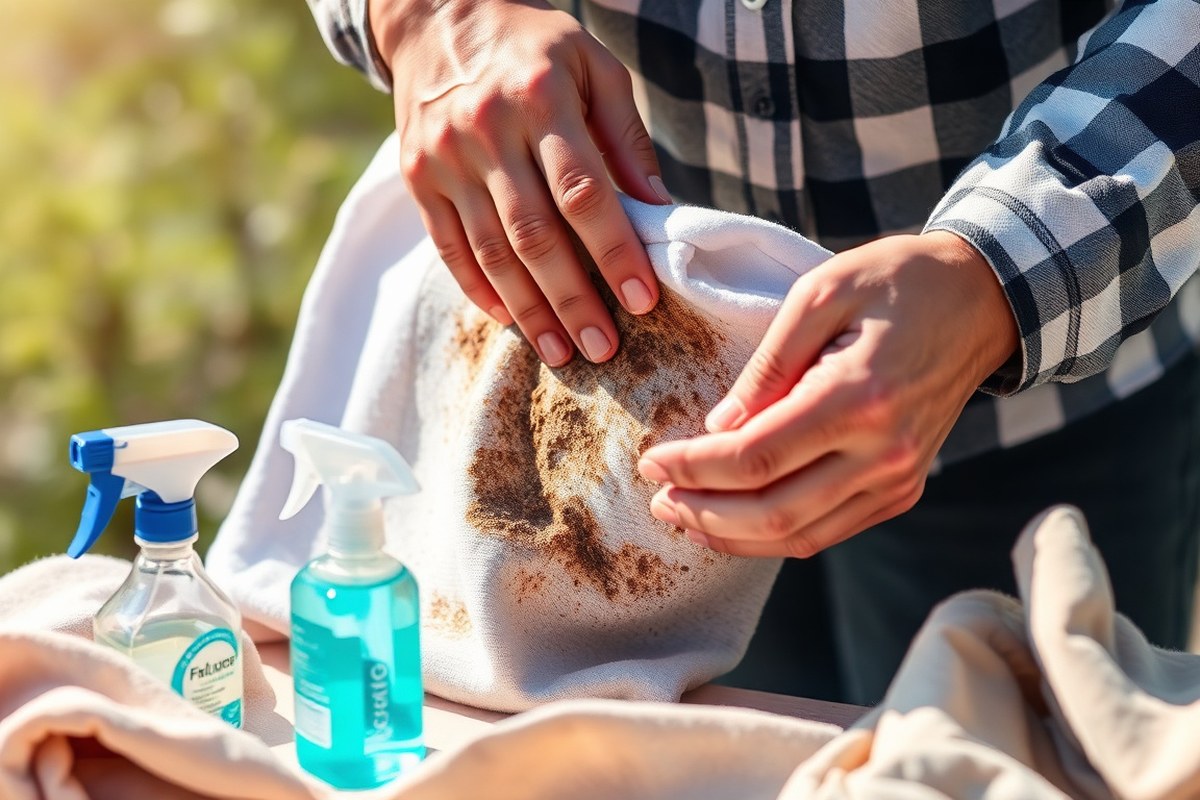
Another frequent problem arises when people rub mold stains vigorously. This can embed spores deeper into fibers or ruin the fabric’s surface. Instead, gently blot the stained area with a clean microfiber cloth and your chosen cleaning solution. Let it sit as recommended, then wash the item promptly to avoid mold regrowth or lingering odors.
Keeping moldy fabrics inside during cleaning often spreads spores onto other surfaces. Always brush off loose mold outside with a soft-bristle brush or cloth before treating stains, and avoid shaking or tossing the item indoors. After washing, place the fabric outdoors for one to two hours under direct sunlight. Sunlight helps dissipate any leftover spores and cuts down on musty smells.
- Wear an N95 mask to prevent inhaling spores when handling moldy fabric.
- Brush off loose mold outdoors before cleaning.
- Work outdoors or in a well-ventilated area to avoid indoor spore spread.
- Blot stains gently instead of rubbing to protect fabric integrity.
- Use washing functions that target bacteria and mold for thorough cleaning.
- Air-dry items under sunlight to reduce spores and odors.
- Repeat cleaning if stains or smell persist to fully eliminate mold.
Some fabrics resist mold removal due to their material or how long mold has set. Use washing machines with features like bacterial-neutralizing settings, such as the PlusHygiene function on certain front-load washers, which can neutralize up to 99.9% of common household bacteria. This reduces mold spread and improves cleaning results. If stains or smells linger even after following these steps, repeat the cleaning process or attempt a specialized mold removers safe for your fabric type. Avoid using bleach indiscriminately as it can discolor or weaken many fabrics.
Pay attention to persistent mold odors or stains as they suggest remaining spores. Continuing treatment ensures your fabric is safe and fresh without damage. Prompt, careful action combined with proper cleaning techniques and precautions helps protect both fabric quality and your indoor environment.
8. When to Call Professionals for Mold Removal on Fabrics
Professional cleaning becomes necessary when mold on fabric is widespread, deeply embedded, or involves valuable or delicate items that risk damage with DIY methods. If you notice persistent mold odors or stains that do not improve with standard home treatments, or if the fabric feels damp despite drying efforts, calling in experts is a good decision. Mold can penetrate fibers beyond the surface, making removal difficult and increasing health risks and material damage over time.
Experts use specialized techniques beyond what typical home products offer. Professional fabric mold removal usually involves dry cleaning or wet cleaning with industrial-grade anti-mold agents that penetrate fibers more effectively. These specialists often have access to ozone treatments, high-temperature steam, or ultraviolet light processes that disinfect and eliminate mold spores deeply embedded in textiles. For valuable items like upholstered furniture, silk garments, or antiques, these methods protect the fabric’s integrity and color better than consumer products.
Choosing professional mold remediation on fabric usually requires a decision checklist. Consider professional help if the mold covers more than 10% of the item’s surface or has been left untreated for more than two weeks. Also, seek experts for fabrics that absorb moisture easily and remain damp after cleaning, as leftover moisture fuels mold regrowth. Upholstery, curtains, and car interiors often fall into this category. Finally, if the fabric develops a musty odor after cleaning attempts, it’s another sign that expert treatment is needed.
Expect the process to begin with a thorough inspection to assess mold extent and fabric type. Professionals then select appropriate cleaning agents that eliminate mold while preserving the material, especially important for delicate or colored fabrics. Treatment usually includes applying solutions that require 10 to 15 minutes to soak and disinfect, followed by rinsing with clean water to remove residues. Drying techniques such as controlled heat or air circulation complete the process to ensure no moisture remains.
Costs for professional mold removal depend on the fabric type, size, and mold severity. Dry cleaning fees for individual garments often range from $15 to $50, while larger household items like sofas can cost several hundred dollars. The price reflects specialized cleaning products, equipment, and extended drying times needed to fully eliminate mold.
Avoid storing fabrics while still damp after cleaning; retained moisture can cause mold to return, even after professional treatment.
Step-by-Step Action Plan for Removing Mold from Fabric
Follow these steps to remove mold safely and keep your fabrics fresh. Each step gives a clear check to confirm your progress.
- Before you start: Take the fabric outside and brush off any loose mold outdoors to avoid spreading spores indoors.
- Day 1: Soak the fabric in a mixture of water and white vinegar (1 cup vinegar per gallon) for an hour; the smell should start to fade afterward.
- Day 1: Wash the fabric in hot water with detergent and add a mold-killing additive like borax; the mold’s visible spots should lighten or disappear after washing.
- Day 2: Dry the fabric completely in direct sunlight or a well-ventilated, warm area; the scent of mold should be gone and fabric should feel dry.
- Week 1: Spray the fabric lightly with a fabric-safe antimicrobial spray to prevent mold from returning; no new spots or odors should develop within this week.
- Ongoing: Store fabrics in dry, cool places with good airflow; regularly check for any signs of dampness or mold return.
Frequently Asked Questions
How Can I Remove the Musty Smell from My Clothes?
Use hot water if the fabric allows and add white vinegar or baking soda to the wash. Vinegar kills mold spores, and baking soda neutralizes musty odors effectively.
Does Dawn Dish Soap Kill Mold Spores?
Dawn dish soap can help lift mold from fabric but doesn’t kill spores fully. Combine it with other treatments like vinegar or hot water for better mold removal.
How Do I Remove Black Mould from My Washing Machine?
Run a hot wash cycle with white vinegar or bleach (if safe for your machine). This kills mold inside the drum that can cause moldy smells on clothes.
How to Get Rid of Mold?
Wash moldy fabric with the hottest water safe for the fabric and use white vinegar or bleach to kill spores. Dry thoroughly in sunlight to prevent regrowth.
Can Mold Cause Damage to Delicate Fabrics?
Yes, mold weakens fibers and stains delicate fabrics, so cleaning quickly with gentle methods is important to prevent lasting damage.
Is It Safe to Dry Moldy Clothes in the Dryer?
Drying moldy clothes in the dryer won’t kill all spores, but combined with prior washing, it helps remove moisture and reduces mold growth risk.
The Bottom Line
Removing mold from fabric takes careful cleaning and thorough drying to stop mold from coming back. Choose appropriate cleaning agents and dry your fabrics completely to avoid trapped moisture. Your next step is to check storage areas for humidity and improve ventilation if needed, so fabrics stay mold-free longer.