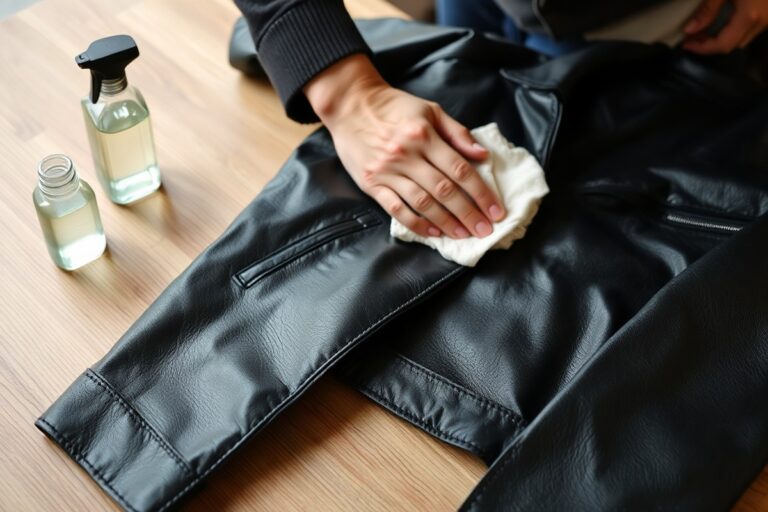
How to Get Mould Stains Out of Fabric: 8 Proven Methods That Work
To get mould stains out of fabric effectively, wash the fabric in hot water around 60°C with a strong detergent. Pre-treat stains with a stain remover or soaking solution before laundering to weaken mould residues. Use bleach cautiously on white or bleach-safe fabrics for tougher stains, and ensure thorough drying to prevent mould re-growth.
This advice suits homeowners and renters managing mould on clothes, upholstery, and linens. The steps focus on safe, practical cleaning strategies tailored to different fabric types and stain severity.
Key Takeaways
- Wash mouldy fabrics in water heated to about 60°C with a high-quality detergent to kill spores.
- Pre-soak stained fabrics for 10 to 60 minutes in mould-specific detergent or oxygen-based bleach solutions.
- Apply stain remover directly to mould spots and let it soak for 15 to 30 minutes before washing.
- Use chlorine bleach only on 100% cotton white fabrics to avoid color damage.
- Rubbing mould stains with a dry Fels-Naptha soap or spraying with diluted hydrogen peroxide can help lift stains naturally.
- Wear protective gloves, N95 mask, and eye protection when treating mould directly to avoid spore inhalation.
1. How to Get Mould Stains Out of Fabric Effectively

Removing mould stains from fabric requires a careful combination of soaking, washing, and using the right detergent to kill mould spores and lift stains. The main goal is to treat the fabric with a solution that softens and kills the mould, then wash it in hot water with quality detergent to remove spores and residue. Simply washing with detergent alone may not fully kill mould or eliminate stains, especially with older growth.
Soaking mouldy clothes in a vinegar solution helps break down mould and reduces the musty smell. Vinegar’s natural acidity can kill about 80% of mould spores, making it a practical first step. After soaking, washing in the highest temperature safe for your fabric, ideally around 140°F (60°C), maximizes mould spore kill and stain removal. Using a detergent like Persil Powercaps improve cleaning power, loosening mould particles and lifting visible stains. For whites, a bleach product can further disinfect and fade stubborn marks, but avoid bleach on colours to prevent fading.
- Brush off dry mould. Take the fabric outside and gently brush off any loose mould spores with an old toothbrush or soft brush to prevent spreading spores indoors.
- Prepare a vinegar soak. Mix one part white vinegar with three parts water in a bucket or sink. Submerge the mouldy fabric fully and let it soak for 60 minutes to loosen mould and begin killing spores.
- Rinse and load washing machine. After soaking, rinse the fabric briefly under cold water, then place it in the washing machine. Add a good-quality laundry detergent like Persil Powercaps.
- Wash using the highest safe temperature. Set your machine to the hottest water allowed for the fabric, ideally 140°F (60°C), to maximize killing of mould spores and remove stains.
- Use additives if safe for fabric. For white fabrics, include a bleach-based stain remover to further disinfect and fade mould stains. Avoid bleach if the fabric has colours or delicate fibres.
- Dry thoroughly in sun or hot dryer. After washing, dry the clothes outside in direct sunlight if possible. Sunlight helps kill remaining spores and dries the fabric thoroughly, preventing mould from returning. If using a dryer, choose a high heat setting safe for the fabric.
Machine washing alone can kill many mould spores if the water is hot enough and detergent is strong, but hot water and detergent usually won’t remove mould stains completely or kill all spores. Soaking before washing softens and partially kills mould, improving stain removal and odour reduction. Skipping soaking often leaves stains visible and may allow mould to return quickly.
For delicate or non-machine washable fabrics, use cold water soaking and gentle detergent, and treat stains carefully to avoid damage. Stubborn or old mould stains might need multiple treatments or special stain removers.
2. What Causes Mould to Grow on Clothes and Fabrics?

Mould grows on fabrics primarily because of moisture, warm temperatures, and poor ventilation. These conditions create the ideal environment for mould spores to settle and multiply on clothes, upholstery, and linens. Understanding how these factors work together helps you prevent and tackle mould stains more effectively.
Role of Moisture in Mould Growth on Fabrics
Moisture is the leading cause of mould growth on fabric. When fabrics remain damp for extended periods, mould spores in the air find a hospitable surface to grow. This moisture can come from wet clothes left in a laundry basket, spills that don’t dry fully, or storage in humid areas. Natural fibres like cotton, linen, and wool hold moisture longer than synthetics, making them more prone to mould.
Even humidity in the air, usually above 60%, can create enough moisture for mould spores to activate on fabric surfaces. Porous fabrics absorb this moisture more readily, providing a consistent damp environment that promotes mould formation. A wet shirt left bunched up in a laundry basket for 24 to 48 hours is a common scenario for mould development.
How Temperature Affects Mould on Clothes and Fabrics
Mould thrives best in warm conditions, generally between 77°F and 86°F (25°C to 30°C), but can grow in temperatures as low as 60°F (15°C). Warmth accelerates the metabolic processes of mould spores, speeding up their growth cycle on fabrics. Cooler temperatures slow the growth but don’t eliminate the risk if moisture is present.
Storing clothes in warm, damp areas like basements or unventilated closets during summer increases the chance of mould. While cold storage reduces mould activity, it does not kill spores. So, fabrics stored in damp conditions during any season risk mould contamination if they are not dry and ventilated.
Impact of Poor Ventilation on Mould Formation
Poor ventilation traps moisture-laden air around fabrics, stopping it from drying out. This lack of airflow is a key trigger for mould growth, particularly in enclosed spaces like closets, hampers, or sealed storage bins. Fabrics stored in these conditions stay damp longer, and mould spores settle easily.
Proper ventilation helps evaporate moisture by circulating air. For example, airing out a damp sweater outdoors or near an open window can reduce moisture and prevent mould. Without airflow, humidity builds up, and fabrics remain wet or damp for days, giving mould a chance to grow.
Effects of Damp Storage Conditions on Fabrics
Keeping fabrics in damp storage is one of the most common causes of mould. This includes closets with poor airflow, basements with high humidity, or plastic bags trapping moisture with the fabric inside. Damp towels left piled in a laundry basket or clothes stored without drying can quickly develop mould stains.
Long-term storage of fabrics in damp conditions leads to more stubborn mould growth, which can permanently damage fibres or leave deep stains. Using moisture absorbers or dehumidifiers in storage areas can reduce this risk. Ventilated storage with shelving instead of sealed containers also lowers mould chances.
Never store damp or wet fabrics in a sealed space; always ensure they are completely dry and placed in a well-ventilated area to prevent mould growth.
3. Choosing the Right Cleaning Method for Different Fabrics
Different fabric types require tailored approaches to mould stain removal because the mould penetrates and affects fibres differently. Sturdier fabrics like cotton and denim are more resilient to harsher treatments, while delicate fabrics like wool and silk need gentle care to avoid damage. Colourfastness also plays a role in choosing safe cleaning methods to preserve colour and prevent fabric weakening.
Cotton and Denim Fabrics
Cotton and denim are sturdy and can tolerate more aggressive mould removal treatments. For light mould, washing in hot water with detergent usually works well. Adding white vinegar or a mild commercial mould remover before washing helps dissolve mould spores and stains effectively. Hot water should be between 130°F to 140°F for best results, but always check the care label.
Strong whitening agents like chlorine bleach can be used on white cotton or denim but must be avoided on coloured fabrics to prevent fading. For persistent mould, soaking the fabric in a solution with 1/4 cup chlorine bleach mixed with 3/4 cup water for 10 to 15 minutes can help. If chlorine bleach is not suitable, oxygen-based bleaches like sodium perborate are safer alternatives for coloured fabrics.
Wool, Silk and Delicate Fabrics
Delicate fabrics such as wool or silk require gentle treatments since mould spores can penetrate fibres deeply, making removal harder and increasing the risk of fibre damage. Avoid hot water, chlorine bleach, and harsh scrubbing that can weaken these fibres. Instead, treat stains using a solution of 2 parts baking soda to 1 part white vinegar, which helps lift mould stains without harsh chemicals.
Allow the solution to soak into the fabric lightly, then rinse in cool water. A commercial mould remover designed specifically for delicate fabrics can also be used, but always test on a hidden area first. Warmer, not hot, water under 100°F is recommended. Multiple treatments may be needed to fully remove mould.
Synthetic and Blended Fabrics
Synthetic fabrics like polyester and blends generally resist mould stains better but may still require prompt cleaning. Washing with detergent in warm water (around 110°F to 120°F) combined with vinegar or baking soda can remove mould effectively. Commercial stain removers safe for synthetics can accelerate mould removal without degrading fibres.
Chlorine bleach is usually not recommended because it can damage synthetic materials or cause colour distortion. Instead, oxygen-based bleach products such as Clorox 2™ for Colors Laundry & Fabric Stain Remover & Color Brightener are safer choices for coloured sorts. Use the product according to the label, dissolving about ⅔ cup powder in 2 gallons of hot water.
Upholstery and Fabric Furniture
Mould on upholstery requires products designed specifically for fabric furniture. These commercial cleaners target mould without harming the upholstery fabric or internal padding. Before applying, vacuum the mould to remove loose spores carefully to avoid spreading mould indoors.
After treating the stain with a mould remover, follow instructions precisely and allow thorough drying, preferably outdoors or in a well-ventilated room to prevent mould recurrence. Upholstered fabric often contains colourfastness concerns, so test cleaners on inconspicuous spots to avoid discoloration. Repeated treatments might be necessary for tough mould spots. Below is a summary table showing how cleaning methods differ by fabric type and mould severity:
| Fabric Type | Recommended Cleaning Temperature | Safe Cleaning Agents | Bleach Use | Notes |
|---|---|---|---|---|
| Cotton/DENIM (White) | 130°F – 140°F | Detergent, white vinegar, commercial mould removers | Chlorine bleach okay | Can soak 10-15 min in 1/4 cup bleach + water for stubborn stains |
| Cotton/DENIM (Coloured) | 130°F – 140°F | Detergent, white vinegar, oxygen bleach (e.g., sodium perborate) | Avoid chlorine bleach | Use oxygen bleach like Clorox 2™, dissolve ⅔ cup in 2 gallons hot water |
| Wool/Silk/Delicates | Below 100°F | Baking soda + white vinegar mixture, delicate fabric mould removers | Do not bleach | Multiple gentle treatments may be needed; no hot water or scrubbing |
| Synthetics/Blends | 110°F – 120°F | Detergent, vinegar, oxygen-based bleach cleaners | No chlorine bleach | Use colour-safe bleaches like Clorox 2™ for coloured fabrics |
| Upholstery & Fabric Furniture | Room temperature; allow air drying | Specialised mould cleaners for upholstery | Usually avoid bleach | Vacuum spores first; spot test cleaner; thorough drying essential |
Following fabric-specific cleaning methods prevents damage and spreads of mould spores. Using the right temperature, avoiding harsh bleaches on coloured or delicate items, and relying on appropriate products improve stain removal success and keep your fabrics intact.
4. Natural Solutions to Remove Mould from Fabric Safely
Natural products like white vinegar, baking soda, hydrogen peroxide, lemon juice, and salt offer effective ways to remove mould stains from fabric without harsh chemicals. Vinegar and baking soda kill mould and deodorize, hydrogen peroxide acts as a mild bleach alternative, and lemon juice combined with salt naturally lightens stains. Using these solutions carefully can clean mould spots while protecting fabric fibers better than bleach.
White Vinegar and Baking Soda Mixture
White vinegar is a strong natural acid that neutralizes mould and kills spores. Baking soda adds scrubbing power and helps lift stains while also deodorizing the fabric. Using them together improve mould removal and reduces musty smells.
To remove mould stains, prepare a cleaning paste from baking soda and vinegar or use them in sequence on the fabric. This method works well on cotton, polyester, and sturdy upholstery fabrics.
- Sprinkle baking soda directly onto the mouldy area.
- Pour white vinegar over the baking soda slowly; it will fizz, helping loosen mould.
- Let the fizzing sit for 10 to 15 minutes to break down the stain.
- Scrub gently with a soft brush or toothbrush to lift the mould from fibers.
- Rinse with warm water to wash away residue and mould particles.
- Blot the fabric with a clean towel to remove moisture.
- Air dry the fabric in sunlight if possible, as UV light further kills mould spores.
- Repeat the process for stubborn stains, allowing longer soaking times.
Hydrogen Peroxide Spray Solution
Hydrogen peroxide is a mild, oxygen-based bleach that removes mould stains and disinfects fabric safely. A 3% solution diluted in water reduces the risk of fiber damage while still being effective. It’s better suited for light-coloured or white fabrics, as it can cause discoloration on darker materials. To apply, spray the diluted hydrogen peroxide directly on the mouldy spot and let it work for several minutes before rinsing.
- Mix 1 part 3% hydrogen peroxide with 4 parts water in a spray bottle.
- Spray the mould stain evenly, saturating the affected area.
- Allow the solution to sit for 5 to 10 minutes; avoid letting it dry completely on the fabric.
- Gently blot the stain with a clean cloth to lift mould residue.
- Rinse the fabric with warm water to remove any leftover peroxide.
- If the fabric permits, launder as usual after treatment.
- Dry the item thoroughly in sunlight or a well-ventilated room.
Lemon Juice and Salt Treatment
Lemon juice’s mild acidity combined with abrasive salt creates a natural bleaching and mould-fighting paste. This method suits light-coloured, strong fabrics but could weaken or fade delicate textiles. It works best on small, noticeable spots rather than widespread mould. After applying the mixture, drying the fabric in direct sunlight boosts the bleaching effect and kills remaining mould spores naturally.
- Mix fresh lemon juice with enough salt to form a thick paste.
- Rub the paste gently into the mould stain with your fingers or a soft brush.
- Let the fabric sit in sunlight for 1 to 2 hours to activate natural bleaching.
- Rinse thoroughly with warm water to remove the paste and loosened mould.
- Repeat if necessary for persistent stains.
- Wash the fabric normally to remove smells and any residue.
When to Use Natural Methods
Natural solutions are best for mild to moderate mould stains and when you want to avoid harsh chemicals like bleach that weaken fabrics. They are especially useful for delicate clothing, upholstery, and linens that bleach could damage.
For fabrics safe to launder, adding 1 cup of white vinegar to your wash can help eliminate mould smells and spores consistently. Stronger stains may need hydrogen peroxide sprays or vinegar and baking soda scrubs applied directly before washing.
Avoid natural acids like lemon and vinegar on wool, silk, or very delicate fabrics, as they can harm fibers or dull colours. Test any solution on a hidden fabric area first to check for damage or fading.
5. Using Chemical Cleaners and Bleach for Tough Mould Stains
Chlorine bleach, oxygen bleach, and commercial stain removers are the main chemical options for tackling tough mould stains on fabric. Oxygen bleach is generally safer for coloured fabrics because it does not break down dyes, unlike chlorine bleach which can cause fading and damage to coloured clothing. Use chlorine bleach only for white or colourfast fabrics and always test on a small hidden area first to avoid ruining your garment.
Oxygen bleach works by soaking the mouldy fabric in a solution according to the product’s instructions, usually about 30 minutes to an hour. After soaking, wash the fabric normally to remove loosened mould and residue. You can then apply a commercial stain remover for any remaining marks, letting it sit for about 15 minutes before the final wash. These products are designed to break down mould stains effectively while being gentler than chlorine bleach.
Safety precautions are critical when dealing with mould and chemical cleaners. Mould spores can cause health issues, so protect yourself during cleaning. Wear gloves, eye protection, and a KN95 mask to avoid inhaling spores, especially in poorly ventilated spaces. Ensure the room has good airflow to reduce exposure to fumes from chemical products.
- Wear gloves, glasses, and a KN95 mask to protect skin, eyes, and lungs.
- Test chlorine bleach on an inconspicuous area before applying to the entire fabric.
- Only use chlorine bleach on white or colourfast fabrics to avoid color loss.
- Follow exact product instructions for dilution and soak times with oxygen bleach.
- Use commercial stain removers in a well-ventilated area.
- Wash fabrics thoroughly after any chemical treatment to remove residues.
- Dispose of any leftover chemical solutions safely according to label guidelines.
Always do a patch test with bleach products and wear a mask to avoid exposing yourself to mould spores during cleaning.
Using these chemical cleaners requires care but can restore fabrics affected by mould stains effectively. Oxygen bleach is your best bet for coloured items, while chlorine bleach is a strong choice for whites but must be handled cautiously. Commercial stain removers add an extra level of cleaning power after soaking treatments. Make sure to wash the fabric well after treatment to get the best results and reduce lingering chemical or mould residues. Following safety steps prevents health risks and protects your fabrics from damage.
6. How to Remove Mould Odour and Prevent Musty Smells on Fabric
Getting rid of mould odour on fabric requires more than just removing visible stains. The musty smell comes from mould spores and their growth byproducts, which can linger even after cleaning. Using white vinegar is a simple, cost-effective solution. Add one cup of distilled white vinegar during the rinse cycle of your washing machine. Vinegar helps neutralize odours by breaking down the spores and their residues. It’s safe for most fabrics but avoid using it on delicate textiles like silk or wool without testing first.
For persistent odours, especially in thicker or more porous fabrics, enzyme-based detergents are a strong choice. These detergents contain specific enzymes that break down organic material, including mould spores and odour-causing compounds. Use the enzyme detergent as directed, usually during a full wash cycle with warm water around 104°F (40°C) for best results. This method works well on upholstery covers, linen, or clothing that cannot handle harsh chemicals.
Commercial odour removers such as Clorox FreshGuard™ Laundry Odor Remover provide another layer of effectiveness. Adding the product to the fabric softener compartment or directly during the rinse cycle can remove up to 100% of musty smells, according to product details. These products often cost around $8 to $12 per bottle, which lasts multiple washes. They are especially useful for fabrics repeatedly exposed to damp environments or heavy mould growth.
Thorough drying is important to preventing mould odour from returning. After washing, hang your fabric outside in direct sunlight if possible. The sun’s heat and ultraviolet rays can kill many mould spores left behind, though they do not erase existing stains. Aim to dry fabrics in the sun for at least 24 to 48 hours. If outdoor drying isn’t an option, place items in a well-ventilated room with good air circulation until completely dry. Avoid stuffing fabrics into dryers while damp as that traps moisture and promotes mould regrowth.
Sunlight helps kill mould spores but may not fully remove odour alone, especially if the mould has penetrated thick or dense fabrics. Repeated washing with vinegar or enzyme detergents coupled with drying in sunlight delivers the best results. For fabrics such as upholstery, removing covers to wash separately is recommended. After cleaning, maintain dryness by airing and storing fabrics in environments with low humidity. This prevents mould odour from coming back.
7. Common Mistakes and How to Fix Stubborn Mould Stains
One common mistake when removing mould stains from fabric is not acting quickly enough. Leaving mould on fabric for days allows it to penetrate deeper, making stains harder to remove and increasing the chance of permanent damage. Another frequent error is skipping the drying step. Moisture encourages mould to return and spread, so air drying the fabric thoroughly after washing is essential. Applying detergent without letting it sit on stubborn stains can limit effectiveness; give the detergent about 5 minutes to work before rinsing.
Hard-to-remove mould stains often require more than one wash cycle and targeted treatment. For example, soak the fabric in a mixture of water and detergent or a specialized mould remover for 30 minutes before washing. For delicate fabrics, choose gentle detergent and cold water to avoid damage. When a stain still remains, try applying a paste of baking soda and water directly to the affected spot, let it dry, then brush off. Avoid using bleach on coloured fabrics unless you spot test first, since it can cause fading.
- Don’t wash mouldy fabric with other clothes to prevent spreading spores.
- Avoid hot water on delicate fabrics to prevent shrinkage or damage.
- Use a stiff brush gently to lift mould spores before washing on tough fabrics like denim.
- Do not store damp fabrics in enclosed spaces before they are fully dry.
- Repeat treatments may be needed for old, set-in mould stains.
- If mould has damaged the fabric fibers, some stains may be permanent.
- Wear gloves and work in a ventilated area to reduce health risks from mould spores.
Some mould stains become permanent after prolonged exposure because mould releases enzymes that break down fabric fibres. Stains can also become embedded in synthetic fibres or dyes, making complete removal impossible. In those cases, advanced fixes like professional cleaning or fabric replacement may be necessary. Using mold inhibitors post-cleaning helps prevent return on treated fabrics. Monitoring the fabric after cleaning and repeating treatments for stubborn stains can improve your chances of restoration.
8. Preventing Mould Growth on Fabric After Cleaning
Prevent mould from returning on fabric by thoroughly drying it after cleaning. Damp fabric encourages mould spores to grow again, often within 24 to 48 hours in humid conditions. Use a dryer on the highest safe setting or hang fabric outdoors in direct sunlight. Sunlight naturally kills spores and helps remove moisture quickly.
For fabric stored in damp or humid spaces, control the environment with a dehumidifier or air conditioner to keep indoor humidity below 50%. Avoid folding or stacking fabric tightly, as poor air circulation traps moisture. Store items in breathable containers like cotton bags instead of plastic, which can trap humidity and feed mould growth.
After cleaning, safely dispose of any mould spores wiped or brushed off the fabric. Wear a KN95 mask, goggles, and gloves to avoid breathing in spores or touching them. Use a disposable toothbrush or cloth to scrub mould and throw it away immediately to prevent spores from spreading. Clean your workspace with a disinfectant that targets mould.
- Dry fabric completely using the hottest safe dryer setting or direct sunlight
- Store fabrics in breathable containers and avoid plastic bags
- Use a dehumidifier or air conditioner to keep humidity below 50%
- Wear protective gear when scrubbing mould spores off fabric
- Dispose of cleaning tools contaminated with mould spores immediately
- Keep cleaned items separate from any other laundry until fully dry
- Consider applying oil of cloves on fabric to inhibit spore regrowth
Use protective gloves and a mask when handling mould to protect your lungs and skin from harmful spores.
In damp climates or homes, even clean fabric can develop mould if these steps are not followed. Taking time to completely dry and properly store fabric reduces the chance of mould coming back. The extra effort might add 5 to 10 minutes of drying time or the cost of a dehumidifier, but it helps avoid repeated mould cleaning and potential health risks related to mould exposure.
Step-by-Step Action Plan to Remove Mould Stains from Fabric
Follow these steps to clean mould stains and prevent them from coming back on your fabrics.
- Before you start: Take the fabric outside and brush off loose mould spores to avoid spreading them indoors. You’ll see less residue left on the fabric.
- Day 1: Soak the fabric in a mixture of natural cleaner (like white vinegar and water) or a gentle detergent for 30 minutes. Check that the stain begins to fade.
- After soaking: Wash the fabric according to the care label instructions using the warmest water safe for that fabric. Confirm the stain lightens further or disappears.
- If stain persists: Apply a chemical mould remover or diluted bleach carefully to the affected area for 10-15 minutes. Rinse well and air dry in sunlight if possible. The stain should be gone or much lighter.
- After cleaning: Dry fabrics completely in direct sunlight or a well-ventilated, dry area to stop moisture from returning. The fabric should feel dry with no smell of dampness.
- Within one week: Store fabrics in a cool, dry place and regularly check for any new mould spots. Immediate action at the first sign of mould prevents bigger problems.
Frequently Asked Questions
Can Mould Stains Be Removed Completely from All Fabrics?
Mould stains can often be removed, but success depends on fabric type and stain age. Delicate fabrics may require gentle treatment to avoid damage.
Is It Safe to Use Bleach on Colored Fabrics to Remove Mould Stains?
Bleach can damage or fade colored fabrics, so it’s best avoided or tested first on a small hidden area. Use oxygen-based cleaners for color-safe treatment.
How Long Should Fabric Be Soaked to Remove Mould Stains Effectively?
Soaking fabric for 30 minutes to an hour in a mould-removal solution helps loosen stains before washing. Longer soaking may risk fabric damage if acidic or bleach-based cleaners are used.
Can Mould Stains Return After Cleaning Fabric?
Mould stains can return if the fabric stays damp or is stored in humid conditions. Fully drying and storing fabric in a dry place prevents regrowth.
Are There Fabric Types That Do Not Harbour Mould Easily?
Synthetic fabrics like polyester are less prone to mould because they dry faster and don’t absorb moisture like cotton. However, mould can still develop if conditions are right.
Is It Necessary to Discard Fabric with Mould Stains If Stains Don’t Come Off?
It’s not always necessary to discard mould-stained fabric; heavy-duty cleaning may help. However, fabrics posing health risks or with severe damage might need disposal.
Before You Go
Removing mould stains from fabric requires prompt cleaning combined with careful drying and storage to stop mould from growing back. You can start today by addressing the stain with safe cleaning solutions and making sure to dry your fabrics thoroughly. Take the next step by inspecting your stored clothes or linens for dampness and mould, then tackle any new spots right away to protect your fabrics long term.