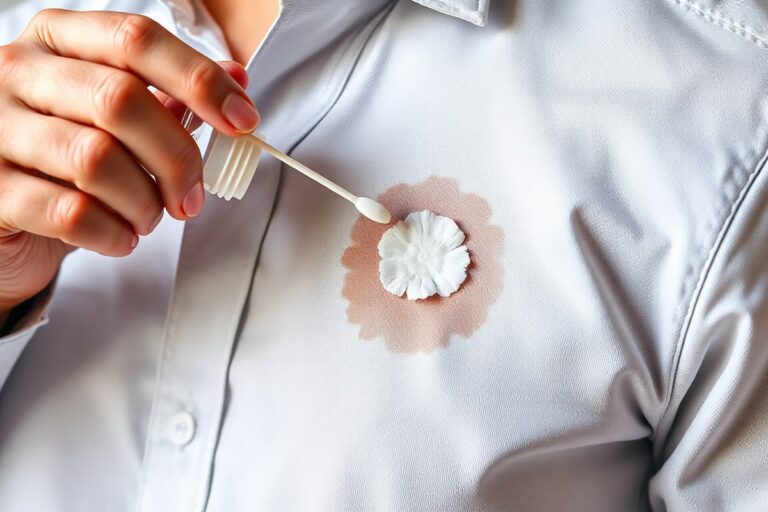
How to Clean Stains from Clothes: 8 Reliable Methods for Every Fabric
To clean stains from clothes effectively, act quickly by blotting the stain, applying the right treatment, and laundering as recommended. Use gentle, fabric-safe methods to avoid damage and increase your chances of full stain removal. Knowing the stain type and fabric helps you choose the best approach and avoid setting stains permanently.
This advice suits anyone who wants reliable, easy-to-follow methods for tackling stains at home. The steps outlined will help you handle common stains safely and restore your clothes, keeping them fresh and wearable without costly professional cleaning.
Key Takeaways
- Blot fresh stains gently within five minutes to prevent spreading or pushing the stain deeper.
- Identify the stain type before treatment, as protein, oil, and dye stains require different cleaning agents.
- Use a 50/50 mix of 3% hydrogen peroxide and water to treat grass stains effectively.
- For yellow or deodorant stains on whites, soak fabric in hydrogen peroxide mix for 30 minutes before washing.
- Apply a paste of baking soda and water to stubborn stains, then soak the garment for 30 minutes before washing.
- Cold water soaks are best for juice and protein stains to prevent setting before washing or stain remover use.
1. How to Remove Stains from Clothes Quickly and Safely

Acting fast is the key to removing fresh stains safely and effectively. The fastest way to clean stains starts the moment you notice the spill. Avoid rubbing the stain because it pushes the substance deeper into the fabric, making it harder to remove. Instead, blotting with a clean cloth or paper towel lifts the stain gently without damaging the fibers. Using the right water temperature also matters: cold water works best for protein-based stains like blood or sweat, while warm to hot water can help break down oil-based stains like grease. Never put stained clothes in the dryer before treating the stain because heat sets the stain permanently. Follow these steps to treat fresh stains quickly and safely:
- Remove excess material: Use a spoon or dull knife to gently scrape off any solids from the stain without spreading it.
- Blot the stain: Take a clean white cloth or paper towel and press it gently on the stain to absorb as much as possible. Do not rub or scrub.
- Rinse with the right water temperature: Hold the stained area under cold running water if the stain is protein-based (e.g., blood, sweat). For oily stains, use warm to hot water, around 100°F to 120°F, to help dissolve the grease.
- Apply a stain remover or liquid dish soap: Use a few drops of dish soap or a dedicated stain remover. Gently rub it into the fabric with your fingers or a soft brush.
- Soak the garment if needed: For tougher stains, soak the clothing in cold water for 15 to 30 minutes. Avoid hot water if the stain is protein-based to prevent setting.
- Check before laundering: Wash the stained item separately or with similar colors to avoid staining other clothes.
- Avoid the dryer: Do not dry the clothing until the stain is completely removed, as heat will set the stain permanently.
These actions generally take only a few minutes and cost very little, often just the price of dish soap and water. Quick response increases the chance of completely removing the stain and keeps your clothes looking fresh longer. Blotting instead of rubbing preserves the fabric’s integrity and avoids pushing the stain deeper. Rinsing with the correct water temperature is another simple but effective way to weaken the stain before washing. Skipping drying until after the stain is gone prevents permanent damage.
2. Identifying Stain Types and Their Characteristics

Correctly identifying the type of stain on your clothes is key to treating it effectively. Stains can be broadly grouped into protein-based, tannin, oil-based, dye, and ink types, each needing specific care. For example, protein stains come from substances like blood, egg, or sweat and often respond best to cold water treatments to avoid setting. Oil-based stains, like grease or cosmetics, may require warmer water and stronger detergents. Tannin stains come from coffee, tea, or juice and usually respond well to soaking in cold water with a mild acid like vinegar. Ink and dye stains can be stubborn and often need specialized removers, with attention to fabric safety.
Understanding the stain type helps you avoid mishaps like using hot water on blood stains, which can set them permanently. Different stains also require specific treatment times and methods. Using the right water temperature and stain remover can make the difference between lifting the stain completely or damaging the fabric. Below is a table summarizing these common stain types, their sources, recommended initial treatment, and key notes to help you identify and respond appropriately.
| Stain Type | Common Sources | Initial Treatment | Notes |
|---|---|---|---|
| Protein | Blood, egg, sweat, vomit, urine, glue | Rinse in cold water, soak if needed | Avoid warm/hot water; soak whites with 3% hydrogen peroxide for stubborn stains |
| Tannin (Water-Based) | Coffee, tea, juice, wine | Soak in cold water 30 min; treat with white vinegar | Cold water prevents setting; use mild acid for stain lift |
| Oil-Based | Grease, cosmetics, cooking oil | Apply liquid detergent; may use warm water | Check fabric care label; warm water often helps dissolve oils |
| Dye | Colored sauces, colored drinks, fruits | Use detergent or stain remover; treat promptly | May require multiple steps for combination stains |
| Ink | Pen, marker, printer ink | Blot gently; apply ink-safe stain remover | Check fabric label; some removers damage delicate fabrics |
Stains often contain multiple components, such as red sauce that combines oil and dye. These need a stepwise approach, starting with oil removal, followed by treating the dye. Prompt treatment matters a lot, especially for protein stains, which are easier to remove when fresh. For instance, rinsing fresh blood stains thoroughly under cold water can prevent permanent setting. Avoid rubbing aggressively, which can spread the stain or damage the fabric fibers.
Use cold water first for protein stains like blood or sweat to prevent them from setting; hot water can make these stains permanent.
3. Best Household and DIY Stain Removers Explained
Common household products like baking soda, hydrogen peroxide, dish soap, and vinegar can effectively remove many stains from clothes. These DIY stain removers work well on specific types of stains and fabrics when used correctly. Knowing which one to choose and how to apply it preserves your clothes and improves stain treatment results.
Baking Soda and Its Uses
Baking soda is a natural absorbent that excels at drawing out oil-based stains and freshening fabrics. To treat grease or oil stains, sprinkle dry baking soda liberally on the affected area to soak up excess oil. Let it sit for 15 to 30 minutes, then brush off the powder before laundering as usual. For tougher stains or odors, you can make a paste by mixing 6 tablespoons of baking soda with ⅓ cup of warm water. Rub this paste gently onto the stain and leave it for at least 30 minutes before washing.
Besides stain removal, baking soda also softens fabric and neutralizes odors, making it a multipurpose agent in laundry care. It is safe on most fabrics but avoid overusing it on delicate materials like silk or wool, which can be damaged by abrasives. Baking soda is inexpensive and easy to keep on hand, typically costing just a few dollars per box and lasting for many treatments.
Hydrogen Peroxide for Whites
Hydrogen peroxide acts as a mild bleaching agent and is especially effective at removing stains from white clothing. You can apply it directly to stubborn spots such as blood, wine, or sweat stains. For red wine stains, a popular home remedy involves mixing hydrogen peroxide with a bit of dish soap, applying it to the stain, and letting it sit for about 15 minutes before rinsing.
Hydrogen peroxide usually comes as a 3% solution, which is gentle enough for most white fabrics but can cause bleaching if left too long. Use it sparingly and rinse thoroughly after treatment. Avoid using hydrogen peroxide on colored fabrics, as it can remove color or cause uneven fading. It is affordable and widely available in drugstores, making it a convenient option for targeted stain removal on whites.
Dish Soap Against Grease and Oil
Dish soap is designed to cut through grease and oil, making it a trusted stain remover for food stains. Apply a small amount of clear, mild dish soap directly to the stain and gently rub it in with your fingers or a soft brush. Let it sit for 5 to 15 minutes before rinsing with warm water. This method works well on oil-based stains like salad dressing, butter, and cooking grease.
Dish soap is usually safe on most washable fabrics, but it’s best to test a small hidden area first, especially on delicate or colored clothing. Avoid soaps with added dyes or antibacterial agents that might irritate sensitive skin or affect fabric colors. Dish soap costs only a few dollars for a bottle that can treat many stains efficiently, making it a handy item for quick spot cleaning.
Vinegar Applications and Precautions
White vinegar can remove stains and odors while acting as a natural fabric softener. A popular home remedy is mixing 4 cups of water, 1 tablespoon of dish soap, and ¼ cup of white vinegar, then applying this solution with a sponge onto minor stains to soak the area before washing. Vinegar works well on sweat stains, deodorant marks, and some food stains.
However, vinegar is acidic and may cause color fading or fabric weakening if used excessively, especially on delicate, brightly dyed, or synthetic fabrics. Use vinegar sparingly, and avoid soaking colored clothes in it for long periods. Lemon juice shares vinegar’s mild bleaching qualities but should be used mainly on whites since it can cause fading on colored fabrics. Adding 1 cup of lemon juice to the wash cycle can brighten white clothes gently.
In case lemon juice gets onto colored clothes, white vinegar can help remove the lemon juice safely. Both vinegar and lemon juice are inexpensive and readily available, but caution is necessary to prevent damage while using these natural stain removers.
4. How Fabric Type Influences Stain Removal Techniques
The type of fabric significantly influences how you remove stains from clothes. Different materials tolerate stain removers and washing conditions differently, making it essential to match your cleaning method to the fabric to avoid damage. Knowing how to treat cotton, synthetics, wool, silk, and dry-clean-only items ensures effective stain removal without ruining your clothes.
Cotton and Linen: Durable Options
Cotton and linen are strong, breathable fabrics that can handle more aggressive stain removal methods than delicate materials. You can safely use oxygen-based bleach on whites and colorfast cotton or linen to brighten and lift stains without weakening fibers. Washing these fabrics in hot water usually improves stain removal, especially for set-in stains like sweat or tomato sauce. Pre-treating stains with detergent or a stain remover spray before washing boosts results. Avoid chlorine bleach on colored cottons to prevent fading or weakening. Overall, these fabrics let you use higher temperatures and stronger treatments with less risk of damage, making them easier to clean thoroughly.
Delicates and Silks: Gentle Care Needed
Silk and other delicate fabrics require extra caution with stain removal to avoid fiber damage or discoloration. Always check the care label before treating stains. Avoid bleach entirely, including oxygen bleach, as it can strip color and weaken delicate fibers. Use mild detergent or a specialized silk cleaner and cold water for washing after gentle stain pre-treatment. Enzyme cleaners should generally be avoided because they can degrade silk proteins. Dab the stain gently rather than rubbing and air dry to maintain fabric integrity. Spot testing any treatment on a hidden area is important to prevent unpleasant surprises.
Wool and Cashmere: Special Enzyme Use
Wool and cashmere require careful handling due to their protein-based fibers. Washing in warm water with a wool-specific detergent helps preserve softness and shape. Some enzyme cleaners can safely break down protein stains like sweat or food but must be formulated for wool to avoid fiber damage. Never use chlorine bleach, and avoid hot water that can shrink or felt the fabric. Gently blot stains and avoid scrubbing. Wool is particularly sensitive to harsh agitation; hand washing or delicate machine cycles are best. Keeping stains out of the dryer until fully removed helps maintain texture and fit.
Synthetics and Blends: Watch Temperature
Polyester, nylon, and other synthetic fabrics handle many stain removers well but can be damaged by high heat. Wash synthetics in warm or hand-hot water rather than hot to prevent melting or warping fibers. Oxygen bleach is safe for most synthetics, but chlorine bleach can cause yellowing or degradation. Pre-treat stains with a mild detergent and avoid excessive scrubbing. Many synthetics resist stains better but can trap oils and sweat, so early treatment is key. Blends require follow-up on the most delicate fiber in the mix for stain removal and washing temperatures. Always check the care label for the right water temperature and cleaning agents for blends.
Dry Clean Only: When to Avoid Home Remedies
Garments labelled dry clean only should not be treated with home stain removal methods such as bleach, water, or homemade solutions, which can ruin fabric and finishes. Spot cleaning might be possible with a gentle, fabric-safe, dry-clean-specific solvent, but it’s safest to take these items to a professional cleaner. Attempting to wash or use standard stain removers risks shrinking, distorting, or otherwise damaging the fabric. For minor stains, ask the dry cleaner about professional pre-treatment options. Saving these delicate pieces from home remedies ensures long-term preservation.
5. Handling Common Stubborn Stains with Targeted Methods
Stubborn stains require the right approach tailored to their nature. Grass, blood, ink, grease, and deodorant stains all respond best to specific treatments. Using targeted methods improves your chances of completely removing these tough marks without damaging your clothes.
Grass Stains and Outdoor Marks
Grass stains come from chlorophyll and plant pigments that often settle deeply into fabric fibers. They are common on children’s clothes, sports uniforms, and outdoor wear. Treating grass stains quickly is important since drying and heat can set the stain permanently.
The best approach involves enzyme-based stain removers or household hydrogen peroxide, which breaks down the organic compounds in the stain. Cold water rinsing before treatment helps prevent setting.
- Rinse the stained area under cold water to remove loose dirt and reduce stain setting.
- Apply an enzyme-based stain remover or a 3% hydrogen peroxide solution directly to the grass stain.
- Let it sit for 5 to 10 minutes to allow enzymes or peroxide to break down the pigment.
- Gently blot the stain with a clean cloth to lift loosened color.
- Wash the clothing in cold or warm water according to fabric care labels.
- Check the stain before drying, reapply treatment if the stain remains to avoid permanent setting.
Using hot water too soon can fix grass stains permanently; always start with cold water rinses.
Blood and Protein-Based Stains
Blood and sweat stains contain proteins that can coagulate and bond with fabric fibers, especially if treated with heat. Cold water is essential to prevent these protein stains from setting.
A gentle enzyme cleaner is effective to break down protein molecules, while hydrogen peroxide can also be useful on white or colorfast fabrics. Avoid hot water until the stain is fully lifted.
- Flush the stain with cold water immediately to remove as much blood or sweat as possible.
- Apply an enzyme stain remover or a small amount of 3% hydrogen peroxide to the stain.
- Allow it to sit for 15 minutes, checking periodically for fabric damage with peroxide.
- Blot gently to lift the stain without rubbing aggressively.
- Wash the item in cold water using an enzyme-based detergent.
- Repeat if any stain traces remain before drying.
Never use hot water on blood or sweat stains before treatment, it makes the stain permanent.
Ink and Marker Removal Strategies
Ink or permanent marker stains are tough because the pigments are designed to resist fading. Alcohol-based products help dissolve the ink, making it easier to lift from fabric fibers.
Rubbing alcohol or hand sanitizer with at least 60% alcohol can break down the ink. Careful blotting limits spreading. Avoid heat until fully treated.
- Place a paper towel under the stain to absorb ink.
- Dab the stain lightly with rubbing alcohol or an alcohol-based hand sanitizer using a cotton ball or clean cloth.
- Blot repeatedly, moving to a clean area of the cloth to avoid reapplying ink to fabric.
- Rinse with cold water after the stain starts to lift.
- Apply detergent and wash according to care instructions.
- Air dry and inspect; repeat alcohol treatment if necessary before drying.
Test alcohol on an inconspicuous part of the fabric first to avoid staining or damage.
Grease and Oil Stain Breakdown
Grease and oil stains come from cooking oils, motor grease, or cosmetics and are tough because they repel water. Dish soap designed to cut grease is ideal for breaking down these oily substances. Pre-treatment with dish soap followed by washing in warm water softens and removes the oil more effectively than regular detergent alone.
- Blot excess grease gently with a paper towel without rubbing further.
- Apply a few drops of grease-fighting dish soap directly to the stain.
- Rub the soap into the fabric gently using your fingers or a soft brush.
- Let it sit for 5 to 10 minutes but do not let soap dry on fabric.
- Wash the item in the warmest water safe for the fabric, following care labels.
- Check the stain before drying; repeat if grease remains, as drying can set stains permanently.
Avoid heat during drying until the grease stain is completely gone to prevent setting.
Yellowing and Deodorant Treatments
Yellow stains, especially around armpits, often come from deodorant buildup mixed with sweat. These stains can damage fabric fibers if left untreated and cause discoloration.
Baking soda paste and white vinegar provide an effective, mild treatment for these spots without harsh chemicals. Mayonnaise is sometimes mentioned as a home remedy for grease stains due to its oil content but is not recommended for deodorant or protein stains because it can add residue and make cleaning harder.
- Mix baking soda with enough water to form a thick paste.
- Apply the paste directly to yellowed areas and gently rub it into the fabric.
- Let the paste sit for 30 minutes to break down buildup.
- Rinse with cold water.
- If stains persist, soak the area in white vinegar for 15 minutes and rinse again.
- Wash normally in cold or warm water and air dry.
Mayonnaise can make greasy stains worse and is not effective for deodorant or sweat marks.
6. Water Temperature and Washing Tips for Different Stains
Water temperature plays a key role in removing stains effectively. Cold water, defined as roughly 65-75°F, is the safest starting point for unknown stains because hot water can set certain stains, making them harder to remove. For protein-based stains like blood, use cold water to prevent setting. Warm water, about 85-105°F, works well for most stains including greasy ones, while hot water (120-140°F) can be used cautiously on durable fabrics and oil-based stains, but always check your garment’s care label first to avoid fabric damage.
Sorting laundry by wash temperature is essential. Wash stained clothes separately or with similar items to prevent dye transfer and ensure targeted stain treatment isn’t diluted. Larger or more visible stains benefit from pre-treating with liquid laundry detergent rubbed directly into the spot before washing in cold water. For example, a tablespoon of liquid detergent applied and gently rubbed in will boost cleaning without spreading the stain.
Select detergents based on the stain type. Enzyme-based detergents work best for protein stains like grass or blood because enzymes break down proteins effectively. For greasy stains, choose detergents specifically designed to tackle oils. Sensitive Laundry Liquid or clear liquid detergents can be gentler options for delicate fabrics or mixed loads. Avoid powdered detergents for stains that require direct pre-treatment as they may not dissolve fully in cooler water.
When a stain persists after washing, do not put the garment in the dryer, as heat will set the stain permanently. Instead, dampen the area with a cleaning solution made from ¼ teaspoon dishwashing liquid mixed in 1 cup of warm water. Use a sponge to gently work the solution into the stain, blotting repeatedly to lift the residue. Between applications, wet the area with warm water to keep it moist. Allow the fabric to sit for about 30 minutes before rewashing with enzyme-based or grease-targeted detergent, depending on the stain.
Follow all stain removal product directions carefully since these instructions are designed for the best results. When washing, choose cold or warm water as a default for staining uncertainty. Hot water is reserved for established situations where the fabric and stain type are compatible. Sun drying is an additional natural option for fading stubborn stains, but avoid this if the fabric or dye is prone to sun damage.
By sorting laundry carefully, using the right detergent, selecting appropriate water temperature, and treating stains promptly and gently, you increase your chances of completely removing stains without damage. Persisting stains require repeated pre-treatment and cold rewashing rather than drying, with spot cleaning between washes to avoid setting them further.
7. Mistakes That Make Stains Worse and How to Fix Them
Drying stained clothes before treating the stain is a common mistake that can make the stain permanent. The heat from the dryer sets whatever residue remains, embedding the stain into the fabric fibers. Avoid putting stained garments in the dryer until the stain is fully removed. A dried-in stain becomes much harder to lift with typical home methods and may require extra treatment.
Incorrect bleach use can also worsen stains. Using bleach on protein-based stains like blood or sweat, especially with hot water, can cause the stain to set deeper. Always check fabric care labels and identify the stain type before applying bleach or other strong chemicals. Choosing the wrong stain remover or using heat with the wrong stain can make removal impossible.
Treating stains promptly is important. Many stains begin to set within a week, so the sooner you act, the better your chances of removal. Immediate treatment prevents the stain from bonding with fabric fibers. For fresh stains, gently blot excess liquid, rinse with cold water if protein-based, and apply a stain remover quickly.
- Do not use the dryer on stained items until the stain is gone.
- Avoid hot water for protein stains; use cold water instead.
- Treat stains as soon as possible, ideally within minutes.
- Test bleach on an inconspicuous area before use.
- After a stain sets, repeat soaking and pretreating instead of drying the garment.
- Check garment washing instructions before attempting stain removal.
For a stain that has already dried, soak the item in cold water with a stain remover for several hours or overnight to loosen it. Gently scrub or blot the area before rewashing. Do not dry the item until you confirm the stain is gone because heat will set it. In cases where home methods fail, professional cleaning may be necessary. Dry cleaners use specialized solvents and techniques that can remove set stains safely without harming the fabric.
These precautions help avoid making stains worse and increase your chances of restoring clothing. Careful assessment of the stain type, immediate action, avoiding heat before stain removal, and correct product use are key to effective cleaning and keeping your clothes looking their best.
8. When to Seek Professional Cleaning Advice or Services
Professional cleaning is the best choice when your stain resists multiple home treatments, especially on delicate or valuable fabrics. For example, if you’ve tried gentle stain removers several times and the mark still won’t budge, calling a professional cleaner can prevent further fabric damage. Delicate materials like silk, wool, or “dry clean only” garments often require specialized care that home methods can’t safely provide. Professionals use solvents and techniques that maintain fabric integrity while targeting stubborn stains.
Persistent stains such as ink, oil-based substances, or dye transfers sometimes need professional attention. Treatments at home may set these stains deeper or cause fading, so it’s better to let experts handle them. Also, unusual stains like paint, tar, or blood mixtures require skills and products usually unavailable for home use.
Professionals differ from DIY cleaning by having access to industrial-grade solvents and precise equipment like steam cleaning or ultrasonic machines. Their methods effectively break down stain molecules while respecting fabric fibers. Often, they perform spot tests to choose the right treatment, something most home setups lack. For garments labeled “dry clean only,” they apply proper dry-cleaning agents without risking water damage or shrinkage.
When you hand over a stained item, clearly explain the stain’s origin and what you’ve already tried. This information helps the cleaner avoid repeating ineffective treatments and guide their approach. For example, say, “It’s a red wine stain from two days ago, treated twice with cold water rinse and a stain remover, but it’s still visible.” Be honest about the fabric’s age and any prior damage so they can adjust cleaning methods accordingly.
The decision rule for choosing professional help is straightforward: if the stain persists after your initial safe attempts or the fabric is valuable or delicate, opt for professional cleaning. Consider costs as well; dry cleaning can range from $5 to $30 per item depending on fabric and treatment type. While pricier than home washing, professional care can save clothes you might otherwise discard.
Waiting too long allows stains to set because time and heat cause them to bond with fibers. Promptly seek help if unsure how to proceed or if your treatments haven’t worked within 24 to 48 hours. Leaving tough stains untreated increases the chance of permanent damage.
Always tell your cleaner what the stain is and what you’ve done to treat it to avoid chemical reactions or repeated damage during professional cleaning.
Step-by-Step Action Plan for Removing Stains from Clothes
Follow these practical steps to tackle stains effectively and protect your clothes from damage.
- Immediately after the stain occurs: Blot the stain gently with a clean cloth or paper towel to absorb excess liquid; avoid rubbing to prevent spreading.
- Within the first 30 minutes: Identify the type of stain to choose the appropriate remover (e.g., grease, protein, dye); confirming the stain type helps ensure effective treatment.
- Before washing: Pre-treat the stain with a household remover suited for the fabric and stain type, such as liquid detergent or a DIY mix; the stain should start fading visibly.
- Set the washing machine: Select the correct water temperature based on fabric care labels and stain; for example, hot water generally works for grease, but cold is better for blood stains.
- After washing: Check the stained area before drying; if the stain remains, repeat pre-treatment, drying can set stains permanently.
- When the stain persists: Try other focused solutions like soaking in enzyme cleaner or using rubbing alcohol carefully; a successful approach reduces the stain clearly without harming the fabric.
- When all home methods fail: Reach out to a professional cleaner or bring your garment to one; these experts can handle stubborn stains and delicate materials not suitable for home treatment.
Frequently Asked Questions
Can Toothpaste Remove Stains?
Toothpaste can remove some stains, especially on white or light fabrics, by gently scrubbing the area with a small amount. Avoid toothpaste with gels or added colors, which may cause more staining.
How Can I Make a DIY Stain Remover for Clothes?
Mix equal parts liquid dish soap and hydrogen peroxide, apply it to the stain, let sit 15 minutes, then wash. This homemade remover targets many common stains effectively.
What Is the Best Stain Remover for Clothes?
A liquid detergent or stain remover designed for pretreating stains works best, applied directly and left to sit 15 minutes before washing. It breaks down most common stains, including grease and protein-based ones.
Can You Remove a Stain After It’s Set?
Removing set-in stains is harder but possible using stronger treatments like a paste of hydrogen peroxide and baking soda. It requires soaking and repeated treatments for stubborn or old marks.
Does Salt Help Remove Stains from Clothes?
Yes, salt can help absorb fresh stains like blood or wine when sprinkled immediately, preventing deeper fabric penetration.
Is Hot Water Better for Removing Stains?
Hot water can set protein stains like blood, so use cold water first, then warm for others depending on fabric and stain type.
Key Points to Remember
Stain removal takes patience and the right approach, matching methods to stain type and fabric. Acting quickly and carefully increases your chances of success without damaging clothes. Start by spotting and treating stains early, and don’t hesitate to seek expert help when needed to preserve your garments long term.