How Can I Clean My Sofa: 8 Proven Methods for Deep, Safe Cleaning
To clean your sofa effectively, start by vacuuming to remove dust and debris, then treat stains based on their type with appropriate cleaners. Use baking soda to lift odors and absorb grease, and remember to test any cleaner on a small fabric area first. Leather sofas should be conditioned every 6 to 12 months to stay supple and clean.
This guide is for homeowners and renters looking for safe and deep sofa cleaning methods. You’ll find clear steps for handling different fabrics, stains, and maintenance tips to keep your sofa fresh between deep cleans.
Key Takeaways
- Vacuum your sofa thoroughly before applying any cleaning solution to remove loose dirt and dust.
- Use baking soda on cushions for 15 to 30 minutes, then vacuum to deodorize and absorb stains.
- For grease or oil stains, sprinkle baking soda or cornstarch and let it sit for 15 to 20 minutes before vacuuming.
- Test cleaners on a hidden spot of your sofa fabric to avoid damage or discoloration.
- Apply leather conditioner every 6 to 12 months to keep leather sofas soft and protected.
- Use a standard 32 oz spray bottle for even application of upholstery cleaners.
1. How to Clean Your Sofa Effectively at Home
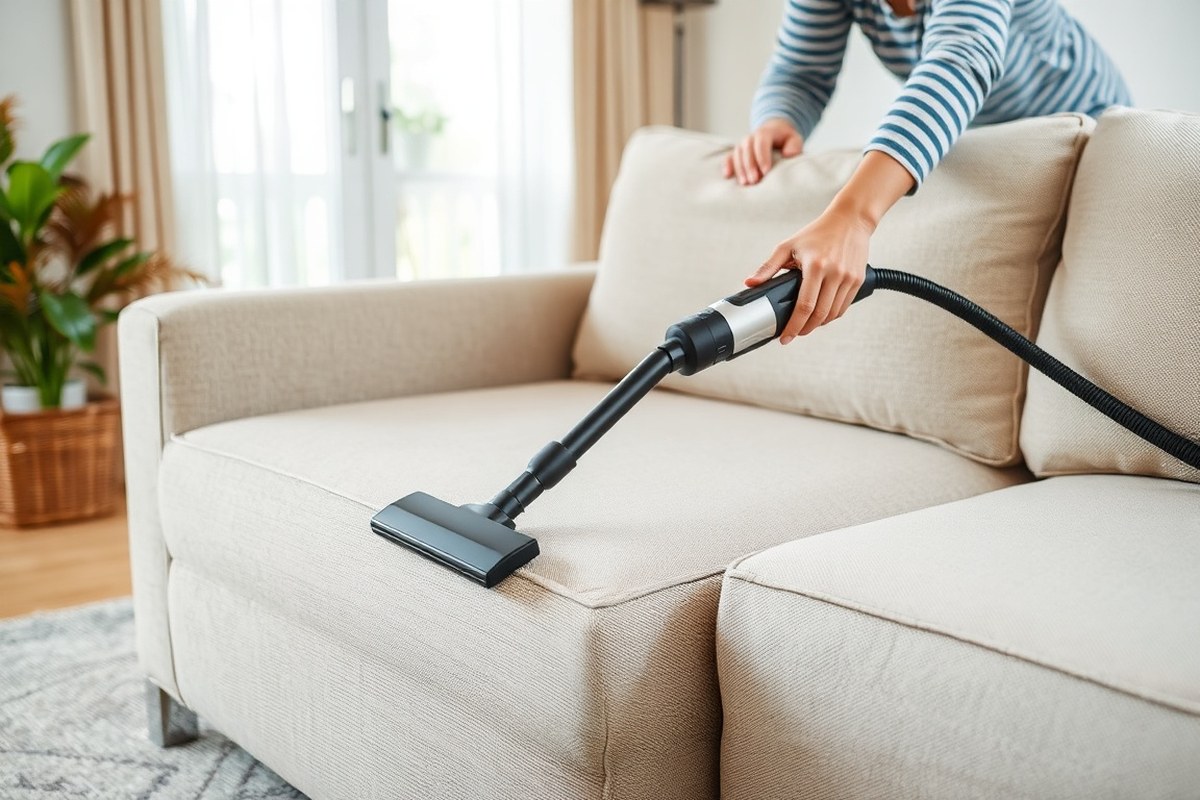
Cleaning your sofa at home starts with the right preparation and tools to avoid damage and achieve a fresh look. Before you begin, clear the sofa of cushions and debris, and test any cleaning solution on a hidden spot to ensure it won’t harm the fabric. You typically need a handheld vacuum, a microfiber cloth, a mild fabric cleaner or homemade mixtures like baking soda and vinegar, and optionally, a fabric brush for deeper dirt.
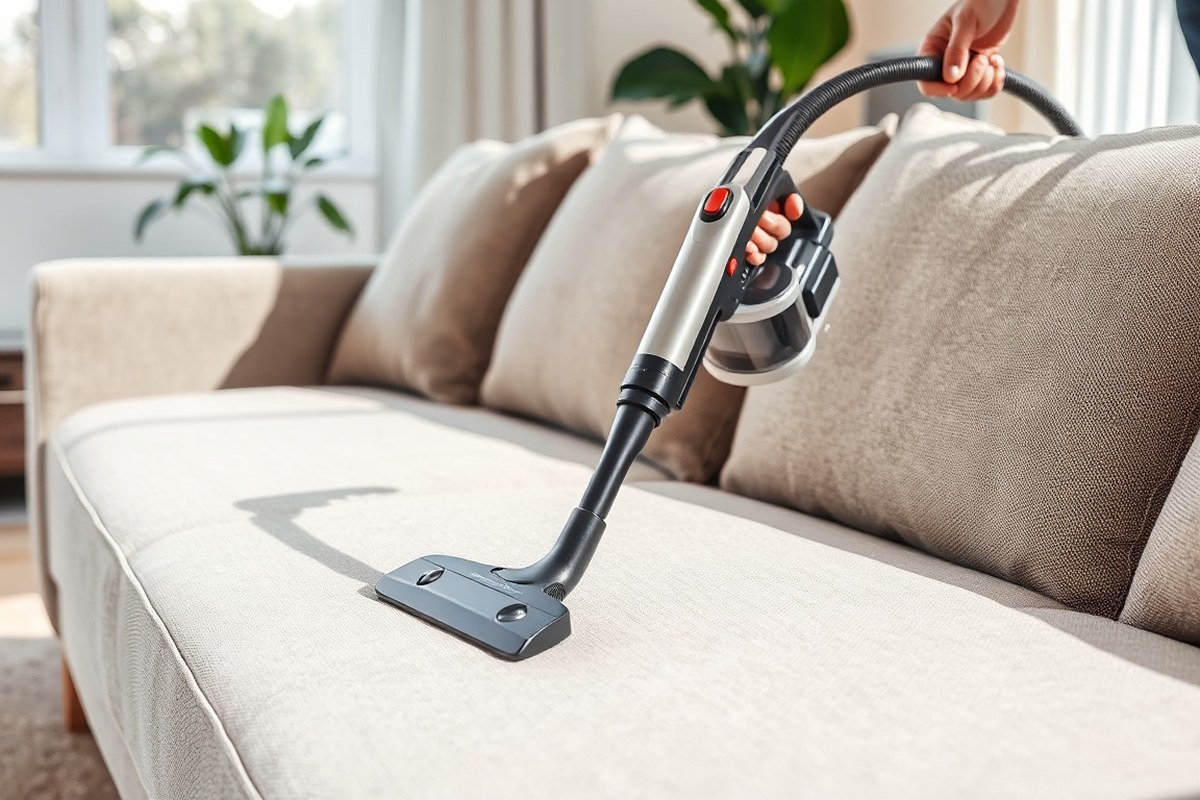
- Vacuum the sofa thoroughly. Use a handheld vacuum to clean all surfaces, focusing on seams and crevices to remove dust, pet hair, and crumbs. This prevents dirt from embedding further into the fabric during cleaning.
- Spot test your cleaner. Apply a small amount of your chosen cleaner on an inconspicuous area. Wait 10 to 15 minutes to check for color change or damage. If the sofa fabric tolerates it, proceed with full cleaning.
- Mix a gentle cleaning solution. For a common homemade cleaner, dissolve a small amount of dish detergent or a dishwasher pod in warm water. Alternatively, sprinkle baking soda over stains to absorb odors and let it sit for 15 minutes before wiping.
- Apply the cleaner carefully. Dampen a microfiber cloth with the solution and gently rub the fabric using circular motions. Avoid soaking the fabric, as excess water can cause stains or damage the sofa’s frame.
- Address any stubborn spots. For tougher stains, dab with a mixture of white vinegar and water (equal parts), then blot dry immediately. Always follow with a clean damp cloth to remove residue from cleaning agents.
- Rinse and dry. Wipe the sofa with a cloth dampened with plain water to remove all cleaning solution. Then, blot excess moisture with a dry towel, and open windows or use fans to speed up drying. Never sit on the sofa until fully dry, as this can cause re-soiling.
- Restore cushions and fluff fabrics. After drying, replace cushions and use your hands or a fabric brush to fluff the fabric, bringing back its texture and comfort.
This process takes about 30 to 45 minutes, depending on your sofa’s size and soil level. Regular monthly vacuuming combined with immediate spot cleaning after spills can help keep your sofa in good condition between deep cleans. Avoid harsh chemicals or soaking the fabric to prevent color fading and structural damage.
2. Understanding Sofa Fabric Codes and What They Mean
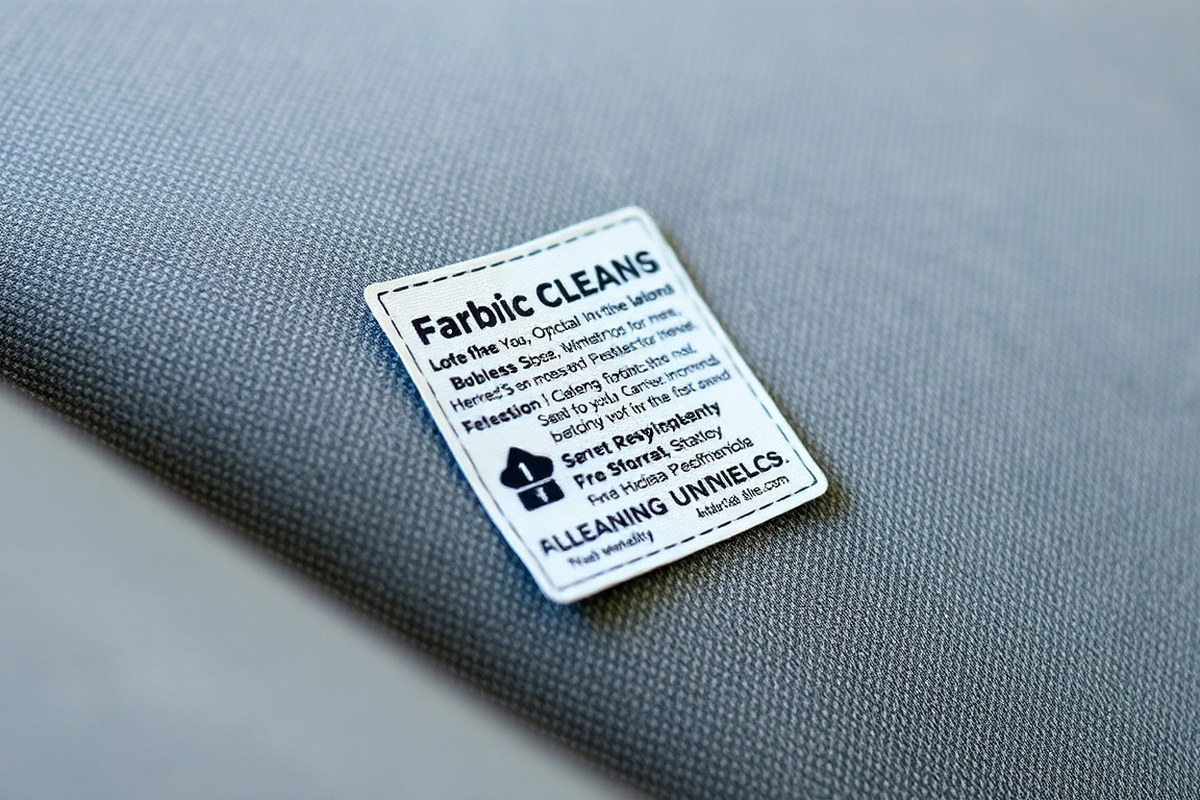
Sofa fabric cleaning codes tell you which cleaning methods are safe to use without damaging the fabric. The most common codes you’ll see on manufacturer tags are W, S, WS, and X. Each letter stands for the type of cleaner or process that suits your sofa fabric best, helping you avoid mistakes that could ruin the upholstery or cause stains to set permanently.
Before trying any cleaning method, always check the tag often found on cushions or under sofa skirts. This tag usually includes a cleaning code, fabric details, and sometimes specific care instructions. Use this information to choose cleaning products and techniques that match your sofa’s fabric.
| Cleaning Code | Safe Cleaning Method | How to Use It |
|---|---|---|
| W | Water-based cleaners | Use mild detergent mixed with water. Apply with a soft cloth. Avoid soaking fabric. Test on a hidden area first. |
| S | Solvent-based cleaners | Use dry-cleaning solvents only. No water. Apply spot cleaner or upholstery solvent on stains carefully, with ventilation. |
| WS | Either water or solvent cleaners | You can use mild detergent and water or dry solvent cleaners. Start with water-based methods for safety, then try solvent if needed. |
| X | Vacuum or light brushing only | Do not apply any liquids. Clean with vacuum upholstery attachment regularly. For stains, professional cleaning is usually recommended. |
Knowing these codes matters because using the wrong cleaner can cause fabric to bleed, shrink, or degrade quickly. For example, using water on a solvent-only fabric may cause spots to spread or leave rings. Also, solvent cleaners can leave harmful residues or fumes if misused. When in doubt, match the cleaning method exactly with the tag code.
For regular maintenance, use a vacuum with an upholstery attachment weekly to remove dust and crumbs, especially for X-coded fabrics that can’t handle liquids. When spot cleaning, test your chosen cleaner on an inconspicuous area of the sofa, wait 15 minutes, then check for any discoloration.
Always check your sofa’s tag before cleaning and test any cleaner on a small hidden spot first to prevent permanent damage.
3. Removing Tough Stains: Methods by Stain Type
Act quickly to remove tough stains from your sofa, targeting the type of stain with the right cleaning method. Grease, pet urine, wine, and food each require a specific approach to prevent damage and keep your sofa looking and smelling fresh.
Grease and Oil Stain Removal
Grease and oil stains are tricky because they can soak deeply into sofa fabric. The best way to tackle these stains is to absorb the grease before it sets. Sprinkle baking soda or cornstarch generously over the stain and let it sit for 15 to 20 minutes. This powder will break down the grease and absorb excess oils.
After the waiting period, vacuum the powder off thoroughly. Any remaining stain calls for a mild cleaning solution made from ¼ teaspoon dish soap mixed into 1 cup warm water. Spray the solution on the spot and gently rub with a clean, dry cloth, being careful not to saturate the fabric.
Cleaning Pet Stains and Odors
Pets often leave behind urine that can stain and cause persistent odors. Start by blotting up as much of the liquid as possible using paper towels or an old cloth, avoid rubbing, as this can spread the stain. Next, prepare a 1:1 mixture of white vinegar and water. Spray the solution lightly onto the stained area to neutralize odors and break down stain molecules.
- Baking soda for initial absorption of fresh stains
- Vinegar-water mix for odor neutralization and stain breakdown
- Blot excess liquid immediately to prevent spreading
- Use enzyme cleaners like Bissell Professional Pet Stain & Odor Remover for stubborn stains
- Place a towel between fabric and cushion foam to protect padding from moisture
Let the treated area air dry completely before using the sofa again. Repeat the treatment if odors or stains linger.
Handling Wine and Food Spills
Wine and food can stain quickly, so address spills immediately. Blot any liquid gently with a clean cloth to absorb as much as possible. For water-safe fabrics, use a simple homemade mix of ¼ teaspoon dish soap in 1 cup warm water to blot the stain. Avoid rubbing aggressively, which can spread the stain and damage fibers.
For a leather sofa, dip a microfiber cloth into the cleaning solution, gently wipe the stain, then dry the spot with a clean microfiber cloth to avoid moisture damage. For stubborn red wine stains, blot with white wine or club soda before applying the dish soap solution.
Natural Cleaning Solution Recipes
Natural cleaners offer a gentle option that works well on many sofa fabrics, especially when you want to avoid harsh chemicals. Here are a few effective recipes you can make at home:
- Dish soap solution: ¼ teaspoon dish soap + 1 cup warm water, good for most water-safe fabrics
- White vinegar mix: ½ cup white vinegar + ½ cup water, ideal for pet odors and urine stains
- Baking soda paste: Baking soda + water to form a paste, used on grease stains and deodorizing
Test any solution on a hidden area first to ensure it won’t discolor or damage your fabric. Apply gently and allow the solution to sit for up to 30 minutes to effectively break down stains before blotting or vacuuming.
4. Cleaning Different Types of Sofas Safely
Cleaning your sofa safely depends greatly on the material. Leather sofas require gentle care to prevent cracking and wear. Start by vacuuming loose dirt thoroughly, as dirt can cause damage if ground into the leather. Use a leather cleaner or a mild soap solution designed for leather, applied with a soft cloth. Avoid harsh chemicals or bleach that can strip the leather’s finish. After cleaning, condition the leather to keep it supple. This process typically takes about 15 to 30 minutes and can cost $10 to $30 for leather cleaner and conditioner products.
Velvet sofas are more delicate and sensitive to sunlight, which can fade their rich colours. Keep them out of direct sunlight to maintain their look. Steam cleaning is particularly effective for velvet, as it removes creases and restores the fabric’s smoothness. Use a handheld steamer or a fabric steamer designed for upholstery, applying steam carefully without soaking the fabric. Avoid aggressive scrubbing or harsh chemicals, which can damage the pile. Velvet cleaning takes 10 to 20 minutes and requires patience to let the fabric dry fully before use.
Performance fabrics, such as Revolution Performance Fabric, have unique care instructions. These fabrics are designed to resist stains and wear but still require proper cleaning methods. Generally, mild soap and water or upholstery cleaners approved by the manufacturer are safe. Avoid bleach or harsh chemical agents. Check your specific fabric’s care code to determine whether steam cleaning is suitable. Some performance fabrics tolerate steam cleaning, while others do not. Overzealous cleaning or using unapproved products can void warranties or cause irreversible damage.
| Sofa Material | Cleaning Method | What to Avoid | Key Tips |
|---|---|---|---|
| Leather | Vacuum, mild soap or leather cleaner, condition | Harsh chemicals, bleach, excessive water | Vacuum dirt first; condition after cleaning |
| Velvet | Handheld steam cleaner, gentle brushing | Direct sunlight, harsh scrubbing, chemicals | Use steam to remove creases; keep away from sun |
| Fabric (general) | Vacuum, gentle soap, optional steam cleaning | Bleach, strong detergents | Check fabric code; do not overwet fabric |
| Performance Fabric | Manufacturer-approved mild soap, water; some accept steam | Bleach, unapproved chemicals | Follow specific fabric care instructions; confirm steam compatibility |
For delicate or specialty fabrics like silk or those labeled with consumer fabric codes indicating sensitivity, it’s wise to avoid self-cleaning unless you have clear manufacturer instructions. Instead, opt for professional cleaning, especially with heavily soiled or stained upholstery. Improper cleaning on delicate materials can cause color loss, fabric weakening, or shrinkage. Always test cleaning products on a small hidden area before full application to see how your sofa fabric reacts.
5. Is Steam Cleaning Safe for My Sofa?
Steam cleaning can be safe for many sofas but not all fabrics handle moisture and heat well. Knowing your sofa’s fabric type and testing a small area first helps avoid damage. Proper technique and precautions ensure you get a clean sofa without shrinking or staining.
Identifying Fabrics Suitable for Steam Cleaning
Most synthetic blends like polyester and nylon handle steam cleaning well because they resist stains and dry relatively fast. Steam cleaning is less safe for natural fabrics such as cotton, linen, or silk because excessive moisture and heat can cause shrinking or color bleeding. Sofas labeled with a solvent-only code (often “S”) should not be steam cleaned and require professional care to avoid damage.
To decide if steam cleaning is an option, check the care tag on your sofa. Fabrics marked with “W” or “WS” codes can usually tolerate water-based cleaning, including steam. You won’t see a clear tag, so do a spot test on a hidden corner by applying steam briefly and checking for any color change, shrinkage, or texture shift over 24 hours.
Steps to Steam Clean Your Sofa Safely
Start by vacuuming your sofa thoroughly to remove dust, hair, and crumbs. This prevents dirt from settling deeper when you apply steam. Use a handheld steam cleaner or a steam iron set to the lowest upholstery setting. Keep the device moving slowly over the fabric, allowing just the steam to penetrate without soaking the material.
Focus on one section at a time, avoiding over-wetting. After steam cleaning, wipe the sofa with a cloth lightly dampened in plain water to remove any soap or residue left by the cleaning solution. Allow your sofa to air dry completely in a well-ventilated space, ideally within a few hours, to prevent mold or mildew. Avoid steaming cushions with foam fillings for longer than a few seconds as this may cause them to hold moisture.
Avoiding Common Steam Cleaning Mistakes
Do not use steam cleaning on solvent-only fabrics to prevent irreversible damage. Over-steaming can saturate your sofa, leading to longer drying times and potential mold growth. Also, avoid using harsh chemical detergents together with steam, as this combination can weaken fabric fibers or cause discoloration.
Make sure to keep the steam device at least 6 to 12 inches away from the fabric surface to regulate heat and moisture levels. Your sofa may have delicate trims or wooden parts; cover those areas with a dry cloth or plastic wrap to protect them during cleaning.
Always test steam cleaning on a small, hidden section of fabric and wait 24 hours to check for adverse effects before treating the whole sofa.
6. Drying and Deodorizing Your Sofa After Cleaning
Drying your sofa thoroughly after cleaning is essential to prevent mold, mildew, and unpleasant odors. Typically, your sofa should dry completely within 6 to 12 hours, but this depends on the room’s humidity and airflow. You’ll know it’s sufficiently dry when the fabric feels dry to your touch and no damp spots remain, especially under cushions and seams. Leaving moisture behind can cause mildew growth that damages your sofa and creates lasting smells.
To speed up drying and reduce the risk of mold, open windows for good air circulation or use a fan aimed at your sofa. Avoid direct heat like hair dryers on high settings since this can damage delicate fabrics. For faster drying, take cushions outside if weather permits. Keep your home at a comfortable temperature, ideally around 70°F (21°C), as cooler or more humid environments slow drying times.
- Open windows or turn on fans to improve air flow
- Remove cushions and dry them separately if possible
- Avoid direct sunlight for sensitive or colorful fabrics to prevent fading
- Use a fabric-safe deodorizing spray after drying to freshen the sofa
- Sprinkle baking soda over cushions and upholstery before cleaning or after drying
- Vacuum thoroughly to remove baking soda powder and trapped odors
- Repeat deodorizing monthly or after spills to maintain freshness
Baking soda is a low-cost and effective deodorizer you can use safely on most fabric sofas. Sprinkle about 1/4 cup evenly over cushions and fabric surfaces, let it sit 15 to 30 minutes (up to an hour for stronger odors), then vacuum thoroughly. This absorbs smells and moisture. For sofas marked W and W/S, you can mix baking soda with a small amount of water and mild dish soap to form a paste for stain removal and deodorizing. Always test this on a hidden area to avoid damage.
Once dry, applying a commercial fabric refresher or a diluted white vinegar spray (test first) can help neutralize odors, but avoid saturating the sofa. Consistent drying and deodorizing prevent mold buildup and keep your sofa smelling fresh between deep cleans.
7. Maintaining Sofa Cleanliness Between Deep Cleans
Keeping your sofa clean between deep cleans involves regular vacuuming, protecting the fabric with covers, and caring for the cushions. These habits reduce dust build-up, prevent stains, and help your sofa maintain its shape and comfort over time.
Vacuuming and Dust Removal
Vacuum your sofa at least once a week using the upholstery attachment, focusing on the back, arms, cushions, and skirt. This removes dust, pet hair, and crumbs that settle into the fabric and can cause wear or attract dirt. For homes with pets or allergies, vacuuming twice a week might be necessary to keep debris at bay.
Regular vacuuming takes about 15 to 30 minutes and prevents dirt from embedding into the fabric, which makes deep cleaning less frequent and easier. Avoid wetting the fabric while vacuuming; rely on powerful suction instead to clean effectively without damaging the upholstery.
Using Covers and Throws
Protective covers, slipcovers, and throws reduce exposure to spills, sweat, and dirt, extending the time between thorough cleans. Choose washable fabrics for easy maintenance and remove them regularly for cleaning. A cover can cost $20 to $100 depending on size and material but helps protect your investment by preventing stains and fading.
Place covers on high-use sections or the entire sofa to shield fabric from wear. They are especially useful in homes with children or pets. You can also use decorative throws to protect specific areas such as the arms and seat cushions.
- Choose covers that match your sofa size and style
- Wash covers every 1 to 2 weeks or when visibly dirty
- Use waterproof or stain-resistant covers in households prone to spills
- Swap out throws seasonally to match decor and keep fabric fresh
- Store covers away from sunlight to avoid fading
Using covers helps avoid frequent deep treatments and protects your sofa’s original fabric, reducing wear and extending its life.
Rotating and Fluffing Cushions
Rotate sofa cushions every 1 to 2 weeks to ensure even wear and prevent them from becoming lumpy or flat in certain spots. Fluff the cushions daily by kneading and turning them to redistribute the filling. This keeps the cushions comfortable and maintains their shape longer.
Check the sofa tag for any cleaning instructions concerning cushions, as one side might detail cover care while the other explains cushion maintenance. Cushions with removable covers can be washed separately or spot cleaned based on the fabric code.
Following these habits keeps cushions fresh and supportive without requiring extra cleaning. Neglecting cushion care causes uneven wear, sagging, and a less inviting sofa overall.
8. When to Call a Professional for Sofa Cleaning
Professional sofa cleaning becomes necessary when stains penetrate deeply, odors linger despite home cleaning, or allergens accumulate beyond what regular maintenance can handle. You should also consider calling a professional if the sofa fabric is delicate, like silk or certain leathers, or if your sofa has suffered damage such as mold growth or pet urine stains. A good decision rule is to inspect your sofa every few months: if visible dirt, persistent smells, or allergic reactions are present despite routine cleaning, it’s time to schedule a deep clean.
Deep cleaning by professionals involves removing embedded dirt, dust mites, pet dander, and allergens that regular vacuuming and spot cleaning miss. Technicians often use specialized equipment like hot water extraction or low-moisture methods tailored to your sofa’s fabric code, ensuring a thorough yet gentle clean. This process typically takes about one to two hours for an average-sized sofa and may cost between $100 and $250, depending on location, sofa size, and fabric. Good results show a visibly brighter sofa, a fresh smell, and no dampness hours after cleaning. Problems may arise if the cleaning agent is too harsh for your sofa’s material or if improper drying leads to mildew.
Scheduling professional cleaning once or twice a year is usually sufficient to maintain the sofa’s appearance and hygiene. More frequent cleanings may be needed in homes with pets, children, or allergy sufferers. Between deep cleanings, maintaining your sofa by regular vacuuming and quick spot cleaning helps extend the intervals.
Choosing reliable cleaning services involves checking for proper training, especially in handling different fabric types safely. Confirm that they use equipment and solutions recommended for upholstery and ask about their drying process. Reviews, certifications, and clear estimates help ensure professionalism. Ask specific questions such as whether they guarantee no water damage or if their methods are chemical-free, particularly if you have sensitivities at home.
Before the technician arrives, remove cushions and delicate items from the sofa to give full access. Afterwards, allow adequate drying time, usually at least 4 to 6 hours. Avoid sitting on the sofa until it is fully dry to prevent new stains or fabric damage.
Do not attempt professional-grade deep cleaning with household equipment; improper methods can cause permanent damage or mold growth inside the sofa.
Step-by-Step Action Plan for Cleaning Your Sofa
Follow this plan to clean and maintain your sofa safely and effectively.
- Before You Start: Check your sofa’s fabric code, usually on the tag, to choose the right cleaning method without damaging fabric.
- Day 1: Vacuum the entire sofa thoroughly to remove dust and loose dirt. Confirm the surface feels clean to the touch.
- Day 2: Spot test your chosen cleaning product on a hidden area to ensure no discoloration or damage occurs.
- Day 3: Use appropriate stain removal techniques for any visible stains, following fabric and stain type guidelines. Stains should visibly lighten or disappear.
- Day 4: Clean the sofa with a suitable method, such as a damp cloth for water-safe fabrics or dry cleaning solvent for others. Fabric should look refreshed, not soaked or stiff.
- Day 5: Air dry your sofa completely to prevent mold or odor; use fans or open windows to speed drying if needed.
- Ongoing Weekly: Vacuum and lift cushions to keep the sofa dust-free and maintain shape between deep cleans.
- Every Few Months: Replace DIY deep cleaning with professional services if stains persist or fabric shows wear.
Frequently Asked Questions
What Is the 2/3 Rule for Sofas?
The 2/3 rule advises you clean two-thirds of your sofa at a time to avoid over-wetting and uneven drying. This method helps prevent damage and ensures even cleaning and drying across the fabric.
Can You Spray Lysol on a Couch?
Spraying Lysol directly on your couch can be risky as it may stain or damage some fabrics. It’s better to check the fabric code first and test in an inconspicuous area before applying widely.
Can I Use Fairy Liquid to Clean a Sofa?
Fairy liquid can clean fabric sofas gently when diluted, but use it sparingly and avoid saturating the fabric. Test first on a hidden spot to check for colorfastness or damage.
Can You Use a Steam Cleaner on a Sofa?
You can use a steam cleaner on sofas labeled W or WS, as these tolerate moisture and heat. Always test a small area to ensure the sofa handles the steam without damage before cleaning the entire surface.
How Often Should I Clean My Sofa to Maintain It?
Clean your sofa every 3-6 months, depending on use, to remove dirt and prevent stains. Regular vacuuming between deep cleans also helps maintain fabric freshness and extends its life.
Can I Use Vinegar to Deodorize My Sofa?
Yes, diluted vinegar can deodorize sofas safely but avoid over-saturating. Spray lightly and let the sofa air dry to remove odors naturally without damaging the fabric.
Wrapping Up
Cleaning your sofa properly extends its life and keeps your living space comfortable. Start by identifying your sofa’s fabric code, then move to targeted cleaning steps to remove stains and refresh the fabric safely. Regular vacuuming and prompt stain treatment will keep your sofa looking its best, so make these habits part of your routine.