How Do You Disinfect a Couch? Safe Methods and Material-Specific Tips
To disinfect a couch effectively, use disinfectants suited to its material, apply them with the right contact time, and allow proper drying. Steam cleaning offers a strong DIY option for killing germs without damaging fabric. For delicate materials like suede or velvet, a light mist of alcohol-based disinfectant from a safe distance works best to avoid soaking.
These methods are especially useful if you want to reduce viruses after flu or simply maintain hygiene in homes with pets or kids. You’ll learn how to identify your couch fabric, choose the best disinfectant, and apply it safely for lasting cleanliness.
Key Takeaways
- Disinfect your couch within 24 hours after flu symptoms to effectively reduce lingering viruses on fabric.
- For sensitive materials like suede or velvet, apply a light mist of alcohol-based disinfectant from 8, 10 inches away.
- Steam clean fabric couches every 6 to 12 months to maintain hygiene and extend upholstery life.
- Use disinfectants like 3% hydrogen peroxide or Lysol, following the product’s recommended 5, 10 minute dwell time.
- Apply spray disinfectants from about 7 inches away and keep the fabric damp without soaking it.
- For DIY steam cleaning, move the steamer slowly at 140°F or higher over all surfaces and seams.
How to Disinfect a Couch Safely and Effectively

To disinfect a couch safely and effectively, start by thoroughly cleaning it to avoid locking dirt or stains beneath disinfectants. Next, choose a disinfectant that matches your couch’s upholstery type. Applying the product correctly without saturating the fabric or surface ensures you kill germs while protecting the couch’s material. Finally, let the disinfectant sit for the recommended contact time and allow the couch to dry completely to prevent mildew or damage. Follow these steps carefully to maintain cleanliness and fabric integrity:
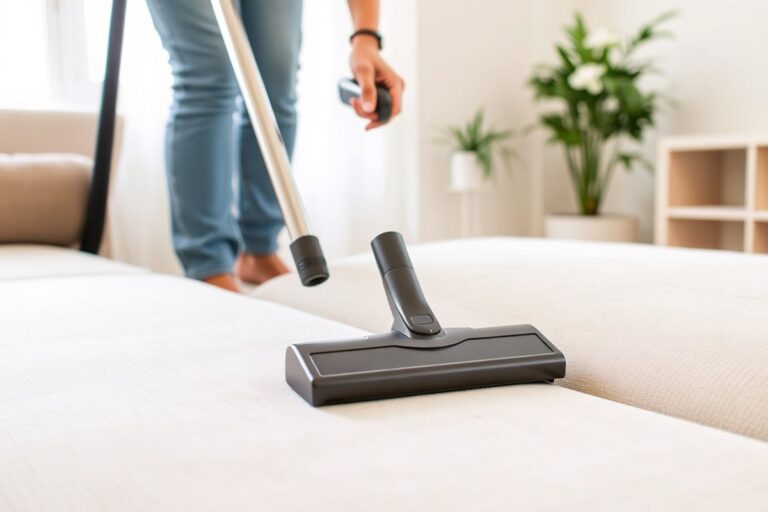
- Vacuum the entire couch. Use an upholstery attachment to remove dust, pet hair, and debris from all surfaces, including cushions and crevices. This prepares the fabric for disinfecting and prevents grime from interfering with the process.
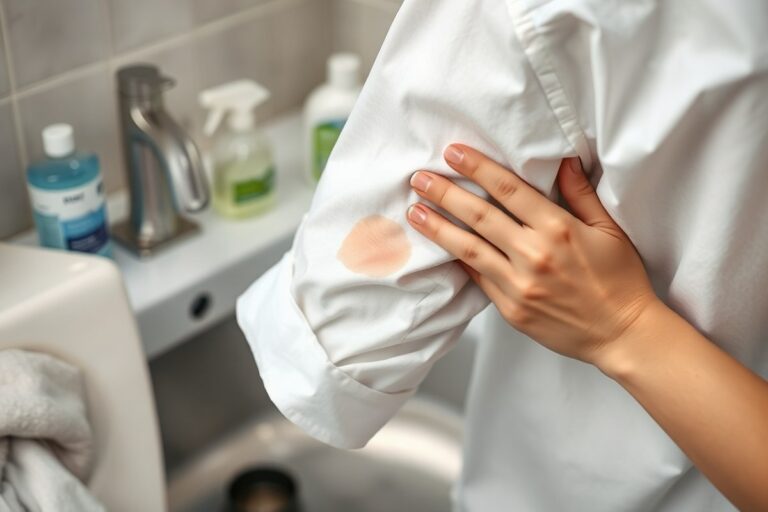
- Spot-clean stains if needed. Treat visible stains with a mild fabric cleaner or spot remover suitable for your upholstery. Allow the treated area to dry before moving on.
- Check the fabric’s cleaning code tag. Confirm the recommended cleaning method, ensuring your disinfectant is safe for your couch material. For example, “W” means water-based cleaners are safe, while “S” denotes solvent-only products. Avoid harsh chemicals on delicate fabrics like suede or velvet.
- Select an appropriate disinfectant. Use a fabric-safe product such as a 70% isopropyl alcohol spray for microfiber or synthetic fabrics, or a commercial leather cleaner with disinfectant for leather couches. For white or colorfast fabrics, a diluted bleach solution (1 part bleach to 10 parts water) is an option if safe. Always test a small hidden area first.
- Apply disinfectant in a light mist. Hold the spray about 8 to 10 inches away to avoid soaking. Apply an even coat, focusing on high-touch surfaces like armrests and cushions.
- Allow the disinfectant to remain wet for the full contact time. Most products specify around 3 to 10 minutes. This dwell time ensures effective germ kill without oversaturating the fabric, which could cause fading or damage.
- Let the couch dry completely. Improve airflow by opening windows or using fans. Avoid using the couch until fully dry to prevent musty smells or mildew, which can take from a few hours up to overnight depending on humidity and fabric thickness.
- Repeat as necessary. For routine hygiene, disinfect monthly or immediately after illness, pet accidents, or visits from guests to reduce bacteria and virus buildup.
By following this process, you’ll disinfect your couch thoroughly without risking damage or fading. Taking the time to vacuum and test products beforehand protects your investment while maintaining a healthy home environment. Drying fully is important, as lingering moisture promotes mold growth and fabric deterioration.
Identifying Couch Material and Upholstery Codes

To disinfect your couch safely, start by identifying the upholstery material and reading the manufacturer’s care tag. This tag contains cleaning codes that guide which disinfecting methods and products to use without damaging the fabric. Knowing these codes helps you pick a method that cleans effectively while protecting your couch’s longevity.
Common Upholstery Material Types
Couches typically come in a range of upholstery materials such as fabric, leather, microfiber, faux leather, and blends like cotton or linen. Fabric couches often have woven fibers and may include cotton, linen, or microfiber, which affects how they handle moisture and cleaning agents. Leather couches demand gentler cleaning with mild soap and warm water, while faux leather or vinyl can tolerate damp cloth wipes or disinfectant wipes but not harsh alcohol solutions. Identifying your couch’s material is essential because each type reacts differently to moisture, heat, and chemicals commonly used for disinfection.
Check for any protective coatings or finishes that might be listed on tags or product descriptions, as these can restrict the use of water-based sprays or steam. Furniture bought recently often includes detailed material information and specific instructions on cleaning to maintain protection layers.
Understanding Care Tag Codes (W, S, WS, X)
The care tag on your couch carries key upholstery cleaning codes: W, S, WS, or X. “W” means water-based cleaners are safe; you can use mild soap combined with water or fabric-safe disinfecting sprays. “S” indicates solvent-based cleaners only, water and steam risks damage. “WS” allows both water and solvent cleaners but always test first to avoid discoloration. Finally, “X” means professional cleaning or vacuum only, no liquid cleaners. These codes are important for selecting a disinfecting product that won’t harm the couch.
Tests on an inconspicuous spot help ensure no damage occurs from the chosen disinfectant. Always follow label instructions for contact time and drying to maximize disinfection without oversaturating your fabric.
How Material Affects Disinfectant Choice
Once you know the material and care tag code, match your disinfectant to the safe methods. For example, a couch with a “W” code can be disinfected with a fabric-safe spray that stays wet for the recommended contact time, usually around 4 to 10 minutes, then air dried. Steam cleaning is an effective chemical-free method but only for fabrics marked steam-safe or with “W” and “WS” codes. Avoid steam on leather or “S” coded materials.
Leather needs mild soap and warm water cleaned with a soft cloth. Using harsh chemicals or soaking leather damages finish and texture. Faux leather or vinyl tolerate damp cloths and disinfectant wipes but avoid rubbing alcohol as it can degrade coatings. Microfiber, a common fabric, handles light sprays and steam well but resists heavy soaking. Understanding these specifics keeps your cleaning effective and your couch intact.
Always perform a patch test on a hidden area of your couch before applying any disinfectant broadly to avoid permanent damage or discoloration.
Best Disinfectants for Different Couch Materials
Choosing the right disinfectant depends on the couch material to avoid damage while killing germs effectively. Leather and suede need gentler, leather-safe options like a diluted vinegar solution or specially formulated leather cleaners. Fabric types like microfiber, cotton, or linen tolerate steam and certain sprays but require testing for colorfastness. Alcohol and hydrogen peroxide can disinfect but might cause dryness or fading if misused.
Below is a table summarizing common disinfectants, their effectiveness, contact times, and safety across sofa materials. It helps match your cleaning agent to your couch type for best results while reducing risks like fabric damage or color loss.
| Disinfectant Agent | Effective? | Dwell Time | Fabric Safe? |
|---|---|---|---|
| EPA-registered fabric disinfectant spray | Yes | 5, 10 minutes (check label) | Yes (verify product suitability) |
| 3% Hydrogen Peroxide | Yes | 10 minutes | Patch test needed; may lighten colors |
| 70% Isopropyl Alcohol | Yes | 30 seconds to 1 minute | Small areas only; test patch first |
| Steam (140°F+) | Yes | Instant on contact | Safe for fabric; avoid on leather/suede |
| Diluted White Vinegar (1:1 with water) | No (cleans only) | N/A | Best on natural fabrics; safe for leather mix |
| Baking Soda | No (deodorizes only) | N/A | Generally safe but not disinfectant |
For leather couches, use a solution of equal parts water and white vinegar to clean and mildly disinfect without harshness. Avoid steam and strong alcohol sprays that may dry out or crack the leather finish. When using isopropyl alcohol on leather, limit application to small, high-touch areas and moisturize afterward to prevent drying.
Fabric couches, including microfiber, cotton, and linen, respond well to steam cleaning at temperatures above 140°F. Move the steamer slowly to cover all surface and seams for instant germ kill. EPA-registered fabric disinfectant sprays offer another option, but check that the spray is safe for your fabric and follow label instructions about dwell time and ventilation.
Hydrogen peroxide at 3% strength works on most fabric upholstery but requires a patch test in an inconspicuous spot to check for color fading or damage. Avoid on silk and wool. Use it with a cloth to lightly dampen areas and let it air dry for about 10 minutes, ensuring no soaking. Alcohol disinfects quickly but should be limited to small spots on fabric due to potential drying and texture changes.
Vinegar, while natural, does not disinfect but can clean surface dirt and reduce odors on natural fabrics. It also can be used combined with water for leather cleaning. Baking soda helps freshen but should not replace disinfectants.
Look for commercial disinfectant sprays that specify compatibility with your upholstery type. For leather, choose products labeled leather-safe or designed for vinyl and synthetic surfaces. For microfiber and natural fabrics, sprays intended for upholstery that list fabric compatibility on the label are best. Avoid bleach or harsh household cleaners that can degrade fabric and finishes.
Steps to Prepare and Pre-Clean Your Couch Before Disinfecting
Preparing your couch before disinfecting is essential to make sure the disinfectant can reach the fabric and work effectively. Dirt, dust, and debris can shield germs and reduce the disinfectant’s impact. Cleaning visible stains first also prevents dirt from mixing with moisture during disinfecting, which can cause muddy residue and damage. Proper vacuuming and spot cleaning ensure your couch is ready for deep cleaning without spreading germs or causing new stains.
Focus on vacuuming every part of the couch, including seams, cushions, and under them if possible. Remove cushions to clean each side completely, as germs can hide on edges and undersides. Use an upholstery attachment with your vacuum to avoid damaging the fabric while gathering dust, pet hair, and loose dirt. Spot clean spills or stains promptly with a cleaner rated for your couch’s upholstery type to prevent stains from setting and bacteria from multiplying.
- Remove all cushions and pillows. Take them off the couch to vacuum each cushion’s sides and edges separately, then vacuum the couch frame and seating area thoroughly.
- Take a vacuum with an upholstery tool and carefully clean every part of your couch. Move slowly over the seams, armrests, cushion gaps, and under cushions you can take off. Pay special attention to tight spaces where dust, dirt, and pet hair usually build up.
- Check for visible stains or spills. Identify spots on the couch surface and cushions that need treatment before disinfecting. Act quickly to avoid stains becoming permanent.
- Spot clean stains. Use a mild detergent or upholstery cleaner suitable for your couch fabric. Test the cleaner in an inconspicuous spot first. Apply the cleaner with a soft cloth or sponge, gently rubbing to lift the stain. Blot with a clean, dry towel to absorb moisture.
- Wait until spot-cleaned areas dry fully. Moisture interferes with disinfectant effectiveness. Allow air drying, which may take 30 minutes to an hour depending on room temperature and ventilation.
- Remove dust and loose dirt again if needed.After spot cleaning has loosened dirt, vacuum the dry areas to ensure the couch surface is neat before applying any disinfectant.
- Maintain regular cleaning routines. Vacuum your couch at least once a week to minimize dirt buildup and plan spot cleaning promptly after spills to keep fabric ready for effective disinfection whenever needed.
This preparation routine takes about 20 to 40 minutes for an average three-seat fabric couch, depending on dirt level and stains. Vacuums with strong suction and a brushless upholstery tool work best. Avoid saturating fabrics with water during spot cleaning, which can lead to mildew or damage. The goal is a clean, dry, dirt-free surface where disinfectants can work properly, reducing germs without harming your couch material.
How to Disinfect Different Types of Couch Upholstery
Disinfecting your couch requires adapting to the type of upholstery to avoid damage while killing germs effectively. Fabric, leather, microfiber, suede, and removable slipcovers each respond differently to disinfectants and cleaning techniques. Matching the right method with your couch’s material helps maintain its look and durability while ensuring a healthier home.
Disinfecting Fabric and Polyester Upholstery
Fabric and polyester couches absorb moisture and chemicals more readily than non-porous surfaces, so using harsh disinfectants can cause discoloration or weaken fibers. Start by vacuuming thoroughly to remove dust and debris from the surface and crevices. After vacuuming, lightly spray a disinfectant labeled safe for fabric, such as a diluted solution of isopropyl alcohol (70%) mixed with water at a 1:1 ratio, onto a small hidden area first to test for colourfastness. Allow it to dry fully in a well-ventilated room, typically 10 to 15 minutes, before treating larger areas. Avoid over-wetting, which can promote mold or mildew growth beneath cushions.
Do not use disinfectant wipes on fabric upholstery as they often contain chemicals that may stain or damage the textile. For deeper disinfection, steam cleaning at temperatures above 130°F can kill viruses and bacteria without chemicals but may require equipment rental or professional services. After disinfecting, allow the couch to air dry completely to prevent mildew odor or damage.
Safe Methods for Leather and Faux Leather
Leather and faux leather benefit from disinfection methods that avoid harsh solvents or abrasive scrubs which can dry out or crack the material. Use a soft cloth dampened with a mixture of mild dish soap and distilled water to gently wipe the surface before disinfecting. For the disinfectant, use wipes or sprays containing 70% isopropyl alcohol, applied sparingly and wiped off promptly to avoid residue buildup. This concentration balances germ-killing ability with gentleness for leather.
Follow with a leather conditioner after the surface has dried to restore moisture and prevent cracking. Faux leather is generally more durable but still requires testing of any spray on a hidden spot first. Disinfection frequency depends on use but typically once a week suffices for normal home environments. Avoid bleach or ammonia-based cleaners which degrade leather.
Cleaning Microfiber, Suede, and Velvet Materials
Microfiber, suede, and velvet are delicate textiles requiring gentle disinfection techniques that maintain their texture and colour. Lightly vacuum these surfaces first using an upholstery attachment to avoid crushing the nap or fibers. Use a cloth dampened with a diluted disinfectant such as 70% isopropyl alcohol and water mixture applied in a blotting motion rather than a rubbing one. Allow the fabric to dry fully in good airflow, ideally for at least 30 minutes.
To restore the fabric’s softness and directionality, lightly brush it with a soft upholstery brush once dry. Avoid soaking or harsh sprays that can cause water stains or fiber shrinking, especially with suede. Homemade sprays using diluted alcohol work well for microfiber since it is synthetic, but suede is best left to professionals or lightly treated with commercial suede cleaners that contain gentle disinfectants.
Test cleaning products on a small, hidden area to prevent unexpected damage or discoloration, especially on suede and velvet.
Treating Removable Slipcovers and Cushions
Removable slipcovers offer the safest and easiest way to disinfect couch upholstery because they can go through a washing machine cycle. Before washing, pre-treat any stains with a mild detergent. Use the hottest water temperature safe for the fabric according to the care label, usually between 104°F and 140°F, to help kill germs effectively.
Adding laundry disinfectant or a cup of white vinegar to the rinse cycle can boost germ elimination without harsh chemicals. Dry slipcovers according to label instructions, usually on low heat or air dry to prevent shrinking. For cushions that don’t have removable covers, follow the fabric or leather cleaning and disinfecting methods, focusing on thorough surface cleaning and drying. Regular washing of slipcovers every 1 to 2 weeks helps maintain hygiene in homes with frequent visitors or pets.
Using Steam Cleaners and Homemade Sprays to Kill Germs
Steam cleaning uses hot vapor to kill bacteria, germs, and dust mites on couch upholstery, making it an effective disinfecting method. Homemade disinfectant sprays made from simple household ingredients like rubbing alcohol or white vinegar also kill many germs safely and affordably. Both options require careful application and preparation based on your couch’s fabric type and condition.
Steam Cleaning Procedure and Safety Tips
Steam cleaning works by producing steam at temperatures above 212°F, which can kill most bacteria and viruses on contact. This method also helps loosen dirt and allergens embedded deep in couch fibers. It is ideal every 6 to 12 months or after illness to maintain hygiene and extend your couch’s lifespan.
Before steaming, check your couch’s care label to ensure it can safely handle moisture and heat. Testing a small hidden area first helps avoid damage. Use a handheld or carpet steam cleaner designed for upholstery, avoiding excess water that can cause mold.
- Vacuum the entire couch thoroughly to remove loose dirt and debris.
- Fill the steam cleaner with water according to the manufacturer’s instructions.
- Allow the device to heat up and reach the proper steam temperature (212°F or higher).
- Slowly move the steam cleaner head over the upholstery, maintaining contact but avoiding soaking the fabric.
- Focus on high-contact areas like armrests and seat cushions.
- After steaming, open windows or use fans to speed drying and prevent moisture buildup.
- Allow the couch to dry completely before using it again.
Simple Homemade Disinfectant Spray Recipes
Rubbing alcohol and white vinegar are two common disinfectants you can use to make sprays at home, offering affordable and accessible options to sanitize your couch. These sprays work without harsh chemicals and are suitable for many upholstery types but avoid use on delicate or unsealed leather.
For a basic cleaning and disinfecting spray on “W” coded fabrics, combine equal parts warm water and distilled white vinegar with 1 teaspoon mild dish soap. For a stronger disinfectant, mix two parts 70% rubbing alcohol with one part water. Store your solution in a spray bottle for easy use.
Always label homemade sprays clearly and do a patch test on a hidden spot before applying broadly. This helps detect any colour fading or fabric reaction before full use.
Best Practices for Applying Sprays and Steam
Both steaming and homemade sprays need proper application to avoid damaging your couch and to ensure effective disinfection. Use sprays sparingly to avoid soaking the fabric and wipe down surfaces afterward to prevent residue build-up. For steam, avoid lingering too long in one spot to protect fragile upholstery.
Allow disinfectant sprays to sit for several minutes to achieve maximum germ-killing effect; 5 to 10 minutes is typical for alcohol or vinegar mixtures. Afterward, blot gently with a clean cloth if needed to reduce moisture. You can follow steam cleaning with a wipe of a leather-safe disinfectant on leather couches to finish the process.
Regularly disinfect high-touch areas like armrests, seat edges, and couch backs, especially during cold and flu season or when someone in the home is ill. Good ventilation during and after cleaning speeds drying and reduces exposure to cleaning vapors.
Drying, Contact Time, and Post-Disinfection Care
Allowing disinfectants the proper contact time on your couch fabric is essential to effectively kill germs. Most EPA-registered fabric disinfectants require keeping the surface wet for 5 to 10 minutes to eliminate up to 99.9% of bacteria and viruses. To achieve this without damaging your couch, apply disinfectants as a fine mist in small sections, ensuring each area remains visibly damp for the entire contact period. Avoid soaking the material, which can lead to longer drying times and potential fabric weakening. Following the exact contact time listed on the product label is the best way to balance thorough disinfection with protection of your couch’s fabric.
Proper drying after disinfecting prevents mildew, mold growth, and musty odors. After completing the contact time, allow your couch to dry completely in a well-ventilated area. Using a fan or opening nearby windows speeds up airflow, promoting faster evaporation without excess moisture buildup. Avoid direct sunlight on delicate fabrics, which can cause fading, but moderate warmth from a fan or a room heater positioned safely nearby helps. Never sit on or cover the couch until it is fully dry to maintain its integrity and prevent recontamination. Drying times typically range from 1 to 3 hours depending on the room temperature, humidity, and couch material.
Maintaining couch hygiene after disinfection involves regular cleaning and monitoring. For best results, disinfect your couch weekly or after any exposure to illness, spills, or heavy use. Light vacuuming or gentle brushing before each disinfecting session removes loose dirt and dust that can interfere with the disinfectant’s action. Also, using upholstery-safe fabric sprays as part of your routine cleaning can help keep your couch fresher longer between deep cleans. Always check care labels for specific instructions related to throw pillows, blankets, or other soft furnishings, as fillers and fabrics vary in cleaning tolerance and drying requirements.
For example, if your couch’s care tag lists “W” for water-based cleaners, you can safely use a mild alcohol solution or commercial sprays designed for fabrics, respecting their contact times and drying methods. If the tag shows “S” for solvent-based clean only, avoid water-based sprays and opt for disinfectants suitable for that fabric type, maintaining adequate contact time without saturation. In situations where your couch has a dense microfiber upholstery, extra care to avoid overwetting is key since it dries more slowly and traps moisture, increasing mildew risk. Under these conditions, use a fan-assisted drying approach and limit disinfectant to a fine mist rather than heavier sprays.
Checklist to ensure effectiveness: apply disinfectant in sections as a fine mist, keep each section damp for 5 to 10 minutes depending on the label, avoid soaking fabric, dry in a ventilated area for at least 1 to 3 hours, use fans or opened windows for airflow, prevent direct sunlight on sensitive materials, and follow a weekly disinfection routine or after heavy use. Following these steps helps you achieve full germ-kill while protecting your couch from damage and unpleasant odors.
When to Call a Professional Upholstery Cleaner
Professional upholstery cleaning becomes necessary when your couch shows signs that home methods can’t fully address. Persistent odors that return shortly after cleaning, mystery stains without a clear source, or repeated illnesses in the household suggest the couch may harbor bacteria or allergens deeper than surface treatments reach. You should also consider a professional if your couch is antique, costly, or made from delicate fabrics like velvet or silk blends. Manufacturer instructions often recommend professional cleaning for these materials to avoid damage from harsh chemicals or scrubbing. In cases of severe infestations such as bed bugs, professional heat treatments are recommended because DIY steaming usually does not penetrate deep enough to kill pests living inside cushions.
An upholstery cleaning professional uses specialized equipment combining water, cleaning solutions, and strong suction to extract dirt, stains, and microorganisms from deep within the fabric and padding. This thoroughness is not achievable with typical home steam cleaners or sprays, which mainly sanitize surfaces. Professional cleaning also helps prevent damage caused by excessive scrubbing or improper product use, which can alter fabric texture or cause color fading. Consider professional cleaning if you notice stains that don’t lift after multiple attempts, odors that linger despite airing out, or fabric damage like texture changes or fading caused by previous DIY efforts.
Choosing a dependable upholstery cleaning service involves checking for credentials such as certifications from industry associations or positive customer reviews. Look for companies offering a free estimate after inspecting your couch’s fabric type and condition. A reliable professional should ask about any previous cleaning methods used and provide detailed information on their cleaning process and the products used. Avoid companies that use strong chemicals without testing or refuse to accommodate delicate or antique items. Pricing varies widely depending on the couch size, material, and condition but expect to pay between $100 and $250 for a thorough deep cleaning. Compare quotes and services to ensure you get value without compromising fabric safety.
Use a decision checklist to determine when to call a professional: persistent odors lasting more than a week after cleaning, stains visible after two cleaning attempts, sensitive or costly upholstery, signs of pest infestation, and household members experiencing unexplained allergies or illnesses. If one or more criteria apply, a professional cleaning may be the safest and most effective option. They provide expert stain removal, proper fabric care, and deep sanitizing that DIY methods cannot match, ultimately extending your couch’s life and safety.
Always confirm your upholstery’s cleaning code before professional treatment to ensure that no damage occurs from incompatible methods.
Step-by-Step Action Plan to Disinfect Your Couch
Follow these clear steps to disinfect your couch effectively and protect its material. Check results along the way to ensure your efforts work.
- Before you start: Identify the upholstery code on your couch’s tag (W, S, WS, or X). This guides which disinfectants and methods are safe to use.
- Preparation phase: Vacuum the entire couch to remove dust, dirt, and debris. Confirm this worked by seeing a cleaner surface and less visible particles.
- Pre-cleaning phase: Spot-test your chosen disinfectant on a hidden area. If no discoloration or damage appears after 10 minutes, proceed.
- Disinfection phase: Apply the disinfectant per instructions, making sure to cover all surfaces. Check contact time to meet product guidelines for effective germ kill.
- Drying phase: Allow your couch to dry completely, ideally 1-3 hours depending on conditions. The couch should feel dry to the touch without any sticky residue.
- After disinfection: Gently brush or vacuum the upholstery again to remove any loosened particles. Your couch should look refreshed and smell neutral or clean.
- Maintenance phase: Repeat this process every 1 to 3 months or after illness exposure. Monitor for any signs of wear or fading to adjust method accordingly.
Frequently Asked Questions
How Soon Should You Disinfect Your Couch After Someone Is Sick?
Disinfect your couch within 24 hours after the last flu symptoms to reduce lingering viruses. Acting quickly helps kill up to 99.9% of germs before they settle deeper into the fabric.
Can You Use Regular Household Cleaners to Disinfect Your Couch?
Household cleaners may not always disinfect effectively. It’s best to use products suited to your couch’s fabric type, such as alcohol-based disinfectants for delicate upholstery or steam cleaning for durable fibers.
Is It Safe to Use Alcohol on All Couch Fabrics?
Alcohol can damage some fabrics, so avoid soaking surfaces, especially suede or velvet. Use a light mist from 8, 10 inches away for safe disinfection without causing harm.
Does Steam Cleaning Remove Allergens as Well as Disinfect?
Steam cleaning kills bacteria and germs by using hot steam, which also helps reduce allergens trapped in upholstery fibers, making it a thorough option for cleaning and disinfecting.
How Do You Avoid Moisture Damage When Disinfecting a Couch?
Let the couch dry completely after cleaning and disinfecting to prevent mold or mildew. Avoid over-wetting the fabric and ensure good air circulation during drying.
Can You Disinfect Couch Cushions Separately from the Frame?
Yes, you can remove cushions and disinfect them separately following the same care guidelines for their fabric. This ensures more effective cleaning of all surfaces and hard-to-reach areas.
Key Points to Remember
Disinfecting your couch carefully, based on its material, helps keep your living space healthier without damaging furniture. Start by identifying your couch fabric and choosing the right cleaner. Taking that first step today makes your home safer and fresher for everyone who uses it.