How Can I Get Mold Out of Clothes: 8 Effective Methods for Complete Removal
To get mold out of clothes, start by soaking the fabric in vinegar or a tea tree oil solution, then wash with detergent using warm water. Treat stains directly with bleach if the fabric allows it, or hydrogen peroxide for discoloration, followed by thorough drying in sunlight to prevent regrowth. This approach safely removes mold stains and smells from most textiles.
This advice fits homeowners and renters who deal with moldy clothes occasionally or regularly. It provides clear steps and product suggestions tailored to fabric types to ensure effective cleaning without damage.
Key Takeaways
- Soak moldy clothes in a solution of one part white vinegar to two parts water for 30 to 60 minutes before washing.
- For tough smells, let clothes sit in a mix of vinegar and water, using equal amounts, for around 30 minutes before washing with detergent.
- To treat white cotton or linen, soak the items for 10 to 15 minutes in a solution made of 1/4 cup bleach mixed with 3/4 cup water, but only if the care label allows chlorine bleach.
- Apply 3% hydrogen peroxide on remaining mold discoloration, then air-dry clothes indoors or in the shade.
- Work liquid detergent directly into mold spots and let sit for 15 minutes before washing on a warm cycle.
- Soak garments in a tea tree oil solution for 30 to 60 minutes to kill mold with a natural product alternative.
1. How to Remove Mold Stains and Smell from Clothes Safely
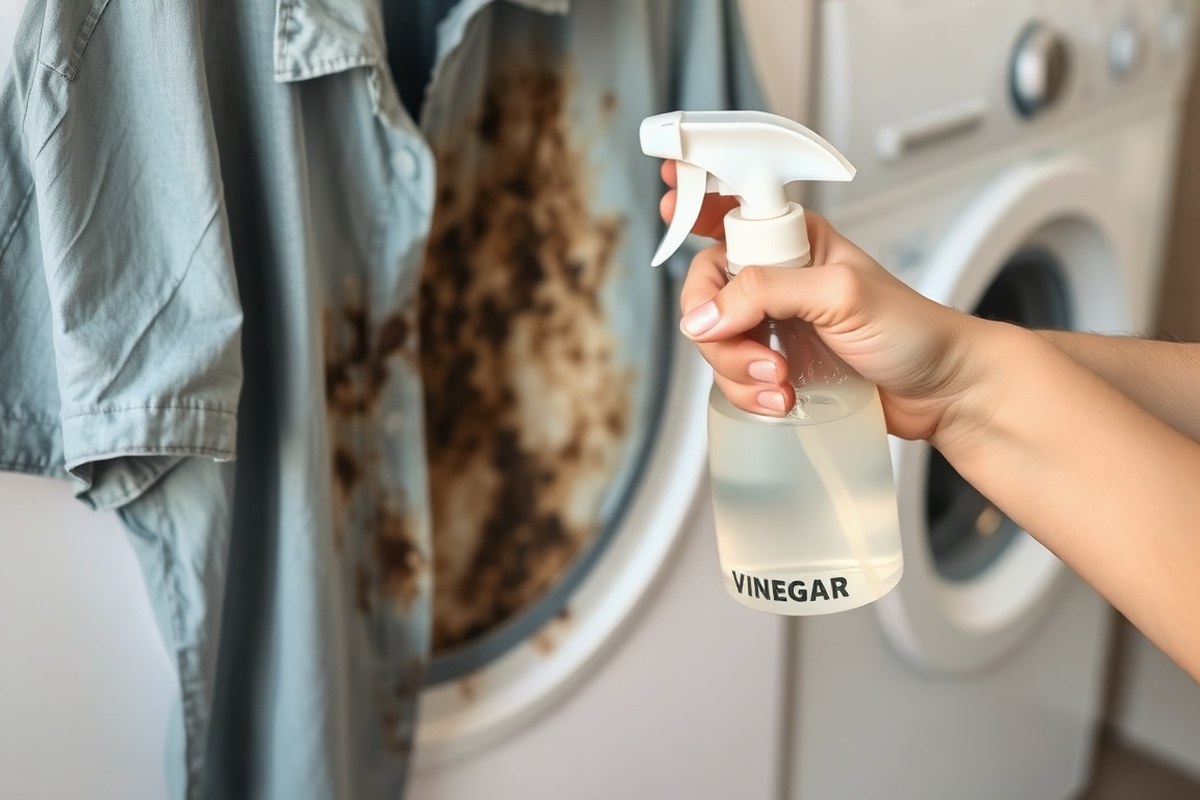
Mold on clothes not only leaves stains but also causes a musty smell and potential health risks like allergies or respiratory problems. Removing mold safely requires killing the mold spores, eliminating the stains, and getting rid of odors without damaging your fabric. Mold can spread easily if disturbed indoors, so take precautions to handle clothes outside and use gentle treatments suitable for the fabric type.
Using a combination of natural products such as white vinegar and baking soda, or oxygen bleach alternatives, can safely remove mold and odor from most fabrics while preserving color. Hot water washing helps kill mold spores but might not remove deep stains, so pretreatment is necessary. Proper drying, preferably in direct sunlight, is essential to prevent regrowth and further odors.
- Take moldy clothes outside and brush off the surface mold gently. Doing this prevents mold spores from spreading inside your home and removes loose debris that can cause additional stains.
- Soak the clothes in a solution of white vinegar (equal parts vinegar and water) or 1/4 cup baking soda dissolved in water. Let the clothes soak for at least 1 hour to kill mold spores and reduce odor before washing.
- Pre-treat visible mold stains with oxygen bleach, such as OxiClean, mixed according to package instructions. Apply the solution directly to the stains, allowing it to sit for 10 to 15 minutes. Avoid using liquid chlorine bleach on colored fabrics as it can cause fading or damage.
- Wash the clothes in the hottest water temperature safe for the fabric. Hot water (above 130°F) effectively kills remaining mold spores. Check the care label to avoid heat damage.
- Add half a cup of white vinegar or 1/2 cup borax to the wash cycle for extra mold-fighting power and deodorizing effect. Borax is very effective for heavily moldy clothes but is mostly safe for colors, while vinegar works well for general use and odor removal.
- Dry the clothes thoroughly in direct sunlight if possible. Sunlight acts as a natural disinfectant, killing any leftover mold. If drying indoors, use a dryer at high heat or a well-ventilated area to avoid moisture buildup.
- Inspect the clothes after drying to ensure all mold stains and odors are gone before storing. Persistent stains or smells may require repeating the treatment or professional cleaning.
Machine washing moldy clothes is safe when hot water and appropriate additives are used. Clean your washing machine regularly with vinegar and baking soda to prevent mold spores from contaminating future loads. Taking these steps minimizes fabric damage while removing mold effectively and keeping your clothes fresh.
2. Choosing the Best Mold Removal Method Based on Fabric Type
Choosing the right mold removal method depends mainly on your fabric type, colorfastness, and care instructions. Using bleach on colored or delicate fabrics can cause damage or fading, so alternatives are often necessary. Always check the care label and match your cleaning method to the fabric to avoid ruining your clothes while removing mold effectively.
Safe Methods for Cotton and Linens
Cotton and linen materials often tolerate more rigorous cleaning techniques. For white cotton or linen items without bleach restrictions, soaking in a diluted chlorine bleach solution helps remove mold. Mix 1/4 cup chlorine bleach with 3/4 cup water, soak the item for 10 to 15 minutes, then rinse well. Afterward, wash the garment in the warmest water indicated on the care label using detergent and add 3/4 cup bleach for extra mold removal.
For colored cotton or linen fabrics, avoid chlorine bleach because it can fade colors and damage fibers. Oxygen-based bleach is a safer alternative that kills mold without bleaching, though it may require longer soaking times and multiple washes. Always confirm colorfastness on a hidden spot before soaking the entire garment.
Options for Delicate and Synthetic Fabrics
Delicate fabrics such as silk, wool, lace, and linen require gentle care. Chlorine and oxygen bleach can cause irreparable damage or weakening of these fibers. Instead, use mild detergent and allow natural sunlight along with good airflow to reduce mold odor and spores.
Synthetic fabrics like polyester or nylon often tolerate moderate heat and stronger detergents. Wash these fabrics in warm or hot water (following care labels) with a good detergent and consider specialized mold removers formulated for synthetics. Avoid prolonged soaking in bleach or harsh chemicals that could degrade the fibers.
Avoiding Damage: What Not to Do
Never use chlorine bleach on colored clothes, as it causes fading and fabric weakening. This mistake can ruin garments permanently. Avoid soaking delicate fabrics in any chlorine or oxygen bleach to prevent fiber breakdown. High-strength hydrogen peroxide may also damage cotton and silk by altering color and weakening material.
Using hot water above the care label recommendations can shrink or damage clothes, reducing their lifespan even if it kills mold better. Over-soaking or aggressive rubbing may weaken fabrics or spread mold spores more. Always follow the label instructions carefully, and test cleaning solutions on a small area first. Below is a comparison to help decide which mold removal method fits your fabric type and colorfastness:
| Fabric Type | Bleach Use | Water Temperature | Mold Removal Method | Risk of Damage |
|---|---|---|---|---|
| White Cotton/Linen | Chlorine bleach allowed | Hottest safe per label | Chlorine bleach soak + wash | Low if following instructions |
| Colored Cotton/Linen | No chlorine bleach | Hottest safe per label | Mild detergent + oxygen bleach | Medium if color not tested |
| Silk, Wool, Lace | No chlorine or oxygen bleach | Cold or warm as directed | Mild detergent + air dry | High with bleach use |
| Synthetic fabrics (polyester, nylon) | Generally no chlorine bleach | Warm or hot as label allows | Strong detergent, specialized removers | Medium without testing |
| Outdoor cushions (colorfast fabrics) | Usually safe for bleach | Hot water | Chlorine bleach soak or detergent | Low |
This table helps you weigh fabric care, color safety, and treatment strength before cleaning. Following it reduces the risk of mold persisting or fabric damage.
Tip: Always test any cleaning method on a hidden area first and strictly follow your garment’s care label to avoid ruining fabric while removing mold.
3. Natural and Household Products That Kill Mold on Clothes
Several natural and household products can effectively kill mold on clothes. Vinegar stands out as the most powerful natural disinfectant for this purpose because it kills mold spores and breaks down mildew. Baking soda helps neutralize the stubborn smell that often lingers after mold removal, while borax works as a mold deterrent and cleaning booster. Tea tree oil offers antimicrobial properties that kill mold spores and neutralize odors but requires careful use due to its potency.
These natural ingredients work best when combined with thorough washing and proper drying. For example, soaking clothes in a vinegar solution loosens and kills mold, followed by washing with detergent and adding baking soda to banish the smell. Borax can boost cleaning power for heavier mold loads. If the mold and odor resist these methods, commercial mold removers can be effective but should be used cautiously, following label instructions and testing on the fabric first for colorfastness. Here is a comparison table summarizing each product’s use, benefits, and precautions:
| Product | How to Use | Effectiveness | Precautions |
|---|---|---|---|
| Vinegar | Soak clothes in equal parts vinegar and water for 30 minutes before washing | Natural disinfectant; kills mold spores and breaks down mildew | May fade delicate fabrics; test spot first |
| Baking Soda | Add ½ cup to washing machine drum during wash cycle after vinegar treatment | Neutralizes mold odors effectively; complements vinegar treatment | Safe for most fabrics; avoid overuse which may leave residue |
| Borax | Add ½ cup to regular detergent during wash cycle | Boosts mold removal; inhibits mold regrowth | Handle with gloves; not suitable for wool or silk |
| Tea Tree Oil | Mix 1 teaspoon in a cup of water; soak clothes for 30, 60 minutes before washing | Antimicrobial; kills spores and neutralizes odors | Strong scent; test fabric for sensitivity; keep out of reach of children |
| Commercial Mold Removers | Follow manufacturer instructions; test fabric first | Effective for tough mold cases | May contain harsh chemicals; avoid on delicate fabrics |
To use vinegar and baking soda together, start by soaking your moldy garments in a solution of one part white vinegar to one part water for 30 minutes. After soaking, wash the clothes normally, adding ½ cup of baking soda to the washing machine drum along with your detergent. This process helps break down mold spores and kills lingering smells. For severe mold, add ½ cup of borax with your detergent to boost cleaning.
Tea tree oil can be used by mixing one teaspoon in a cup of water and soaking your clothes for 30 to 60 minutes before washing. This treatment targets mold spores directly and deodorizes the fabric naturally but should be used carefully due to its strong scent and potential skin sensitivity. Commercial mold removers sometimes provide faster and stronger mold-killing power but often contain chemicals that can harm fabrics or irritate skin. Always follow product labels and test a hidden area before full use.
4. How Temperature and Washing Techniques Impact Mold Removal
Water temperature plays a significant role in removing mold from clothes. Hot water, typically between 130°F and 160°F, helps kill mold spores more effectively than cold water. Washing clothes at a high temperature also loosens mold from fabric fibers, making it easier for detergents to clean. However, use hot water only if the fabric care label allows it; delicate fabrics may require warm or cold water to avoid damage.
Treat moldy areas by spraying them with a mold remover before washing, or soak the garments in a solution made from one part white vinegar mixed with two parts water for 30 to 60 minutes. This treatment breaks down mold and reduces its smell. After soaking, rinse the clothing thoroughly to remove any mold residues. Then, wash as normal. To improve mold elimination, include one cup of baking soda or a laundry sanitizer along with your regular detergent; these ingredients help eliminate odors and destroy mold spores.
Using your washing machine to clean moldy clothes is safe and effective when done properly. Choose a wash cycle with a longer duration or a setting labeled “heavy duty” or “sanitize.” These cycles provide more agitation and longer soak times to penetrate fabrics deeply. Start the wash with warm or hot water, depending on fabric care, and include a mold-killing additive. Laundry detergents alone remove dirt but may not completely kill mold. Products specifically designed to sanitize or additives like baking soda and vinegar increase the chances of fully eradicating mold.
When washing moldy clothes at home, you can expect clean, fresh-smelling results if you follow these steps carefully. Avoid washing with cold water only, since cold water tends to be less effective at killing mold spores. Also, failure to pretreat or soak moldy spots can allow spores to embed deeper, making stains and odors harder to remove. In those cases, re-soaking and rewashing with proper treatments become necessary. High temperatures and targeted pre-treatments provide the best outcome by both killing mold and breaking it up for thorough cleaning.
In humid areas where clothes mold often happens, using a hot wash cycle with a laundry sanitizer costs little extra but saves from replacing or discarding clothes. Laundry sanitizers that cost around $5 to $10 per bottle can be added at the start of the wash. Baking soda is inexpensive and widely available, costing less than $1 per cup, and can be included with your regular detergent. This combination not only removes mold but also helps prevent smell and fabric damage over time.
5. Drying Clothes to Prevent Mold Regrowth and Odors
To stop mold from coming back on your clothes, drying them properly after washing is key. Mold grows quickly in damp, poorly ventilated spaces, so removing moisture is your best defense. Sunlight is especially useful because its ultraviolet (UV) rays can help kill remaining mold spores while heat speeds drying, making it harder for mold to regrow.
Hang washed clothes outside in direct sunlight for several hours if you can. The fresh air combined with sun exposure helps eliminate moisture and odors left by mold. When outdoor drying isn’t an option, dry clothes completely indoors by placing them near an open window or using a clothes dryer on high heat. Avoid leaving clothes damp in the washer or in a plastic bag, as trapped moisture encourages mold growth and causes that sour musty smell.
- Hang clothes on a clothesline or drying rack in direct sunlight for at least 2 to 3 hours.
- Place clothes near a window with good airflow when drying indoors, or use a fan to help speed up the process.
- Use a dryer on the highest safe heat setting recommended for the fabric to ensure complete dryness.
- Do not store clothes until fully dry, check for dampness in thick areas like collars or seams.
- Keep storage areas dry and well-ventilated to prevent moisture buildup.
- For delicate fabrics that can’t tolerate heat, air dry in a well-ventilated room and consider using dehumidifiers.
Never seal clothes in plastic bags until they are completely dry; this traps moisture and creates an ideal environment for mold.
Even drying clothes can’t remove all mold spores, but it drastically reduces mold’s chance of coming back. Persistent musty or sour smells after drying usually mean your clothes are still damp in some spots. This is called mildew and can develop into full mold if ignored. Checking your clothes carefully and drying completely prevents these odors and keeps your fabrics mold-free longer.
6. Handling Black Mold, Old Mold Stains, and Severe Cases
Tackling black mold and old mold stains on clothes requires careful steps and safety precautions. Black mold can pose health risks, especially for sensitive individuals, and stains become tougher the longer mold sits. You can remove stubborn mold through repeated treatment, proper cleaning agents, and sometimes professional help for delicate fabrics.
Identifying Black Mold Versus Common Mildew
Black mold on clothes typically appears as dark greenish-black or even pure black patches, often fuzzy or slimy in texture. Common mildew stains tend to be more powdery and white or light gray. Recognizing which mold you have matters because black mold can be more toxic and harder to remove. Unlike mildew, black mold may damage fabric fibers faster, causing clothes to weaken or tear over time. The longer black mold stays, the deeper it can stain and the more persistent it becomes.
You should treat both mold types quickly, but black mold demands stronger precautions. Using a mold remover suited for your fabric and running multiple washes may be necessary to fully clear black mold. If unsure, test cleaning methods on a hidden clothing area first.
Protective Gear and Ventilation During Cleaning
Handling black mold safely means protecting your health. Mold spores can trigger allergies or respiratory problems, especially for people who already have asthma or weakened immune systems. Before starting, wear rubber gloves and a mask rated for mold spores like an N95 respirator to prevent inhalation.
Ensure you clean clothes in a well-ventilated area, such as outdoors or near open windows with fans. This setup helps avoid mold spores spreading indoors and reduces your risk of breathing them in. Avoid shaking or brushing moldy clothes before treatment since that releases spores into the air.
Deciding When to Keep or Discard Clothes
Clothes covered with black mold can often be salvaged, but only if mold is removed completely and fabric integrity remains. Persistent stains after several cleaning attempts and a musty smell that won’t go away suggest mold damage too severe to fix. Clothes with visible fabric breakdown, holes, or that cause allergic reactions may be better discarded.
Delicate or expensive items with heavy mold stains sometimes require professional cleaning to avoid ruining them. For everyday clothes, repeated washes with mold-killing detergents might restore wearability. Disposing of moldy clothing safely by sealing it in plastic bags helps prevent spreading spores in your home.
- Take moldy clothes outside carefully without shaking.
- Wear rubber gloves and an N95 mask during handling.
- Brush off loose mold gently outdoors if possible.
- Apply a mold removal product suitable for the fabric; follow label instructions.
- Soak clothes in a solution of hot water (temperature per fabric care label) and mold remover for at least 30 minutes.
- Wash clothes in hot water with mold-killing detergent or a disinfectant additive.
- Repeat washing 2 to 3 times if mold or odor persists.
- Air dry outside in sunlight or use a dryer at recommended settings to kill remaining spores.
7. Preventing Mold on Clothes and in Your Washing Machine
Mold can grow inside washing machines, especially in damp parts like door seals, detergent dispensers, and drum rims. These areas trap moisture, creating a perfect spot for mold spores to settle and multiply. When mold develops inside the washer, it can transfer to your clothes, causing musty smells and stains. Regular maintenance of your washing machine is essential to prevent this cycle.
To keep your washer mold-free, clean it monthly. Run an empty hot-water cycle with a washing machine cleaner that contains effective microorganisms or use a mixture of vinegar and baking soda. Wipe down the door gasket and detergent trays after every wash, making sure to remove any visible residue. Leave the door and detergent drawer open between uses to allow air circulation and help the interior dry faster.
Mold grows on clothes mainly because of moisture left sitting too long. For example, wet clothes left in the laundry basket or sitting inside the washing machine for hours encourage mold and mildew growth. Proper laundry habits reduce this risk. Wash clothes soon after collecting them, avoid leaving wet items piled up, and always dry them completely before storing.
- Do not leave wet clothes in the washer or laundry basket for more than a few hours
- After washing, air out the washer door and detergent drawer to dry the machine interior
- Use the hottest water setting safe for your fabric to help kill mold spores
- Check and clean the washer drum, door seals, and detergent compartments monthly
- Store clean clothes in a dry, well-ventilated area to prevent moisture buildup
- Keep laundry rooms well-ventilated and use a dehumidifier if humidity is high
- Run a maintenance wash cycle monthly to remove any lingering mold or detergent buildup
Cleaning washers is straightforward but requires consistency. A well-maintained machine typically costs only a few dollars for cleaning products monthly but saves you the hassle and expense of mold-related damage to your clothes. Watch for signs like a sour or musty smell coming from the washer, especially if your clothes have no mold before washing. These signs show that mold is present inside the machine and cleaning is needed before the next load.
Storing clothes properly also matters. Damp basements, closed closets without airflow, and packed storage bins trap humidity and encourage mold. Monthly cleaning of closets by wiping surfaces and airing out the space helps. Avoid storing clean clothes if they are not 100% dry, even if they feel only slightly damp.
8. Complete Timeline and Checklist for Treating Moldy Clothes
Removing mold from clothes takes about 3 to 6 hours, including soaking, washing, and drying. The process starts with inspecting and brushing off mold, followed by soaking clothes in a mold-killing solution for 1 to 2 hours. Washing on the hottest safe setting comes next, with drying and a final check to prevent regrowth.
Initial Inspection and Brushing Off Mold
Begin by taking clothes outside to inspect them under natural light. Look for visible spores or fuzzy patches that indicate mold presence. Brush off loose mold using a soft-bristle brush or a dry cloth to avoid spreading spores indoors.
This step matters because removing surface mold reduces the chance it will spread during washing. Avoid shaking or aggressively rubbing the clothes to prevent inhaling spores. Fast action in this phase sets the foundation for effective mold removal later.
Soaking and Pretreatment Durations
Next, soak the clothes in a vinegar-water solution or a milder mold-killing agent. Use about 1 cup of white vinegar mixed with 1 gallon of water. Let clothes soak for 1 to 2 hours to allow the solution to break down mold spores and penetrate fabric fibers.
Soaking ensures better mold spore kill rate before machine washing. For delicate fabrics, use cold water and gentler solutions, and reduce soak time to 30 minutes to avoid damage. Skip soaking only if fabric care labels explicitly advise against it.
- Mix 1 cup vinegar per gallon of water for soaking
- Soak 1 to 2 hours depending on fabric type
- Pre-treat any visible stains before soaking
- Avoid soaking delicate fabrics in vinegar for over 30 minutes
- Use gloves to handle moldy clothes during this step
- Keep clothes submerged and agitated occasionally
Wear gloves when brushing off mold to avoid skin irritation and wash your hands immediately after handling moldy garments.
Washing, Drying, and Repeat Checks
After soaking, wash clothes on the highest temperature setting safe for the fabric with a heavy-duty detergent. Hot water improve mold removal by killing spores that soak didn’t eliminate. Avoid cold water unless the fabric care tag requires it.
Drying in direct sunlight or a machine dryer on a high heat setting completes the mold removal process. Sunlight naturally disinfects and deodorizes, but machine drying is better for non-colorfast fabrics. Once dry, inspect clothes again for signs of mold or odor.
If any mold remains, repeat the soaking and washing steps immediately. Complete removal may take one or two cycles depending on mold severity and fabric condition, so patience is key. The entire process typically takes 3 to 6 hours from start to finish.
Step-by-Step Action Plan for Removing Mold from Clothes
Follow this clear plan to tackle moldy clothes effectively and keep them fresh. Each step helps you check for success before moving on.
- Before washing: Inspect clothes carefully and brush off dry mold outdoors. This prevents spreading spores indoors and sets the stage for treatment.
- Day 1: Pre-soak clothes in a solution of water and white vinegar or a specially formulated mold remover for 30 minutes. You’ll notice reduced musty smell and fewer visible stains if this worked.
- Day 1, washing: Wash clothes in hot water when fabric allows, using detergent and a mold-killing additive like hydrogen peroxide or baking soda. Check that mold odors are gone after washing.
- Day 1, drying: Dry clothes thoroughly in direct sunlight or in a well-ventilated dryer on a high heat setting suitable for the fabric. Damp clothes can lead to mold regrowth, so the fabric should feel completely dry.
- Within 24 hours: Store clothes in a dry, mold-free environment. Inspect after storage to confirm no returning musty smell or stains.
- After 1 week: Recheck any stubborn stains and repeat pre-soak and washing if needed. Persistent mold spots may require a professional cleaner.
- Monthly: Clean your washing machine’s gasket and detergent drawer with vinegar and baking soda to prevent mold buildup and protect future laundry loads.
Frequently Asked Questions
What Kills Mold on Fabric?
Mold on fabric can be killed by soaking clothes in vinegar or baking soda solutions before washing. These household items kill mold and help remove odors without damaging most fabrics.
What Are the First Signs of Mold Toxicity?
Early signs of mold toxicity include headaches, coughing, skin irritation, and respiratory issues. These symptoms often appear after exposure to mold spores on damp clothes or in humid environments.
Does Dawn Dish Soap Kill Mold?
Dawn dish soap can help remove mold spores from surfaces but does not kill mold effectively on fabric. Use it for cleaning but pair with mold-killing solutions like vinegar for best results.
What Is the Best Laundry Detergent for Removing Mold?
Detergents with added borax or oxygen bleach are best for removing mold, as they boost mold-killing power and are safe for colors. Regular detergent alone may not fully eliminate mold spores.
Mold on Clothes: Save or Throw Away?
You can save moldy clothes by thoroughly cleaning and drying them in the sun, which kills mold naturally. Throw away only when mold has severely damaged the fabric or persistent odors remain.
Can Mold on Clothes Cause Allergy Symptoms?
Yes, moldy clothes can trigger allergy symptoms like sneezing and itching when mold spores are inhaled or come into contact with skin.
Wrapping Up
Mold on clothes can be removed effectively by combining careful pre-treatment, appropriate washing, and thorough drying. Taking prompt action helps stop mold from settling into fabrics and causing lasting odors. Start by treating your most mold-affected garments today with a vinegar soak to see improvement right away.