How to Clean Carpet: 8 Effective Methods with Step-by-Step Tips
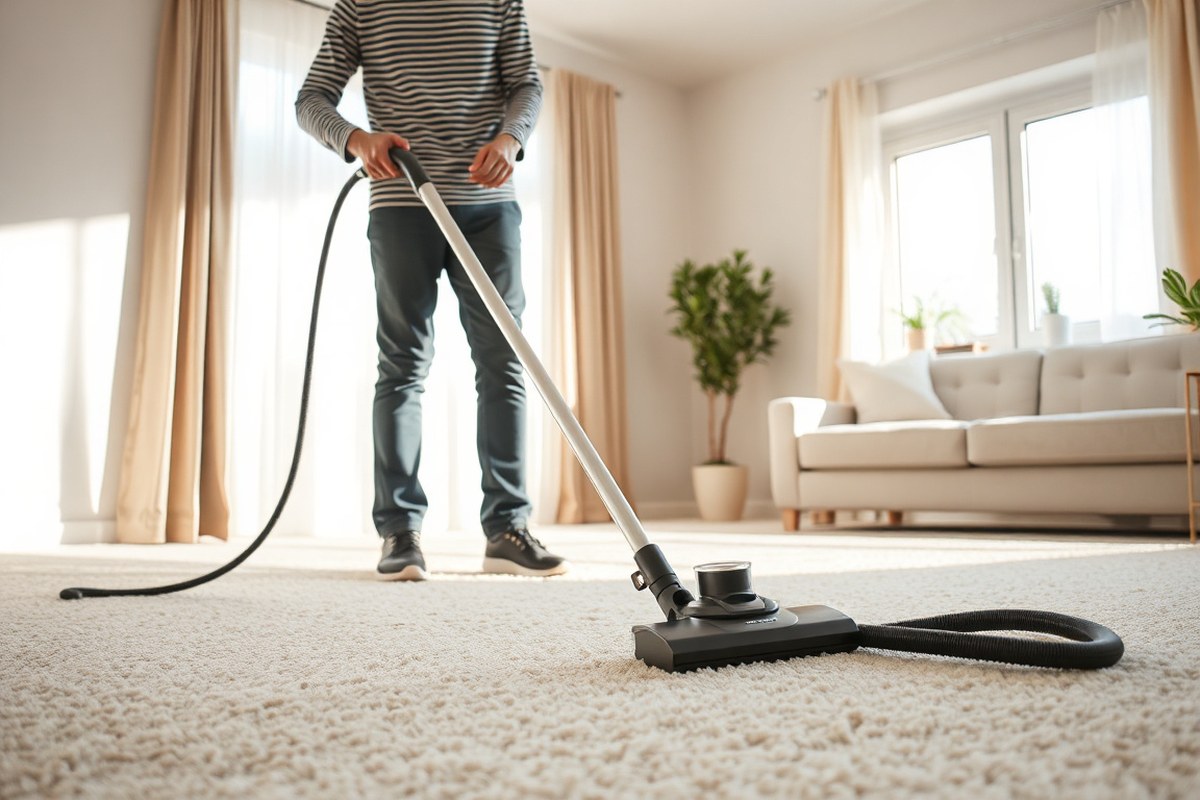
To clean carpet effectively at home, start by vacuuming regularly, treating stains promptly, and using appropriate cleaning solutions or machines. Maintaining your carpet involves combining weekly vacuuming with deep cleaning sessions every 12 to 18 months to remove dirt, allergens, and spills thoroughly. Knowing how to clean carpet correctly saves time, money, and helps keep your home healthy.
This information is for homeowners or renters who want practical, step-by-step advice on carpet care. You will learn simple methods, stain removal tips, and maintenance schedules that fit everyday routines and extend the life of your carpet.
Key Takeaways
- Vacuum your carpet at least once a week to remove about 80% of soil and dry particles.
- Treat stains as soon as they happen to prevent permanent damage.
- Use baking soda by sprinkling it on, letting it sit 15 minutes, then vacuuming for freshness.
- Deep clean carpets every 12 to 18 months to maintain warranty requirements and remove embedded dirt.
- Let carpets dry thoroughly for 20 to 30 minutes after cleaning to avoid mildew.
- Proper use of carpet cleaning machines can cost $50 to $100 for your whole home.
1. Best Methods to Clean Carpet Effectively at Home

The best way to clean a carpet effectively combines thorough vacuuming with a hot water extraction method, often called steam cleaning. This approach removes deep dirt, allergens, and dust that daily vacuuming misses. Steam cleaning machines inject hot water and cleaning solution into the carpet fibers, then extract the dirty water, leaving your carpet cleaner and fresher.
To clean carpets effectively by hand, gather a few simple items: clear dish soap, white vinegar, baking soda, an enzyme cleaner, and white cotton towels. This method covers about 90 percent of typical carpet cleaning needs within most households. For tougher stains or larger surfaces, hand cleaning demands significantly more time, about four to five times longer, with the drying process taking almost three times as long compared to using a carpet cleaning machine. Here’s a comparison of professional carpet cleaning versus DIY methods to help decide which suits your needs:
| Aspect | Professional Carpet Cleaning | DIY Carpet Cleaning |
|---|---|---|
| Equipment | Truck-mounted extraction systems or specialized machines | Portable carpet cleaners or manual cleaning kit |
| Cost | $100 to several hundred dollars depending on home size | About $50-$100 total for machine rental or supplies |
| Time | Usually completed in 1-2 hours | Can take 4-5 times longer; longer drying time (up to 24 hours) |
| Cleaning Power | Deep extraction removes dirt, allergens, and odors effectively | Good for surface cleaning and stains but less thorough deep cleaning |
| Convenience | Professional visits eliminate your effort but require scheduling | Do it anytime but requires physical effort and patience |
| Risk of Damage | Low if done by experts | Potential damage if improper cleaning methods or solutions are used |
For best DIY results, start with a deep vacuum. Then, treat stains using a mix of dish soap, water, and vinegar applied with a towel using blotting, not rubbing. Afterward, use a carpet cleaner machine or a steamer for deep cleaning, following the manufacturer’s directions carefully. Avoid using fragranced cleaners in machines unless you thoroughly rinse afterward to prevent residue and odors.
For those without a machine, sprinkle baking soda on the carpet to deodorize, let it sit for 30 minutes, then vacuum it up. You can manually scrub using towels soaked in your cleaning solution, pressing gently to lift dirt. Be patient as drying takes longer without extraction machines; use fans or open windows to speed this up. An annual professional cleaning is still a good investment, keeping your carpet fresh beyond what DIY methods accomplish.
2. Step-by-Step DIY Carpet Cleaning Process
Cleaning your carpet effectively at home involves clear steps from preparation to drying. You’ll vacuum first, treat spots, apply cleaning solutions carefully, then allow proper drying time to avoid damage or odors. The entire process can take about one to two hours, depending on carpet size and cleaning method.
Prepping Your Carpet: Vacuuming and Spot Treatment
Start by vacuuming your carpet thoroughly to remove surface dust, dirt, and debris. This step improves cleaning solution penetration and prevents dirt from settling during wet cleaning. Next, identify and treat spots with a suitable cleaner based on carpet fiber type.
- Vacuum the entire carpet area, paying extra attention to high-traffic zones.
- Inspect for stains or spots and apply a targeted pre-spray or spot cleaner.
- Let the spot treatment or pre-spray work for 10 to 15 minutes to soften soil.
- Blot treated areas gently with a clean cloth to lift surface stains before deep cleaning.
Always match spot cleaners or pre-sprays to your carpet’s material, wool and natural fibers need gentler products than synthetics.
Applying Cleaning Solutions and Deep Cleaning
Once prepped, apply your chosen cleaning solution over the carpet evenly. Use natural products or those recommended for your carpet type. For deep cleaning, renting a carpet extraction machine can help rinse dirt and residues thoroughly.
- Apply a natural or manufacturer-approved cleaning solution evenly on the carpet surface.
- Allow the solution to set for about 10 to 15 minutes to penetrate dirt deep within fibers.
- Use a carpet cleaner or extraction machine to rinse the carpet with water only, extracting the loosened dirt.
- Repeat extraction in areas where soil remains visible but avoid over-wetting.
Using too much water or leaving moisture in carpets can prolong drying time and invite mildew growth.
Drying and Refreshing Your Carpet
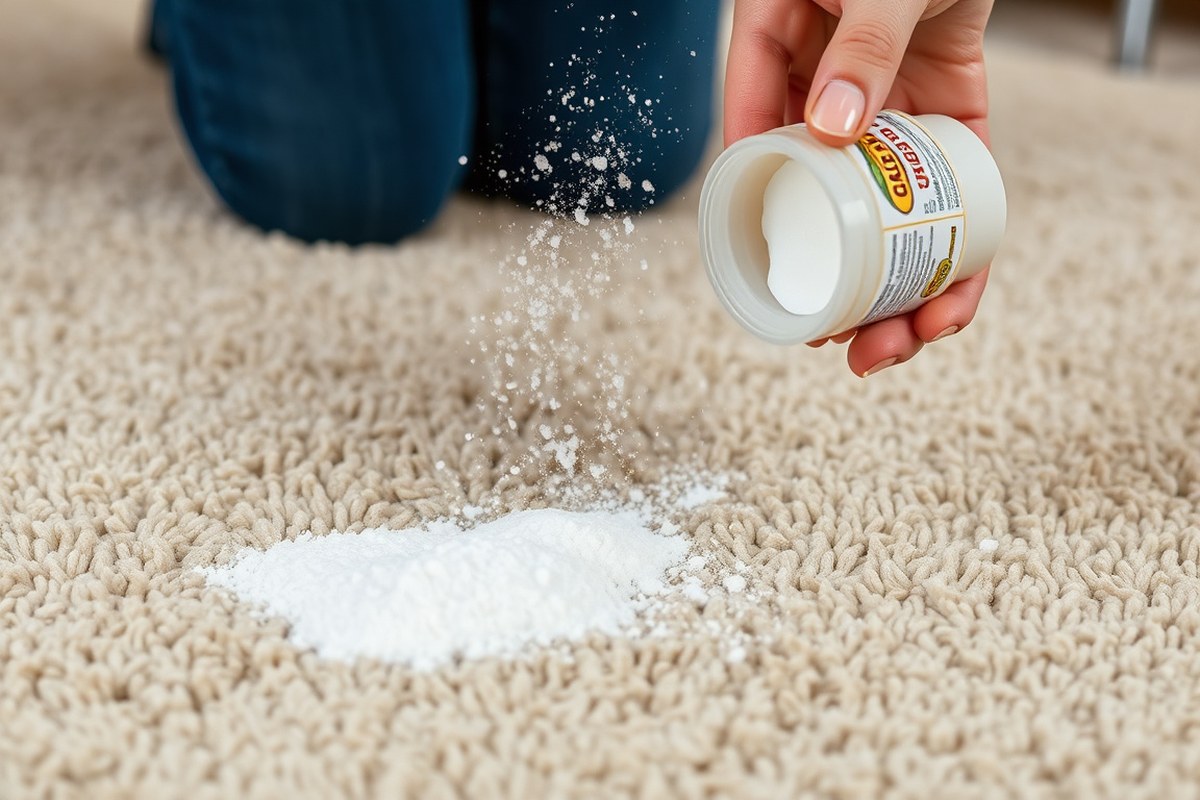
Drying is key to a fresh-smelling carpet and preventing damage. Increase airflow by opening windows and using fans for 20 to 30 minutes or longer if necessary. Finish by sprinkling baking soda to deodorize and vacuuming it up after about 15 minutes.
- Allow the carpet to air dry for 20 to 30 minutes with good ventilation and fans.
- Sprinkle baking soda lightly over the dry carpet to absorb odors.
- Let the baking soda sit for at least 15 minutes, then vacuum it thoroughly.
- Replace furniture carefully once carpet is dry to avoid re-soiling.
Do not walk on damp carpet to prevent re-depositing dirt or causing uneven drying patterns.
3. How to Remove Common Carpet Stains Safely and Quickly
Removing common carpet stains quickly and safely requires using the right cleaning solutions with correct dwell times. For everyday food or drink spills, a vinegar and dish soap mixture works well. Pet urine needs enzyme cleaners left for at least 12 hours to break down odors and stains. Tough stains like wine and coffee call for specific steps involving salt, club soda, or hydrogen peroxide.
Treating Food and Drink Spills with Vinegar and Dish Soap
Food and drink spills, such as juice, soda, or sauces, often respond well to a homemade solution of white vinegar, dish soap, and warm water. This combo breaks down residue without damaging carpet fibers. Avoid scrubbing in circles, as that can spread the stain further. Instead, gently blot to lift the stain. Follow these steps for treating fresh food or drink stains:
- Mix 1 tablespoon of dish soap and 1 tablespoon of white vinegar with 2 cups of warm water in a spray bottle.
- Lightly mist the stained area without soaking the carpet.
- Use a clean white cloth or paper towel to blot the stain, working from the outside in.
- Repeat misting and blotting every 5 minutes until the stain lifts, usually within 10 to 15 minutes.
- Once the stain is gone, blot with plain cool water to remove residue.
- Press a dry towel over the area to absorb excess moisture.
- Let the carpet air dry completely, which can take 1 to 2 hours depending on airflow.
Handling Pet Stains Using Enzyme Cleaners and Baking Soda
Pet urine stains need thorough treatment because standard cleaners can make pets re-mark the area. Enzyme cleaners work by breaking down the proteins in urine that cause odors and staining. Saturate the stained spot fully and allow the cleaner to sit for 12 or more hours to ensure effectiveness.
After the enzyme cleaner does its job, sprinkle baking soda over the area to absorb moisture and deodorize. Let the baking soda sit for several hours or overnight before vacuuming it up. Avoid ammonia-based products, as they can mimic urine scent and encourage more marking.
- Apply an enzyme cleaner directly onto the pet urine stain until fully saturated.
- Leave the solution on the carpet for at least 12 hours, ideally overnight.
- Remove any excess moisture by gently blotting with a clean cloth.
- Sprinkle a generous amount of baking soda on the dried area.
- Let the baking soda sit for 6 to 12 hours to absorb odors and moisture.
- Vacuum thoroughly to remove all baking soda residue.
- Repeat the process if the odor or stain persists.
Removing Tough Stains: Wine, Coffee, and Ink Solutions
Stubborn stains like red wine and coffee respond best to different treatments to avoid permanent damage. For red wine, immediately cover the stain with salt to absorb the liquid, then treat with club soda or 3% hydrogen peroxide. Cold water works well first on blood stains, followed by hydrogen peroxide for tougher areas.
Coffee stains lift effectively with a warm dish soap solution followed by a cool water rinse. Avoid hot water, which can set stains permanently. For ink, a small drop of dish soap in water can help break it down before blotting.
- For red wine stains, cover the fresh spill with salt to soak up wine for at least 5 minutes.
- Gently brush off the salt and pour club soda or 3% hydrogen peroxide on the stain.
- Blot the stain with a clean cloth, repeating every 5 minutes for up to 15 minutes.
- For coffee stains, apply a solution of 1 tablespoon dish soap in 2 cups of warm water to the area.
- Blot the stain carefully, then rinse with cool water to remove cleaning residue.
- Use cold water on blood stains at first, then treat stubborn spots by adding hydrogen peroxide drop by drop.
- Gently blot ink stains with a dish soap and water mix, avoiding rubbing that spreads the stain.
4. How Often to Clean Carpet and Maintain Freshness
Vacuum your carpet at least once a week to remove surface dirt, dust, and allergens effectively. Use a vacuum with a HEPA filter if possible, as it traps finer particles that regular vacuums might blow back into the air. Vacuuming regularly prevents soil buildup that can wear down carpet fibers and cause discoloration. Address spills within minutes to avoid permanent stains and odors, rather than waiting hours.
Deep cleaning your carpet professionally every 12 to 18 months is recommended by most carpet manufacturers and experts. This interval balances removing deeply embedded dirt and allergens with maintaining carpet warranty requirements. Professional steam extraction breaks down grease, kills allergens, and sanitizes fibers deeply, something routine vacuuming cannot achieve. Before a professional clean, thoroughly vacuum the carpet to improve results.
Keeping your carpet smelling fresh between deep cleanings helps maintain comfort and appearance. Simple techniques like regular spot cleaning, using baking soda, and applying carpet protectors after cleaning guard against stains and odors. Hotels use bonnet cleaning as a quick method to refresh carpet appearance; homeowners can mimic this for visible freshness without a full deep clean.
- Vacuum at least once a week using a HEPA-filter vacuum cleaner.
- Respond to spills immediately with spot cleaning.
- Schedule professional deep cleaning every 12 to 18 months based on carpet use.
- Use baking soda sprinkle and vacuum method monthly to neutralize odors.
- Apply carpet protector treatments after professional deep cleans to extend lifespan.
- Consider bonnet cleaning for a fast visual refresh between deep cleans.
Maintaining a frequent cleaning schedule not only preserves your carpet’s appearance but also extends its useful life. Documenting professional cleanings keeps your carpet warranty intact, protecting your investment. While full deep cleaning is best left to professionals, you control daily freshness and upkeep by sticking to regular vacuuming and spot treatment routines. Remember, consistent care prevents dirt from settling deep into fibers, which can compromise carpet texture and color over time.
5. Choosing When to Hire Professional Carpet Cleaners
Hiring a professional carpet cleaner makes sense when stains are stubborn or deeply set, DIY methods haven’t worked, or your carpet is large, delicate, or heavily damaged by pets. Professionals have access to powerful equipment and stronger yet safe cleaning solutions that tackle dirt far below the surface of carpet fibers. This service is especially important if your carpet’s manufacturer warranty requires periodic professional cleaning to maintain coverage.
Deciding to hire depends on several factors. For example, if your carpet has set-in stains from wine, pet urine, or heavy foot traffic that don’t respond to spot cleaning, professional treatment usually yields better results. Fragile materials like wool or silk need specialized handling that risks damage if you try at home. Also, large carpeted areas consume your time and energy when cleaned thoroughly. Here’s a simple rule of thumb: for stains older than a week or carpets larger than 500 square feet, consider professional cleaners for effective and efficient results.
Professional carpet cleaning costs vary based on the size of your carpeted area, stain severity, carpet type, and location. On average, expect to pay between $25 and $75 per room, which usually covers 200 to 400 square feet. Additional charges might apply for tough set-in stains, pet odor treatment, or delicate carpets. Factors such as regional pricing differences and company reputation can also shift costs. For example, removing heavy pet stains with specialized enzymatic cleaners could add $50 or more to a basic cleaning service.
Professionals often use methods like hot water extraction (steam cleaning) where heated water mixed with cleaning agents penetrates deep into the carpet pile. This breaks down embedded dirt and stains which are then extracted by powerful vacuum systems within about 30 to 60 minutes per room. For particularly severe stains, they may apply targeted chemical pretreatments or use rotary scrubbers that agitate fibers without harming them. These techniques remove stains and lingering odors more effectively than common home rental machines or hand cleaning.
Expect a professional service visit to last between one to three hours depending on the home size and stain condition. Afterward, carpets will dry in roughly 6 to 12 hours, sometimes faster with air circulation or fans. Clean results look like vivid fiber colors without residue or sticky spots, and the absence of foul odors. Problems arise when coats of cleaning chemicals remain, causing stickiness or quick re-soiling. Reputable cleaners rinse thoroughly to avoid this.
Do not delay professional cleaning if your carpet has persistent pet odors or deep stains, as the damage becomes harder and costlier to repair over time.
6. Safe Natural Carpet Cleaning Solutions and Chemicals to Avoid
Safe natural carpet cleaning solutions like baking soda and vinegar can work well for freshness and mild stain removal while protecting indoor air quality. Baking soda absorbs odors effectively and is safe for most carpets, including synthetic and wool fibers. To freshen your carpet, sprinkle a thin layer of baking soda evenly over the surface, let it sit for 15 to 30 minutes, then vacuum thoroughly. Vinegar can disinfect and break down grime, but dilute it first to avoid any damage. Mix one part white vinegar with three parts water in a spray bottle and lightly mist the carpet. After applying, allow it to air dry, then vacuum.
Combining baking soda with hydrogen peroxide improve stain removal efficiency. Mix 2 to 3 tablespoons of baking soda, 1 cup of hydrogen peroxide, and 2 cups of water in a spray bottle. Give the bottle a gentle shake before spraying the solution onto the stain. Allow it to sit for approximately 10 minutes, then blot the area with a clean cloth. Always spot test this solution on a hidden section of the carpet first, especially if dealing with delicate materials like silk or wool, to prevent color damage. After using any powder like baking soda, vacuum thoroughly to clear all remaining residue.
Harsh chemicals commonly found in conventional carpet cleaners can be toxic and harm indoor air quality. For example, naphthalene, used as a solvent and deodorizer, poses serious health risks and should be avoided. Other chemicals may include synthetic fragrances, ammonia, and volatile organic compounds (VOCs), which can irritate respiratory systems and trigger allergies or asthma, particularly in homes with young children or pets. Choosing natural cleaning solutions reduces these risks and supports a healthier indoor environment.
To disinfect carpets without harsh chemicals, rely on natural antibacterial agents like white vinegar or hydrogen peroxide. These substances kill many common germs and break down odors safely. Apply the diluted solution lightly to the carpet and allow it to evaporate naturally. Avoid soaking the carpet to prevent mold growth. For high-traffic areas, routine vacuuming combined with occasional natural treatments keeps carpets cleaner without overexposure to chemicals.
Costs for natural cleaners are low and ingredients are often already in your pantry. Baking soda costs about $1 to $3 per box, vinegar around $2 to $4 per gallon, and hydrogen peroxide less than $2 for 16 ounces. Compared to specialized commercial carpet cleaners that range from $10 to $30 per bottle, natural solutions offer an affordable, low-risk option for maintaining carpet cleanliness safely.
Unsafe carpet cleaner chemicals can linger in air and carpet fibers, affecting long-term indoor air quality. Avoid products containing naphthalene and synthetic fragrances, and opt for natural formulas instead. Regular use of mild, natural solutions helps maintain clean carpets and better air quality, reducing allergy and asthma symptoms. Always follow labels carefully and ensure proper ventilation during cleaning to minimize chemical exposure risks in your home.
7. Avoiding Common Carpet Cleaning Mistakes and How to Fix Them
One frequent mistake during carpet cleaning is over-wetting the carpet. Excess water can saturate the carpet backing and padding, leading to mold growth or fiber damage. To prevent this, use only the amount of water the carpet needs, typically, just enough to dampen fibers without pooling. When over-wetting happens, speed up drying by opening windows, using fans, or a dehumidifier and avoid walking on the carpet until it’s dry to reduce damage.
Residue buildup often comes from using too much detergent or the wrong cleaning products. Leftover soap can attract dirt, causing the carpet to look dull and grimey faster. Choosing cleaners according to your carpet’s fiber type is essential to avoid damage or voiding warranties. Hot water extraction cleaning, for example, effectively rinses out soap and dirt without leaving residue when used properly, making it a good option for many carpet types.
Carpet fibers also suffer from scrubbing or using harsh chemicals. Vigorous scrubbing can distort or fray fibers, especially on delicate or natural materials. Instead, blot stains gently with a clean cloth and apply cleaners sparingly. Avoid bleach or ammonia-based products unless the carpet manufacturer approves their use.
- Use only recommended cleaning solutions for your carpet type, following manufacturer guidelines.
- Apply cleaning mixtures with a clean cloth and blot stains rather than scrubbing to protect fibers.
- Control water usage: moisten fibers lightly, avoiding saturation and uneven wet spots.
- Rinse carpets thoroughly after cleaning to remove any detergent residue.
- Dry carpets quickly using fans or dehumidifiers to prevent mold and fiber weakening.
- Test any new cleaner on a small, hidden area before full application to check for colorfastness or damage.
Over-wetting can damage fibers, leading to matting or a stiff texture. Gently fluff fibers with a carpet rake or brush after they dry to help restore texture. In cases of persistent damage or staining, professional cleaning may be necessary to avoid worsening the condition. Regular maintenance that avoids these common errors contributes to a cleaner carpet that lasts longer and looks better over time.
8. How Carpet Type Affects Cleaning Methods and Frequency
Carpet type strongly influences how you clean it and how often you should. Wool and delicate fibers need gentler, low-moisture methods to avoid damage, while synthetic carpets can handle a wider variety of cleaning techniques. Knowing your carpet’s fiber helps you choose the safest and most effective routine, whether you clean it yourself or hire a pro.
Wool and Delicate Fibers: Low-Moisture and Specialized Care
Wool carpets, prized for durability and natural stain resistance, require gentle cleaning to maintain their look and lifespan. Avoid soaking wool since excess moisture can cause shrinking, warping, or fiber damage. Instead, use low-moisture cleaning solutions and techniques, like dry powder cleaning or very light steam cleaning with a professional machine designed for wool.
Specialized cleaning agents formulated to protect natural fibers should be used. These products are gentle enough to clean without breaking down wool’s natural lanolin. Avoid alkaline or bleach-based chemicals, which can harm delicate carpets. Spot clean stains quickly with mild detergent diluted in water.
Synthetic Carpets: Most Flexible Cleaning Methods
Synthetic fibers such as nylon or polyester tolerate a wider range of cleaning methods, including steam cleaning, hot water extraction, and shampooing. These methods can safely remove deep-set dirt and stains without posing as much risk of fiber damage compared to wool. Use a pH-neutral cleaner to protect synthetic fibers and carpet backing.
While synthetic carpets can handle more water-based cleaning, avoid saturating the carpet to prevent mildew or backing damage. Make sure the carpet dries fully within 24 hours. Synthetic carpets typically dry faster than wool, making them more suitable for frequent cleaning by homeowners.
High-Traffic or Pet-Owner Carpets: Maintenance Tips
Carpets in busy homes or with pets collect dirt and stains faster, demanding more frequent care regardless of fiber type. Vacuum daily or every other day to remove debris before it settles into fibers. Use spot treatments immediately after spills or accidents to prevent stains from setting.
Professional cleaning intervals depend on fiber type and wear. Wool carpets may need deep cleaning every 12 to 18 months to preserve their natural properties, while synthetic carpets can often be cleaned every 6 to 12 months without harm. Choose a service with experience in your carpet type and who uses the right equipment and cleaning agents.
| Carpet Fiber | Cleaning Methods Recommended | Cleaning Methods to Avoid | Suggested Professional Cleaning Frequency |
|---|---|---|---|
| Wool | Low-moisture powder, mild detergent, gentle steam cleaning | Heavy steam/extraction, bleach, alkaline cleaners | 12 to 18 months |
| Synthetic (nylon, polyester) | Hot water extraction, steam cleaning, shampooing | Excessive water (to avoid mildew), harsh chemicals | 6 to 12 months |
| Delicate Natural Fibers | Dry cleaning powders, gentle spot cleaners | Saturation with water or strong chemicals | 18 months or more |
Matching the cleaning method to your carpet’s fiber ensures better results and longer carpet life. Overusing water or harsh chemicals on delicate fibers risks permanent damage. Conversely, synthetic carpets benefit from more thorough and frequent cleaning to maintain their appearance.
Tip: Avoid high-temperature steam cleaning on wool carpets; keep the temperature below 140°F to prevent fiber shrinkage and color loss.
Step-by-Step Action Plan for Cleaning Your Carpet
Follow these steps to keep your carpet clean, fresh, and stain-free. This plan will guide you through a simple routine that fits into your schedule.
- Before you start: Vacuum the entire carpet to remove loose dirt and dust, ensuring the carpet looks visibly cleaner after.
- Day 1: Spot-treat any visible stains using a natural cleaning solution like vinegar and water, and blot gently. The stain should lighten or disappear without spreading.
- Day 2: Test a small area with your chosen cleaner to check for colorfastness. No color change means it’s safe to proceed.
- Week 1: Deep clean the carpet using a steam cleaner or rent a carpet shampooer. After drying, the carpet should feel softer and smell neutral or fresh.
- After 2 weeks: Vacuum again to keep dirt from building up. The carpet should maintain its cleanliness and freshness.
- Monthly: Inspect and spot-treat new stains promptly. Early treatment prevents permanent marks.
- Every 6-12 months: Consider scheduling professional cleaning if high traffic or persistent dirt is present, as professionals can reach deep grime you might miss.
Frequently Asked Questions
Does Baking Soda Really Clean Carpet?
Yes, baking soda effectively cleans and deodorizes carpets when left to sit for about 15 minutes before vacuuming. It works well on both greasy and non-greasy stains depending on how you apply it.
What Is the Best Way to Clean a Carpet?
The best way is using a combination of dish soap, white vinegar, baking soda, and enzyme cleaner applied carefully without a machine. This approach handles most residential carpet cleaning needs effectively.
Will Dawn and Vinegar Clean Carpet?
Dawn dish soap combined with white vinegar can clean carpets by breaking down stains and oils. Use this mixture with caution on color-sensitive carpets and always test a small area first.
How to Clean Carpet Without Washing?
Use spot cleaning with baking soda, vinegar, or enzyme cleaners and vacuum thoroughly afterward for maintenance without full washing. This method refreshes carpets between deep cleans.
Can I Use Hydrogen Peroxide on Carpets Safely?
Yes, but test a hidden area first since hydrogen peroxide can bleach some carpet fibers. Use diluted solutions and rinse well to avoid damage.
How Long Should Carpet Cleaning Solutions Sit Before Blotting?
Typically, let solutions sit about 10 to 15 minutes to break down stains before blotting with a clean towel. This timing improves stain removal without soaking the carpet.
Final Thoughts
Keeping your carpet clean depends on regular care, prompt stain removal, and using the right cleaning methods for your carpet type. Start by vacuuming thoroughly and addressing stains quickly with safe, natural solutions. The first step is to gather your cleaning supplies and schedule your vacuuming session today, this simple action sets the foundation for a cleaner, healthier home.