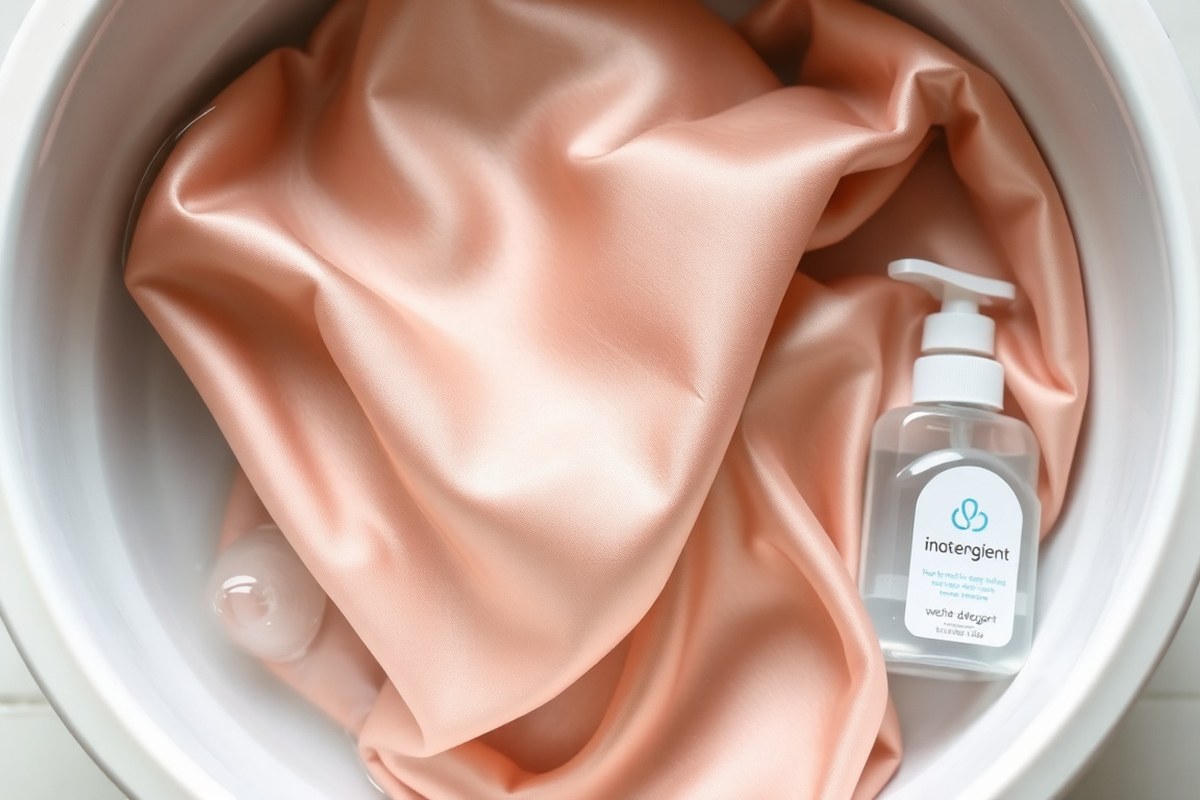
How to Wash Silk at Home Safely: A Complete Guide with Expert Tips
You can safely wash many 100% silk items at home using gentle hand washing or a careful machine cycle. Keep water temperatures low, use a mild detergent designed for delicates, and avoid agitation or soaking for more than 10 minutes to protect your silk’s texture and shape. This advice applies to silk clothing, bedding, and accessories like scrunchies, ensuring you maintain their softness and longevity.
This guide is for anyone who owns silk garments or bedding and wants clear, step-by-step instructions on how to wash silk without damage. You’ll find expert tips on hand washing, machine washing, stain removal, drying, and aftercare for your delicate silk items.
Key Takeaways
- Hand wash silk in cool water between 68°F and 85°F for 5 to 10 minutes with a gentle silk detergent.
- Machine wash silk only on a delicate or silk cycle at 30°C (86°F) using a mesh laundry bag if the label allows.
- Do not soak silk longer than 10 minutes to avoid weakening the fibers, except for dirtier pieces which can soak up to 30 minutes.
- Use mild white vinegar in the rinse water to help maintain silk’s sheen and remove detergent residue.
- Lay silk flat on a clean towel in a shaded area to help maintain its shape and texture.
- Iron silk at the lowest heat setting labeled “silk” (about 110°C or 230°F), using steam and ironing inside out.
Can You Wash Silk at Home? Essential Basics Explained

You can wash many 100% silk items at home safely, but you need to know which pieces suit home washing and how to care for them properly. Not all silk requires dry cleaning, which can be costly and unnecessary for most silk sheets, pillowcases, and some clothing like blouses or scarves. The key to successful home washing lies in checking the care label, the type of silk, and handling the fabric gently.
Start by examining the label on your silk garment or bedding. If it says “hand wash” or “machine washable,” you can proceed at home; if it says “dry clean only,” it’s safer to follow that advice, especially for expensive or very delicate pieces. For example, charmeuse silk, with its glossy surface, is best hand washed to avoid damage, while crepe de chine silk can often tolerate a gentle machine wash at 20-30 °C. Habitual hand washing in cold or lukewarm water with a pH-neutral detergent designed for silk provides the safest approach unless the label indicates machine washing is acceptable.
Use a decision checklist before washing: First, identify the silk type and read the label instructions. Second, sort silk items to wash separately from other laundry to prevent snags from zippers or rough fabrics. Third, choose cold or lukewarm water, never hot, to prevent shrinkage or weakening of fibers. Fourth, select a mild detergent specifically formulated for silk or other delicate fabrics. Fifth, for machine washing, place items in a mesh laundry bag and use the gentle or delicate cycle at the lowest spin speed. Avoid fabric softeners and bleach, which can harm silk fibers.
Incorrect washing risks include shrinking, losing sheen, fabric deformation, or permanent staining. Overly hot water or harsh detergents break down silk’s natural proteins, while vigorous rubbing or wringing can stretch or tear delicate threads. Machine washing without protection or mixing silk with rough textiles raises chances of pulling or pilling. These mistakes may not be easily reversible and could significantly shorten the life of your silk garments or bedding.
For fragile silk like chiffon, organza, or habotai, avoid machine washing altogether and stick to gentle hand washing with minimal agitation. Always rinse thoroughly but gently, then press water out without wringing. Dry your silk items flat or hang them away from direct sunlight to keep colors vibrant and the fabric soft. Iron inside out at a low temperature setting if needed, following label warnings.
Caring for silk at home means investing time now to keep your pieces looking their best later. Expect to spend about 10 to 15 minutes hand washing and rinsing, or 30 to 40 minutes including drying prep. The cost is mainly detergent and electricity if using a machine, with detergent prices ranging from $5 to $15 per bottle specifically for silk care. With these precautions, you’ll maintain silk’s softness, sheen, and strength without the extra expense of dry cleaning.
How to Hand Wash Silk: Detailed Step-by-Step Instructions

Hand washing silk requires cool water, a gentle or silk-specific detergent, and careful handling to protect the delicate fibers. Avoid heat, harsh chemicals, and rubbing to keep the fabric smooth and intact. Soak the silk for only 5 to 10 minutes, then rinse carefully and remove water without twisting or wringing.
Preparing the Water and Detergent Solution
Start with cool water between 68°F and 85°F (20°C to 30°C), which prevents shrinkage and damage caused by heat. Use a clean basin or sink to mix the water with a few drops of a detergent specially formulated for silk or other delicate fabrics. Avoid biological detergents as they contain enzymes that can harm silk fibers.
Adding a tablespoon of mild white vinegar per gallon of water can help maintain the silk’s natural luster and fix colors without damaging the material. Make sure your water solution is fully mixed before placing the silk item inside to ensure even cleaning.
Gently Washing and Soaking Without Rubbing
Silk should be soaked briefly rather than scrubbed or rubbed, which can break its fine threads. Soak the item for 5 to 10 minutes only, gently agitating it a few times by moving the fabric through the water without wringing or twisting. If you need to spot clean, lightly press or pat the fabric instead of rubbing hard. Here’s a step-by-step process to hand wash silk safely:
- Fill a clean basin with cool water (68°F to 85°F).
- Add a few drops of silk-friendly detergent and stir gently.
- Place your silk item into the water, fully submerged.
- Gently swirl the fabric around without rubbing or scrubbing.
- Let it soak for 5 to 10 minutes, no longer.
- Carefully lift the fabric, supporting it evenly to avoid strain.
Avoid soaking silk for more than 10 minutes to prevent weakening the fibers and altering the fabric’s texture.
Rinsing and Removing Excess Water Properly
Rinse silk items thoroughly in cold water to remove all detergent residues. You can refill the basin with fresh cool water and gently swirl the fabric to rinse multiple times if needed. Avoid twisting or wringing, as this will stress the fibers and may cause creases or damage.
To remove excess water, press the fabric gently against the basin side or against your hand. Then, lay your silk item flat on a clean white towel and roll the towel up with the fabric inside, pressing lightly to soak up moisture. Unroll and hang the fabric to dry away from direct sunlight or heat sources.
Is Machine Washing Silk Safe? How to Use Your Washer Properly
You can safely machine wash silk if the care label allows it, but only under specific settings that protect the fabric. Always use a delicate or silk cycle with cold water, a mild detergent, and a mesh laundry bag to prevent damage. Avoid high spin speeds and warm temperatures, which can weaken silk fibers and cause shrinkage.
Selecting the Correct Washing Cycle and Temperature
Choose the delicate or silk cycle on your washing machine, as it uses gentle agitation designed for fragile fabrics. Set the water temperature to a maximum of 30 °C (86 °F) to prevent shrinkage and maintain the silk’s natural luster. Cold water is preferable if your machine does not have precise temperature control for delicates. Avoid regular or heavy cycles, which can be too harsh on silk.
The spin speed should be low, typically around 400 rpm or less, to reduce stress on the fibers. High-speed spins increase the risk of stretching, wrinkling, or even tearing your silk items. If your machine lacks a delicate cycle, manually select a cold water wash with the lowest spin speed available.
Choosing the Right Detergent for Machine Washing Silk
Use a mild, pH-neutral detergent formulated for delicate fabrics or silk specifically. Avoid laundry detergents with enzymes, bleach, or whitening agents, as these can damage silk’s protein fibers. Gentle detergents help maintain the silk’s texture and sheen while effectively cleaning. Here’s a checklist for detergent selection:
- Mild or pH-neutral detergent formulated for silk or delicate fabrics
- No bleach, enzymes, or optical brighteners
- Liquid detergents are preferred over powdered versions for even dissolving
- Use recommended amounts to avoid detergent residue
- Consider silk-specific detergents available at specialty stores or online
Follow the detergent instructions for load size and fabric type to avoid overuse, which can leave residue and dull silk’s finish. Balance cleaning power with gentleness to keep your silk fabrics looking new.
Protecting Silk Items with Mesh Bags and Spin Settings
Always place silk garments or bedding inside a fine mesh laundry bag before machine washing. The mesh bag acts as a barrier against damage from the washing machine drum and other items during the cycle. It prevents snags, tearing, and pilling, especially on delicate silk nightgowns, pillowcases, or blouses.
After the wash completes, promptly remove silk items from the mesh bag to avoid wrinkles setting in from prolonged crumpling. Low spin speeds reduce the mechanical stress on silk inside the mesh bag, keeping fibers intact and smooth. Use this checklist to protect your silk during machine washing:
- Place each silk item in a separate fine mesh laundry bag
- Use mesh bags made for delicates with tightly woven fabric
- Set the spin speed to 400 rpm or lower
- Remove silk from mesh as soon as the cycle ends
- Avoid washing silk with heavy or rough fabrics to prevent abrasion
Removing Common Stains from Silk Without Damage
Removing stains from silk requires gentle care to avoid damaging the delicate fibers. Sweat, deodorant, oil, and wine stains must be treated with mild solutions and careful handling to preserve silk’s natural texture and color. Using diluted lemon juice or white vinegar can effectively lift some stains, but harsher methods and rubbing should be avoided.
Treating Protein-Based Stains (Sweat, Deodorant)
Sweat and deodorant stains are common on silk garments, especially in areas like underarms and necklines. These stains can cause yellowing or dull patches if not treated quickly. Use a mild acidic solution to break down the proteins without affecting the silk fibers. Here’s a step-by-step process for safely treating sweat and deodorant stains:
- Mix 2 tablespoons of white vinegar or lemon juice into 2 cups of lukewarm water.
- Dab the solution gently onto the stained area using a clean white cloth or sponge.
- Allow it to soak for 5 to 10 minutes, avoiding excessive wetting of the fabric.
- Blot the area lightly with a dry cloth to lift the stain without rubbing.
- Rinse the treated spot with cool water to remove vinegar or lemon juice residue.
- Air dry the silk flat or hang it away from direct heat and sunlight.
Avoid using hot water or scrubbing, which can set the stain further and weaken silk’s fibers. Treat stains as soon as possible for the best chance of removal.
Removing Oil and Makeup Stains Safely
Oil and makeup stains on silk require treatment that absorbs the residue without spreading it. Applying a mild detergent designed for silk or a gentle stain remover is best. Avoid commercial stain removers with strong chemicals or bleach. Use these steps to address oil and makeup stains:
- Place a clean white cloth under the stained area to prevent stain transfer.
- Apply a small amount of gentle silk detergent or diluted dish soap directly to the stain.
- Gently blot the stain using a soft cloth, working from the outside inward.
- Let the detergent sit for 5 minutes to break down oils.
- Rinse the area thoroughly with cool water, avoiding soaking the entire garment.
- Pat dry with a towel and air dry the silk in a shaded area.
Do not rub vigorously or use hot water, as this can spread the stain or damage delicate silk fibers. Avoid machine washing the stained area until you see improvement.
Dealing with Color Transfer and Wine Stains
Stubborn stains like red wine and color transfers from makeup or hair dye can be difficult to remove from silk and often require professional cleaning. These stains may cause permanent discoloration if treated at home incorrectly. Follow these guidelines for minor color transfers or fresh wine spills:
- Blot the spill immediately with a clean white cloth to absorb as much liquid as possible.
- Apply a mild solution of 2 tablespoons lemon juice or white vinegar to 2 cups lukewarm water.
- Dab gently at the stain with a soft sponge without rubbing.
- Rinse with cool water carefully to avoid spreading the stain.
- If the stain persists or sets in, take the garment to a licensed professional dry cleaner.
Avoid using bleach, hot water, or harsh scrubbing on wine or dye stains, as these can worsen damage and cause color loss. Prompt action improves outcomes but some stains on silk are best handled by experienced cleaners.
How to Dry Silk Properly to Maintain Its Texture and Shape
Drying silk properly helps preserve its delicate texture and shape without causing shrinkage or damage to the fibers. Avoid using heat sources like a dryer or direct sunlight, since high temperatures can shrink or weaken silk. Instead, gently press out excess moisture before laying the silk flat to air dry in a well-ventilated space.
After washing, do not wring or twist your silk garments or bedding. Lay the item flat on a clean, dry towel and roll it up tightly to absorb water. This method prevents stress on the fabric and helps remove excess moisture without damaging the fibers. Once most of the water is absorbed, place the silk flat on another dry towel in a shaded area away from radiators, vents, or windows with direct sunlight.
Air drying on a flat surface maintains the silk’s natural shape and prevents stretching that can occur if hung while wet. For items like silk pillowcases or nightgowns with lace, flat drying is especially important to keep their form intact. Let the silk dry completely overnight or for several hours, depending on humidity and room temperature.
- Gently press water out using a towel roll; avoid wringing.
- Lay silk flat on a clean towel in a shaded, well-ventilated area.
- Never expose silk to direct sunlight or heat sources during drying.
- Use a dry towel in the spin cycle for washing machines to reduce drying time.
- For smaller items like scrunchies, air dry overnight away from sun and heat.
- Skip the dryer entirely to prevent fiber damage and shrinkage.
Never use a clothes dryer on silk, as heat will almost always cause shrinkage and damage the fabric’s texture.
If you want to reduce wrinkles after drying, gently smooth the silk with your hands while it’s still slightly damp. Using a cool iron with a protective cloth after drying can help but only do this according to the garment’s care label instructions. Avoid tumble drying and direct heat sources entirely to keep your silk textiles looking their best over time.
Preventing Common Mistakes When Washing Silk
Washing silk incorrectly can weaken its delicate fibers, cause color fading or bleeding, and lead to unwanted shrinkage. One of the most frequent errors is using hot water, which damages the protein structure of silk and shrinks the fabric. Always select cold or lukewarm water, ideally around 86°F (30°C), to keep silk garments and bedding safe. Another common mistake is soaking silk for too long; limit soaking to no more than 5 to 10 minutes to avoid fiber weakening.
Color bleeding often occurs when washing dyed silk without testing colorfastness first. To prevent this, dab a damp white cloth on a hidden area of your silk nightgown or pillowcase before washing. If color transfers to the cloth, wash the item separately or avoid washing it at home. You can gently rinse once, but aggressive washing can worsen bleeding.
- Use cold or lukewarm water, never hot.
- Limit soaking time to 5, 10 minutes maximum.
- Test for colorfastness before washing.
- Wash silk separately or with like colors to prevent dye transfer.
- Select a gentle detergent made for delicate fabrics or baby shampoo.
- Avoid high-spin cycles or tumble drying to prevent shrinking and wrinkling.
- Resume air drying flat or on a padded hanger away from direct sunlight.
Wrinkles can form if silk dries in a crumpled position or if high heat is applied during drying. While ironing can restore smoothness, avoid pressing silk at temperatures above 265°F (130°C). Using a warm iron on the silk’s reverse side or covering it with a pressing cloth saves the fabric’s natural sheen. Alternatively, hanging your silk item in a hot, steamy bathroom for about 15 minutes can relax wrinkles without heat damage.
Tackling shrinkage means handling silk with gentle care from start to finish. Machine washing is possible but requires the delicate cycle and mesh laundry bags to reduce agitation. Remember that excessive agitation and heat are the main causes of fiber damage and size changes. To keep your silk’s soft texture and shape, stick to recommended water temperatures, mild detergents, and gentle drying methods.
Silk Aftercare: Ironing, Storing, and Maintaining Softness
Ironing silk requires a careful approach because the fabric is delicate and heat-sensitive. Use the lowest heat setting on your iron indicated as “silk” or “synthetic,” typically around 110 °C (230 °F). Avoid using steam directly on silk, as it can leave water spots. Instead, iron silk while it’s slightly damp or place a pressing cloth between the iron and the fabric to prevent damage.
Properly storing silk helps prevent damage from moisture, sunlight, and creases. Keep your silk clothing and bedding in a cool, dry spot out of direct sun to preserve the color and fiber strength. Choose breathable cotton bags or pillowcases instead of plastic containers that hold moisture. Padded hangers are better for preserving the shape of silk nightgowns compared to folding.
To reduce wrinkles and maintain softness between washes, let silk air out after wearing by hanging it for about an hour. Gently smoothing the fabric by hand can help reduce creases. Refreshing silk can also be done with a short spritz of water mixed with a small amount of silk-safe detergent, then letting the item dry flat or on a hanger. This avoids unnecessary washing and preserves the fabric’s natural sheen. Follow these steps to iron, store, and maintain softness in your silk items:
- Set the iron correctly. Choose the “silk” or “synthetic” setting on your iron, usually about 110 °C (230 °F). Avoid higher temperatures to prevent scorching.
- Prepare the silk item. Iron silk when slightly damp or use a dry silk garment covered with a thin cotton pressing cloth to protect it from direct heat.
- Iron gently. Move the iron smoothly and quickly to avoid overheating any spot. Do not leave the iron still on silk fibers.
- Air dry after ironing. Hang the silk item for an hour to let wrinkles fall out naturally before storing or wearing.
- Store properly. Use padded hangers for garments or fold gently in breathable cotton storage bags. Keep silk away from direct sunlight and moisture.
- Refresh between washes. Lightly mist silk with water mixed with silk-safe detergent to soften and reduce wrinkles without needing a full wash.
Choosing the Right Detergent and Alternatives for Washing Silk
Using the right detergent is key to keeping your silk garments and bedding soft and vibrant. Silk is a delicate natural protein fiber, making it sensitive to alkaline and harsh chemicals found in many detergents. Specialized silk detergents offer the safest cleaning by being formulated with a mild pH balanced for silk’s delicate fibers. Mild baby shampoos are another gentle option because they are designed for sensitive hair and lack aggressive cleaning agents.
Homemade solutions or home remedies can work if chosen carefully. Some avoid using strong alkaline soaps, enzyme-based cleaners, or typical fabric softeners as these may damage silk, causing it to feel rough or look dull. The table below compares specialized silk detergents, mild baby shampoos, and common homemade cleaning methods to highlight their pros and cons for washing silk.
| Detergent Type | Why Use It | How to Use | Pros | Cons | Typical Cost |
|---|---|---|---|---|---|
| Specialized Silk Detergent | Formulated for silk’s delicate fibers, pH balanced | Dissolve in cool water (~30°C), soak for 3-5 min, hand wash gently | Protects fiber, maintains softness and sheen, safe for machine use on delicate cycle | Pricier than regular detergents | $8, $15 per bottle |
| Mild Baby Shampoo | Gentle enough for hair and silk protein fibers | Mix a small amount (1 tsp per liter) in cool water, hand wash carefully | Affordable, easy to find, gentle cleaning | May not remove heavy stains or oils as well | $5, $10 per bottle |
| Homemade Solutions (e.g., diluted vinegar or baking soda) | Neutralizes odors or softens water | Use sparingly as additive; example: 1 tbsp white vinegar in rinse water | Cost-effective, available at home | Not sufficient alone for cleaning, may alter pH if misused | Minimal cost |
Do not use alkaline wool detergents with pH between 8 and 9.5, enzyme-based cleaners, or regular fabric softeners on silk. These products can quickly damage silk, leaving it dull and rough. Always opt for cool water (around 30°C or 86°F) and gentle hand washing to protect your silk. For machine washing, use the delicate cycle together with a silk-specific detergent and avoid tumble drying.
Always check the care label on your silk item before washing to ensure the detergent and method fit its specific requirements.
Step-by-Step Action Plan for Washing Silk at Home
Follow these clear steps to clean your silk safely and keep it looking its best.
- Before You Start: Check your silk garment’s care label for any special instructions. This tells you if hand washing or machine washing is safest.
- Day of Washing: Choose a gentle silk detergent or a mild baby shampoo. Avoid regular detergents that can damage fibers.
- Hand Wash Phase: Fill a basin with cool or lukewarm water, add detergent, and gently swish your silk for 3 to 5 minutes. You’ll know it worked if the garment feels clean but still soft.
- Machine Wash Option: If the label allows, place silk in a mesh bag and use the delicate cycle with cold water. The fabric should come out unstretched and with no damage.
- Stain Removal Step: Treat fresh stains immediately with cool water and a gentle blot. For tougher stains, use a diluted white vinegar solution sparingly, checking fabric response.
- Drying Phase: Lay silk flat on a clean towel, roll gently to remove excess water, then air dry away from direct sunlight. Proper drying keeps the silk’s shape and softness.
- After Drying: Iron on the lowest setting while slightly damp, using a cloth between the iron and silk. Proper ironing prevents wrinkles without burning the fabric.
- Storage Tip: Keep silk in a cool, dry place away from harsh light. Fold neatly or hang on padded hangers to avoid creases or damage over time.
Frequently Asked Questions
Can 100% Silk Be Washed?
Many 100% silk items can be safely hand washed at home with gentle care and the right detergent. Avoid hot water and harsh detergents to prevent damage and preserve the fabric’s texture.
What Is the Best Thing to Wash Silk With?
Use a gentle detergent specifically designed for delicates or silk to wash silk effectively without damaging it. Avoid bleach and regular laundry soap, which can weaken the fibers.
What Happens If You Wash Silk That Says Dry Clean Only?
Washing silk labeled dry clean only may be possible if handled carefully with mild detergent and cool water, but it risks fabric damage or color loss. Test a hidden area first before washing the whole item.
Can You Wash Silk in Washing Machines?
Machine washing silk is safe if you use the delicate cycle, cold water, a mesh laundry bag, and a mild silk detergent. Avoid mixing with heavy items like jeans or zippers to prevent snagging.
How Quickly Can You Wash Silk Scrunchies by Hand?
You can hand-wash silk scrunchies in about 5 minutes using cool water and gentle detergent, making them quick to clean regularly. Rinse gently and air dry in shade for best results.
Can You Use Vinegar When Washing Silk?
Mild white vinegar can be added to the rinse water to help maintain silk’s softness and restore pH balance, but use it sparingly to avoid weakening fibers.
Before You Go
Washing silk at home requires care but is doable using gentle methods and the right products. Start with a small, less valuable piece to build your confidence. Once comfortable, maintain your silk’s smooth texture and vibrant look by following safe washing and aftercare techniques every time.