How to Clean a Down Comforter Safely: Simple Steps for Fluffy Results
Cleaning a down comforter safely starts with gentle washing methods and careful drying to protect its fluffiness and fill. You can wash a down comforter at home if it has a 100% cotton cover, using a mild detergent and the lowest heat setting on your dryer. Proper care keeps your comforter soft and cozy without damaging the delicate down filling.
This advice suits homeowners or renters managing down comforters who want straightforward, safe cleaning techniques. The information covers washing, drying, stain removal, and storage tips to help maintain your down comforter’s quality over years of use.
Key Takeaways
- Wash down comforters every 1-3 years to maintain freshness and prevent damage.
- Choose a gentle detergent made specifically for down or delicate materials to keep the filling safe.
- Select the lowest heat and a long drying cycle, up to 4 hours, to avoid overheating.
- Pause the dryer every 20-30 minutes to shake and redistribute the filling evenly.
- Spot clean stains promptly with gentle cleaners to prevent set-in marks.
- Wash more frequently, every 3-6 months, if you don’t use a cover or have allergies.
How to Wash a Down Comforter Without Damaging It

Washing a down comforter without damaging the fill requires careful preparation and gentle handling throughout the process. The goal is to clean the comforter thoroughly while preserving the delicate down feathers that provide warmth and fluffiness. Using too much detergent, squeezing the comforter into a small machine, or washing with hot water can harm the down’s natural loft and spread feathers unevenly.
Machine washing is acceptable for many down comforters as long as the washer is large enough and you use gentle settings. A front-loading washer with a large capacity works best because it has a smooth tumbling action and enough room to let the comforter move freely, avoiding damage from excessive agitation. Here are the essential steps to safely wash your down comforter:
- Check the Care Label and Washer Size. Confirm that your comforter’s tag permits machine washing. Ensure your washing machine has a large capacity, preferably a front-loader, to accommodate the comforter without compressing it tightly.
- Pre-Treat Any Stains.When you spot visible stains, gently apply a mild detergent using a soft cloth to clean them. Pull the fabric cover away from the down while treating the stain to avoid soaking the feathers directly.
- Load the Comforter Loosely into the Machine. Place the comforter in the washer to allow water and detergent to circulate evenly. Do not cram it in, which can prevent effective cleaning and strain your machine.
- Add a Gentle Detergent. Use a mild detergent formulated for down or delicate fabrics. Avoid using too much soap; typically, an amount recommended for a large load (about 2 tablespoons for liquid detergent) is sufficient.
- Select Cold or Warm Water on a Delicate Cycle. Wash the comforter with cold or warm water, not hot, to protect the down fill. Use the delicate or gentle cycle to reduce agitation that could damage the feathers.
- Run an Extra Rinse Cycle.When your washer has the option, include a second rinse cycle to fully remove detergent residue. Soap left in the down can degrade its quality over time.
- Remove Comforter Carefully. Once the cycle finishes, take the comforter out gently to avoid breaking the stitching or compressing the down excessively.
- Consider Hand Washing or Soaking for Delicate Comforters.When your washing machine is too small or the down comforter is fragile, soak it in a bathtub with lukewarm water and mild detergent. Gently press and squeeze the comforter by hand without wringing or twisting to avoid damage.
Choosing the Best Detergent for Your Down Comforter
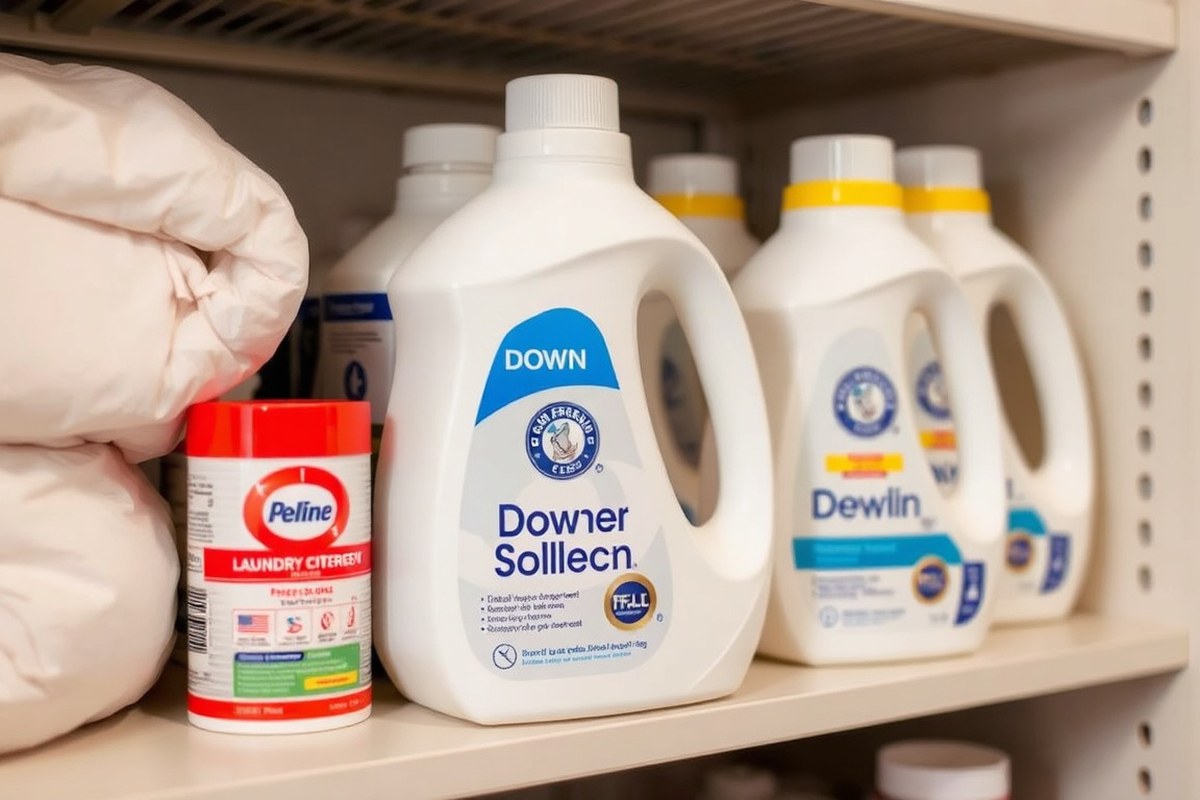
Choose a mild, down-specific detergent or a gentle, non-enzyme laundry detergent to clean your down comforter safely and effectively. Avoid bleach, fabric softeners, and enzyme-based detergents, as these can damage the feathers and fabric. Detergents with odor-neutralizing properties can maintain freshness after washing, especially if your comforter needs a little extra care.
Down-Specific vs. Regular Detergents
Down-specific detergents are formulated to protect the natural oils that keep feathers soft and lofted. These products avoid harsh chemicals and enzymes that break down delicate fibers, preserving the comforter’s insulation and fluffy texture. For example, using a down-specific detergent that costs around $10 to $15 per bottle can extend your comforter’s lifespan and maintain its softness better than regular detergents.
If a down-specific detergent isn’t available, opt for a mild, liquid detergent without enzymes or bleach. A detergent labelled “gentle,” “free of additives,” or “hypoallergenic” often meets these criteria. Using about 1 to 2 tablespoons of detergent per wash works well for a large capacity machine, helping to ensure a thorough but gentle clean without residue buildup.
Detergents to Avoid for Down Comforters
Bleach and fabric softeners should never be used on down comforters. These products strip the down feathers of their natural oils, causing the fill to become dry and brittle, which reduces warmth and fluffiness. Enzyme-based detergents also damage the natural fibers over time. In addition, harsh detergents can cause the fabric cover to weaken and tear under washing stress.
Fabric softeners and dryer sheets coat feathers with chemicals that prevent proper fluffing. Repeated use often leads to clumping and loss of loft. Instead, rely on natural alternatives like wool dryer balls during drying to maintain softness without damaging the comforter.
Always check the care label before washing and avoid detergents containing bleach, fabric softeners, or enzymes to prevent damage to your down comforter.
Using Natural and Odor-Neutralizing Products
Some detergents include odor-neutralizing ingredients that help your comforter stay fresh longer between washes. These additives break down odor-causing molecules without masking them with strong fragrances. Using such a detergent can be especially helpful in homes with pets, allergies, or strong household smells.
For added softness without chemicals, dryer balls made from wool or clean tennis balls can help fluff the comforter and reduce drying time by up to 25%. This reduction can save energy and reduce wear from longer drying cycles. Opting for these natural methods improve fluffiness and maintains the down’s integrity without introducing damaging chemicals.
Drying Your Down Comforter to Maintain Fluffiness
Use a low heat setting to dry your down comforter, along with dryer balls or clean tennis balls to maintain its fluffiness and avoid clumping. The drying cycle typically lasts between 2 and 4 hours based on your dryer’s size and temperature setting. Be sure to pause occasionally to shake the comforter, spreading the down filling evenly for consistent drying and to restore loft.
Setting Dryer Temperature and Cycle
Choose the lowest or a low heat setting on your dryer to protect the delicate down fill from overheating and losing loft. Some dryers offer a “delicate” or “air fluff” cycle, which can also be suitable. Keep in mind that higher heat may cause the down to become brittle or cause damage to the fabric.
Drying a down comforter can take several hours due to its size and thickness. Plan for 2 to 4 hours on low heat, but the exact time depends on your dryer’s capacity and the comforter’s moisture content. Stop the drying process occasionally to check whether it is completely dry and to prevent overheating or overdrying.
Fluffing Techniques During Drying
Every 20 to 30 minutes, pause the dryer to remove the comforter and give it a vigorous shake. This redistributes the down feathers evenly throughout the comforter, breaking up any clumps that may have formed. Fluffing by hand helps maintain loft and prevents cold spots caused by down bunching.
After shaking, lay the comforter flat or hang it briefly to let any moisture in thick areas evaporate more quickly before returning it to the dryer. Repeat this process multiple times during the drying cycle until the comforter feels completely dry, especially in thicker pockets where moisture tends to trap.
Using Dryer Balls Effectively
Wool dryer balls or clean tennis balls help keep your comforter fluffy during the drying process by moving around and tapping the down to prevent clumps. This motion improves air flow inside the dryer, allowing moisture to escape more easily and reducing overall drying time.
Place about six wool dryer balls or three to four tennis balls (preferably covered with clean socks to protect fabric) with your comforter. Make sure the balls are clean and free of dirt to avoid any soiling during drying. Dryer balls can reduce drying time by roughly 15 to 30 minutes, saving energy and preserving the loft of your comforter. Follow these steps to dry your down comforter properly:
- Set your dryer to the lowest heat or delicate setting.
- Place your down comforter loosely inside the dryer, avoiding overstuffing.
- Add six wool dryer balls or several clean tennis balls covered with socks to your dryer to help fluff the down and shorten drying time.
- Start the drying cycle and set a timer for 20 to 30 minutes.
- Pause the dryer and remove the comforter; shake and fluff it vigorously to redistribute the down.
- Lay the comforter flat or hang it briefly to let moisture escape.
- Return the comforter to the dryer and repeat the shaking and drying process until completely dry.
- Ensure no dampness remains to prevent mould or mildew growth before storing or using.
How Often Should You Clean Your Down Comforter?
Washing your down comforter every one to three years is generally sufficient for most households, especially if you use a duvet cover and don’t have specific allergies. Washing less frequently helps preserve the loft and insulating qualities of the down feathers. Frequent washes can break down the fine down clusters, reducing warmth and fluffiness. Washing too often may also increase the risk of clumping or damaging seams.
More frequent washing, roughly every three to six months, becomes necessary if you don’t use a cover, sleep with pets, or tend to sweat heavily. Allergies also call for more regular cleaning to reduce allergens trapped in the filling. Spot cleaning is a valuable tool because it targets stains or small dirty spots without subjecting the whole comforter to wear from the wash cycle. Use a mild detergent and a damp cloth to blot stains promptly, and avoid rubbing vigorously, which can damage the fabric.
Professional cleaning is recommended once every one to three years, particularly if your comforter has stubborn stains or a delicate fabric shell. While home washing is often effective, professional launderers use gentle techniques and specialized solutions to preserve the down’s integrity and remove tough soils. Avoid dry cleaning, since the chemicals and solvents used can harm the down clusters.
For spot cleaning, gently dab the area with warm water and a mild detergent, then blot dry with a clean towel. This method avoids over-wetting the down filling and maintains the comforter’s fluffiness. If stains linger after washing, you can repeat spot treatment and wash again before drying; heat from the dryer sets stains permanently. To help decide when to clean your down comforter, consider the following:
| Situation | Cleaning Frequency | Recommended Action |
|---|---|---|
| Normal use with duvet cover, no allergies | Every 1 to 3 years | Wash or professional cleaning |
| No duvet cover, pets in bed, heavy sweating, allergies | Every 3 to 6 months | Wash more frequently, spot clean stains |
| Small stains or spills | As needed | Spot clean promptly |
| Stubborn stains not removed by home washing | As soon as noticed | Professional cleaning recommended |
Scheduling cleaning based on these factors balances hygiene and comforter longevity. You can expect a professional cleaning to cost about $25 to $50 depending on size and location. Home washing takes 4 to 6 hours including drying time but helps maintain control over detergents and care methods.
Always store your comforter clean and dry to slow dirt buildup between washes. Avoid washing more frequently than needed; excess cleaning risks diminishing the softness and insulating properties that make down comforters desirable for cozy bedding.
Spot Cleaning and Stain Removal for Down Comforters
Spot cleaning a down comforter lets you treat stains carefully without washing the whole item, which can help preserve the fill’s loft and warmth. Using gentle homemade remedies and targeted techniques prevents damage to delicate down feathers while removing spots effectively. Timing and method matter to avoid setting stains or shrinking fabric.
Identifying Types of Stains
Recognizing what caused a stain is the first step toward effective spot cleaning. Protein-based stains like sweat, blood, or food require different attention than oil-based stains such as makeup, grease, or lotion. Surface stains are usually visible and easier to treat, while some may hide along seams where fabric gathers. Keep an eye out for these common stains:
- Food and beverage spills: Coffee, wine, or sauces often need immediate treatment to avoid permanent staining.
- Body oils and sweat: Usually yellowish; require mild detergent or enzyme-based cleaners.
- Grease and makeup: Heavier stains needing degreasing agents like dish soap.
Inspect seams separately to check for fraying or loose threads, which can make cleaning uncomfortable or less effective if ignored.
Preparing and Applying Stain Removers
A careful pretreatment avoids full washing unless necessary. Homemade stain removers offer safe, affordable alternatives using everyday household items that won’t harm down fill or fabric. A popular recipe combines one part blue Dawn dish soap with two parts fresh hydrogen peroxide in a spray bottle. This mix is suitable for oil and protein stains. Follow these steps to spot clean safely:
- Test the stain remover on a small, hidden fabric area to check for discoloration or damage.
- Apply a small amount directly onto the stain using a soft brush or sponge, targeting only the affected area.
- Let the solution sit for 10 to 15 minutes to loosen the stain without letting it dry out or set in.
- Gently dab or sponge the stain with cold water to rinse; avoid hot water, which can set stains or cause shrinkage.
- Repeat application if necessary for stubborn stains, letting each treatment sit about an hour before rinsing more thoroughly.
- Air dry the spot-cleaned area, ideally outside, to preserve down loft and freshness.
Avoid rubbing aggressively as it may damage down clusters or mix loosened stain particles deeper into the fabric.
When to Follow Up with Full Washing
Spot cleaning works mostly for fresh or minor stains. Large, old, or multiple stains usually require washing the entire comforter to ensure uniform cleaning and prevent patchiness. Full washing is especially necessary if stains remain after repeated spot treatments.
Allow spot treatments to sit up to an hour before deciding if washing is needed. If the comforter smells musty, has visible pet odors, or feels greasy, treating these issues fully with a wash will restore cleanliness better than spot cleaning alone. Remember not to let the comforter stay wet for long periods to avoid clumping of down fill and loss of warmth.
Common Cleaning Mistakes and How to Fix Them
Over-washing your down comforter can lead to damage in both the feathers and the fabric cover. Washing too often breaks down the natural oils in down feathers, causing them to become brittle and lose loft. Use warm water on a delicate cycle to avoid shrinking the fabric and damaging the fill. Avoid hot water, which shrinks feathers and fabric, and cold water, which often fails to remove dirt and oils effectively.
Improper drying is another common mistake. Down comforters need thorough drying to prevent clumping and mildew. Insufficient drying leaves feathers damp and flattened. Use a large-capacity dryer on low heat with tennis balls or dryer balls to break up clumps and restore fluffiness. The drying process can take a few hours, so be patient and check periodically to avoid overheating, which can damage the fabric.
If your comforter feels clumped or flat after washing, you can fix it by fluffing it manually and then placing it back in the dryer with dryer balls on a low-heat setting. Gently shake or knead it during drying to separate the down clusters. Avoid vigorous beating, which might tear the cover or damage the stitching.
Yellowing stains on a down comforter typically result from body oils, sweat, or aging fabric. Treat these by applying a gentle stain remover or a paste of baking soda and water directly to the stains before washing. Wash the comforter promptly to prevent stains from setting. Consistent use of a duvet cover can prevent these stains and extend the comforter’s life.
- Always zip up duvet covers before washing to protect the comforter and cover from damage or snagging.
- Inspect for worn stitching or tears before washing to prevent further damage and leakage of down feathers.
- Use a soft brush or cloth to handle any surface stains carefully before full laundering.
- Check your washer and dryer capacity to ensure they can handle the size of your comforter without overloading.
- Run an initial 20-minute dryer cycle on high heat to disinfect and reduce allergens like dust mites if necessary.
Taking these steps helps protect your down comforter’s fill and fabric from common washing and drying mistakes. Gentle care preserves its loft, comfort, and appearance, preventing premature wear and costly replacements. Handle your comforter with care and avoid extremes in water temperature or drying heat to maintain its quality over time.
When to Choose Professional Cleaning over Home Washing
Professional cleaning is the better option when your down comforter shows significant damage, has stubborn stains that home methods cannot remove, or if the care label specifically recommends dry cleaning only. These signs include tears, broken stitching, clumping down, or severe dirt buildup. Taking it to a cleaner who specializes in down ensures they use gentle techniques tailored to preserve the loft and integrity of the feathers and fabric.
Dry cleaning a down comforter uses solvents instead of water, which prevents shrinkage and preserves delicate fabrics. However, dry cleaning can be much more expensive than washing at home. Prices typically range between $30 and $100, depending on the size, condition, and location of the cleaner. Dry cleaning also does not always remove odors or deeply embedded dirt as effectively as a professional wet laundering service. For comforters without manufacturer restrictions against water washing, professional wet cleaning might be preferable, which is available at some cleaners focused on bedding.
If you decide on dry cleaning, find a cleaner that clearly states experience with down comforters or feather bedding. Ask about their cleaning methods to confirm they won’t use harsh chemicals or heat that could damage the down. Checking customer reviews for similar items is another way to ensure quality results. Some cleaners use specialized machines and low-heat drying cycles that help maintain fluffiness and prevent clumping.
When your comforter is large, heavy, or your home washer and dryer cannot accommodate it with enough room to move freely, professional cleaning or using a laundromat with oversized machines can protect your bedding. At home, a washing machine needs to have enough space, ideally 3.5 cubic feet or larger, to wash the comforter without compressing it too much, which can damage the down clusters. Followed by a careful drying process, either air drying with frequent fluffing or machine drying on low heat with dryer balls to avoid clumps.
In case of serious damage like broken seams or extensive fabric wear, it’s wise to take your comforter to a professional cleaner who can also handle minor repairs or advise on long-term care. Although professional cleaning costs more, the investment can prevent further damage and extend the life of your comforter.
How to Store Your Down Comforter to Keep It Fresh
Proper storage of your down comforter helps maintain its freshness, dryness, and prevents odors or harm. Ensure the comforter is fully dry before storage, which may require up to 4 hours in the dryer. Moisture left behind can lead to mildew or a stubborn musty smell.
Choose a storage bag made of breathable materials like cotton, linen, or eco-friendly polypropylene fabric. Avoid vacuum-sealed bags or plastic containers, as they trap moisture and may lead to mildew or unpleasant odors. Folding or loosely rolling your comforter before storing helps maintain its fluffiness and prevents clumping.
- Ensure the comforter is fully dry, use a dryer with dryer balls or add a towel to speed drying.
- Store in a breathable cotton or linen bag, or an eco-friendly polypropylene nonwoven fabric bag.
- Keep the comforter loosely folded or rolled, not tightly packed.
- Store in a cool, dry place away from direct sunlight and high humidity.
- Use a dehumidifier in your storage area to reduce excess moisture in the air.
- Take the comforter out every few months to air it in the sun, helping refresh and reduce odors.
- Avoid placing heavy items on top that may compress the down filling.
Proper storage protects your comforter from dust and moisture, and maintains its insulating ability. Regular airing in sunlight for a few hours every season prevents stale smells and keeps the down filling fresh. Using a dehumidifier in damp climates helps prevent musty odors proactively.
Never store a damp down comforter in a plastic bag, as trapped moisture will cause mildew and damage the fill.
Finally, always choose a breathable storage option and store your comforter in a dry, ventilated spot. These steps protect your investment and ensure your comforter stays cozy and fresh for years.
Step-by-Step Action Plan for Cleaning Your Down Comforter
Follow these practical steps to clean your down comforter safely and keep it fluffy and fresh.
- Before you start: Check your comforter’s care label to confirm washing instructions and machine compatibility.
- Day 1: Spot clean any visible stains with a mild detergent and cold water, gently blotting until stains fade.
- Day 2: Wash the comforter in a large-capacity washing machine on a gentle cycle using a down-specific or mild detergent.
- Day 2 (after washing): Rinse the comforter thoroughly two to three times to remove all detergent residue.
- Day 2 (drying): Put your comforter in a roomy dryer set to low heat, along with a few clean tennis balls or dryer balls to help bring back its fluff. Stop and check it every half hour.
- After drying: Shake out the comforter and feel for damp spots; continue drying if any remain to avoid mildew.
- Every 3-6 months: Spot clean as needed and air out your comforter regularly to maintain freshness between washes.
- Yearly: Wash and dry your comforter according to this plan unless you notice heavy soil or odors warranting earlier cleaning.
Frequently Asked Questions
Can You Wash a Down Comforter in a Regular Home Washing Machine?
Yes, you can wash a down comforter in a large home washing machine if it fits comfortably to avoid damaging the down fill. Using a gentle cycle and cold water helps protect the delicate feathers.
How Can I Keep My Down Comforter Fluffy After Washing?
Fluff your comforter periodically during drying by pausing the cycle and manually shaking it. Using clean tennis balls or dryer balls can help restore loft while drying.
Is It Necessary to Use Special Detergent for Down Comforters?
Using a gentle detergent made for down or mild soap is best to avoid stripping natural oils in the feathers. Harsh detergents can harm the insulation and reduce softness.
Can I Spot Clean My Down Comforter Instead of Full Washing?
Spot cleaning is a good way to address small stains without repeated washing that can wear down the down fill. Use a mild cleaner and dab gently to avoid saturation.
How Long Does It Take to Dry a Down Comforter Completely?
Drying a down comforter fully can take several hours on low heat, often around 3 to 4 hours. It’s important to ensure the comforter is completely dry to prevent mildew.
Can Using a Duvet Cover Extend the Time Between Washes for a Down Comforter?
Yes, a duvet cover protects the comforter from dirt and spills, reducing the need for frequent washing. It’s easier to clean and helps preserve the comforter’s lifespan.
Wrapping Up
Cleaning your down comforter with care keeps it soft, warm, and long-lasting. Start by spot treating stains right away to prevent set-in marks, then wash and dry it gently using the right settings and detergent. Maintaining a regular cleaning schedule and proper storage will help preserve its loft and appearance. Begin today by checking your comforter’s label and preparing your cleaning supplies.