How to Clean Couch Cushions: Step-by-Step Methods for Lasting Freshness
To clean couch cushions effectively, start by vacuuming them thoroughly, then apply baking soda to absorb odors before spot treating any stains. Deep clean your cushions every 6 to 12 months and allow them to dry completely to prevent mildew. Following these steps preserves fabric and keeps cushions fresh longer.
This advice fits homeowners and renters aiming to keep their upholstery fresh without damaging the fabric or cushion structure. You’ll learn safe cleaning methods tailored to different cushion types and how to handle common stains with the right supplies.
Key Takeaways
- Always check your couch cushion’s care tags to choose appropriate cleaning methods and products.
- Vacuum cushions in a criss-cross pattern to remove dirt, dust, and pet hair before any cleaning.
- Use baking soda to absorb odors by sprinkling it evenly and letting it sit for at least 30 minutes.
- Spot-treat grease stains with cornstarch, allowing 10 to 15 minutes before brushing or vacuuming off.
- Remove cushions from the couch before cleaning to reach all surfaces and avoid damaging upholstery.
- Allow deep-cleaned cushions 24 hours to dry fully, especially if you use steam cleaners.
How to Clean Couch Cushions Safely and Effectively

Cleaning couch cushions safely and effectively means removing dirt, stains, and allergens without harming the fabric or padding. The key is knowing your cushion type and fabric, followed by gentle vacuuming, targeted spot treatment, and proper drying. Using the correct cleaning products and methods prevents shrinkage, dye fading, or texture damage, preserving your couch’s comfort and appearance.
A proven method for overall cleaning starts with vacuuming to lift dust and debris, then spot treating stains with a mild, dye-free detergent solution, and finally ensuring cushions dry thoroughly to avoid mildew. This approach works well for most removable cushion covers and many non-removable fabrics, reducing the risk of damage while revitalizing your sofa.
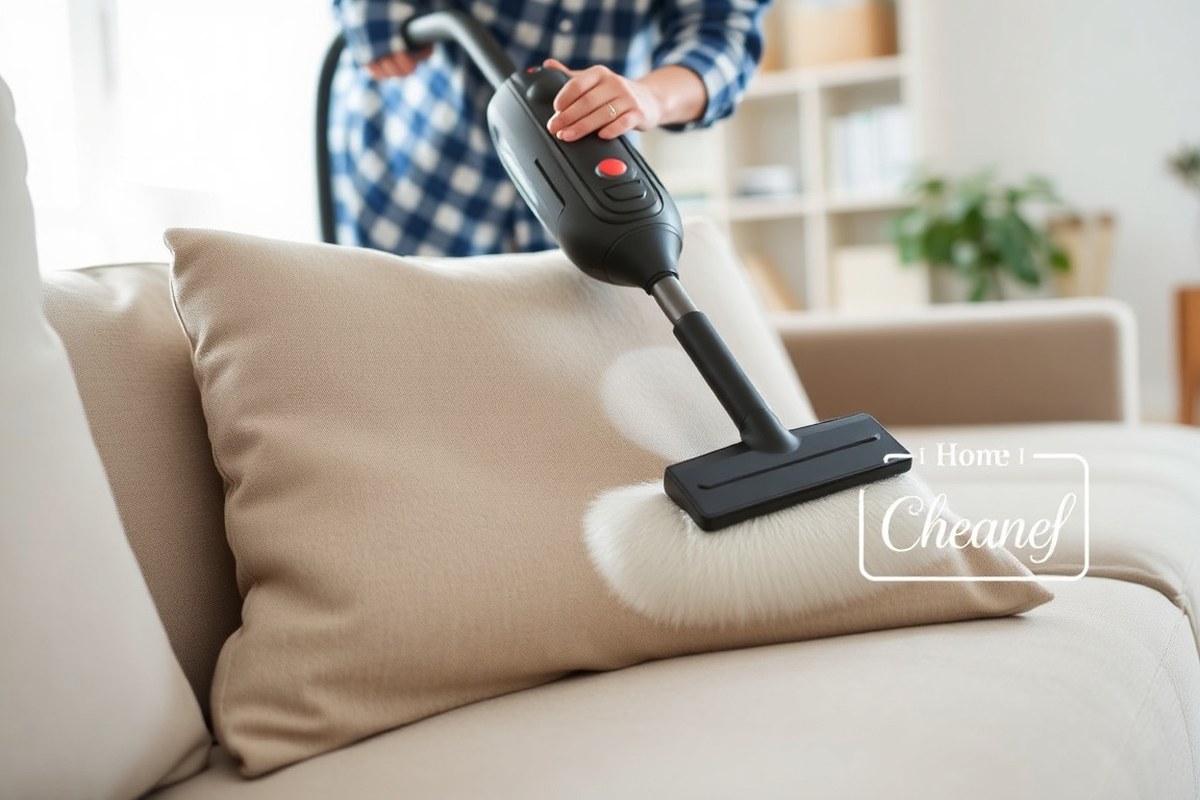
- Remove cushions and vacuum thoroughly. Take the cushions off your couch and place them on a clean floor area. Use a vacuum cleaner with an upholstery attachment and a soft-bristled brush to remove surface dust, dirt, and pet hair. Vacuum in a criss-cross pattern and be gentle to avoid stressing delicate fabrics.
- Check the care label before applying any cleaning solution. The label provides essential guidance to avoid damage. Only use cleaning methods and products recommended for your fabric type, this is especially important for leather, suede, or delicate synthetics.
- Prepare a mild cleaning solution. Mix about one teaspoon of dye-free laundry detergent into a cup of lukewarm water. Test the solution on a hidden area first to rule out color bleeding or fabric roughening.
- Spot clean stains carefully. Lightly dampen a clean microfiber cloth with your detergent solution. Blot the stained area gently, avoid scrubbing or saturating the fabric. Continue blotting with a dry cloth to lift moisture and prevent overwetting.
- Rinse with a clean, damp cloth. Wipe the treated area with a cloth dampened only with plain water to remove detergent residue. Blot dry again to reduce moisture.
- Allow cushions to air dry completely. Place cushions in a well-ventilated room, away from direct sunlight or heat sources which can cause fading or shrinkage. Drying may take several hours or up to a full day depending on humidity levels.
- Fluff and replace cushions once dry. Gently fluff the cushions to restore their shape and comfort before putting them back on the couch.
Using this step-by-step process costs very little beyond your existing vacuum and inexpensive laundry detergent. It typically takes 30 to 60 minutes of active cleaning time, plus drying. Good results show fresh, stain-free cushions with no fabric damage or stiffness. Common mistakes to avoid include overwetting cushions, scrubbing too hard, and drying in direct sun or heat, as these can cause irreversible damage. Following manufacturer guidelines and using gentle techniques keeps your couch cushions looking and feeling their best over time.
How to Identify Your Couch Cushion Fabric and Care Tags
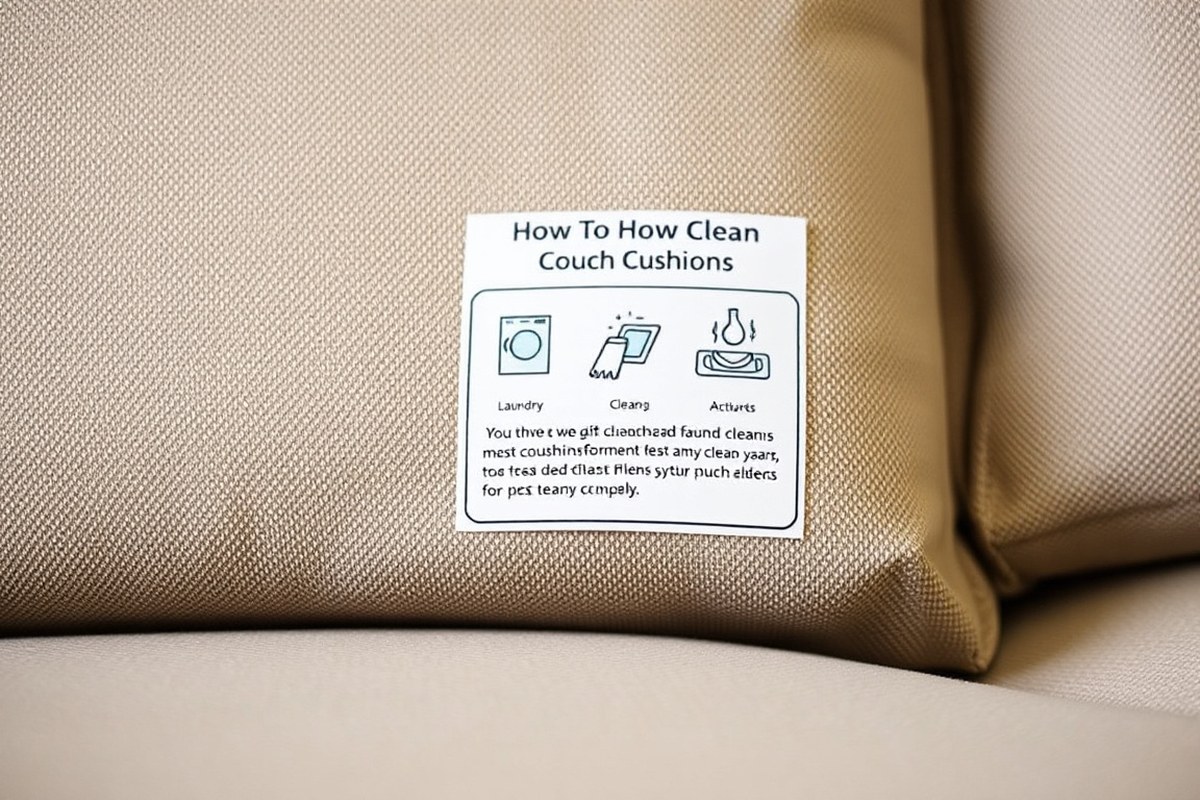
Identifying the fabric type of your couch cushions is essential before you start cleaning. Look for a care tag usually sewn into the seam or underneath the cushion cover. This tag contains symbols and letters that indicate the fabric type and the cleaning methods safe for it. Common fabrics include cotton, polyester, microfiber, wool, leather, and blends, each requiring different care.
Here’s a quick way to recognize fabric types: cotton feels soft and breathable but wrinkles easily; polyester is smooth and resistant to wrinkles; microfiber is a synthetic fabric with a suede-like feel; wool is denser and warmer with a slightly coarse texture; leather is smooth and cool to the touch. Knowing what you have helps avoid damage and ensures effective cleaning.
On the care tag, you’ll commonly see codes like W, S, WS, or X, which guide how to clean the cushions without harming the fabric. These codes determine whether you should use water-based cleaners, solvent-based cleaners, or avoid cleaning agents altogether.
| Care Label Code | Meaning | Cleaning Method |
|---|---|---|
| W | Water-based cleaner allowed | Use mild detergent and water solution for spot cleaning or gentle washing |
| S | Solvent-based cleaner only | Use dry-cleaning solvents, avoid water to prevent damage |
| WS | Water or solvent-based cleaner | Safe to use mild detergent water or solvent cleaner |
| X | No cleaning agents recommended | Use vacuuming or professional cleaning only |
You can decide your cleaning approach based on this tag. For example, cushions marked with “W” often have removable covers washable in cold water or spot cleanable with soapy water. “S” coded fabrics need special solvent cleaners and should never be saturated with water. Fabrics without tags or with “X” require vacuuming and sometimes a professional cleaner for stains.
Cushions with no care tags or delicate fabrics should be spot tested with your chosen cleaner on a hidden area before full application to avoid damage.
Understanding the fabric and reading care tags takes only a few minutes but helps prevent costly mistakes like shrinking, color fading, or fabric weakening. This preparation supports the longevity and fresh appearance of your couch cushions, which can last significantly longer when cleaned properly according to these guidelines.
Cleaning Different Cushion Types: Removable, Non-Removable, and Foam Inserts
Not all couch cushions can be removed for cleaning, so your cleaning method depends on whether the covers come off and if the cushions themselves are foam inserts. Removable covers are easier to clean by machine washing, while non-removable cushions require surface cleaning techniques. Foam inserts need special care to avoid damage during washing.
Cleaning Removable Cushion Covers
Removable cushion covers simplify cleaning since you can wash them much like regular clothing. Follow the fabric care tag instructions to avoid shrinking or color fading. Washing covers every 6 to 12 months helps keep your couch fresh and extends cushion life. Use this step-by-step process for washing removable covers safely:
- Vacuum the covers thoroughly to remove loose dirt and debris.
- Pre-treat stains with a mild detergent or a spot cleaner designed for the fabric type.
- Remove covers from the cushions, making sure to unzip or unfasten all seams carefully.
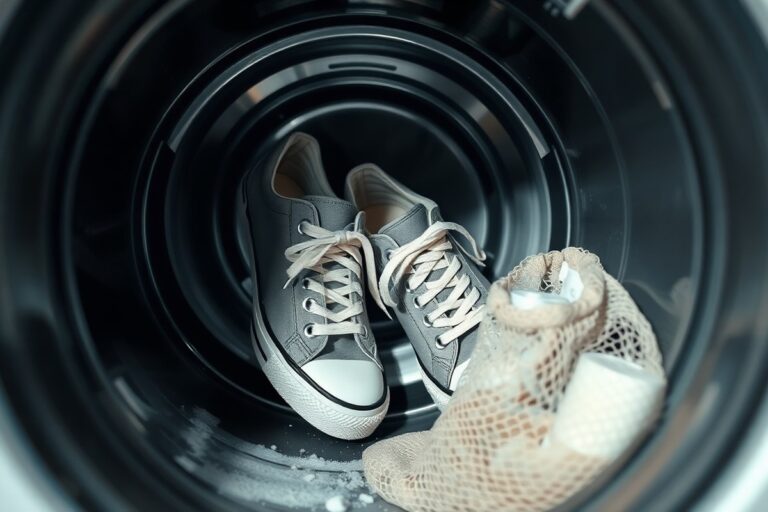
- Machine wash covers on a gentle cycle using cold or warm water and mild laundry detergent.
- Avoid bleach unless the tag specifies it is safe; avoid fabric softeners as they can affect fabric texture.
- Air dry covers flat or hang them to prevent wrinkles and shrinking; avoid high heat in the dryer.
- Put covers back on the cushions once completely dry.
Approach for Non-Removable Cushion Cleaning
Cushions with non-removable covers need surface cleaning since washing the fabric directly risks water absorption and mildew. It’s important to use spot treatments and vacuuming regularly, with deeper cleaning sessions every 6 to 12 months.
For deep cleaning non-removable cushions, vacuum well to remove dust and crumbs. Spot treat stains with a fabric-safe cleaner, gently blotting instead of rubbing. Steam cleaning can sanitize without soaking the fabric, but test a small hidden area first to ensure no damage or discoloration. Lightly spraying upholstery cleaner and carefully blotting out stains will avoid saturating the cushion, which can trap moisture and cause odors or mold growth.
Washing and Drying Foam Inserts
Foam inserts require delicate handling to maintain shape and avoid damage during cleaning. Never machine wash foam whole, as it can tear or degrade. Instead, use this bathtub method for deep cleaning.
- Remove fabric covers if possible to clean separately.
- Pour warm water into a bathtub, then mix in ¼ cup of gentle liquid laundry detergent.
- Submerge the foam insert fully and gently squeeze to circulate water but avoid wringing or twisting.
- Let the foam soak for about 20 minutes, lightly agitating occasionally.
- Drain the tub and refill with clean warm water to rinse; repeat until detergent is removed.
- Press foam gently between towels to remove excess water without twisting.
- Lay foam flat in a well-ventilated area to air dry completely, which can take up to 24 hours.
Avoid direct sun exposure during drying, which may cause foam to become brittle. Drying completely is critical to prevent mildew or odors. Regular cleaning every 6 to 12 months maintains foam support and comfort.
Spot Treating Common Stains on Couch Cushions
Identifying the kind of stain on your couch cushions is important for applying the correct treatment and preventing damage. Common stains include wine, grease, pet accidents, and drink spills, each needing a specific cleaning approach to avoid setting the mark or damaging the fabric. Using the wrong cleaner can worsen stains or harm upholstery fibers, especially on delicate fabrics.
Below is a table outlining typical stain types, recommended treatments, and how long to let the cleaner sit before blotting or rinsing. These methods prioritize quick response, gentle application, and appropriate cleaning agents based on stain chemistry and fabric care codes.
| Stain Type | Recommended Treatment | How Long to Let Sit |
|---|---|---|
| Red Wine | Blot with cold water, then apply vinegar solution (1 part vinegar to 2 parts water) | 5-10 minutes before blotting again |
| Grease/Oil | Sprinkle baking soda to absorb oil, vacuum, then blot gently with mild dish soap solution | 10-15 minutes for baking soda; 5 minutes for soap |
| Pet Urine | Blot excess, apply enzymatic cleaner designed for pet stains | 15-30 minutes |
| Drink Spills (Soda, Coffee) | Blot immediately with clean cloth, use mild soap and water | 3-5 minutes |
| Ink | For “S” code fabrics, apply rubbing alcohol sparingly; otherwise, use specialized stain remover | 2-5 minutes while blotting softly |
Follow these step-by-step techniques for effective spot treatment:
- Act quickly by blotting fresh stains with a clean, dry cloth or paper towel. Avoid rubbing which can spread and embed the stain.
- Check your cushion’s care tag for fabric type codes (such as “S” for solvent-based cleaners or “W” for water-based solutions) to choose the right cleaning agent.
- Apply the stain-specific cleaner using a spray bottle or damp cloth, do not soak the cushion to prevent water damage.
- Allow the solution to sit for the recommended time, then blot gently with a clean cloth to lift the stain.
- Repeat the application if necessary but avoid overwetting or aggressive scrubbing to protect fabric integrity.
Some dos and don’ts ensure better results:
- Always try cleaning products on an unseen spot first to make sure they won’t cause fading or harm the fabric.
- Do blot stains immediately after they occur to minimize permanent marking and odors.
- Don’t use bleach or harsh chemicals unless the fabric’s care instructions explicitly allow it.
- Don’t rub or scrub vigorously, which can wear out fibers and push stains deeper.
- Don’t ignore the need for proper ventilation when using solvent-based cleaners.
Following these guidelines helps maintain your couch cushions’ appearance and lifespan while managing common stain challenges effectively. Investing a few minutes to apply targeted spot treatments soon after spills reduces the need for costly professional cleaning or early replacement.
Essential Cleaning Supplies and Choosing the Right Products
Cleaning couch cushions well requires the right tools and cleaning products based on the fabric type and stains you want to remove. Using cleaners that match your cushion’s fabric code ensures effective cleaning without damage. Key tools include soft brushes, vacuum cleaners, mild detergents, and safe solvents for specific fabrics.
Basic Tools for Effective Cushion Cleaning
Choose a vacuum cleaner equipped with an upholstery tool to clear away dust and dirt before you start cleaning. Use soft-bristled brushes to gently loosen particles while protecting the fabric fibers. Microfiber cloths or sponges work well for softly wiping and blotting stains. Applying cleaners evenly is easier with a spray bottle. For cushions that don’t have removable covers, a handheld steam cleaner can help lift stains and sanitize the material safely. Having these on hand will make the cleaning process smoother and more thorough.
Choosing Cleaners Based on Fabric Codes
Couch cushions usually have a cleaning code on their tags that guides which products are safe to use:
- Code W: Use mild water-based cleaners like upholstery shampoos or diluted dish soap. Avoid solvents.
- Code S: These require solvent-based cleaners, such as rubbing alcohol or dry-cleaning solvents; water might cause damage.
- Code WS: You can use either water-based or solvent cleaners. Mild detergent solutions or solvent cleaners fit both.
- Code X: Only vacuum recommended. Avoid any liquid cleaner and seek professional cleaning.
Matching the cleaner to the code prevents fabric discoloration, shrinking, or weakening.
Using Steam Cleaners and Machine Wash Detergent
Steam cleaners work best on non-removable cushions that allow gentle heat and moisture to lift dirt and kill bacteria. Maintain steam temperature around 210, 215°F for effective cleaning without soaking the fabric. Avoid over-wetting; use quick passes and immediate blotting with a dry cloth.
Machine wash detergents designed for delicate fabrics work well for removable covers labeled with W or WS codes. Always use cold or lukewarm water, and opt for a gentle cycle to preserve fabric integrity. Avoid bleach or harsh chemicals, which can deteriorate the fibres or fade colors.
Checklist of Essential Supplies
Gathering the right supplies ahead of time helps you tackle cleaning efficiently and safely:
- Upholstery vacuum with hose attachment
- Soft-bristled cleaning brush
- Microfiber cloths or sponges
- Mild dish soap or upholstery shampoo (for W and WS codes)
- Rubbing alcohol or dry-cleaner solvent (for S code cushions)
- Spray bottle for even application
- Handheld steam cleaner (for non-removable cushions)
Having the correct tools reduces risks of fabric damage and improves stain removal.
Cleaning Product Safety Tips
Always test any cleaner on a hidden seam or small inconspicuous area of the cushion first. This spot test reveals potential color fading or fabric reactions before full application. Use cleaners sparingly to avoid residue buildup, which attracts more dirt later.
Do not mix water-based and solvent-based cleaners on the same spot to prevent chemical reactions that can damage your cushions.
Follow product instructions carefully and avoid using household ammonia or bleach, which most cushion fabrics cannot tolerate. For stubborn stains or delicate fabrics, consulting a professional cleaning service may be safer and more effective.
Drying Couch Cushions: How to Prevent Damage and Mildew
Couch cushions should dry completely within 6 to 24 hours after cleaning to avoid damage and mildew growth. Air drying in a well-ventilated area is the safest method, while blotting excess moisture and using fans can help speed up the process without risking fabric harm. Proper drying keeps cushions fresh, preventing mold and preserving their shape and texture.
Why Complete Drying Matters
Allowing cushions to dry fully after cleaning prevents mold and mildew, which thrive in damp environments. Moisture trapped inside or under cushions can cause unpleasant odors and weaken the fabric or foam over time. Incomplete drying may also lead to shrinking or water spots, especially with natural fibers like cotton.
Dry cushions maintain their original feel and shape longer. Damp cushions often become misshapen or develop lumps in the foam, reducing comfort and appearance. Proper drying ensures your cushions stay fresh and in good condition for years.
Typical Drying Timeline and Conditions
Most couch cushions dry thoroughly in about 6 to 12 hours when placed in a dry, well-ventilated room with temperatures between 65 and 75 degrees Fahrenheit. Cushions cleaned with steam or heavy water saturation may require 24 hours or more. Removing cushion covers before drying foam inserts helps speed evaporation and prevent trapped moisture.
Let cushions dry outdoors on a sunny, windy day to help them dry faster, but keep delicate fabrics out of direct sunlight to avoid fading. Drying indoors works too; set cushions by open windows, ceiling fans, or use portable fans to boost airflow and cut drying time.
Safe Ways to Speed Up Drying
Blot cushions gently with a clean, dry towel immediately after cleaning to remove excess water, reducing drying time significantly. Avoid wringing or twisting fabrics, as this can damage fibers or foam. Using a fan to increase airflow around the cushions helps evaporate moisture faster without exposing them to heat that could shrink or distort materials.
A short cycle in a dryer set on air fluff or no heat can finish drying cushions after they air dry for several hours, especially for foam inserts or cushion covers labeled as dryer-safe. Always check the care tag first to avoid heat damage. Avoid using high heat settings, which can cause shrinkage or fabric weakening.
Common Drying Mistakes to Avoid
Replacing cushions too soon on the couch traps moisture underneath, increasing the risk of mildew and odors. Cushions that feel cool or damp to the touch need additional drying time. Not removing cushion covers before drying foam inserts can also slow drying and cause mildew buildup between layers.
Using direct heat sources like radiators or hair dryers can cause uneven drying, shrinkage, or fabric damage. Avoid stacking wet cushions or placing cushions in humid or unventilated spaces, as these conditions prolong drying and encourage mold growth.
How Often to Clean and Maintain Your Couch Cushions
Regular maintenance is key to keeping your couch cushions fresh and extending their life. Vacuuming cushions every one to two weeks helps remove dust, dirt, and allergens that can build up on the fabric and inside the seams. Rotating cushions once a month ensures even wear and helps prevent sagging or flattening, especially with foam inserts.
Deep cleaning cushions depends on usage but generally every six to 12 months is a good range. Heavily used couches or homes with pets and kids may require deep cleaning closer to six months, while less frequent use allows for yearly treatments. Deep cleaning removes body oils, food spills, odors, and dust mites that vacuuming misses, keeping your living space healthier and your fabric looking fresh.
Applying a fabric protector spray after cleaning cushions is an optional step that many find helpful. These sprays create a barrier that resists stains and spills, making everyday cleaning simpler. Use a dye-free, non-toxic product designed for upholstery fabrics, and always test a small hidden area first to avoid discoloration. Follow the product instructions, usually involving spraying and allowing it to dry fully before use.
Here’s a table outlining a maintenance schedule for couch cushions. This schedule balances frequency and effort while targeting the main ways to keep cushions clean and comfortable.
| Task | Frequency | Purpose | How to Do It |
|---|---|---|---|
| Vacuum Cushions | Every 1-2 weeks | Remove dust, dirt, allergens | Use upholstery attachment, vacuum all sides including seams |
| Rotate Cushions | Monthly | Even wear and prevent sagging | Flip cushions front to back or switch seat and back cushions if possible |
| Deep Clean | Every 6-12 months | Remove oils, spills, odors, dust mites | Follow fabric-specific cleaning methods, use mild detergents, avoid soaking |
| Apply Fabric Protector | After deep cleaning or as needed | Prevent stains, ease cleanup | Spray evenly on dry cushions, allow to dry fully before use |
| Spot Clean | As needed | Address spills and stains promptly | Blot gently with suitable cleaner, avoid rubbing to prevent damage |
Maintaining freshness between deep cleans can also include airing cushions by placing them in indirect sunlight for a few hours. This practice helps reduce moisture and odors without risking fabric fading. Avoid placing cushions in direct sunlight longer than recommended by fabric care labels to prevent discoloration.
Common Mistakes When Cleaning Couch Cushions and How to Fix Them
Using too much water or cleaning solution is a common mistake that can soak couch cushions, especially those with foam inserts. Excess moisture seeps inside, causing mildew or deformation. To fix this, apply cleaners sparingly with a damp cloth rather than soaking the cushion. Use a fan or open windows to speed drying, checking frequently to prevent dampness lasting more than 24 hours.
Another error is neglecting to vacuum or clean the entire couch before replacing the cushions. Dust and crumbs left on the frame can transfer back onto freshly cleaned cushions, undoing your work. Always vacuum the couch thoroughly using a vacuum with a brush attachment or, if unavailable, take cushions outside and brush crumbs off with a clean broom on a clean surface.
Using harsh chemicals or the wrong cleaners for your cushion fabric can cause discoloration, fabric degradation, or stiffening. Always read care tags carefully and use the recommended cleaners. Spot test in an inconspicuous area and wait 5 to 10 minutes to check for adverse effects before full application.
Not allowing sufficient drying time is a frequent mistake. Couch cushions left damp invite mold and unpleasant odors. After cleaning, air them in a warm, ventilated spot for 12 to 24 hours depending on cushion thickness and fabric. Avoid direct sun on delicate fabrics, which can fade colors.
- Applying too much cleaner, use small amounts with a sponge or cloth
- Ignoring fabric care instructions, always check tags before cleaning
- Not vacuuming couch base and frame before replacing cushions
- Using strong chemicals on delicate fabrics, opt for mild soap or upholstery cleaner
- Skipping spot testing, test cleaner out of sight first
- Putting cushions back too soon, allow 12-24 hours drying time
- Scrubbing too hard, use gentle pressure to avoid fabric damage
Signs that you’ve cleaned incorrectly include fabric stiffening or fading, a persistent damp smell, wrinkles or misshapen foam, and visible water stains. If you notice these issues, air dry cushions completely before further use and re-clean using gentler methods. For fabric stiffening, a fabric softener solution applied lightly on a cloth may restore softness, but only after confirming it won’t harm the material.
Always respect cushion cleaning instructions and dry cushions fully to prevent damage and mildew growth.
Step-by-Step Action Plan to Keep Your Couch Cushions Clean
Follow these steps to clean your couch cushions safely and keep them fresh over time. Each step helps you maintain the cushions’ appearance and prevent damage.
- Before you begin: Check your cushions’ care tags to identify the fabric and recommended cleaning methods. Knowing this ensures you don’t use harmful products or techniques.
- Day 1: Vacuum all cushions thoroughly using an upholstery attachment to remove dust and debris. You’ll know it worked when visible dirt and loose particles are gone.
- Day 2: Spot treat any visible stains with a cleaning solution that matches your fabric type (water-based or solvent-based). The stain should lighten or disappear after treatment.
- Day 3: If cushions are removable and washable, follow the manufacturer’s instructions to clean covers in cold water and air dry. Covers should look and smell clean without shrinking.
- Week 1: For non-removable cushions, wipe them down gently with a soft cloth dampened with mild soap and water, then blot dry. The cushions should feel clean without excess moisture.
- Week 2: Fluff and rotate foam inserts or cushions to maintain shape and even wear. Cushions should feel plump and comfortable afterward.
- Monthly maintenance: Vacuum and inspect cushions regularly to catch dirt and wear early. Cushions maintained this way stay fresher longer.
Frequently Asked Questions
How Can I Remove Odors from Couch Cushions?
Sprinkle baking soda on cushions, let sit for 15-30 minutes, then vacuum. This helps absorb odors without harsh chemicals.
Can I Use Steam Cleaners on All Couch Cushions?
Steam cleaners work on many fabrics but can shrink or damage some materials. Check the care label first to avoid damage.
Are Couch Cushion Covers Machine Washable?
Some covers are machine washable if the care tag allows it. Use gentle cycles and cold water to prevent shrinkage.
How Do I Prevent Mold on Couch Cushions?
Keep cushions dry and ensure good air circulation. Dry cushions thoroughly after cleaning to prevent mildew growth.
Can I Flip or Rotate Couch Cushions to Extend Their Life?
Yes, flipping and rotating cushions regularly helps them wear evenly and maintain shape longer. Try doing this monthly.
What’s the Best Way to Remove Pet Hair from Couch Cushions?
Use a vacuum with an upholstery attachment or a lint roller. Sticky tape can also pick up pet hair effectively.
Wrapping Up
Cleansing couch cushions properly preserves their comfort and look longer while protecting your investment. Start by determining your cushion fabric type and care instructions to avoid damage. Taking small, regular steps keeps your couch welcoming and ready for guests or relaxing moments.