How to Get Smell Out of Clothes: 8 Effective Ways That Really Work
Eliminating odors from your clothes quickly and effectively starts with proper washing and prompt drying. Using a soak with vinegar or specialized detergents designed for odor removal breaks down sweat and grime. Ensuring your clothes dry fully after washing prevents musty smells from developing.
This advice is ideal for athletes and anyone facing persistent smells in everyday wear. You’ll find practical, proven methods to get smell out of clothes, address common odor causes, and maintain fresher garments longer.
Key Takeaways
- Soak smelly clothes for 15, 30 minutes in a water-and-vinegar solution before washing for better odor removal.
- Damp clothes left in washers or hampers for over 24 hours can develop mildew and musty odors.
- Use pre-wash treatments on underarm areas and let them sit for 30 minutes to target sweat smell.
- Promptly dry clothes completely to prevent trapped moisture and mildew growth.
- Air out garments for 12, 48 hours when unable to wash to reduce lingering odors.
- Use washing machines with built-in moisture control cycles to keep loads fresh up to 16 hours.
1. How to Remove Smell from Clothes Quickly and Effectively

Removing smells from clothes can be done quickly and effectively with a few simple steps using common household products. White vinegar, baking soda, and lemon juice are powerful odor neutralizers that work well with or without commercial detergents. These ingredients help break down smells trapped in fibers, including sweat, mildew, and bleach odors. The key is to soak your clothes in the right solution for enough time before washing thoroughly in warm water.
Soaking clothes allows the odor-causing molecules to release from the fabric and get washed away. For most odors, soaking for at least 30 minutes is recommended, but stronger smells may require an hour or more. Avoid fabric softeners or fragranced detergents during this process, as they can leave residues that trap odors instead of removing them.
- Sort your clothes by fabric type and smell severity to tailor the cleaning process. For example, separate workout clothes from cotton shirts and heavily mildewed items from lightly smelly ones.
- Fill a basin or tub with warm water (about 90°F to 110°F). Add 1/2 cup of white vinegar to neutralize odors without damaging fabric. For extra smelly clothes, add 1/4 cup of baking soda along with the vinegar; this creates a fizzing action that helps lift embedded smells.
- Submerge the clothes fully in the solution and gently agitate to ensure even soaking. Let them soak at least 30 minutes, up to 1 hour for tough odors like mildew or persistent sweat smells.
- Transfer the soaked clothes to your washing machine and wash on a warm or hot cycle suitable for the fabric. Add a commercial detergent designed to remove odors; avoid fabric softeners or heavy fragrances.
- Add a half cup of white vinegar to the rinse cycle to further neutralize any lingering smells. This also helps remove detergent residues that may trap odors.
- Dry clothes thoroughly as dampness encourages odors to return. Use a hot dryer cycle or hang outside in direct sunlight for best results.
- Repeat if necessary for very stubborn odors, especially from gym clothes or musty fabrics. Baking soda and vinegar treatments can be alternated depending on the type of smell.
For bleach smell specifically, lemon juice can brighten and neutralize residual scent. Add 1/4 cup of lemon juice during the rinse cycle. Commercial odor removers like Downy Odor Defense can also block odors for up to 24 hours, which might be helpful for clothes that develop odors quickly.
Using these simple steps and chemicals costs little, white vinegar and baking soda typically cost under $1 per use and are widely available. Soaking times of 30 minutes or more ensure smells break down before washing, and washing on the right cycle with appropriate detergents finishes the job. Clothes should come out smelling fresh, with no hint of mildew, sweat, or bleach. Skipping these soak steps or using heavily fragranced softeners may cause odors to linger or worsen instead.
2. Why Do Clothes Still Smell After Washing? Common Causes Explained

Clothes may still smell after washing because the odor-causing bacteria and sweat residues aren’t fully removed during the cycle. Workout clothes often hold onto sweat because synthetic fabrics like polyester trap oils and bacteria deeper in the fibers, making a standard wash insufficient. The detergent might not break down these residues effectively, especially if the load is too large or the water temperature is too low. Washing on a cold, gentle cycle helps preserve fabrics but can leave behind odor-causing substances.
The washing machine itself also influences odor retention. Leaving damp clothes inside the machine for more than 24 to 48 hours allows mildew to grow in the fabric and drum, causing musty odors to return to your laundry. Residue buildup inside the drum or detergent dispensers can harbor bacteria and mildew, causing persistent odors even after washing. Machines with poor drainage or clogged filters may leave clothes less clean, increasing odor risks.
Fabrics with high synthetic content tend to hold odors longer because they absorb sweat and oils more than natural fibers. Cotton generally breathes better and is easier to clean thoroughly. Using fabric softeners on activewear, which you might think helps with smell, can actually coat fabric fibers and trap odors inside. To identify whether your machine or laundry routine causes odor, start by washing a small load with no fabric softener and adding ½ cup of white vinegar in the rinse cycle to help neutralize smells. Check if clothes still smell after drying. Check the washer for mold or residue and run a cleaning cycle using a washing machine cleaner or a mixture of vinegar and water.
Pay close attention to wash frequency, water temperature, and detergent type. Washing workout gear right after use reduces sweat buildup. Using too little detergent or cold water often leaves oils on the fabric, while very hot water can damage some fabrics. Aim for warm water around 104 to 113 °F when washing synthetic activewear, if the care label allows. Proper drying immediately after washing is essential to prevent mildew formation.
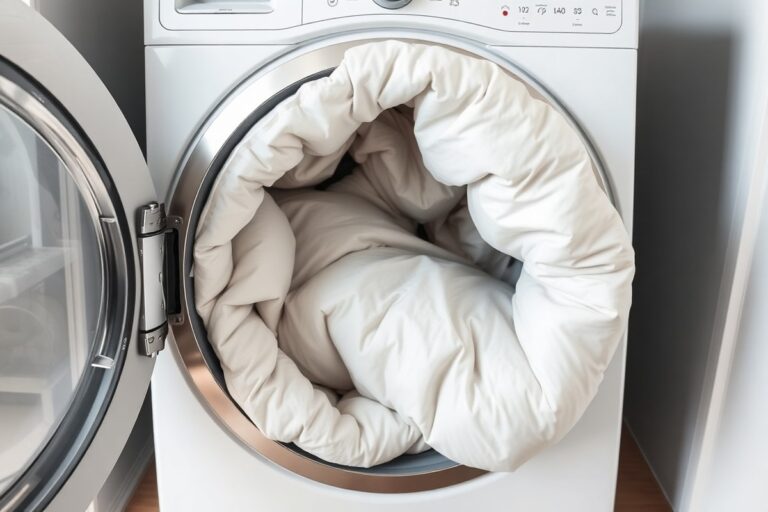
Leaving damp laundry in your washing machine or hamper for more than 24 hours can cause mildew growth that leads to persistent odors. Remove and dry clothes promptly.
3. Best Ways to Remove Sweat Smell from Workout Clothes
Workout clothes tend to hold onto sweat odors more than regular clothing because they trap bacteria and moisture in tight, synthetic fabrics designed to wick sweat away from the skin. Removing these smells effectively requires pre-treating to break down oils and bacteria, selecting appropriate detergents that target odor-causing microbes, and following proper drying techniques to prevent odors from setting in. Regular laundry methods often fall short because they fail to fully sanitize or dry these garments correctly.
Pre-Treating Underarm Areas
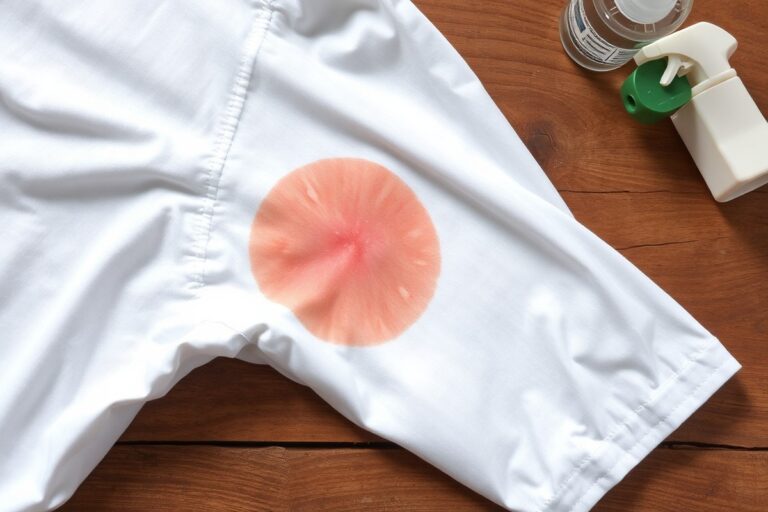
Since the underarm area is where most sweat and bacteria accumulate, pre-treating this zone is important. Sweat contains oils and salts that cause odor once bacteria begin to break them down. Pre-treating loosens this buildup before washing, improving odor removal. To pre-treat:
- Turn activewear inside out to expose the sweat-prone areas.
- Dampen the fabric slightly with water.
- Apply a solution of equal parts white vinegar and water directly to the underarm sections. Vinegar helps neutralize odors and kill bacteria.
- Let the garment soak for 15 to 30 minutes. For heavily soiled clothes, soak up to an hour.
- Gently rub the fabric together at the treated spots to help lift oils and bacteria.
- Rinse lightly with cold water before putting the clothes in the washing machine.
Choosing vinegar as a pre-treatment is cost-effective and safe for most activewear fabrics. Avoid harsh scrubbing to prevent damage, especially on delicate synthetic blends.
Choosing the Right Detergent and Cycle
Regular detergents often don’t remove all odor-causing bacteria in activewear, especially when washing cold water cycles are the norm to protect synthetic fibers. Enzyme-based detergents or ones formulated specifically for sportswear are more effective because they target the proteins in sweat that cause odor. Follow these steps for washing:
- Use a detergent labeled for activewear or one with enzymes designed to break down sweat proteins.
- Add a scoop of oxygen-based bleach powder or laundry booster to the wash to increase disinfecting power without harsh chemicals.
- Set the washing machine to the warmest temperature recommended on the garment tags, usually between 86°F to 104°F (30°C to 40°C).
- Choose a heavy-duty or extended wash cycle that includes an extra rinse to remove residues that cause odors.
- Wash workout clothes separately from regular laundry to avoid transferring oils or lint and to allow detergents to work more efficiently.
Washing workout clothes with regular laundry is possible but less effective because regular detergents and shorter cycles might not break down residues thoroughly. Separating them helps keep your gym clothes fresher longer and prevents cross-contamination of odor. Quality detergents for sportswear typically cost around $0.20 to $0.40 per load, comparable to standard detergents but provide better results for odorous fabrics.
Air Drying vs Machine Drying Activewear
Air drying is the preferred method for drying workout clothes because heat from dryers can cause odors to set into synthetic fibers permanently and degrade fabric elasticity. For best results:
- Remove clothes from the washer promptly to prevent mildew.
- Hang garments in a well-ventilated space away from direct sunlight or radiators, which can damage fibers and fade colors.
- Avoid leaving damp workout clothes in gym bags or laundry hampers as heat and moisture foster bacteria growth and worsen odor.
- If you must use a dryer due to time or conditions, select a low-heat or air-fluff setting and remove clothes while they are slightly damp to air dry completely.
Air drying can take several hours depending on humidity and fabric thickness but preserves the lifespan and odor-fighting properties of your activewear. Machine drying at high temperatures often costs extra energy and poses a higher risk of locking odors inside, meaning you may have to repeat washing more frequently.
4. How to Get Musty and Mildew Smell Out of Clothes Safely
Removing mildew and musty odors from clothes requires gentle but effective treatment to avoid fabric damage. Using common household ingredients like vinegar and baking soda, combined with proper soaking and washing practices, can safely restore freshness without harsh chemicals. Following these steps carefully will help eliminate mildew smells while protecting your garments.
Identifying Mildew Smell
Mildew smell is a damp, earthy, or musty odor often compared to the scent of a damp basement or wet soil. It usually comes from clothes that have been left damp for long periods or stored improperly, causing fungal growth. Unlike mold, which can have a sharper smell, mildew is less intense but still unpleasant. This odor signals trapped moisture that can weaken fabrics or cause staining if not treated.
Detecting mildew early matters because prolonged fungal growth may lead to permanent damage or yellowing on certain fabrics. Clothes that feel musty after washing often need more thorough drying or cleaning to prevent smell recurrence. The key is addressing both the odor and the moisture that feeds mildew spores.
Using Vinegar and Baking Soda Soaks
Soaking clothes in vinegar or baking soda solutions neutralizes mildew odors safely without harsh chemicals. Vinegar’s mild acidity breaks down bacteria and fungi responsible for the smell, while baking soda acts as a natural deodorizer. These substances are gentle enough for most fabrics, including cotton and synthetics, but avoid prolonged soaking for delicate items unless the label states it’s safe. Use this simple routine to treat mildew smells:
- Fill a basin or your washing machine with warm water around 90°F to 110°F, warm enough to activate cleaning agents but not damage fabrics.
- Add 1 cup of white vinegar or ½ cup of baking soda and stir to dissolve.
- Submerge the mildew-smelling clothes fully and let them soak for 1 to 2 hours. Avoid soaking beyond 4 hours as long exposure may weaken certain fibers.
- After soaking, wash normally with your regular detergent using the hottest safe water temperature for the fabric.
- If mildew smell persists after washing, rewash with hot water and ½ cup baking soda only.
These steps keep fabrics safe and mildew-free while avoiding bleach or harsh chemicals that can fade colors or weaken material. Repeating monthly vinegar or baking soda washes can help prevent mildew from returning.
Running Hot Water Cleaning Cycles
Running a hot water cycle with vinegar and baking soda inside your washing machine helps clear mildew buildup, which can cause odors to transfer back to clothes. Residual grime and fungal spores can accumulate in tubs, seals, and detergent trays, creating a musty environment. To clean your machine effectively:
- Run an empty wash cycle on the hottest setting available, usually 130°F to 140°F.
- Add 2 cups of white vinegar directly to the drum at the start of the cycle.
- Once the machine fills with water, add 1 cup of baking soda carefully to disperse inside.
- Allow the cycle to run completely, including rinse and spin phases.
- After finishing, wipe down the inside of the tub, door seals, and detergent trays with a clean cloth to remove any residue.
This regular monthly maintenance reduces mildew growth in your washer and keeps clothes smelling fresh after washing. For persistent mildew smells, ensure clothes dry fully before storage and avoid leaving damp laundry in the machine.
5. How to Clean Your Washing Machine to Prevent Odors in Clothes
Washing machines can develop odors when mold, mildew, and detergent residue build up inside. Cleaning your machine every 1 to 3 months helps prevent smells from transferring to your clothes after washing. Focus on the drum, seals, and detergent trays to remove hidden sources of odor effectively.
Running a Hot Bleach Cycle
Using bleach in a cleaning cycle can kill mold and bacteria that cause odors. However, avoid mixing bleach with detergents or fragrances to prevent leaving bleach smells on clothes later. A hot water cycle maximizes bleach’s cleaning power and helps dissolve residues.
- Set your washer to the hottest and longest cycle available.
- Pour 1 cup of liquid chlorine bleach directly into the drum or the bleach dispenser.
- Start the wash cycle without adding detergent or clothes.
- Allow the machine to complete the full cycle, including rinsing and spinning.
- Run a second regular rinse cycle with no bleach to remove any leftover residue.
Do not use bleach on front-loading washers with silicone seals unless specified, as it could damage the gasket over time.
Wiping Rubber Seals and Detergent Trays
Mold and dirt commonly hide in rubber seals and detergent compartments. Cleaning these parts manually removes trapped grime and prevents moisture buildup that triggers smells. Wiping after every few washes also extends time between deep cleanings.
- Open the washer door and gently pull back the rubber seal to expose hidden areas.
- Use a cloth soaked in warm soapy water or a vinegar solution to wipe under the gasket carefully.
- Remove the detergent and fabric softener trays if possible.
- Soak the trays in hot water mixed with vinegar or mild dish soap for 10 to 15 minutes.
- Scrub the trays with a soft brush to remove residue, then rinse and dry them thoroughly.
- Wipe the detergent compartments inside the machine with a damp cloth.
- Dry all cleaned parts before reassembling.
Silicone-based mold can be hard to remove; use vinegar but avoid harsh scrubbing to protect the rubber.
Cleaning with Vinegar and Baking Soda
Vinegar and baking soda provide a natural, bleach-free method for maintaining a fresh washer. Vinegar’s acidity dissolves mineral deposits, while baking soda neutralizes odors. This method suits all washer types and is less likely to cause damage.
- Pour 2 cups of white vinegar into the detergent dispenser or directly into the drum.
- Run a hot water cycle without detergent or clothes.
- After the vinegar cycle finishes, add 1/2 cup of baking soda directly into the drum.
- Run another hot cycle to lift away odors and residues.
- Once complete, leave the door open for a few hours to air out the interior.
| Cleaning Method | Advantages | Disadvantages |
|---|---|---|
| Bleach Cycle | Kills mold and bacteria effectively; fast results | Can leave bleach smell if not rinsed well; may damage seals; not recommended for all washers |
| Vinegar and Baking Soda | Natural, safe for all machines; deodorizes and removes mineral buildup | Less powerful on heavy mold; takes two cycles |
Run your cleaning routine monthly or more often if you wash sweaty or heavily soiled clothes frequently to keep odors at bay.
6. Effective Drying Techniques to Keep Clothes Odor-Free
Drying clothes properly is key to keeping odors from lingering, especially with workout gear or damp fabrics prone to mildew. Sunlight helps break down odor-causing molecules and dries clothes faster, reducing moisture that bacteria and mold thrive on. For indoor drying, using a dryer or a well-ventilated area is essential to prevent smells from persisting or worsening.
Sun drying clothes not only removes moisture efficiently but also uses ultraviolet (UV) rays to naturally eliminate bacteria and freshen fabrics. Clothes should be hung in direct sunlight for at least 2 to 4 hours, depending on weather, to fully dry and deodorize. However, delicate or colored fabrics may fade or weaken in the sun, so use a shaded spot or indoor drying rack for those.
Dryers can effectively remove moisture, but using high heat may trap odors if clothes do not dry completely or get overheated and damaged. Using the lowest heat setting recommended for your garment helps preserve fabric integrity while still drying thoroughly. Moving clothes to the dryer promptly after washing prevents bacteria growth, which is a common source of odor buildup.
Clothes should be completely dry before storing to prevent musty or mildew smells. Allow a drying time of 3 to 6 hours for indoor drying or 2 to 4 hours in the sun. Check for any damp spots by feeling inside seams or folds. Avoid stuffing clothes in tight spaces immediately after drying to maintain airflow and prevent moisture retention. Below is a simple comparison of drying methods and their effects on odor removal, fabric care, and practicality:
| Drying Method | Odor Removal | Fabric Impact | Time to Dry | Best Use Case |
|---|---|---|---|---|
| Sun Drying | High – UV rays kill bacteria, freshens clothes | Can fade/damage delicate colors | 2-4 hours | Durable fabrics, workout clothes |
| Indoor Air Drying (Rack/Line) | Moderate – good airflow reduces odors | Safe for all fabrics | 4-6+ hours (depends on ventilation) | Delicate items, colored clothes |
| Tumble Dryer (Low Heat) | High if used correctly, fast drying | May shrink or damage if overheated | 1-2 hours | Quick drying, synthetic workout gear |
| Tumble Dryer (High Heat) | Risk of trapped odors if clothes not fully dry | May damage fabric, causes shrinking | 1 hour or less | Only sturdy fabrics needing fast drying |
To avoid moisture retention after drying, hang your clothes with enough space between them to allow air flow. Avoid folding or placing damp clothes in laundry baskets. For indoor drying, use fans or dehumidifiers to speed up drying times and reduce humidity. For clothes with tough odors, combining sun drying with an extra rinse in the wash can improve freshness. Following these drying techniques and choosing the right method for your fabrics will keep your clothes smelling fresh and extend their lifespan.
7. How to Remove Odor Without Washing Clothes: Quick Fixes and When to Use Them
You can deodorize clothes without washing them immediately by using several effective quick fixes. These methods save time and help keep your clothes fresh between washes, especially when you need to wear them again soon. Some options include using fabric sprays, airing out clothes, or even freezing them to reduce bacteria and odor. Each technique has its limits and works best depending on the type of fabric and the source of the smell.
Fabric sprays, usually containing mild disinfectants or essential oils, mask odors and reduce bacteria on the surface. They work well for light odors or when you just want a quick refresh. For stronger or persistent smells like sweat, spraying alone may only provide temporary relief.
Freezing clothes can kill some bacteria that cause odor. This method is most effective on synthetic fabrics like polyester used in athletic wear. Freezing doesn’t remove oils or dirt but can reduce musty or sweat smells without washing.
Delicate or non-washable fabrics require gentler handling. Airing them out in fresh air or using a safe fabric spray specified for delicate materials helps avoid damage while freshening up garments quickly. Follow these steps to deodorize clothes without washing using sprays and freezing:
- Choose the right spray: Select a fabric refresher designed to neutralize odors, like one with antimicrobial properties or containing natural ingredients such as baking soda or eucalyptus oil.
- Test the spray: Apply a small amount on an inconspicuous area to check for colorfastness or fabric sensitivity.
- Spray evenly: Lightly mist the inside and outside of the garment from about 8 to 12 inches away. Avoid soaking the fabric, especially on delicate items.
- Let it air dry: Hang or lay the garment flat in a well-ventilated area until completely dry, usually 30 minutes to an hour.
- Freeze to kill bacteria: Place the garment inside a sealed plastic bag, remove excess air, and keep it in the freezer for at least 8 hours, preferably overnight.
- Remove and air out: Take the garment out of the freezer, let it return to room temperature, and air it out for 15 to 30 minutes.
- Repeat if needed: For stubborn odors, repeat spraying or freezing once more before washing.
These options cost little to nothing and can fit into your routine when laundry isn’t an option. Fabric sprays generally range from $5 to $15 per bottle. Freezing requires no additional purchase but does take planning ahead.
Quick fixes are not a permanent solution for dirt or heavy odor build-up. They work best as interim steps or on lightly worn clothes. For strong or persistent smells, washing with detergent that contains enzymes and proper drying remains the most effective way to fully remove odor.
8. Preventing Persistent Smells: Best Practices for Odor-Free Clothes Long-Term
Regular washing is key to preventing persistent smells, especially for gym clothes. You should wash these after every use to reduce sweat and bacteria build-up that cause odors. Use a detergent free of fragrances and additives to avoid residue that can trap smells. Avoid fabric softeners, as they coat fabrics and can lock in odors, particularly on synthetic workout gear.
Storage also plays a major role. Store clothes in a dry, well-ventilated area to prevent mildew and musty smells. Avoid piling damp clothes or stuffing them in airtight containers. Allow them to fully dry before putting away. Hanging clothes on breathable hangers or using moisture-absorbing packets in drawers helps maintain freshness.
- Wash gym clothes after every use, using a fragrance-free detergent at the warmest allowable temperature on the care label.
- Avoid fabric softeners or dryer sheets, especially with synthetic fabrics.
- Dry clothes thoroughly within a few hours after washing.
- Store clothes in a dry, ventilated space avoiding plastic bags or airtight boxes.
- Use moisture absorbers or odor-eliminating sachets in storage areas.
- Replace workout clothes when odors persist after washing or if elastic and fit degrade.
Never leave sweaty clothes sitting in the laundry basket; bacteria multiply quickly and make odors harder to remove.
Laundry products depend on the fabric type and your personal sensitivity. For example, heavily soiled gym clothes benefit from detergents containing enzymes to break down sweat and proteins, but these should be fragrance-free to minimize buildup. For everyday clothing, mild detergents without added perfumes reduce the chance of fabrics retaining odors. Periodically checking clothes for durability ensures you retire items that hold stubborn smells despite good care.
Step-by-Step Action Plan to Get Smell Out of Clothes
Follow these steps to remove odors effectively and keep your clothes fresh for the long haul. Test after each step to see if the smell is gone before moving on.
- Before Washing: Pretreat especially smelly areas with a mixture of water and baking soda, apply directly, and let sit 15 minutes. Notice if the stain or smell lightens.
- Day 1 – Wash Normally: Use the hottest water temperature safe for the fabric and a detergent formulated to fight odors. Clothes should come out fresher and less smelly.
- Immediately After Washing: Check if the odor remains. When you notice persistent odors, soak clothes in a solution of white vinegar and water for 30 minutes, then wash again. The smell should be significantly reduced.
- After Drying: Dry clothes completely in a well-ventilated area or outside in sunlight. Should smells persist, repeat washing or add a deodorizing laundry booster during the next wash.
- Weekly Routine: Clean your washing machine monthly following manufacturer guidelines to prevent buildup that causes odors. You’ll notice fresher clothes after every wash.
- After Workouts: Rinse exercise clothes in cold water before storing, then wash promptly. This habit stops sweat smells from setting in.
- When in a Hurry: Use quick odor neutralizers like fabric sprays or vodka mist for clothes that can’t be washed immediately, checking if the smell fades before reuse.
- Monthly Maintenance: Store clothes in dry, breathable spaces and avoid piling damp items to keep odors from returning.
Frequently Asked Questions
How to Remove Musty Smell from Clothes Quickly?
To get rid of a musty smell quickly, soak your clothes in a mix of baking soda and water before putting them in the wash. This step helps break down odors and makes your laundry smell fresher.
How to Wash Gym Clothes?
Wash gym clothes using a detergent strong enough to break down sweat and bacteria. Avoid fabric softeners which can trap smells and use the correct wash cycle for synthetics.
Why Does My Washing Machine Smell Musty?
A musty smell in your washing machine is often due to leftover moisture, body soils, or mold buildup inside the drum or seals. Regular cleaning prevents odors and mildew growth.
Why Do My Clothes Smell After Washing?
Clothes can smell after washing due to detergent residue, incorrect wash cycles, or damp clothes left too long in the washer. Use enough detergent and dry clothes promptly.
Can Vinegar Remove Odor from Clothes?
Yes, adding vinegar to the wash helps break down odor-causing buildup and neutralizes smells effectively without harming fabrics.
Is It Safe to Use Bleach on Sweaty Gym Clothes?
Use bleach cautiously; while it can remove odors, it may damage synthetic gym fabrics or fade colors if overused.
Before You Go
Removing and preventing odors in your clothes is achievable by following simple care steps regularly. Focus on treating clothes promptly after use and keeping your washing routine clean. Start by pretreating your smelliest garments today and notice the difference fresh laundry can make.