How to Get Rid of Mildew Smell in Clothes: 8 Effective Methods That Work
To get rid of mildew smell in clothes quickly and effectively, start by treating the affected areas with baking soda, lemon juice, or vinegar, then wash with a quality detergent in hot water if fabric allows. Thoroughly dry clothes using good airflow or a dryer with moisture sensing to prevent mildew from returning. These methods help break down the odor-causing bacteria and remove the musty smell.
This advice is for homeowners and renters dealing with clothes that smell musty after washing. You’ll get clear steps to eliminate mildew odor and learn how to prevent it from coming back, saving you time and frustration with your laundry.
Key Takeaways
- Scrape off visible mold with a stiff brush before treating the fabric to remove mildew fully.
- Soak clothes in a vinegar solution for 1-2 hours to neutralize mildew odors without harsh chemicals.
- Add half a cup of baking soda directly into the washing machine drum to help tackle stubborn mildew odors.
- Use lemon juice spray on clothes and let it sit at least 30 minutes before washing for freshening.
- Dry clothes completely with sufficient airflow or use dryers featuring advanced moisture sensing options.
- Maintain indoor humidity below 60% to prevent mildew growth on stored clothing.
1. How to Get Rid of Mildew Smell in Clothes Quickly and Effectively
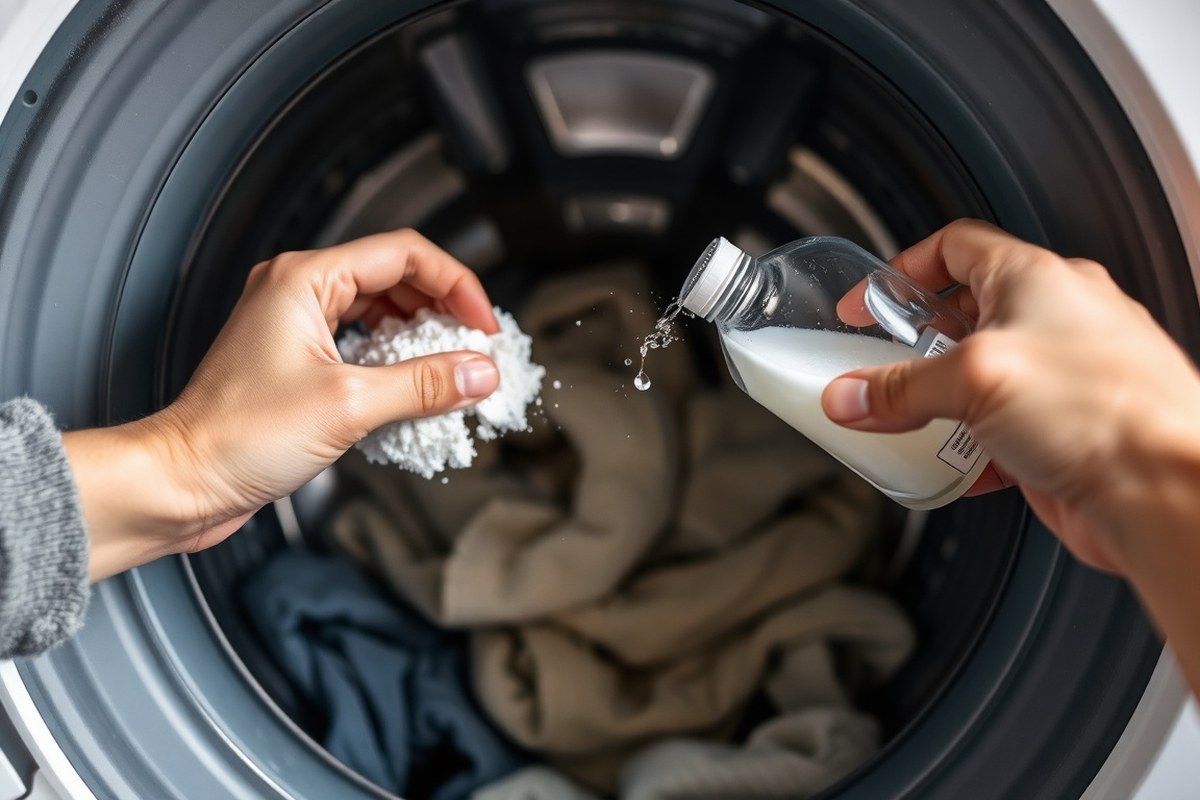
Mildew smell in clothes comes from microscopic mold or mildew spores growing in damp fabric. Removing that odor quickly and thoroughly means breaking down and washing away those spores. Common pantry ingredients like distilled white vinegar and baking soda work well without harsh chemicals.
Vinegar neutralizes mildew odor by breaking down the spores and killing them at a cellular level. After drying, clothing won’t retain a vinegar smell. Baking soda acts as a natural deodorizer and helps loosen residue that traps odor. Soaking clothes beforehand in these solutions makes the deep cleaning more effective. Hot water improve mildew removal but be sure to check fabric care labels to avoid damage. Here is a step-by-step process for getting rid of mildew smell in clothes quickly and thoroughly:
- Brush off any visible mold or mildew. Use a stiff-bristled brush outside to remove surface spores and prevent spreading them indoors.
- Make a soaking mixture. Combine 4 cups of hot water with 1 cup of distilled white vinegar in a container that can hold all your clothes submerged.
- Soak the clothes for 1 to 2 hours. This timeframe breaks down mildew spores and reduces odor effectively without weakening most fabrics.
- Rinse the clothes thoroughly with clean water. This removes loosened mildew and vinegar residue.
- Wash the clothes in your machine using hot water if safe for the fabric. Add ½ cup of baking soda to the detergent compartment to boost deodorizing power.
- Dry clothes completely in direct sunlight or a hot dryer cycle. Proper drying prevents mildew from returning and helps dissipate lingering smells.
- Repeat the soak and wash for very strong odors. Some heavily mildewed items may require two treatment rounds to eliminate all smell.
For delicate fabrics, shorten soaking time and use cold water to avoid damage. Oxygen bleach with sodium percarbonate added to soak water for about 60 minutes can help on tough mildew stains but check fabric labels first. Keep in mind that quick removal depends on addressing moisture sources and thorough drying afterward. Skipping soaking or using cold water alone usually leaves the smell behind.
2. Why Clothes Smell Musty After Washing and How to Fix It

Clothes develop a musty smell after washing because damp fabrics allow mildew and bacteria to grow, especially when oils, dirt, and detergent residue remain in the fibers. These microorganisms consume leftover body oils, grime, and soap residues, creating the sour odor you detect. A frequent cause of this issue is the washing machine itself. Front-load washers often accumulate fungal spores or soap scum buildup around the drum gaskets, where moisture stays trapped. This environment encourages smell-causing bacteria to multiply and transfer odors onto your clothes.
The temperature of the water and the amount of detergent you use also influence how clean and fresh your laundry smells. Using cold water can sometimes prevent full removal of oils and soils, allowing musty smells to persist. Detergent residue builds up when you use too much detergent or low-quality products, creating an ideal environment for mildew. For regular washing, measure detergent according to load size and water hardness, for example, follow the detergent’s packaging recommendations or use about two tablespoons for a medium load. Adding oxygen bleach treatments periodically can help break down residues and kill lingering microbes.
Maintenance of your washing machine plays a key role in preventing musty odors. Dirty gaskets, detergent trays, and machine drums harbor the mildew spores. After each wash, leave the machine door open to air out the interior. Wipe down the rubber seals and detergent dispenser weekly with a mixture of water and vinegar or a mild cleaner. Running a hot water wash cycle with two cups of white vinegar or with a washing machine cleaner once every one to two weeks will help remove buildup and kill microbial growth.
Addressing household factors like indoor humidity and ventilation also helps prevent recurring mildew smells. High humidity inside your laundry area can keep the machine and clothes moist for longer periods, giving mold and bacteria more opportunity to grow. Use a dehumidifier or exhaust fan to lower humidity below 50 percent where possible.
Never leave wet clothes sitting inside a closed washing machine for more than two hours, as mildew starts to grow and odors develop quickly between 20 and 40 degrees Fahrenheit.
3. Comparing Natural and Chemical Methods for Removing Mildew Smell
Natural remedies and chemical treatments both can remove mildew smell in clothes, but they differ in effectiveness, fabric safety, and environmental impact. Natural methods like lemon juice or essential oils offer a gentler, eco-friendly approach, while chemical options, such as specialized detergents and bleach, may work faster but carry risks for some fabrics and the environment.
Overview of Natural Remedies
Lemon juice spray is a widely used natural method to tackle mildew odors. Spraying lemon juice directly on the affected clothes and letting it sit for at least 30 minutes helps neutralize the smell. It acts as a mild natural acid that breaks down odor-causing compounds without damaging most fabrics. Another natural option is essential oils, especially tea tree oil, which has antifungal properties that kill mold spores and leave a fresh scent. Adding a few drops of tea tree oil or other essential oils to your wash cycle or diluted water spray can help eliminate mildew odors effectively.
Sunlight also works well as a natural deodorizer. Hanging clothes in direct sunlight helps kill mildew spores and reduces damp, musty odors. For best results, dry clothes completely in the sun after treating with lemon juice or essential oils.
Chemical Treatments and Their Use
Specialized detergents and laundry additives designed for mildew removal often contain active enzymes that break down odor-causing bacteria and organic matter. These enzyme-based detergents can be more reliable for stubborn mildew smells, especially on synthetic activewear or heavily soiled clothing.
Oxygen-based bleach boosters are common chemical treatments suitable for hot water washing of cotton towels and linens, helping to eradicate mildew spores effectively. Chlorine bleach can remove mildew smell quickly but is harsh and risks damaging colored or delicate fabrics, so it should be used sparingly and only on whites where safe.
Fabric Safety Considerations
Choosing the right method depends on your fabric type. Cotton towels and linens tolerate hot water washing with oxygen bleach boosters but should avoid high heat drying until mildew spores are fully removed. Synthetic activewear benefits most from warm water washes using enzyme-based detergents and should avoid fabric softeners that trap odors.
Wool and other animal fibers need cold water washing with specialized wool detergent since alkaline products like sodium percarbonate bleach damage these fibers. Delicate fabrics like silk require cool hand washing or professional wet cleaning; harsh chemicals or high heat can permanently harm them.
| Fabric Type | Suitable Starting Approach | Precautions |
|---|---|---|
| Cotton Towels & Linens | Hot water wash with oxygen bleach booster | Avoid high-heat drying until all spores are eradicated |
| Synthetic Activewear | Warm water wash with enzyme-based detergent | Avoid fabric softeners that trap hydrophobic residues |
| Wool & Animal Fibers | Cold water wash with specialized wool detergent | Avoid alkaline sodium percarbonate that damages fibers |
| Delicates & Silk | Cool hand wash or professional wet clean | Avoid harsh chemicals and high heat |
This table helps clarify which cleaning methods suit different fabrics when removing mildew odor. Misusing bleach or harsh detergents on sensitive fabric may worsen damage or set odors permanently.
Environmental and Health Impacts
Chemical treatments, especially chlorine bleach, can pose environmental risks by releasing toxic compounds into wastewater. Oxygen-based bleaches and enzyme detergents tend to be less harmful but still require careful use. Overusing chemicals may also irritate skin or respiratory systems, particularly for sensitive individuals.
Using natural options like lemon juice, tea tree, or other essential oils reduces chemical exposure and environmental burden. These oils break down odor molecules at a molecular level while killing germs without harsh effects. However, be cautious with essential oils if you have allergies or sensitive skin, and always dilute properly before applying to clothing.
4. How Fabric Type Affects Mildew Smell Removal and Treatment Options
Some fabrics hold mildew smell more stubbornly and require different treatments to prevent damage during deodorizing. Natural fibers like cotton and linen tolerate more aggressive methods, including chlorine bleach if the care label permits. Synthetic fabrics and delicates, such as silk or wool, are often more sensitive and need gentler approaches to avoid ruining texture or color.
Bleach is not safe for all fabrics. Chlorine bleach can weaken fibers, cause discoloration, or even holes in synthetics and delicate garments. Oxygen-based bleach offers a safer alternative for these fabrics, effectively reducing odors without harsh chemical damage. Always check your garment’s care label before applying any bleach solution and test in a small hidden area first.
Delicate fabrics demand careful soaking times and milder detergents. Prolonged exposure to hot water or harsh chemicals can cause shrinkage or shape loss. Cotton and other sturdier fabrics benefit from hot water soaks with or without bleach, improving mildew removal and deodorizing power. Your drying method also changes depending on fabric, delicates should air dry away from direct heat, while cottons can usually go in the dryer on a high heat cycle.
| Step | Action | Key Precaution |
|---|---|---|
| Step 1 | Sort textiles by care label specifications | Separate cottons from synthetics and delicates |
| Step 2 | Pre-soak in oxygen bleach solution | Verify fabric compatibility before hot water immersion |
| Step 3 | Wash with measured high-efficiency detergent | Avoid overloading to ensure proper water agitation |
| Step 4 | Execute complete drying cycle | Ensure 100% moisture removal before folding or storage |
For white cotton and linen that allow chlorine bleach per the care label, soak in a solution of 1/4 cup bleach mixed in 3/4 cup water for 10 to 15 minutes, then rinse thoroughly. Do not exceed this soak time due to risk of weakening fibers. For delicates, skip chlorine bleach completely and stick with oxygen-based bleach, soaking for no longer than 30 minutes in cool water. Avoid hot water for sensitive fabrics as it can cause damage or color loss.
Once washed, drying times vary with fabric type and thickness; removing all moisture quickly prevents mildew from returning. Heavy cottons and linens often need the dryer on high heat for up to three hours, depending on load size and dryer efficiency. Delicates do better air dried on a flat surface or hung away from sunlight and heat. Always confirm complete drying before folding to stop mildew odors from redeveloping.
5. Preventing Mildew Smell in Clothes: Key Laundry and Home Tips
Preventing mildew smell in clothes depends largely on proper drying, washing habits, and controlling the environment where you store and dry them. Mildew starts growing when damp clothes are left in a warm, humid space for just a few hours, so acting quickly is essential. Always dry clothes completely, either in a machine dryer or by hanging them in direct sunlight, where UV rays kill mildew spores and eliminate moisture.
Indoor humidity plays an important role in mildew growth. According to EPA guidance, maintaining indoor relative humidity below 60 percent reduces the risk of mold and mildew forming on clothes and other materials. Use a dehumidifier or air conditioner during humid seasons to keep moisture levels down, especially in laundry rooms or closets where clothes are stored.
Leaving wet clothes inside the washer too long fosters mildew development and the sour, musty smell. Remove clothes promptly after the wash cycle ends. If you can’t take them out immediately, leave the washer door open to air out the drum and reduce moisture buildup.
Regular washing machine maintenance helps prevent odors. Clean your washer monthly by running an empty hot water cycle with white vinegar or a commercial washing machine cleaner. Build-up from detergent residue, dirt, and fabric softener encourages bacterial growth, which causes persistent mildew smells.
- Remove wet clothes from the washer within an hour of the cycle finishing.
- Use a detergent designed to fight organic stains and odors, such as one with enzymes targeting sweat and oils.
- Dry clothes thoroughly, either outside in direct sunlight or using a dryer set to the appropriate temperature.
- Maintain indoor humidity under 60% with a dehumidifier or ventilation.
- Clean your washing machine monthly with vinegar or a commercial cleaner.
- Store dry clothes in a well-ventilated, cool space to prevent moisture accumulation.
- Leave the washer door open between uses to keep the drum dry and fresh.
Leaving wet clothes sitting in the washer for more than a couple of hours is a common cause of mildew smells and should be avoided whenever possible.
Sun drying often provides enough UV exposure and airflow to eliminate mildew spores, but the clothes must be completely dry before bringing them inside or placing them in storage. In cooler or rainy climates where outdoor drying is not always possible, use a heated indoor drying rack or a machine dryer to ensure quick, thorough drying. Combine this with good laundry habits and environmental controls for the best defense against mildew smell returning.
6. Effective Drying Techniques to Eliminate Mildew Odors Permanently
Yes, drying methods significantly impact the removal of mildew smell in clothes. Proper drying eliminates moisture that feeds mildew and bacteria, preventing odors from returning. Using sunlight and good airflow or the right machine dryer settings can permanently remove these smells.
Air Drying in Sunlight
Air drying clothes in direct sunlight is one of the most effective ways to kill mold and mildew spores thanks to ultraviolet (UV) rays. Sunlight also boosts evaporation, speeding up drying and reducing the chance of damp spots. Clothes hung outside benefit from fresh air circulation, which further prevents mildew growth by removing moisture quickly.
Hang clothes on a clothesline or drying rack outside when possible. When outdoor drying isn’t possible, place clothes by an open window indoors to get the most airflow and sunlight. This method is particularly helpful in humid climates where indoor moisture lingers. Sunlight alone may not eliminate very stubborn mildew odors on thick or heavily stained fabrics, but combining sun drying with proper washing makes mildew smell removal more reliable.
Using Dryer Moisture Sensors
Modern dryers with moisture sensor technology adapt drying time to the wetness of your clothes, preventing over- or under-drying. These sensors detect remaining moisture and adjust the cycle to ensure clothes dry completely, which is essential for stopping mildew and musty odors from forming.
When using a dryer with moisture sensors, select a programmed “Dry” or “Sensor Dry” setting that uses slower fans to pull moisture out efficiently. This setting controls humidity inside the dryer drum, keeping the environment from getting damp, which otherwise encourages mildew growth.
Without moisture sensors in your dryer, choose a high-heat cycle long enough to dry clothes but be careful not to overdry. Improper heat or too short cycles can leave damp areas, enabling mildew development.
Avoiding Overdrying and Damp Smells
Overloading the dryer restricts airflow and lengthens drying times, increasing the risk of damp spots that cause mildew smells. Never crowd your dryer drum; clothes need space for hot air to circulate evenly.
Use medium to high heat settings depending on fabric type, since excessive heat can damage some materials while insufficient heat leaves moisture behind. For mixed loads, aim for a setting that thoroughly dries without risking heat damage. Consider separate loads for heavy and light fabrics.
Check clothes for dryness immediately after the cycle ends. Should damp spots persist, run a short extra drying cycle instead of ending too early. Avoid leaving wet clothes in the dryer for long periods after the cycle finishes; remove and fold or hang them right away. Follow these steps to dry clothes effectively and eliminate mildew odors:
- Shake out each garment before drying to loosen trapped moisture and reduce wrinkling.
- Hang clothes outside on a clothesline or drying rack in direct sunlight whenever possible.
- When you can’t dry clothes outside, set them near an open window indoors where airflow and sunlight reach them directly.
- Use your dryer’s moisture sensor or “Dry” setting to adjust drying time accurately.
- Avoid overloading the dryer; fill no more than about two-thirds of the drum capacity.
- Select appropriate heat settings based on fabric care labels, high for towels and linens, medium or low for delicate fabrics.
- Remove clothes from the dryer immediately after the cycle ends to prevent reabsorption of moisture and formation of odors.
- Re-dry any damp garments promptly through an additional drying cycle or air drying in the sun.
7. How to Freshen Clothes Without Washing When You Can’t Do Laundry
Freshening clothes without washing can reduce mildew smell temporarily when laundry isn’t possible. Using homemade sprays or odor absorbers helps neutralize odors and kill some bacteria. These methods offer short-term relief but don’t replace washing for removing the root causes of mildew smell.
DIY Vinegar and Lemon Spray
Vinegar and lemon juice both have mild antibacterial properties and a fresh scent. Combined, they create a simple spray that can help reduce mildew odors on clothes between washes. Vinegar also breaks down mildew residues that cause musty smells.
To make your spray, mix white vinegar and lemon juice with water in a spray bottle. Lightly mist clothes without soaking them; avoid over-wetting to prevent encouraging mildew growth. Let clothes air dry completely after spraying.
- Mix 1 cup of white vinegar, 1/2 cup of lemon juice, and 2 cups of water in a spray bottle.
- Shake gently to combine the ingredients.
- Lay the garment flat or hang it in a well-ventilated space.
- Spray the mixture evenly on the areas with mildew smell, avoiding saturation.
- Allow the clothes to air dry completely before wearing or storing.
- Repeat as needed, but plan to wash the garment soon to fully eliminate mildew.
Tea Tree Oil Mist for Mildew
Tea tree oil contains natural antifungal and antibacterial compounds effective against mold and mildew. A tea tree oil spray can reduce mildew odor and help freshen clothes when washing isn’t an option.
Mix a few drops of tea tree oil in water to create a light mist. Use about 10 drops per 1 cup of water in a spray bottle. Avoid applying too much oil to prevent fabric discoloration. Spray garments lightly on odor-prone areas and allow drying in fresh air.
- Combine 1 cup of water with 10 drops of tea tree oil in a spray bottle.
- Shake the bottle to blend the oil and water evenly.
- Hang or lay out the garment in an open space.
- Spray the mist lightly on the clothes, focusing on mildew-smelling parts.
- Let the garment dry fully before use or storage.
- For heavily affected items, soak in a diluted tea tree oil solution for 30 minutes if possible.
Activated Charcoal Sachets
Activated charcoal absorbs moisture and odors, including mildew smell, without using liquids or sprays. Sachets filled with activated charcoal can be placed near clothes inside closets or drawers as an odor neutralizer. They don’t remove mildew itself but reduce the intensity of the smell.
Reusable sachets cost around $5 to $10 each and last several months. Replace or recharge them according to manufacturer instructions. This method works well for stored or infrequently worn garments needing mild odor control.
- Purchase activated charcoal sachets designed for odor absorption.
- Place one or more sachets inside closets, drawers, or storage bins with the clothes.
- Keep clothes dry and allow airflow around the sachets.
- Replace or recharge the sachets every 2 to 3 months for continuous odor control.
- Use as a supplementary method alongside washing for best results.
8. Common Mistakes That Cause Mildew Smell and How to Fix Them
Mildew smells often stem from common laundry mistakes that trap moisture or promote bacterial growth. Leaving wet clothes sitting inside the washer for more than a few hours gives mildew spores a chance to grow, causing a persistent musty odor. To avoid this, unload your washer promptly and dry clothes fully, ideally within two hours after washing.
Sometimes the source of mildew odor is not the clothes but the washing machine itself. Front-loading machines are particularly prone to mildew buildup around the door seal and detergent dispenser. You can identify a smelly washer by checking for visible mold or a musty smell when it’s empty. Regular cleaning is key to fixing this problem.
- Run a monthly cleaning cycle with washing machine cleaner or a mix of white vinegar and baking soda.
- Leave the washer door open between uses to let the interior air out and dry completely.
- Wipe down the door seal, drum, and detergent drawer weekly with a 1:1 solution of water and vinegar.
- Use the Extra Rinse option for smelly loads to help remove detergent and odor residues.
- Reduce detergent use to avoid buildup, which can trap odors and soil.
- Avoid fabric softeners if mildew smells persist, they can contribute to residue buildup.
Overloading the washer reduces the ability of water and detergent to circulate properly, leaving clothes less clean and damp, potentially causing odors to develop. Wash full but not packed loads. Use warm or hot water when fabric care labels allow, as higher temperatures can inhibit mildew growth.
Closets and drawers can harbor musty smells if they store damp or not fully dry clothes. Avoid putting clothes away when still slightly wet. Consider airing out closets regularly and using moisture absorbers if humidity is high in your home.
Promptly removing clothes after the wash cycle and leaving the washer door open to dry out between uses helps prevent mildew buildup and lingering odors.
Step-by-Step Action Plan to Remove Mildew Smell from Clothes
Follow these steps in order to get rid of mildew odor effectively and keep your clothes smelling fresh.
- Day 1: Sort your clothes by fabric type to choose the proper treatment method, as some fabrics need gentler care.
- Day 1: Pretreat the affected areas with a mixture of white vinegar and water or a commercial mildew remover, then let it sit for 30 minutes to break down mildew odors.
- Day 1: Wash clothes in hot water if the fabric allows, adding your usual detergent plus a half cup of baking soda to neutralize smells.
- Day 1: After washing, check for lingering odors by smelling the clothes while still damp; repeat pretreatment and washing if necessary.
- Day 1: Dry clothes outdoors in direct sunlight or use a high-heat dryer cycle to destroy remaining mildew spores and odors.
- Week 1: Store clothes completely dry in a well-ventilated area and consider using moisture absorbers to prevent mildew return.
- Ongoing: Maintain washing machine cleanliness and avoid leaving wet clothes inside for extended periods to prevent musty smells from developing again.
Frequently Asked Questions
How to Strip Clothes of Smell?
Strip clothes of smell by soaking them in hot water with oxygen bleach for about an hour; this breaks down odor-causing residues deep in the fabric. Avoid masking the odor with perfumes, as that doesn’t remove the underlying mildew or bacteria.
How to Get Food Smell Out of Clothes?
Remove food smells by washing clothes promptly in hot water using a strong detergent and adding baking soda to neutralize odors. Rinse thoroughly and dry completely to prevent mildew development.
How to Get Chemical Smell Out of Clothes?
Air out clothes outdoors and wash them with detergent and white vinegar inside the machine to neutralize chemical odors effectively. Multiple washes may be needed for strong chemical smells.
Will Mildew Smell Go Away Once Dry?
Mildew smell usually remains after drying unless the source mold is removed; drying alone just stops growth but doesn’t eliminate odor-causing fungal remnants. Treating the fabric with a mildew remover is necessary.
Can Mildew Smell in Clothes Cause Health Issues?
Yes, mildew spores may trigger allergies or respiratory irritation, especially for sensitive individuals or those with asthma. Removing mildew promptly improves home air quality and health safety.
Is It Safe to Use Bleach on All Clothes to Remove Mildew Smell?
No, bleach can damage delicate or colored fabrics and cause fading; test on a hidden spot first and follow fabric care labels carefully. Use oxygen-based bleach for safer treatment on many garments.
Before You Go
Removing mildew smell from clothes requires quick and consistent care focused on proper washing and drying. Treat fabrics carefully, use effective natural or chemical methods, and keep your laundry area clean and dry. Start with pretreating and washing your musty clothes today to restore freshness and avoid future mildew problems.