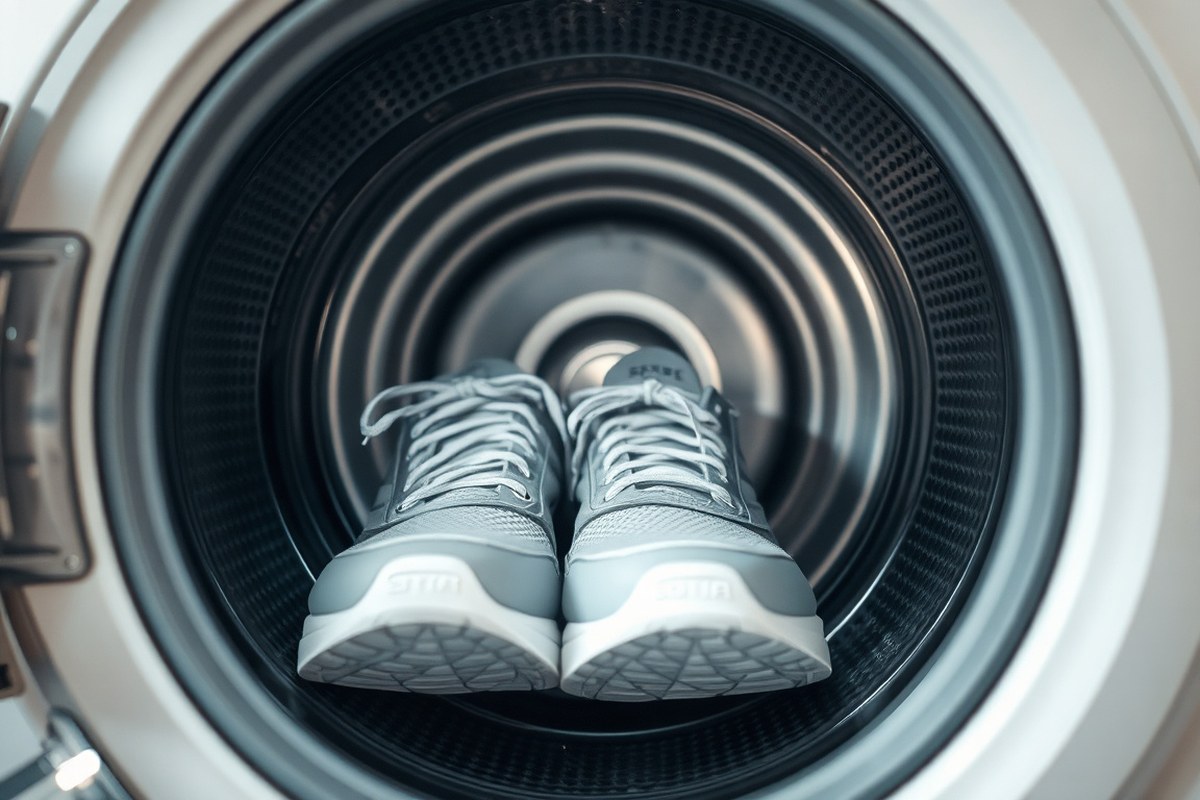
How to Wash Gym Shoes in Washing Machine: Safe Steps & Expert Tips
Washing gym shoes in a washing machine is possible, provided they are designed for machine washing and you prepare them correctly. Following the proper process avoids damage and keeps your shoes from shrinking, losing shape, or weakening adhesives. This guidance suits regular gym shoe users aiming for a convenient and safe cleaning method without hand washing.
Following clear preparation tips and choosing the right washing settings will protect your shoes during the cleaning process. You’ll also learn how to dry them safely and maintain their life longer. These steps keep your gym shoes fresh and ready for your workouts.
Key Takeaways
- Check if your gym shoes are machine washable before putting them in the washing machine.
- Remove laces and insoles, and place shoes inside a securely closed pillowcase or laundry bag.
- Add towels or soft items to the machine to cushion the shoes and reduce impact during the wash.
- Use cold or warm water with a gentle cycle and an extra rinse to prevent soap residue.
- Never use hot water, as it can damage glue and materials in your shoes.
- Air dry washed shoes for 24 to 48 hours in a well-ventilated area, avoiding direct heat sources.
Can You Wash Gym Shoes in the Washing Machine?

Yes, you can wash some gym shoes in a washing machine, but not all. The key factor is the shoe material, which affects how well they hold up to water, detergent, and machine agitation. Shoes made from mesh, canvas, and many synthetic materials generally handle machine washing well. These fabrics are durable enough to withstand the spinning and soaking without losing shape or bonding materials.
Leather, suede, and nubuck shoes are not safe for machine washing. Water and the machine’s action can damage these materials, causing warping, color fading, and weakening of glued parts. Shoes with delicate embellishments or metal components should also avoid the washing machine because these elements can break, rust, or scratch the washer drum.
| Material | Machine Wash Suitability | Why |
|---|---|---|
| Mesh | Safe | Durable and breathable; resists damage from water and agitation |
| Canvas | Safe | Sturdy fabric tolerates washing and drying well |
| Synthetic (nylon, polyester) | Generally safe | Water-friendly and resilient materials |
| Leather | Not safe | Water causes warping and cracking; glued parts weaken |
| Suede/Nubuck | Not safe | Water stains, material damage, and texture changes |
| Shoes with metal parts or embellishments | Not safe | Rust, scratching, or detachment possible |
Before tossing your gym shoes in the washer, check the material label or product description to confirm the fabric type. You can use this decision rule checklist: If the shoes are made of mesh, canvas, or synthetics and have no leather, suede, or metal parts, they qualify for machine washing. For any shoes with leather, suede, glued soles, or decorative pieces, opt for hand washing instead to preserve their condition.
Machine washing leather or suede shoes risks ruining their appearance and structure. Water can cause leather to become stiff or cracked, and it often leads to irreversible staining with suede. Machine agitation loosens adhesives in glued construction, causing soles or parts to separate. These materials need gentle care using specialized cleaning products and methods.
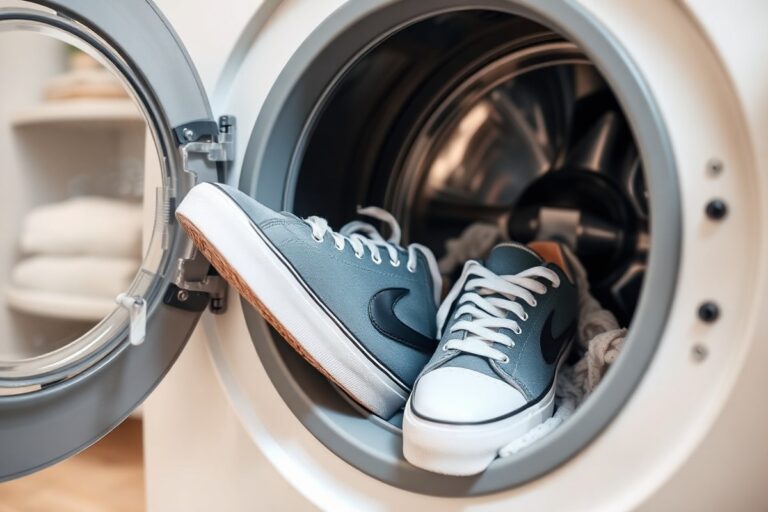
Using the machine on suitable shoes saves time and cleans more thoroughly than hand washing alone. Prepare shoes by removing laces and insoles, then place them inside a mesh laundry bag for extra protection. Select a gentle or delicate cycle with cold water and mild detergent to minimize wear and tear. Avoid hot water, which can melt glue bonding shoe parts. A rinse cycle helps flush away soap residue, reducing skin irritation and shoe stiffness after drying.
How to Prepare Gym Shoes Before Machine Washing

Getting your gym shoes ready for a washing machine cycle keeps them safe, improves cleaning, and protects the machine. Begin by taking out the laces and insoles, then shake off dirt and treat any stains. Use a mesh laundry bag to hold the shoes, which cushions them and stops them from hitting the drum.
Remove Laces and Insoles
Take out the laces and insoles from your gym shoes before washing. Removing laces prevents them from tangling or damaging the shoes and washing machine. Insoles often have different materials that can get damaged or retain water, so it’s best to wash them separately if you choose.
You can wash laces by hand or place them in a mesh laundry bag and wash them in the machine. Insoles should be cleaned carefully by hand with mild detergent and allowed to air dry completely before putting them back in your shoes.
Knock Off Loose Dirt and Pretreat Stains
Cleaning off loose dirt and pretreating stains helps improve washing results and prevents grime from spreading inside the machine. Use a stiff brush to knock off dried mud and debris from the shoes’ surface. This step reduces clumps that could interfere with the spin cycle and damage shoe materials.
For stains, apply a mild soap or detergent directly to the affected areas with a soft brush or cloth. Let the soap sit for 10 to 15 minutes before washing. Avoid using bleach or harsh chemicals, which can weaken fabrics and cause discoloration on gym shoes.
Using a Mesh Laundry Bag or Pillowcase
Put your shoes in a mesh laundry or delicates bag made for washing to shield them during the cycle. These bags keep the shoes from knocking into the washing machine drum, which could create scuffs or harm both the shoes and the machine.
Use a clean pillowcase as an alternative to a mesh bag if you don’t have one available. Make sure to securely tie or fasten the pillowcase opening with rubber bands or a knot so your shoes stay contained. Adding a few old towels to the load cushions the shoes further and balances the machine. Always check that the mesh bag or pillowcase is sturdy and fully closed before starting the wash.
- Remove laces and insoles from your gym shoes.
- Use a stiff brush to knock off loose dirt and debris from the shoes.
- Treat stains by applying mild detergent with a soft brush or cloth and let it sit 10, 15 minutes.
- Place the shoes in a mesh laundry bag or a securely tied pillowcase.
- Place laces in a separate mesh bag or wash them by hand.
- Include some old towels inside the washing machine to help absorb shocks and keep your shoes cushioned while they wash.
Always remove insoles and laces before washing to avoid damage and wash laces in a separate mesh bag to prevent tangling. Never skip knocking off dirt, as it protects both your shoes and washing machine.
Choosing the Best Washing Machine Settings for Gym Shoes
Using the right washing machine settings is key to cleaning your gym shoes thoroughly without damaging them. Opt for a gentle cycle to protect the material and structure of your shoes. Cold water helps prevent shrinking, warping, or fading, especially for mesh and synthetic fabrics common in gym shoes. Warm water can be used cautiously but avoid hot water as it may degrade glue and deform some materials.
Spin speed should be low or turned off entirely. High spin speeds can bend or crack shoe soles and increase wear on delicate parts. Adding extra padding around your shoes inside the machine reduces impact and noise. Place your gym shoes inside a mesh laundry bag or pillowcase, then add two to three old towels. These towels cushion the shoes, balance the load, and prevent them from banging hard against the drum during washing.
| Shoe Type | Cycle | Water Temperature | Spin Speed | Padding |
|---|---|---|---|---|
| Mesh or Synthetic | Gentle | Cold or Warm (max 85°F / 30°C) | Low or None | 2-3 Towels + Laundry Bag |
| Rubber Sole Running Shoes | Gentle | Cold | Low | 2 Towels + Laundry Bag |
| Leather or Suede | Hand wash recommended | N/A | N/A | N/A |
| Canvas Sneakers | Normal or Gentle | Cold or Warm | Low | 2 Towels |
To prepare your wash, remove the insoles and laces and place the shoes in a laundry bag to limit direct water exposure. Surround the bagged shoes with two or three old towels inside the drum to provide extra shock absorption. Avoid tossing in more items that could unbalance the load or cause friction damage.
If you don’t have a mesh bag, wrapping shoes in a pillowcase secured with a knot works as a quick alternative. This setup keeps shoes protected while allowing water and detergent to circulate. Avoid washing shoes without padding and on harsh cycles to minimize risk of fading, warping, or sole damage.
How to Dry Gym Shoes Safely After Washing
Drying gym shoes after washing takes patience and care to keep their shape and material intact. Air drying at room temperature is the safest method and usually takes 24 to 48 hours to fully dry your shoes. Removing and drying insoles and laces separately speeds up the process and prevents mildew or odors.
Air Drying: Why It’s Best
Air drying is the gentlest way to dry gym shoes after washing. It protects the shoe soles and fabric from damage caused by heat, which can warp or shrink components. Keeping the shoes at room temperature allows moisture to evaporate naturally without stressing the materials.
You can place your shoes in a well-ventilated area indoors. Using a fan or placing shoes near an air vent speeds the drying without adding heat. A dehumidifier also helps reduce moisture in the air, shortening drying time.
Avoid Direct Sunlight and Heat Sources
Direct sunlight can cause shoes to shrink, discolor, or become brittle. Heat sources such as radiators, heaters, or hair dryers dry shoes too quickly and unevenly, leading to warping or cracked soles. Keeping your gym shoes away from these prevents permanent damage and maintains fit.
Instead, find a shaded, cool spot with good airflow. Avoid enclosed spaces without air movement, which keep moisture trapped and lengthen drying times.
Drying Insoles and Laces Separately
Always remove insoles and laces before washing and drying. Insoles made from foam or gel take longer to dry inside the shoe, increasing the risk of mold or odor. Remove excess water by patting with a towel, then air dry them flat or hang them in a well-ventilated area.
Laces dry faster and can be placed on a rack or towel. Washing laces separately in a mesh laundry bag prevents tangling and allows more even drying. Putting dry insoles and laces back into fully dried shoes helps keep the shoes smelling fresh and maintains comfort.
- Remove insoles and laces before drying
- Place shoes in a shaded, ventilated spot at room temperature
- Use a fan or dehumidifier to speed drying without heat
- Do not put shoes in direct sunlight or near heaters
- Pat insoles dry and air them flat or hung
- Dry laces separately on a rack or towel
- Ensure shoes are completely dry before use to prevent odor or damage
How Often Should You Wash Your Gym Shoes?
You should wash your gym shoes in the washing machine whenever they develop a strong odor or show visible dirt that cannot be wiped off easily. For regular gym-goers who use their shoes daily or several times a week, washing every 4 to 6 weeks is a reasonable timeline to prevent bacteria buildup and odor. Casual users who wear their gym shoes less often or just for light activities may only need to wash them every 2 to 3 months. Shoes that are primarily mesh or lightweight synthetic materials handle machine washing better and can endure more frequent cleanings without damage.
Odor control plays a significant role in deciding when to wash your gym shoes. Sweat, combined with confined space inside the shoe, can lead to bacterial growth and unpleasant smells. Ignoring odors can make your gym shoes uncomfortable to wear and may cause hygiene issues. Washing them before the smell becomes overwhelming helps maintain freshness. You can also use odor-absorbing inserts or sprays between washes, but once the odor persists through these measures, a machine wash is often needed.
The type of gym shoe also affects washing frequency. Mesh uppers, known for their breathability, typically tolerate machine washing well without warping or wear if you follow the proper precautions. Leather or suede panels, however, do not respond well to machine washing and should be cleaned with specialized products instead. For leather or mixed-material shoes, wash only when necessary to avoid deterioration.
Pay attention to the shoe’s condition to know when replacement is better than washing. If the shoes show signs of significant sole wear, lack of cushioning support, or tears in the upper, washing may no longer extend their useful life effectively. Typical gym shoes last around 300 to 500 miles of use or approximately 6 months to a year for frequent users, depending on your activity intensity. Once your shoes start to lose proper support or cause discomfort, it’s best to replace them to avoid foot or joint issues.
Regular washing can prolong the look and feel of your gym shoes but don’t expect it to fix structural problems. Cleaning every 4 to 6 weeks for frequent use or every couple of months for casual use keeps your shoes hygienic and fresh without accelerating wear. Use odor as a guide: when your shoes begin to smell noticeably, it is time to clean. Between washes, store your shoes in a dry, ventilated area to reduce moisture buildup and odor development. This simple care routine costs little but makes a big difference in shoe longevity and comfort.
Machine washing too often, especially on leather or non-mesh shoes, can break down materials faster, stick to washing only when odor or dirt demand it.
How to Remove Odors and Stubborn Stains from Gym Shoes
Odors and stubborn stains can make your gym shoes unpleasant to wear and hard to clean effectively in a washing machine. Addressing these issues before and after washing helps keep your shoes fresh and looking their best. Simple home remedies like baking soda and essential oils work well for odor removal, while targeted stain treatments improve the cleaning results.
Using Baking Soda for Deodorizing
Baking soda is a popular and affordable deodorizing agent that absorbs moisture and neutralizes odors inside gym shoes. Sprinkling about one to two tablespoons of baking soda inside each shoe before washing helps break down smell-causing bacteria. You can also apply baking soda after washing and drying to maintain freshness.
For best results, remove the insoles and soak them separately in a small bowl filled with a baking soda and water mixture (about one tablespoon per cup of water) for 15 to 30 minutes. After soaking, rinse the insoles lightly and let them air dry. This step targets embedded odors without damaging shoe materials.
Applying Essential Oils for Freshness
Essential oils like tea tree, lavender, or eucalyptus can add a natural fresh scent to gym shoes while providing mild antibacterial properties. After drying your shoes completely, apply a few drops of diluted essential oil (mix 5 drops per one ounce of water in a spray bottle) and spritz inside the shoes lightly. Avoid applying oils directly onto shoe fabrics to prevent staining.
Essential oils complement baking soda well; apply baking soda for odor absorption and follow with an essential oil spray to leave a pleasant, lasting aroma. This combination also helps reduce shoe bacteria and keeps your gym shoes smelling fresh between washes.
Pre-Wash Stain Treatment Methods
Stains on gym shoes can include dirt, grass, or sweat marks. Pretreating these stains before machine washing improves the chances of removal without harsh scrubbing. Start by removing loose dirt or debris with a soft brush or damp cloth.
Next, spray a stain remover formulated for fabric and synthetic materials directly on the affected areas. Allow the stain remover to sit for 10 to 15 minutes before placing the shoes in the washer. Some gentle homemade options include a paste made from baking soda and water or a mixture of equal parts white vinegar and water. Test homemade solutions on a small, hidden area first to check for fabric colorfastness. To get the best out of stain treatment, follow this simple checklist before machine washing:
- Remove shoelaces and insoles for separate cleaning
- Brush off loose dirt and debris
- Apply stain remover or homemade paste on persistent stains
- Let the treatment sit for 10 to 15 minutes
- Use cold or warm water settings in the washing machine to protect shoe materials
By treating stains prior to washing, you reduce the risk of setting the stain permanently during the cleaning cycle. This approach also helps the machine clean more thoroughly, preserving your gym shoes’ appearance and extending their lifespan.
Common Mistakes When Washing Gym Shoes in Machine
Machine washing gym shoes can damage them if you don’t take the right precautions. One common mistake is using hot water, which can weaken or melt the glue holding the shoe parts together. Stick to cold or lukewarm water, ideally below 80°F (27°C), to protect the integrity of your shoes. Another error is skipping essential preparation steps, such as removing laces and insoles or cleaning off excess dirt. These steps prevent damage to the shoes and the washing machine drum.
Some gym shoes contain materials that washing machines shouldn’t handle, like leather, suede, or certain adhesives. Washing these shoes can cause shrinking, stiffening, or irreversible deformation. Always check the material and manufacturer’s instructions before machine washing. Shoes that shrink or lose shape after washing usually result from heat exposure during washing or drying. Avoid tumble drying and instead air dry shoes at room temperature away from direct sunlight or heat sources.
- Using hot water: damages glue bonds; use cold or lukewarm water instead.
- Not pre-cleaning shoes: dirt and grit can damage machine and shoes; brush off before washing.
- Washing leather or suede shoes: these materials degrade in machines; hand clean or follow care label.
- Keeping laces and insoles inside: they can tangle or not clean well; remove and wash separately or by hand.
- Skipping a mesh laundry bag: shoes can bang inside the drum causing scuffs; use a protective bag for gentle washing.
- Drying shoes in high heat (tumble dryer or near heaters): causes shrinking and misshaping; air dry at room temperature instead.
- Ignoring manufacturer’s care instructions: can void warranties or lead to irreversible damage.
These mistakes usually cause issues like sole separation, material cracks, or permanent shape changes. Fix or avoid these by sticking to cold water cycles, prepping shoes properly, and allowing shoes to dry naturally. If your shoes do shrink or deform, stuffing them with dry cloths or newspapers while they air dry can help gently reshape them. Repair of serious damage often requires professional shoe repair services, which can cost $20 to $50 or more depending on the problem. Protect your investment by treating gym shoes carefully during machine washing and drying.
Maintaining and Extending the Life of Washed Gym Shoes
Maintaining your gym shoes after washing is key to extending their life and keeping them comfortable. Start by letting them dry completely at room temperature, which prevents moisture buildup that can lead to odors and material breakdown. Once dry, apply a water and stain repellent spray designed for athletic shoes. These protectants help shield your shoes from dirt and spills, reducing the need for frequent deep cleanings. Typically, you’ll spray evenly over the entire shoe from about 6 to 8 inches away, letting it dry fully before use. Reapplying protectants every few weeks or after washing maintains this protective barrier.
Proper storage is essential for gym shoes. Keep them in a dry, cool spot away from sunlight to prevent materials like mesh and rubber from fading or cracking. Avoid leaving shoes crammed inside gym bags for long periods, as moisture buildup can promote bacteria. After each use, take out the insoles and loosen the laces to help shoes dry faster and cut down on odors.
Clean your gym shoes regularly between machine washes to minimize wear. Use a soft brush or cloth to wipe off dried mud and dirt after workouts before they get ground into the fabric. Spot clean stains promptly with mild soap and water. For stubborn marks, gentle scrubbing avoids damaging the shoe surface. Frequent light cleaning means machine washing will only be needed every few months, which helps preserve the shoe’s structural integrity and appearance.
It’s important to recognize when gym shoes need replacing. Typically, shoes last between 300 and 500 miles of running or about 6 to 12 months of regular gym use, depending on how often and intensely you train. Watch for worn soles with less tread, compressed midsoles that reduce cushioning, or tears in the upper fabric that can’t be fixed. Persistent bad smells or discomfort after workouts are also signs. Wearing shoes that are too worn can lead to injuries and hinder your workout, so timely replacement is recommended.
For casual sneaker users who mostly walk or use shoes for light activity, expect these signs on a longer timeline, often 1 to 2 years. Keep a rotation of shoes if you train regularly; this allows each pair to dry and recover fully between uses, extending their lifespan. In any case, routine inspection every few months helps catch wear early.
Always air out your gym shoes with insoles removed right after your workout to reduce moisture and bacteria growth before storing or re-wearing them.
Step-by-Step Action Plan for Washing Gym Shoes in a Machine
Follow these steps to clean your gym shoes safely and keep them fresh for workouts.
- Before you start: Remove the laces and insoles, then brush off loose dirt. This prevents damage and improves cleaning results.
- Prep phase: Place shoes inside a mesh laundry bag or pillowcase to protect them during the wash cycle.
- Washing time: Use cold water on a gentle cycle with mild detergent. This avoids warping, fading, or breakdown of materials.
- Drying stage: Air dry shoes at room temperature. Do not put them in the dryer to prevent shrinkage or sole damage.
- Post-dry check: Once dry, check for any remaining odors or stains that need spot cleaning.
- Every 2 weeks or as needed: Repeat washing if shoes start smelling or looking dirty again to maintain hygiene.
- Maintenance tip: Clean laces and insoles separately in the machine or by hand and replace if worn out to extend shoe life.
Frequently Asked Questions
Can I Wash Mesh Gym Shoes in the Washing Machine?
Yes, mesh gym shoes typically handle machine washing well, but use a gentle cycle and cold water to avoid damage or shrinking.
Should I Remove the Insoles Before Washing Gym Shoes in the Machine?
Yes, take out insoles to clean them separately and help your shoes dry faster while maintaining their shape.
Can I Use Bleach to Clean Gym Shoes in the Washing Machine?
No, bleach can weaken the shoe materials and cause discoloration, so opt for mild detergent instead.
How Do I Protect the Washing Machine from Damage When Washing Gym Shoes?
Place your shoes inside a mesh laundry bag and add towels to balance the load and prevent banging inside the drum.
Is Using Hot Water Safe for Washing Gym Shoes?
Hot water is not safe as it may weaken glue bonds and cause shoes to warp or break down faster.
What Is the Best Detergent Type for Washing Gym Shoes in a Washing Machine?
Use a mild liquid detergent without additives to clean effectively without damaging shoe materials or adhesives.
The Bottom Line
Machine washing gym shoes works well when done carefully to avoid damage and preserve comfort. Start by prepping properly and choosing gentle settings, and make drying a priority. Take the first step today by prepping your shoes for their next wash cycle to keep them clean and odor-free.